REVIEW · SEVILLE
Seville: Museum of Fine Arts Guided Tour
Book on GetYourGuide →Operated by Guides and Tours · Bookable on GetYourGuide
Two hours can change how you see Seville art. This guided visit takes you through the Museum of Fine Arts inside the historic Convent of La Merced, where Renaissance, Baroque, and Sevillian styles all sit in the same elegant spaces. I especially like how an expert guide turns what you see into stories, so the paintings stop feeling random and start making sense.
My other favorite part is the setting itself: the museum’s cloisters and convent architecture are part of the show, not just background. A fair heads-up: with a 2-hour format and small-group pace, you’ll focus on key works rather than trying to see everything on your own.
In This Review
- Key things I’d plan around
- A 2-hour art shortcut inside Seville’s La Merced convent
- Finding the meeting point by Plaza del Museo and Murillo statue
- Entering La Merced: why the convent buildings change the art experience
- Claustro de los Bojes and Claustro Mayor: a calmer pace for big art
- Gothic to Renaissance: seeing artistic evolution without getting lost
- Murillo’s room: what to look for when you’re surrounded by Sevillian art
- What you’ll notice because the group is small (max 8)
- The price question: is $23 good value for Seville’s museum scene?
- Who this guided Museum of Fine Arts tour fits best
- Practical tips so you enjoy the tour more
- Should you book this Seville Museum of Fine Arts guided tour?
- FAQ
- How long is the Seville Museum of Fine Arts guided tour?
- Where do I meet the guide for the tour?
- What’s included in the $23 per person price?
- What languages are available for the guide?
- How big is the group?
- Are pets allowed on the tour?
Key things I’d plan around
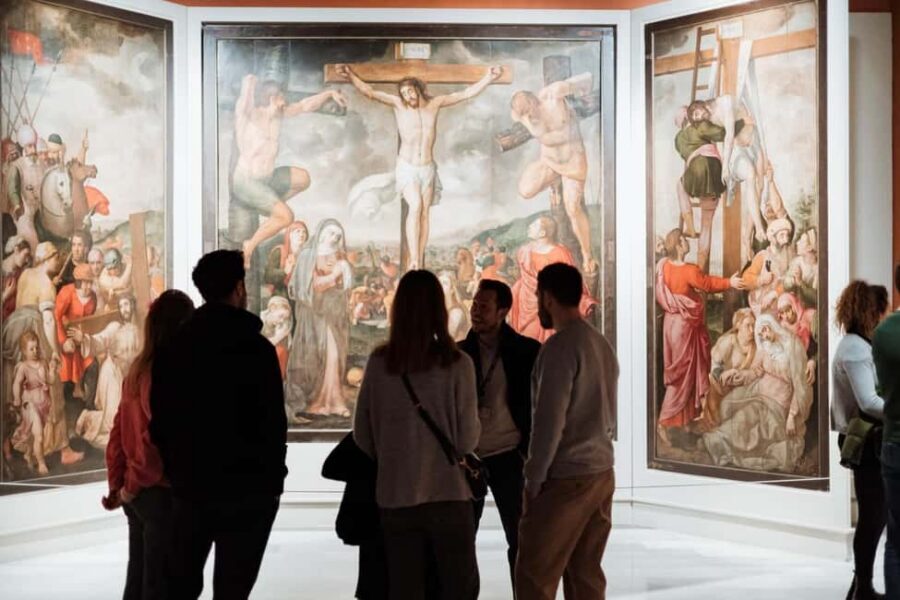
- La Merced convent + cloisters first: you’re not stuck only in galleries
- Small group, max 8: easier to ask questions and keep up with the route
- Skip-the-line express security: less waiting before you get to the art
- Period-to-period connections: Gothic, Renaissance, Baroque, and Sevillian Costumbrismo in one walk
- Murillo’s room gets spotlight time: you’ll learn what to look for before you move on
A 2-hour art shortcut inside Seville’s La Merced convent
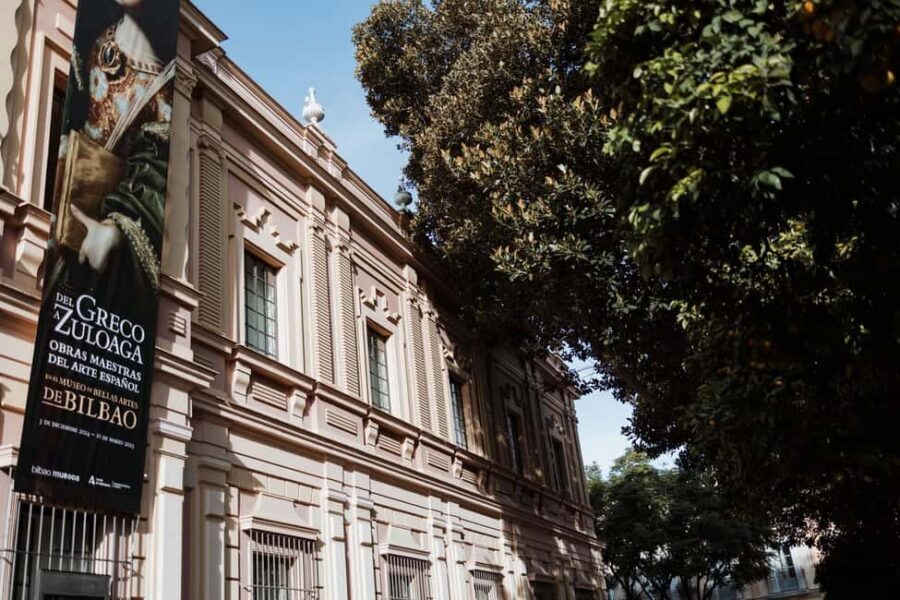
The Museum of Fine Arts of Seville is Spain’s second-largest art gallery, and this tour is designed to help you use that size wisely. Instead of aimless wandering, you follow a guided route that hits the museum’s most meaningful spaces and artworks, all while you’re in the middle of the historic Convent of La Merced.
What makes this experience work is the “why” behind the “what.” You’re shown how styles evolved in Seville and across Andalusia, and you get context for what you’re looking at—especially helpful if art museum time is tight in your schedule.
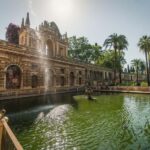
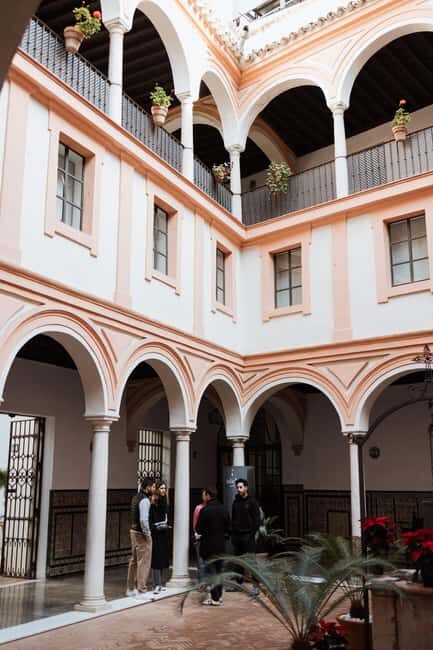
You’ll also feel the building’s rhythm. The tour isn’t only about rooms; it’s also about moving through cloisters like Claustro de los Bojes and Claustro Mayor, where the architecture helps you understand the atmosphere artists were creating for.
You can also read our reviews of more guided tours in Seville
Finding the meeting point by Plaza del Museo and Murillo statue
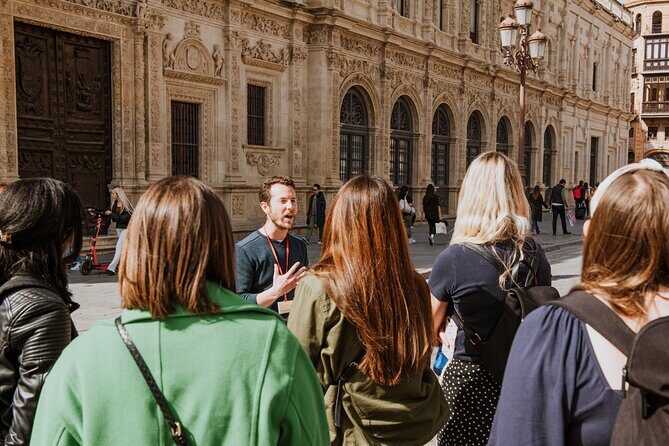
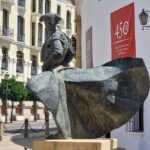
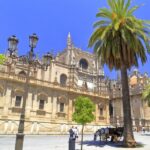
You start at Asociación Amigos del Museo de Bellas Artes, but the guide’s easy-to-spot location is Plaza del Museo, next to the statue of Murillo. Your guide will carry a blue umbrella or have a name tag that says Sevilla Guías & Tours.
This detail matters. If you’re arriving on foot while Seville’s streets are doing their usual best impression of a maze, getting that landmark right can save time and stress. And since you’ll be heading straight into museum entry, you’ll want to be in the right place before the group settles in.
Also note the practical bits: transportation to the meeting point isn’t included, and pets aren’t allowed. If you’re carrying snacks, keep it in mind that food and drinks aren’t part of the tour, so plan a quick stop before or after.
Entering La Merced: why the convent buildings change the art experience
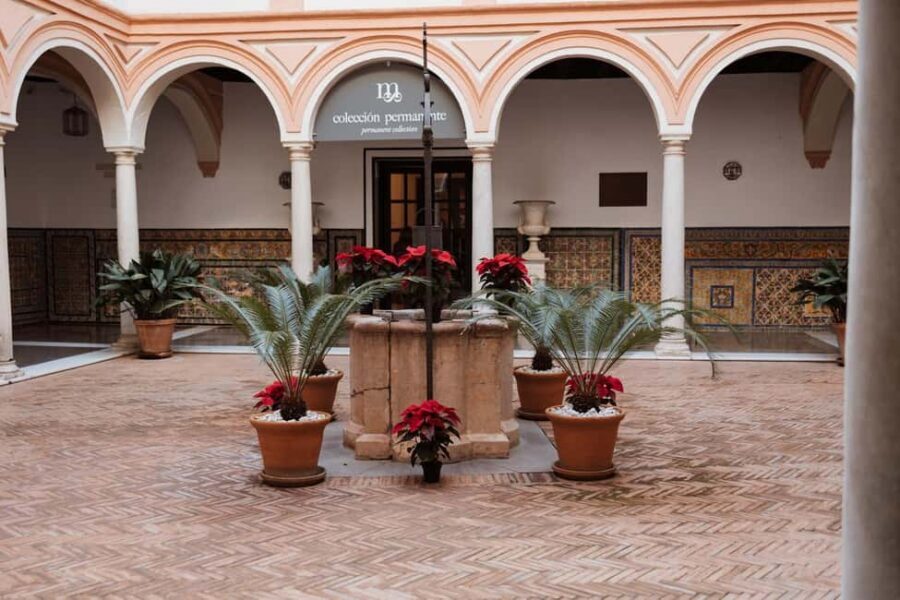
Before you even get deep into paintings, the tour takes you into the heart of La Merced. This is one of those cases where the setting isn’t a side note—it shapes how the museum feels.
You’ll admire Renaissance and Baroque architecture tied to the convent, then transition into the peaceful cloisters. Walking these spaces gives you a sense of scale and light. It also helps you understand why religious art and dramatic Baroque storytelling look the way they do: artists and patrons worked in environments where architecture and spirituality were intertwined.
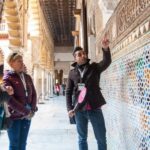
In the cloisters, pay attention to how your eyes travel. The guide’s job is to help you notice the “in-between” things—composition, symbolism, and how the art fits the building’s purpose—so that when you finally stand in front of major works, you’re not just reading titles. You’re reading cues.
Claustro de los Bojes and Claustro Mayor: a calmer pace for big art
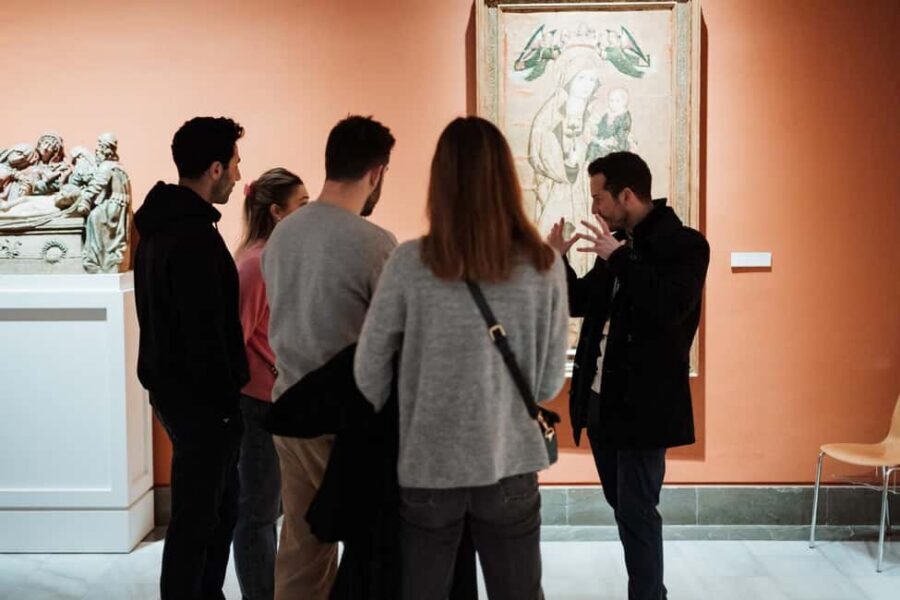
The cloisters are a clever part of this tour plan. They break up the intensity of galleries with a slower pace, and they let you reset your attention. When you’re walking in a group of up to 8 people, that breathing room matters.
Claustro de los Bojes and Claustro Mayor are where you get that courtyard feeling—open air, quiet corners, and the sense that the museum was built on older rhythms. It’s also an easy moment for the guide to connect themes across time, since the architecture stays stable even as the artwork changes styles.
If you’re the type who tends to rush through museum spaces, this tour’s structure can actually help. The cloisters give you natural pauses that you’d otherwise skip.
Gothic to Renaissance: seeing artistic evolution without getting lost
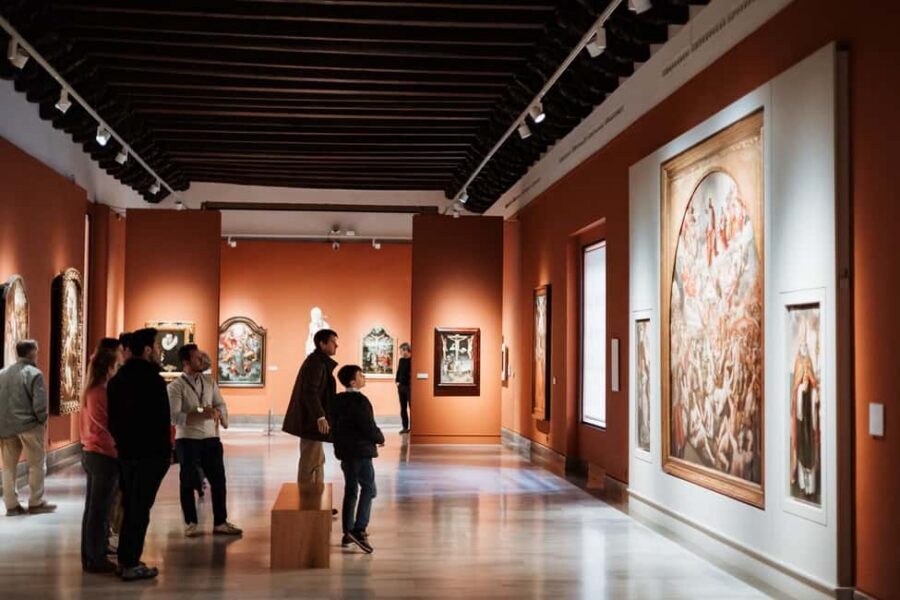
One of the best promises of this tour is that you don’t stay locked in one period. You move through Sevillian Gothic pieces, then into Renaissance work, including the impressive piece Saint Jerome Penitent by Torrigiano.
This is where I think the tour is most useful. Stand in front of Gothic or Renaissance art without context and you might miss what the artist was trying to emphasize—emotion, symbolism, realism, or how religious themes were translated into visual language. With a guide explaining the stories and the visual choices, you’re more likely to notice details you’d normally walk right past.
You also get the big-picture takeaway: the museum lets you see how artistic ideas traveled and transformed. The guide ties the art to its time and place, including how Seville’s culture influenced what got painted and sculpted there. That “evolution” becomes easier to grasp because you’re moving through the museum in a thoughtful order.
You can also read our reviews of more museum experiences in Seville




Murillo’s room: what to look for when you’re surrounded by Sevillian art
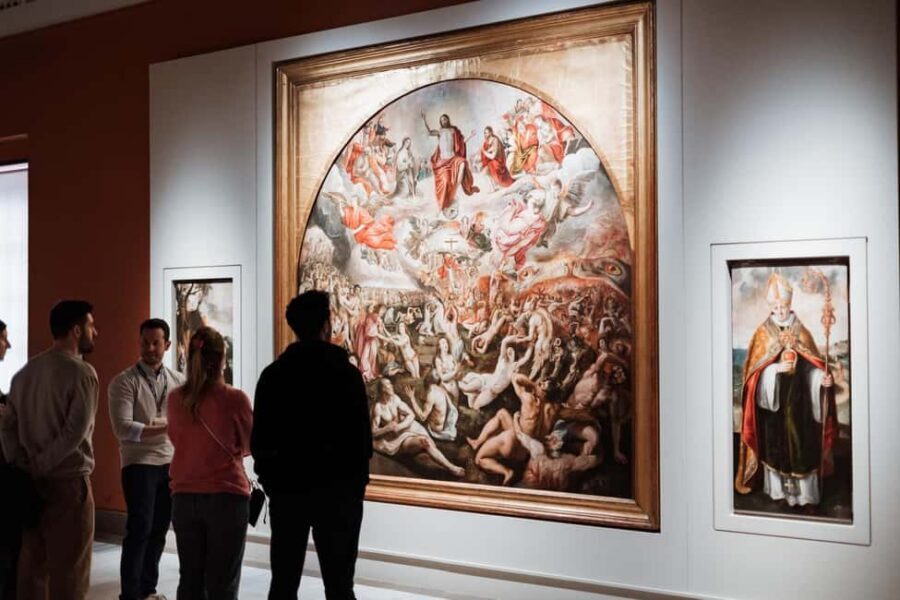
A highlight built into the route is a dedicated room for Bartolomé Esteban Murillo. This matters because Murillo isn’t just one artist you glance at; you’re given a focused introduction to his work and what makes him distinct in the Sevillian tradition.
Murillo’s art is often tied to emotion and everyday spiritual scenes, and that can feel simple at first look—until you understand what’s being communicated. A good guide helps you see the cues: gestures, lighting choices, and the way figures are arranged to guide your attention.
You’ll also explore selected works by other renowned Sevillian artists, which helps you compare Murillo with his artistic neighbors. Instead of feeling like you’re copying information from wall labels, you’re building a map in your head: who influenced whom, and how Sevillian painting reflects Spanish society.
If you enjoy art when someone points out symbolism or recurring themes, you’ll likely find this part of the tour the most rewarding. The tour is designed to help you “read” the room before you drift.
What you’ll notice because the group is small (max 8)
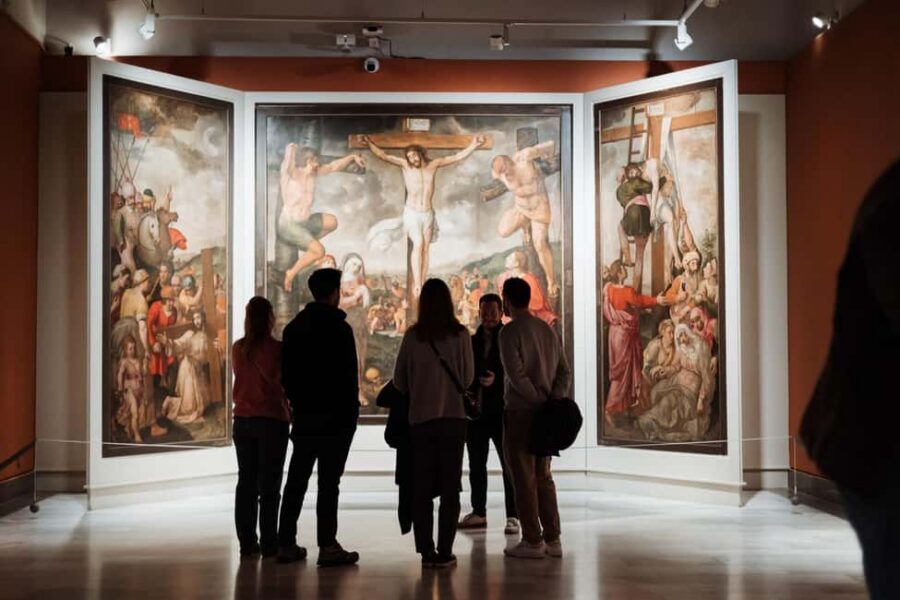
The tour is limited to 8 participants, which is a big deal in a museum this large. With a smaller group, the guide can slow down for questions and adjust explanations if you’re less familiar with art.
The pacing also tends to be friendlier. You’re not getting rushed past major pieces, and you’re more likely to hear the guide clearly throughout the walk. In reviews, the listening setup (including an ear piece style) is specifically praised because it makes hearing the guide easier than trying to rely on raised voices.
This is the kind of tour that suits you if you like asking “why” questions, not just absorbing facts.
The price question: is $23 good value for Seville’s museum scene?
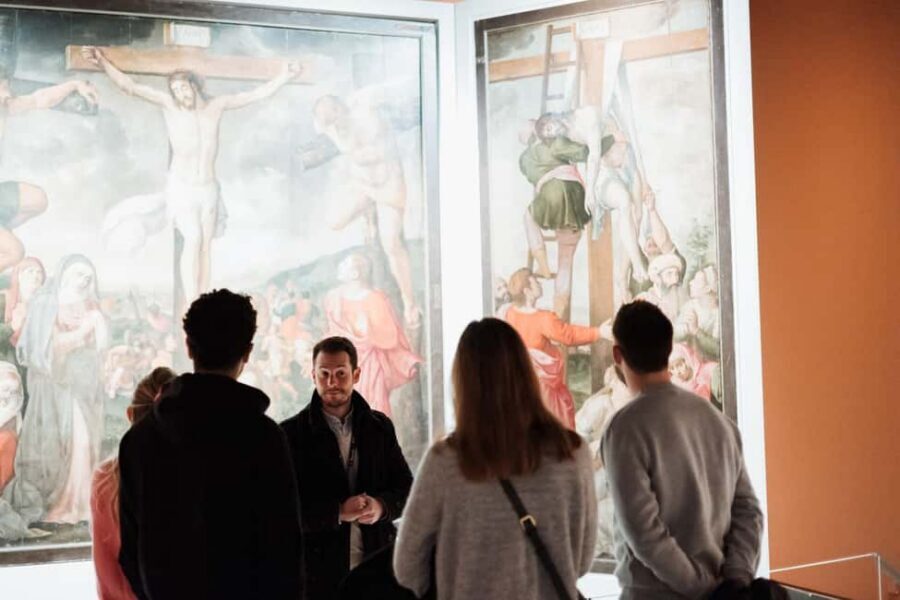
At $23 per person for 2 hours, this tour is priced as a value entry into a major museum. You’re getting more than entrance: you have an expert licensed guide, skip-the-line through express security, and a small group experience rather than a large crowd shuffle.
If you’ve ever paid for a museum ticket and still felt like you spent most of your time reading labels, the guided format is the main reason this can feel worth it. Entrance and a guide cost more in many European cities, and the express security helps you start the art visit sooner.
One practical point: transportation and food and drinks aren’t included. If you’re planning your day, treat this as a museum-focused block—then combine it with nearby sights in Seville after.
Who this guided Museum of Fine Arts tour fits best
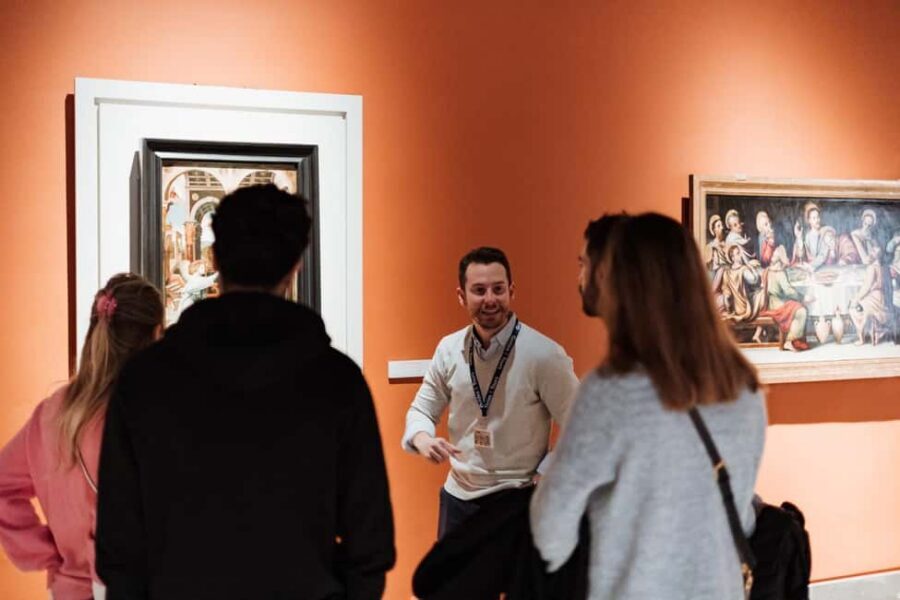
This is a strong choice if you want a curated route through major periods—Gothic, Renaissance, Baroque, and Sevillian Costumbrismo—without spending hours building your own plan. It’s especially helpful if you’re traveling with someone who likes art but isn’t deep into art history. The guide’s explanations are designed to make the works easier to understand at different comfort levels.
You might also like this tour if you’re visiting Seville for the first time and want an introduction to what makes Sevillian art distinct. Seeing the convent setting, then moving into Murillo and Renaissance masterpieces, gives you a quick but meaningful sense of the city’s visual identity.
That said, if you’re the type who wants to linger freely at every painting, you may want extra time after the guided portion to roam at your own pace.
Practical tips so you enjoy the tour more
Plan to arrive a little early at Plaza del Museo so you can meet the guide without sprinting. Bring a comfortable pair of shoes, because even a “short” museum route involves steady walking in and out of rooms and cloisters.
When you stand in front of a major artwork, give it a full look before you move on. With a guided tour, it’s tempting to treat each painting like a stop on a checklist. Instead, let the guide’s context guide your second look—often that’s when the art clicks.
And if you’re offered listening equipment, use it. Reviews specifically mention that the ear piece makes hearing the guide much easier, which can be a quality-of-life upgrade when you’re inside a busy museum.
Should you book this Seville Museum of Fine Arts guided tour?
If you want an efficient way to see the museum’s biggest highlights in 2 hours, this is an easy yes. The small group size, licensed guide, and the focus on periods and major works (including Murillo and Torrigiano’s Saint Jerome Penitent) make it feel like more than “just entry with a person talking.”
Skip this tour only if you already have a strong plan for the museum and you prefer quiet self-paced wandering through every room. Otherwise, this guided route is a smart way to get value from one of Seville’s key art spaces—inside a convent that’s already worth seeing.
FAQ
How long is the Seville Museum of Fine Arts guided tour?
The tour lasts 2 hours.
Where do I meet the guide for the tour?
You’ll meet at Asociación Amigos del Museo de Bellas Artes, with the guide waiting at Plaza del Museo next to the Murillo statue. Look for a blue umbrella or a name tag that says Sevilla Guías & Tours.
What’s included in the $23 per person price?
It includes entrance to the Museum of Fine Arts of Seville, a licensed expert guide (English or Spanish), and a small group experience. It also includes skip-the-line through express security.
What languages are available for the guide?
The guide is available in English or Spanish.
How big is the group?
The tour is limited to a small group of up to 8 participants.
Are pets allowed on the tour?
No, pets are not allowed.