REVIEW · SEVILLE
Seville: Museum of Flamenco Dance Admission Ticket
Book on GetYourGuide →Operated by Museo del Baile Flamenco · Bookable on GetYourGuide
Flamenco becomes easier to understand here. The Museum of Flamenco Dance in Seville is a hands-on way to see how this Andalusian art form evolved, not just a poster of famous dancers. Two things I really like are the museum’s focus on specific flamenco styles (Alegría, Soleá, Seguiríya and more) and the way historic costumes, props, and artwork are used to explain the dance. The main drawback to consider: this is an admission museum experience, not a flamenco show—if you came only for performances, you may feel you want more.
You’ll find it in the Old Town, a short walk from major landmarks. That makes it an easy add-on before or after you explore the Cathedral and the Giralda. Plan on about one hour for the core route, but the format is designed so you can pause, read, and watch at your own speed. One more thing to keep in mind: the museum is set up as a thoughtful experience, so if flamenco background is new to you, it helps to go in with curiosity.
If you do that, you’ll leave with a clearer sense of how flamenco works—style by style, era by era, and even costume by costume—rather than just knowing the word flamenco.
In This Review
- Key things to know before you go
- Getting Oriented: Where the Museum Fits in Seville
- What Your Ticket Really Includes (And What It Doesn’t)
- The 1-Hour Flow: How the Museum Experience Plays Out
- Understanding Flamenco Through Styles: Alegría to Guajira
- The Costumes, Props, and Art: Why the Details Matter
- Interactive Screens and Exhibitions: Making the Museum Feel Modern
- Timing It Right: Opening Hours and a Practical Day Plan
- Who This Museum Is Best For (And Who Might Want the Show)
- Price and Value: Why $7 Works So Well Here
- Final Verdict: Should You Book This Flamenco Museum Ticket?
- FAQ
- How long is the Flamenco Dance Museum ticket good for?
- Where is the meeting point for the ticket?
- What is the museum opening time?
- Is a flamenco show included with the admission ticket?
- Is the museum wheelchair accessible?
- When can I enter the museum?
Key things to know before you go
- Old Town location: about a five-minute walk from the Cathedral and the Giralda area.
- Flamenco styles, clearly separated: Alegría, Soleá, Seguiríya, Taranto, Tangos, and Guajira.
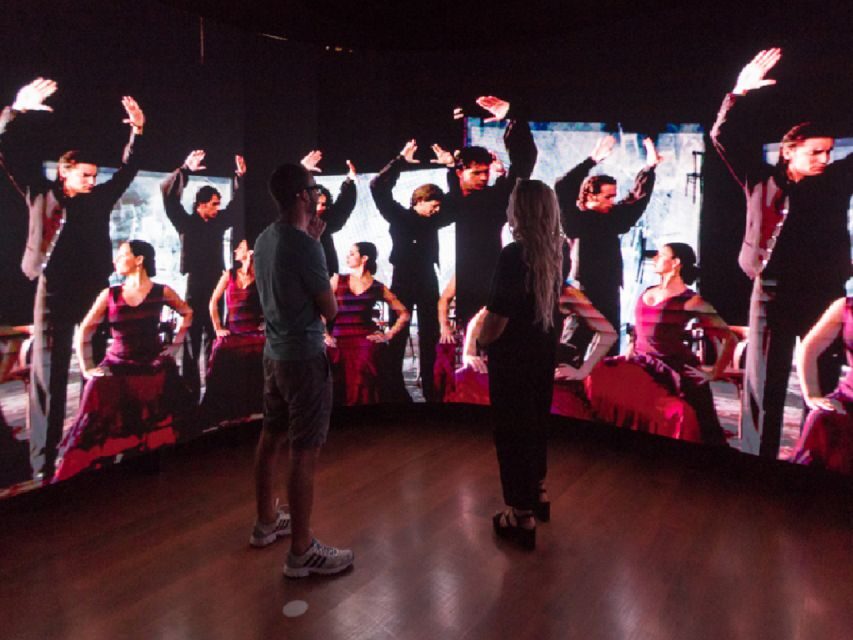
- Interactive screens: you’re not only reading panels; you’ll work through explanations and content on site.
- Founded by Cristina Hoyos: the museum was created by one of flamenco’s most famous dancers and choreographers.
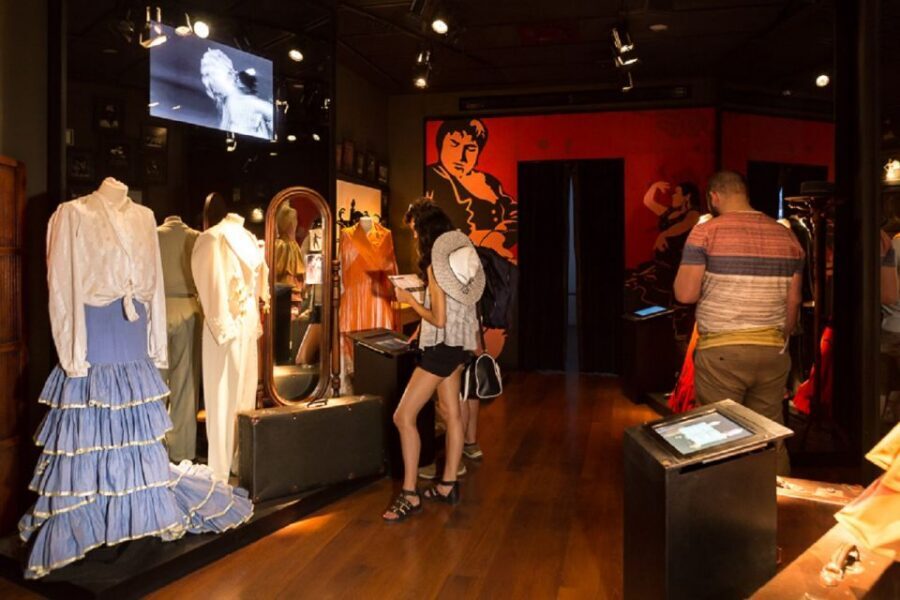
- Historic costumes and props: the museum uses clothing details to show how flamenco has changed over time.
- Easy 1-hour plan, flexible pace: you can follow the main flow quickly or slow down.
Getting Oriented: Where the Museum Fits in Seville
The Museum of Flamenco Dance sits right in Seville’s Old Town. The address to aim for is the ticket office at Calle Manuel Rojas Marcos, 3, 41004 Sevilla. This matters because the museum is positioned in the same walkable zone as the Cathedral and the Giralda, so you’re not losing time zigzagging across the city.
The museum is open in a set daily window: 11:00 to 18:00, with last entry at 18:00. On the first Monday of each month, it opens later, at 16:00. If you’re planning a tight sightseeing day (and most Seville days are), check the date so you don’t show up during the usual hours when the museum is closed.
The visit is designed to be straightforward. You buy admission, enter during your ticket’s valid time, and experience the museum at your pace. There’s no need to hunt for an exact tour schedule once you’re inside—this is a self-guided museum format with interactive elements.
You can also read our reviews of more tours and experiences in Seville



What Your Ticket Really Includes (And What It Doesn’t)
Your ticket is for museum admission only. It includes entry to the Flamenco Dance Museum, and that’s it. It does not include a flamenco show, which is a key distinction.
This is why the museum can feel perfect for the right traveler and slightly disappointing for the wrong one:
- If you want context—history, styles, costumes, and how flamenco became what it is today—admission makes sense.
- If you want live singing and dancing, you’ll need to book a separate flamenco performance elsewhere.
At a price of $7 per person, the math usually works in your favor. Even if you only get a portion of what the museum has to offer, you’re paying for an organized, informative cultural stop rather than an all-day event. The museum’s one-hour duration is also a big plus for people building a day around major sights.
The 1-Hour Flow: How the Museum Experience Plays Out
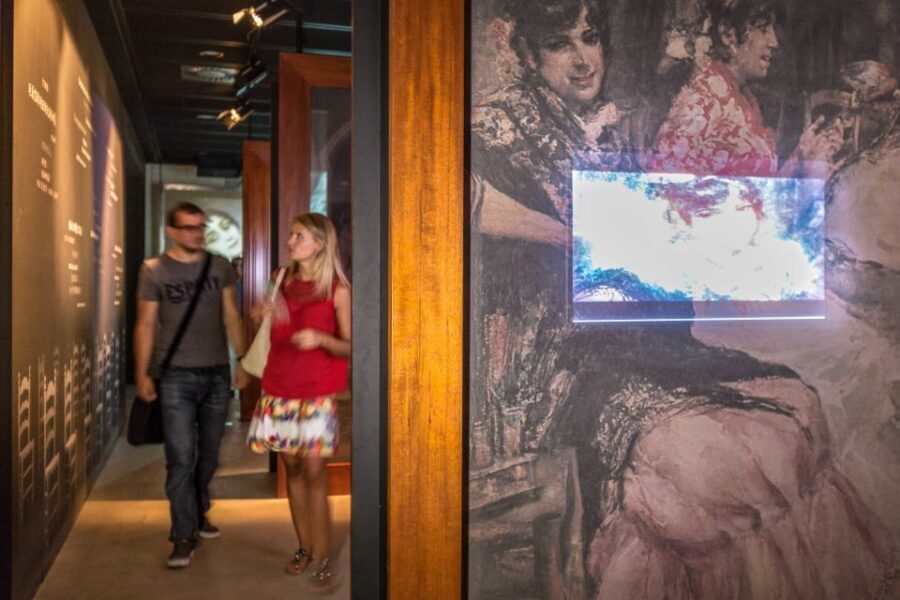
The ticket duration is listed as 1 hour, but think of that as a “comfortable minimum” for the main content. The museum is interactive and style-focused, so you can easily spend less time if you skim, or more time if you stop to watch and read carefully.
Here’s what the visit is built around:
First, the museum introduces flamenco as more than a single dance. It frames flamenco as a national-level cultural expression shaped by time, region, and artistic choices. The founder, Cristina Hoyos, is tied to this mission—an important detail because her involvement signals that the museum’s approach is choreographer-and-dancer led, not just a generic display of photos.
Then you move into the heart of the experience: flamenco styles. The museum highlights:
- Alegría
- Soleá
- Seguiríya
- Taranto
- Tangos
- Guajira
For many visitors, that list is a turning point. Flamenco stops being one thing and becomes a set of distinct musical-and-movement languages. That’s what makes the museum more than a quick look.
Understanding Flamenco Through Styles: Alegría to Guajira
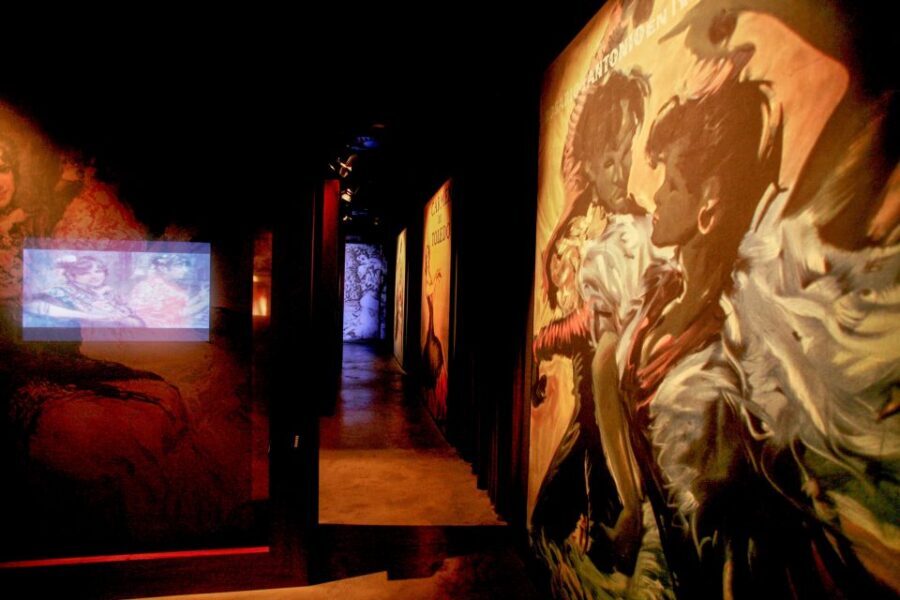
One of the strongest parts of this museum is that it doesn’t treat flamenco as a single mood. It breaks the experience into specific styles, and that gives you a practical way to listen and watch later.
You’ll likely notice that the styles aren’t lumped together with vague labels. The museum’s approach is built around explaining how flamenco has developed—how it started as a folk tradition and later became a cultural institution. Even without formal training, you start to catch the differences in feel and structure.
As you move between the styles, you’ll see the museum use costume and artistic references to connect movement with identity. That matters, because flamenco isn’t just what the dancer does in the moment. It’s also how dress, props, and performance tradition reinforce the expression.
If you’re planning to catch a flamenco show later in your trip, this is where the museum pays off. You don’t need to become an expert, but you’ll have a vocabulary. That makes live performances easier to follow rather than “watching something beautiful with no context.”
The Costumes, Props, and Art: Why the Details Matter
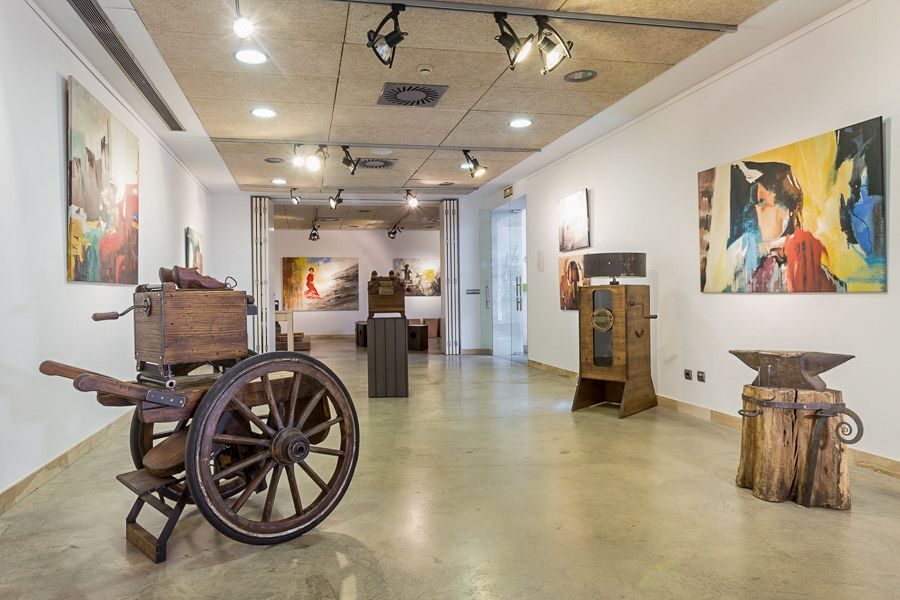
The museum’s historic costume and art displays are not just decorative. They function like visual evidence for the evolution theme.
The information highlights how you can see “every detail” of dresses and clothing, along with historic props and artwork tied to flamenco. In practice, that means you’re encouraged to slow down. You’re not asked to memorize facts. You’re asked to notice how clothing and presentation reflect period and style.
And when I look at value, this is where the $7 ticket becomes a good deal. Museum tickets can sometimes feel like you paid for time in a quiet room. Here, the exhibits are connected to something you’ll likely watch later—so the details stick better.
There’s also something psychologically helpful about costume-focused learning. When you see a style alongside the dress language of its era, it’s easier to remember the style names and connect them to what you’ll hear and watch. That connection turns the museum from a “read and forget” stop into a useful primer.
You can also read our reviews of more museum experiences in Seville





Interactive Screens and Exhibitions: Making the Museum Feel Modern
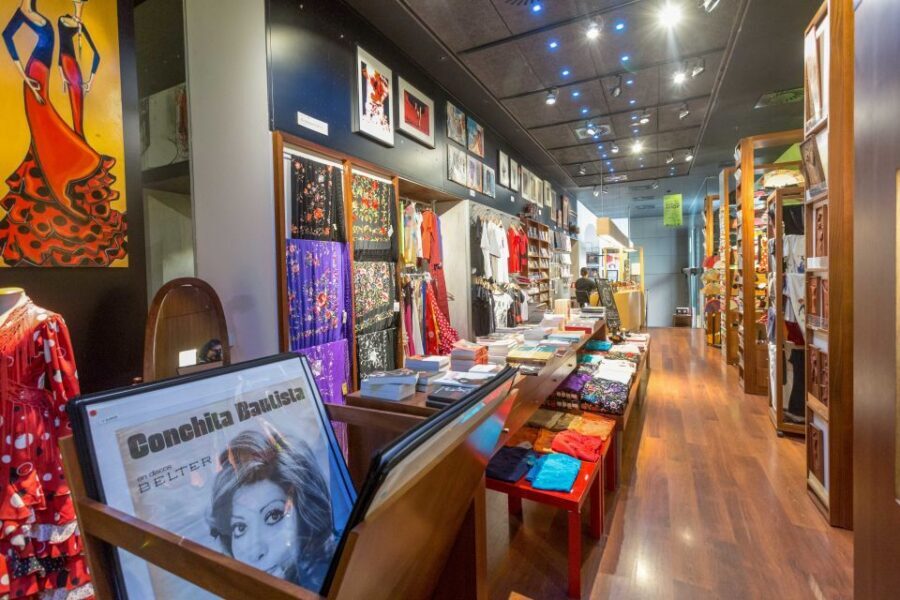
This museum is described as interactive, and it shows in the structure. You’ll encounter interactive screens along with exhibitions of works of art. That blend keeps the pace from becoming purely static.
For you, that means two things:
- You can move at your own speed without constantly searching for what to do next.
- You get explanations in small, digestible pieces rather than one long wall of text.
It’s also why the museum can work well even when you’re not sure what you’ll think. If you like screens and visuals, you’ll probably enjoy it. If you like traditional museum reading, you’ll still find enough structure to keep going.
One small consideration: there’s a scene in the museum experience that can be hard to leave once you start focusing. If you want a rapid “in-and-out” stop, the content may tempt you to linger longer than you planned. The good news is that the ticket is meant for a museum visit, not a strict guided clock.
Timing It Right: Opening Hours and a Practical Day Plan
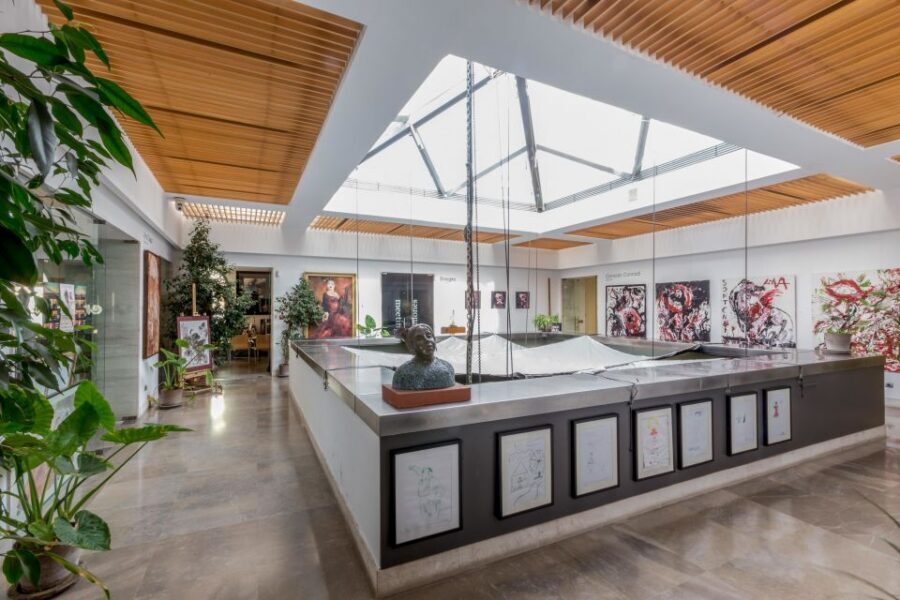
You’ll generally enter during 11:00 to 18:00 (last entry at 18:00). The schedule is simple, which makes it easier to plan a day around Seville’s outdoor highlights.
Here are a few practical timing ideas:
- Before a big Cathedral/Giralda block: get the museum in while the rest of Old Town is still active.
- Midday when the streets feel hot: flamenco museums are a great indoor reset.
- First Monday caution: on the first Monday of the month, it opens at 16:00, so don’t build a morning plan expecting to get in.
Since the museum experience centers on short style modules and interactive content, it pairs well with other Old Town stops. You don’t need long transport time or a complex itinerary.
Also note: the museum is wheelchair accessible, so if you need that kind of access, this is designed to accommodate it.
Who This Museum Is Best For (And Who Might Want the Show)
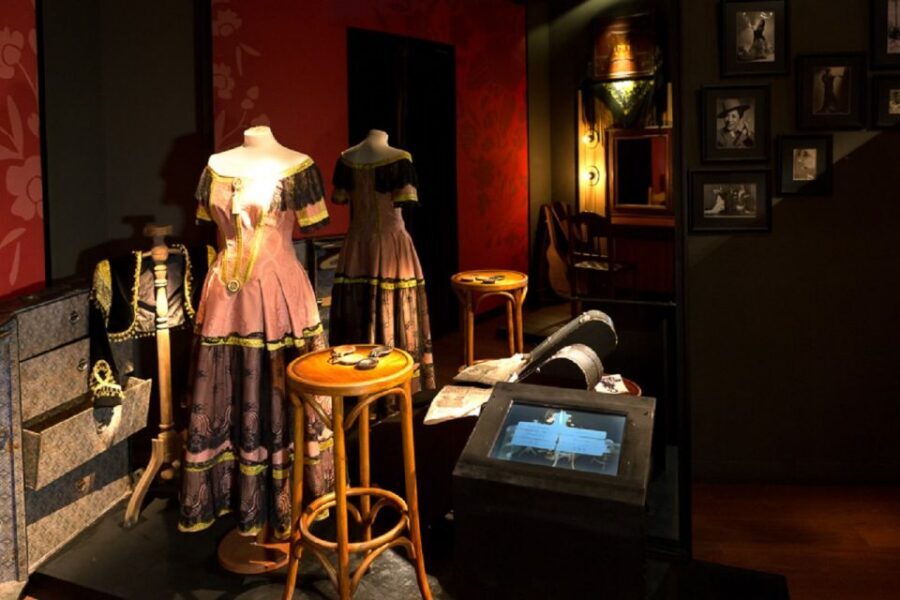
This place is best for people who want to understand flamenco rather than just watch it once.
You’ll likely get the most out of the museum if you:
- enjoy museums that explain culture through objects and media
- want to know the difference between flamenco styles
- plan to attend flamenco at night and want context first
- like costume-focused displays and visual details
If you’re someone who only cares about live dancing and singing, you may feel the museum doesn’t go far enough on its own. Since admission does not include a flamenco show, your time could feel better spent pairing museum time with a separate performance.
Here’s the balanced truth: the museum is short, but it can still feel like a lot if you get absorbed. That’s a good sign for curiosity-driven travelers. It’s also a signal that you should go in with realistic expectations—this is education and appreciation, not a ticketed night of performance.
Price and Value: Why $7 Works So Well Here
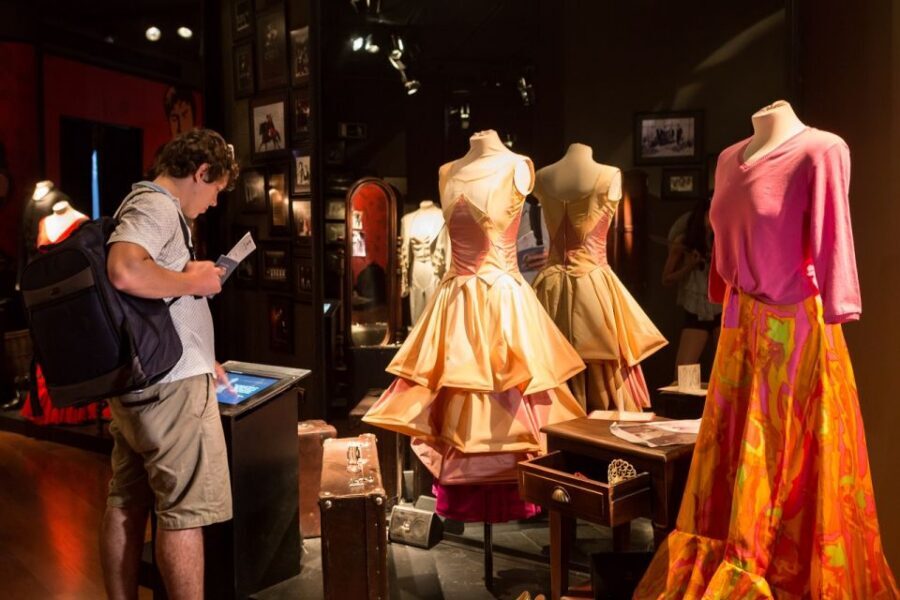
For $7 per person, you’re buying a focused cultural experience with:
- a clear flamenco theme
- multiple style sections (not just one hallway)
- interactive screens
- historic costumes, props, and art
- about one hour of structured content
That’s strong value in a city where you can spend more than $7 on a single photo attraction with limited learning. The museum is also flexible: you can choose how much time to spend, and it sits in a high-tourism area, so the “where is it?” factor is also favorable.
In other words, you’re not overpaying for a quick look. You’re paying for a proper primer on flamenco as an evolving art form.
Final Verdict: Should You Book This Flamenco Museum Ticket?
If you want flamenco to make sense—how it evolved, how styles differ, and why costumes and tradition matter—then yes, book the museum ticket. It’s a great first stop in Seville for flamenco curiosity, especially if you’re planning a show later.
I’d skip it only if your goal is purely performance. Since this ticket is museum-only, you’ll want a separate flamenco show reservation if that’s what you’re after. Otherwise, the combination of interactive content, style breakdowns, and historic displays is exactly what you want from a short, value-priced Seville experience.
If you’re the type who likes to walk into a culture and leave with names, categories, and details, this museum will reward you fast.
FAQ
How long is the Flamenco Dance Museum ticket good for?
The museum admission is listed as a 1 hour experience. You can typically spend your time within the hours allowed by your ticket.
Where is the meeting point for the ticket?
Meet at the ticket office of the Flamenco Dance Museum at Calle Manuel Rojas Marcos, 3, 41004 Sevilla, España.
What is the museum opening time?
The museum is generally open 11:00 to 18:00, with last entry at 18:00. On the first Monday of each month, it opens at 16:00.
Is a flamenco show included with the admission ticket?
No. The ticket is for museum admission only, and it does not include a flamenco show.
Is the museum wheelchair accessible?
Yes, the experience is listed as wheelchair accessible.
When can I enter the museum?
You can visit at any time during the hours shown on your ticket, within the museum’s daily schedule (11:00–18:00, last entry 18:00, and the first Monday exception).