REVIEW · SEVILLE
Private Tour of the Museum of Fine Arts, Seville
Book on GetYourGuide →Operated by Guides and Tours · Bookable on GetYourGuide
Big art in a small time window. This private tour makes the Museum of Fine Arts feel direct and understandable, set right in Plaza del Museo. I especially like how the guide turns famous works into a clear story of Seville and Europe, and how the museum’s spaces themselves add meaning.
You’ll also get a rare mix of periods and styles in just two hours: from Sevillian Gothic works through Renaissance landmarks, then Baroque power, plus 19th-century costumbrismo. One thing to consider: the museum is big, so two hours is best as a smart introduction, not a full take-your-time pass through every room.
In This Review
- Key Highlights You’ll Feel During the Tour
- Why the Museum of Fine Arts Belongs on Your Seville Plan
- Private Guide Magic: Making Works Click in Real Time
- Plaza del Museo and La Merced: The Building’s Layers Matter
- Renaissance Turning Points: Torrigiano and the Sevillian Shift
- Mannerism Through Pacheco: Not Just Pretty, Purposeful
- Baroque Drama: Valdés Leal, Zurbarán, Alonso Cano
- Murillo in a Former Church Room: Art That Feels Close
- Sculpture Too: Montañés and Juan de Mesa
- 19th-Century Sevillian Costumbrismo: Daily Life on Canvas
- Price and Logistics: Is $261 Worth It for Up to 4?
- How to Get the Most From Two Hours (and Not Feel Rushed)
- Who This Private Tour Fits Best
- Should You Book This Private Museum of Fine Arts Tour?
- FAQ
- How long is the private Museum of Fine Arts tour?
- Where does the tour start and end?
- What’s included in the price?
- Is the tour private?
- What languages are available?
- Is the museum tour wheelchair accessible?
Key Highlights You’ll Feel During the Tour
- A private, small-group experience (up to 4) that keeps the pacing human
- Plaza del Museo + the former Convent of La Merced, with architecture dating to the 13th century and remodeled in the 17th
- Art history mapped by major names, from Torrigiano to Pacheco, Valdés Leal, Murillo, and more
- Baroque and Renaissance spaces that help you understand why the art looks the way it does
- A guided spotlight on major sculpture too, not only paintings
Why the Museum of Fine Arts Belongs on Your Seville Plan
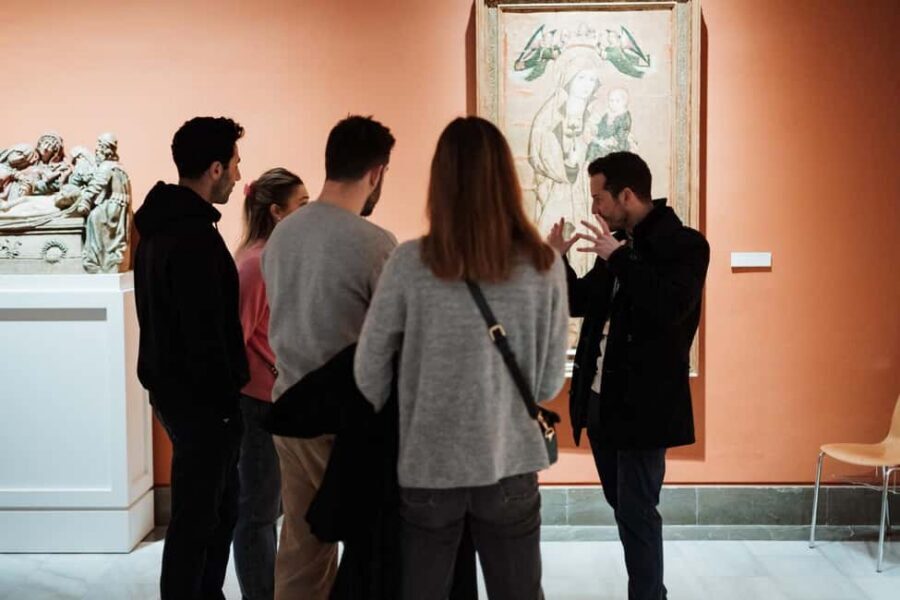
Seville is full of churches, palaces, and open-air history. The Museum of Fine Arts gives you something different: a focused, walk-in timeline of how art evolved in southern Spain. It’s also Spain’s second largest art gallery, so even if you only see selected highlights, the scale tells you you’re in the right place.
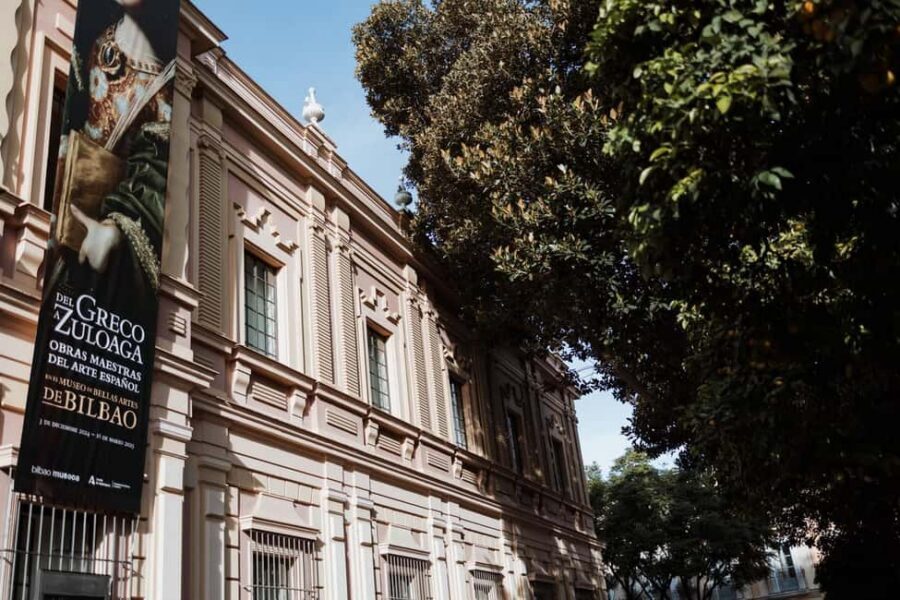
The museum sits in the heart of the city, at Plaza del Museo, in the historic former Convent of La Merced area. That matters. You’re not just looking at art in a room. You’re experiencing art housed in buildings with their own timeline—architecture, renovations, and former religious spaces that shape the atmosphere.
Also, the tour is designed for real decision-making: you get an expert guide to help you choose what to notice. Instead of spending your limited time wandering, you’ll get a route with art that connects to the next piece.
You can also read our reviews of more private tours in Seville



Private Guide Magic: Making Works Click in Real Time
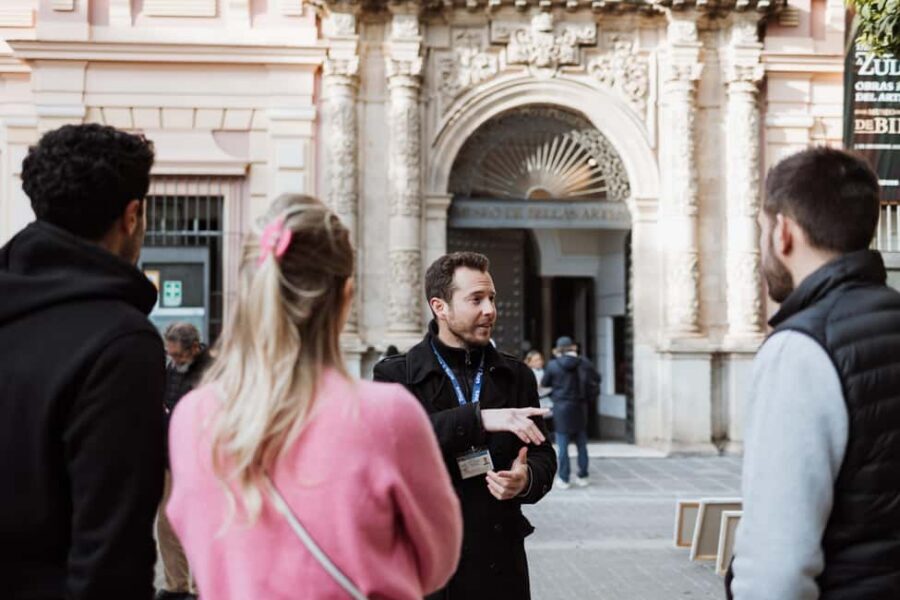
This is a private group tour with an English or Spanish-speaking guide, and that changes everything. In two hours, you can either drift—reading captions like homework—or you can get the context that makes paintings and sculptures start talking.
The strongest signal in the tour experience is the guidance itself. In the feedback, Julio is singled out for being personable and for explaining the historical context and significance of the art to Seville and wider Europe. That’s exactly what you want in an art museum: not just what a work shows, but why it mattered to the people who commissioned, painted, carved, or collected it.
Here’s the practical upside: when you understand the “why,” you remember the “what.” You leave with a mental map—Gothic work moving toward Renaissance ambition, then Baroque drama, then later everyday scenes under the heading of costumbrismo.
If you like art but get tired of big museums that feel like a blur of frames, this format is built for you.
Plaza del Museo and La Merced: The Building’s Layers Matter
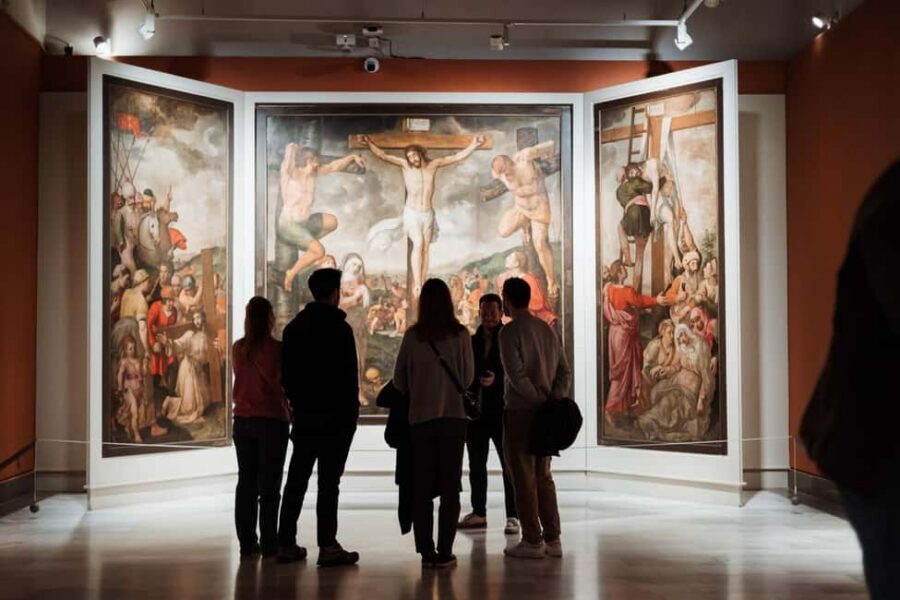
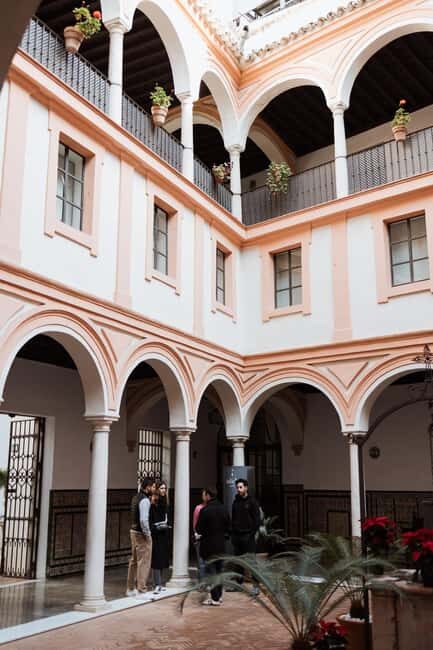
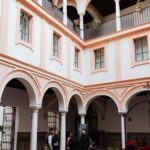
Your tour begins at Plaza del Museo, right in the center of the action. From there, you’ll move through the museum housed in the former Convent of La Merced. The building background is unusually helpful for visitors, because it explains why the museum feels like it has different moods.
The convent area dates back to the 13th century, and it was remodeled in the 17th century. That renovation era lines up with the heights of Renaissance and Baroque styles you’ll be seeing in the collections. In other words, the museum’s physical evolution matches the art timeline you’re walking through.
And this is where a good guide earns their keep. Architecture can sound like “stuff for nerds,” but it affects how you perceive works: where light falls, how spaces are grouped, and why a church-like room or grand hall feels right for certain kinds of art. You’ll start noticing the building as a partner to the works.
You’ll also get the big-picture framing that it’s a cultural treasure set within Seville’s historic centre. That’s not marketing fluff; it helps you treat this stop as a major part of your day rather than a quick museum detour.
Renaissance Turning Points: Torrigiano and the Sevillian Shift
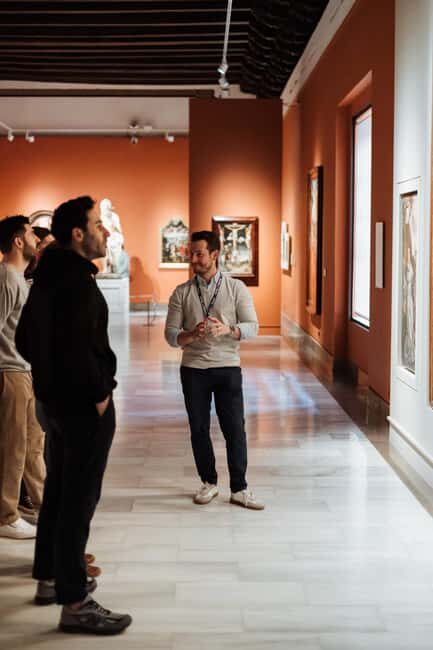
One of the best parts of this tour is how it treats the art as an evolving conversation. You don’t just get a list of famous paintings. You get a sequence that shows how Sevillian art changes over time.
A standout highlight is San Jerónimo Penitente by Torrigiano. This work is presented as a milestone in the Sevillian Renaissance. That phrasing matters, because it tells you not to treat it like a single masterpiece floating in time. The Renaissance shift came with new ambitions—new ideas about form, emotion, and classical influence—and this piece is a clear marker of that move.
If you’ve ever looked at a painting and thought, I can tell it’s important but I don’t know what changed, this is where the guide helps. You’ll learn how this kind of Renaissance landmark fit into Seville’s artistic growth.
And the museum doesn’t stop with “Renaissance equals one style.” You’ll then move forward into later manner and Baroque in a way that feels like stepping through the same storyline in different chapters.
Mannerism Through Pacheco: Not Just Pretty, Purposeful
Next up, you’ll spend time on Pacheco’s pictorial series dedicated to the Mercedarians San Pedro Nolasco and San Román Nonato. The series is described in the tour as representing Mannerism, which is a useful label because it suggests a deliberate change from earlier Renaissance ideals.
Mannerism can be confusing if you approach it only visually. It often looks stylized or slightly exaggerated compared to the Renaissance balance people expect. With a guide, that becomes easier to read. You’ll understand the series not as random religious imagery, but as a designed set tied to the Mercedarian order and its cultural role.
This is a good example of why a two-hour guided route works. You might not know to connect subjects, orders, and changing style labels on your own that fast. The guide gives you those shortcuts.
You can also read our reviews of more museum experiences in Seville


Baroque Drama: Valdés Leal, Zurbarán, Alonso Cano
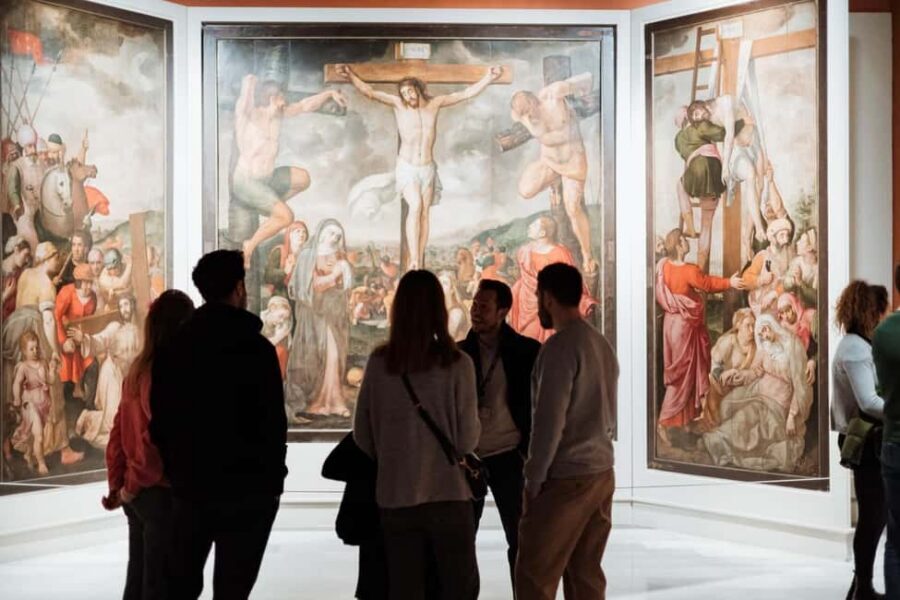
Baroque art is where Seville often gets its “wow” factor. On this tour, you’ll see Baroque works by major Sevillian and renowned artists: Valdés Leal, Zurbarán, and Alonso Cano.
Baroque isn’t only about intensity. It’s about storytelling through gesture, lighting, and composition. A guide helps you notice the choices that make the paintings feel urgent and emotionally direct, instead of only technically impressive.
If you’ve ever felt like Baroque paintings were trying to hit you with everything at once, the context is your antidote. You’ll learn how these artists fit into Seville’s artistic ecosystem, and why Baroque style matched what patrons wanted to express in that era.
This part of the tour is often the emotional center: you can almost feel the shift from earlier balance into something more theatrical.
Murillo in a Former Church Room: Art That Feels Close
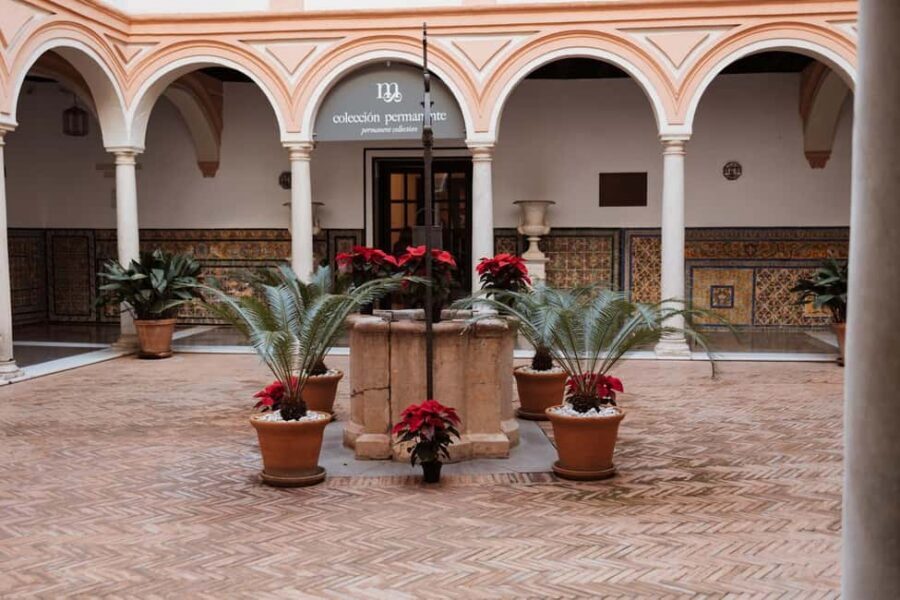
One room gets its own spotlight: the spectacular room dedicated to Bartolomé Esteban Murillo, located in the former church of the Convent. Even if you only know Murillo by name, it helps to hear that this isn’t just a gallery room. It’s a church space repurposed for art display, and that setting can change how you respond to the works.
Murillo is tied to a very particular kind of Spanish painting, and the tour approach helps you shift from general admiration to specific attention. In a two-hour visit, knowing where to focus is everything. This guide-made focus keeps you from missing what the museum is best at showing right now.
And since the tour is private, you can ask quick questions if something doesn’t click. That’s one of the small luxuries of a personal guide.
Sculpture Too: Montañés and Juan de Mesa
Not all museum highlights are paintings. A major plus here is the inclusion of sculpture from the collection associated with the former Convent of Santa María de las Cuevas.
You’ll see sculptures by renowned artists including Martínez Montañés and Juan de Mesa. That name pairing is a big deal for anyone who loves the Spanish tradition of carved religious works—pieces where movement, anatomy, and expression all work together.
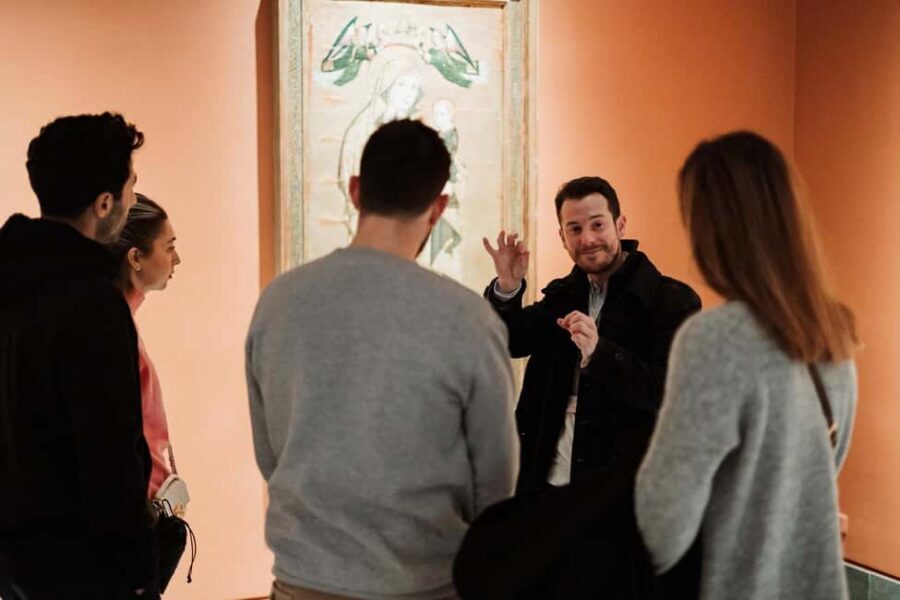
Sculpture can be harder to appreciate quickly because you have to walk around it. In a guided setting, you can make the most of the time. Your guide can point out what to look for in posture, facial expression, and how the work is meant to be encountered.
If your museum habit is to rush past statues, this is worth it. The tour is structured so sculpture gets its place, not treated like an afterthought.
19th-Century Sevillian Costumbrismo: Daily Life on Canvas
After Renaissance and Baroque weight, the tour shifts into the 19th century with Sevillian costumbrismo. This is where art moves closer to everyday life: scenes that feel local, recognizable, and human.
You’ll explore works by leading artists such as Gonzalo Bilbao, Antonio María Esquivel, and José Villegas Cordero. Costumbrismo can be a great way to end a museum visit because it gives you a different entry point. You’re no longer only reading style history. You’re reading social and cultural life.
This final shift also helps you remember the full arc. When you can name the eras—Gothic, Renaissance, Mannerism, Baroque, and then costumbrismo—you end the day with a real framework, not just scattered images.
It’s the kind of ending that makes a museum visit feel like a story, not a checklist.
Price and Logistics: Is $261 Worth It for Up to 4?
The tour price is $261 per group, up to 4 people, for a duration of 2 hours, with starting times depending on availability. The museum entrance is included, and you get an English or Spanish-speaking guide.
Here’s how I’d think about value in plain terms. Two hours in a major museum can easily become slow and frustrating if you’re trying to plan on the fly. Paying for a private guide is often worth it when:
- you want the highlights connected into a timeline,
- you care about context (not only visuals),
- and you’re visiting with up to three others so the group cost makes sense.
Because it’s capped at 4, you’re not stuck in a large crowd, and that keeps the experience personal. Also, the guide can adapt on the spot—if you want more time at Murillo or you’re more into sculpture than painting, you’ll get that flexibility.
You should note one practical consideration: food and drinks aren’t included. So plan to handle your breaks separately, and don’t treat the tour as a full-meal event.
How to Get the Most From Two Hours (and Not Feel Rushed)
Two hours sounds short until you see a museum’s layout. The advantage of this tour is that it gives you direction without requiring you to commit your entire day. You start at Plaza del Museo and the tour ends back there, so you can fold this into a broader Seville walk rather than losing your afternoon.
I suggest thinking of this as an art-focused introduction. If you love what you see, you’ll have a short list of what to return for later, because you’ll now know what each era is and which artists mattered.
If you’re the type who wants to read every caption and see everything, then yes, two hours might feel limiting. But if your goal is to understand Seville through its art and leave with names and meaning, this is a very efficient use of time.
Who This Private Tour Fits Best
This tour is a great fit if you:
- want a private museum experience with a guide who can explain the art clearly,
- care about the connection between Seville and broader European art trends,
- enjoy variety across styles—from Gothic to Renaissance to Baroque to costumbrismo,
- and prefer a guided hit list rather than wandering aimlessly through a huge collection.
It’s also a smart choice for first-time visitors who want to hit the major points without losing the day. And since it’s wheelchair accessible, it works for more people who want an art experience without stairs becoming the main event.
Should You Book This Private Museum of Fine Arts Tour?
Yes—if you want your Seville museum time to feel purposeful. This tour has a strong formula: expert guidance, major artists across eras, and the extra atmosphere of the former convent spaces around Plaza del Museo. When the guide is as effective as Julio sounds in the feedback, you’re not just collecting images. You’re building understanding fast.
Book it if your priority is learning and efficiency. Skip it if you’re only in “wander and browse everything” mode and you have many hours to spend without structure. For most people planning a tight Seville itinerary, this private 2-hour introduction is exactly the right kind of investment.
FAQ
How long is the private Museum of Fine Arts tour?
It lasts 2 hours.
Where does the tour start and end?
The tour starts and ends at Plaza del Museo.
What’s included in the price?
You get an English or Spanish-speaking guide and entrance to the museum.
Is the tour private?
Yes. It’s a private group experience for up to 4 people.
What languages are available?
The live guide is available in English or Spanish.
Is the museum tour wheelchair accessible?
Yes, the activity is wheelchair accessible.