REVIEW · SEVILLE
Espacio Exploraterra: Nao Victoria 500 Replica and Museum
Book on GetYourGuide →Operated by FUNDACION NAO VICTORIA · Bookable on GetYourGuide
This is one of those rare museum visits where the story is told by the ship itself. You’ll learn how the first around-the-world circumnavigation came together, then step into the life-sized Nao Victoria 500 replica to get a real sense of scale and stress. I liked how the experience mixes museum-style explanation with the physical feeling of being on a ship, not just watching a screen.
Two things I especially liked: the audioguide experience in Spanish, English, and French, and the staff support when my Spanish was… less than perfect. There’s also a clear focus on the human side—preparations, dangers, and the hard daily reality of life on board. One possible drawback: the museum portion is relatively small, so if you’re aiming for a long, multi-hour wandering session, plan for a shorter visit.
In This Review
- Key highlights you’ll notice right away
- Seville’s Espacio Exploraterra: a focused stop with a clear mission
- The Nao Victoria audioguide: the real engine of the visit
- Museum exhibition: preparations, dangers, and what life was like on board
- Nao Victoria 500 replica: getting the scale and pressure right
- Magellan and Elcano: how the story lands without turning into a textbook
- The human side: hardship at sea and the consequences that followed
- Price and value: why $11 makes sense for a one-day plan
- Staff support and the best way to plan your timing
- Not everyone will love it: who should consider other options
- Who this experience is best for
- Practical tips before you go
- Should you book the Espacio Exploraterra and Nao Victoria 500 experience?
- FAQ
- How long is the experience?
- Where do I meet for Espacio Exploraterra?
- What is included with the ticket?
- Do I need to bring headphones?
- What languages are available for the audioguide?
- Is it wheelchair accessible?
- What’s the cancellation policy?
Key highlights you’ll notice right away
- Audio narration guided by Nao Victoria, built around the voyage’s key stages: prep, perils, hardship, and results
- Life-sized Nao Victoria 500 replica, where you can feel the constraints sailors worked with
- Museum uses multiple formats (historical sources plus audiovisual media) instead of only wall text
- Staff are patient and helpful, including if your Spanish isn’t great
- Family-friendly energy, and a lot of kids find the ship moment fun and memorable
- Easy to aim for one-day planning in Seville, since the ticket covers both museum and replica
Seville’s Espacio Exploraterra: a focused stop with a clear mission
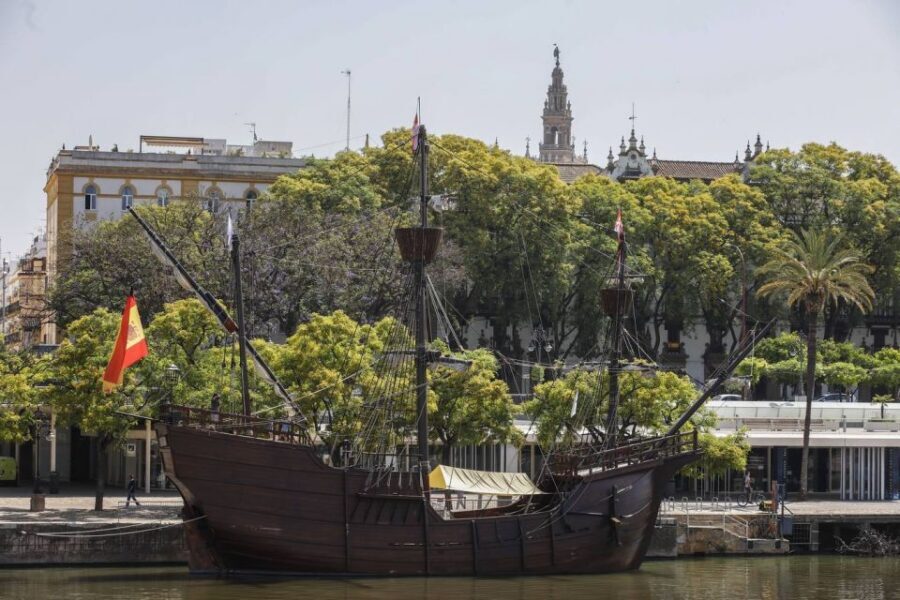
Espacio Exploraterra is set up for one job: help you understand why the first circumnavigation was such a big deal. The meeting point is at Espacio Primera Vuelta al Mundo, Paseo Alcalde Marqués del Contadero, 2, 41001 Sevilla, so you’ll arrive with everything you need for a self-paced visit.
This is not a sprawling “see everything” museum day. It’s more like a sharp, guided story in two parts: learn first, then walk the ship. That structure matters because it changes how you interpret what you see next.
If you’re short on time in Seville, this format is a gift. You’re paying for an experience that lands on one central theme and keeps moving, instead of trying to cover every era in the region.
You can also read our reviews of more museum experiences in Seville

The Nao Victoria audioguide: the real engine of the visit
You get an audioguide with your ticket, and it’s available in Spanish, English, and French. The narration is built around the Nao Victoria itself—so the story doesn’t feel like a random history lecture. It’s organized to follow the voyage: preparations, the immensity of what was attempted, events that unfolded, and the consequences that followed.
Bring your own headphones. The tour instructions are clear on this, and it’s the difference between enjoying the show and having it turn into awkward silence. I found it helps to settle the sound before you start moving through rooms—headphones on, volume set, then let the narrative run your pace.
One subtle but important point: when the guide is telling you what to pay attention to, you tend to look closer. You stop treating the exhibition as a collection of facts and start treating it as a timeline with stakes.
Museum exhibition: preparations, dangers, and what life was like on board

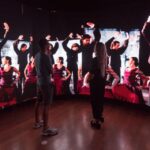
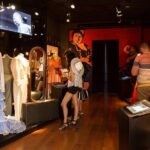
Inside the museum, you’ll spend time with a cutting-edge exhibition built from historical sources plus audiovisual media. The theme is the first around-the-world trip, explained through the ship’s perspective.
Here’s the arc you’ll follow:
- Preparations for the expedition, so you understand what had to be ready before departure
- The immensity of the voyage, which helps explain why this wasn’t a quick stunt
- Events and dangers, giving you a feel for how risky the journey could be
- Hardship of life on board, where the story turns from geography to daily survival
- Important consequences, so the trip connects to bigger historical outcomes
I like that the exhibition doesn’t only focus on drama. It keeps circling back to reality—what sailors faced, what they had to endure, and why the “greatest maritime feat” wasn’t just romantic in hindsight. The museum is also designed so you can pause without feeling like you’re falling behind. It’s story-driven, not speed-driven.
And yes, there’s a practical rhythm to it: if you treat the museum as your briefing, the ship visit becomes much more meaningful. When you understand what the expedition meant in advance, you notice different things when you board the replica.
Nao Victoria 500 replica: getting the scale and pressure right
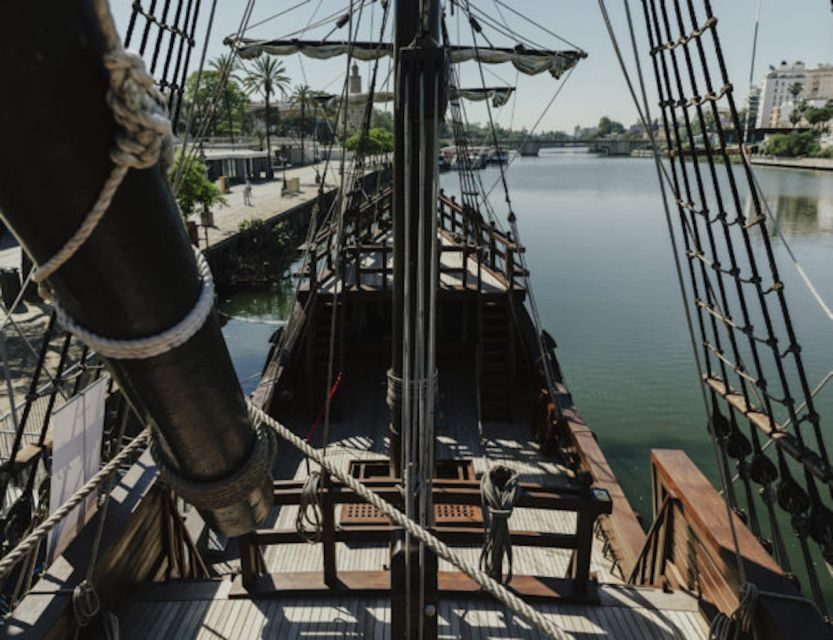
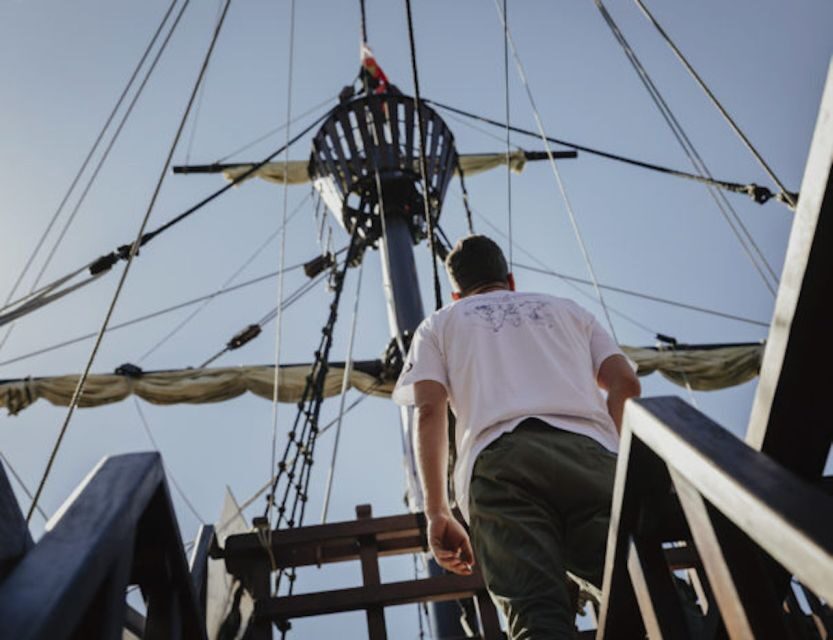
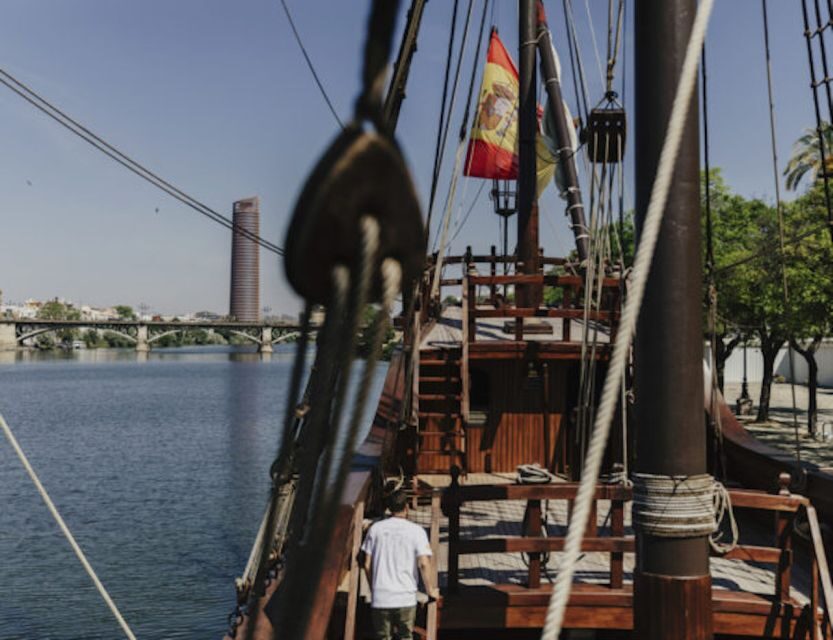
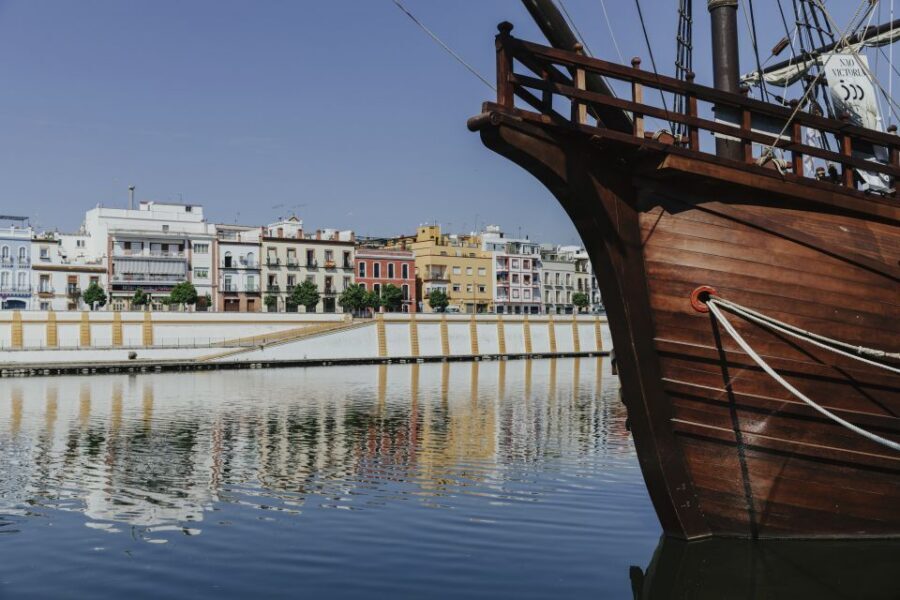
After the museum, you board the Nao Victoria 500, a life-sized replica of the ship associated with the first circumnavigation. The ticket includes access, and this is where the experience turns from listening to standing in history.
A replica can never replace the real thing, but that’s not the point here. The value is scale and sensation. The tour is built to help you imagine the physical constraints sailors worked with, and you’ll likely find yourself slowing down just to take in the space and the work-feel of being on a ship.
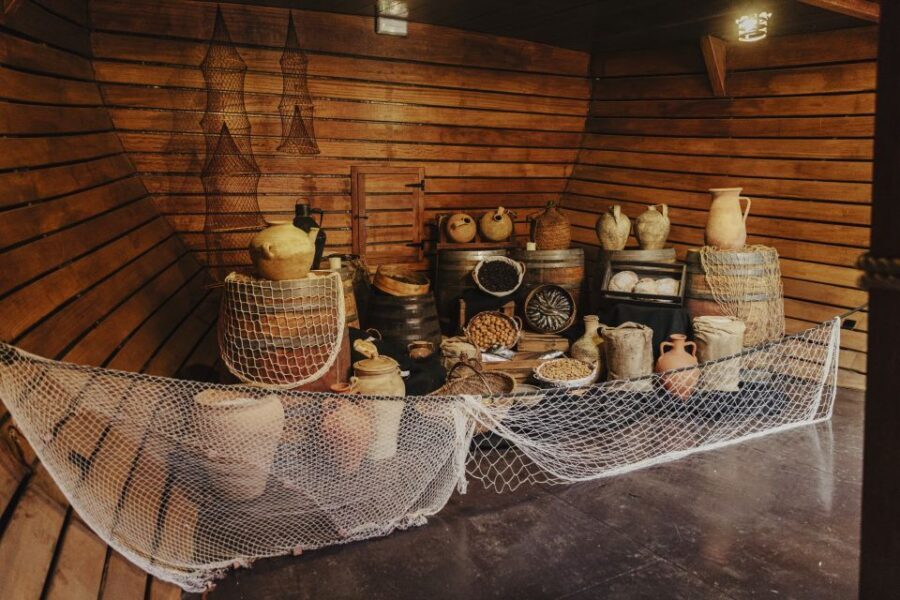
What you should expect is less about luxury and more about atmosphere: the cabin-like spaces and movement patterns that reflect how difficult it would have been to live and work at sea. The experience is designed to bring you closer to the true dimension of the achievement by focusing on how people actually experienced life on board.
One practical idea: keep your audio track in mind while you’re walking through. If the narration mentions specific hardships or risks, let that guide where you look. The ship becomes an explanation you can walk around.
Magellan and Elcano: how the story lands without turning into a textbook
The exhibition centers on the accomplishments of Magellan and Elcano, framed around the first around-the-world circumnavigation. Even without dates or heavy academic language, the tour aims to show you what made it “the greatest maritime adventure” in practical terms.
What’s helpful is the way the story connects names to events. You don’t just hear names and titles—you see the journey’s logic unfold: preparations lead to peril, peril leads to hardship, and hardship leads to consequences.
If you’re the type who likes understanding the “why” behind historical milestones, this is a strong match. You’ll walk away with a clearer sense of how big a job this was—and why it mattered beyond the thrill of exploration.



The human side: hardship at sea and the consequences that followed
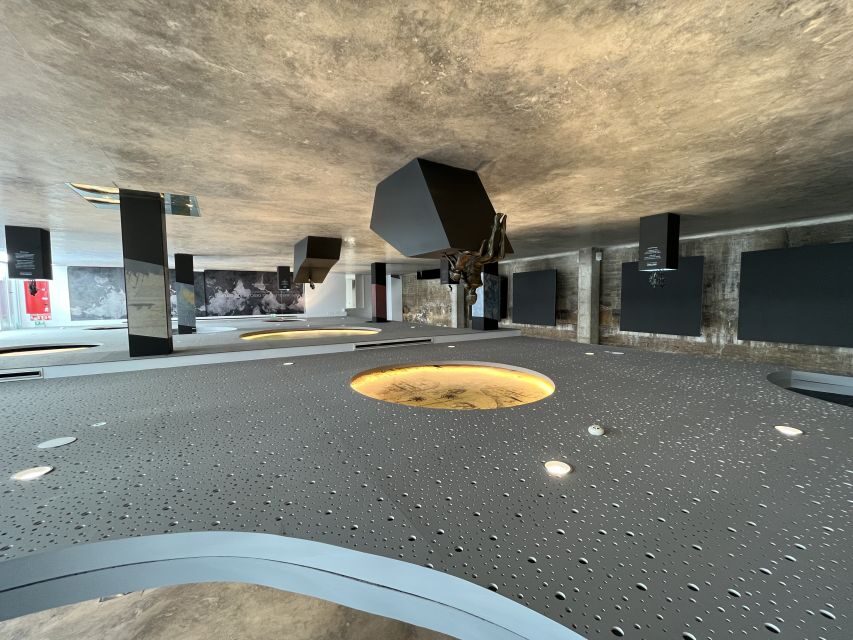
One of the most praised aspects of this experience is that it feels like more than a static museum. The exhibition aims for emotional realism by focusing on people and daily conditions.
The ship narration stresses:
- Hardship of life on board
- The dangers the voyage faced
- The consequences that came from reaching the far end of the attempt
That matters, because most “big discovery” stories get told as achievements with happy endings. Here, you’re guided to remember the cost and the strain. And when you then step onto the replica, the themes don’t stay in the museum—they keep moving with you.
Also, this is a nice stop if you like history that’s grounded in work. You’re learning through the reality of sailors trying to convert insurmountable seas into bridges between continents and cultures, through one of the most difficult tasks humans attempted.
Price and value: why $11 makes sense for a one-day plan
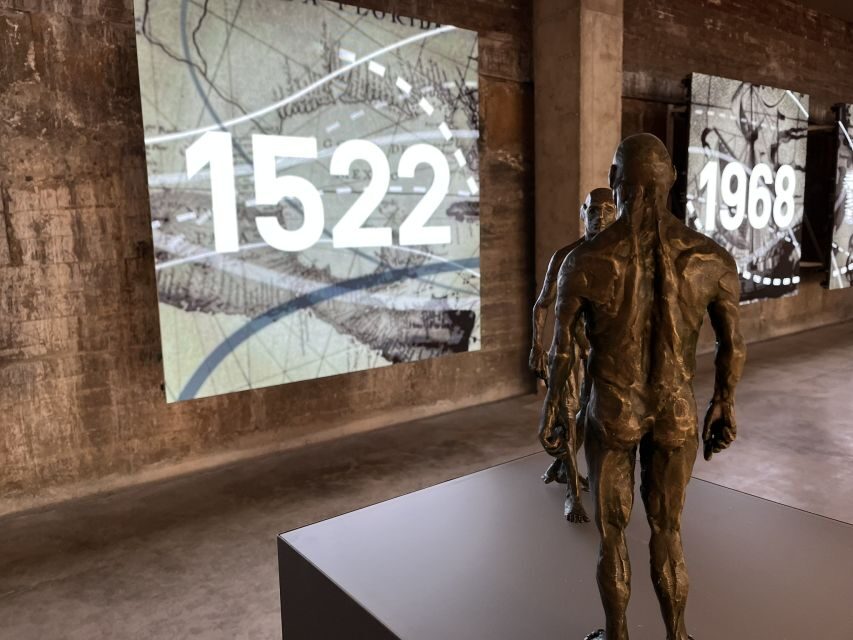
At $11 per person for a one-day ticket, you’re getting both the museum exhibition and access to the Nao Victoria 500 replica, plus an audioguide. That combination is the value—two formats for one ticket.
If you’ve ever paid for an entrance fee and then realized the main event is just a short walk, this feels different. The audio narration ties the museum and ship together so you don’t experience them as two separate attractions. The result is a more complete hour-to-hour story even though the overall duration is a single day.
There’s also value in the language options. Having the audioguide in Spanish, English, and French makes the experience feel accessible rather than like a translation afterthought.
My practical take: this is a good “useful history” option, not a luxury museum day. If you show up expecting a long, multi-gallery marathon, you might feel it’s shorter than you want. If you show up for a focused, coherent experience, it’s a strong deal.
Staff support and the best way to plan your timing
One of the standout compliments from real visits is how patient the staff are. If you try your Spanish and it comes out like a puzzle, you’ll still be okay—staff are helpful and you can count on some English support.
Another smart tip I’d follow: do the museum first. The museum gives you the background you need to make the replica feel like a story you’re walking through, not just a prop you’re inspecting.
In a one-day experience like this, that order saves you from the common problem: you see the ship without the voyage context, then the meaning lands later (if it lands at all). Starting with the museum makes the ship moment do more work.
Also, because the audioguide is included and you need headphones, I recommend you treat your visit like a “listen-and-look” activity. Pause when the narration asks you to pay attention, not when you get tired.
Not everyone will love it: who should consider other options
This is not wheelchair-friendly, since the tour is not suitable for wheelchair users. If mobility access is a priority, you’ll need to choose a different attraction.
Beyond that, there’s another consideration: the museum is relatively small. If you want a day packed with multiple venues, this won’t be that kind of plan. It’s a compact experience built around one theme, so it’s best when your schedule can match that focus.
If you’re seeking pure “hands-on” interaction, don’t expect a science center vibe. The interaction is mostly interpretive—listening, looking closely, and then walking onto the replica to feel the environment described in the exhibition.
Who this experience is best for
I think this works especially well for:
- Families, since the ship element can be a fun visual anchor for kids
- People who enjoy maritime history, but don’t want to wade through endless text
- Travelers who like story-led museums with an audio component
- Anyone who prefers understanding the human conditions of historic voyages, not just big names and dates
It’s also a solid option if you want something distinctly Spanish and Sevilla-based, with a clear connection to maritime exploration and the achievements of Magellan and Elcano.
Practical tips before you go
- Bring headphones so the audioguide works right away
- Start with the museum so the replica visit hits harder
- Expect a one-day flow—set aside enough time to listen without rushing
- Choose your language carefully at the start, so you don’t get frustrated mid-story
- Plan for a compact museum and don’t schedule this as a “between everything” stop
If you like taking notes, jot down the moments that the narration emphasizes—preparations, dangers, hardship, and consequences. Those themes are what connect the museum to the ship, and they’re what you’ll remember later when you’re reading about Magellan and Elcano again.
Should you book the Espacio Exploraterra and Nao Victoria 500 experience?
Book it if you want a focused, one-day story about the first circumnavigation, delivered through a strong audioguide and followed by the tangible experience of a life-sized ship replica. The staff support and the way the experience works for kids make it a smart choice for mixed-age groups.
Skip it (or reconsider) if mobility access is needed, or if you need a long, sprawling museum day with lots of separate attractions. This is about one narrative—told clearly—and the museum-to-ship flow is what makes it worth your time.
If your goal is to understand what the voyage really demanded of sailors, this is an efficient, memorable stop in Andalusia.
FAQ
How long is the experience?
It’s listed as valid for 1 day, with availability based on starting times.
Where do I meet for Espacio Exploraterra?
The meeting point is Espacio Primera Vuelta al Mundo, Paseo Alcalde Marqués del Contadero, 2, 41001 Sevilla, Spain.
What is included with the ticket?
Your ticket includes entrance to the Espacio Exploraterra museum and the Nao Victoria 500 replica, plus an audioguide.
Do I need to bring headphones?
Yes. You should bring headphones for the audioguide experience.
What languages are available for the audioguide?
The audioguide is available in Spanish, English, and French.
Is it wheelchair accessible?
No. The experience is not suitable for wheelchair users.
What’s the cancellation policy?
Free cancellation is available up to 24 hours in advance for a full refund.