REVIEW · SEVILLE
White Villages & Ronda 2-Days Trip & Overnight Stay
Book on GetYourGuide →Operated by Naturanda Turismo Ambiental · Bookable on GetYourGuide
White villages can feel like postcards—until you’re standing in them. This 2-day run from Seville mixes medieval history with real food culture, then lands you in Ronda to see Puente Nuevo up close. I especially like the guided walk through Zahara de la Sierra and the stop at an original oil mill where you learn the traditional process and get a small tasting. The main drawback to plan for: it’s a tight schedule with several drives, so you’ll want to keep expectations realistic about how much free time you get in each town.
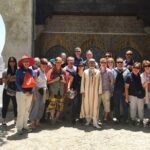
What makes it worth your attention is the human factor. People consistently call out the guide—Antonia comes up for her knowledge and kindness—so you’re not just moving from stop to stop. With a strong overall rating (4.6 out of 5), this trip is a good bet if you want guided context plus a chance to see Ronda at your own pace the next day.
In This Review
- Key highlights you’ll actually feel
- Why this 2-day white villages route makes sense from Seville
- Aguzaderas Castle in El Coronil: the “frontier” opener
- Zahara de la Sierra walking tour: narrow lanes and big views
- An original oil mill stop: learning how olive oil is made
- Sierra de Grazalema scenery and Grazalema town: lunch plus breathing room
- Ronda essentials: Puente Nuevo and Alameda Gardens
- Your overnight stay: rural hotel base for day two
- Price and value: what $234 buys, and what you pay for separately
- Who this trip suits (and who should consider a different pace)
- Should you book White Villages & Ronda?
- FAQ
- What places does the trip include?
- Are there guided walking parts?
- Is olive oil included?
- Is a wine stop included?
- Do you get free time in Grazalema and Ronda?
- How long is the trip?
- What’s included in the price?
- What’s not included?
- What languages are available for the guide?
- Can I cancel for a refund?
Key highlights you’ll actually feel
- Aguzaderas Castle stop: medieval Islamic-period fortification near El Coronil
- Zahara de la Sierra walking tour: narrow lanes and major viewpoints over the hills
- Original olive oil mill visit: learn the traditional making process and taste the result
- Sierra de Grazalema scenery drive: UNESCO Biosphere Reserve scenery from 1977
- Ronda essentials: Puente Nuevo and Alameda Gardens, plus time to explore on your own
- Local products beyond oil: a wine cellar visit is included too
Why this 2-day white villages route makes sense from Seville
You don’t always need a week. If your base is Seville and you want the classic “white village” feel without renting a car, this route is built for efficiency. You get a guided sweep of the key towns—Zahara de la Sierra, Grazalema, and Ronda—plus the historical and food stops that make the places mean something.
The trip also does a smart thing with geography. You cross an old Andalusian frontier area connected to the kingdoms of Castile and Granada. That gives you context for why the towns, architecture, and defensive landmarks feel the way they do. It’s not just scenery for the camera; it’s scenery with a story attached.
One more practical win: you’re picked up and dropped off with shared transfers. That matters because getting out of Seville on your own, on time, can be trickier than it sounds. If you’re short on planning energy, this helps.
You can also read our reviews of more tours and experiences in Seville

Aguzaderas Castle in El Coronil: the “frontier” opener
Most “white village” trips start with the villages. This one starts earlier—with the medieval Aguzaderas Castle in El Coronil. The castle is tied to the Islamic period on the Iberian Peninsula, and that detail changes how you look at the stonework when you finally reach Ronda and the mountain towns.
Even if you’re not a medieval-architecture expert, you’ll get the basic framework: why this frontier mattered and why fortifications were placed where they were. Castile and Granada weren’t just names on a map. They shaped movement, protection, and settlement patterns. When you hear that while you’re standing in the setting, it clicks fast.
My take on the value: this is the kind of stop that turns a day trip into a “learning trip” without getting heavy. It also gives you a cool-down before the walking in Zahara—like easing into a hike rather than jumping straight into it.
Zahara de la Sierra walking tour: narrow lanes and big views
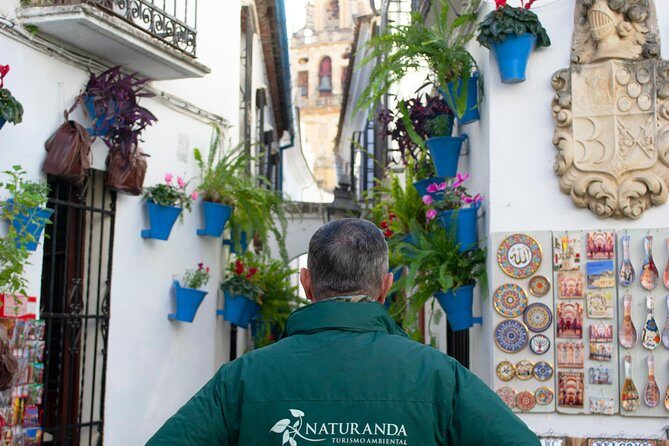
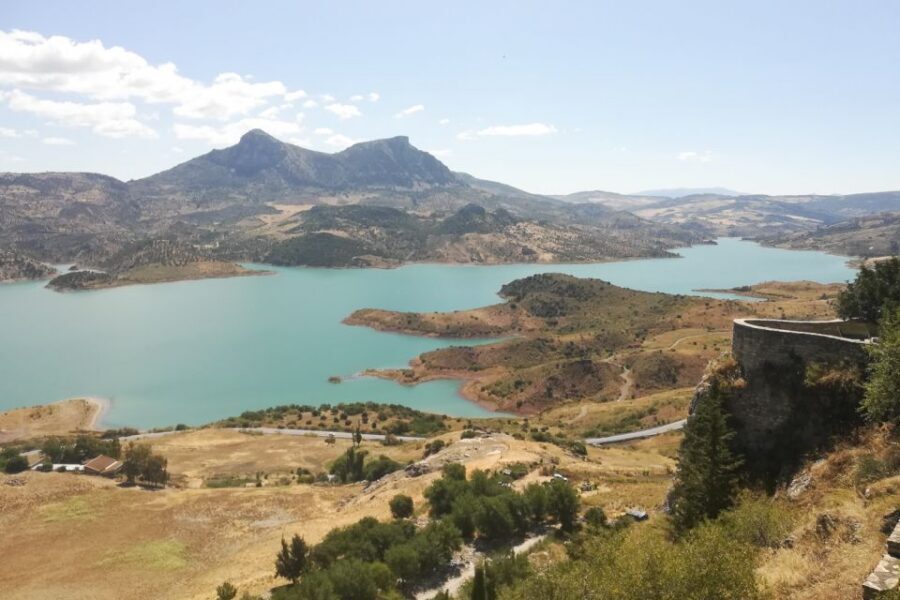
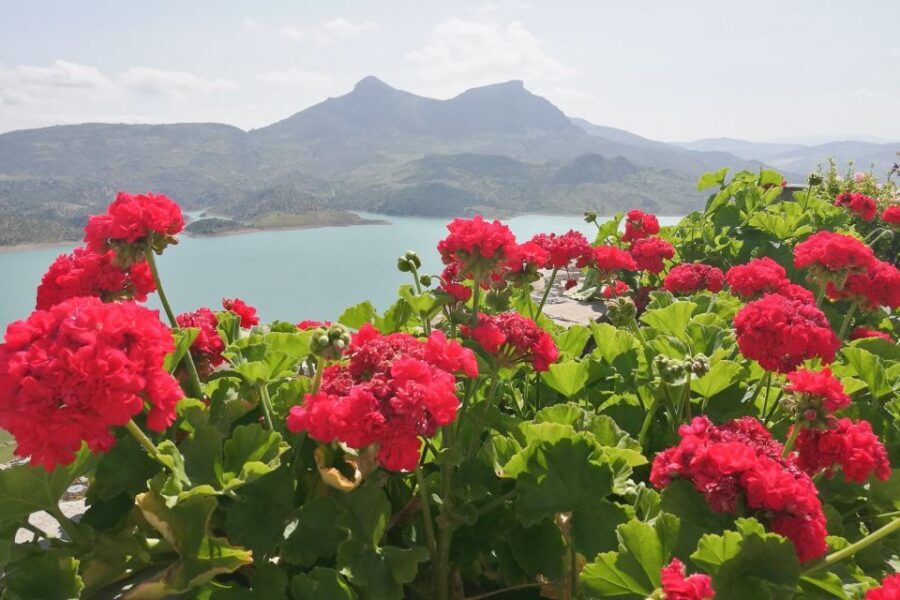
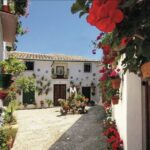
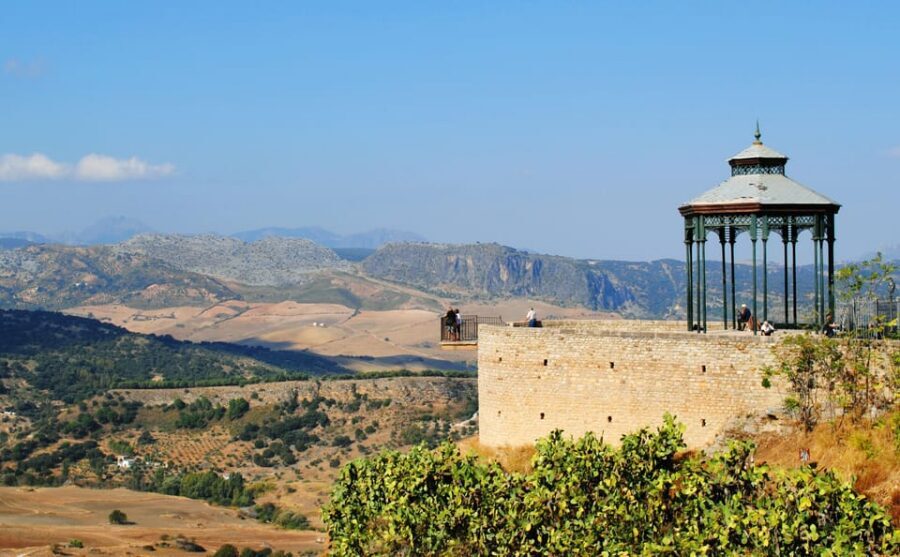
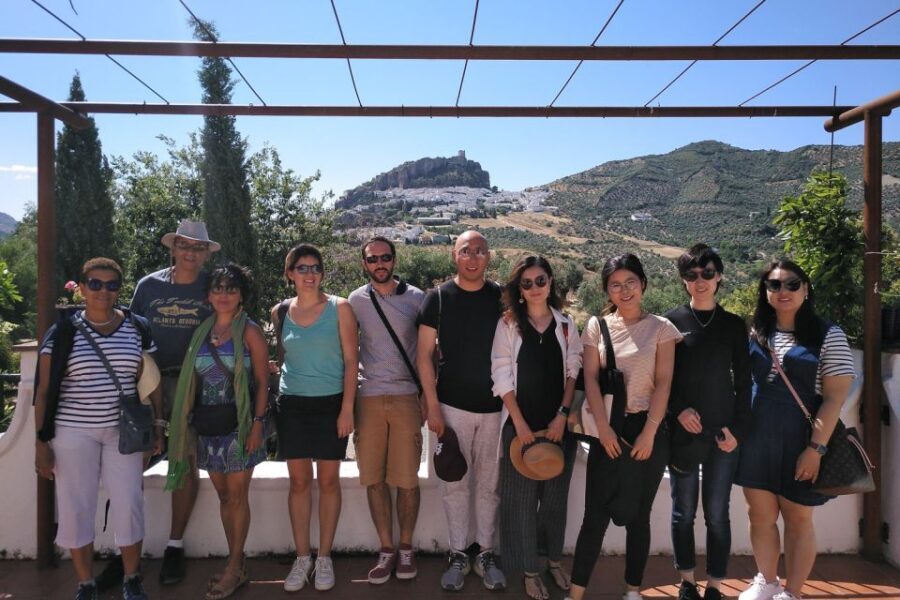
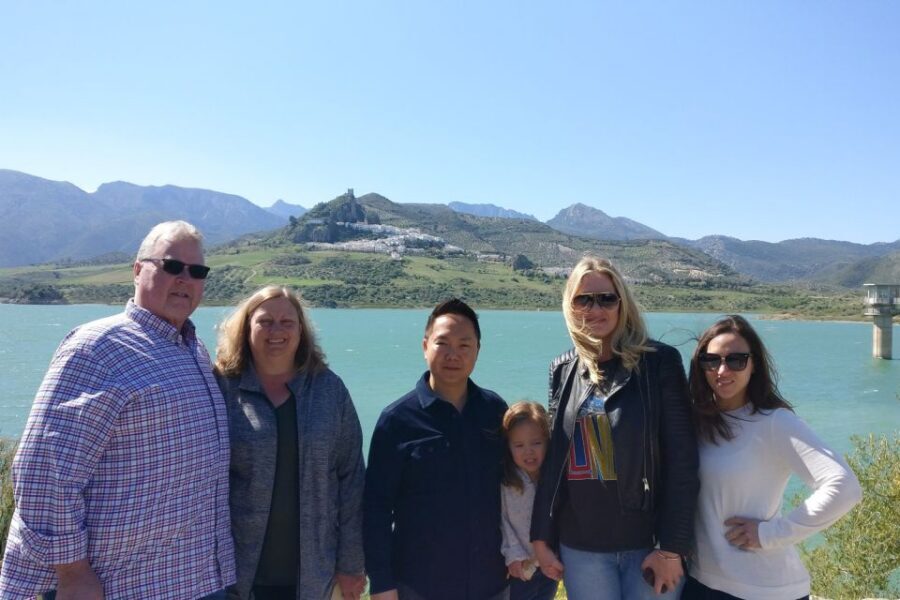
Then you’re in Zahara de la Sierra, one of the most picturesque white villages in the province of Cádiz. The tour is a pleasant walking route through narrow streets, with standout views over the natural surroundings. This is the part where you’ll slow down naturally, because every corner looks like it has a reason to exist.
A guided walk is a big deal here. White villages can blur together if you freestyle: you wander, take photos, then wonder what you missed. With a guide, you get the “why” behind the layout—how the village sits, where key viewpoints are, and what to notice as you move.
What you’ll likely love: the contrast between tight lanes and suddenly opening panoramas. It’s a classic Andalusian rhythm—compression, then release. If you’re traveling with someone who needs photo time, you’ll still feel like you did something meaningful, not just stood still.
Consideration: wear shoes with decent grip. You’ll be walking through old streets, and you’ll want stability more than fashion points.
An original oil mill stop: learning how olive oil is made
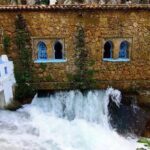
After Zahara, the itinerary shifts from village streets to hands-on food culture. You’ll visit an original oil mill where your guide explains the traditional process of making olive oil. You also get a small tasting.
This is one of the best value stops on the whole trip because it’s sensory and practical. You’ll see how the process works in real life (not just in theory), and the tasting connects the lesson to flavor. Even if you think you already know olive oil, tasting on site tends to sharpen your attention—peppery notes, bitterness levels, and the way oils feel different on the palate.
Why this matters for your day: it breaks up the driving and sightseeing rhythm with something calmer. It’s also an easy “take-home memory.” Later, when you buy olive oil back home, you’ll remember the process and what good oil can taste like.
The inclusion of a wine cellar visit adds another layer. You get more local-product context beyond olive oil, which helps the region feel like more than just a photo stop.
Sierra de Grazalema scenery and Grazalema town: lunch plus breathing room
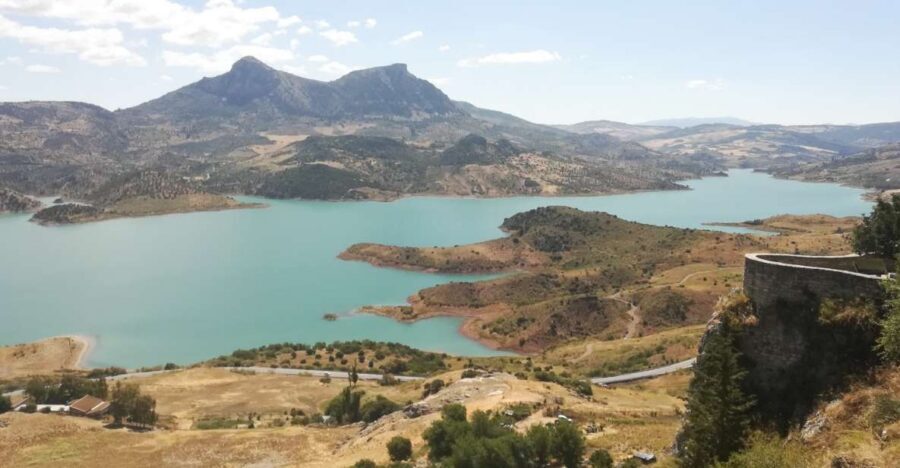
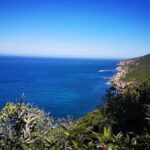
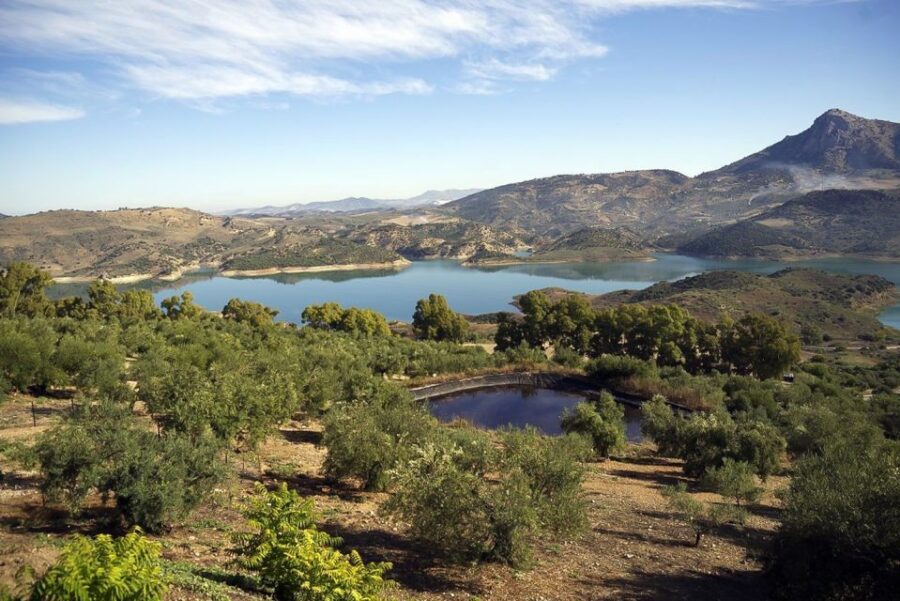
Next comes a drive through the Sierra de Grazalema, a UNESCO Biosphere Reserve since 1977. That designation tells you the area is protected for its natural value. In plain terms: the views tend to be dramatic, and the terrain is interesting to look at from the road.
You then reach Grazalema, where you’ll have a break for lunch and time to explore the small city and its white buildings. This is your chance to slow down a bit, poke around, and choose what you want to eat instead of being pushed into a set menu.
My advice for Grazalema: use your free time to wander first, eat second. That way your meal feels like a choice from the place, not just the closest option. If you’re picky about timing, keep an eye on the clock so you don’t feel rushed when the group regroups.
Also note the overall theme: this day alternates between “guided” and “personal.” Castle and village walking are structured. Lunch and town time are more flexible. That balance keeps it from feeling like a lecture with a bus ride stuck to it.


Ronda essentials: Puente Nuevo and Alameda Gardens
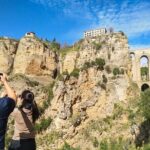
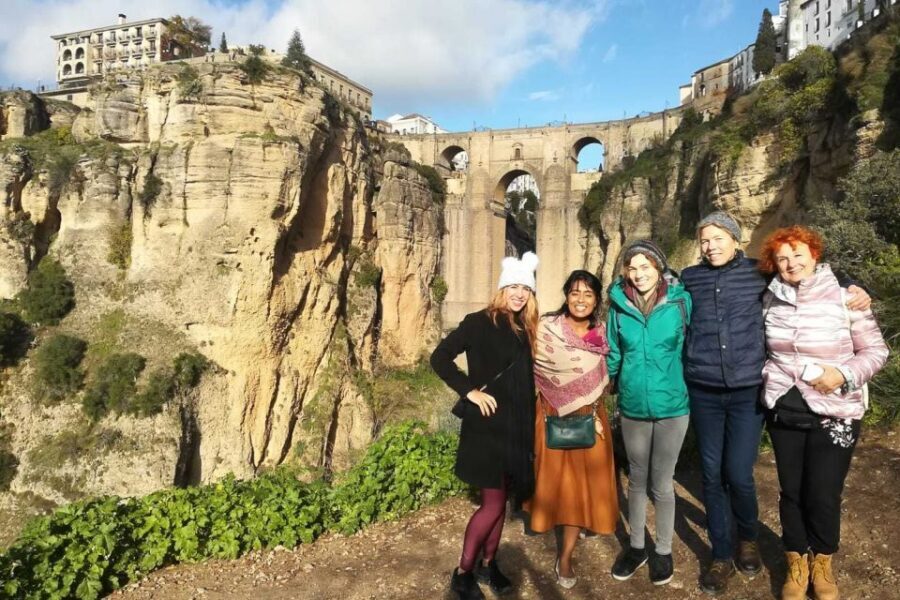
Ronda is the showstopper, and the trip is set up to cover the must-sees without turning it into a checklist scramble. Your guide shows you the town’s main attractions, including Puente Nuevo (New Bridge) and Alameda Gardens.
Puente Nuevo is famous for a reason. Standing near it, you understand why this bridge became the symbol of Ronda. The guide’s walkthrough helps you spot the angles and understand what you’re looking at—so you’re not just staring at a landmark hoping your photos come out right.
Then there are Alameda Gardens. This is a calmer counterpoint to the bridge and the city’s steep-sided geography. You get a place to breathe, pause, and take in the views without the same pressure of “the big moment” you’ll feel at Puente Nuevo.
And here’s the best part for independent travelers: after the guide’s orientation, you’ll have time to discover Ronda on your own the next day. So you’re not locked into every minute of sightseeing with a group.
Your overnight stay: rural hotel base for day two
You’ll arrive at your hotel at the end of day one and rest for the evening. The operator information includes an overnight in a rural hotel. One line says 4-star in the overview, while the included details list a 3-star rural hotel in accommodation only. In practical terms, you should treat it as a solid midrange hotel stay, not a luxury resort.
“Accommodation only” matters because it means you shouldn’t assume breakfast and dinner are fully handled by the package the way some all-inclusive trips do it. You’ll want to budget for extra meals and drinks as needed.
How to make the night work for you: arrive with a plan for an easy dinner. After a long day of walking and driving, you don’t want to spend your evening searching for food just to realize you’re tired. If the hotel offers straightforward options, take them.
Price and value: what $234 buys, and what you pay for separately
$234 per person for two days is not cheap, but it’s not out of line for a guided, door-to-door style trip with multiple attractions. Here’s what you get that justifies the price:
- Professional guide throughout the key stops
- Pickup and drop-off service from your start point in Seville area
- Round-trip shared transfer
- Walking tour time in Zahara de la Sierra
- Olive oil mill visit with small tasting
- Wine cellar visit
- An overnight hotel stay
The big “not included” item is extra food and drinks. Lunch is built into the rhythm (you’ll have a break in Grazalema), but you’ll still be responsible for what you choose to eat and drink.
My value lens: you’re paying for transportation, local guiding, and two food experiences (oil and wine). If you tried to recreate this on your own—bus or car, guides at each stop, and arranging tastings—you’d spend time and likely pay for private add-ons. The tour removes that friction.
Still, if you’re the type who only cares about one or two places, this is a lot of content. If you want the whole circuit—history, villages, Ronda, and food lessons—then the structure pays off.
Who this trip suits (and who should consider a different pace)
This tour fits you if you:
- Want an easy 2-day plan from Seville with minimal logistics
- Enjoy guided context, not just wandering
- Like food experiences, especially learning how products are made
- Want Ronda without having to plan your own day from scratch
- Prefer a mix of structured touring and some free time
You might want to consider something else if you:
- Hate schedules with multiple drives
- Need lots of free time in each village (this trip is efficient, not slow)
- Are hoping every meal is included (extra food and drinks are on you)
Should you book White Villages & Ronda?
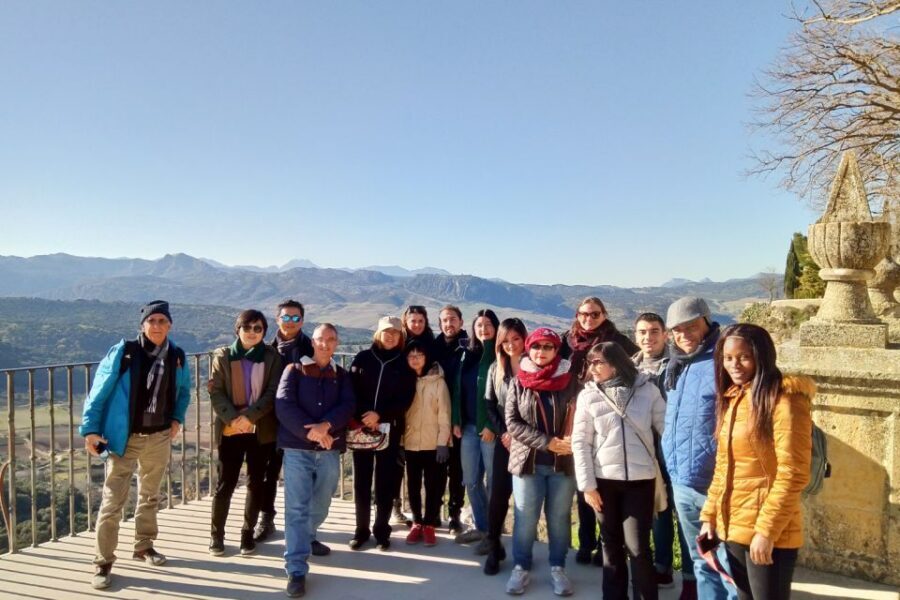
Yes, if you’re aiming for the classic Andalusia experience with less hassle than self-planning. The strongest reason to book is the combination: Aguzaderas Castle + Zahara de la Sierra walking + an original olive oil mill with tasting + UNESCO biosphere scenery + Ronda’s Puente Nuevo. That’s a lot to fit in two days, and the guidance helps it feel coherent rather than rushed chaos.
If you’re price-sensitive, go in knowing exactly what you’ll pay for: the package covers the guide, transfers, the included visits, and your overnight. You’ll still need to budget for meals and drinks. But for many travelers, that’s a fair trade for not having to coordinate everything yourself.
Finally, pay attention to the guide factor. The standout praise around Antonia—knowledge and kindness—signals that this group experience is as much about the people as the places.
FAQ
What places does the trip include?
You’ll visit Aguzaderas Castle in El Coronil, the village of Zahara de la Sierra, the town of Grazalema, and the city of Ronda, including Puente Nuevo and Alameda Gardens.
Are there guided walking parts?
Yes. The trip includes a walking tour in Zahara de la Sierra and your guide will also show you the key attractions in Ronda.
Is olive oil included?
You’ll visit an original oil mill and learn the traditional process, plus you’ll have a small tasting. Olive oil itself isn’t listed as a separate purchase, so plan on tasting as the included part.
Is a wine stop included?
Yes. A wine cellar visit is included.
Do you get free time in Grazalema and Ronda?
You’ll have a break for lunch in Grazalema and some free time to explore. In Ronda, after the first day’s guided highlights, you’ll have time to discover the city by yourself the next day before meeting the guide around 5:30 PM.
How long is the trip?
It lasts 2 days.
What’s included in the price?
Included items are a professional guide, pickup and drop-off service, round-trip shared transfer, walking tour, oil mill visit with small tasting, wine cellar visit, and the overnight hotel accommodation.
What’s not included?
Extra food and drinks are not included.
What languages are available for the guide?
The live tour guide is available in English, French, Italian, and Spanish.
Can I cancel for a refund?
Yes. Free cancellation is available up to 24 hours in advance for a full refund.
If you tell me your travel month and whether you prefer more walking or more viewpoints, I can suggest how to pace your own free time in Ronda on day two.