REVIEW · SEVILLE
From Seville: 2-Day Trip to Tangier 🐪
Book on GetYourGuide →Operated by Naturanda Turismo Ambiental · Bookable on GetYourGuide
One ferry ride turns Europe into Africa. This is a Strait of Gibraltar crossing with real time in Tangier’s medina and bay, plus that satisfying feeling of standing with two continents in view. You’ll start in Seville, reach Tarifa in about two hours, then trade river streets for Moroccan alleys and coastal light.
I especially like the structure: a guided walk for several hours in Tangier’s medina, followed by time at the water where the Atlantic and Mediterranean meet around the bay. I also like that the tour isn’t just a checklist. You get a local guide in English, French, Spanish, or Italian, and you have options like the camel ride add-on if you want it.
One thing to keep in mind: timing can wobble. Some groups reported late departures, long waits after arrival, and an overnight stay that did not feel consistent with a true 4-star standard for everyone—so I’d plan with flexibility.
In This Review
- Key takeaways before you go
- Leaving Seville at 7:15 and reaching Tarifa fast
- The ferry across the Strait of Gibraltar: views and practicalities
- Guided medina time in Tangier: history you can walk
- Bay of Tangier and the camel ride add-on
- Overnight at a rural hotel: what B&B means in real life
- Return day from Tangier: when port schedules change
- Price and value: is $352 a good deal for two days?
- Should you book this Seville to Tangier 2-day trip?
- FAQ
- How long is the trip?
- Where is the meeting point in Seville?
- What does the price include?
- Is lunch included?
- What extra costs should I expect?
- What documents do I need to bring?
- What languages does the guide speak?
- Is pickup from my hotel available?
- Is it suitable for wheelchair users?
- Can I cancel or change plans?
Key takeaways before you go
- Tarifa first, Africa feeling fast: you reach the gateway area quickly after leaving Seville.
- Guided medina time in Tangier: you get several hours with a local professional guide.
- You see the bay, not just the streets: Tangier’s coastline view is built into the experience.
- Camel ride is optional: it costs extra on site, not in the base price.
- Overnight quality varies: it’s a rural B&B setup—double-check comfort needs before booking.
- Port schedules can affect the plan: if crossings change, you may get adjustments rather than a strict itinerary.
Leaving Seville at 7:15 and reaching Tarifa fast
This tour starts early—7:15 am at Street Rastro 12A, inside Naturanda tourist office. From there, you’re on a round trip shared transfer, and the drive to the Tarifa area is about two hours. That early start matters because ferry crossings and timing windows can be tight once you’re near the water.
What I like about the setup is the momentum. You’re not stuck sightseeing in transit. You leave Seville, then slowly watch the geography shift toward the Strait of Gibraltar—the moment your trip starts to feel like you’re physically changing regions.
Tarifa is also where you begin to think differently. It’s a border-feeling place, built for movement: boats, travelers, and quick decisions. If you’re prone to motion sickness, this is a good time to take it seriously. You may be crossing by ferry and riding in a shared vehicle, so pack what works for you and tell the operator ahead of time if you have needs around seating.
The tour isn’t aimed at maximum Moroccan coverage. Instead, it’s aimed at giving you a clean first taste of Tangier with guided time—then letting you decide how much extra you want once you’re there.
You can also read our reviews of more tours and experiences in Seville

The ferry across the Strait of Gibraltar: views and practicalities
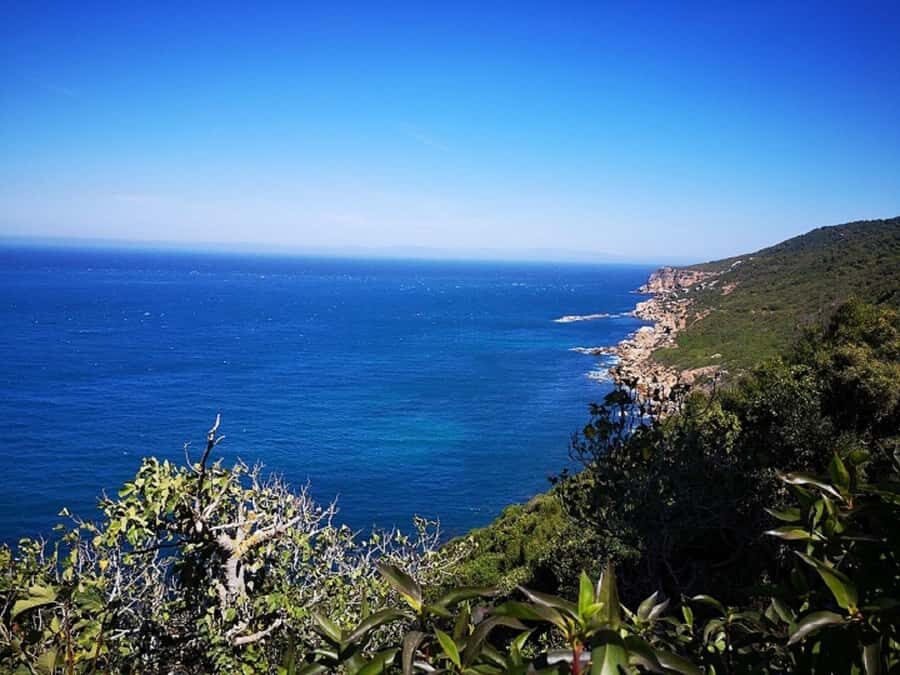
The heart of this trip is the ferry round trip between the Strait area and Tangier. The tour includes the round trip shared ferry, and that’s a big value piece: it’s transportation you’d otherwise have to figure out yourself on your own schedule.
Here’s the practical part: ferry schedules and transit timing can change with real-world conditions. The tour notes that timings are subject to traffic and ferry schedules, and one group even experienced a late departure. That’s not unique to this route. It’s simply how border-adjacent travel works.
I’d plan your mindset like this: treat the day like a coastal operation, not a train timetable. If you’re sensitive to delays, keep your expectations flexible. If you’re traveling with medicine needs, bring it along. If you care about where you sit for comfort, make your request clearly when you confirm with the local operator.
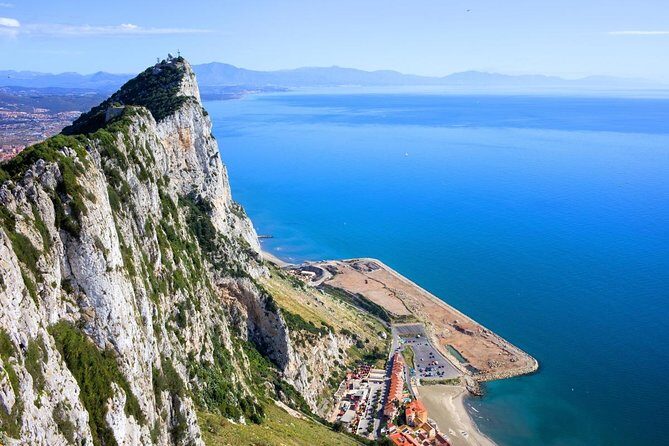
Still, the payoff is the simple visual math. Tangier is on the water, with the bay and coastal views always near your field of vision. When you get to Tangier’s port area, you’re not arriving in a distant world. You’re stepping into a city that feels close enough to compare Europe and Africa side by side.
Guided medina time in Tangier: history you can walk
Once the ferry arrives, you get help finding your footing. A local guide takes you through the streets of the medina, and you’ll spend several hours on a guided exploration of Tangier’s most unique places. This is the part of the trip that turns Tangier from scenery into something you understand.
What you’re aiming for in a medina visit is not just seeing buildings. It’s learning how the city breathes: how people move, where everyday life concentrates, and why the medina feels like its own world within the coastline. Your guide is there to translate the maze into meaning—especially valuable if you don’t read Arabic street signs.
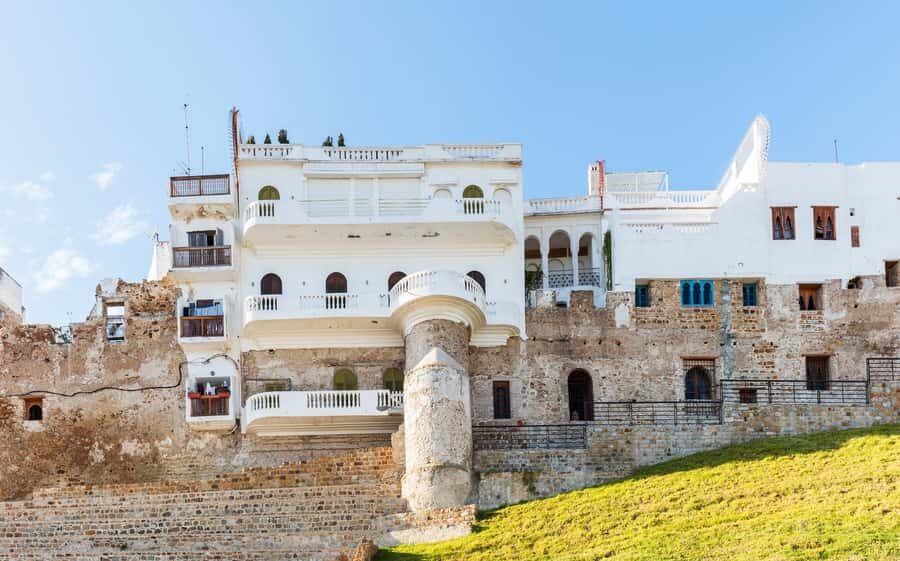
A key detail that helps you picture what you’ll experience: Tangier is described as straddling the Atlantic and Mediterranean, with the Bay of Tangier one direction and the medina walls the other. That layout is more than geography. It shapes the mood. You’re close to the sea, but you’re also walking up against the city’s inward energy.
Also keep this in mind for your planning: the tour includes lunch only on the first day. So if you arrive later due to transit changes, food timing can get compressed. If you tend to get hangry or you need a snack schedule for health reasons, bring a small stash of water and snacks for yourself before you reach the guided portion.
For context, Tangier is a city of more than a million inhabitants, where cultures coexist day to day. When a medina visit is guided, you’re not just collecting photos. You’re getting a human-scale view of how that coexistence plays out on the ground.
Bay of Tangier and the camel ride add-on

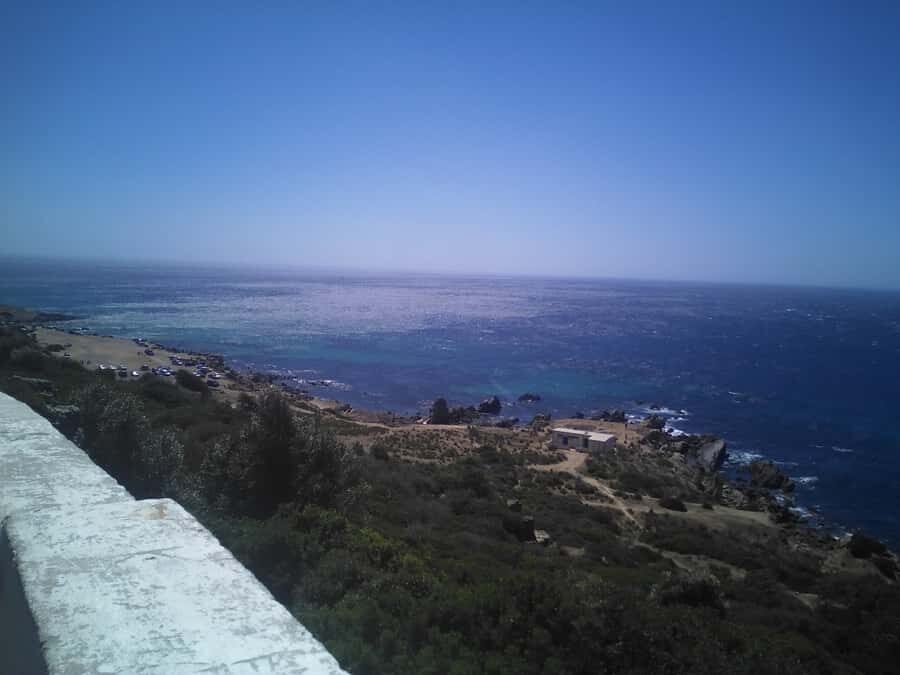
Tangier isn’t just about alleys. The tour is also built around the sense of place you get near the water: the bay and the surrounding strait viewpoints. That coastal time is important because it gives you contrast. You get the compact density of the medina, then you step out into the open, windy horizon where the strait feels real.
This is also where I think you’ll appreciate the name of the trip’s setting. The Strait of Gibraltar is not abstract here. You’re seeing why ships, commerce, and travelers have always been drawn to this chokepoint.
About the camel ride: it’s not included in the base price. You can add it on site for a small extra fee, and it’s listed as a highlight. If you want it, consider doing it as a fun “only once” memory rather than a must-do. If you’re unsure, you can skip it without damaging the core experience—your guided medina time is the main course.
One more realistic note: activities near transport zones can be weather-sensitive and schedule-sensitive. Build in some wiggle room so you don’t feel rushed. When a day is divided between ferry timing and guided walking, the best strategy is to keep your plans simple.
Overnight at a rural hotel: what B&B means in real life
You’ll spend the night at a 4-star rural hotel with bed and breakfast. That’s a big included cost piece because it means you’re not scrambling for lodging once you cross. But star ratings can be tricky when the property is described as rural. The environment might be quieter, but it can also mean less predictability in room details like comfort, noise levels, or ventilation.
This matters because comfort issues can turn an otherwise great day into a rough second day. One group reported beds that were not comfortable, cigarette smoke, and noise outside late into the night. I’m not saying every room will be like that. I am saying this is worth your attention.
If you’re booking with comfort in mind, send a quick message when you confirm. Ask for a non-smoking room if that matters to you, and request the quietest option available. If you know you’ll struggle sleeping in noisy conditions, plan to bring earplugs.
Also note what’s not included: extra food and drinks are not part of the price. Since you’re only getting breakfast as part of B&B, expect to pay on your own for any dinner or snacks you want on the evening after Tangier.
The good part: having a hotel on the overnight portion means you’re not forced into an all-one-day push. You get a chance to rest, then handle the return crossing with fewer time-pressure headaches.
You can also read our reviews of more tours and experiences in Seville



Return day from Tangier: when port schedules change
On day two, the trip brings you back toward Seville with the round trip ferry and shared transfer. The plan is to return to the port area, cross again by ferry, and head back to Seville city after the second day’s Tangier time.
But here’s the real travel truth: port operations can change. One group had the port of Tarifa closed, and their 2-day trip effectively turned into a one-day experience. In that situation, the company still tried to make the time worthwhile, including a chance to see Tetouan and Tangier due to the routing change.
So what does that mean for you? It means you should treat this as a flexible plan built around crossings, not a rigid itinerary. If you’re the type who hates surprises, look at this tour as a guided way to handle the coast route, not as a promise of the exact same schedule every time.
It also affects food and timing. If the ferry conditions change, your mealtimes and free time can shift. Keep a small buffer and avoid making strict appointments that require you to be at a specific time.
When you return to Seville, the tour notes that the pickup points are the same as arrival points at the end of the excursion. In other words, your logistics won’t suddenly reinvent themselves at the last minute.
Price and value: is $352 a good deal for two days?
At $352 per person for 2 days, you’re paying for a package that includes a lot of the expensive or annoying-to-organize items: hotel (4-star rural) with B&B, a local guide in Tangier, a round trip shared transfer, round trip shared ferry, and lunch on the first day. Taxes, fees, and handling charges are also included.
That’s why this price can be fair value—especially if you don’t want to piece together ferries, lodging, and guide time. With shared transport and shared ferry, you’ll likely spend less than a DIY plan where you try to match everything yourself.
Still, there’s one caution about the overnight. Some people feel the overnight is not worth the extra cost compared with a day trip. I get the logic: if the second day is mostly travel time, you might feel like you paid for a sleep you didn’t need. Whether it feels worth it to you depends on how much you want to relax in Tangier versus how much of your time you want spent actively touring.
My practical take: if you want guided walking in the medina plus a genuine night away from Seville, the overnight makes sense. If you’re mainly chasing photos and a quick taste, you may question whether the extra lodging cost fits your style.
Also remember camel rides cost extra on site. The best “value move” is to only add extras you truly want once you’re there, not based on the idea that everything will be included.
Should you book this Seville to Tangier 2-day trip?

Book it if you want a guided, structured way to experience Tangier’s medina + bay without doing the heavy logistics. The included guide time and the ferry transportation do a lot of the work for you, and that’s a real convenience.
Pass or switch to a shorter option if you’re very delay-sensitive, have strict comfort needs (noise, smoke, motion sickness), or you’re unsure you’ll use the overnight meaningfully. Also, if you want maximum time on the ground in Morocco, be aware that ferry and port conditions can change the shape of the schedule, sometimes shortening what you planned.
If you go, go prepared: bring your passport or ID card, pack a snack buffer for timing changes, and confirm any comfort requests with the local operator before you leave.
FAQ

How long is the trip?
It’s listed as a 2-day excursion.
Where is the meeting point in Seville?
You meet at 7:15 am at Street Rastro 12A, inside the Naturanda tourist office.
What does the price include?
It includes a 4-star rural hotel (bed and breakfast), local professional guide in Tangier, round trip shared transfer, round trip shared ferry, taxes/fees/handling, and lunch on the first day.
Is lunch included?
Yes. Lunch is included only on the first day.
What extra costs should I expect?
Food and drinks beyond the first-day lunch are not included. The camel ride is not included and has a small extra fee paid on site.
What documents do I need to bring?
Bring your passport or ID card. Your full name and passport number for each traveler are required for ferry ticketing.
What languages does the guide speak?
The live tour guide is available in English, French, Spanish, and Italian.
Is pickup from my hotel available?
Pickup is optional (you can arrange it with the local tour operator and provide your accommodation details).
Is it suitable for wheelchair users?
No. It is listed as not suitable for wheelchair users.
Can I cancel or change plans?
Yes. There’s free cancellation up to 24 hours in advance for a full refund, and you can reserve now and pay later.