REVIEW · SEVILLE
Seville in roman times: Italica
Book on Viator →Operated by Argania Travel · Bookable on Viator
Roman ruins in Seville can feel like a time machine. This half-day private trip links Italica and nearby Roman life to one of the region’s most dramatic sights: a real walk through an amphitheatre.
Two things I like a lot: first, the official guide experience. The guides I’ve seen highlighted here—Jesus, Javier, and Patricia—are the kind who explain clearly and add personality, not just facts on a sign. Second, you get more than looking: the visit finishes at the Roman amphitheatre, with a guided route through the entrances and the “labyrinth” areas that make the scale click.
One thing to consider: the whole tour is about 3 hours, and the main on-site time at Italica is around 1 hour 30 minutes, so you’ll see a lot—but you won’t have unlimited time to wander slowly through every corner like you could on your own.
In This Review
- Key points to know before you go
- Roman Italica: why this Seville-area stop feels so different
- The value of a 3-hour private format (and who it suits)
- Hotel pickup and a smooth ride out to Italica
- Stop 1: Archaeological Ensemble of Italica and the amphitheatre walk
- What you’ll see here
- Why mosaics and surviving details matter
- The guide makes the difference
- A realistic consideration: the site can feel fragile
- The tour’s bigger Roman picture: Italica and Híspalis side-by-side
- Timing: start at 10:00 am, finish with the amphitheatre in your head
- What’s included, what’s not, and how to plan your day
- Price and logistics: whether $167.68 per person is fair
- Should you book this Italica in Roman Times tour?
- FAQ
- How long is the tour?
- What time does it start?
- Is hotel pickup included?
- Is the tour private?
- What’s the main stop on the tour?
- How much time is spent at Italica?
- Is transportation provided?
- Is admission included in the price?
- What payment or ticket format will I receive?
- Can I cancel for a full refund?
Key points to know before you go
- Private, only your group means less waiting and more back-and-forth with your guide
- Hotel pickup in Seville helps you skip the stress of transport and timing
- Admission to Italica included—so the headline ruins part costs less hassle
- Amphitheatre entrances and labyrinth areas make the site feel three-dimensional
- Guides named Jesus, Javier, and Patricia are praised for humor and bringing stones to life
- Mosaics and scale are major “wow” moments, but the site can feel fragile in places
Roman Italica: why this Seville-area stop feels so different
There’s something special about Roman remains that are close enough to modern life that you can still picture people going about their day. Italica sits in the province of Seville, and this tour is built around the idea that two Roman centers were close—Italica and Híspalis—but not identical. That contrast matters. It turns the ruins from a single “attraction” into a story about how Rome shaped local life.
What makes this one feel different is the movement. You’re not just dropped at a site and told to read signs. You’re guided through what to look for and why it mattered, then you end at the amphitheatre where the building stops being architecture and starts being a machine for crowds, noise, and spectacle.
You can also read our reviews of more tours and experiences in Seville.


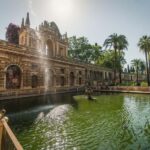
The value of a 3-hour private format (and who it suits)
This is priced at $167.68 per person and runs for about 3 hours. For many people, private experiences only “make sense” if they save you time and reduce uncertainty—and that’s exactly where this tour helps.
You get:
- Pickup offered from your hotel or accommodation in Seville
- An air-conditioned vehicle for the ride
- A guide who stays with you
- Admission included for the Italica stop
- A private visit format, meaning only your group participates
That combination is the real value. If you’ve ever tried to piece together transport, tickets, and the right way to walk a big site, you know it can turn into a puzzle. Here, the guide does the puzzle-solving, and you focus on what’s in front of you.
Who it’s best for:
- You want Roman culture without a full-day grind
- You like your ruins explained, especially amphitheatres
- You’re traveling with a small group and want the trip tailored to your pace
- You want a straightforward half-day plan starting at 10:00 am
Hotel pickup and a smooth ride out to Italica
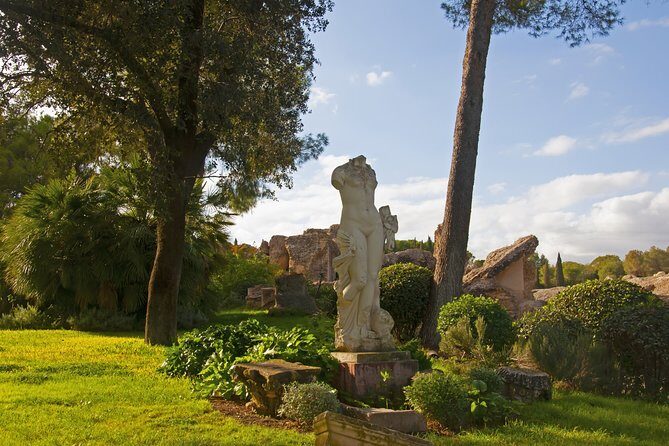
The tour is built for convenience in Seville. Pickup is offered from hotel or accommodation in Seville, and you travel by private transportation in an air-conditioned vehicle. That matters in warm months and for anyone who doesn’t want to spend time figuring out local connections.
There’s also a practical planning note: this is typically booked about 31 days in advance on average, which usually means it’s a popular slot. If you’re visiting in peak season, it’s smart to book early so you can match your schedule to the daily departures.
Stop 1: Archaeological Ensemble of Italica and the amphitheatre walk
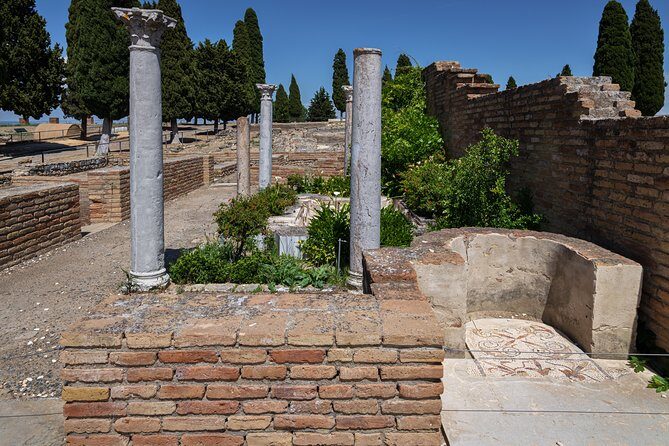
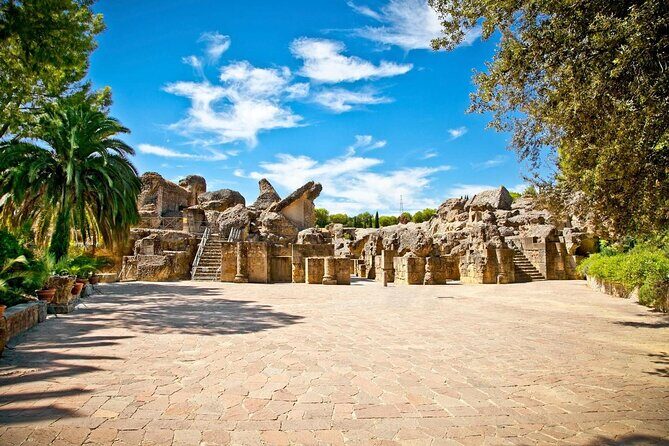
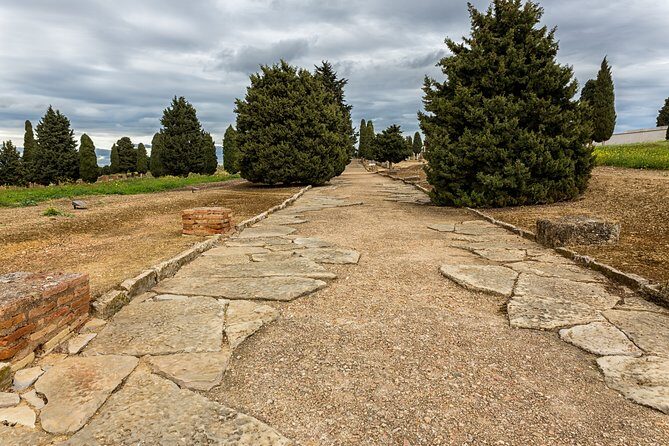
Your main time is at the Archaeological Ensemble of Italica, and that’s where the trip really lands. The experience includes 1 hour 30 minutes on-site here, with the admission ticket included. This is the Roman side of Seville that feels concrete and close—less “maybe you can imagine it” and more “look, this was real.”
What you’ll see here
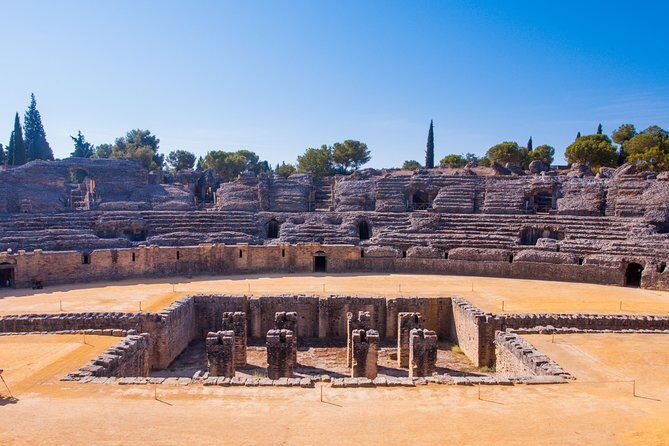
The heart of the visit is the amphitheatre. This tour is especially focused on one of the most famous amphitheatres in the area, and the guide leads you through the spaces people rarely understand from the outside alone.
Instead of only viewing from the perimeter, you walk through:
- Entrances into the amphitheatre
- The labyrinth areas linked to how the building functioned
That’s a huge part of why this tour gets such strong reactions. When you move through those entryways and passage-like areas, the amphitheatre stops being an illustration and starts being a working layout. You can picture how performers, staff, and crowds moved without needing a lecture.





Why mosaics and surviving details matter
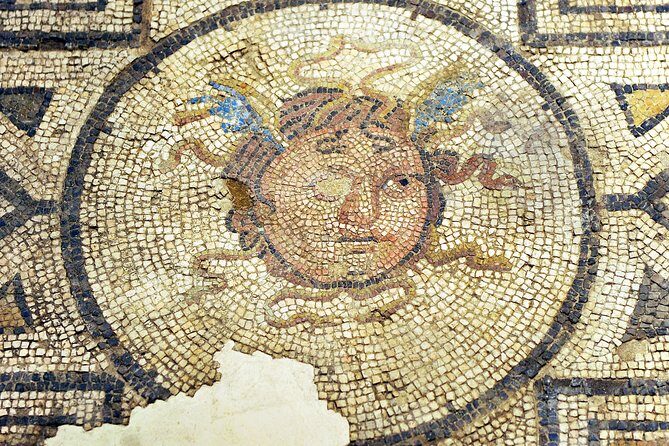
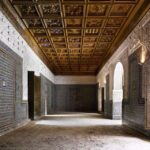
One of the standout themes in the experience is the impression left by what’s still there. In the write-ups, people highlight beautiful mosaics surviving, and that’s not just decorative. Mosaics tell you about everyday taste, wealth, and the kind of living Rome encouraged—even in a provincial setting.
In other words, this isn’t only about the big Roman show. You also get clues about the private side: how people lived, spent time, and built spaces that looked good when light hit them just right.
The guide makes the difference
The most praised part across guide names—Jesus, Javier, and Patricia—is how they “bring to life” what you’re seeing. They’re described as enthusiastic and entertaining, and you get real explanation, not just a rundown.
One approach that shows up repeatedly: guides use humor and interaction so you don’t feel like you’re receiving a lecture. That’s the best kind of ruins guiding. You come away thinking, I understand what I saw, and I can connect it to how people actually used these spaces.
A realistic consideration: the site can feel fragile
A note that came up in impressions of Italica: people feel both awe and sadness. The ruins are incredible, but there’s also a sense that lack of funding to protect this treasure affects how well the site is preserved.
I think that’s an honest emotional mix for any Roman ruin visitor. This tour can make you appreciate what you’re looking at more. It can also make you notice what’s missing and what needs care. If you’re sensitive to preservation issues, go in with open eyes.
The tour’s bigger Roman picture: Italica and Híspalis side-by-side
Even though the tour’s main on-site stop is the Italica ensemble, the experience is framed as a look at Roman Seville with two linked places: Italica on the outskirts and Híspalis within the Roman city setting. The value here is context. You’re learning how these locations relate and why Rome’s footprint created different kinds of urban life nearby.
You don’t need to know Latin or Roman administrative history to enjoy it. The guide approach turns this into something your brain can hold: one place to see the buildings and daily living traces, and another place that helps you understand why those buildings were part of a larger system.
Timing: start at 10:00 am, finish with the amphitheatre in your head
The tour starts at 10:00 am and runs around 3 hours total, with that focused 1 hour 30 minutes at Italica. That timing is one of the strengths for busy travel days.
You get:
- A solid morning block for the ruins
- A guided amphitheatre finale that stays in your memory
- Enough time afterward to keep exploring Seville on your own
If you like structured plans with breathing room, this schedule works well.
What’s included, what’s not, and how to plan your day
Included:
- Official guide
- Pickup from your Seville accommodation
- Private transportation in an air-conditioned vehicle
- Admission ticket included for the Italica stop
- Daily departures
- Mobile ticket
- Private visit (only your group participates)
Not included:
- Lunch
- Extras and personal expenses
- Anything not listed above
Practical tip: plan to eat before or after. With only a half-day window, it’s best not to rely on finding lunch between transport and the guided walk.
Price and logistics: whether $167.68 per person is fair
At $167.68 per person, this isn’t the cheapest “Roman ruins” option. But when you look at what’s inside the price, it starts to make more sense.
You’re paying for:
- A guide who can interpret a complex site layout
- Pickup and private transport, which is often the biggest hidden cost/time drain
- Included admission to the main stop
- A private-group format that avoids the stop-start feeling of larger group tours
So the value question becomes: do you want interpretation and a guided route through the amphitheatre spaces, or do you prefer to wander and read at your own pace? If you want the route through entrances and labyrinth areas explained, paying for a guide is usually the better deal. If you’re happy with a self-guided visit and you can handle transport and ticketing easily, you might find a cheaper approach—just with less help understanding what you’re seeing.
Should you book this Italica in Roman Times tour?
I’d book it if you want a guided, focused Roman experience that ends with an amphitheatre walkthrough rather than a quick photo stop. The strongest selling points are the guide-led storytelling (especially the enthusiasm credited to Jesus, Javier, and Patricia) and the way the amphitheatre route helps you understand how the building worked.
Skip it or rethink if:
- You need more time for wandering slowly without a set plan (this is about 3 hours total)
- You’re coming just for a quick drive-by and don’t care about interpretation
- Lunch inside the plan is important to you (it’s not included)
If you’re planning Roman-focused time in Seville and you want the ruins to make sense fast, this is a smart, efficient pick. You’ll leave with the kind of mental map that turns stones into places.
FAQ
How long is the tour?
The tour lasts about 3 hours.
What time does it start?
The start time is 10:00 am.
Is hotel pickup included?
Yes. Pickup from your hotel or accommodation in Seville is offered.
Is the tour private?
Yes. It is a private tour/activity, and only your group participates.
What’s the main stop on the tour?
The Archaeological Ensemble of Italica is the main stop, with an admission ticket included.
How much time is spent at Italica?
About 1 hour 30 minutes is spent at the Archaeological Ensemble of Italica.
Is transportation provided?
Yes. You’ll travel by air-conditioned vehicle with private transportation.
Is admission included in the price?
Yes. Admission Ticket Included for the Italica stop.
What payment or ticket format will I receive?
The tour uses a mobile ticket.
Can I cancel for a full refund?
Yes. Free cancellation is available, and you can cancel up to 24 hours in advance for a full refund.