REVIEW · SEVILLE
2-day Tangier and Chefchauen Private Tour from Seville
Book on Viator →Operated by Not Just a Tourist · Bookable on Viator
Morocco in two days feels like a magic trick. You start with a ferry crossing over the Gibraltar Strait, then get guided time in Tangier’s old lanes and Chefchaouen’s blue streets. I like that it’s private, so you’re not stuck in a big group shuffle. I also love how the day plan mixes iconic stops (Cap Spartel, Hercules Caves) with real neighborhood time for mint tea, shopping, and local color. One thing to think about: the schedule depends on ferry timing, so you should leave the whole day flexible and expect a long return.
If you’re coming from Seville, this is a smart way to get across the water and into Morocco without trying to self-manage borders, transport, and guided walking. In the best moments, the trip clicks: a driver meeting you at the ferry, an English guide steering you through the medina, and enough time on Day 2 for Chefchaouen views and wandering. It’s also not a cheap add-on where everything is handed to you; you’ll want to plan for ferry tickets, lodging, and lunch costs.
In This Review
- Quick hits
- A Two-Day Morocco Detour That Starts With the Strait
- Why Tangier + Chefchaouen Fits Together So Well
- Day 1: From Seville to Cap Spartel and Tangier’s First Big Views
- Tangier’s Kasbah Area, Hercules Caves, and the Medina Walk
- Caves, Beach Time, and Quick Stops That Break Up the Pace
- How Your Guides Shape the Day (Jose, Khalid, Norman, Abdul)
- Day 2: The Mountain Road to Chefchaouen and Its Blue Streets
- Chefchaouen Kasbah Museum, Uta El Hammam Square, and Ras el Ma Views
- Price and Logistics: Is $841.67 Good Value?
- Comfort, Pacing, and Who This Private Tour Fits Best
- Practical Tips So You Enjoy Every Stop More
- Should You Book This Tangier and Chefchaouen Private Tour?
Quick hits
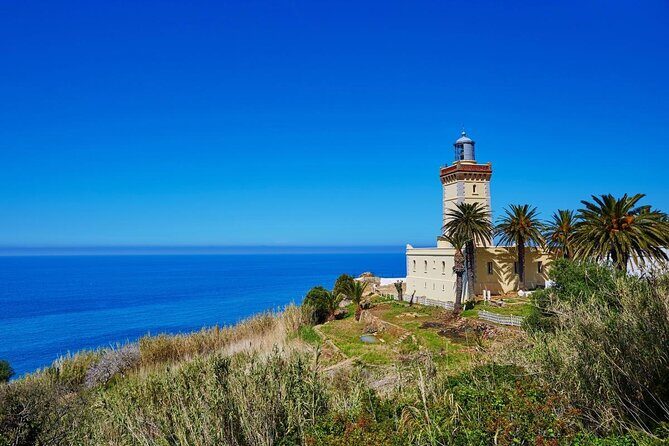
- Gibraltar Strait ferry views: you’ll cross with big-sky scenery and views of the rock of Gibraltar and Africa from Cap Spartel area.
- Guides with real names: you may travel with Jose on the Spain side, Khalid on arrival in Tangier, and Norman/Abdul while you explore.
- Hercules Caves + Kasbah Museum combo: you see the caves and then climb into Tangier’s Kasbah history and viewpoints.
- Medina time that isn’t just a drive-by: mint tea breaks, souk wandering, and guided orientation so you don’t feel lost.
- Chefchaouen in daylight and for hanging out: blue-washed streets, a kasbah stop, plus Ras el Ma panoramas and free exploration.
- Optional beach moments: Achakkar Beach is built into Day 1, and there’s an optional camel ride if you want it.
A Two-Day Morocco Detour That Starts With the Strait
This trip is designed for people who want Morocco without turning it into a spreadsheet project. You depart from Seville early, transfer to the port, and take a ferry across the Gibraltar Strait. That crossing does more than move you—it gives you a dramatic “we really left Spain” moment before you ever hit Tangier’s streets.
What I like most is the structure. Day 1 focuses on Tangier: viewpoints, caves, the Kasbah area, and a guided walk through the old town. Day 2 then switches gears to Chefchaouen: mountain road scenery, the town’s blue look, and a calmer pace with viewpoints and time to explore.
The trade-off is that you’re moving. This is not a slow travel week where you sleep in and wander only what’s nearby. It’s two full days. You’ll walk some, ride some, and you’ll feel the long day energy—especially since ferry schedules can shift.
You can also read our reviews of more private tours in Seville

Why Tangier + Chefchaouen Fits Together So Well
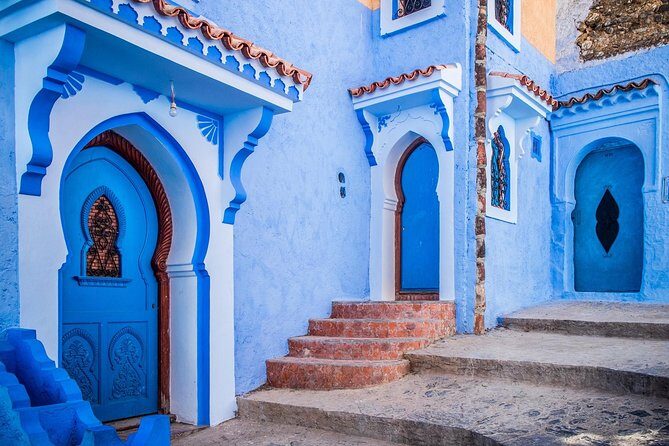
Tangier gives you the “gateway” feel: Morocco’s flavors and street life right at Europe’s edge. Chefchaouen is almost the opposite vibe—slower, higher up, and visually iconic because of its blue-painted buildings.
Pairing them works because you get context. Tangier helps you understand the coastline and the mix of influences you’ll keep sensing across northern Morocco. Chefchaouen then becomes the reward: a town that’s easy to photograph, yes, but also a place where you can actually sit with a drink, look at the view, and take your time.
You also get a proper guided approach in both places. The tour uses private guides—so instead of guessing, you get explanations while you walk. That matters in medinas, where small choices (which street first, how to orient, what to see) can make the difference between fun and frustration.
Day 1: From Seville to Cap Spartel and Tangier’s First Big Views
You start in Seville with a pickup at 8:00 am, usually from your hotel or a nearby spot if the car can’t reach. Then you head toward the port area of Tarifa and wait out the ferry timing. If you’re the type who likes buffer time, you’ll appreciate the guidance to leave the whole day free. The ferry schedule drives the rhythm.
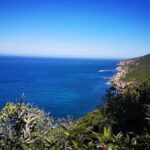
Once you cross, the tour heads to Cap Spartel. This stop is short but memorable. It’s all about orientation and scenery—where land and sea meet, with views out toward Africa and a strong sense of the strait. The rock of Gibraltar also becomes part of the visual story, even if you’ve already seen it in pictures.
From there, the day moves into Tangier’s higher ground and history zones.
Tangier’s Kasbah Area, Hercules Caves, and the Medina Walk
Tangier’s plan is built around two ideas: height and old-town layers. First comes Musee de la Kasbah, followed by a descent into the medina lanes. That sequence helps. You start with the perched, dramatic feeling of the Kasbah area, then you follow the streets downward into the market atmosphere.
The Kasbah stop includes neolithic Hercules Caves viewing and then shifts into the Kasbah Museum area. After that, you’ll spend time in the Medina of Tangier with a guided walk. This is where you get the practical value: you’re shown where to go, what to look for, and how to spend time without wandering in circles.
In the medina time, you should expect a mix of walking and stopping. The tour includes time for a mint tea moment and browsing in the old streets. If you’re shopping, this is your window to browse souvenirs, compare prices, and pick up small Moroccan items without making it your only activity.
The day doesn’t just stop at one old neighborhood either. You’ll also see additional old-town stops like Ancien Medina and a quick visit to Tangier Grande Mosque (short in duration). Those are brief, but they help you understand the layout and local religious space without eating your whole day.
Caves, Beach Time, and Quick Stops That Break Up the Pace
Tangier isn’t only “old streets and museum doors.” The itinerary also includes Caves of Hercules as a separate stop, plus a free-time beach break at Achakkar Beach. That beach slot is useful because Day 1 can get heavy if you only do indoor sites and walking through alleys.
Achakkar Beach is where you can breathe. You can linger near the water, take photos, and reset your feet before you head back into town areas. There’s also an optional camel ride listed for an extra cost, so if you want that experience, you know where it fits.
This kind of mix is smart for real life. You won’t feel like your whole day is compressed into “line up, go in, leave.” Instead you get a rhythm: viewpoint, cave/culture, medina walk, then a break.
You can also read our reviews of more tours and experiences in Seville
How Your Guides Shape the Day (Jose, Khalid, Norman, Abdul)
The trip is private, and that’s where the guide names from real experience become more than trivia. The Spain-side logistics can feel abstract until you meet your people at the ferry and in Morocco.
One account described Jose as the driver guiding you from Seville to the ferry, then Khalid meeting the group at the Tangier arrival point. In Chefchaouen, Norman guided the walking and explanations. Back in Tangier, Abdul helped with the second-day exploration.
Even if your names differ, the point is the same: you’ll benefit from not having to figure out directions on your own. In medinas, a guide does more than talk. They help you get oriented fast so you can enjoy the streets instead of decoding them.
Day 2: The Mountain Road to Chefchaouen and Its Blue Streets

Day 2 starts with a transfer from Tangier to Chefchaouen by mountain road, listed around 2.15 hours. That drive is part of the experience. It moves you away from the coast’s feel and into a higher, cooler, more scenic environment.
Once you arrive, you’ll head into Chefchaouen’s old fortress town atmosphere. The town’s blue look is famous for a reason: it’s visually distinctive at every angle. But the best part is how easy it is to relax once you’re there. After a long Day 1, Chefchaouen feels like a “slow down” moment.
You get about 3 hours at the town area early on with the town’s feel front and center.
Chefchaouen Kasbah Museum, Uta El Hammam Square, and Ras el Ma Views
Chefchaouen’s sightseeing focuses on two anchors: the Kasbah Museum and the panoramic viewpoint at Ras El Ma.
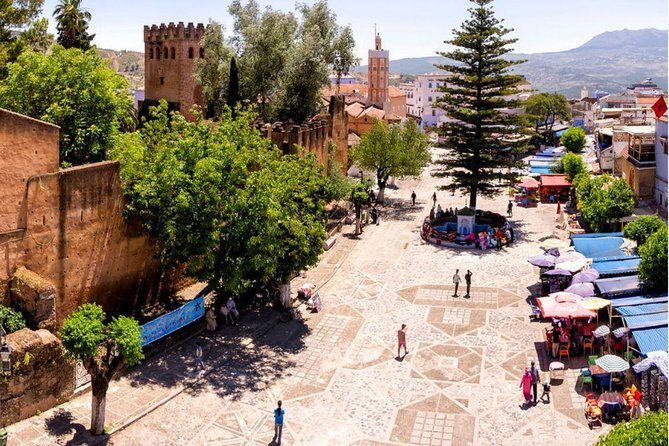
The Kasbah Museum visit is described as connected with the town’s central Uta El Hammam square, plus lunch in the warm setting around there. That lunch stop matters. You’re not just eating quickly on the go—you’re building energy for more walking afterward.
After lunch, you’ll do a walk through Chefchaouen’s alleyways toward Ras El Ma Spring. This is where the town opens up. Ras El Ma gives you a panoramic view of the valley, so you’re not just seeing blue walls—you’re seeing the geography that makes the town feel special.
The day also includes time for exploration in the Chefchaouen Medina. You’ll likely want mint tea here too, because it’s the kind of town where a small pause turns into a good memory.
Price and Logistics: Is $841.67 Good Value?
This tour is priced at $841.67 per person, but the big-ticket add-ons are clearly listed as separate costs. That’s important for value.
What’s included:
- Private transportation across the day’s routing
- Private guides in Tangier and in Chefchaouen
- Entrance tickets for included sights
- Tolls and the driver in Spain
What’s not included:
- Lunch (listed at a supplement of 25€/lunch)
- Accommodation (listed as 120€–280€ for a double room with breakfast)
- Round trip ferry tickets (listed as a supplement of 120€)
- Optional camel ride (35€)
So you’re mainly paying for the private guided experience and the overall routing/logistics from Spain to Morocco. If you were to DIY this—ferry plus arranging guides plus entrances plus figuring out the medina walking routes—you’d likely spend time (and probably more money) getting the same results.
Is it still pricey? Yes, it’s not a budget trip. But for a two-day, cross-water plan with private guides and entrance fees already handled, it starts to look reasonable. The value improves most if you care about structure and not dealing with transfers while you’re tired from travel.
Comfort, Pacing, and Who This Private Tour Fits Best
This is built for people who want to see a lot but don’t want to self-organize. It’s also built for people who like guided walking with explanations as you go.
It’s a good fit if you:
- Want a private experience with English-speaking guides
- Like cultural and architectural stops (Kasbah areas, museums, medina walking)
- Prefer “two well-planned days” over a complicated multi-step DIY plan
- Want photo-worthy scenery plus time to actually browse and relax
It may be less ideal if you:
- Hate long days with ferry-driven timing
- Want fully flexible sightseeing without a set schedule
- Are extremely budget-sensitive once you add ferries, lodging, and lunch
Also note the trip is listed as requiring good weather. If weather cancels the ferry, the experience rules are strict about refunds, so I strongly recommend travel insurance so you’re not stuck paying for non-refundable pieces.
Practical Tips So You Enjoy Every Stop More
Here’s how I’d prepare to get the most out of it, based on the way the day flows.
Start by planning your footwear like this is a walking tour. Medinas mean uneven stone, small steps, and stretches where your pace slows naturally. If you want comfort, bring shoes that have already worked for you at home.
Second, keep your day flexible. The pickup at 8:00 am can shift based on ferry departure time. The tour also warns you you might return late. Treat this like a full travel day, not just a “morning excursion.”
Third, if shopping is part of your goal, bring small bills and don’t expect the same pricing rules you’re used to. With a guided walk, you can ask for context on what things are and what you’re looking at, which makes shopping far less stressful.
Finally, decide early about the optional camel ride if that’s on your wish list. It’s listed as an extra cost of 35€ and tied to the beach time, so your choice will affect how you use that Achakkar Beach break.
Should You Book This Tangier and Chefchaouen Private Tour?
Book it if you want Morocco that’s organized for you: ferry crossing first, then guided Tangier with the Kasbah and medina focus, then a full Day 2 in Chefchaouen with museum time and Ras el Ma viewpoints. It’s especially worth it if you value a private guide who can steer you through the old streets.
Skip it or think twice if you’re sensitive to schedule shifts. Ferry timing drives the plan, and you’ll need to plan your day around that. Also, make sure you’ve budgeted the extra costs for ferry tickets, lodging, and lunch—because that’s where your total cost will land.
If you like the idea of leaving Spain early, arriving in Morocco feeling oriented, and ending with blue-town views and a real sense of place, this is a strong way to do it in two days.