REVIEW · SEVILLE
The Cultures of Seville Walking Tour
Book on GetYourGuide →Operated by Sevilla4Real · Bookable on GetYourGuide
Seville has a way of layering time. This 2-hour walk through Santa Cruz turns UNESCO streets into living stories, and you get it all for $17. The vibe is part history lesson, part city storytelling, with a focus on how different cultures left fingerprints you can still see.
I especially like the multi-era storytelling. You’ll move through the city’s past with Roman, Arab, Jewish, and Christian threads tied together with legends and tragedies. I also like that it’s not just landmarks; it’s about Seville’s unique aesthetic sense, from narrow lanes to key central corners you might otherwise rush past.
One thing to keep in mind: you’ll spend real time on narrow streets and you’ll hear disturbing events tied to more recent years. If that kind of content makes you uncomfortable, plan accordingly and bring patience for a heavier tone.
In This Review
- Key Points You’ll Appreciate
- Entering Santa Cruz, Where Seville Feels Like a Movie Set
- Meeting at Plaza del Triunfo: Your Starting Point and Your First Clue
- How the Tour Makes UNESCO Feel Personal, Not Like a Checklist
- The Santa Cruz Walk: Narrow Streets, Big Stories
- Nightfall and the Multi-Culture Storyline: Romans, Arabs, Jews, Christians
- Fabiola Street and Plaza de la Alfalfa: Where the Center Gets Serious
- Laraña Street’s Golden Mile of Mystery: Seville’s Aesthetic, Explained
- Price, Duration, and the Real Value of $17 for 2 Hours
- What to Wear and Bring So the Walking Feels Easy
- Who Should Book This Tour (and Who Might Not)
- Should You Book the Cultures of Seville Walking Tour?
- FAQ
- How long is the Cultures of Seville walking tour?
- How much does it cost?
- Where do I meet the guide?
- What languages are offered?
- Is the tour wheelchair accessible?
- What should I wear or bring?
- Can I get a refund if plans change?
Key Points You’ll Appreciate
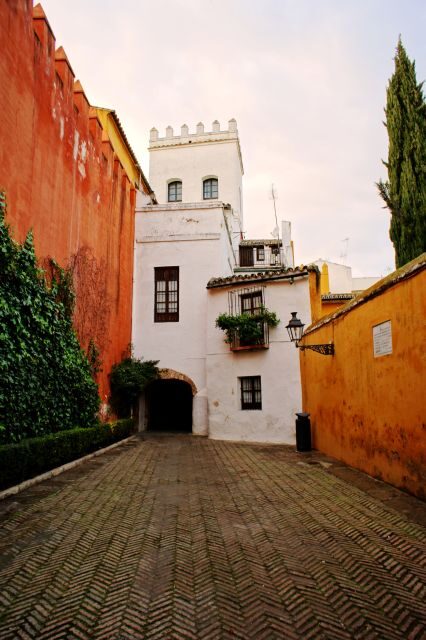
- Santa Cruz street-by-street atmosphere with the kind of narrow lanes that feel made for slow walking
- Roman, Arab, Jewish, and Christian stories connected through legends, tragedies, and anecdotes
- Nightfall timing that changes the feel of Seville’s center and its mood
- Specific central stops like Fabiola Street and Plaza de la Alfalfa
- Laraña Street and the golden-mile mystery angle that adds a playful edge to the walking
- Local guide format in English or Spanish, with examples of great guiding like Emilio, Delia, and Pilar
Entering Santa Cruz, Where Seville Feels Like a Movie Set
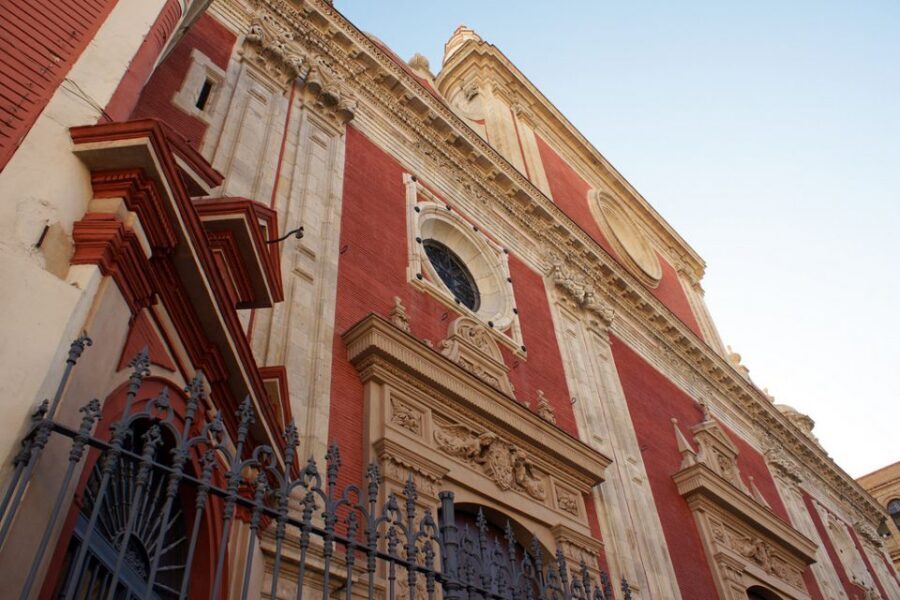
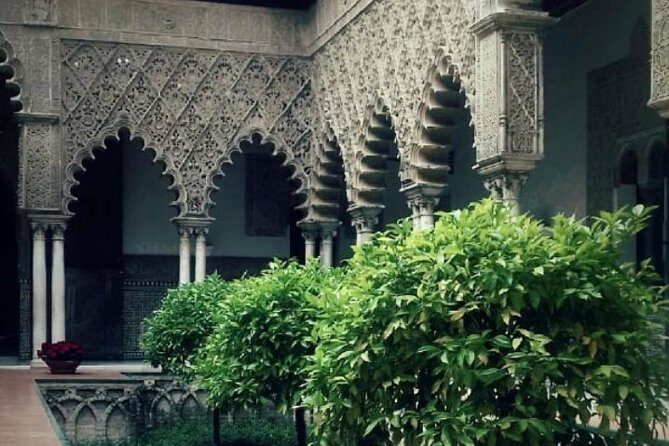
I love how Seville’s oldest neighborhoods don’t feel like an exhibit. They feel like streets you could get lost in, which is exactly why this tour starts in the Barrio de Santa Cruz. The walk is designed to help you notice details fast: the twist of a lane, the way light hits stone, and the sense that the city’s look didn’t happen by accident.
You’ll also get a clear cultural frame from the first minutes. This isn’t simply a walk for photos. The idea is that the neighborhood has a past that shaped how people lived, argued, loved, and grieved. When your guide pulls the thread on those stories, the streets become easier to read.
If you like walking tours that give you context you can carry all day, this one fits. If you only want lists of monuments, you might wish for a more straightforward sightseeing route. Here, the storytelling is part of the value.
You can also read our reviews of more walking tours in Seville


Meeting at Plaza del Triunfo: Your Starting Point and Your First Clue
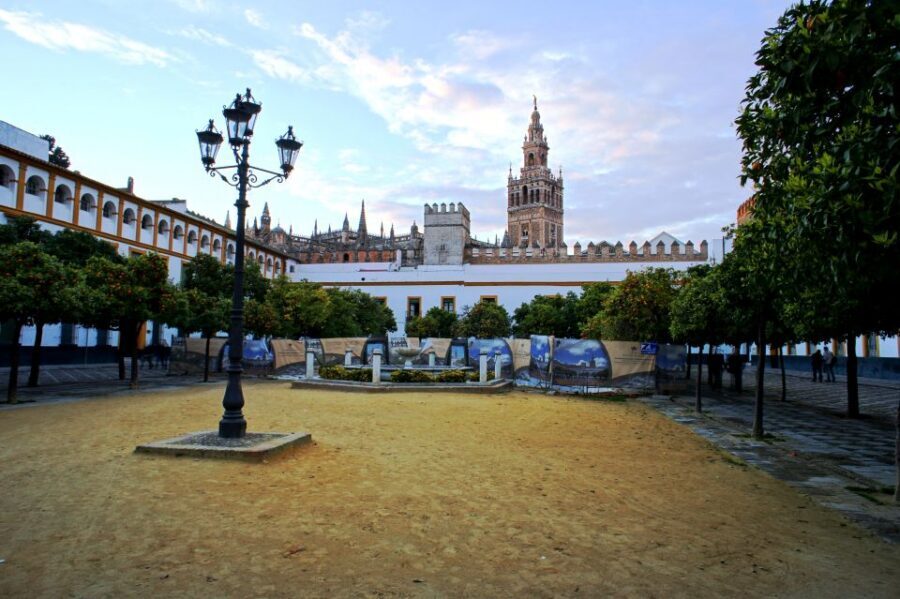
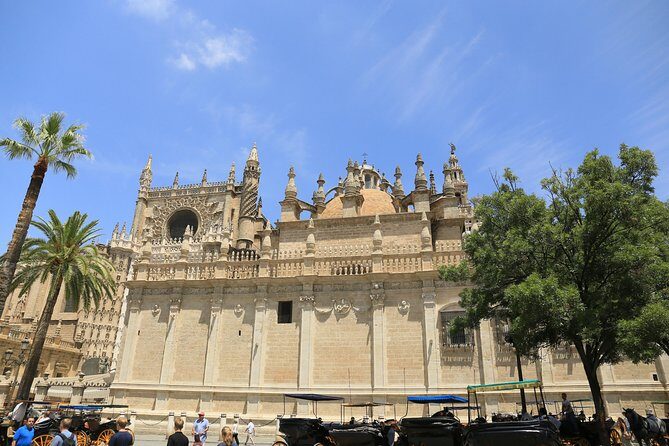
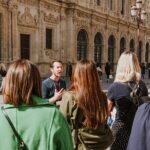
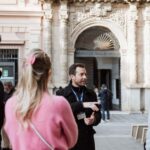
You meet at Plaza del Triunfo, near the big white column with a virgin statue. That’s a handy landmark. It’s the kind of meeting point that makes you feel oriented instead of scattered, especially if you arrive early and want a quick look around.
In the opening stretch, the guide sets expectations for the kind of history you’ll hear. You’ll get a sense that this tour follows a cultural “layer cake,” moving across eras rather than treating each monument like a standalone object. I like that approach because it mirrors how the city actually feels when you’re walking it on your own.
This is also where your comfort plan matters. You’ll be on your feet long enough to feel it by the end, and the route includes tight streets. Wear shoes that handle stone and uneven pavement without complaints.
How the Tour Makes UNESCO Feel Personal, Not Like a Checklist
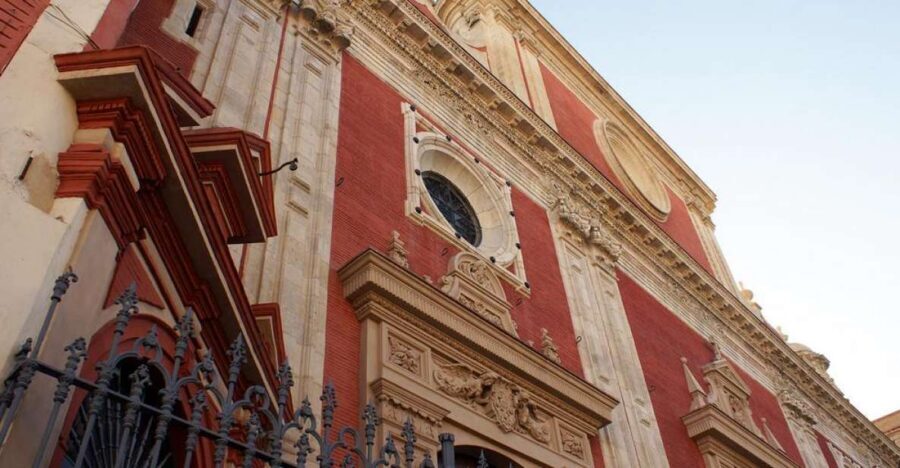
The tour is built around UNESCO World Heritage Sites, but it doesn’t feel like you’re checking boxes. Instead, the UNESCO angle is used as a reason to pay attention. Why is the area protected? Because so many centuries of culture got built on top of each other—sometimes peacefully, sometimes with sharp consequences.
I like that you get more than just “who built what.” You get stories that explain why certain places have reputations, why corners feel tense or romantic depending on the legend attached, and why different cultures left legacies you can still spot in Seville’s character.
A key highlight is that you’ll explore more than 3,000 years of history. Even without a timeline chart, you’ll feel the jump from era to era because the guide connects them with people and events, not just dates. That makes the past stick.
The Santa Cruz Walk: Narrow Streets, Big Stories
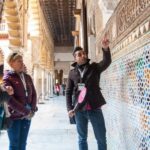
Once you’re moving through Santa Cruz, the tour leans into the neighborhood’s mood. The lanes are narrow in a way that slows you down automatically. That matters because Seville’s best details are often the ones at walking speed: a doorway detail you’d miss, a twist in the street that frames a view, a spot where the story makes the street feel different.
This is where you’ll focus on the idea of cultural legacy. The tour treats Santa Cruz as a place where different communities lived close enough that their influence mixed—sometimes in harmony, sometimes through conflict. The guide pulls in legends and anecdotes that connect daily life to larger historical forces.
One of the best parts of this section is that it sets up what comes after. By the time you’re ready to leave Santa Cruz, you’re primed to notice how the city changes tone as the evening approaches. That shift isn’t just visual. It’s narrative.
Nightfall and the Multi-Culture Storyline: Romans, Arabs, Jews, Christians
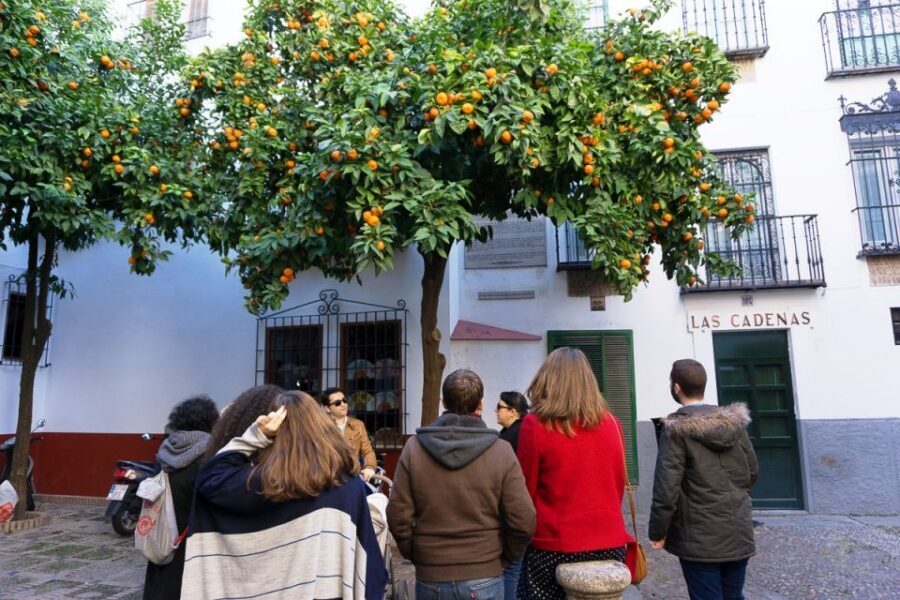
After walking through Santa Cruz, the tour continues at nightfall. I really like this pacing. Daytime Seville can look polished and bright, but night changes the texture of the streets. Shadows make corners feel more mysterious, and that helps the stories land.
You’ll get a journey through the events of Romans, Arabs, Jews, and Christians, presented through legends, tragedies, and anecdotes. The balance here is important. The guide doesn’t just name groups and move on. You’ll learn how their presence shaped the city’s life and how later generations remembered those times—sometimes with clarity, sometimes with myth.
Expect stories about love, death, and other events in the lives of Sevillians. This is the tour’s emotional engine. If you like history that includes human stakes, you’ll probably enjoy how the guide turns the city into a set of connected scenes.
It also explains why Seville can feel both grand and intimate. You’re in the middle of the city, yet the stories make you feel like you’re stepping into someone’s lived world.






Fabiola Street and Plaza de la Alfalfa: Where the Center Gets Serious
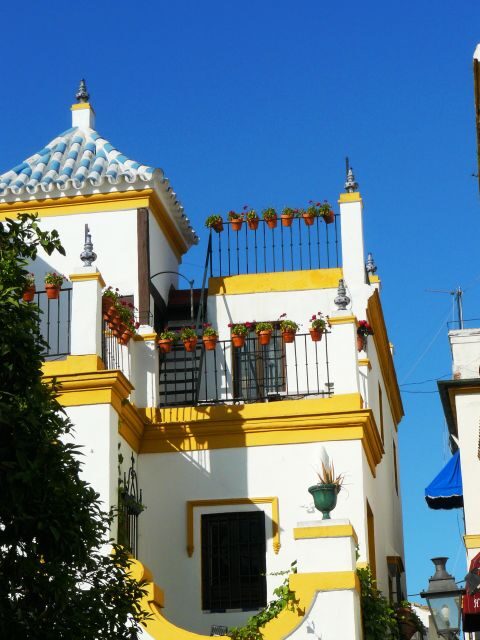
As the walk moves through the historic center, you’ll pass by Fabiola Street and Plaza de la Alfalfa. These spots matter because the tour uses them as anchor points for the heavier threads in the narrative.
Part of what makes this tour compelling is that it doesn’t stop at far-away centuries. You’ll also review disturbing events tied to more recent years. I’m glad the tour doesn’t pretend history only belongs to the distant past. Seville, like any major city, has modern layers too.
That said, if you’d rather keep your walking tour light and purely romantic, this isn’t the right fit. The content can turn serious, and the guide frames those moments as part of the city’s ongoing story.
In practice, this section is still very doable, because you’re moving steadily and the guide keeps the flow. You just need a mindset that can handle emotional variety—from legends and mystery to real-world darkness.
Laraña Street’s Golden Mile of Mystery: Seville’s Aesthetic, Explained
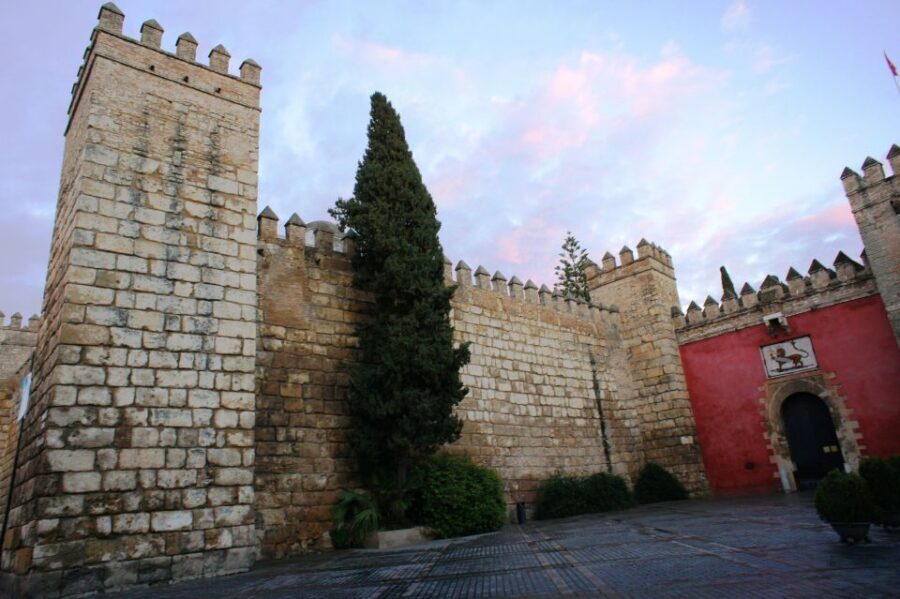
Then you reach one of the tour’s most memorable ideas: Laraña Street, presented as the city’s golden mile of mystery. Even if you’ve never heard that phrase before, you’ll understand it while you’re walking, because Seville’s aesthetic isn’t just decoration. It’s part of how the city tells stories.
This stop ties together several themes: how small streets can carry big reputations, how the city’s look and feel shape perception, and how mystery becomes a cultural trait. You get a sense that Seville likes its stories with atmosphere—something architectural and something emotional.
This is also a great example of why the guides’ tone matters. When a guide is good, a street like Laraña stops being a random lane and becomes a scene you can picture later. I’ve seen this style of guiding praised directly, including work attributed to guides like Emilio, Delia, and Pilar, and the common thread is clear: the storytelling stays lively while the details stay anchored.
Price, Duration, and the Real Value of $17 for 2 Hours
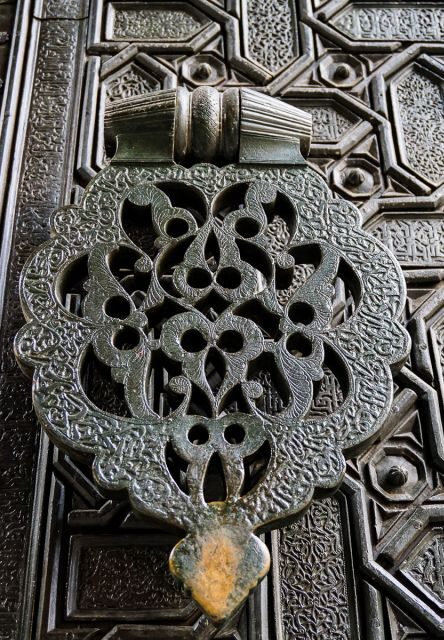
At $17 per person for a 2-hour walking tour, this is priced like a budget-friendly way to understand the city. The value comes from two things: a local guide and a structured narrative that covers major cultural eras.
You’re not paying for a bus ride or ticketed entry to a single monument. You’re paying for interpretation—someone helping you connect what you see to what it means. In a city like Seville, that can be the difference between simply viewing streets and actually understanding them.
Two hours also keeps it realistic. It’s long enough to feel like you got somewhere, but short enough that you can still do other plans afterward—like a relaxed meal in Santa Cruz or a second walk at your own pace.
If you hate walking tours that drag, you might like this format because it’s compact. If you want slow-and-thorough with lots of pauses for photos and private reflection, you may wish it stretched a bit longer. Still, for the money and time, it’s strong value.
What to Wear and Bring So the Walking Feels Easy
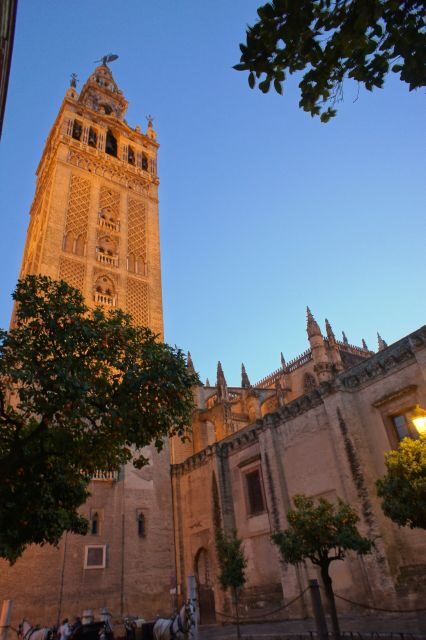
This is simple, but it matters: wear comfortable shoes and bring drinking water. Stone streets and tight lanes can wear you down faster than you expect, especially as you move toward nightfall.
I’d also suggest planning your day around it. If you schedule this after hours of museum time, you’ll feel the walking more. Better to let this tour be a main activity block and then keep the rest of your day lighter.
The good news: the route is wheelchair accessible, so the company has planned for access. Still, if you rely on a wheelchair, narrow historic streets can create practical challenges, so expect some tight sections and plan for a careful pace.
Who Should Book This Tour (and Who Might Not)
This tour is a smart choice if you:
- want a culture-focused Seville walk instead of a monument-only route
- enjoy stories that connect different communities and eras
- like the change in atmosphere when the city shifts toward nightfall
- want to understand Santa Cruz through human stories rather than dry facts
You might skip it if you:
- need a fully light, kid-friendly vibe with no darker material
- dislike tight, narrow street walking
- prefer detailed museum-style explanations where you can pause at will
If you’re the type who enjoys turning a city into a set of scenes, you’ll likely find this one memorable.
Should You Book the Cultures of Seville Walking Tour?
Yes—if your goal is to understand Seville as a place shaped by layered cultures. This tour gives you a strong narrative arc: Santa Cruz streets first, then nightfall storytelling that links Romans, Arabs, Jews, and Christians with legends and tragedies. Add specific stops like Fabiola Street, Plaza de la Alfalfa, and Laraña Street, and you get a route you can later “re-walk” in your head.
The main reason not to book is the heavier content. If disturbing events from recent years would put you off, treat that as a deal-breaker.
Otherwise, for 2 hours at $17, with a local English/Spanish guide and a focus on how Seville looks and feels, it’s a good value way to see the city with your eyes open.
FAQ
How long is the Cultures of Seville walking tour?
It lasts 2 hours.
How much does it cost?
The price is $17 per person.
Where do I meet the guide?
Meet at Plaza del Triunfo, near the big white column with the virgin statue.
What languages are offered?
The live tour guide works in English and Spanish.
Is the tour wheelchair accessible?
Yes, it is listed as wheelchair accessible.
What should I wear or bring?
Wear comfortable shoes and bring drinking water.
Can I get a refund if plans change?
You can cancel up to 24 hours in advance for a full refund.