REVIEW · SEVILLE
From Seville: Full-Day Tangier Trip
Book on GetYourGuide →Operated by Not Just a Tourist · Bookable on GetYourGuide
Gibraltar to Africa in one day. This full-day Tangier run mixes big-window views with guided stops, and I love the Gibraltar Strait crossing plus the way the day layers architecture and local life. The trip’s small-group setup and guide support can make the whole thing feel organized, not chaotic. One thing to consider: it’s a long day (around 16 hours) and you’ll likely pay extra for the camel ride, ferry tickets, and lunch.
You’ll start with a hotel pickup and a comfortable drive to Tarifa, then hop aboard the ferry to Tangier. I like that the tour hits both the obvious sights (medina and markets) and the “wow” geography stops like Cap Spartel and the Hercules Caves. A practical note: you must provide full passport details at booking for ferry and immigration, and Morocco entry rules depend on your nationality.
The best way to think about this trip is as a guided taste of northern Morocco: you get structure, you get time on foot, and you still get breathing room to shop and roam at your pace.
In This Review
- Key points you should know before you go
- Seville to Tarifa: the ferry-day rhythm that makes Tangier doable
- A small-group advantage you’ll actually feel
- Tangier orientation: first sights, then the Atlantic coastline
- Cap Spartel Lighthouse: a quick stop with real context
- Hercules Caves: a guided stop for “how did they do that?”
- Achakkar Beach camel ride: fun, and optional
- Traditional Moroccan lunch: where the flavors slow you down
- Casbah museum + sultan’s palace: history you can follow on foot
- Medina market time: get your bearings fast
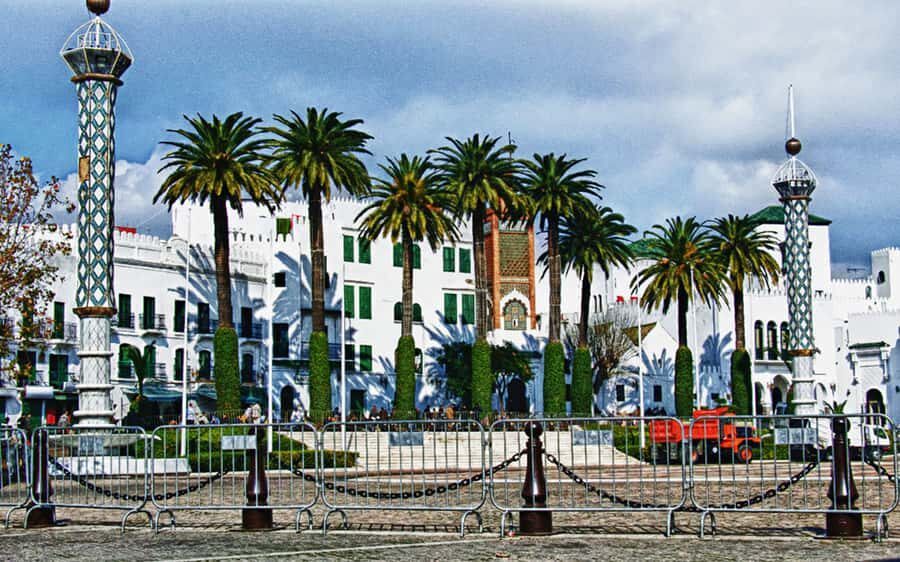
- Dar el Makhzen, Grand Socco, and Place du 9 Avril 1947: the photo-stop spine of town
- Getting back: free time to shop, then the ferry home
- Price and value: what $418 covers, and what you’ll pay locally
- Guide and driver quality: the difference between chaos and a smooth day
- Who should book this Tangier day trip from Seville?
- Should you book it?
- FAQ
- How long is the Seville to Tangier full-day trip?
- What’s included in the price?
- What extra costs should I expect?
- Do I need a passport for this trip?
- Is the camel ride required?
- What language is the tour guide?
- What happens if the ferry is delayed?
Key points you should know before you go
- Gibraltar Strait ferry views: expect sea views on the way over, with dolphins sometimes spotted from the water.
- Cap Spartel + lighthouse context: the stop includes a guided museum and a lighthouse with a specific 1864 international-story.
- Hercules Caves guided visit: Neolithic-era caves with a mix of natural and partially man-made sections.
- Camel ride option at Achakkar Beach: a supplement applies, so you can choose how wild you want it.
- Tangier on foot, not just bus windows: casbah museum, medina market time, plus photo stops around town.
- Small group size (8 max): more personal attention, and it generally keeps the day running smoothly.
Seville to Tarifa: the ferry-day rhythm that makes Tangier doable
This is one of those “sounds big, works anyway” day trips. The schedule is built around the ferry crossing, so you’re not wrestling with separate transportation plans. After pickup in Seville, you drive to Tarifa, the port town where you board the ferry to Tangier. It’s about keeping the day moving without turning it into a full-time logistics job.
On the water, you get the Strait-of-Gibraltar perspective without needing to be a geography nerd. The tour specifically points out that Mediterranean and Atlantic views are part of the payoff, and there’s a good chance you’ll see dolphins if conditions line up. Even when you don’t spot dolphins, the crossing helps you understand why this route matters historically—Europe and Africa sit close enough to feel connected.
Then comes the headline moment: crossing Gibraltar Strait. Tangier arrival typically follows the ferry, and the guide then helps you shift gears quickly from travel mode to sightseeing mode.
You can also read our reviews of more tours and experiences in Seville
A small-group advantage you’ll actually feel
With a maximum group size of 8, you’re more likely to get guidance that fits your pace. One review highlighted that the guide was flexible with the needs of the group, which matters on a day like this when people have different comfort levels for walking, photo stops, and timing.
Tangier orientation: first sights, then the Atlantic coastline
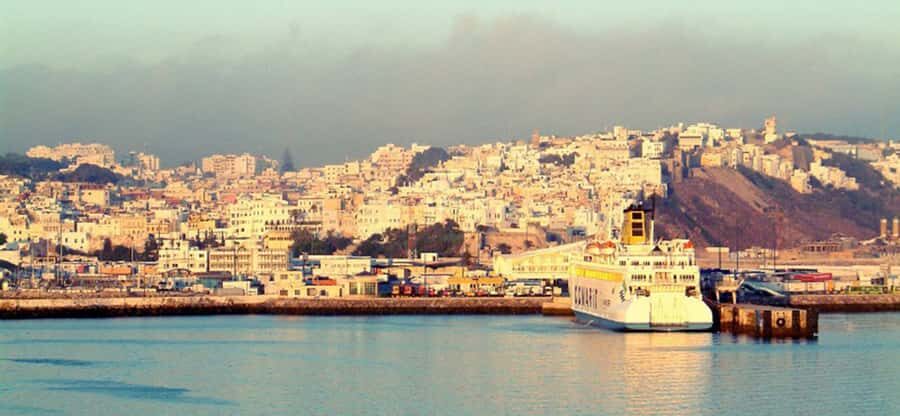
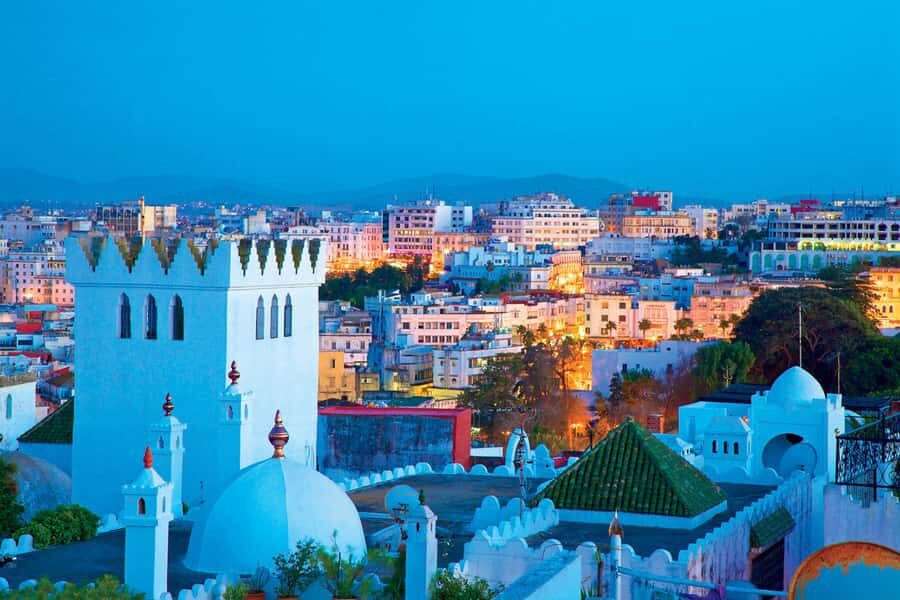
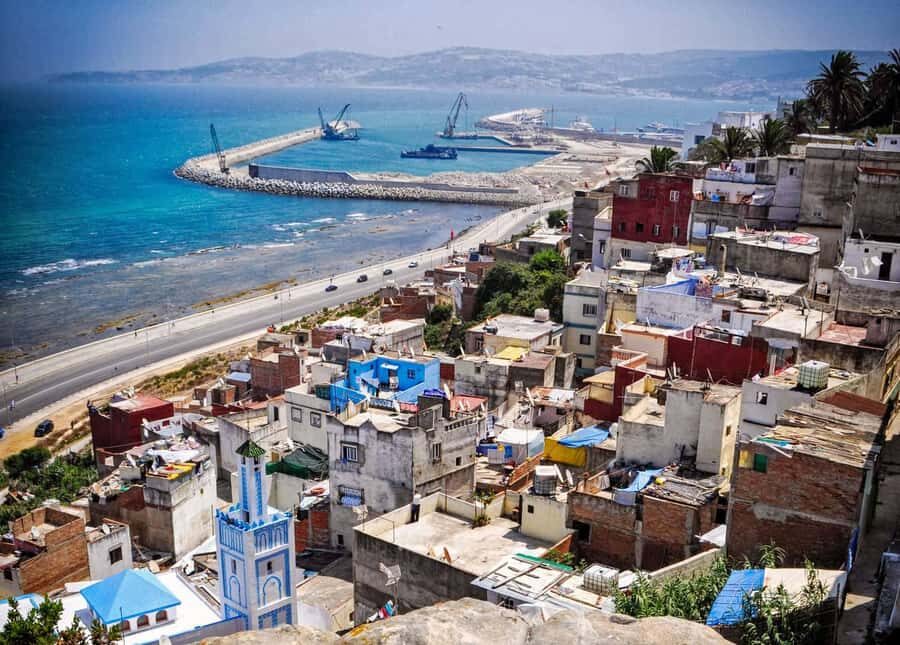
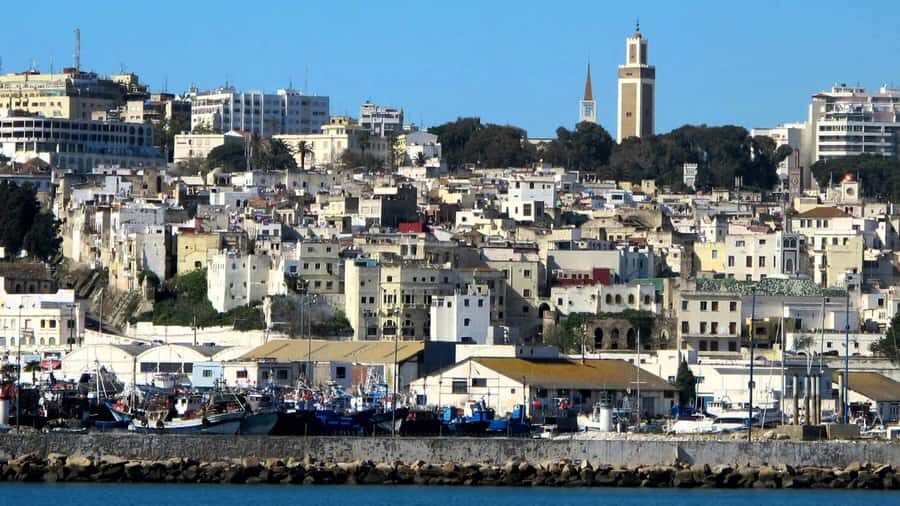
Once you arrive in Tangier, you get a guided sightseeing tour in and around the city. This early orientation is smart, because Tangier is a layered city. The day doesn’t treat it like one “type” of place; it frames how outside influence shaped Tangier into a modern trade hub alongside older areas.
After the city introduction, you head along the Atlantic coastline to Cap Spartel. This isn’t random scenic driving. The stop is described as the most northwestern point on the African mainland and a focal point for Tangier. You also visit the lighthouse and museum area as part of the guided time.
Here’s the detail I like: the lighthouse was built in 1864 as part of an international agreement zone, in cooperation with nine European nations plus American and Moroccan government involvement. It’s a good reminder that this coastline is where politics, navigation, and commerce all meet in real life, not just textbooks.
Cap Spartel Lighthouse: a quick stop with real context
Cap Spartel can be a photo stop for some tours, but here it’s paired with a guided museum visit. That extra time turns a single viewpoint into a mini lesson you can remember later while you explore the city.
When you’re planning, think of the lighthouse visit as your “anchor.” After this, the day becomes more tactile: caves, beach time, then walking in Tangier’s historic areas. Cap Spartel helps you connect those experiences with a sense of place.
Hercules Caves: a guided stop for “how did they do that?”
Next up are the Hercules Caves. This is one of the strongest hands-on segments of the trip because the tour frames the caves in a way that sticks: they date back to the Neolithic period and include both natural and partially man-made construction.
The guided explanation focuses on the engineering surprise—people building something impressive with crude tools. You get to stand there and let that question sit in your mind: did they have help? Whether you lean toward legend or archaeology, the physical scale and the mixed natural/man-made feel make it more than a quick glance.
There’s a practical point too: cave visits can be cool and a little uneven. Wear shoes you don’t mind for uneven ground, even if the walking isn’t described as extreme.




Achakkar Beach camel ride: fun, and optional
Then comes the beach moment at Achakkar Beach. You get the option to ride a camel along the sand, with a supplement. If you’re traveling with someone who loves animals—or you just want a story you can’t get anywhere else—this is the part that tends to deliver smiles.
One review specifically called out the camel ride as something not to miss, and another said the walking tour wasn’t difficult, which suggests the rest of the day is manageable even if you add this activity.
If you prefer to skip the ride, you can still enjoy the beach atmosphere and keep your schedule easy. Just remember the camel ride is not included, so it’s a “pay if you want it” choice.
Traditional Moroccan lunch: where the flavors slow you down
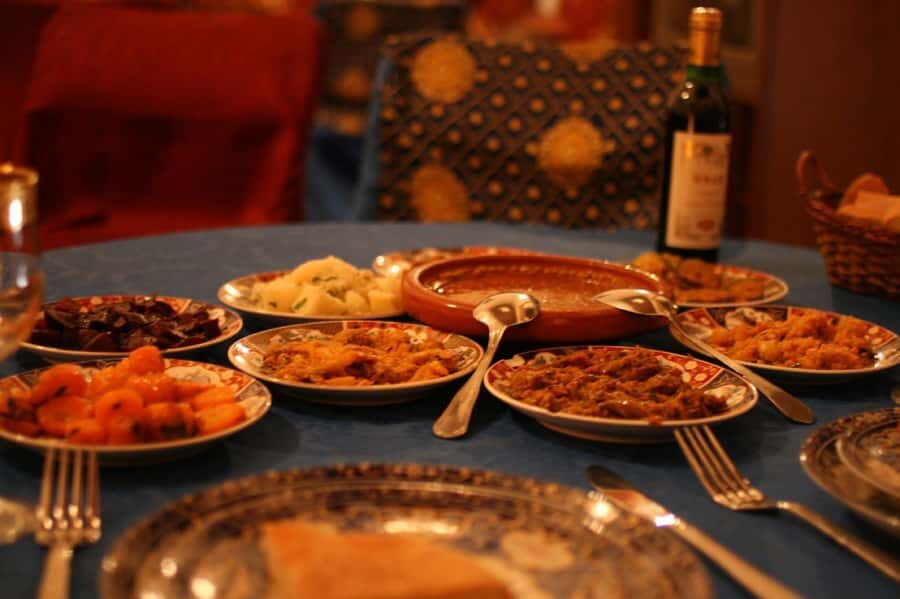
After the morning and beach time, you stop for lunch at a traditional Moroccan restaurant. Lunch is included as an option only in the sense that it’s part of the plan, but you pay locally (same with drinks). The tour description emphasizes diverse, flavorful typical regional cuisine, and one review noted lunch tasted good.
This is a good moment to reset. You’ll likely be a bit travel-tired by then, especially since the day started early and included a ferry crossing. Use lunch to recharge, and don’t overpack your order assumptions—just eat what the restaurant serves that day.
Casbah museum + sultan’s palace: history you can follow on foot
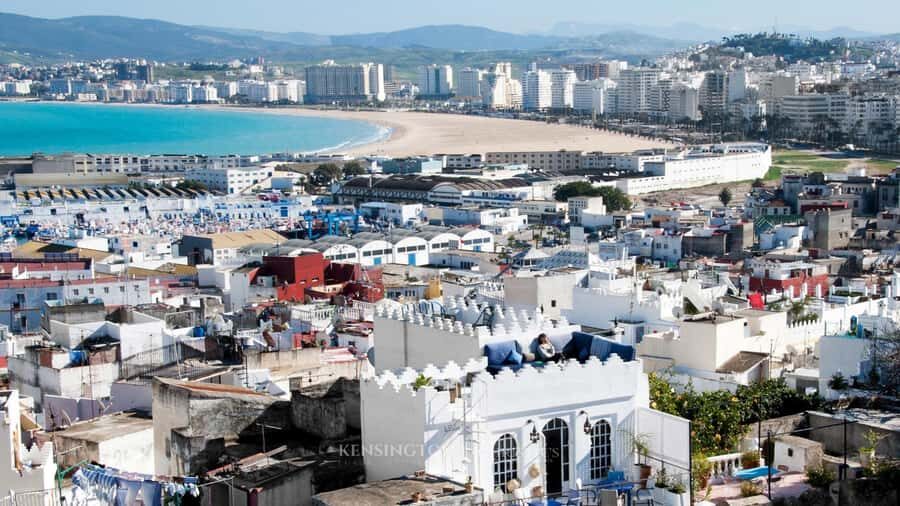
After lunch, you shift into a walking tour that begins in the casbah. The tour includes the casbah museum, described as the sultan’s palace museum. This part matters because it gives you a timeline you can carry into the medina.
The museum visit is framed as an insightful look from prehistoric times through the 19th century. That’s a broad span, and a guided explanation helps you connect what you see outside with what you just learned inside.
Think of it like this: Tangier can feel like a mix of eras. The casbah museum gives you a map for that confusion.
Medina market time: get your bearings fast
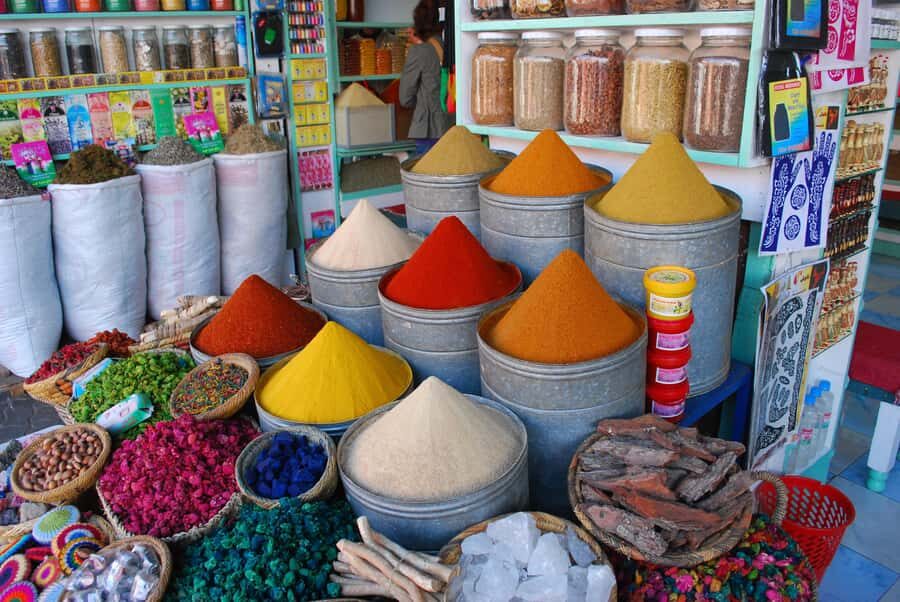
From the casbah you’re shown to the medina, where you experience a typical Moroccan market environment. This is where the tour becomes more about people and everyday life than about sightseeing checklists.
The plan includes time to interact with friendly locals and potentially visit a local bakery. That’s the kind of stop that’s small but memorable, because it’s not staged in the same way as major tourist landmarks.
A practical tip for this portion: markets move quickly. If you’re shopping, keep your expectations simple. Browse, compare, and decide what you truly want before you get swept into the flow of the street.
Dar el Makhzen, Grand Socco, and Place du 9 Avril 1947: the photo-stop spine of town
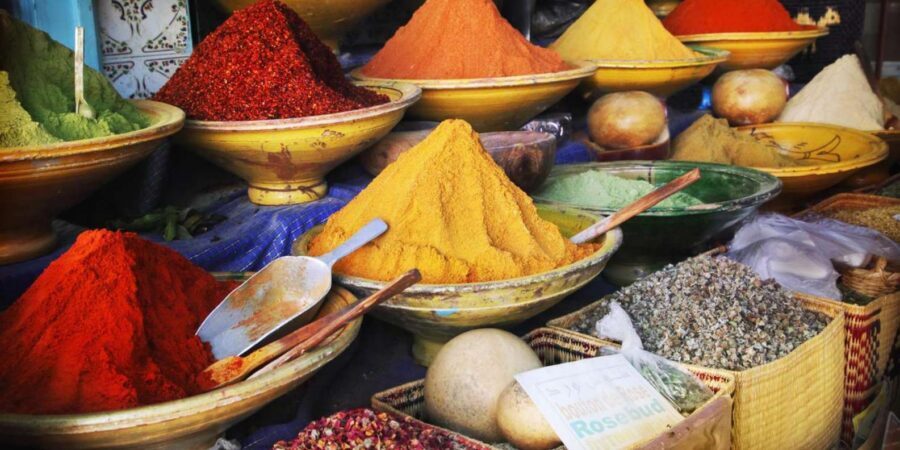
After the main walking and market time, you head through several key town points with photo stops and short walks.
You’ll see:
- Dar el Makhzen (photo stop + visit)
- Grand Socco (photo stop + walk)
- Place du 9 Avril 1947 (walk + sightseeing)
- Grand Mosque in Tangier (photo stop + walk)
These stops help you understand Tangier’s public spaces and the urban rhythm. Even if you’re not spending long at each one, the sequence gives you a “spine” of landmarks so your photos make sense later when you look back.
Getting back: free time to shop, then the ferry home
Before heading back to the port, you get free time in Tangier. This is for last-minute souvenir shopping, quick photos, or just sitting with a drink. That buffer is important on a day trip, because it protects you from feeling rushed even if the morning runs long.
Then you board the return ferry to Tarifa. The timetable keeps the ferry crossing to about 1 hour, and you’re back in Tarifa before returning to Seville. Hotel drop-off in Seville closes the loop.
One thing to keep in mind for planning: if ferries are delayed, the tour doesn’t add extra time and there’s no refund for missed portions. Travel insurance that covers delays is worth it here.
Price and value: what $418 covers, and what you’ll pay locally
The listed price is $418 per person for a full day (about 16 hours). That’s not “cheap” by day-trip standards, but you’re also paying for real logistics: Seville-to-Tarifa transfers, ferry crossing timing, a guided city experience, and guided museum/cave components.
What’s included:
- Hotel pickup and drop-off
- Driver in Tangier
- Guided museum visit and cave entrance tickets (based on opening hours)
What you pay separately (local payments):
- Ferry tickets: €110 per person
- Lunch at the traditional Moroccan restaurant: €25 per person
- Camel ride at Achakkar Beach: €35 per person
So your real cost depends on choices. If you take the camel ride and want lunch, you should budget extra on top of the base price. Drinks are also not included.
If you value structure—someone handling the order of sights and the ferry timing—this is where the money can feel justified. If you prefer DIY, the price might feel steep because you’re not just “buying transportation,” you’re also buying guided time and ticket handling.
Guide and driver quality: the difference between chaos and a smooth day
The reviews you provided point to a consistent theme: the guide experience is excellent, and the day runs like clockwork when the pickup, tickets, and timing line up.
Multiple reviews praise the guide’s kindness and helpfulness, with one guide name showing up: Bachir. At least one review also credits both the guide and the driver with taking care of the group in Tangier and managing ferry details like getting tickets at Tarifa and meeting the group at the port.
The practical takeaway for you: before you go, double-check that your pickup details are correct for your exact hotel or nearby meeting point. One review described a booking hiccup where only one person was booked and the pickup plan didn’t fit, creating a scramble. That’s rare, but it’s a good reason to confirm everything in writing before travel day.
Who should book this Tangier day trip from Seville?
This trip is a good fit if you want:
- A guided overview of Tangier without spending days there
- A mix of big geography moments and city walking
- A small group setting (max 8) that keeps the day manageable
It may not suit you if you want lots of free time to wander independently all day. The schedule is packed, and you’ll be on the move from ferry to museums to multiple city stops.
It’s also worth it for first-time Tangier visitors who want help with navigation through the medina and casbah areas. The guide is the difference between feeling confident and feeling lost.
Should you book it?
I’d book this if you’re excited by the idea of seeing Tangier as a “fast, guided story” of northern Morocco—ferry crossing, Cap Spartel lighthouse context, Hercules Caves, and a medina walk with real local atmosphere.
Book with eyes open if you’re cost-sensitive. The base price plus local payments can add up, especially if you choose the camel ride and full lunch plan. If you travel with someone who hates walking, know the itinerary includes a walking tour and several short walks, though reviews suggest the walking is not difficult.
If you do book, send passport details on time, check visa rules for your nationality, and plan to be flexible about ferry timing.
FAQ
How long is the Seville to Tangier full-day trip?
The total duration is about 16 hours.
What’s included in the price?
You get hotel pickup and drop-off, a driver in Tangier, and a guided museum visit plus cave entrance tickets (depending on opening hours).
What extra costs should I expect?
You’ll pay locally for the roundtrip ferry tickets (€110 per person), lunch (€25 per person), and the camel ride (€35 per person). Drinks are also not included.
Do I need a passport for this trip?
Yes. You must bring your passport, and you need to provide full passport details at booking for ferry and immigration.
Is the camel ride required?
No. It’s optional and requires a supplement. You can choose whether to do it.
What language is the tour guide?
The live tour guide speaks Spanish and English.
What happens if the ferry is delayed?
If ferries are delayed or cancelled, no extra time is added to the tour and there is no refund, so travel insurance is important for these situations.
If you want, tell me your travel dates and nationality, and I’ll help you estimate your total day budget and what to prioritize on the Tangier side.