REVIEW · SEVILLE
Seville: Small-Group Jewish Quarter Discovery Walking Tour
Book on GetYourGuide →Operated by Seville Unique Experiences · Bookable on GetYourGuide
Seville tells stories in narrow Jewish streets. A focused small-group walk through the old Jewish Quarter in Santa Cruz turns ordinary lanes into clear medieval history. I love how this tour mixes street-level charm with synagogue-site stops, so you’re not just looking at buildings—you’re tracking what happened there. One thing to watch: it runs rain or shine, and you must be on time at the meeting point.
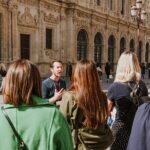
With a licensed English guide, you’ll cover the key corners most people miss, including Santa Cruz Square, Jardines de Murillo, and the Callejón del Agua area. The route ends near the church of Santa María la Blanca, which helps the whole story land with a final, meaningful stop. If you’re the type who likes asking questions, this format works well—group sizes top out at 10.
In This Review
- Key things you’ll notice right away
- A 90-minute Seville Jewish Quarter walk that’s easy to fit
- Meeting at Plaza del Triunfo and starting with the right context
- Plaza del Triunfo → Patio de Banderas: the story gets grounded fast
- Plaza de Doña Elvira: where street-level details carry big meaning
- Callejón del Agua (C. Agua 2): one of those Seville corners you’ll remember
- Santa Cruz Square and Jardines de Murillo: where the “big picture” clicks
- Synagogue-site locations and hidden physical remains: the part that feels special
- Ending near Iglesia de Santa María la Blanca: a strong final note
- Price, time, and small-group value: why $29 feels fair
- Who should book this Seville Jewish Quarter tour?
- My booking verdict: should you go?
- FAQ
- Where does the tour start?
- How long is the Seville Jewish Quarter discovery walking tour?
- What group size should I expect?
- Is the tour offered in English?
- Does the tour run in bad weather?
- What’s included in the price?
- Where does the tour finish?
Key things you’ll notice right away
- Small group size (max 10) keeps the pace human and questions welcome.
- Stops tied to former synagogue locations make the history feel specific, not vague.
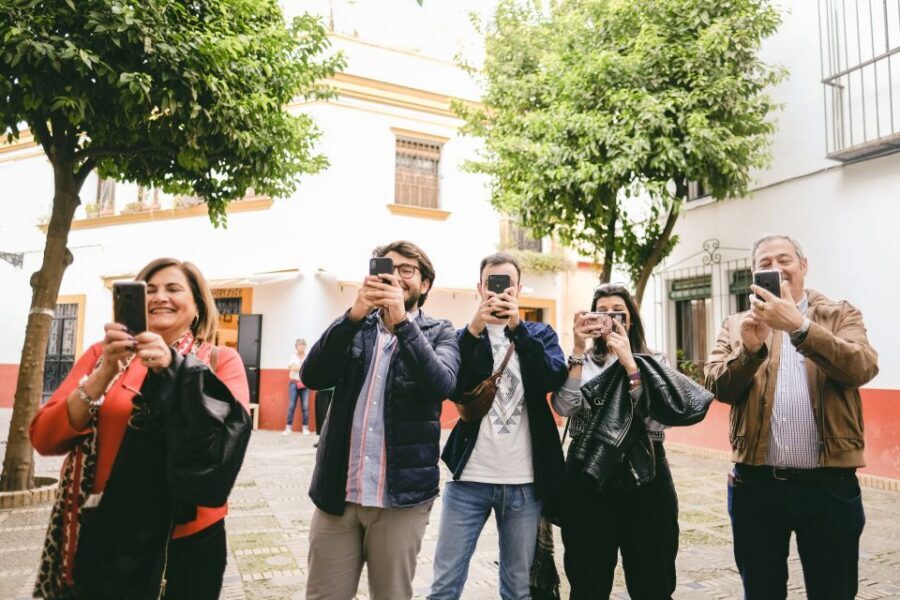
- Photo-friendly winding streets and cobbles give you plenty to look at and frame.
- Off-the-beaten-path remains add a “how could we miss this?” layer to the walk.
- Guides who teach in plain English: many groups praise clear explanations and a relaxed tempo.
A 90-minute Seville Jewish Quarter walk that’s easy to fit
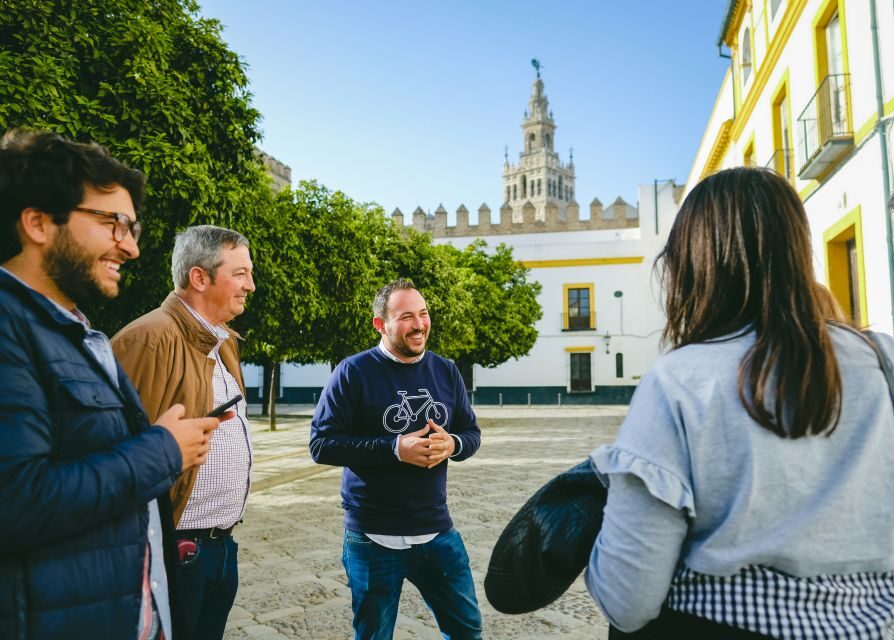
Seville can be a big-city whirlwind. This tour’s format is the opposite: short, themed, and tight to the ground. At $29 per person for about 1.5 hours, you’re paying for two things that matter—an expert local guide and a focused route that doesn’t waste time crossing town for filler. When a tour is only 90 minutes, the stops need to count. Here, they do.
You’ll be walking through the former Jewish Quarter area known today through the Santa Cruz neighborhood feel: narrow streets, small plazas, and those Seville corners where you instantly slow down to look. The guide’s job isn’t to overwhelm you. It’s to connect the places to the people and the events that shaped daily life in medieval Seville.
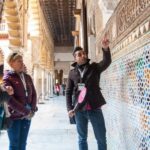
A recurring theme in recent groups: the tours never feel rushed. Guides like Bárbara, Marta, Carmen, Miguel, and Valentín show up with strong storytelling energy, and that helps the history stick. You’ll likely spend more time thinking than just collecting facts.
You can also read our reviews of more walking tours in Seville


Meeting at Plaza del Triunfo and starting with the right context
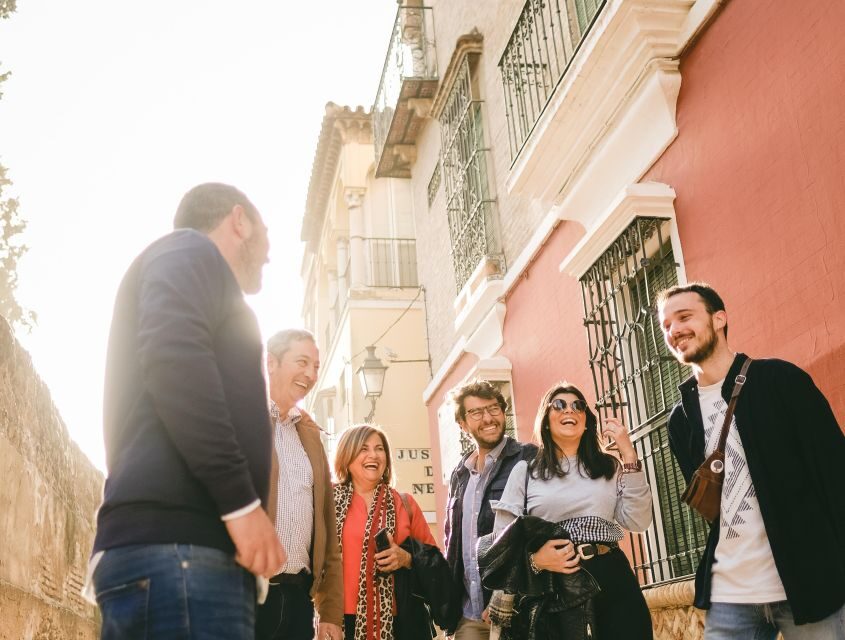
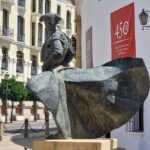
You’ll begin at Pl. del Triunfo, 6, near the big statue at Monumento a la Inmaculada Concepción. This matters more than you’d think. Plaza del Triunfo sits right at a natural “launch point” for understanding Seville’s older layers, and it helps the guide set the scene before you get lost in the alleys.
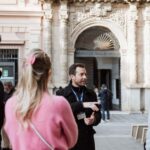
When you arrive, look for the host wearing a white lanyard and carrying a white bag labeled SEVILLE UNIQUE EXPERIENCES. That detail helps because this is a walking tour where punctuality actually counts. The group leaves once everyone is accounted for, and latecomers can’t join after the group departs.
Practical tip: come a few minutes early and do a quick check on your phone map. The first stretch is where you’ll want to get oriented so you can enjoy the surprise turns later. This isn’t a high-speed tour, but it does require focus at the start.
Plaza del Triunfo → Patio de Banderas: the story gets grounded fast
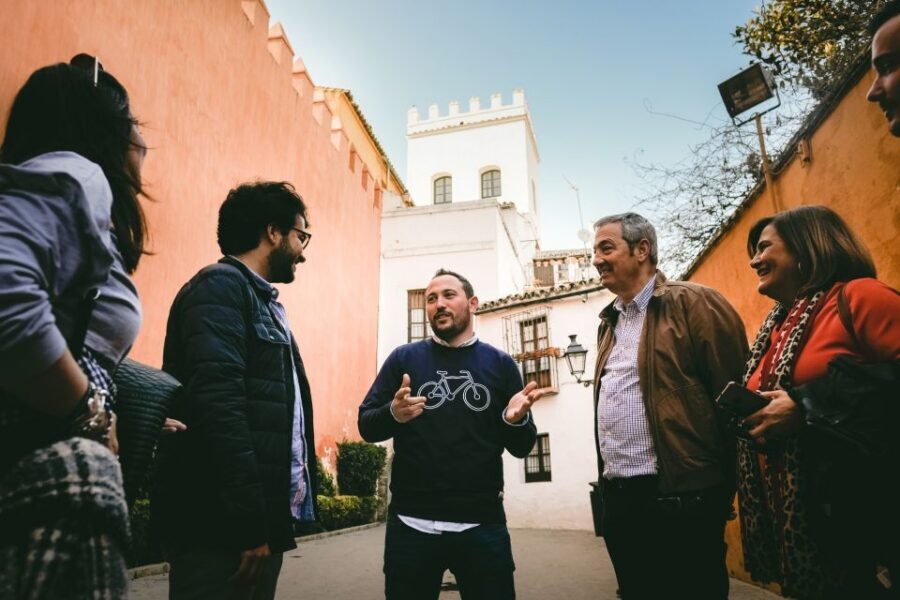
Your first stops work like a warm-up: quick guided segments that help you understand what you’re about to see. You’ll spend time around Plaza del Triunfo and then head into Patio de Banderas.
What I like about this early pacing: it prevents the common problem where you only start caring after 30 minutes. The guide’s early framing explains why this neighborhood mattered and how different communities coexisted in medieval Seville. Once that context lands, the later turns feel purposeful instead of random.
You’ll also get your first look at the kind of scenery Seville does best: small open spaces that give your eyes a breather, followed by tight passages that pull you forward. If you like photographs, this section is useful because you can set your camera settings before the street narrowness starts doing its thing.
Plaza de Doña Elvira: where street-level details carry big meaning
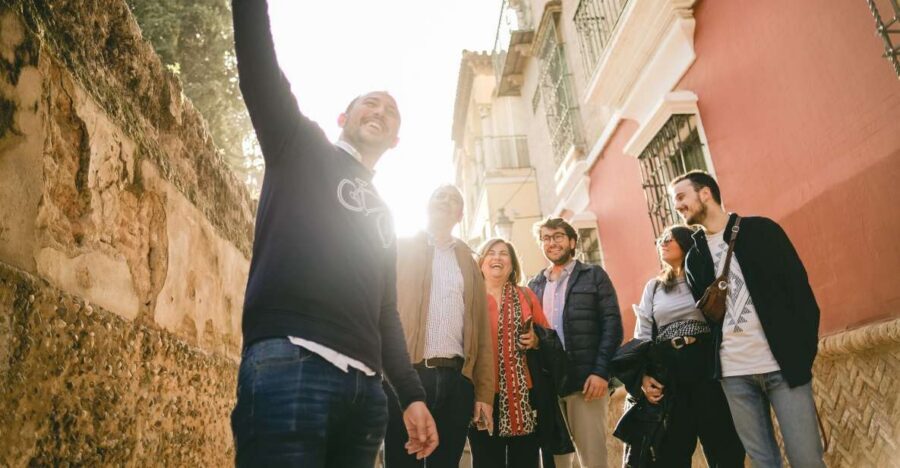
Next up is Plaza de Doña Elvira, a stop that pairs well with questions. It’s the kind of plaza where the guide can explain how the Jewish community’s presence shaped street life—where people would gather, how the neighborhood functioned, and how the physical layout relates to the stories.
This is one of the most important moments for learning, because you start seeing how place names and street corners aren’t just labels. They’re clues. Guides on this route are known for explaining things in a way that keeps the timeline clear, and they often connect the Jewish Quarter to broader Seville history so you don’t feel stuck in a single bubble.
One practical consideration: plazas can get busy, even on calm days, so you’ll want to keep an eye on the guide’s timing. The guide usually moves the group along at a steady walking tempo—enough time to notice, but not so long you feel stuck waiting.
Callejón del Agua (C. Agua 2): one of those Seville corners you’ll remember
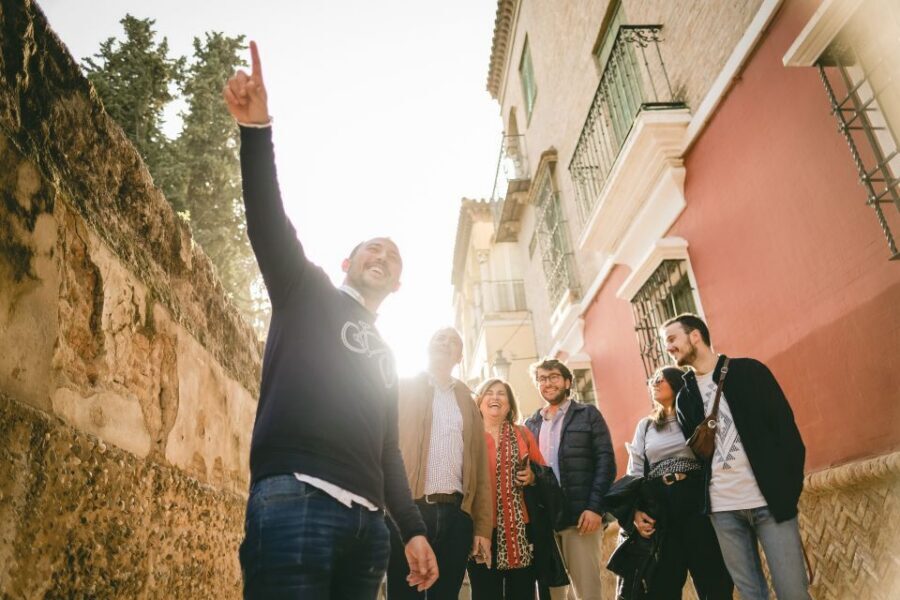
Then you reach the Callejón del Agua area (listed as C. Agua, 2). If you’ve ever looked at Seville photos and thought, How do they always find these perfect lanes?—this is part of the answer. The street feel is classic: tight, textured, and built for foot traffic.
This stop is also historically meaningful in the way the tour is designed: you’re not just admiring scenery. You’re hearing the anecdotes and explanations that attach daily life to a particular location. The tour includes time at key points within the former Jewish Quarter, and Callejón del Agua is one of the places where guides bring the neighborhood alive through specific details.
From the way recent guides have described their approach, you can expect the guide to connect the physical space to the people who once lived there. That’s what makes this walk different from a generic “see the old buildings” stroll.






Santa Cruz Square and Jardines de Murillo: where the “big picture” clicks
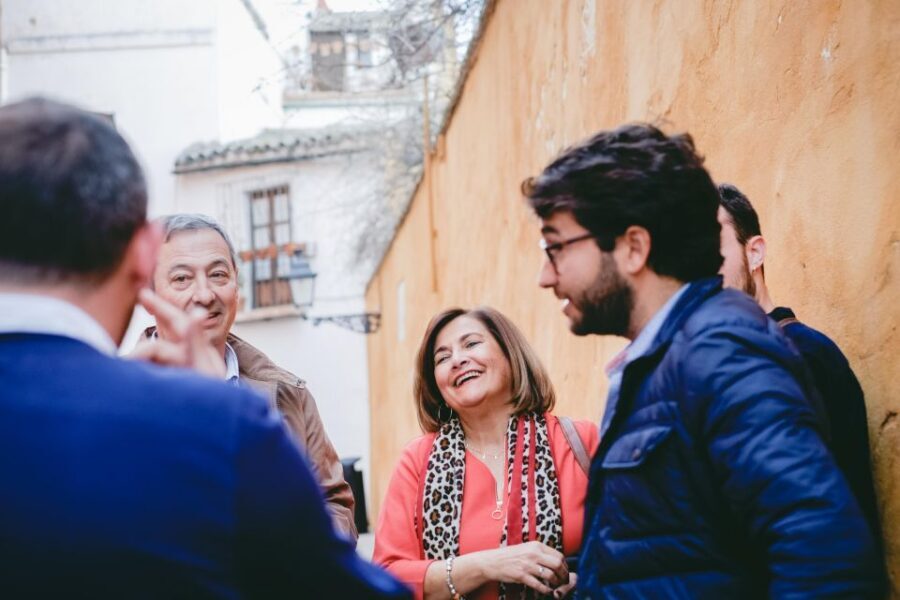
You’ll pass through Santa Cruz Square and then head toward Jardines de Murillo. These are not random add-ons. They help you read the neighborhood in two layers:
1) the human layer (tiny streets, daily routines, community life)
2) the city layer (how Seville’s broader history affected what remained and what changed)
This is where many guides start answering more than the obvious questions. People usually want to know how the Jewish community lived, what changed over time, and what cultural legacies still show up in the present-day city. A small group makes this easier—there’s room to ask, and the guide can respond without the tour turning into a lecture.
If you like history but hate the feeling of being buried in dates, this is a good tour angle. The stops are short enough to keep your attention, and the guide can keep the narrative moving from place to place. You end up with an understanding that feels usable when you go back out on your own.
Synagogue-site locations and hidden physical remains: the part that feels special
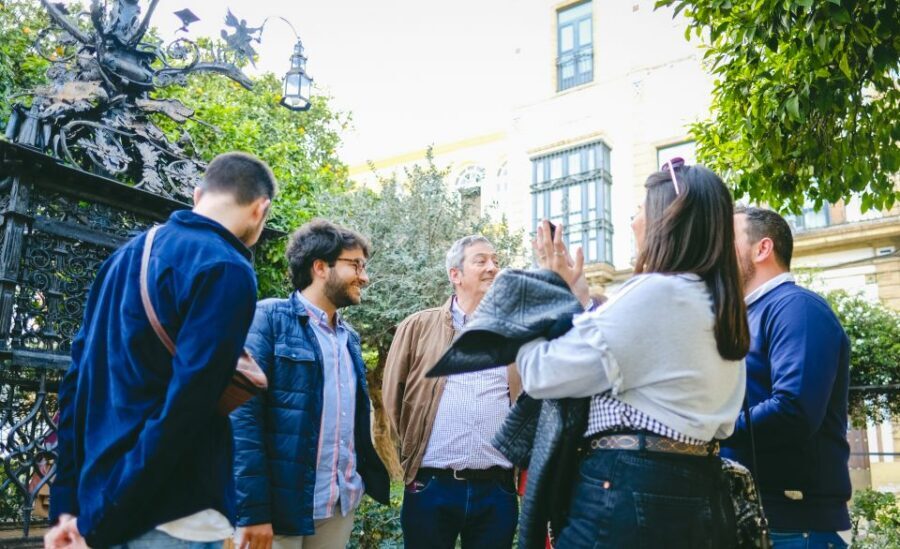
A big selling point here is that you’ll visit locations where former synagogues used to be. That turns the tour into something more concrete than general heritage talk. Instead of saying the Jewish Quarter existed, you’re led to points tied to specific religious life.
Just as important: the tour also goes off the beaten path to discover hidden physical remains of the former Jewish Quarter. In some recent groups, guides have pointed out unusual surviving traces, including a story about a hidden tomb in an underground parking lot and a recently discovered mikvah underneath a restaurant under construction. That kind of detail is exactly why you want a live guide on this theme.
A key note for your expectations: you might not see every type of trace every day, since what’s visible can depend on the exact area access and current conditions. But the tour style is consistent—the guide is looking for the physical connections, not just the postcard views.
Ending near Iglesia de Santa María la Blanca: a strong final note
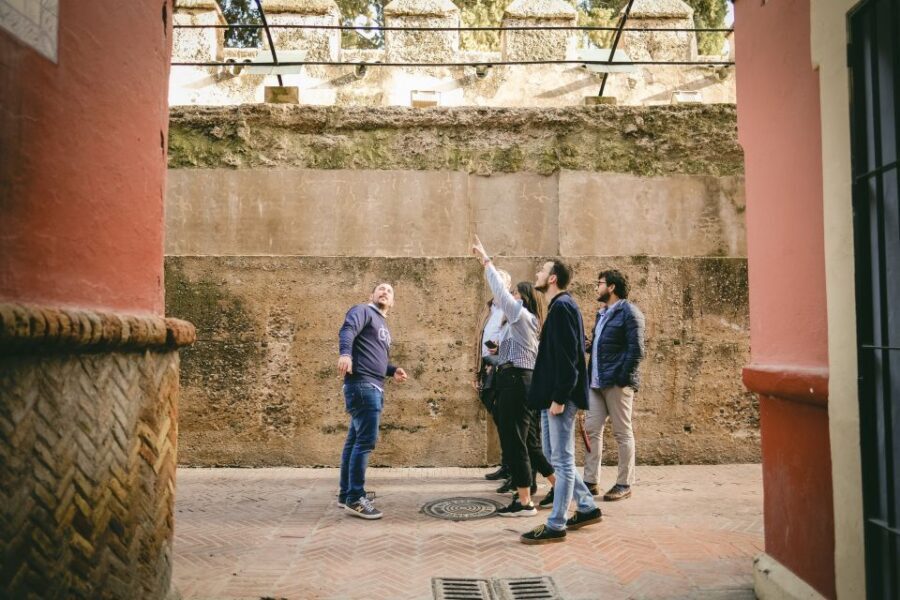
The walk finishes around the church of Santa María la Blanca. This ending matters because it gives you a closure point that connects the medieval story to what’s still present in Seville today.
Also, finishing here is practical. Once you’re done, you’re still in a walkable historic area, so you can keep exploring without feeling like the tour dumped you somewhere inconvenient.
If you’re hoping to take photos, the final stretch is usually a good time. By then you’ve got your eyes tuned to what you’re looking for, so you’ll notice more than when you started.
Price, time, and small-group value: why $29 feels fair
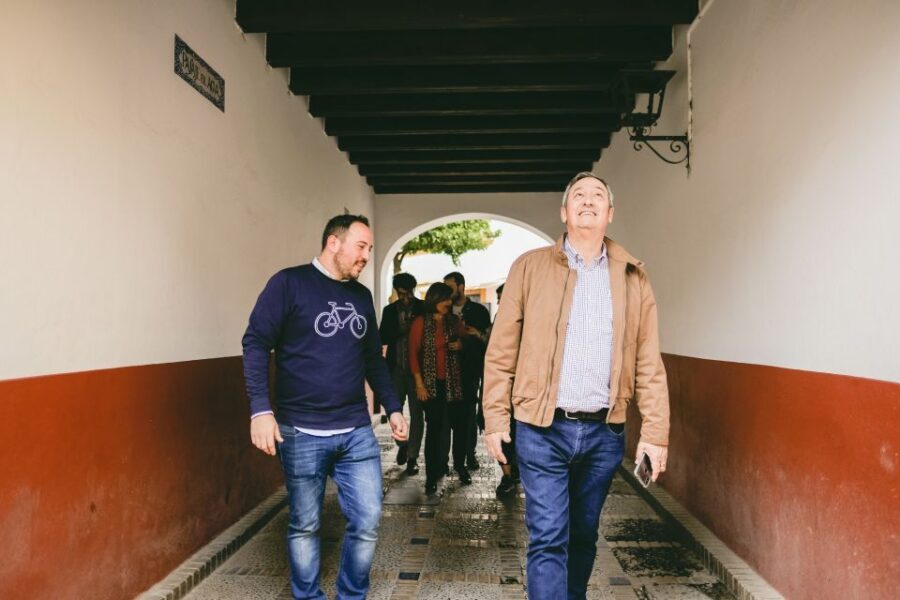
Let’s talk value in a real way. You’re paying $29 per person for about 1.5 hours with a local licensed guide, and the group is capped at 10 people. That combination matters because a themed history tour lives or dies on guide quality and how much time you get per stop.
This tour’s structure is designed to prevent the common “short time = rushed” trap. Many groups highlight that guides keep a friendly pace, explain clearly in English, and make space for questions. You’re also not spending the whole time in one viewpoint—you get multiple stops across the neighborhood.
Could you do some of this on your own with a guidebook? Sure. But self-guided walking usually leaves you with disconnected impressions: pretty streets, vague labels, and no sense of what you’re supposed to notice. With this format, the guide does the connecting work, and that’s where the money goes.
Who should book this Seville Jewish Quarter tour?
This is a great fit if:
- you like history that feels tied to real street corners
- you want synagogue-related context, not just general sightseeing
- you enjoy asking questions and getting answers on the spot
- you want a short, doable activity that still feels meaningful
It may be less ideal if:
- you prefer long museum-style tours with lots of indoor time
- you hate walking on older streets and want minimal movement (this is still a walking tour, rain or shine)
One more practical point: groups have ranged widely in ages, and guides have handled that well—so it can work for multi-generation travel. Just be ready for uneven sidewalks and narrow passages that come with Seville’s historic quarters.
My booking verdict: should you go?
I think you should book this tour if you want Seville to feel like a lived-in story instead of a list of sights. The synagogue-site stops, the specific corners like Callejón del Agua, and the push to find physical remains give the walk a purpose. And the small group size makes it worth it even at a short 1.5-hour length.
If you’ve never learned much about medieval Jewish life in Spain, this tour is a strong starting point because it’s structured around places you can picture later. If you already know some of the basics, the guides’ detail and local angles—like the way they explain stories tied to the neighborhood—can add new layers fast.
FAQ
Where does the tour start?
The meeting point is Pl. del Triunfo, 6, near the big statue at Monumento a la Inmaculada Concepción. The guide is waiting by the statue.
How long is the Seville Jewish Quarter discovery walking tour?
It lasts 1.5 hours.
What group size should I expect?
It’s a small group capped at 10 participants.
Is the tour offered in English?
Yes, the tour is guided in English.
Does the tour run in bad weather?
It takes place rain or shine.
What’s included in the price?
Included are a guided tour in English and a local licensed guide. Entry tickets are not included.
Where does the tour finish?
The tour finishes in the surroundings of Iglesia de Santa María la Blanca.