REVIEW · SEVILLE
Flamenco Behind The Scenes: Sit in on a Rehearsal in Seville
Book on Viator →Operated by Eva y la hora · Bookable on Viator
Flamenco gets real, right in your lap. This small-group sit-in gives you the behind-the-scenes side of Seville flamenco: a rehearsal with dancers, guitarists, and a singer working on choreography, footwork, and sound, all in an old artisan quarter setting. You’ll get explanations as you watch, and the vibe stays spontaneous because the artists are shaping the music while you’re there.
I especially love how close you are to the action—no stage, no makeup, no costume fog. The floor vibrates under the footwork, and you feel the energy instead of just watching it. I also like that the team welcomes questions and conversation, so you don’t just learn steps; you learn how singing, guitar, and dance lock together.
One thing to consider: this is a rehearsal, not a full show. If you’re hoping for costumes, heavy staging, and a polished performance from start to finish, you may find the format more raw and work-focused than theatrical.
In This Review
- Key Highlights You’ll Feel in Your Seat
- Finding the Meeting Point: Plaza San Marcos at Noon
- The Two-Minute Walk to an Off-the-Beat Studio
- What a Flamenco Rehearsal Looks Like Up Close
- The Role of the Artist Explanations (and How to Use Them)
- Understanding Flamenco Rhythms and Style Through Real Work
- Spontaneity, Footwork Vibes, and the Energy You Can Hear
- Who This Is Best For (and Who Might Want a Show Instead)
- Price and Value: What You’re Actually Paying For
- Practical Tips That Make the Hour Easier
- Should You Book Flamenco Behind The Scenes in Seville?
- FAQ
- Where does the tour start and end?
- How long is the flamenco rehearsal experience?
- What’s the group size?
- What languages are explanations provided in?
- What will I see during the rehearsal?
- What if the weather is bad?
Key Highlights You’ll Feel in Your Seat
- Small group size (max 8) keeps the rehearsal personal and your questions actually get answered.
- No costumes, no makeup, no stage means you see the craft and the process, not just the final look.
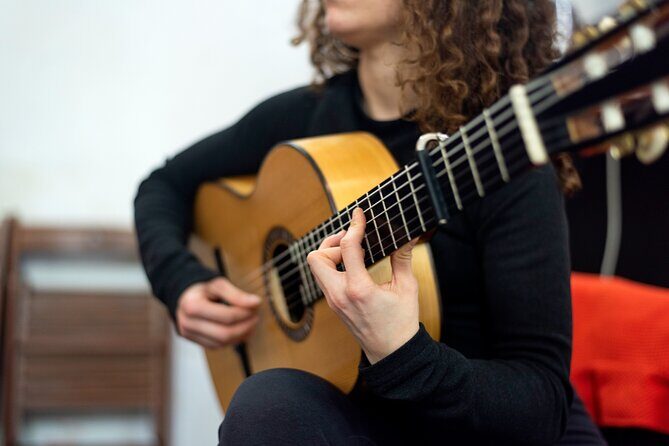
- Singers, guitarists, and dancers rehearse together so you understand how the rhythms bounce between roles.
- Explanations in multiple languages (English, Spanish, Dutch, French) help you follow what you’re seeing.
- Live elements like singing, clapping, and guitar playing show how flamenco practice really sounds.
Finding the Meeting Point: Plaza San Marcos at Noon
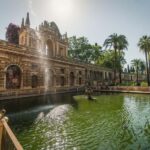
Your experience starts at Plaza San Marcos in Seville’s Casco Antiguo (Old Town), starting at 12:00 pm. It’s a practical central spot, which matters because you’re doing something low-key and on-foot: you’re not rolling into a big theater with a numbered entry line.
From the meeting point, you’ll head for a short walk to the rehearsal studio—about two minutes. That sounds tiny, but it changes the whole feel of the outing. You go from the public side of the city to a studio environment where the artists’ focus takes over.
If you arrive a few minutes early, you’ll have time to settle in without rushing. That matters for experiences like this, where the first few minutes help you get in the right mindset: you’re there to watch working flamenco, not a show countdown.
You can also read our reviews of more tours and experiences in Seville.

The Two-Minute Walk to an Off-the-Beat Studio
The studio is tucked away off the busiest routes, in an old artisan quarter of Seville. That’s a big part of the value. You’re not just paying for seats—you’re paying for access to a working space that feels local and real.
Because the group is small (maximum 8 travelers), the atmosphere stays calm enough for listening. You’ll hear details that get lost in larger venues: subtle changes in timing, how a dancer tests a footwork idea, and how the singer responds to what the guitar sets up.
Practical tip: wear comfortable shoes. You’ll be sitting close, and you’ll likely want to stay attentive for the full hour. This isn’t a long “rest your feet” sightseeing stop—it’s concentrated watching.
What a Flamenco Rehearsal Looks Like Up Close
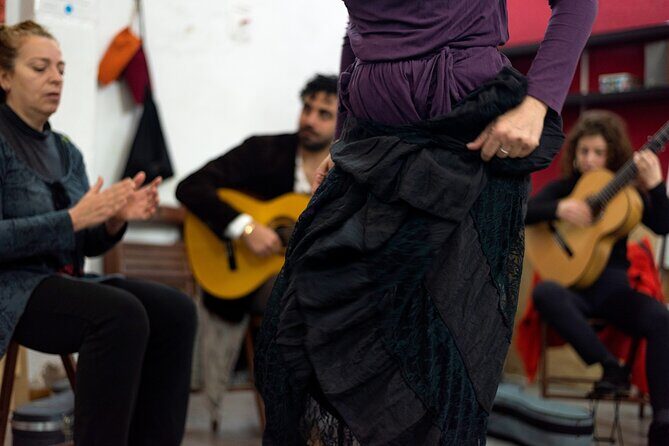
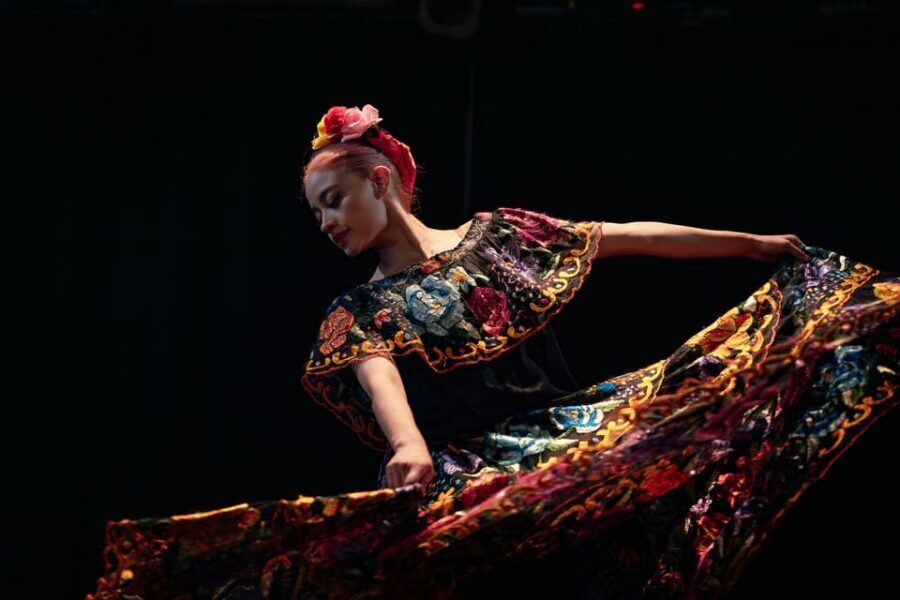
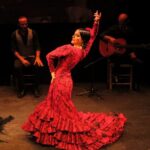
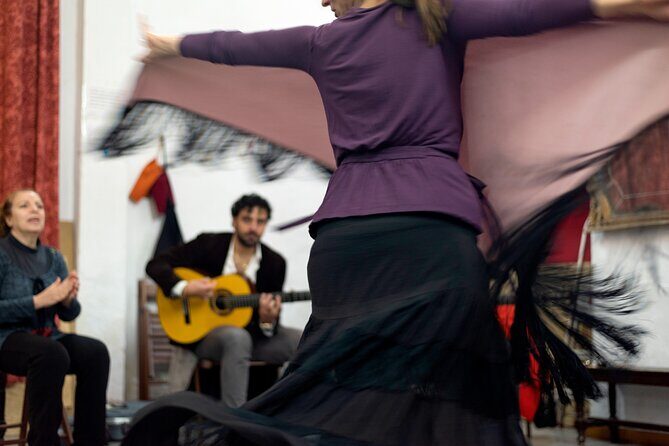
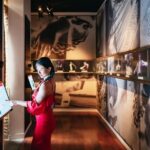
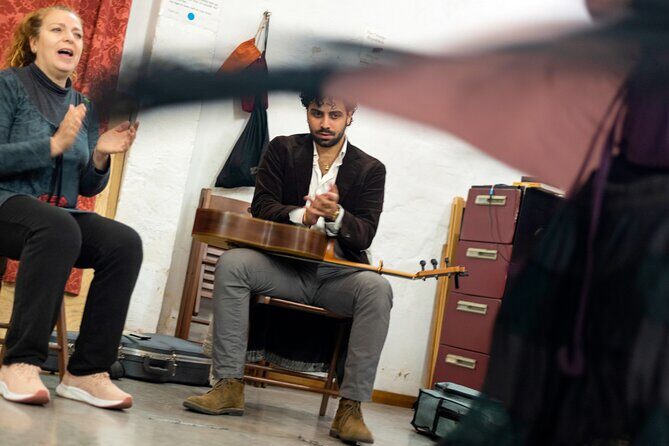
Here’s the heart of the experience: you sit in on a group rehearsal of flamenco dancers, guitarists, and a singer. They’re working together on their compositions—footwork, choreographies, singing, and more—while you watch from very close by.
This is the most rewarding part for me because it changes how you interpret flamenco. In a full performance, you tend to see the highlight. In a rehearsal, you see how those highlights are built: how rhythm is tested, corrected, and repeated until it clicks.
You also get the raw physical side. Without costumes, stage lighting, or makeup, the movement reads clearly—especially the footwork. And yes, you can feel the impact: the floor vibrates as the dancers work.
And since this is designed to stay intimate, you’re not stuck guessing what’s happening. Explanations happen before and throughout the rehearsal, so the craft stays understandable instead of mysterious.
The Role of the Artist Explanations (and How to Use Them)
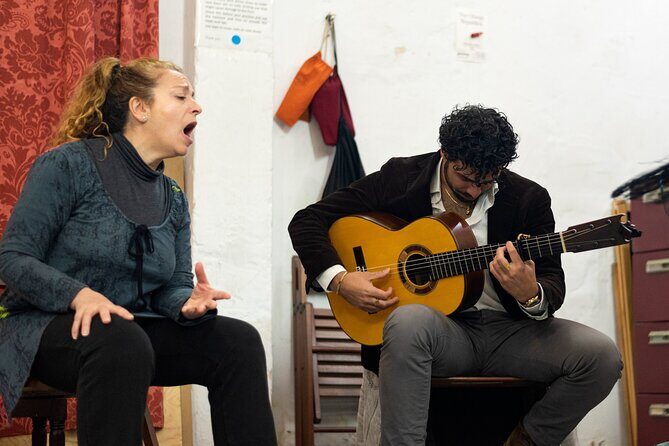
The artists provide explanations in English, Spanish, Dutch, or French, depending on what’s happening for the group. That’s a thoughtful touch because flamenco can be intense even when you’ve seen it before. Having someone translate the “why” makes a big difference.
I like that the explanation doesn’t arrive like a lecture. It flows with the rehearsal. You learn while you watch, so you can connect the rhythm and structure to the body movement and the sound the guitar and voice are creating.
Most importantly: you can ask questions. This is where your visit becomes more than a show-and-tell. If something doesn’t make sense—like how a certain section builds, or how the singing interacts with the guitar—you can ask and get an answer in the moment.
If you want to get the most out of it, come ready with one or two simple questions. For example:
- Which part are the dancers focusing on right now?
- How does the singer shape the rhythm?
- When does the guitar take the lead?
Even if you ask something basic, you’ll usually get a useful explanation because the artists are actively working on the piece you’re watching.
Understanding Flamenco Rhythms and Style Through Real Work
A lot of flamenco tours stop at “here’s what it looks like.” This one goes further in a way that still feels practical. You’ll learn more about the rhythms and styles in flamenco and about the dynamics between singing, guitar, and dancing.
The rehearsal format makes that learning concrete. You can watch how each role contributes:
- The guitar sets or reinforces the rhythmic framework.
- The singer brings phrasing and energy that can reshape how the rhythm lands.
- The dancers translate it into footwork patterns and choreographic timing.
Because they’re creating in the moment, there’s also spontaneity. That means the rehearsal isn’t only about perfection—it’s about discovery. You can see how the group searches for a performance that feels alive, not just memorized.
One reason this matters for your travel memories: when you later see flamenco onstage, you’ll recognize the building blocks. You’ll understand why certain moments feel urgent or grounded. You’ll also catch the interplay faster.
And that’s the whole point of “behind the scenes.” You’re not just watching technique—you’re learning how the technique becomes music.


Spontaneity, Footwork Vibes, and the Energy You Can Hear
The rehearsal is high energy in a way that surprises people who expect quiet practice. The vibe comes from how synchronized the group works, and how much sound is happening at once.
From the descriptions of the experience, you can expect active flamenco elements like live singing, clapping, and guitar playing as part of the rehearsal. That’s not background noise; it’s part of how the artists test rhythm and timing together.
This energy is also why the room feels different than a theater. You’re not watching from a distance where everything blends into stagecraft. You’re close enough to see the effort it takes to keep precision while still letting the moment breathe.
If you’re the kind of person who likes to understand what you’re seeing, this format will click. It’s craft, teamwork, and rhythm—worked out in real time.
Who This Is Best For (and Who Might Want a Show Instead)
This experience fits best if you:
- Want an authentic, studio-style look at flamenco practice rather than a polished performance.
- Like small groups where you can interact and ask questions.
- Enjoy music and movement details and want to understand the dynamics between roles.
It may be less ideal if you mainly want a full-length entertainment show. Since this is a rehearsal with no costumes and no stage, the “final product” feel isn’t the goal. The goal is process, learning, and seeing how the group works together.
Also, it helps if you’re comfortable staying seated and attentive for about an hour. The experience is short by design—about one hour (approx.)—so it’s concentrated rather than meandering.
Price and Value: What You’re Actually Paying For
At $17.36 per person, this sits in a sensible range for an hour of flamenco with real access. The better way to judge value isn’t the length—it’s the access.
You’re getting:
- Close-up rehearsal viewing with no stage barriers
- A small group capped at 8 travelers
- Explanations in multiple languages
- Q&A and the chance to chat with artists
For that price, you’re not just buying a ticket to a performance. You’re buying a chance to understand how flamenco is built—rhythm by rhythm, sound by sound, step by step.
And because the studio is off the beaten path, the experience feels like you’re in the local world, not on a tourist circuit.
Practical Tips That Make the Hour Easier
The tour uses a mobile ticket, so have it ready on your phone when you meet. The location is central enough to find, and the studio is just a short walk away, but it still helps to plan to be on time.
Since the experience requires good weather, it’s smart to keep your expectations flexible if conditions are poor. If it gets canceled due to weather, you should be offered a different date or a full refund. That’s the kind of clarity you want for plans in Seville.
As for comfort: the format is intimate and close, so bring a mindset for listening. If you come expecting a casual street performance, you might miss the details that make it rewarding.
Should You Book Flamenco Behind The Scenes in Seville?
Yes—if you want the practical side of flamenco. I’d book it if you like small-group access, real studio energy, and explanations that connect what you’re seeing to how the music and movement fit together.
Skip it if you only want a traditional staged show with costumes and a full performance arc. This experience is about rehearsal work, spontaneity, and seeing how the artists build the moment while it’s happening.
If you’re deciding last-minute, here’s the quick check: are you excited by craft, rhythm, and Q&A? Then this is a strong pick.
FAQ
Where does the tour start and end?
The experience starts at Plaza San Marcos, Casco Antiguo, 41003 Sevilla, Spain, and it ends back at the same meeting point.
How long is the flamenco rehearsal experience?
It lasts about 1 hour.
What’s the group size?
The activity has a maximum of 8 travelers, keeping it small and intimate.
What languages are explanations provided in?
Explanations are offered in English, Spanish, Dutch, or French.
What will I see during the rehearsal?
You’ll watch a rehearsal of flamenco dancers, guitarists, and a singer, with explanations throughout. There are no make-up, no costumes, and no stage.
What if the weather is bad?
The experience requires good weather. If it’s canceled due to poor weather, you’ll be offered a different date or a full refund.