REVIEW · SEVILLE
Legends of Triana Walking Tour in Spanish
Book on Viator →Operated by Naturanda Turismo Ambiental · Bookable on Viator
Legends turn Triana into a living story. On this Spanish walking tour you’ll connect Seville’s famous sights with local folklore as you wind through Triana’s oldest streets, including Calle Betis and the church steeples that pop above the colorful facades. I especially love the small-group feel (up to 15 people) and the guide-driven storytelling that makes landmarks like Santa Ana Church and the riverbank feel personal.
The one thing to plan for is the pace: this is a proper walk on uneven cobblestones, and there are no food stops, so bring water and wear shoes you can trust.
In This Review
- Key Things to Know Before You Go
- Triana After the River: Why This Neighborhood Feels Different
- Price and Time: Making $14.23 Feel Like Smart Value
- From Puente de Isabel II to Calle Betis: First Legends Set the Mood
- Navigators University and the Monipodios House: Names With Stories Behind Them
- Santa Ana Church and the Old Potter Quarter: Daily Work Turned Into Myth
- The Inquisition Headquarters Area and a Riverbank Walk With Atmosphere
- Guides Matter: Yohanna, Mari Paz, Nieves, Joana, Jesús, Valentín, and Bárbara
- How to Pace Yourself on Triana’s Cobblestones
- Getting the Most Out of a Spanish Legends Tour
- Who Should Book Legends of Triana (and Who Might Not Love It)
- Should You Book Legends of Triana?
- FAQ
- Is the Legends of Triana walking tour in Spanish?
- How long does the tour take?
- Where does the tour start?
- How much does it cost?
- Is food included?
- What’s included in the ticket?
- Is free cancellation available?
Key Things to Know Before You Go
- Up to 15 people means you get more attention and an easier time hearing the stories.
- Start at Puente de Isabel II on the Triana bridge area, with the Guadalquivir setting the tone right away.
- Covers the old heart of Triana along Calle Betis and into lanes most visitors miss.
- Includes an admission ticket (so you’re not paying extra for the main visits).
- Stops include Santa Ana Church, the old potters quarter, and inquisition-related sites for a wide range of themes.
- You’ll ride the stories in Spanish with a local professional guide and a mobile ticket.
Triana After the River: Why This Neighborhood Feels Different
Triana sits across the Guadalquivir from Seville’s main core, and you can feel the shift as soon as you start walking. It’s known for colorful buildings lining Calle Betis, plus church steeples that rise above the rooftops like punctuation marks.
What I like most is that the tour doesn’t treat Triana as just another pretty neighborhood. It treats it like a place where people once lived, worked, and argued—and where those human details turned into legends you can still sense in the streets.
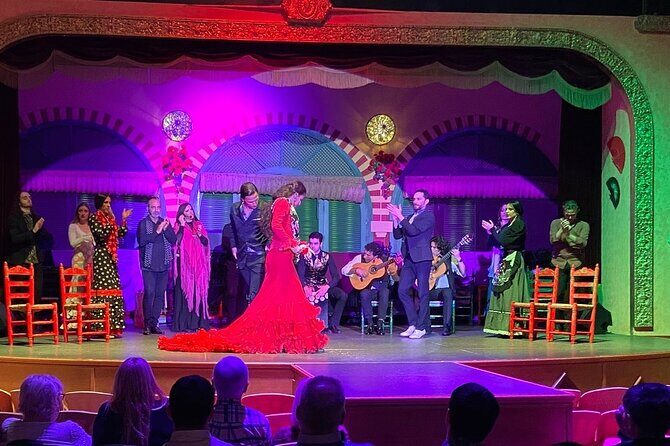
And yes, flamenco matters here. Triana is widely regarded as the birthplace of flamenco dance, and you’ll see how that reputation still shapes the neighborhood’s identity today, even on a simple walking route.
You can also read our reviews of more walking tours in Seville


Price and Time: Making $14.23 Feel Like Smart Value

At about $14.23 per person for roughly two hours, this is the kind of tour that works well when you want real context without burning half your day. You’re getting a professional guide, a small group, and an admission ticket included, which helps keep the total cost from quietly growing once you arrive.
The other value trick is efficiency. In two hours, you pass through multiple key areas of Triana—bridge views, Calle Betis, a church, a potters quarter, and riverbank walking—so you don’t end up spending your limited sightseeing time moving across town.
If you’re trying to balance structured sightseeing with wandering, this is a good middle ground: guided enough to learn the stories, light enough that you can still explore on your own after.
From Puente de Isabel II to Calle Betis: First Legends Set the Mood
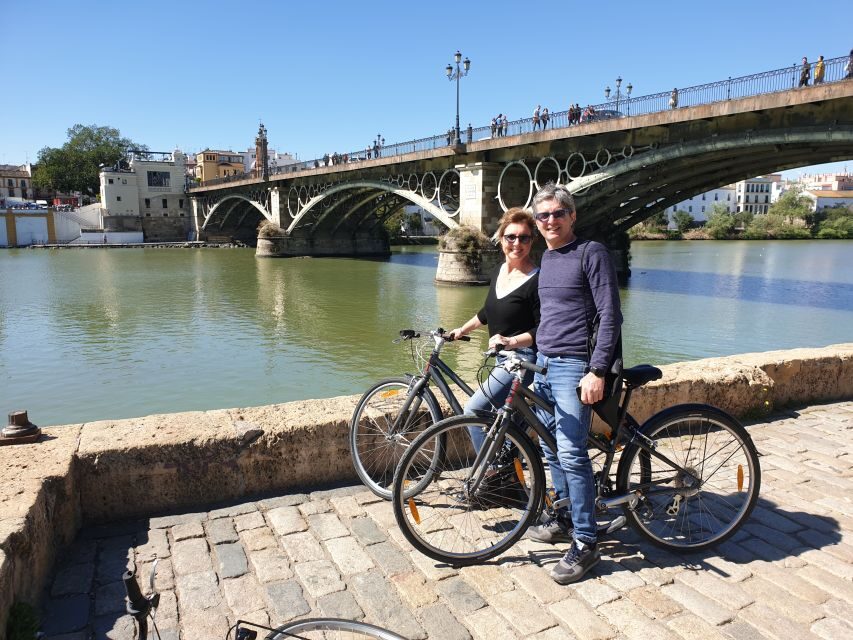
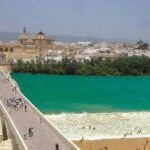
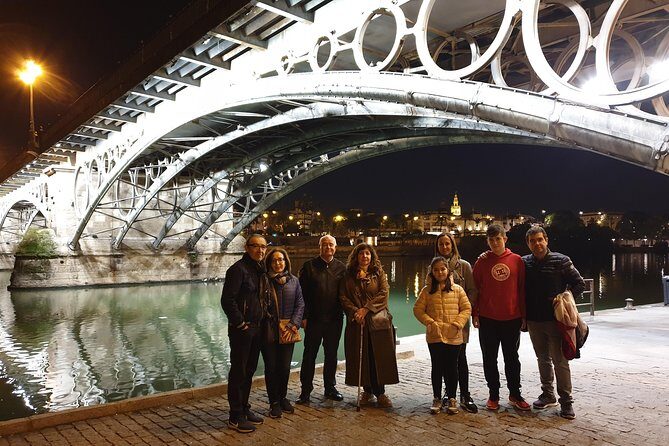
The meeting point is Puente de Isabel II, and starting here is a smart move because the river does half the work for you. Before you even get deep into the neighborhood streets, you get a sense of how Triana’s location shaped its life—separate enough to feel its own world, close enough to stay connected to the city.
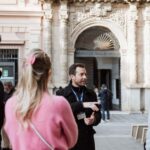
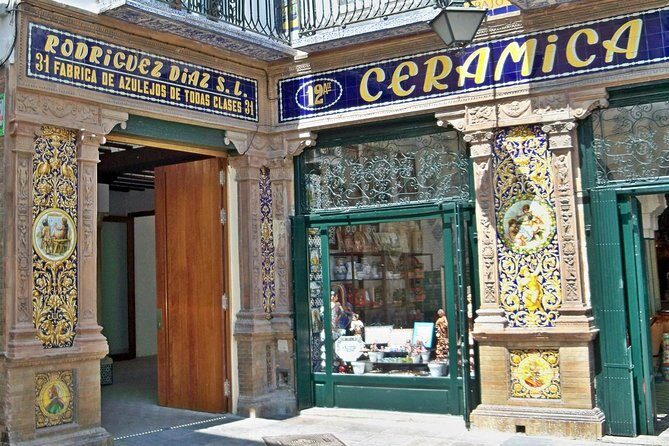
From there, you head toward Triana’s oldest areas. Expect tight lanes and cobblestones, and expect the guide to point out details that are easy to miss when you’re just trying to photograph everything.
A big early highlight is Calle Betis, where the recognizable Triana look starts right away: bright facades and the kind of street texture that makes the stories feel grounded. You don’t just hear about flamenco in theory—you learn how this area’s culture grew from everyday life.
Practical note: the walk begins right away, so if you’re someone who likes long photo pauses, build in a little extra time for the in-between moments.
Navigators University and the Monipodios House: Names With Stories Behind Them
As you move deeper into Triana, you’ll stop at spots connected to specific local references—like the old navigators university. Even if you’re not a history nerd, this kind of stop helps you understand why certain streets and buildings carry unusual names. The guide’s job here is to translate place-name trivia into something you can actually picture.
Next comes the Monipodios house. With sites like this, the best payoff is how the guide connects the building’s role to the neighborhood’s larger personality. You start noticing things you’d normally scroll past: distinctive architecture, street placement, and what the location suggests about how people used the area.
The practical benefit for you is simple. After two hours, you’ll have more than a list of stops. You’ll have a set of mental pictures—where things were, what they were used for, and why the legends stuck.
Santa Ana Church and the Old Potter Quarter: Daily Work Turned Into Myth
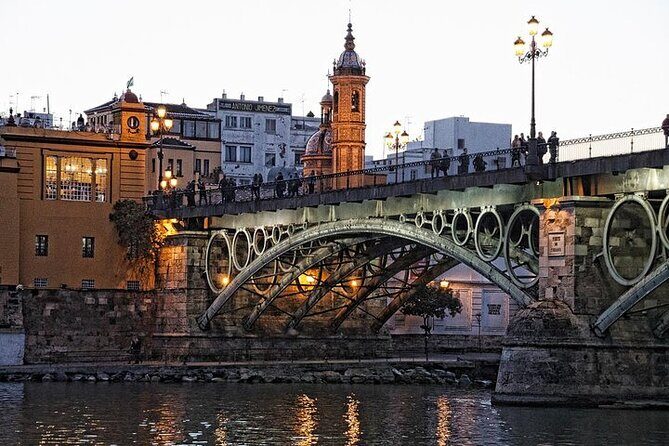
Santa Ana Church is one of those stops where Triana’s spiritual side shows up in the skyline and in the street-level details. You’ll see how the church steeples define the neighborhood’s look, then you’ll hear the stories that give the place meaning beyond architecture.
After that, the route shifts toward the old potters quarter. This is where the tour’s legend-and-life balance really clicks. Pottery is practical work, and that’s the point: legends don’t only grow from kings and battles. They grow from crafts, trade, and the rhythm of neighbors who see the same faces every day.
If you like tours that explain the why behind what you’re seeing, this section is for you. You’ll get a sense of how Triana’s identity isn’t just performance culture (though flamenco is a huge piece). It’s also the kind of local craftsmanship and community memory that keeps repeating in stories.




The Inquisition Headquarters Area and a Riverbank Walk With Atmosphere
One of the more dramatic parts of the route is the area tied to the Inquisition headquarters. You don’t need to know every historical term to appreciate what this stop adds. It introduces the darker edge of Triana’s story—how power, fear, and rumor shaped what people dared to say and where they chose to gather.
Then comes the riverbank walk, which changes the feeling of the tour. Along the water, the stories land differently. Even if you’re not a poet, you can see why rivers generate legends: movement, trade, arrivals, departures, and all the in-between moments where rumor can travel faster than truth.
If you’re doing this on an evening schedule, you might find the mood especially good for the legend format. Night walking also helps in summer when daytime heat can push you into rushing instead of listening.
Guides Matter: Yohanna, Mari Paz, Nieves, Joana, Jesús, Valentín, and Bárbara
This is one of those tours where the guide quality drives the whole experience. The consistent praise is for guides who can keep the group active while still explaining with depth and care. Names you may hear associated with standout guiding include Yohanna, Mari Paz, Nieves, Joana, Jesús, Valentín, and Bárbara.
What I find most useful in this style is how the guide builds momentum. One minute you’re oriented on the street layout, the next you’re hearing a story that reframes what you’re looking at. That combo is what makes a short walking tour feel longer in a good way.
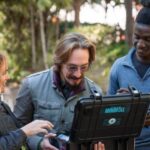
I also like that some guides use modern aids without turning the tour into a classroom. One guide approach includes showing historical images or videos on a tablet to expand the story, which can help when you’re trying to picture how places looked in earlier times.
And yes, humor shows up too. Several guide descriptions mention a cheerful, close communication style, so the tour doesn’t feel stiff or overly solemn even when the topics get serious.
How to Pace Yourself on Triana’s Cobblestones
Triana is charming, which is a polite way of saying it can be uneven underfoot. The tour calls for a moderate physical fitness level, so I’d treat this as a walking experience, not an easy stroll.
Here’s what helps:
- Wear comfortable, grippy shoes for cobblestones.
- Bring water, especially for warm days. No food and drinks are included, so you don’t get an automatic break.
- If you need to pause for pictures, do it quickly so you don’t slow the group.
Also, you’ll be walking between several compact areas, which is great for efficiency. Just don’t assume you’ll be standing still much.
The good news: group size is capped at 15, so it’s easier to move as a unit without feeling like you’re stuck in a bottleneck every minute.
Getting the Most Out of a Spanish Legends Tour
Because this tour is in Spanish, it’s ideal if you’re comfortable with basic to conversational listening—or if you’re traveling with someone who can follow the language well. Even if your Spanish is still building, you can usually catch the key points because the guide ties legends to visible details.
My advice: listen for the connections. Don’t just treat each stop like a standalone story. Triana’s legends work best when you see the thread between cultural identity, street layout, and local memory.
If you love flamenco, you’ll appreciate the cultural angle here. If you love urban history, you’ll enjoy the contrast between church steeples, craftsmen’ quarters, and the inquisition-related stop. Either way, you’ll leave with a stronger sense of why Triana feels like its own Seville.
Who Should Book Legends of Triana (and Who Might Not Love It)
Book this tour if you want:
- A small-group walking format
- A legend-first way to understand Triana
- A route that covers both the scenic and the slightly darker corners
- A Spanish guide that keeps you moving while explaining clearly
Skip it or reconsider if:
- You hate walking on uneven streets
- You want a long sit-down experience with lots of time inside museums (this is a walking tour)
- You’re searching for food-focused stops or a meal included in the ticket
Should You Book Legends of Triana?
Yes, I think it’s a strong pick if your goal is to feel Triana in a short time. For about two hours and roughly $14.23, you get guided context, included admission, and a route that moves from Puente de Isabel II into the neighborhood’s older lanes, past Santa Ana Church, the potters quarter, and toward the riverbank.
The only real trade-off is physical pace and the lack of included refreshments. If you come prepared with good shoes and water, you’ll be set.
FAQ
Is the Legends of Triana walking tour in Spanish?
Yes. This specific experience is listed as a Legends of Triana Walking Tour in Spanish, so the guide will conduct the tour in Spanish.
How long does the tour take?
The tour lasts about 2 hours (approx.).
Where does the tour start?
The meeting point is Puente de Isabel II, Sevilla, Spain.
How much does it cost?
The price is $14.23 per person.
Is food included?
No. Food and drinks are not included.
What’s included in the ticket?
You get a local professional guide and a walking small group tour. An admission ticket is also included.
Is free cancellation available?
Yes, you can cancel up to 24 hours in advance for a full refund.