REVIEW · SEVILLE
Donana National Park and El Rocío: Guided Tour from Seville
Book on Viator →Operated by Naturanda Turismo Ambiental · Bookable on Viator
Doñana is Spain’s wildlife theatre. This guided day trip blends marshland birding, a village chapel visit at El Rocío, and a coast-and-dunes finish that feels a world away from Seville.
I especially like how the day is built around living habitats, not just photo stops. You’ll move through rice-field country around Puebla del Río, then into Dehesa and park trails where birds (and sometimes mammals) are the point, with guides such as Ramon or Jose earning praise for strong on-the-ground nature talk.
One thing to keep in mind: wildlife isn’t guaranteed, and access can shift with weather and seasonal water. Also, English quality can vary in real-life small groups, and if you’re stuck in a rear seat, your camera view may be less ideal.
In This Review
- Key things to know before you go
- Why Doñana and El Rocío are worth the long day
- Price and value: what $107.68 buys you (and what it doesn’t)
- Morning logistics: pickup points, early start, and seat reality
- Stop by stop: the Doñana marshes and bird country you’re heading for
- Puebla del Río: where water makes birds possible all year
- Dehesa de Abajo: storks, olive trees, and birds in the open
- El Rocío village and the chapel: the human side of Doñana
- La Rocina walking route: the best way to read animal tracks
- Matalascanas and the dunes: the Atlantic side of the Doñana story
- The 4×4 return and the Iberian lynx chances
- Guides and the English issue: how to get the most from the talk
- Timing and seasonal expectations: birds will be the constant
- Who this tour fits best (and who should look elsewhere)
- Should you book this Doñana and El Rocío day trip?
Key things to know before you go
- 4×4 time in and around Doñana (good for getting into the feeling of the park, not just driving past it)
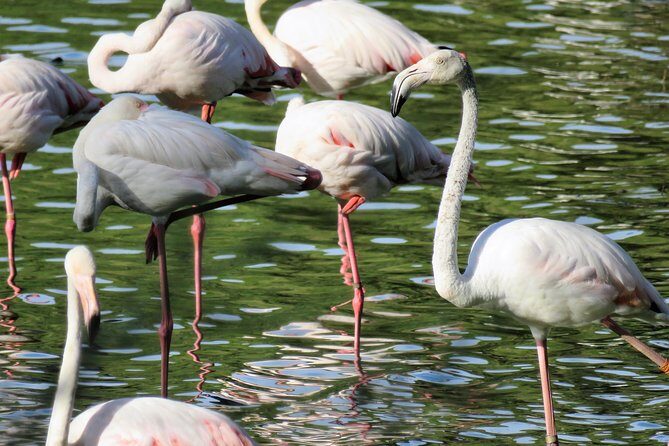
- Bird-focused routing through marshes, forests, and pastures, with a strong chance of storks and many water birds
- El Rocío village visit with a chapel stop and an ornithology observatory for spotting wildlife
- A walk near La Rocina on interpretive trails that connect animal tracks with local plants
- Coastal dune education at Matalascanas, including time at the Atlantic side
- A sunset finish in the Asperillo pine forest area when timing works out
Why Doñana and El Rocío are worth the long day
Doñana National Park is one of those places where “nature” feels real. You’re not just looking at scenery—you’re stepping into marshes, forests, and dune country that support some of Europe’s most impressive bird life.
El Rocío adds a different kind of interest. The village feels like a slower rhythm of Spain, with sandy streets and horses, and it’s tied to the bigger Doñana story of water, seasons, and wildlife. It’s a nice change from the usual city-tour pace.
This is a full day—about 10 hours—with an early start from Seville. That means you’ll trade a relaxed morning for a packed nature schedule. If you’re the type who wants a lot of variety in one trip, it’s a great match.
You can also read our reviews of more guided tours in Seville
Price and value: what $107.68 buys you (and what it doesn’t)
At about $107.68 per person, you’re paying for three main things: guided interpretation, transportation (including 4×4 time), and a tight route that hits both interior habitats and the coast. Lunch is not included, so you’ll want to budget extra for food and drinks.
Is it good value? For me, it looks fair if you care about learning while you travel. Doñana is best understood through habitats—why birds cluster where water stays year-round, why dunes matter, and how seasons change what you can spot. The guide component matters here.
If you’re traveling mainly for big mammals on a “guaranteed” checklist, temper expectations. The route is designed to increase your odds (especially with the 4×4 sections), but nature still runs on its own schedule.
Morning logistics: pickup points, early start, and seat reality
You’ll begin with pickup in Seville, and in practice that can mean your hotel area or one of the posted meeting points (C. Rastro, or a central spot near Hotel Don Paco). The day starts early, so give yourself buffer time to reach the pickup place on time.
The group stays small, with a maximum of 15 travelers. That’s a real advantage in a park like Doñana because it keeps stops workable and makes it easier for your guide to manage the day.
Now for the part that can affect your experience: vehicle seating. Several people reported issues with rear-row visibility and windows that don’t open. My advice: if you care about photos, try to get into a front or middle seat early. If there’s a chance to rotate seats at the start, do it right away—don’t wait until the day is already rolling.
Stop by stop: the Doñana marshes and bird country you’re heading for
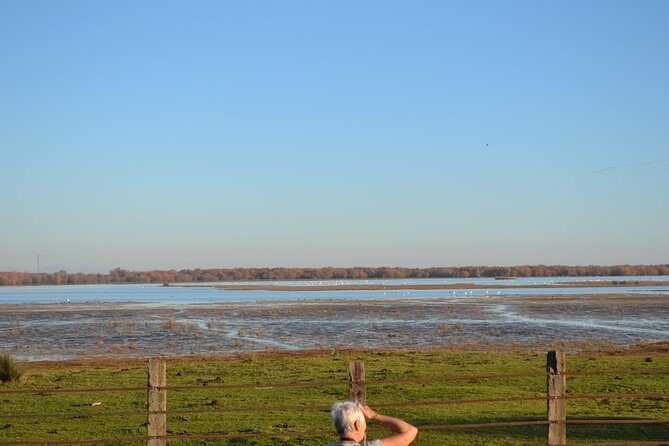
You start traveling toward Coria del Río area marshes and the northern parts of Doñana. This is the zone where water and habitat concentrate birds. The marshes, pine forests, and pastures around here have recorded around 300 bird species, and the nearby rice fields support a major white stork presence.
Puebla del Río: where water makes birds possible all year
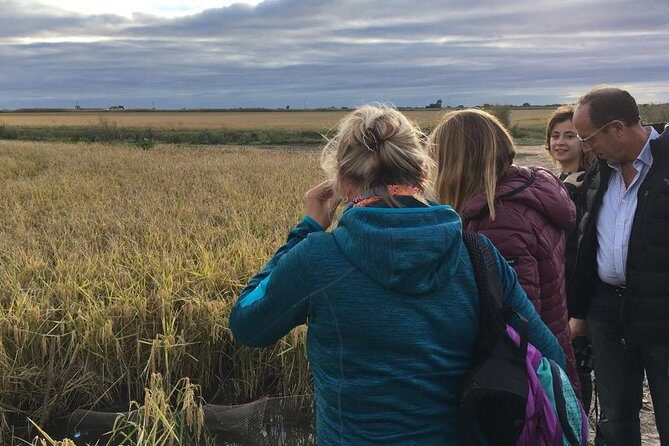
Your first themed stop is in the Sevillian town of Puebla del Río, where the ecosystem is especially important because birds can find water more consistently. Rice fields grow each spring and summer, and that cycle changes what’s available for wildlife.
You’ll get about 40 minutes here. That’s enough time to look around without feeling rushed, but it’s still not long enough to become a “stay and wait for birds” experience. Go with the mindset: this is a guided scouting stop, not a private bird hide.





Dehesa de Abajo: storks, olive trees, and birds in the open
Next you move toward Dehesa de Abajo, a quieter-looking area with ancient olive trees and oaks. This is where you’re set up for seeing the Europe’s largest white stork presence and many birds in natural habitat.
You’ll have about an hour. In bird country, an hour can be perfect: long enough for the guide to point out patterns, short enough that the group stays energetic. If the light is good, this is a strong area for photos—again, ideally from a seat with better views.
El Rocío village and the chapel: the human side of Doñana
Then you head for El Rocío, with time to visit the Hermitage of El Rocío. Think sandy streets, people on foot, and horses moving through the village atmosphere. It feels like a slice of Spain that’s tied to the seasonality of the wider park.
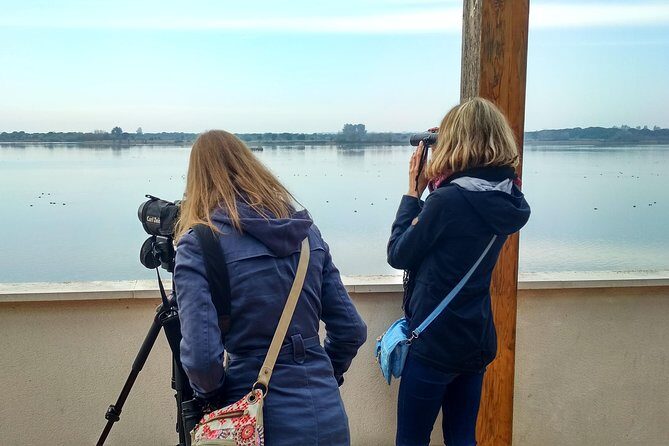
You also visit an ornithologists’ observatory connected to the village experience. That matters because it blends the village visit with bird spotting rather than turning El Rocío into a purely cultural detour.
You’ll have about an hour overall at the El Rocío stop. Use that time to balance both parts: slow down in the village, then give the observatory your attention—birds often follow routines, and the guide usually knows where to look first.
If you’re picturing a fast “look and leave” village stop, you’ll be happier here. The vibe is built for standing and watching.
La Rocina walking route: the best way to read animal tracks
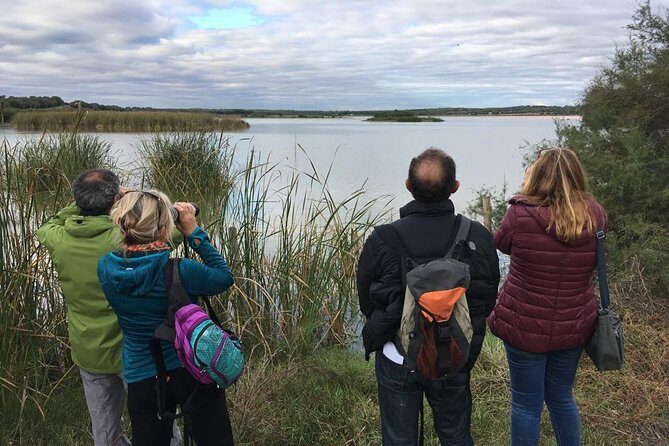
After El Rocío, you’ll visit the area near the Arroyo de la Rocina, including a place described as an interpretive stop (and also tied to a UNESCO World Heritage Centre highlight in the day).
Then comes the circular walking route near La Rocina with interpretation. This is one of the most valuable parts of the itinerary because it turns what you might see—tracks, signs, plant types—into something you can understand.
You’re set up to learn about indigenous plants and how animal trails work in this landscape. A walking stop like this is where the guide’s skills matter most. It also gives your legs a break from the long driving day.
A caution that’s practical: bring comfortable walking shoes. This is a park day, not a city stroll, and you’ll be switching between sun and shaded areas.
Matalascanas and the dunes: the Atlantic side of the Doñana story
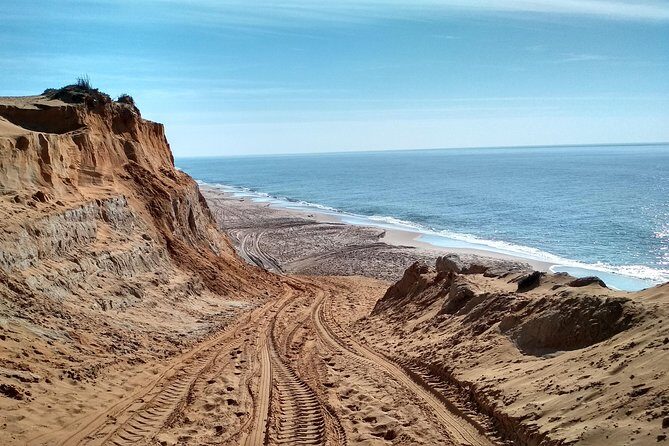
The route continues toward the coast and Playa de Matalascanas. This is where you shift from marsh and forest energy to dune and beach country.
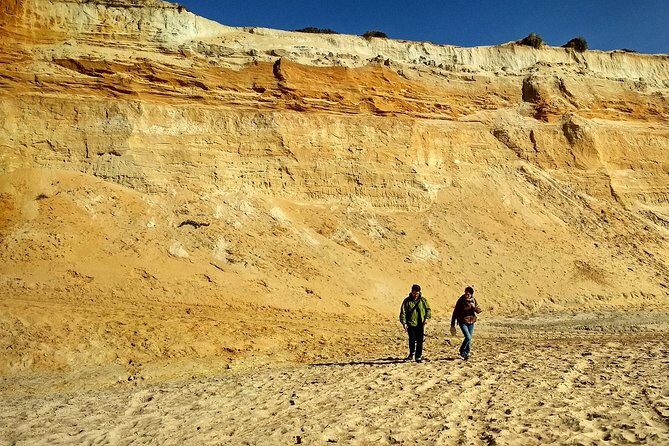
You’ll spend about an hour here, and the focus is educational: the area includes Spain’s largest dune ecosystem, and you’ll learn how those dunes function and change. Even if you’re not the type who studies dunes, this part works because it explains how wind and sand create a whole living system.
If you’re going in warmer months, a swim might tempt you. One review tip was to pack for it—so I’d plan like you might get your feet in the water at some point. Even a short rinse-off can be a morale boost before the return drive.
The 4×4 return and the Iberian lynx chances
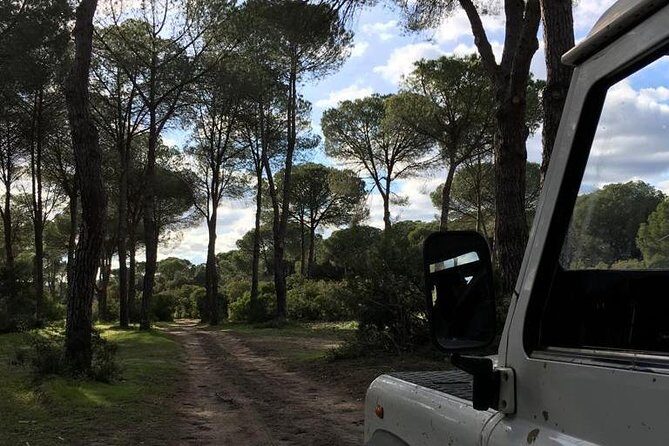
On the way back, you’re set up for another 4×4 segment through forested Doñana areas, timed for the best wildlife odds and a sunset finish in the Asperillo pine forest. This is also where the day’s “big-mammal” goal comes in, including the chance of spotting the famous Iberian lynx.
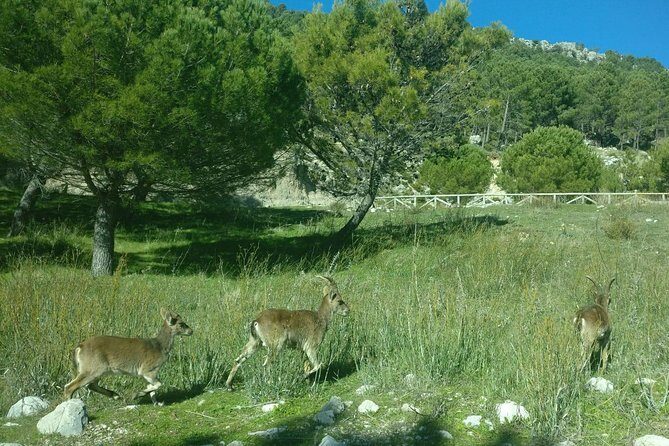
Here’s the honest part: this is a wildlife park, not a zoo. You may see deer, rabbits, birds, or other signs of mammals, and you might see nothing dramatic despite the effort. Timing, season, and water level can change what’s around and active.
What I like about this day-trip design is that it doesn’t pretend you can force wildlife. It gives you multiple habitat types and multiple chances during daylight conditions, plus the return timing for sunset light and calmer wildlife movement.
If you’re set on photography, remember that rear seating and small windows can limit your shot options. Choose your spot early, and plan on spotting first, shooting second.
Guides and the English issue: how to get the most from the talk
The tour is offered in English, and many guides—Ramon and Jose showed up repeatedly in strong feedback—are praised for bird and nature explanation. That can be a big part of why this works as a learning day.
That said, a few people reported that English can lag when the group includes several Spanish speakers. If English is your priority, do two things:
- Make sure the guide knows you want clear English explanations early on.
- Ask questions when you have them. If your question is good and specific, you’ll often get the answer you want.
Also, note that vehicle comfort can vary. Some people reported uncomfortable rear seats on longer stretches. If you’re sensitive to bumps or long sitting, grab the best seat you can at the start and be ready for a day that moves.
Timing and seasonal expectations: birds will be the constant
Bird life is the foundation of this tour. Even when animal sightings change, bird spotting often stays strong in Doñana because you’re moving through multiple bird-relevant zones.
Still, season changes the intensity. One guide message you’ll want to remember: spring often brings more water, and that can make wildlife sightings more likely. Another practical note from October: some seasons can mean fewer animals around than you hoped.
So plan your expectations like this:
- If birds are your main goal, you’re in the right place any time wildlife is active.
- If you’re chasing the Iberian lynx specifically, go in with patience and know the odds depend on conditions.
Who this tour fits best (and who should look elsewhere)
This is ideal if you want a single-day immersion that covers marsh, village, forest, and dunes. I’d especially recommend it if you like:
- wildlife and birdlife in natural habitat
- interpretive walking on trails like the La Rocina route
- a guided day where someone helps you “read” the landscape
You might want to consider a different option if:
- you need a guaranteed mammal sighting
- you hate long driving days
- you’re very picky about language delivery and prefer zero ambiguity (English can vary in mixed groups)
- you’re traveling for a strict itinerary rhythm and don’t like that access can shift
Should you book this Doñana and El Rocío day trip?
I think you should book if your ideal day includes guided nature time, bird watching with real habitat context, and a special stop at El Rocío that goes beyond a quick photo. It’s also a good value for what you’re getting: transport, a small-group feel, multiple habitats, and enough time in each place to actually look around.
I’d pause and reassess if you’re counting on a sure thing like Iberian lynx on cue, or if your comfort and photography depend on perfect vehicle seating and fully consistent English commentary. If you do book, solve the likely issues upfront: choose your seat early, ask your guide questions, pack sun and water (and maybe swim gear for the beach), and go with a flexible wildlife mindset.