REVIEW · SEVILLE
Doñana National Park: 2-Day Tour from Seville
Book on GetYourGuide →Operated by Naturanda Turismo Ambiental · Bookable on GetYourGuide
Doñana feels like a nature film set that actually moves. I especially liked El Rocío sanctuary and the chance to walk through Spain’s largest dune system on day one. One thing to keep in mind: the schedule can feel long in places, with long wildlife-watching stretches and some pacing that may not suit everyone.
This tour is built around real access: guided walks, off-road trucks, and jeep time at sunset in the park. You also get that rare combo of beachy dunes plus marshland—so the park doesn’t just blur into one big view. The downside is that you’re paying for guided transportation and lodging, so if your biggest priority is a tightly timed, nonstop itinerary, you’ll want to set expectations early.
In This Review
- Key Highlights Worth Marking on Your Map
- Doñana in Two Days: What You Really Get
- Day 1: Seville to El Rocío and the La Rocina Walk
- El Rocío Isn’t Just a Name
- The Dunes and Asperillo: Spain’s Biggest Sandy Moment
- Sunset Jeep Ride in a Wooded Area for Storks
- Overnight Near the Park: Comfort and Meal Reality Checks
- Day 2: El Acebuche, the Visitor Center, and Southern Doñana
- The 4-Hour Off-Road Truck to Sanlúcar de Barrameda
- Marismeño Lunch: A Food Stop With Local Logic
- Final El Rocío Stop and Back to Seville
- Price and Logistics: Is $234 Good Value?
- Small Group, Multiple Languages, Real-World Pacing
- Who This Tour Fits Best
- What to Bring (So Day One and Day Two Stay Comfortable)
- Should You Book This Doñana National Park 2-Day Tour?
- FAQ
- Where does the tour start in Seville?
- How long is the Doñana 2-day tour?
- What’s included in the tour price?
- Are meals included?
- What languages is the guide available in?
- Do I need a passport or ID?
- Is there a minimum number of participants?
- What happens if weather is bad?
Key Highlights Worth Marking on Your Map
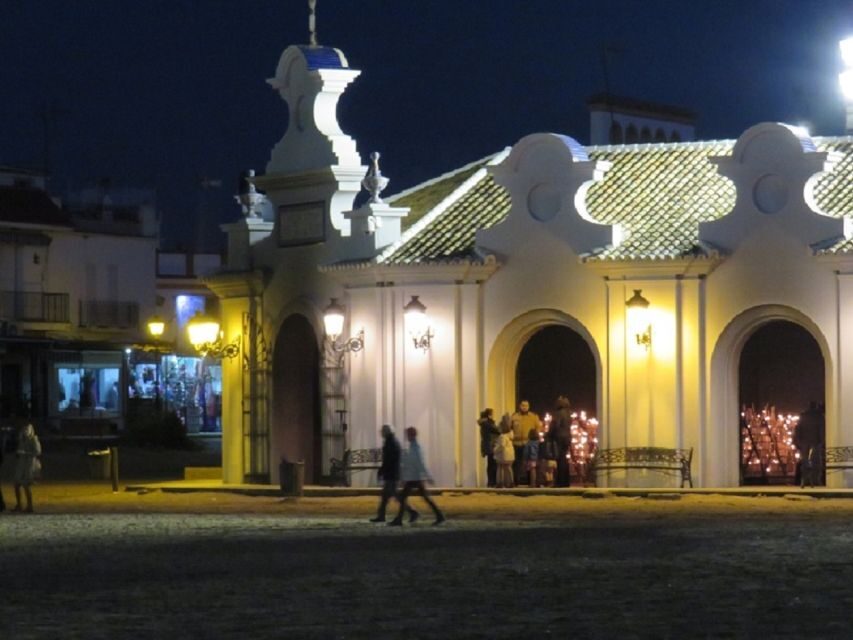
- El Rocío village and its sanctuary: A cultural stop inside a wildlife park, not just scenery from the bus.
- Spain’s biggest dune system and fossil dunes: You’ll see both active sand and older, “fossil” dunes like Asperillo.
- La Rocina stream walk: A guided trail segment that helps you understand how water shapes the area.
- Sunset jeep ride looking for storks: This is the tour’s most atmospheric wildlife moment.
- A long off-road truck day to Sanlúcar de Barrameda: Marsh, mobile dunes, and wildlife viewing where the park opens up.
Doñana in Two Days: What You Really Get
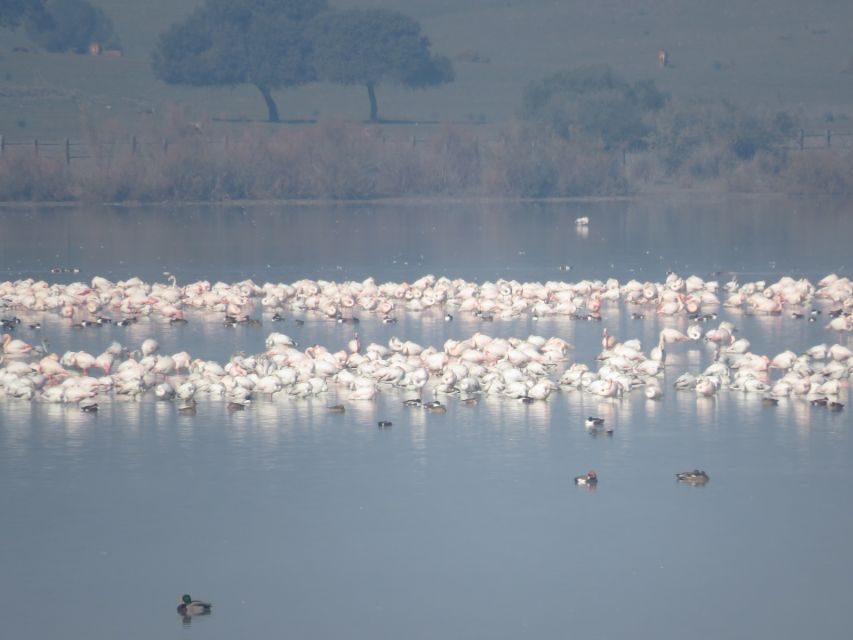
Doñana National Park is huge, and that’s the challenge. In just two days, this tour aims to give you multiple habitats—stream trails, dunes, woodland at sunset, then marsh and tidal areas—without pretending you can cover everything.
The value here is practical: you start in Seville, you get pickup and drop-off, and you’re transported between key areas in the park using off-road vehicles. That matters because much of Doñana is not set up for casual sightseeing by car at your own pace.
You’ll also be traveling as a small group with a professional guide (the guide can speak Spanish, English, French, or Italian). That setup usually means fewer “where do we go next?” moments and more time with the park itself.
You can also read our reviews of more tours and experiences in Seville
Day 1: Seville to El Rocío and the La Rocina Walk
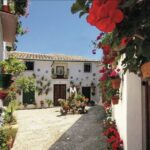
Day one begins with your drive from Seville into the northern part of Doñana, heading toward the village of El Rocío. The tour doesn’t treat El Rocío like a quick stop; you explore the village and visit the sanctuary there, which gives the park a human dimension beyond wildlife spotting.
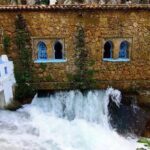
Then you move into walking mode. One highlight is a trail walk along La Rocina stream, guided so you’re not just walking through “pretty countryside.” Streamside habitat can change quickly with light and season, and that walk is a good way to understand how water creates the routes and pockets animals use.
Good for: people who like guided interpretation and a mix of nature and place.
Watch out: if you’re expecting a nonstop adrenaline schedule, day one is calmer and more “walk + observe” than “run from stop to stop.”
El Rocío Isn’t Just a Name
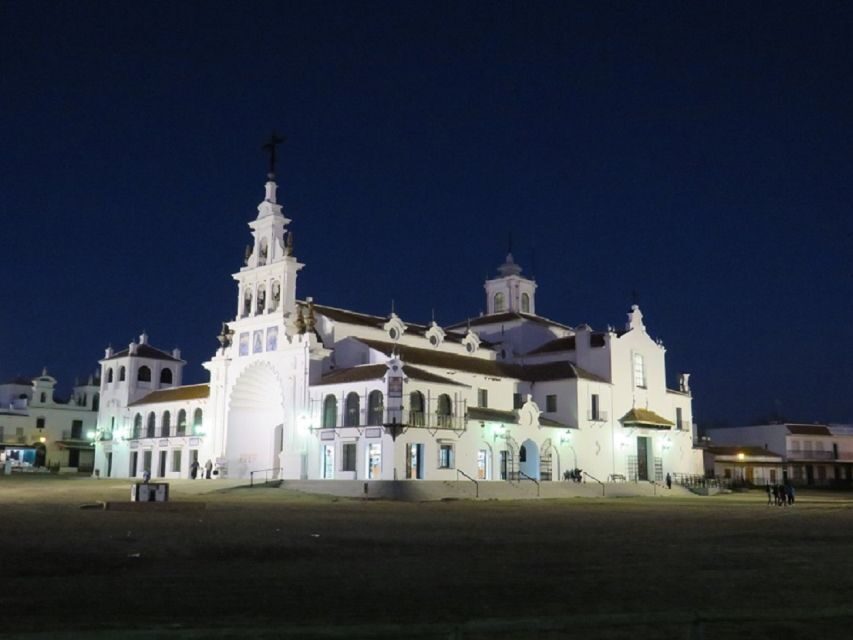
El Rocío has its own character. The village feel is part of why this tour works for many people: you get to experience Doñana as something locals live with, not only as remote wilderness.
The sanctuary visit also gives you context for why El Rocío shows up so often in stories tied to this corner of Andalusia. Even if you’re not into religious architecture, you’ll likely enjoy how the day balances quiet nature with a very specific cultural atmosphere.
One more practical note: your accommodation details can vary. The plan calls for an overnight at the edge of the park at dusk, but lodging may sometimes be in or very near El Rocío depending on operations. If your hotel comfort level matters a lot, it’s smart to confirm the exact accommodation name before you go.
The Dunes and Asperillo: Spain’s Biggest Sandy Moment
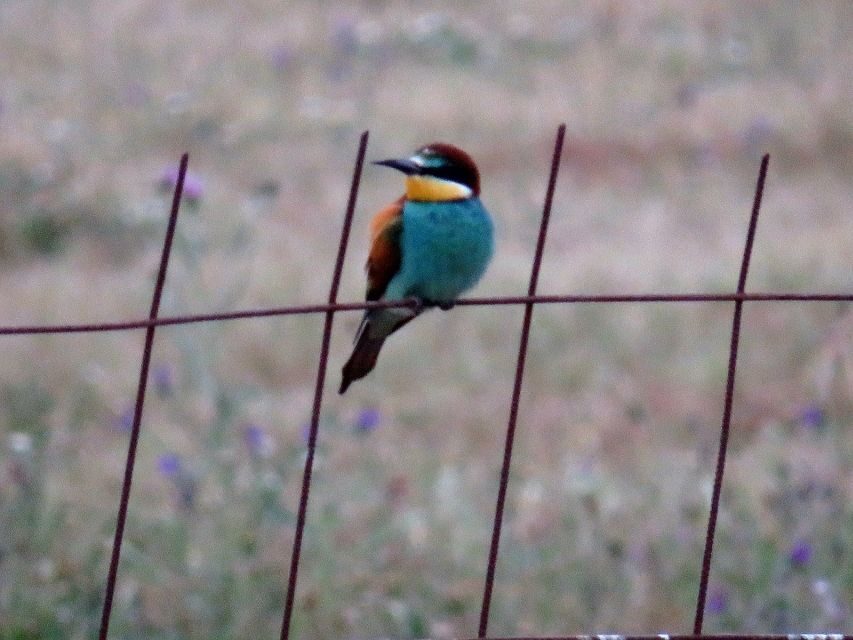
After lunch on day one, the tour shifts to the dunes—starting with the largest dune system in Spain. This is the part that visually shocks people in the best way. One minute you’re in a more vegetated environment, and then you’re looking at wide, sandy power across the park.
You also visit the fossil dune of Asperillo. That detail is more than trivia. Fossil dunes help explain that this landscape doesn’t just change day to day; it has a long history shaped by wind patterns and shifting sands over time. Seeing active dunes alongside an older fossil dune lets you connect what you’re standing on with how the park evolved.
If you like photos, this is where you’ll use them. If you like hiking, this is where you’ll feel it in your shoes. Sand can be deceptive—easy to look at, harder to walk across than it seems, especially if it’s hot.
Sunset Jeep Ride in a Wooded Area for Storks
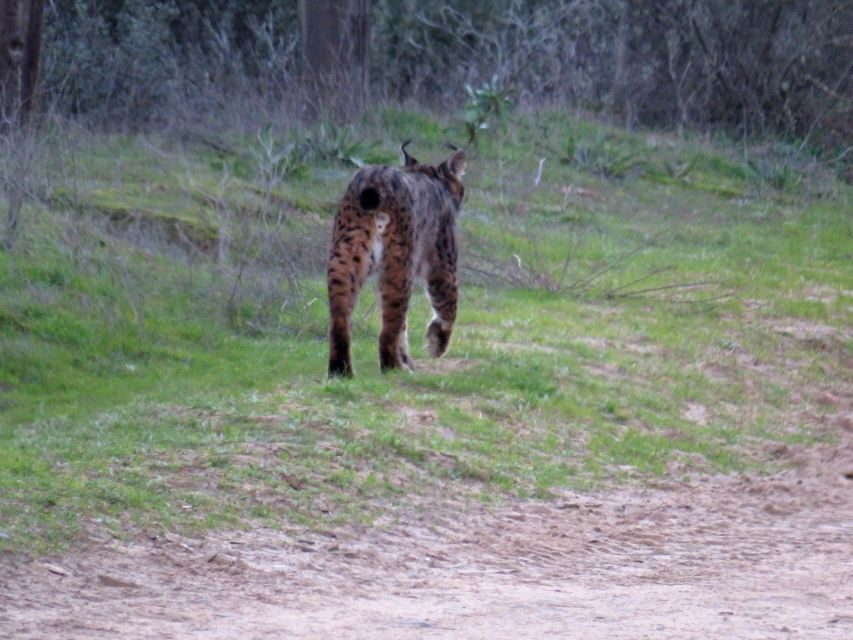
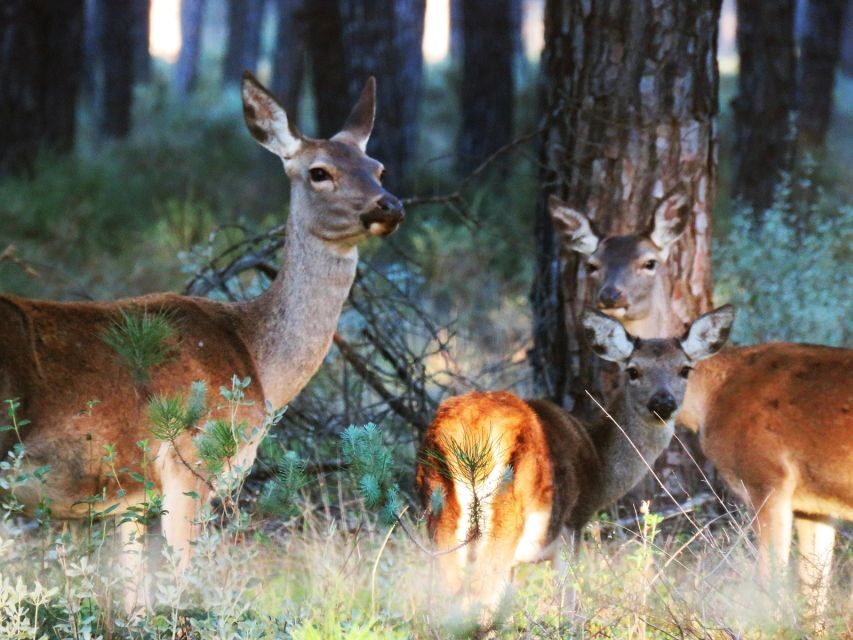
As evening arrives, the tour does the most cinematic thing it offers: a jeep ride in a wooded area at sunset, with storks on the lookout list. The point isn’t just seeing wildlife once. It’s more about being in position when light, wind, and animal movement line up.
Sunset timing also changes your whole experience of the park. Even if you’re not a dedicated birder, the shift in temperature and the long view across habitats tends to make wildlife spotting feel calmer and more focused than daytime “scan and move on” tourism.
Still, plan for waiting. Wildlife sightings aren’t guaranteed, and this portion of the day can turn into extended observation rather than quick stops. If you prefer shorter “hit it, move it” segments, you might find the stork watching stretch a bit drawn out.



Overnight Near the Park: Comfort and Meal Reality Checks
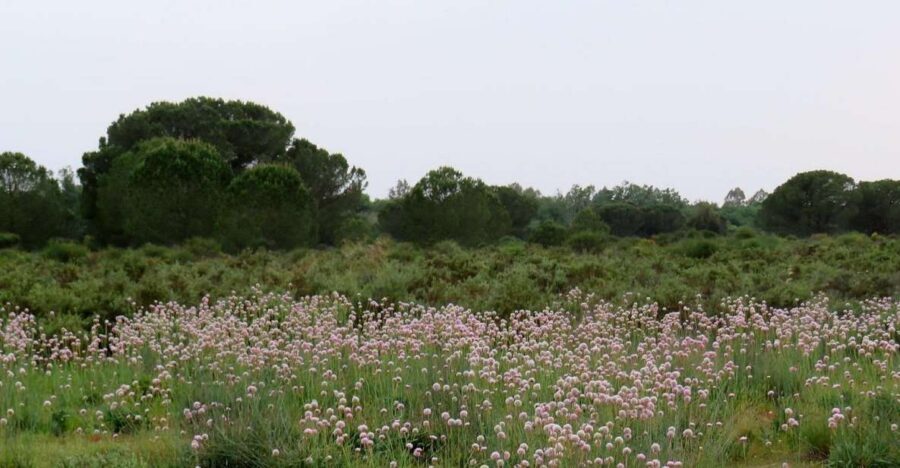
This tour includes rural accommodation, described as a 3-star rural hotel with accommodation only. That phrase matters. Accommodation only generally means you should not assume breakfast or dinner is handled for you unless the operator confirms it on your specific departure.
The itinerary includes a Marismeño-style lunch stop on day two, and it also includes a lunch earlier in the day one sequence. But the broader “additional food and drinks” line tells you to be ready with extra money and extra plans for snacks or meals not explicitly covered.
Also remember the hotel check-in rule: you’ll need a passport or ID card for check-in. Bring it even if you’re carrying it elsewhere in your daypack.
Day 2: El Acebuche, the Visitor Center, and Southern Doñana
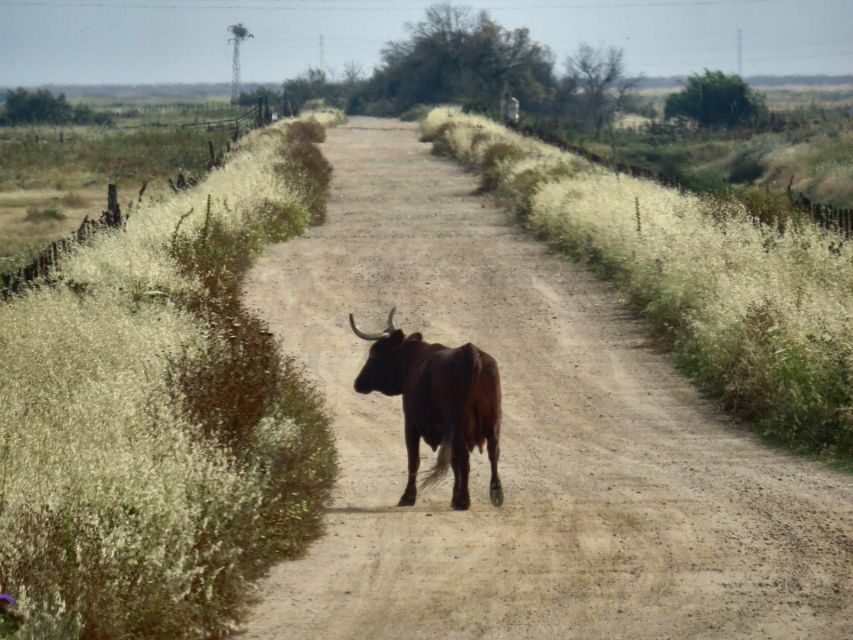
Day two starts with heading to El Acebuche and its visitor center. This is a smart move because it gives you a “base map” before the long push into southern Doñana. You’ll walk into the day with more understanding of what you’re seeing instead of only relying on your eyes.
Then the tour continues through the southern area. Expect a guided mix of viewpoints and habitat observation. Doñana’s south is where you start thinking less in terms of dunes and more in terms of water, marsh, and the space wildlife uses.
This is also the day where the schedule becomes more about coverage and less about “micro-walks.” You’re traveling and then stopping to take in the habitats and wildlife at different points.
The 4-Hour Off-Road Truck to Sanlúcar de Barrameda
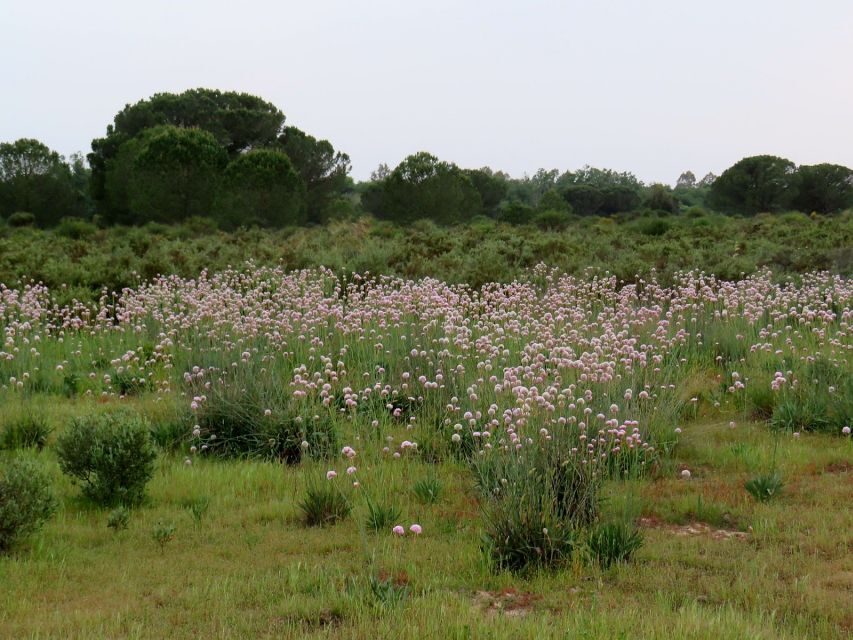
One of the biggest logistical moments is the drive in an off-road truck to the mouth of the Guadalquivir at Sanlúcar de Barrameda. The time listed is four hours, which is substantial. Plan for a ride that’s bumpy enough to remind you you’re in an off-road vehicle, even if you’re comfortable.
This is also the day that pays off if you want variety. You’ll see marsh areas, mobile dunes, and local wildlife along the way. The marsh isn’t just a flat view; it’s part of how the park functions as a living system, especially for birds and other animals that use these wet spaces.
Tip for your comfort: bring a water bottle and use sunscreen early. The tour includes water as a “what to bring” item, and that’s a strong hint the days can be sun-heavy.
Marismeño Lunch: A Food Stop With Local Logic
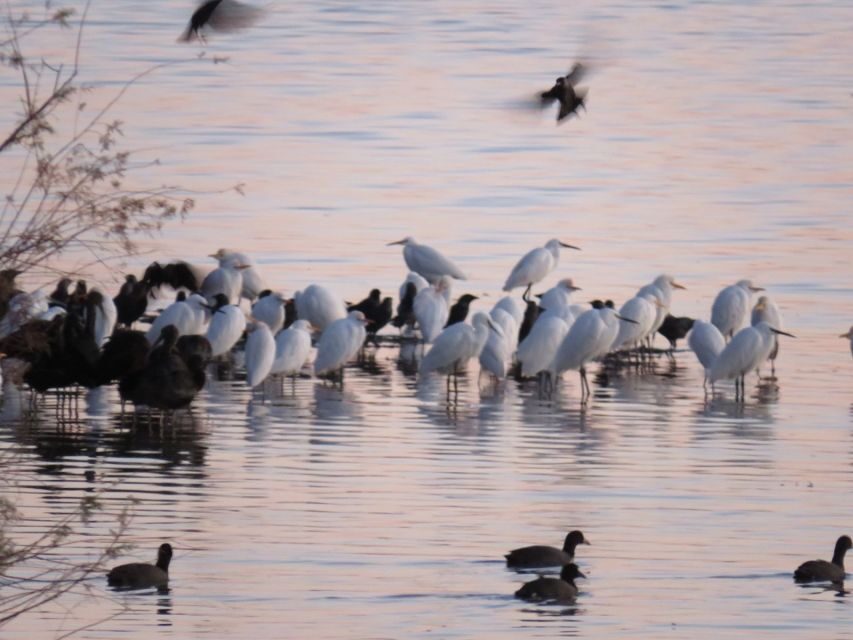
At some point on day two, you’ll enjoy a typical Marismeño lunch. This is one of those experiences that can be more than food. It’s a chance to eat in a way that reflects the traditions tied to marshland living and Andalusian rural life.
But keep one practical mindset: since additional food and drinks aren’t included, treat the lunch as the main provided meal moment rather than an open-ended buffet. If you’re the type who gets hungry often, pack to cover the gap between meal stops.
Final El Rocío Stop and Back to Seville
Late in day two, the tour includes a final stop at El Rocío before returning to Seville. That structure makes sense. You started with El Rocío, you learned the park’s “other side” in southern habitats, and then you finish back near the cultural anchor.
The return drive to Seville closes the loop. It also means you should manage your energy. By the end of day two, you’ll likely be tired from the travel time, walking, and waiting for wildlife moments.
Price and Logistics: Is $234 Good Value?
$234 per person for a two-day Doñana tour from Seville may be either a bargain or a stretch, depending on what you care about.
Here’s why it can feel like good value:
- You get pickup and drop-off in Seville, so you’re not solving transportation yourself.
- You get transport between Seville and Doñana plus in-park off-road vehicles.
- You’re with a professional guide and a small group, which typically improves both safety and interpretation.
- You get rural accommodation included.
Here’s what can reduce the value:
- The lodging is described as accommodation only, so meals and drinks may cost extra beyond the lunch moments mentioned in the plan.
- Extended wildlife watching (including a stork-focused sunset period) can mean lots of waiting. If you want constant action, you may feel the schedule drags.
- In the real world, operations can shift. There have been cases where day order or program flow didn’t match what people expected, including moments when guidance felt insufficient. That doesn’t mean it happens every time, but it’s worth thinking about if you prefer strict predictability.
My advice: if you want guided access and you’re okay with a slower, observation-heavy pace, this price can make sense. If you want a tightly scripted itinerary with minimal downtime, your money might be better spent in a different format.
Small Group, Multiple Languages, Real-World Pacing
The tour runs as a small group. That tends to be a plus for visibility and questions. With multiple languages offered, you’re less likely to feel like you’re stuck on the outside when the guide explains what you’re seeing.
Still, pacing is the biggest make-or-break factor. Doñana doesn’t reward rush travel. Wildlife needs time, light needs time, and the habitats take time to read.
If you’re the type who likes long pauses with a view—camera ready, water sipped, listening for movement—you’ll probably love this style. If you’re the type who gets restless during slow observation blocks, you might find day two especially stretched.
Who This Tour Fits Best
This tour is a strong fit for:
- Bird and wildlife lovers who enjoy patience and scenic viewing
- People who want guided context, especially around La Rocina and the visitor center at El Acebuche
- Travelers who appreciate off-road access and don’t want to manage their own transport
- Anyone who likes the mix of El Rocío culture plus national park nature
It’s less ideal for:
- People who need a strict, nonstop schedule
- Travelers who want guaranteed, quick sightings every hour
- Anyone who hates long waiting periods for animals in place
What to Bring (So Day One and Day Two Stay Comfortable)
The packing list is simple and practical. Bring:
- Passport or ID card (needed for hotel check-in)
- Comfortable shoes (you’ll walk)
- Sunglasses, sun hat, sunscreen
- Water
- Comfortable clothes
- Swimwear (it’s listed, so plan for the possibility of water time)
- Student card (if you’re using one, bring it)
Also consider having a small layer for evenings. Sunset and wooded areas can feel cooler than you expect, even in Andalusia.
Should You Book This Doñana National Park 2-Day Tour?
I’d book it if your goal is to see Doñana in two habitat “blocks” with real transport help: dunes and stream trails on day one, then marsh and Guadalquivir territory on day two. The pairing of El Rocío sanctuary, the dune system with Asperillo, and the sunset stork search creates a memorable mix that’s hard to replicate on your own without time and specialized driving.
I’d hesitate if you’re highly schedule-driven or picky about meal inclusions and the exact structure of each day. Since the accommodation is described as accommodation only and the food-and-drinks policy is limited, you should be ready to pay for extra meals.
If you do book, do one smart thing: confirm your exact lodging name and which meals are truly included for your departure. Then show up ready for a patient, guided nature rhythm, and you’ll get far more out of the time in Doñana.
FAQ
Where does the tour start in Seville?
The meeting point is Calle Rastro, 12a, 41004 Sevilla, Spain.
How long is the Doñana 2-day tour?
It lasts 2 days.
What’s included in the tour price?
Pickup and drop-off, transportation between Seville and Doñana, a small group experience, a professional guide, handy countryside items, and rural accommodation.
Are meals included?
Additional food and drinks are not included. The itinerary includes lunch stops, but you should expect that some meals may require extra payment depending on your departure.
What languages is the guide available in?
The live tour guide speaks Spanish, English, French, and Italian.
Do I need a passport or ID?
Yes. You’ll need your passport or ID card for check-in at the hotel.
Is there a minimum number of participants?
Yes. The tour requires a minimum of 3 participants to operate.
What happens if weather is bad?
If the tour is canceled due to poor weather conditions, you’ll be offered an alternative date or a full refund.