REVIEW · SEVILLE
Morocco Express: Private Tour Tangier from Seville AllInclusive
Book on Viator →Operated by Andalusia Guided Tours · Bookable on Viator
That first ferry day from Seville is the tricky part. After that, this trip turns into a smooth one-day hit of Spain-to-Morocco energy with Tarifa, Tangier, and a scenic return through Andalusian countryside.
What I really like is the private setup with pick-up and drop-off at your accommodation, plus an air-conditioned vehicle handling the long stretches. I also like the way the day builds in real variety: a quick Tarifa stroll, time in the Tangier old center (Kasbah, souk, markets), plus Cape Spartel views and even a chance at a camel ride near the beach.
The main consideration is simple: it’s a long day. You’re moving constantly between Spain and Morocco, and this is weather-dependent, so you’ll want a flexible attitude (and comfy shoes).
In This Review
- Key highlights to know before you go
- Morocco from Seville, without the stress
- Price and what you actually get for it
- The early stretch: Seville to Tarifa
- Tangier: gateway city, protectorate mix, and a focused route
- Kasbah + souk + market time
- Cape Spartel area: where the views do the talking
- Hercules Cave: a myth-to-place moment
- The camel ride opportunity near the beach
- Return to Spain: Costa de la Luz and Andalusian countryside
- Costa de la Luz: Spain’s Atlantic face
- Campiña Sevillana: olive groves and sunflower fields energy
- Lunch and the food reality check
- Guides who make it feel personal: Luis and Karim
- What to bring for a long day across borders
- Weather matters more than you think
- Who this tour suits best
- Should you book Morocco Express from Seville?
- FAQ
- What time does the tour start?
- How long is the Morocco Express tour?
- Is the tour private?
- Do I get pick-up and drop-off?
- What’s included with the ticket price?
- Is alcohol included with lunch?
- Can I take a camel ride during the day?
Key highlights to know before you go
- Private door-to-door pick-up and drop-off from Seville
- Ferry tickets included, so the day runs without you chasing logistics
- Tangier walkthrough focused on Kasbah, souk, and key viewpoints like Cape Spartel
- Plenty of photo territory: Gibraltar Strait coastal views and Hercules Cave area
- Basic Moroccan lunch included, with a chance to adjust if you want something else
- English-speaking coordination, with named guide help from Luis and Karim
Morocco from Seville, without the stress
This is a private, one-group tour that’s built for travelers who want a “wow” day without doing paperwork or juggling transport. You start early, with a 7:30 am start time and pick-up arranged at your accommodation or the nearest accessible spot. From there, the plan is straightforward: get you to Tarifa, cross by ferry, then cover Tangier and the nearby highlights before returning to Seville.
I like tours like this because they reduce the usual friction. Spain to Morocco is easy once you’re on the ferry, but getting the timing right takes effort. Here, ferry tickets are included, and the vehicle and timing are handled for you.
One more practical note: it’s not framed as a slow, wandering day. It’s more like a curated route with breathing room at a couple points. If you love pacing that’s half sightseeing, half deciding what to do next, you’ll probably be happy here.
You can also read our reviews of more private tours in Seville

Price and what you actually get for it
At $755.81 per person, this is not a budget add-on. You’re paying for a private day package: private transportation, air-conditioning, ferry tickets, a guided day in Tangier, and the convenience of pick-up and drop-off.
So what’s the value?
- If you were to piece it together yourself, you’d still pay for private transport and ferry logistics.
- You also get a structured, time-efficient route, so you’re not losing the day to transit decisions.
- Lunch is included as a basic Moroccan meal (and you can choose something different if you prefer).
The trade-off is that the experience is tightly scheduled. You’re not paying for an all-day free-for-all. You’re paying for a “get the highlights and go home happy” format.
The early stretch: Seville to Tarifa
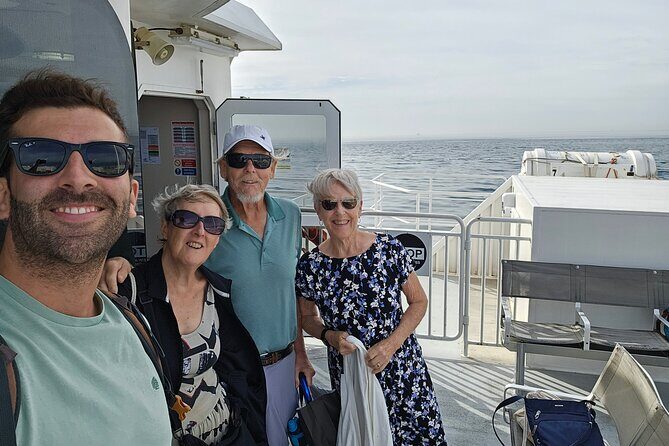
Your day starts with an early departure from Seville. The drive to Tarifa is part of the experience, not just dead time, and you’ll have time to reset before the ferry jump. The plan includes a small free window in Tarifa for about 30 minutes—enough to grab a coffee and walk a bit.
Tarifa matters here. It’s one of Andalusia’s white villages, and it sits at the closest European point to Africa. There’s also a built-in reality check to Tarifa’s location: once you’re there, crossing to Morocco stops being theoretical.
If you’re the type who likes to arrive hungry and caffeinated, this is the right kind of stop. You get just enough time to feel like you’re in motion, not stuck waiting.
Tangier: gateway city, protectorate mix, and a focused route
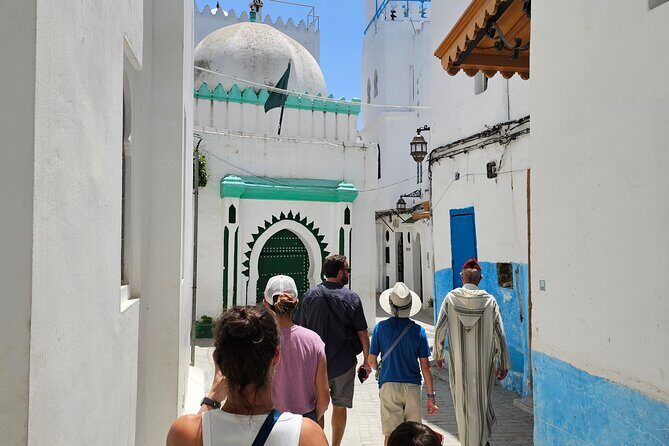
After the ferry, the Tangier portion is built for a first-timer to feel the city’s flavor fast. The duration for this section is about 5 hours, and it’s arranged around three big zones: the Kasbah area, the souk/market, and the coast viewpoints at the edges of the city.
Kasbah + souk + market time
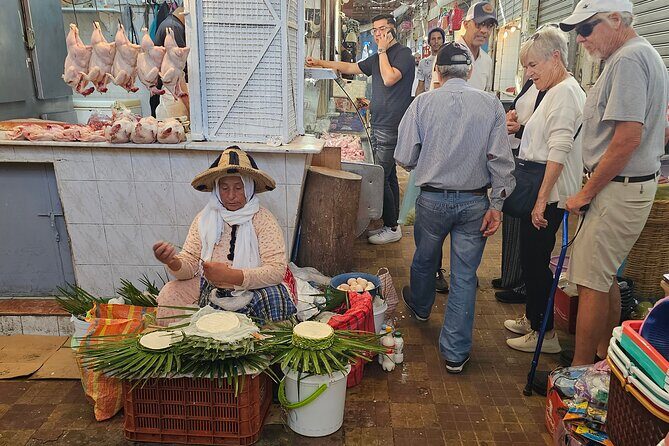
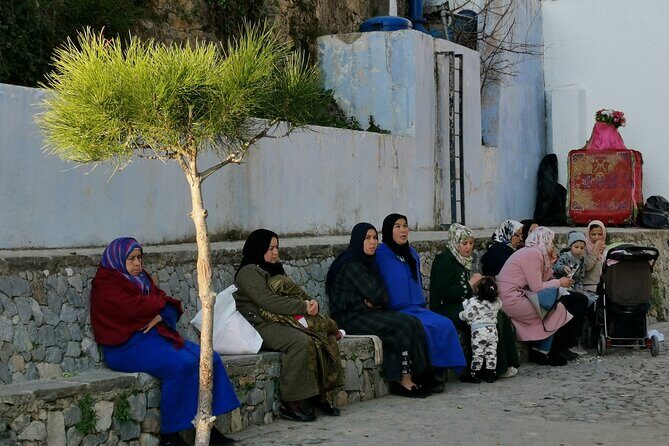
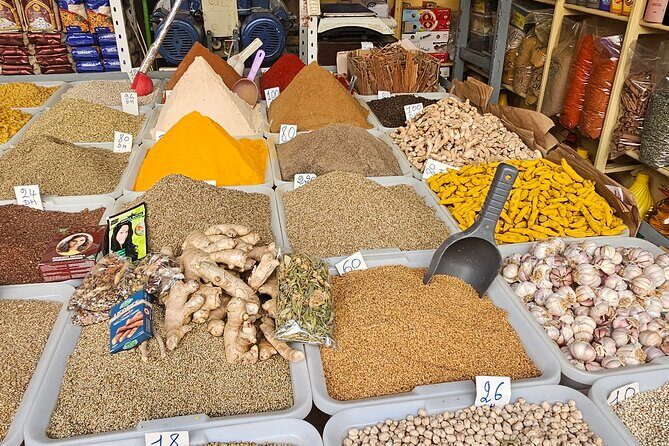
You’ll stroll through the Kasbah, then move toward the souk and market areas where shopping and browsing happen under one roof—smells, colors, and the everyday rhythm of commerce. This is the part of the day where you’ll likely feel Morocco’s culture most strongly, especially because Tangier’s European influence is visible in the architecture and city feel. The result is a mix that can surprise you—in a good way.
Also, this is not just a photo walk. The market area is described as a place where you can shop or simply enjoy what’s on offer. So you can choose your style: quick look, slow look, or a little bit of both.


Cape Spartel area: where the views do the talking
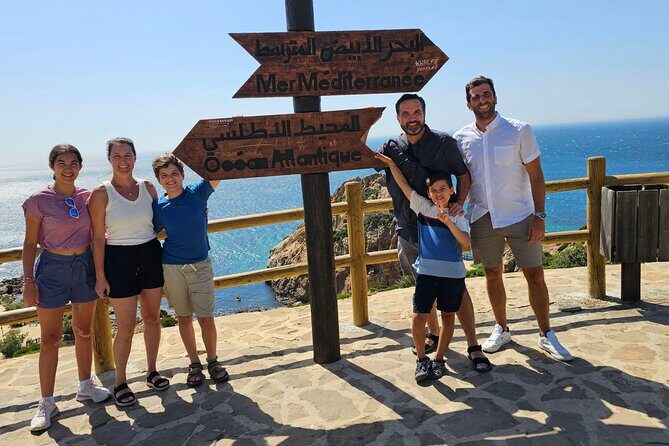
Then the day shifts toward the coastline with Cape Spartel, about an hour of time. Cape Spartel sits near Tangier and is known for dramatic headland views over the Strait of Gibraltar and out toward the Atlantic. You get a headland setting with rugged cliffs and rocky outcrops, plus the lighthouse perched on top.
If you like when a place gives you instant atmosphere, Cape Spartel does that fast. Even with a limited window, the setting gives you breathing room from the city. It’s scenic, and it’s also tied to mythology and older references, which is always a bonus when you can connect a view to a story.
Hercules Cave: a myth-to-place moment
The tour also includes the famous Hercules Cave as part of the Tangier area sightseeing. This is one of those stops that works even if you’re not a hardcore “caves and legends” person. The key is that it ties into the area’s mythic identity, so the visit feels like part history and part “see it in real life.”
Because exact timing inside can vary with the day’s pace, I recommend treating this as a “go with the flow” stop. Wear shoes you trust on uneven ground, and keep your phone ready, since caves and dramatic coast areas tend to reward quick shots.
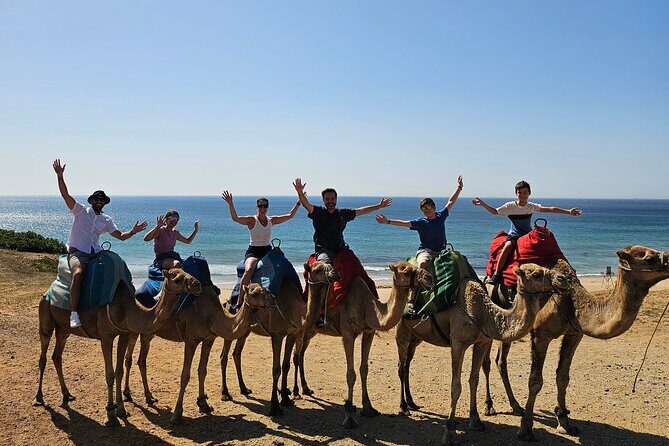
The camel ride opportunity near the beach
There’s an opportunity for a camel ride near the beach during the Tangier coastal section. It’s phrased as a chance, not a guaranteed “always do this” moment, so plan your mood accordingly.
If you’re curious, this is the kind of experience that can feel memorable because it’s tied to the coastal setting rather than just a generic activity. If you’re not keen, you can treat it as optional and keep your attention on the coastline views instead.
Return to Spain: Costa de la Luz and Andalusian countryside

On the way back, you don’t go straight to Seville. You’ll pass through the Costa de la Luz area, then return through the Campiña Sevillana countryside around Seville.
Costa de la Luz: Spain’s Atlantic face
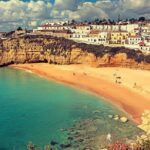
This coastal stretch is known for golden beaches and clear waters, plus charming seaside towns and villages. The tour includes about 2 hours here, which likely means a mix of scenic driving and a chance to take in the coastline rather than a full beach day. The value is that it changes the rhythm from Morocco back to Spain in a way that still feels like a “trip,” not just a commute.
Campiña Sevillana: olive groves and sunflower fields energy
Then you shift inland with about 2 hours through Andalusian rural terrain. The description focuses on villages, olive groves, sunflower fields, vineyards, orchards, and countryside patchwork. It’s a classic Spanish look, with plenty of farmhouses and old ruins scattered through the region.
This part is underrated in day trips like this. You’re coming off a high-intensity day crossing cultures. The countryside return lets your brain unclench, and you’ll probably notice how different the light feels after Morocco.
Lunch and the food reality check
Lunch is included as a basic Moroccan lunch. The important practical detail is also honest: if you want something different, you can. Alcoholic beverages are not included.
So how should you plan your stomach and expectations?
- Eat what’s offered if you want an authentic, low-effort meal that fits the day’s schedule.
- If you’re picky, have patience with the idea of “basic” and consider how much time you’ll have to adjust.
- If you drink alcohol, budget for it separately.
A basic lunch can still be enjoyable here because it’s part of the local flow. The key is not expecting a restaurant-style menu experience within a full-day transit schedule.
Guides who make it feel personal: Luis and Karim
One of the strongest signs that this tour is run carefully is the human layer. In the experience, Luis handles coordination and driving on the Spain side, and Karim is identified as the exceptional guide once you arrive in Morocco.
In practical terms, that matters because language isn’t just about words. It’s about knowing what to point at, how to time stops, and how to keep the day moving without feeling rushed for the sake of rushing.
If you’re the kind of traveler who likes explanations during drives and clear direction at key moments, this is a big plus.
What to bring for a long day across borders
This is an all-in-one day with ferry time, city walking, coastal stops, and a countryside return. You’ll be glad you packed like a day-hiker, not like a museum tourist.
Bring:
- Comfortable walking shoes for the Kasbah/market areas and the cave vicinity
- A light layer for early morning and coastal wind
- Sun protection for Cape Spartel and the Costa de la Luz stretch
- Cash and card for shopping, since the souk/market gives you options
- A charged phone for quick view stops
If you’re planning to do the camel ride opportunity, you may also want to check what’s comfortable for you to wear and carry. Exact requirements aren’t listed here, so I’d treat it as a “confirm on the day” moment.
Weather matters more than you think
This experience requires good weather. That’s not just fine print. Coastal segments, sea crossings, and certain stops feel different when conditions change. If weather causes a cancellation, you’ll be offered another date or a full refund.
So if you’re booking around a variable forecast window, keep a little flexibility in your schedule. It’s not just convenience—it affects whether the day runs as planned.
Who this tour suits best
This is ideal if you:
- Want a private day trip with door-to-door pick-up in Seville
- Like structured routes when crossing borders and covering a lot of ground
- Want a first-time introduction to Tangier’s Kasbah, souk, and key coastal viewpoints
- Prefer English-speaking guidance and clear timing
It’s probably not ideal if you:
- Hate long days with continuous transit
- Want hours of free time with no schedule pressure
- Are expecting a full beach day on the Atlantic or a long, slow museum pace
If that sounds like you, this tour can still work—you just need to enter with the right expectations.
Should you book Morocco Express from Seville?
I’d book it if you want a high-impact Morocco day with Spain-side comfort and minimal logistics headaches. The private transport, ferry tickets, pick-up/drop-off, and the focused Tangier route make it feel like a well-run day plan rather than a “show up and hope” adventure.
I’d hesitate if you’re sensitive to schedule intensity or you need lots of unstructured time. Also, because weather plays a real role, it helps if your travel dates are flexible.
If your goal is simple—see Tangier’s core, get standout coastal views at Cape Spartel, and come back through Andalusia without working out the mechanics—this is a strong match.
FAQ
What time does the tour start?
The start time is 7:30 am.
How long is the Morocco Express tour?
It runs about 11 to 12 hours.
Is the tour private?
Yes. It’s a private tour/activity, and only your group participates.
Do I get pick-up and drop-off?
Yes. Pick-up and drop-off to/from your accommodation are included. You’ll need to confirm pick-up a few days before the tour.
What’s included with the ticket price?
Included are private transportation, an air-conditioned vehicle, lunch (basic Moroccan lunch), ferry tickets, and pick-up/drop-off.
Is alcohol included with lunch?
No. Alcoholic beverages are not included.
Can I take a camel ride during the day?
You’ll have the opportunity to take a camel ride near the beach during the Tangier portion.