REVIEW · SEVILLE
Seville: Fun class to approach Flamenco
Book on Viator →Operated by Danzaora · Bookable on Viator
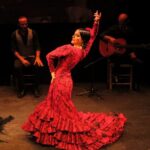
Flamenco clicks fast in an hour. This fun Seville class is built for real beginners, teaching you palmas and tangos timing step by step so the rhythm starts to make sense quickly. You’ll practice with other students, laugh through mistakes, and end with a short routine you can replay later.
What I love most is the way the instructor breaks flamenco into physical skills you can actually copy, not vague “try harder” advice. The other big plus is the structure: you start with claps to the compás, then add arms, then feet for a patá beat in tangos, and it all comes together by the end. One possible drawback: the session is only about an hour, so if you’re hoping for a deep, long-form flamenco lesson, you’ll likely want a follow-up class or a performance afterward.
In This Review
- Key Highlights You’ll Feel Right Away
- Why This One-Hour Flamenco Class Works in Seville
- Finding Plaza Pelícano and Starting Smoothly
- Inside the Studio: Palms and Compás in Plain Language
- Hands, Arms, and the Tango Feel You Can Actually Recreate
- Feet and Patá Por Tangos: Where It Gets Real
- The Call, the Shot, and Finishing as a Group
- Value for $42.05: What You Get for One Hour
- Who This Class Is Best For (and Who Might Want More Time)
- Practical Tips That Will Help You Enjoy It More
- Should You Book This Flamenco Class in Seville?
- FAQ
- How long is the flamenco fun class in Seville?
- What’s the price per person?
- Is the class offered in English?
- Where do we meet for the class?
- What’s included in the price?
- Is free cancellation available?
Key Highlights You’ll Feel Right Away
- Compás first (the clap rhythm): you learn the timing before you dance over it
- A short routine at the end: you finish with something you can show and practice
- Patá por tangos footwork: you get a real taste of flamenco foot accents
- Friendly pacing for novices: beginners often manage the whole sequence
- Warm, energetic teaching styles: instructors like Luna and Elisabeth show up passionate and encouraging
- Small-group vibe: the activity caps at 30, so it doesn’t feel like a factory class
Why This One-Hour Flamenco Class Works in Seville
Seville is flamenco country, but most people arrive with one problem: they can admire it, yet they can’t do it. This class attacks that gap fast. You’re not just watching patterns—you’re building them with your own hands and feet.
The format matters. Starting with palmas to the compás of tangos gives you a stable rhythm you can follow, even if your body feels totally new to it. Then the class adds arms and steps in logical chunks, so your brain doesn’t overload halfway through.
Also, the vibe is deliberately light. The teaching style described here repeatedly centers on empathy and laughter, which is exactly what you want when you’re learning something that looks complicated from the outside.
You can also read our reviews of more tours and experiences in Seville



Finding Plaza Pelícano and Starting Smoothly
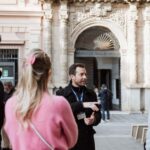
You meet at Plaza Pelícano in Seville’s Casco Antiguo area (Pl. Pelícano, 41003). That’s a convenient kind of location: central enough to reach easily, and close to public transportation.
You’ll get a mobile ticket, so you can keep things simple on your phone. The tour/activity ends back at the meeting point, which means you’re not left wandering after class trying to “figure out where you are.”
Practical note: since the session is about an hour, show up with a little buffer. Seville streets can be charmingly confusing, and you’ll want to settle before the first clap.
Inside the Studio: Palms and Compás in Plain Language
The teaching begins with rhythm, not choreography. You’ll learn to clap along to the compás of tangos, which is the backbone of what makes flamenco feel like flamenco instead of generic dancing.
Once you understand the clap pattern, your movements stop feeling random. That’s the key value here. When you later move your arms and feet, you’re working with a rhythm you already own, not chasing one in real time.
Instructors are described as professional dancers and educators, with an emphasis on clear explanations. In fact, multiple sessions highlight that beginners can learn the “intricacies” quickly—especially those precise hand details and timing that many newcomers don’t realize exist.
If you want a simple way to prepare mentally: don’t wait to feel confident. Treat the first 15 minutes like rhythm practice, not performance practice.
Hands, Arms, and the Tango Feel You Can Actually Recreate
After the claps, the class moves to hands and arms—how to shape the movement so it matches the music. This is where flamenco often surprises people. It’s not just big steps and dramatic faces. There are precise gestures and coordinated arm lines that make the whole style read correctly.
You’ll learn how to move your hands and arms to the tango feel, then link it to the rhythm you already clapped. That pairing—rhythm first, then shape—helps a lot for first-timers.
If you’re worried you don’t have “dancer arms,” you’re not alone. The consistent theme in how this class is taught is pacing and encouragement. You’re guided through the mechanics, so your body learns what your eyes can’t fully decode.
Feet and Patá Por Tangos: Where It Gets Real
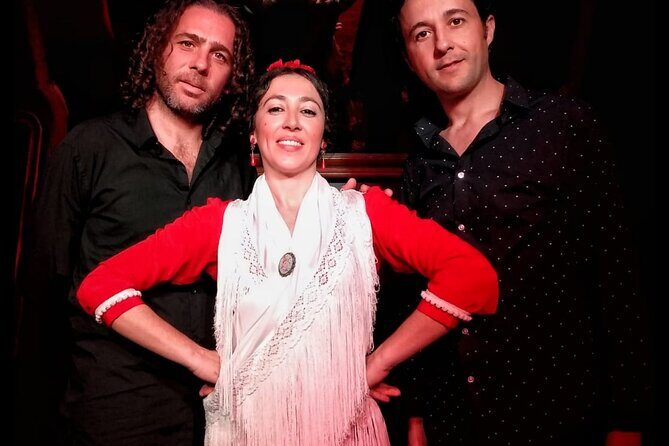
Next comes the part most people underestimate: the feet. You’ll practice moving your feet to the beat of tangos, including different markings that shape the accents.
This is where you start hearing and feeling the patá (the percussive footwork). Even if you’re a total beginner, you’re given a pathway to build the beat step by step, rather than being thrown into a full routine immediately.
One useful tip you can borrow from the way the class is described: listen for the accents. Flamenco footwork is about timing and emphasis. If your feet land evenly but miss the accents, the rhythm won’t “click” the same way.
At the end of the session, the class also connects these foot patterns with what you learned for hands and rhythm, so you don’t practice in isolated pieces.




The Call, the Shot, and Finishing as a Group
A standout part of the described class is learning a call and a shot. If you’re new to flamenco, that kind of structure can sound mysterious. In practice, it helps you understand flamenco as conversation—rhythm cueing movement, and the music responding.
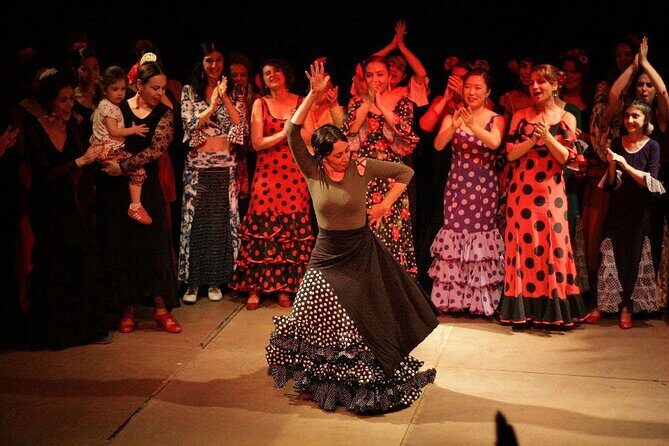
Then the instructor sings a tango lyric, and you dance the whole thing together with your classmates. This is the moment you’ll remember, because it stops being exercises and becomes a mini flamenco experience in real time.
The group element matters. You’re learning in a room full of other beginners, which makes it less intimidating and more motivating. When the class comes together, you’ll realize the choreography is achievable, not reserved for performers.
In some cases, students come away with extra proof of progress, too. One student shared that the instructor videoed their combination so they could show family later. Even if that isn’t guaranteed, it’s a good sign that the teaching is practical and focused on your progress, not just the performance.
Value for $42.05: What You Get for One Hour

At about $42.05 per person for roughly one hour, this isn’t a “cheap” activity. But it’s also not priced like a long evening production.
The value comes from two things:
1) You leave with skills, not just impressions.
2) You get a structured path—compás → arms → feet → short routine—so the hour doesn’t feel like guesswork.
If you’re visiting Seville and planning one flamenco-related night (like a show), this class is a smart add-on. It helps you notice what you’ll see later, especially the timing and the hand/foot details that are easy to miss when you only watch passively.
If you love dance already, you’ll still benefit because flamenco has its own rules. If you’re brand new, you might be surprised by how much coordination you can learn in 60 minutes when the pacing is right.
Who This Class Is Best For (and Who Might Want More Time)
This class is well-suited if you:
- are a true beginner and want flamenco basics you can repeat
- want a hands-on activity in Seville’s Casco Antiguo area
- prefer learning in English with a small-group setting
- like a friendly, encouraging environment where mistakes are part of the process
Most travelers can participate, and service animals are allowed. It’s also described as near public transportation, which is a real plus if you’re juggling museum stops and tapas plans.
Who might want something else: if you’re craving a deep dive into one particular palo, dialect, or technique lineage, one hour may feel short. In that case, treat this as an entry point and plan at least one more flamenco experience during your trip.
Practical Tips That Will Help You Enjoy It More
Here are the details that can make your session smoother:
- Shoes matter. One group noted it’s preferable to have suitable footwear. Flamenco footwork depends on how your sole connects with the floor. You don’t need heavy boots, but you do want something stable.
- Bring a sense of humor. The class emphasizes laughter and empathy, and it genuinely helps. If you go in stiff, you’ll waste energy fighting your body instead of learning.
- Expect to ask questions. There’s a dedicated chance to raise curiosities about flamenco during the session, which is great if you want context for what you’re learning.
Also, since there’s no soda/pop included, plan your hydration around it. Seville afternoons can be warm, and a quick drink before or after can keep you comfortable.
Should You Book This Flamenco Class in Seville?
Book it if you want a real flamenco skill in a short time. This is one of those activities that helps you connect to Seville beyond sightseeing. You’ll practice compás with your own claps, learn arm and foot elements for tangos, and finish with a short routine you can replay.
Skip it only if you’re expecting a long, immersive performance-style experience or you want something more specialized than a beginner-friendly intro. For most people, though, this hits the sweet spot: it’s interactive, structured, and fun—without pretending you’ll master flamenco overnight.
If you’re in Seville and you have space in your schedule for one hour of learning that actually changes how you watch flamenco afterward, this class is a strong choice.
FAQ
How long is the flamenco fun class in Seville?
It’s about 1 hour long.
What’s the price per person?
The price is $42.05 per person.
Is the class offered in English?
Yes, it’s offered in English.
Where do we meet for the class?
The meeting point is Plaza Pelícano (Pl. Pelícano, Casco Antiguo, 41003 Sevilla, Spain). The activity ends back at the same meeting point.
What’s included in the price?
Dance study is included.
Is free cancellation available?
Yes. You can cancel up to 24 hours in advance for a full refund.