REVIEW · SEVILLE
Seville: Spanish Cooking Class with Dinner
Book on GetYourGuide →Operated by Taller Andaluz de Cocina -Cooking School · Bookable on GetYourGuide
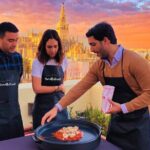
Paella by the stove in Seville sounds perfect. This hands-on class turns the city’s food culture into a real, do-it-yourself evening, starting right in Triana Market. You cook classics, drink while you work, then sit down to eat what you made.
I especially love the hands-on format. Even if you have zero kitchen confidence, you get guided step-by-step cooking tasks, plus the fun social energy of sharing a table afterward. I also like that it is built around dinner: sangria during the lesson and extra drinks with your meal, so the night doesn’t feel like a quick demo followed by nothing.
One consideration: depending on the flow of the group, some people end up more involved in active tasks while others do smaller roles or taste as they go. If you want every minute to be full-on chopping and stirring, ask ahead how participation is handled for your specific session.
In This Review
- Key highlights to know before you go
- Entering Triana Market: your cooking class starts in the real food zone
- The 3-hour timeline: how the courses come together
- Starter choices: salmorejo or gazpacho plus the first taste test
- Tapas prep and sharing: why this class feels social
- Paella Valenciana: the skill-builder main course you’ll actually repeat at home
- Lemon sorbet with Cava: the light finish that keeps the meal from dragging
- Drinks, pace, and the English-language comfort factor
- Price and value: what $82 buys you (and why it feels fair)
- Dietary restrictions: how flexible is the menu?
- Where this class fits in your Seville plan
- Should you book this Seville Spanish cooking class with dinner?
- FAQ
- How long is the Seville Spanish cooking class with dinner?
- Where do I meet for the class?
- Is the cooking class taught in English?
- What will I cook during the class?
- What drinks are included with the experience?
- Are ingredients and an apron included?
- Can they adapt the recipes for dietary restrictions?
- What are the cancellation and payment options?
Key highlights to know before you go
- Triana Market meeting point at stalls 75-77 on Plaza del Altozano, so you start in the right neighborhood
- Chilled starter plus tapas, with choices like salmorejo or gazpacho and classic sides such as spinach with chickpeas
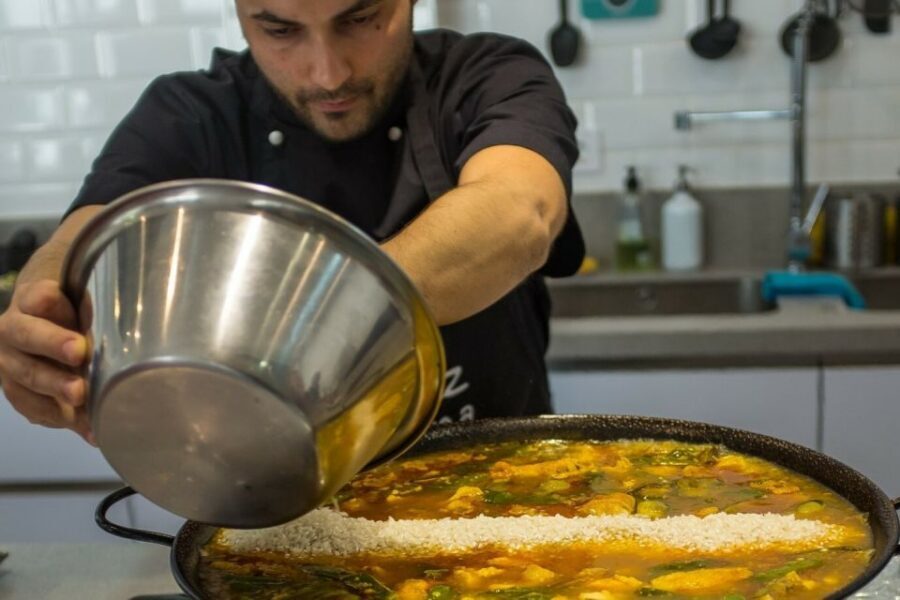
- Valencian paella (chicken and seasonal vegetables) as the main event
- English-language instruction with a chef who keeps things moving and clear
- Sangria and extra drinks included while you cook and then again with dinner
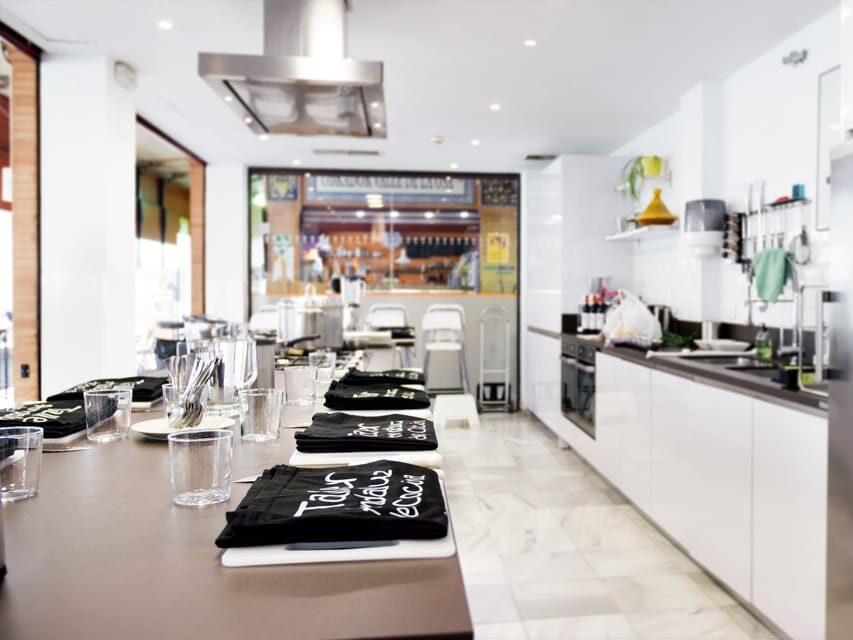
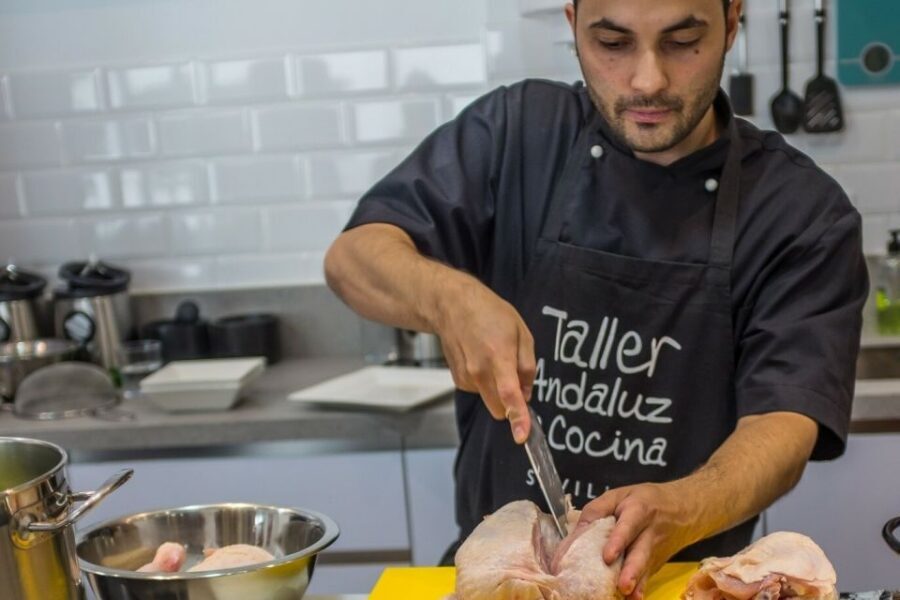
- Multiple course meal you actually eat, plus an apron and all ingredients provided
Entering Triana Market: your cooking class starts in the real food zone
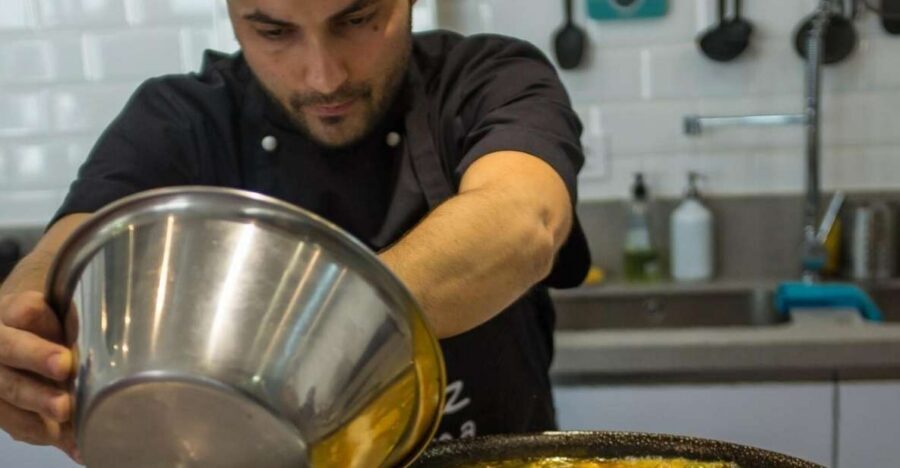
Seville has a lot of great food, but this experience gets you close to it fast. Instead of meeting in a hotel lobby, you gather at Triana Market, right at stalls 75-77 on Plaza del Altozano. It is the kind of location that makes the whole activity feel grounded: food is right there, in front of you, part of daily life.
That matters because you are not only learning recipes. You are learning the rhythm. You watch the chef explain what matters, you handle ingredients in the order that makes sense, and you get a clearer idea of how Spanish cooking fits together—starter to tapas to the main dish to something light to finish.
Also, the format is very beginner-friendly. The class is designed for novices, but it still works if you cook at home because the chef shows you methods and techniques, not just a list of steps. If you have ever tried to copy a recipe later and wondered why it never tastes the same, this type of instruction is what helps.
You can also read our reviews of more cooking classes in Seville

The 3-hour timeline: how the courses come together
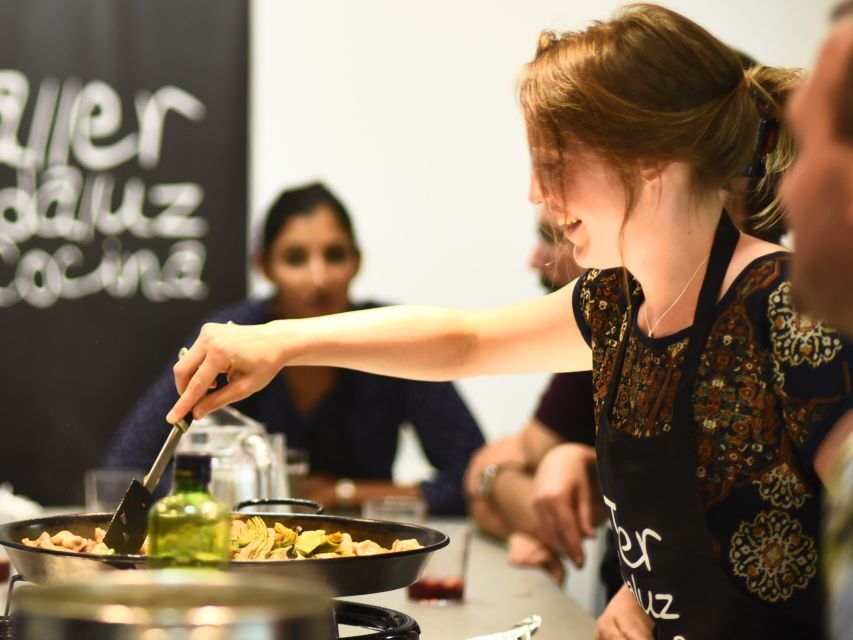
This is a 3-hour class with dinner, paced so you are not stuck waiting around. The structure stays consistent: starter and tapas first, then paella, then a simple dessert.
Here is the flow you can expect:
- As you arrive and get set up, you start with a drink (sangria) while you get ready to cook.
- Starter course: you will make either salmorejo (chilled tomato soup) or gazpacho (also a chilled soup style).
- Tapas: you’ll prepare typical Spanish small plates, such as spinach with chickpeas, and either huevos a la flamenca or a Spanish omelet, depending on the session.
- Main: you’ll make an authentic Valencian paella with chicken and seasonal vegetables.
- Dessert: you finish with lemon sorbet plus Cava.
- Dinner sitting: once everything is made, you eat what you cooked with two additional drinks.
The practical win here is that it is not a one-dish class. You learn how different parts of a meal work together, and you get multiple chances to understand seasoning, timing, and texture—stuff that is hard to learn from a recipe card.
Starter choices: salmorejo or gazpacho plus the first taste test
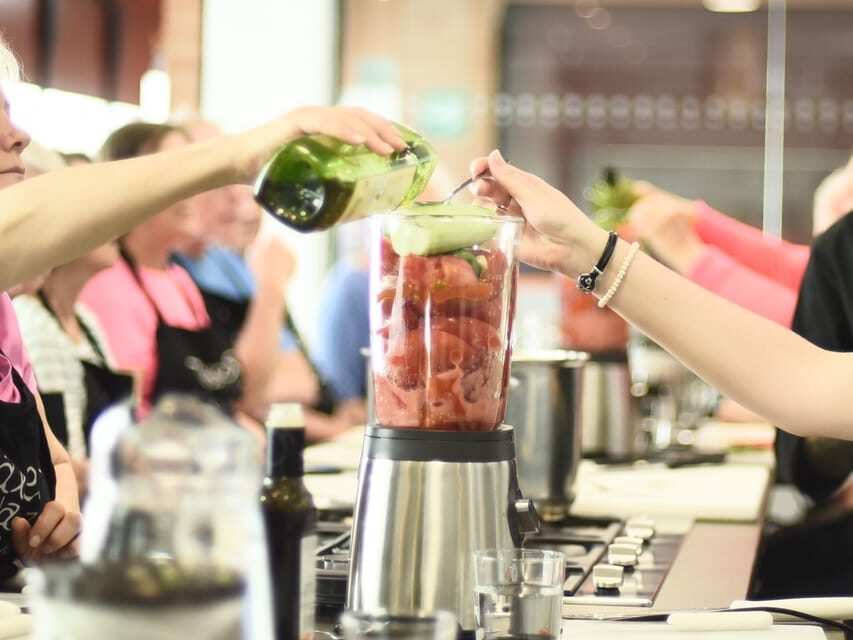
The class kicks off with a chilled tomato soup, either salmorejo or gazpacho. The point isn’t just that it is delicious—though it is. It is that you get experience with a chilled starter that relies on balance and technique: getting the texture smooth and the flavors properly aligned before you ever touch a hot stove.
From there, you move into tapas. This is where the class feels like a real Spanish meal rather than a cooking workshop. You might be working on spinach with chickpeas, which gives you practice with building a filling, savory plate. Other sessions include huevos a la flamenca or a Spanish omelet. That choice matters because both are common Spanish comfort foods, and both teach different ways of handling heat and doneness.
A nice detail: several people note that they taste multiple foods during the class, not only at the end. That makes the learning experience feel faster and more satisfying in real time, especially if you like knowing what you are aiming for while you cook.
Tapas prep and sharing: why this class feels social
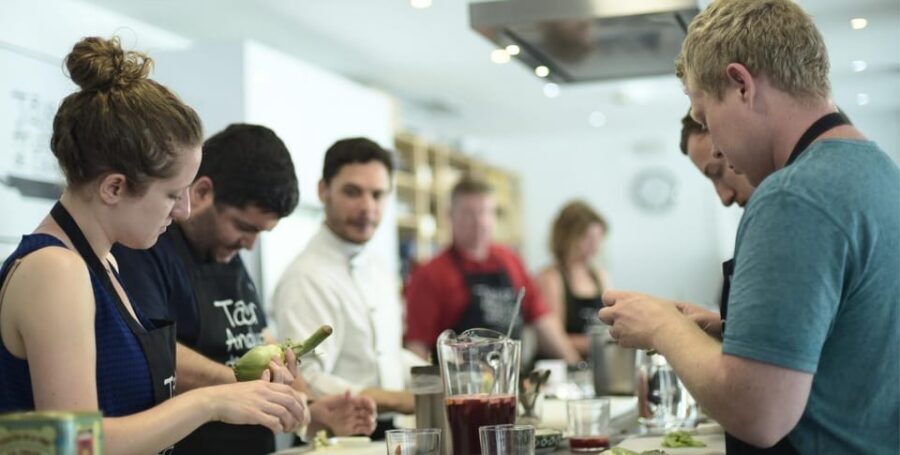
This evening is built for groups, so you end up working side-by-side with people from all over. In the reviews, you see the same theme again and again: it is fun, people laugh, and you quickly get comfortable. That usually comes from two things.
First, the chef keeps it interactive. Multiple instructors are mentioned across different bookings, like Carlo/Carlos, Leo, Pedro, Dom, David, and Domenico. Even with different personalities, the pattern stays the same: the chef is part teacher, part host, and the energy keeps you from feeling like you are stuck in a kitchen classroom.
Second, participation seems structured. Many comments highlight equal participation or hands-on time, and at least one review points out a smaller group size (around 10). At the same time, one review describes it as more collective, where everyone does smaller tasks and sometimes observes. So the best mindset is to expect a mix: you will cook, but you may also taste, watch, and jump in where your station needs you.
Paella Valenciana: the skill-builder main course you’ll actually repeat at home
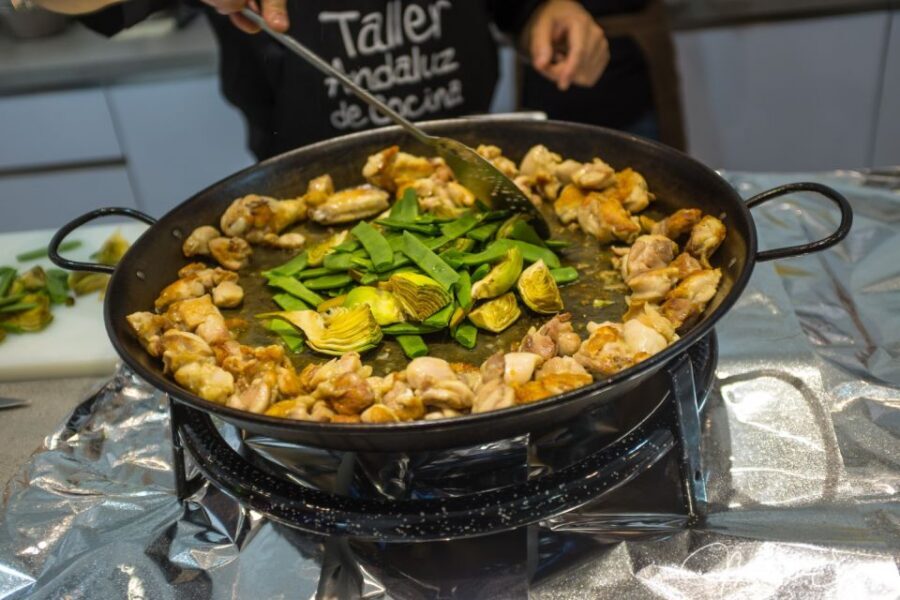
The main event is Valencian paella with chicken and seasonal vegetables. Paella is one of those dishes that sounds simple until you try it. What you learn here is the practical part: how to manage the pan, how to work with the order of ingredients, and how the chef guides timing so things don’t run off the rails.
Even better, people call out the paella as a standout. Many mention it as incredible and authentic, and a few specifically praise the chef’s ability to make paella feel learnable instead of intimidating. That lines up with why this class is worth the money compared to a casual food tour: you get a repeatable skill, not only a meal you eat.
If you care about technique, this is where you get it. A few reviews mention pro-level secrets, like the chef showing methods that only make sense when you do them in the kitchen with guidance. And if you cook at home already, you can still get something out of it—paella is a dish where small differences in approach change the result.
You can also read our reviews of more tours and experiences in Seville



Lemon sorbet with Cava: the light finish that keeps the meal from dragging
Dessert here is light: lemon sorbet with Cava. That matters after paella and tapas because the meal ends clean and refreshing instead of heavy. You also get a final moment to sit down and enjoy without juggling ingredients or timing.
The Cava pairing also keeps the vibe fun. Several reviewers note that the drinks kept things flowing, and the dessert course adds a celebratory feel without turning the evening into a long drinking session.
Drinks, pace, and the English-language comfort factor
You start with sangria while you cook. Then, when you sit down to eat, you get two additional drinks (white or red wine, local beer, or soft drinks). For a dinner experience at this price, that drink structure is part of the value. You are not only paying for food instruction; you’re also paying for the whole evening’s social package.
Also, the class is in English. That is a big deal in Seville, where you can find English around town, but in cooking classes the difference between fluent instruction and partial translation can be the difference between learning something and just following along.
One thing to keep realistic: sangria and drinks can speed up the night. That is not bad, but it does mean you should take a few minutes to stay present and actually watch what the chef is doing. If you want to reproduce this at home, your best notes will be the small technique cues you notice while you still have a clear head.
Price and value: what $82 buys you (and why it feels fair)
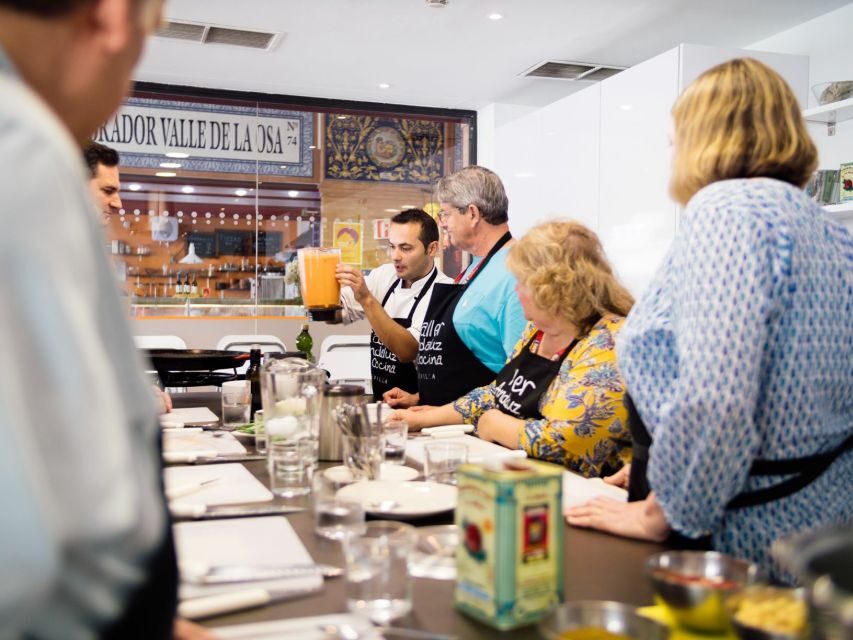
At $82 per person for a 3-hour experience with dinner, this is not a bargain cooking workshop. But it also is not overpriced when you break down what is included.
You get:
- All ingredients
- An apron
- Sangria during the lesson
- The full meal: starter, tapas, paella, and dessert
- Two additional drinks with your meal
That is a lot more than typical “watch a chef cook” experiences. You are using ingredients worth real money, plus you’re getting guided instruction in English. You also leave with the confidence that you can reproduce a multi-course Spanish dinner without guessing.
On the value side, the reviews consistently mention generous food portions and a well-organized setup. One review also notes that recipes are sent by email for recreating at home. If that is important to you, you’ll likely appreciate the follow-up, since it turns the class into a lasting resource rather than a one-night memory.
Dietary restrictions: how flexible is the menu?
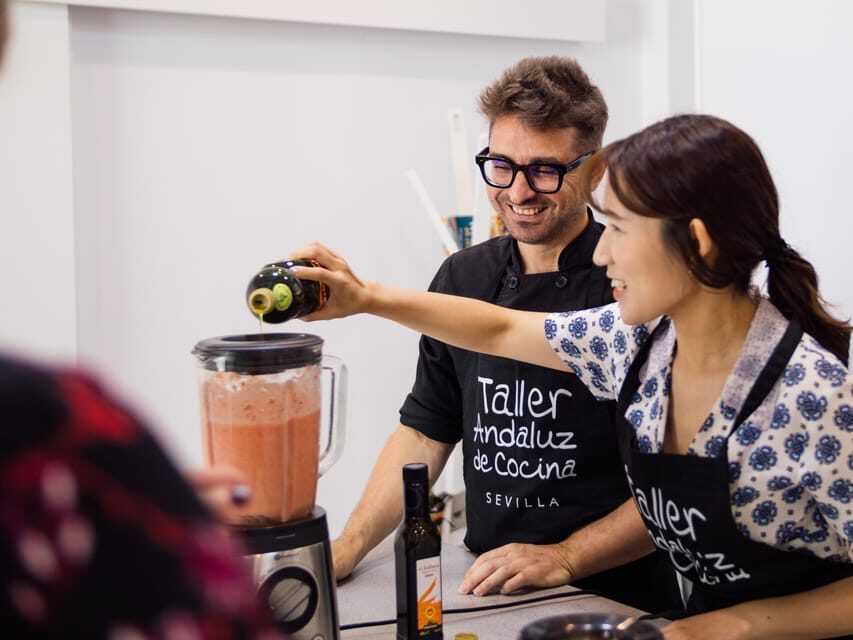
The class says the recipes can be adapted for dietary restrictions, and you should advise in advance if a menu change is required. That is exactly what you want to hear, because Spanish menus often rely on ingredients that can be tricky for some diets.
If you have food constraints, tell them early. The more specific you are about what you cannot eat, the better chance you have that the chef can adapt dishes without changing the overall course flow.
Where this class fits in your Seville plan
This is an ideal activity if you want a break from museum hours but still want something cultural and hands-on. It also works well on evenings when you want dinner covered. You cook, you eat, and you do it in a structured way that doesn’t require you to research ingredients or find kitchen tools.
It is also a strong choice if you are traveling as a couple or in a small group. Many reviews mention that it is fun for pairs, and some even note that teenagers enjoyed it too, which suggests the class can be lively and accessible.
Where it might not be perfect: if you are expecting a totally silent, step-by-step technical course with no social time, this is not that. It is a chef-led evening with group energy, conversation, and humor. Think more dinner-party kitchen than culinary boot camp.
Should you book this Seville Spanish cooking class with dinner?
Book it if you want an efficient, fun way to learn Spanish cooking skills in one night. The combination of a real-market location, a multi-course meal you actually cook, and drinks during and with dinner makes it feel like more than just a class.
Skip it (or choose a different format) if you only want deep, private instruction or you need every moment to be hands-on at your station. The experience is designed for groups, so you may sometimes work smaller roles even while the chef is teaching.
If you are the type who learns best by doing, this one is a great match. You’ll leave with a full Seville-style meal, stronger cooking confidence, and memories that start with your first taste and end when you plate the final spoonful of lemon sorbet.
FAQ
How long is the Seville Spanish cooking class with dinner?
It runs for 3 hours.
Where do I meet for the class?
Meet at stalls 75-77 in Triana Market on Plaza del Altozano.
Is the cooking class taught in English?
Yes, the class is conducted in English.
What will I cook during the class?
You’ll make a chilled starter (either salmorejo or gazpacho), plus tapas such as spinach with chickpeas and either huevos a la flamenca or a Spanish omelet. For the main course, you’ll cook Valencian paella with chicken and seasonal vegetables, and dessert is lemon sorbet with Cava.
What drinks are included with the experience?
You’ll have sangria during the lesson, and then two extra drinks with your meal (white or red wine, local beer, or soft drinks).
Are ingredients and an apron included?
Yes. All ingredients are provided, and you’ll also use an apron.
Can they adapt the recipes for dietary restrictions?
Yes. The recipes can be adapted for dietary restrictions, but you should advise in advance if you need a menu change.
What are the cancellation and payment options?
You can cancel up to 24 hours in advance for a full refund. There is also a reserve now & pay later option, so you can book without paying immediately.
If you tell me your dates and any dietary needs, I can help you decide what part of the menu matters most for you (starter, tapas choice, or paella focus).