REVIEW · SEVILLE
Seville: Enjoy a class of approach to flamenco
Book on GetYourGuide →Operated by DANZAORA Luna E. Vílchez · Bookable on GetYourGuide
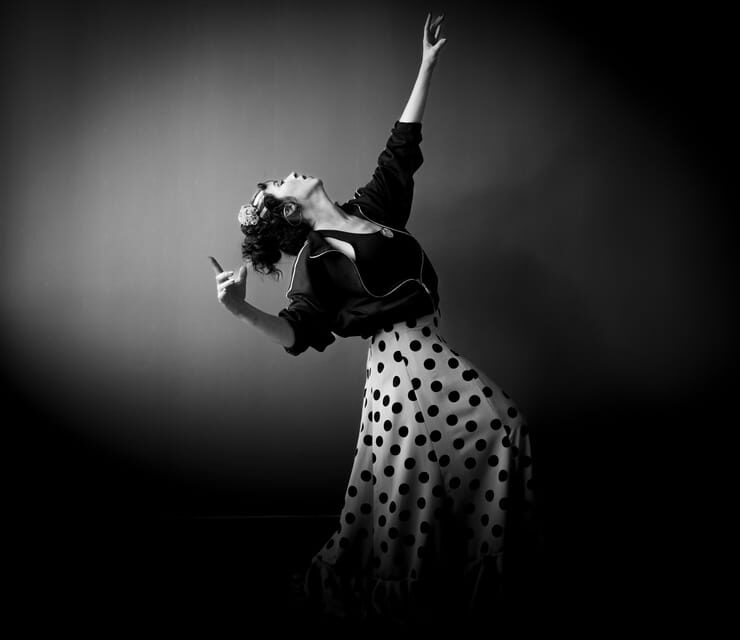
Flamenco you can feel in your body. This 1-hour Seville class is built for hands-on learning, where you actually do the rhythm instead of just watching. You’ll work palmas (hand claps) and patá (percussive footwork) the same way dancers train it—slow enough to follow, real enough to stick.
Two things I especially love: you get guided, practical coaching, and you learn flamenco as a language of movement, not just a set of poses. With the instructor (DANZAORA Luna E. Vílchez), plus bilingual support in Spanish and English, the class also leans into laughter and Q&A so you’re not left guessing.
One possible drawback: this is only 1 hour, so you’ll come away with basics, not stage-ready choreography. If you want to go deep, you’ll need a second class or practice time afterward—still, the foundation here is solid, especially with the right prep like comfortable shoes.
In This Review
- Key Takeaways Before You Go
- How a 1-Hour Flamenco Approach Class Actually Feels in Seville
- Las Palmas and Patá: Your Hand-and-Feet Foundation
- Tango Steps, Foot Marking, and That Call-and-Response Feeling
- Why the Singing Meaning Matters (And What You’ll Learn Beyond Steps)
- Instructor Style: Luna E. Vílchez and the Supportive Teaching Tone
- Where to Meet: Plaza Bar Terrace and the Bicycle Rack
- Price and Value: Is $41 for 1 Hour Reasonable?
- Who This Flamenco Class Is Best For
- Quick Practical Tips So You Don’t Feel Off Balance
- Should You Book This Flamenco Approach Class in Seville?
- FAQ
- How long is the flamenco class?
- What will I learn during the experience?
- What is included in the price?
- Are food and drinks included?
- Where is the meeting point in Seville?
- What languages are offered?
- What should I bring or wear?
- Is the experience wheelchair accessible?
Key Takeaways Before You Go
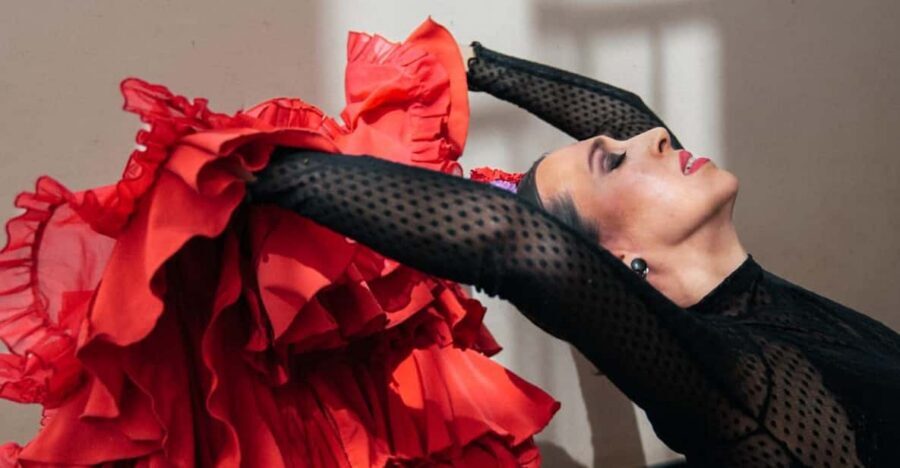
- Hands-on palmas and patá: you’ll clap, mark, and stomp as part of one guided routine
- A practical tangos sequence: arms, feet, and timing tied to the rhythm
- Technique plus meaning: you’ll get the why behind the steps through singing and explanations
- Patient, friendly instruction: Luna is described as supportive and engaging, even for groups
- Bilingual class: Spanish and English instruction make it easier to follow and ask questions
How a 1-Hour Flamenco Approach Class Actually Feels in Seville
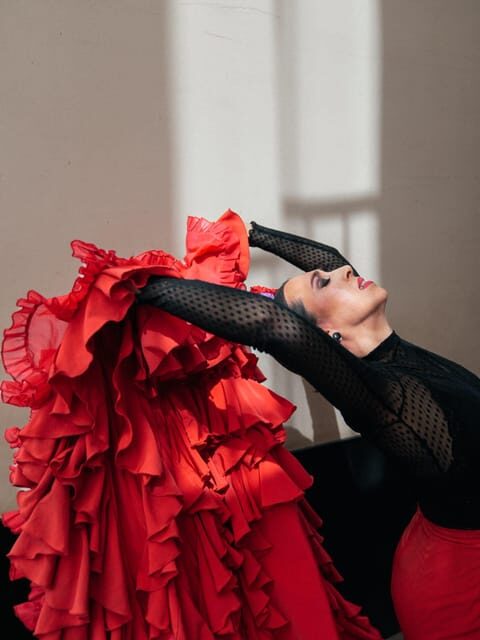
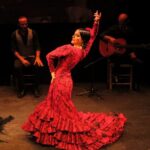
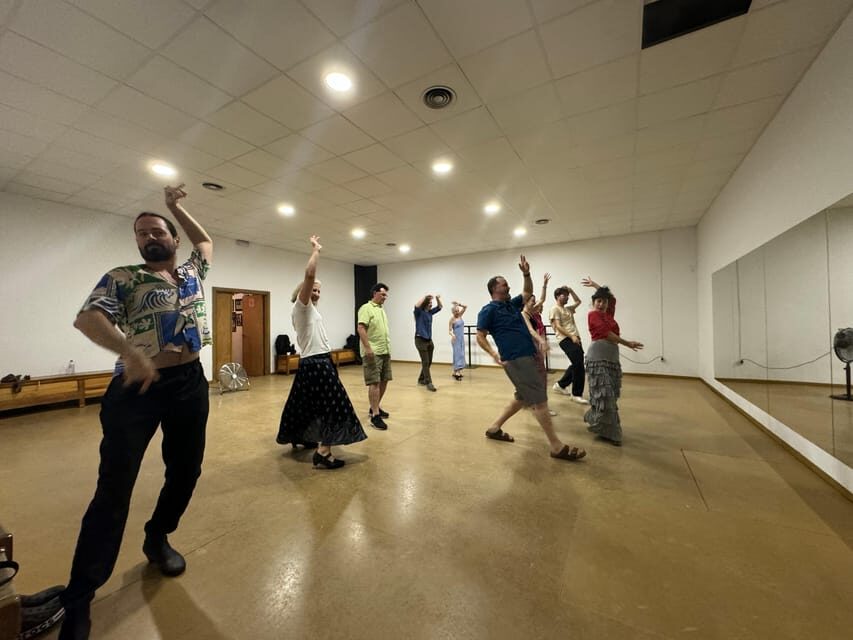
This is a full-body flamenco starter course. The goal is simple: you leave understanding the rhythm with your body—hands, arms, and feet all working together. In many flamenco experiences, you watch and clap along. Here, you’re the one building the pattern.
The class runs 1 hour, which matters. You won’t get “everything flamenco,” but you will get enough repetition to recognize the structure: where the hands land, how the arms frame the motion, and how the feet answer the beat. It’s the kind of timing-based learning that clicks fast, even if you think you have two left feet.
You should also expect an upbeat atmosphere. The experience is described as joy-filled, with empathy and laughter. That’s not fluff. Flamenco counts on intensity and precision, but beginners freeze when it’s too serious. In this class, the tone is playful while the technique still gets taught.
You can also read our reviews of more tours and experiences in Seville


Las Palmas and Patá: Your Hand-and-Feet Foundation
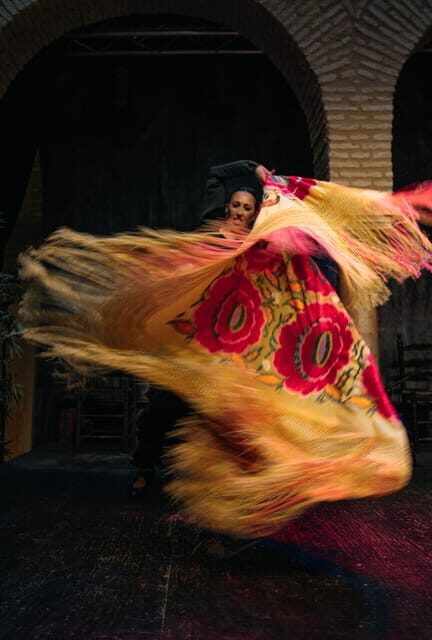
The center of this class is the movement that makes flamenco sound like percussion. You’ll practice touching the palms and building the rhythm that dancers use in “Las Palmas.” Even if you’ve never clapped in time with flamenco before, you’ll be guided step-by-step so you can match the pattern.
Then comes the body part that turns rhythm into impact: patá, the call-and-response feel between hands and feet. You’ll be asked to mark the beat with your feet and learn how those stamps fit into the rhythm you’re producing above your waist with your hands.
What I like about this approach is that it’s not abstract. Instead of memorizing a dance like a puzzle, you’re learning an engine. Once you understand what the hands are doing and how the feet punctuate it, the rest becomes easier to follow. That’s the difference between a performance and training.
For your own comfort, wear clothes that let you move freely. You’ll likely be using your arms more than you expect, and you’ll want your shoes to support stomps and pivots without slipping.
Tango Steps, Foot Marking, and That Call-and-Response Feeling
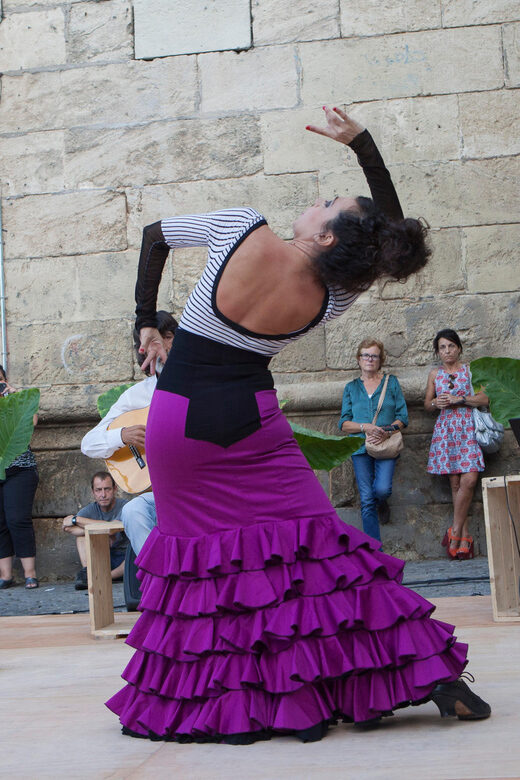
One of the learning highlights is a “letter” for tangos—in other words, a basic sequence tied to the song structure and beat. You’ll practice a movement phrase that fits within the tangos rhythm, not just random claps and steps.
You’ll also work the footwork that flamenco uses to create dramatic accents. The class description includes learning to mark with your feet and to make a call and a shot—basically the rhythmic punch and punctuation dancers use. If you’ve ever wondered how flamenco manages to sound both strict and emotional, this is where you feel it.
Here’s the practical part for you: focus on timing more than power. Beginners often try to make every stomp huge. The better target is clarity—clean beats that line up with the rhythm. As you repeat, you’ll start hearing the pattern and your body will follow it automatically.
This is also a good moment to ask questions. Since the class is designed to answer your flamenco doubts, use that time. If you’re confused about when the hands or feet change, asking directly gets you unstuck fast.
Why the Singing Meaning Matters (And What You’ll Learn Beyond Steps)
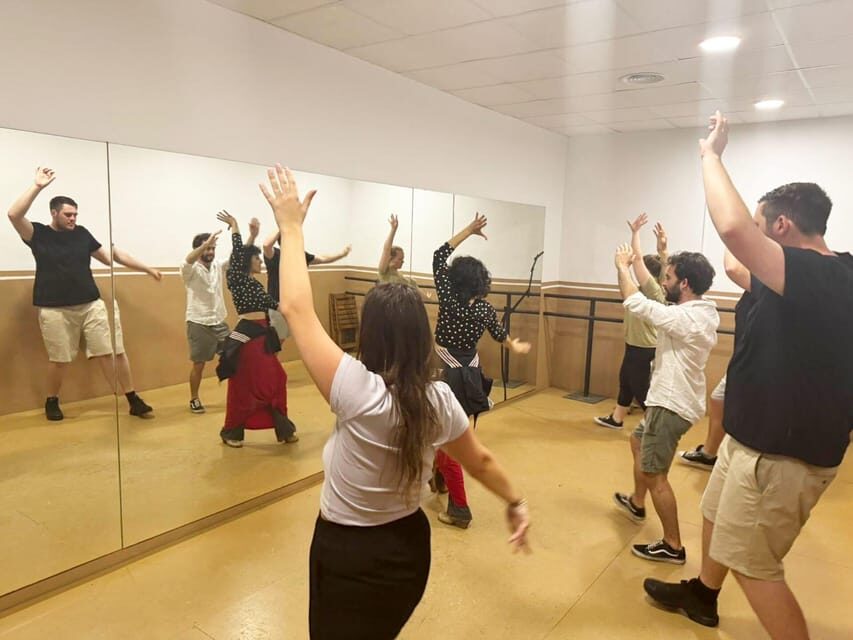
Flamenco isn’t only movement. It’s also structure—rhythm, phrasing, and meaning carried by the singing. In this class, the instructor doesn’t treat the dance like separate exercises. You’ll work on the meaning of those steps through the connection with the singing.
That’s valuable for you because it changes how you remember. You’re not just recalling “left-right-stomp.” You’re learning why that stomp lands there. When you understand the musical intention behind a movement, you can adapt it later, even if you forget a specific count.
You’ll also get some context about flamenco. Past participants have specifically noted that the instructor explains the history and ideas behind the dance. You don’t need to be a flamenco expert to enjoy this. It simply gives your practice more sense, and that’s what helps the basics stick.
One more thing: this class encourages empathy—your movement should feel like communication, not aggression. That’s hard to explain until you do it, and then suddenly the mystery doesn’t feel so mysterious.
Instructor Style: Luna E. Vílchez and the Supportive Teaching Tone
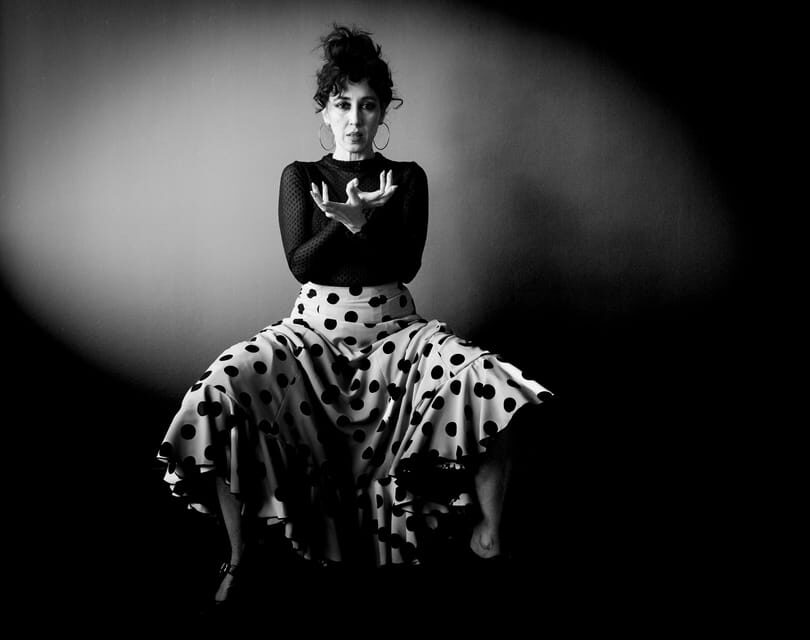
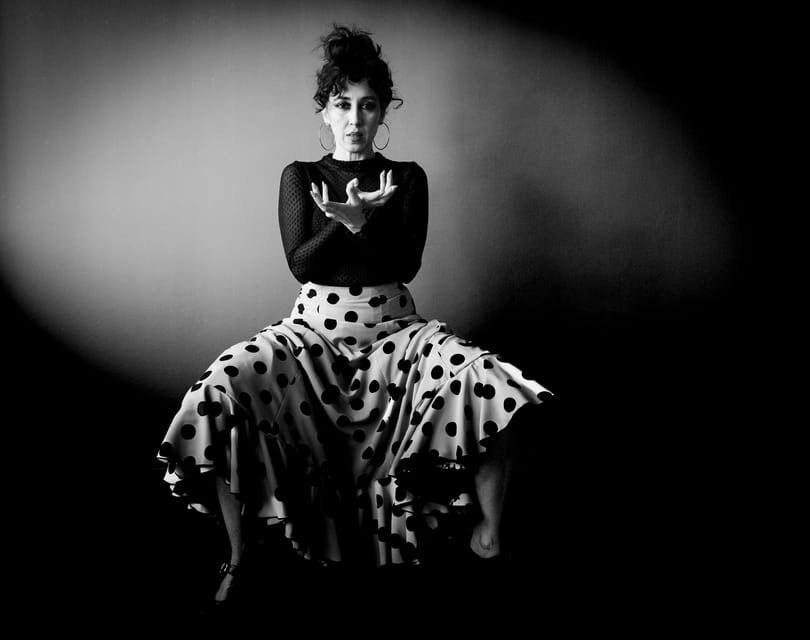
The provider is DANZAORA Luna E. Vílchez, and the teaching style is consistently described as supportive and patient. People highlight how Luna engages with each person to pull out their best effort, and how she adjusts so groups can manage the steps.
What I’d look for in a teacher for this type of lesson is exactly what the class is said to deliver: technique that’s clear, plus a relaxed energy that keeps you moving. Several reviews mention that Luna is an excellent instructor for fundamentals, and that she’s good at keeping the atmosphere lively while still teaching real technique.
There’s also mention of another instructor name in feedback: Elisabeth. Whether you meet Luna specifically or someone else in the same teaching setup, the important point for you is the standard described—big on fundamentals, supportive in the moment, and willing to correct without making you feel self-conscious.


Where to Meet: Plaza Bar Terrace and the Bicycle Rack
Meeting point details are pretty straightforward, which helps when you’re new to the area.
You’ll meet in the plaza near a bar with a terrace. Then, at the back, there’s a bicicletero (bike parking). You’re told the instructor will be waiting around that bike rack, in the shade.
Bring your patience for a quick orientation moment. Plazas can look similar block to block. When you arrive, scan for the terrace bar, then look for the bike parking area. Once you spot that landmark, the rest is easy.
Also, plan to arrive a bit early so you’re not rushing into shoes-on footwork. Even a five-minute buffer helps your body warm up and lowers the stress level.
Price and Value: Is $41 for 1 Hour Reasonable?
At $41 per person for a 1-hour class, the value depends on what you want from Seville.
If you want a performance show where you sit back and watch, this isn’t that. This is active learning, with included dance study plus a lot of joy and good vibes. In that sense, you’re paying for coaching time and for the chance to produce flamenco rhythms yourself.
You’re also getting something many visitors miss: the chance to understand rhythm on a personal level. The class is built around core elements—palmas, patá, arm work, foot accents, and a tangos sequence—so you leave with usable muscle memory. That’s worth more than a passive evening if you care about actually learning a cultural skill.
The only catch for value: this price won’t cover food and drinks. If you were planning to make the class your only activity before dinner, budget for that separately.
Who This Flamenco Class Is Best For
This lesson fits best if you want flamenco you can participate in right away.
You’ll probably enjoy it if:
- You’re curious about flamenco and want to understand the basics through movement
- You like learning with your body, not just reading about culture
- You want a short activity that gives you something memorable without a full evening
- You’d benefit from bilingual instruction, especially if your Spanish is limited
If you’re someone who expects a long, multi-lesson training plan in one session, you might feel like the class is too short. But as a first contact with rhythm and technique, it’s a strong, approachable start.
Quick Practical Tips So You Don’t Feel Off Balance
A few things will help your experience go smoother:
- Wear comfortable shoes with grip. You’ll be stamping and marking.
- Use comfortable clothes. You’ll need arm freedom.
- Don’t aim for speed. Aim for clean timing.
- Be ready to laugh at mistakes. The atmosphere is designed for that.
- If you have flamenco questions, ask during the class. The format is built to solve doubts.
If you’re booking around other Seville plans, you can often keep travel plans flexible since there’s free cancellation up to 24 hours in advance and a reserve-now-pay-later option listed.
Should You Book This Flamenco Approach Class in Seville?
If you want a short, hands-on flamenco experience that teaches the core movements and the meaning behind them, I’d book it. It’s structured for beginners, but it still feels real because you’re training rhythm—palmas, patá, arms, and the tangos sequence—under guidance.
Skip it only if you’re specifically searching for a full, theatrical flamenco show with no participation. Otherwise, this is exactly the kind of cultural activity that turns into a “how do they do that?” story you’ll remember long after you leave Seville.
FAQ
How long is the flamenco class?
The class lasts 1 hour.
What will I learn during the experience?
You’ll learn the basics of flamenco with a focus on Las Palmas (touching the palms), learning patá-style footwork, and practicing a movement sequence for tangos. You’ll also get explanations about the meaning of the steps alongside the singing.
What is included in the price?
The included items are dance study, plus joy, laughs, and good vibes.
Are food and drinks included?
No. Food and drinks are not included.
Where is the meeting point in Seville?
You’ll meet in the plaza near a bar with a terrace. Then look for the bike parking area (bicicletero) at the back, and the instructor will be waiting around the bicycle rack, in the shade.
What languages are offered?
The instructor teaches in Spanish and English.
What should I bring or wear?
Wear comfortable shoes and comfortable clothes.
Is the experience wheelchair accessible?
Yes. The experience is listed as wheelchair accessible.