REVIEW · SEVILLE
Sevilla : Flamenco Lessons
Book on GetYourGuide →Operated by Flamencos por el Mundo · Bookable on GetYourGuide
Flamenco in Seville can sound scary. It shouldn’t. This one-hour class gives you a focused on-ramp to flamenco basics—rhythm, expression, and the first steps—taught by professional instructors in a theater setting right in the center of town. You’ll leave with something you can actually use: claps on the right pulse, dance steps that fit beginners, or guitar moves that make the sound click fast.
The best part is that you can pick your lane. Dance and singing are beginner-friendly, so you’re not stuck “knowing the right way” from day one. The only catch is practical: if you choose guitar, you’re better off coming with at least some basic playing knowledge, since the class focuses on technique like strumming patterns and flamenco chords.
In This Review
- Key Takeaways Before You Go
- Why a 60-Minute Flamenco Lesson in Central Seville Makes Sense
- Choosing Dance vs Cante vs Flamenco Guitar (What You’ll Learn)
- Dance (for beginners)
- Singing (cante) (also for beginners)
- Guitar (best if you already play)
- Inside the Theater: How the Lesson Unfolds
- The Rhythm Stuff: Compás and Palms You’ll Feel Instantly
- If You Choose Dance: Simple Steps That Don’t Fight Your Body
- If You Choose Singing: Cante That Connects Emotion and Timing
- If You Choose Guitar: Rasgueos and Chords Without Getting Lost
- What to Wear and Bring So You Can Focus on Learning
- Group Dynamics: Private Setting, Personal Attention, and Level Matching
- Price and Value: Is $47 for an Hour Reasonable?
- How to Pair This Lesson With Your Seville Day
- Should You Book This Flamenco Lesson in Seville?
- FAQ
- How long is the flamenco lesson?
- Where does the lesson take place?
- Can I choose dance, singing, or guitar?
- Do I need prior experience for dance or singing?
- Is the guitar class suitable for complete beginners?
- Are English and Spanish available during the lesson?
- What should I wear?
- Is there anything I should bring?
- Are children allowed?
- What’s included in the price?
Key Takeaways Before You Go
- Pick your discipline (dance, cante, or guitar) so the whole hour matches your interests.
- You’ll work on rhythm (compás) and palmas—the flamenco engine room—even if you’ve never tried it.
- Professional teaching makes it level-friendly, including guidance that helps beginners follow along.
- Guitar classes lean on technique, like rasgueos and chord work, so some prior knowledge helps.
- Central Seville location means less commuting and more time enjoying the city before or after.
- Comfortable shoes matter, especially if you choose dance.
Why a 60-Minute Flamenco Lesson in Central Seville Makes Sense
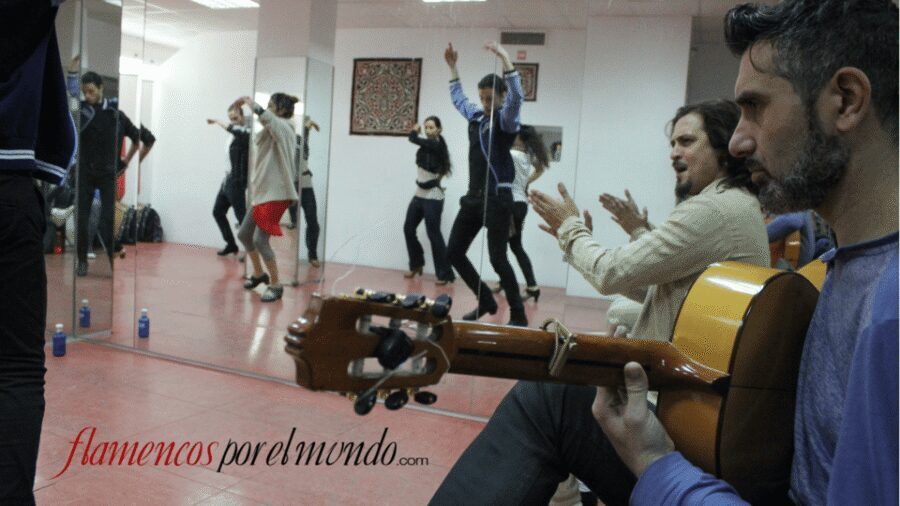
Flamenco can feel big and untouchable when you watch it from the seats. A lesson changes that. Instead of chasing the perfect performance, you learn the building blocks that drive the art: rhythm, timing, and expression. In one hour, that focus is exactly what you want.
The location also matters. You’re in central Seville, where flamenco isn’t a tourist costume—it’s part of the city’s daily cultural pulse. That makes the whole experience feel grounded. You step into a theater setting built for this kind of work, not a random studio room that’s trying to copy the vibe.
And because it’s only 60 minutes, you don’t need to rearrange your day. It fits nicely between sightseeing blocks, late-afternoon plans, or an evening focused on food and neighborhoods.
You can also read our reviews of more tours and experiences in Seville



Choosing Dance vs Cante vs Flamenco Guitar (What You’ll Learn)
This class lets you choose what you want to work on. That choice is more than a menu option—it shapes how the hour feels and what success looks like at the end.
Dance (for beginners)
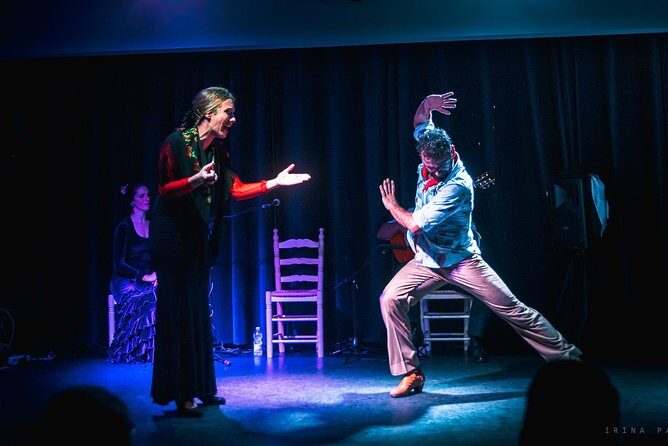
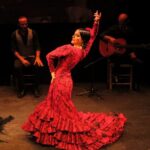
If you choose flamenco dance, the focus is on technique and first steps. You’ll practice timing through rhythm patterns and clapping (palmas). Then you’ll work on simple dance steps that connect to the beat. Even if you’ve never danced with intent to flamenco style, you get a starting point you can follow.
Why this is valuable: flamenco dance is all about precise accents—where the movement hits the rhythm. Learning the rhythm first makes your feet less guesswork.
Singing (cante) (also for beginners)
If you pick singing, you’re learning flamenco expression through vocal technique and style. The class aims to help you understand how cante works emotionally and rhythmically, not just how to sing a melody.
Why this is valuable: flamenco singing is less about volume and more about control and feeling. You’re guided to shape the sound and rhythm within the traditions.
Guitar (best if you already play)
If you choose flamenco guitar, the lesson is technique-forward. Expect methods like rasgueos (the strumming style) and flamenco chords. You can sometimes use a guitar provided by the class, but the lesson is recommended for people with basic musical knowledge so you can keep up with the technique.
Why this is valuable: guitarists often learn faster when they’re already fluent with the idea of chords, timing, and picking/strumming mechanics. If you come in fresh, you’ll still enjoy it, but the technique can move quicker than a true beginner setting would.
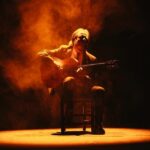




Inside the Theater: How the Lesson Unfolds
Even though it’s one hour, the lesson is built to feel complete. You get structure rather than random tips scattered through time.
Here’s the typical flow you can expect:
- You choose your discipline (dance, singing, or guitar) before you start.
- A professional instructor leads the session, tailoring the pace and guidance to the group.
- You work on the core elements right away: rhythm and how it connects to your chosen discipline.
- You practice with guidance—so you’re not just watching.
- You finish with enough repetition that the basics start to feel familiar.
This matters because flamenco isn’t one trick. It’s a chain: rhythm supports movement, movement supports expression, and expression brings it to life.
You might also meet instructors whose names show up in past bookings. One class reference mentioned Analīe as the instructor for a well-explained session. Another mentioned Penelope giving choreography that worked for a learner quickly. That’s a good sign: the teaching style aims to keep you moving forward rather than stuck at the beginner wall.
The Rhythm Stuff: Compás and Palms You’ll Feel Instantly
Flamenco has a heartbeat. That heartbeat is compás. If you only remember one concept from this class, make it compás.
Compás is the patterned rhythm that everything aligns to. It’s not “background percussion.” It tells you when accents land, how phrases breathe, and how dancers and singers lock into the same pulse.
Then there are palmas, the clapping patterns. Palms can look simple, but the timing is precise. In class, you’ll practice clapping as part of learning the rhythm correctly. This is great for beginners because it gives you a physical way to understand timing fast.
If you’re doing dance, palmas help your feet find the accents. If you’re doing singing, palmas help your voice connect to the rhythm structure. If you’re doing guitar, claps can help you “hear” what the rhythm is doing even before you fully master the chord technique.
In short: rhythm work isn’t separate from the art. It’s the art’s skeleton.
If You Choose Dance: Simple Steps That Don’t Fight Your Body
Flamenco dance looks sharp in performance. In a beginner lesson, you need the opposite: steps that feel doable while still respecting the style.
In this class, dance instruction is designed around basics and first steps. You’ll practice technique and build a small foundation you can use to keep time and move with confidence. Comfortable shoes help, but so does the way the instructor breaks it down—step, accent, repeat.
A real plus here: the teaching approach seems tuned to the learner’s level. One dancer’s experience specifically highlighted that the teacher ensured the steps matched their level so they could dance after only a couple lessons. That’s exactly what you want: guidance that doesn’t treat beginners as “spectators with feet.”
Practical note: flamenco dance often benefits from shoes that let you control your heel strikes. The class guidance suggests comfortable shoes, and if possible, shoes with a small heel for dance.
If You Choose Singing: Cante That Connects Emotion and Timing
Flamenco singing, or cante, is where many people get nervous. Will you be able to “sound right”? Will it feel awkward?
The good news: the class is designed for beginners. The goal isn’t to make you a performer in one hour. The goal is to help you understand the style: rhythm, vocal expression, and how the voice shapes emotion in flamenco.
You’ll be learning vocal expression, which is the core of cante. That can mean working on how long phrases last, where the emphasis lands, and how the sound holds the rhythm. It’s less about sounding like a recording and more about learning the rules of how flamenco wants your voice to behave.
If you like music, performance, or storytelling through sound, this option is likely to feel rewarding quickly.
If You Choose Guitar: Rasgueos and Chords Without Getting Lost
Flamenco guitar has a reputation for being technical. This lesson leans right into that, focusing on flamenco techniques such as rasgueos and flamenco chords.
Rasgueos are strumming patterns that create the distinctive flamenco guitar texture. Chords are the harmonic foundation that makes the sound unmistakable. If you already know basic guitar mechanics—how chords change cleanly, how to keep time, how strumming works—this class can be a fast, confidence-building session.
If you’re a total beginner on guitar, you may still enjoy learning the vibe. But the guidance is clear: guitar is recommended only if you know how to play or have basic musical knowledge, so you can follow technique and get the most out of the experience.
You’ll also have the option to bring your own guitar, or use one provided. That’s a nice convenience for travelers who don’t want to lug gear across cities.
What to Wear and Bring So You Can Focus on Learning
For a flamenco lesson, you want movement freedom. And you want to avoid doing the “I’m adjusting my clothes every five minutes” thing.
What to bring:
- Comfortable clothes
- Comfortable shoes (for dance, a small heel if possible)
- A bottle of water and a good mindset
That’s it. No special outfit required. This is a skills class, not a costume party.
One more smart move: plan to arrive ready to move. If you’ve been walking all day in uncomfortable shoes, you’ll feel it immediately once rhythm work and steps start.
Group Dynamics: Private Setting, Personal Attention, and Level Matching
This is listed as a private group experience. That usually means you’re not packed in like sardines in a classroom. You can often get more direct attention from the instructor, and the pace tends to feel less overwhelming.
That matters because flamenco depends on precision. If you can’t hear the instructor clearly or see what they’re doing, you’ll spend the hour guessing. A smaller setting makes it easier to correct timing and technique early.
Also, language support is included: the class runs in English and Spanish. That helps you focus on what’s taught instead of mentally translating everything.
If you’re traveling with a friend who has different interests—say one wants dance and the other wants singing—this format can still work smoothly because you choose your discipline for your own hour of learning.
Price and Value: Is $47 for an Hour Reasonable?
At $47 per person for a 60-minute lesson, you’re paying for three things: professional instruction, learning materials/guidance, and a flamenco-focused theater environment in Seville.
Is it a bargain? In the flamenco world, you’re not paying for a full evening show. You’re paying for coaching and hands-on practice. For many travelers, that’s the sweet spot: you get cultural value without a huge time commitment, and you leave with skills, not just photos.
What makes the price feel fair is what’s included:
- the full hour of instruction
- professional instructor guidance
- materials and guidance for beginners
- options for dance, singing, or guitar
- instruction in English and Spanish
The main “value check” is your choice:
- If you choose dance or singing, beginner-friendly guidance means you’ll likely feel progress quickly.
- If you choose guitar, you’ll get the most value if you already play or have basic musical knowledge, so you can follow technique without the session turning into a slow struggle.
If you want a short, meaningful flamenco experience in the heart of Seville, this price is in the right zone.
How to Pair This Lesson With Your Seville Day
One hour of flamenco training pairs well with how Seville itself flows: neighborhoods, plazas, and late evening culture.
Here are two practical ways to fit it in:
- Do it earlier in the day, then use the rest of your time to wander and look for flamenco in everyday life.
- Or do it closer to an evening outing, so when you see the city’s musical energy again, you understand what you’re hearing.
Also, after your lesson, you’ll likely notice something different in performances: the rhythm isn’t random. The palmas and compás structure your whole impression. That’s the kind of “aha” that makes culture stick.
Should You Book This Flamenco Lesson in Seville?
Book it if you want flamenco that’s active, not just observational. Dance and singing are beginner-friendly, and you’ll get rhythm training plus first steps that make the art feel reachable.
Skip or think twice if you’re choosing guitar and you’re completely new to playing. The class is recommended for people with basic musical knowledge, and the focus is technique like rasgueos and flamenco chords.
One more good reason to book: it’s short. You’ll fit it into a trip without draining your schedule, and you’ll still walk away feeling like you took part in Seville’s culture, not just passed through it.
FAQ
How long is the flamenco lesson?
The class lasts 60 minutes.
Where does the lesson take place?
It’s in a theater located in the heart of Seville.
Can I choose dance, singing, or guitar?
Yes. You can select one discipline for the one-hour class: flamenco dance, singing (cante), or flamenco guitar.
Do I need prior experience for dance or singing?
No prior experience is needed for the dance or singing classes. They are suitable for beginners.
Is the guitar class suitable for complete beginners?
The guitar class is recommended only if you already know how to play or have basic musical knowledge, so you can follow the technique.
Are English and Spanish available during the lesson?
Yes. The instruction is available in English and Spanish.
What should I wear?
Wear comfortable clothes and comfortable shoes. If you’re doing dance, shoes with a small heel are suggested.
Is there anything I should bring?
Bring comfortable shoes and comfortable clothing. The class guidance also suggests having water and enthusiasm. For guitar, you can bring your own instrument or use one provided.
Are children allowed?
It’s not suitable for children under 6 years.
What’s included in the price?
You get the 60-minute lesson with a professional instructor, plus materials and guidance. Tips for beginners or experts are also part of the experience.