REVIEW · SEVILLE
Donana National Park: Guided Day Tour from Seville
Book on Viator →Operated by Naturanda Turismo Ambiental · Bookable on Viator
One day can change your whole trip. Doñana National Park is the star here, a UNESCO World Heritage wetland system reached by vehicle, with stops that mix nature and Andalusian culture. I like the small group feel (max 15), and I really appreciate the driver-guide who helps you read the birds and habitats fast. One thing to weigh: wildlife sightings can be hit-or-miss depending on season and weather, especially if flooding limits access.
The best part is the structure: you’re not stuck in Seville all day, and you get a full slice of habitats. On clear days, this tour can turn into a serious birdwatching outing, and guides like José, Miguel, Ramón, and Diego are known for spotting and identifying birds on the move. The main drawback is comfort and communication in transit—some people have found the vehicle bumpy or the rear seats harder to hear from—so pick your seat wisely when you can.
In This Review
- Key things to know before you go
- Why Doñana from Seville feels like a real nature day
- Price and time: is $95.34 worth it for 10 hours?
- Getting there: pickup, seat choice, and the road reality
- Stop 1: Naturanda Turismo meeting point sets the tone
- El Rocío and the sanctuary: culture meets the wetlands
- Matalascanas: beach time that refreshes the whole day
- The main event: Doñana National Park viewing near El Rocío
- Wildlife odds: birds are the sure bet, lynx is the bonus
- How to get the most from the guide (and your photos)
- What’s included, what you pay for, and what to pack
- Weather and flooding: why the itinerary can shift
- Who this Doñana day trip suits best
- Should you book it? My honest take
- FAQ
- How long is the Doñana guided day tour from Seville?
- Does the tour include pickup from Seville?
- What language is the tour in?
- How big is the group?
- What stops are included during the day?
- Are tickets included?
- Is food included?
- What should I do if weather affects the tour?
- When can I cancel for a full refund?
Key things to know before you go
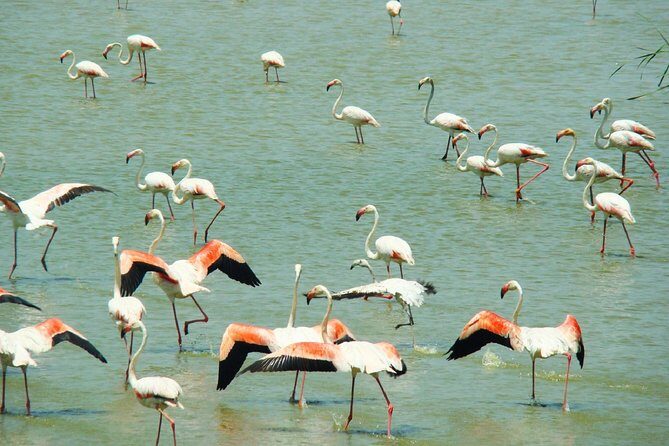
- Doñana is the point, and your time is built around wetlands, dunes, and park viewing near El Rocío.
- Expert guides make the difference: names that come up often include José, Miguel, Ramón, Sergio, and Diego.
- Wildlife timing is real: birds and animal activity shift with water levels, and access can change after storms.
- Comfort varies in transit: some rides are smooth; others can feel rough, and air-conditioning isn’t guaranteed.
- It’s not a food tour: bring snack money, since food and drinks aren’t included.
Why Doñana from Seville feels like a real nature day
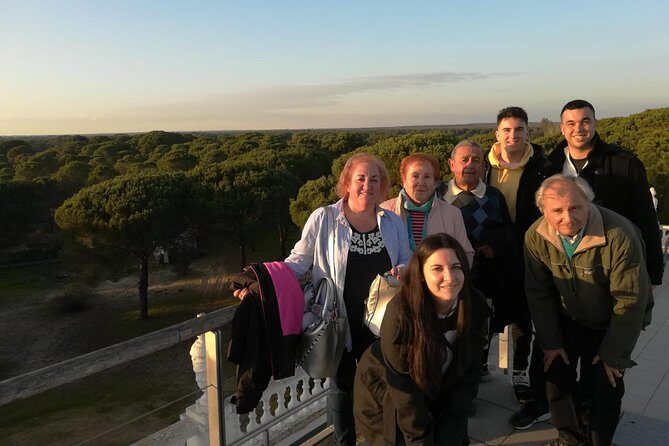
Doñana is one of Spain’s great wildlife stages, and the trip from Seville is long enough that it feels like an actual escape. You’re leaving a city rhythm for a park day where you’re meant to slow down and look—at birds in flight, birds standing in shallow water, and the smaller signs that tell you what the habitat is doing.
I like that the day isn’t just one long drive. You get a balance of cultural stop time and several nature-focused blocks, including a park visit that lasts a few hours rather than a quick photo stop. That mix also helps if you’re traveling with people who are only “maybe” into birding.
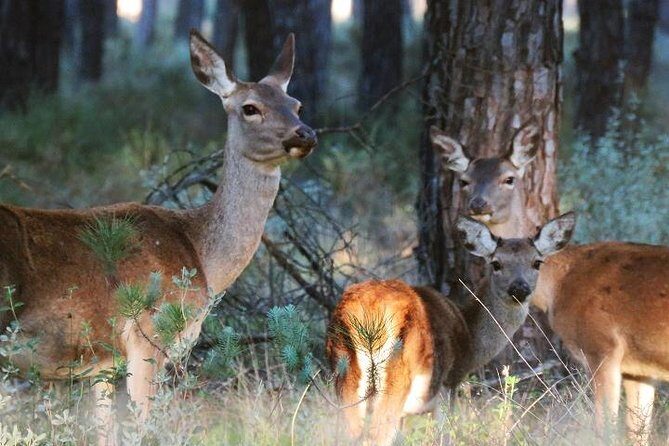
The big practical question is what you hope to see. This tour can deliver flamingos, spoonbills, eagles, and lots of other species, and some guides work hard to find rarer animals like Iberian lynx when conditions allow. But nature doesn’t follow a timetable, so if your dream is one specific animal, go in with a flexible mindset.
You can also read our reviews of more guided tours in Seville
Price and time: is $95.34 worth it for 10 hours?
At about $95.34 per person for roughly 10 hours, the value comes from what’s bundled into that day: round-trip transport from Seville, a professional driver-guide, and planned viewing time across multiple parts of the region. For a long day outside the city, you’re paying for logistics as much as you’re paying for the itinerary.
A key plus for value: this isn’t just “you sit on a bus and hope.” Many of the guides praised for this tour are described as active spotters—people point out that they can identify birds and share photos right after the tour. When birding and spotting are part of the package, it changes how you experience the same landscapes you’d otherwise pass by.
One caution on value: food isn’t included. You’ll likely want to budget for lunch or extra snacks, depending on what stops look like that day. If you already have a plan for what you’ll eat and when, the price feels fair. If you expect everything to be covered, it won’t.
Getting there: pickup, seat choice, and the road reality
You can get pickup and this is a shared transfer with a small-group size (maximum 15). The route uses a vehicle with the idea of getting close to viewing areas and moving you between habitats without wasting the whole day on logistics.
Here’s the honest comfort picture. Some riders report great organization and timing, while others mention bumpy roads and a lack of air-conditioning. There are also reports that sound didn’t carry well from the back rows, with advice to sit up front or in the middle if you want to hear the guide clearly.
That advice is worth taking. If you care about understanding the bird names and habitat explanations, your seat position matters. A guide might be great, but if you can’t hear, you lose half the value of paying for a guided day.
Stop 1: Naturanda Turismo meeting point sets the tone
You start at Naturanda Turismo, the tourist office area in Seville. This is a short staging moment—just enough time to confirm the group and get moving.
What you should know as a traveler: being early helps you settle your day. Since the tour runs long, that first 15 minutes is your chance to get organized—water, sunscreen, layers, and anything you’ll need for the next several hours. It’s also where you’ll get a clearer sense of timing before the culture-and-nature flow begins.
El Rocío and the sanctuary: culture meets the wetlands
The stop at Santuario de Nuestra Señora del Rocío is more than a church visit. It ties into the Romería del Rocío atmosphere, and the area has a strong identity that makes a nature day feel grounded in local life.
You’ll have about an hour here. That hour is usually enough to take in the sanctuary area and see the day’s energy—especially since El Rocío can feel like a world of its own compared with Seville.
One balanced consideration: El Rocío can feel crowded and dusty, especially during peak activity. If you’re hoping for quiet, save your quiet time for the park segments and beach break. If you want the full Andalusian mix—people, tradition, and the same region that feeds the wildlife—this stop adds real color.




Matalascanas: beach time that refreshes the whole day
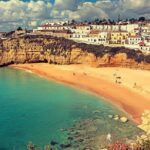
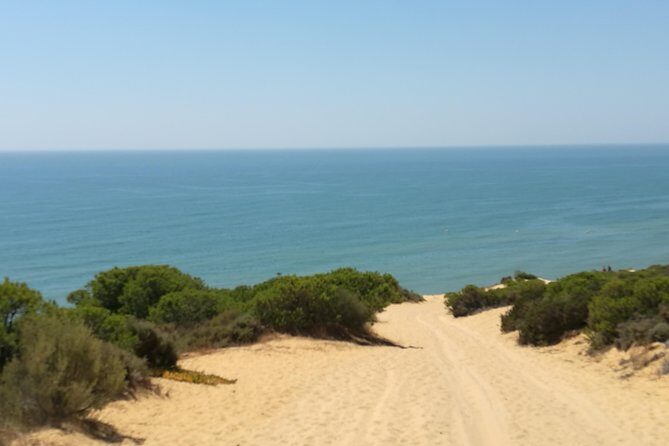
Next comes Matalascanas, a short break by the sea for about 45 minutes. This is where you switch gears. After sanctuary time and travel, the beach stop gives you breathing room and easier walking on sand and near the shoreline.
This part of the day tends to land well because it’s low pressure. You’re not expected to do technical birding here; you’re expected to enjoy a coastal pause and reset your eyes for wetlands later.
I also like how this stop helps you manage energy. Doñana viewing can involve waiting for birds to show, looking for movement in tall grasses, and concentrating on small details. A beach reset makes the later park hours feel less like a marathon.
The main event: Doñana National Park viewing near El Rocío
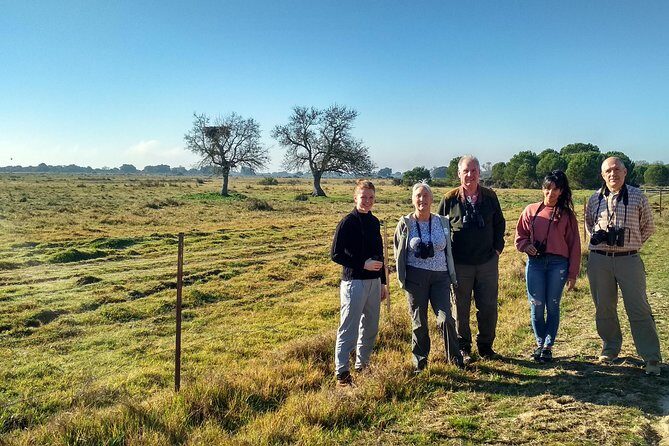
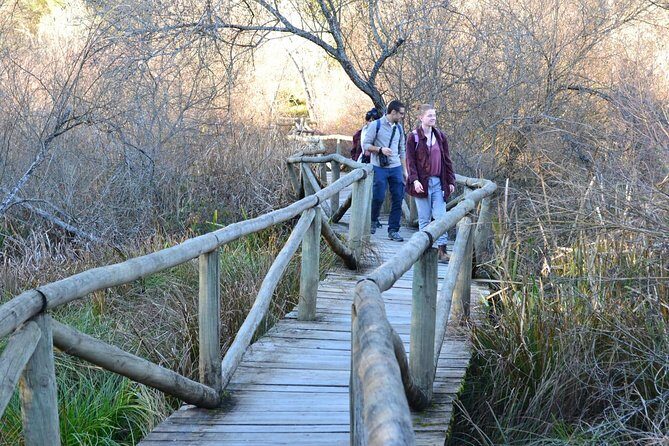
The most important chunk is the park visit, around three hours tied to the El Rocío area. This is the block that many people describe as the highlight—marsh, woods, dunes, and wetland viewing from vehicle routes and/or walking segments depending on conditions.
This is also where the guide’s talent really matters. When guides are known for bird spotting—like José, Miguel, and Ramón—they’re helping you translate what you’re seeing into names and behavior. That changes your day from I saw something to I understand what I’m seeing and why it’s there.
There is one reality check you should take seriously: access can be limited after flooding or heavy rain. Some reports mention road closures and uncomfortable driving conditions when weather has recently changed. In those cases, you might lose access to certain areas, and your wildlife list can shrink. It’s not just about luck; it’s about which routes are safe and passable that day.
So how do you make the best of it? Go in expecting birds and wetland life, not promising a specific animal. If you’re lucky with conditions, you might get rare sightings. If you’re not, you can still have a strong birdwatching experience in the habitats that remain open.
Wildlife odds: birds are the sure bet, lynx is the bonus
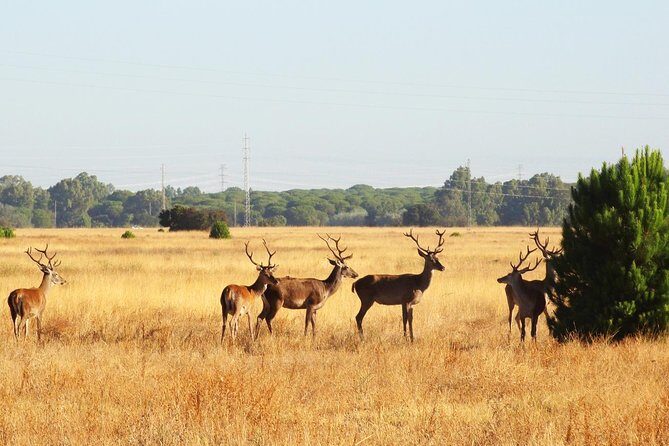
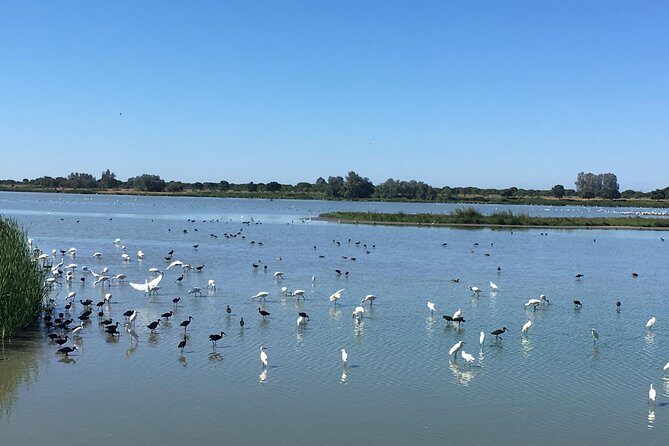
If you’re coming for wildlife, here’s the pattern from what this tour tends to deliver. Birding is consistently part of the story—flamingos, spoonbills, storks, and other species show up in many accounts. People also mention raptors like eagles and a wide range of land animals.
The seasonal water level matters a lot. When wetlands are wet and lush, birds and other wildlife activity can look very different than in drier late-season conditions. You can think of it like this: water controls what food is available, what roosting looks like, and where animals feel safe to be out in the open.
For Iberian lynx: some guides are reported to focus hard on spotting them early in the tour. But it’s still not a guarantee. Lynx are rare and tricky to observe, and conditions control whether the viewing opportunities line up.
If your group includes both bird lovers and people who just want something wild, this tour works because it often has variety. Even when mammals are scarce, birdwatching can fill the time. And when the day runs well, you can get enough different viewing moments to keep interest high.
How to get the most from the guide (and your photos)
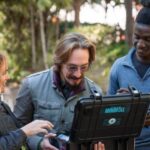
Guides are a big part of the value here. Multiple names come up with consistent praise: José for bird identification, Miguel for adapting to weather and still finding wildlife, Ramón for being a naturalist and spotting from the vehicle, and Diego and Sergio for making the day feel welcoming and informative.
A practical tip that helps: ask questions when you’re stopped, not while you’re bouncing on uneven roads. Guides tend to share more detail at viewing stops, and if you’re engaged, you’ll get better explanations about why a species is there.
Also, photo handling can be a quiet perk. Some guides are described as sharing photos right the same day, which is useful if you’re photographing from a moving vehicle and your results weren’t great.
If you’re traveling with kids or non-birders, this matters even more. A good guide turns random movement into a story you can follow.
What’s included, what you pay for, and what to pack
Included in the tour are a driver/professional guide and round-trip shared transfer. Ticket items tied to stops are listed as free or included, but food and drinks are not included, so plan for lunch or snacks.
What you should pack depends on the season, but for this type of day trip you’ll want:
- A light rain layer or umbrella for sudden weather changes
- Sun protection for the beach and open wetlands
- Comfortable shoes for any walking around dunes or sanctuary areas
- Binoculars if you have them (some tours offer binoculars, but condition can vary, so your own is safer)
You’ll also want to keep in mind the day can run long. Even if the scenery is great, fatigue sneaks in. Bring a small snack if you’re sensitive to hunger gaps between stops.
Weather and flooding: why the itinerary can shift
This tour depends on conditions. The day requires good weather, and there can be changes due to poor weather or minimum traveler counts. More importantly, the park experience can be affected by flooding and road closures.
You’ll see two patterns in real accounts:
- On difficult weather days, the guide may work hard to find safe alternative viewing and still make the trip worthwhile.
- On days when roads inside certain areas are unsafe, you may miss some of the deeper-access parts of the park.
My advice: treat this as a nature-first outing where flexibility is part of the deal. If you’re the type who plans every minute and gets stressed by last-minute changes, you may find this frustrating. If you like nature enough to enjoy what’s available, even when conditions shift, it can still be a great day.
Who this Doñana day trip suits best
This is a strong fit if you want:
- A break from Seville that still feels organized
- A guided day that helps you spot and name birds
- A mix of culture (El Rocío) and wildlife viewing (Doñana wetlands)
- A small group where the guide can manage attention for about 15 people
It’s also a good option for mixed groups. People who enjoy history or local culture get the El Rocío stop, and people focused on nature get multiple habitats and a dedicated park block.
If you hate long days, bumpy vehicle rides, or uncertainty around wildlife, then look closely at your tolerance for weather-related changes. The tour can be outstanding, but it’s not a theme park where you get the same show every time.
Should you book it? My honest take
I’d book this tour if you’re coming to Seville and want one high-quality nature day with real guided bird-spotting potential. The combination of Doñana National Park time plus the El Rocío and Matalascanas stops makes the day feel like more than a drive-by outing.
I’d hesitate if you’re traveling with people who need perfect comfort, or if hearing the guide clearly is essential and you can’t choose a good seat. Also, if you’re chasing one specific animal on a single, non-flexible day, keep expectations flexible because water levels and access matter.
If you can handle a full day and you’re open to what nature offers that season, this is the kind of trip that turns your Spain photos from scenic to meaningful.
FAQ
How long is the Doñana guided day tour from Seville?
It runs about 10 hours (approximately), covering multiple stops outside Seville.
Does the tour include pickup from Seville?
Yes. Pickup is offered, and the tour includes round-trip shared transfer.
What language is the tour in?
The tour is offered in English.
How big is the group?
The maximum group size is 15 travelers.
What stops are included during the day?
The tour includes Naturanda Turismo (Seville), Santuario de Nuestra Señora del Rocío (El Rocío), Matalascanas (Donana Beach), and a Doñana National Park visit near El Rocío, before returning to Seville.
Are tickets included?
Ticket information is listed as free or included for the scheduled stops, and the tour uses a mobile ticket.
Is food included?
No. Food and drinks are not included.
What should I do if weather affects the tour?
The experience requires good weather. If it’s canceled due to poor weather, you’ll be offered a different date or a full refund.
When can I cancel for a full refund?
You can cancel up to 24 hours in advance for a full refund.