REVIEW · SEVILLE
Private trip to Carmona from Seville: 5000 years of history
Book on Viator →Operated by Vandalia Tours · Bookable on Viator
Carmona turns history into a walking story. I love how this private guide keeps the pace easy, with explanations that feel like a conversation instead of a lecture. You also get a clear 5,000-year storyline as you move through Roman, Carthaginian, Muslim, and Christian layers in one day.
One thing to plan around: the Roman Necropolis is closed on Mondays. If you travel on a Monday, you may miss the stop that includes a big terrace view over the Roman amphitheatre.
In This Review
- Key highlights you’ll feel in your day
- Carmona in a few hours: why this 5,000-year route works
- Seville pickup and the easy ride to Carmona
- Roman Necropolis and the amphitheatre terrace moment
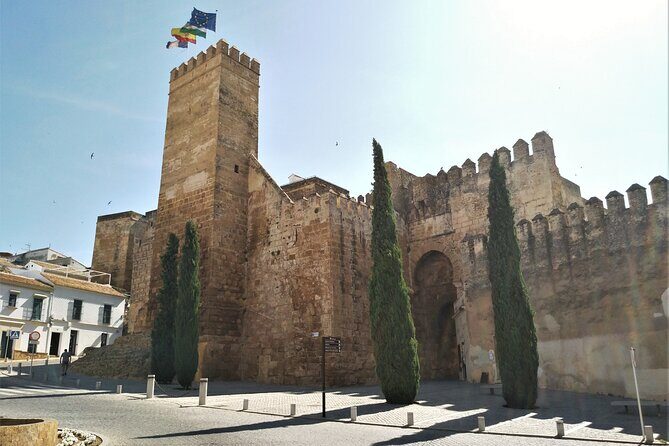
- Alcázar de la Puerta de Sevilla: a military monument with layers
- Santa María de la Asunción: Seville cathedral vibes in miniature
- Lunch in Plaza San Fernando: take your time in the historic center
- Alcázar de Arriba: the highest-altitude viewpoint and the Parador
- Price and value: what you’re really paying for
- Best fit: who will enjoy this most
- What to expect from the guide (and why it matters here)
- Quick practical tips before you go
- Should you book this Carmona private trip?
- FAQ
- How long is the Carmona private trip from Seville?
- What time does the tour start?
- Is pickup from my accommodation included?
- What’s included in the price?
- Is the tour private?
- What language is the tour guide?
- Which sights include admission tickets?
- Is lunch included?
- Is the Roman Necropolis open every day?
- What happens if the weather is poor?
Key highlights you’ll feel in your day
- Enrique-style guiding: friendly, chatty, and well-paced, with facts you can actually use while you walk
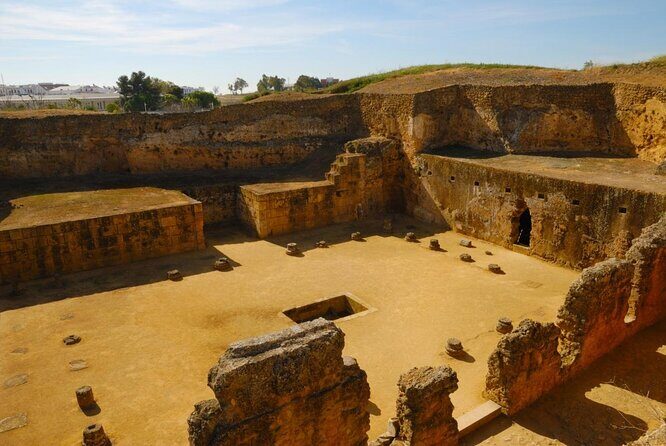
- Roman Necropolis + amphitheatre sightline from the terrace, one of Carmona’s easiest “wow” moments
- Alcázar de la Puerta de Sevilla: a military monument with traces linked to multiple eras (Carthaginians to Muslims to Christians)
- Santa María de la Asunción: a priory church described as a mini copy of Seville’s cathedral, plus a backup visit if it’s closed
- San Fernando Plaza lunch time inside the historic center, with lots of options nearby
- Alcázar de Arriba viewpoints: top-altitude views from the hill where a Parador now sits
Carmona in a few hours: why this 5,000-year route works
Carmona is one of those towns where the past doesn’t sit behind glass. It’s part of the streetscape, the walls, the churches, and the viewpoints. This trip is built so you get that “how did all this stack up?” feeling without rushing.
What makes the route feel efficient is the way each stop answers a question. Roman Necropolis gives you the city’s ancient footprint. The two Alcázars explain defense and power—who controlled the city, and how they built to hold ground. Then the priory church and the plaza give you the spiritual and everyday civic center, finishing with the hilltop perspective.
I also like that you’re not trapped in one giant museum room. You move outside often, and the views help you remember what you just learned.
You can also read our reviews of more private tours in Seville


Seville pickup and the easy ride to Carmona
You start with pickup from your accommodation when possible, otherwise from a near, accessible meeting point. The tour runs from a morning window (8:30 AM to 10:00 AM), so you’re beating the midday crowds and heat.
Transportation is private and air-conditioned. That matters here because you’re doing several site stops spread through the old town, and you want your legs for walking, not for waiting around.
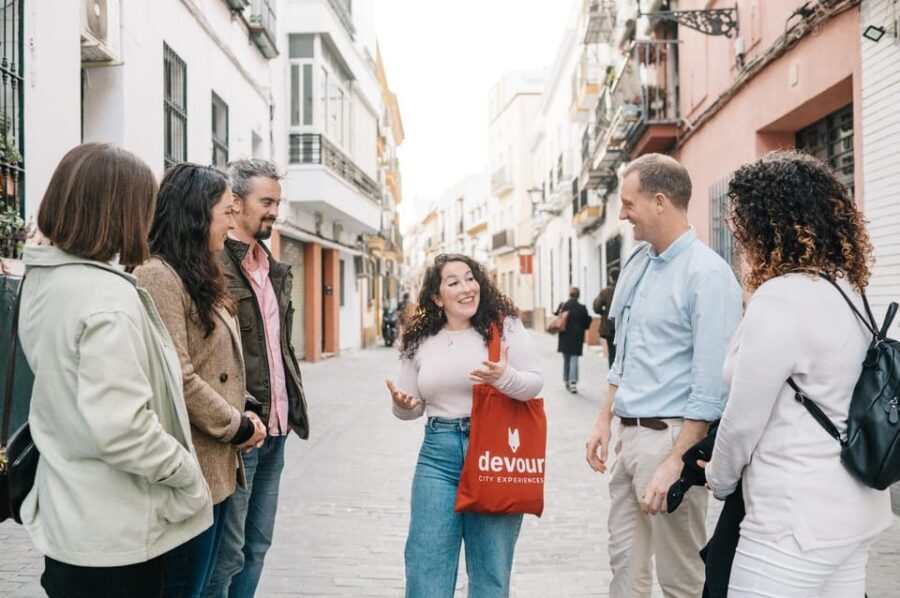
This is also a true private tour—only your group—so you can ask questions without the usual scramble for a guide’s attention. That kind of flexibility is part of what turns the day from sightseeing into learning.
Roman Necropolis and the amphitheatre terrace moment
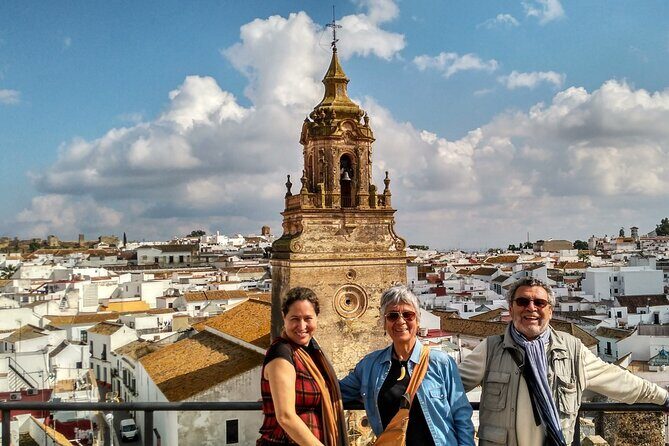
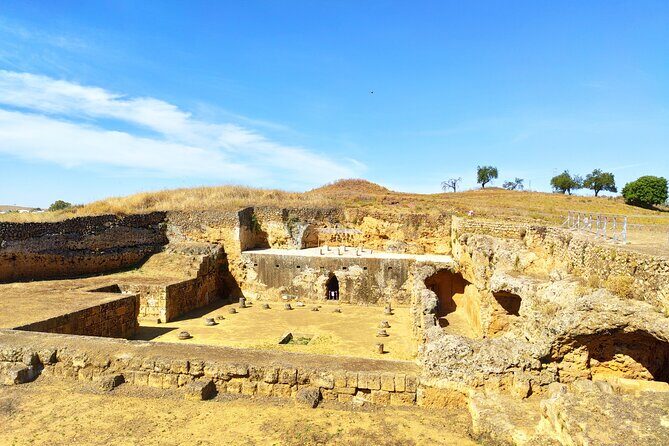
The Roman Necropolis stop is one of the trip’s main story anchors. It’s described as one of the most important in the Iberian Peninsula, and the setting makes that claim feel believable.
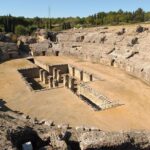
You’ll spend about 1 hour 30 minutes here, with tickets included for the visit. The best practical tip is to plan your time for the terrace view: from there you can see the Roman Amphitheatre of Carmona. The amphitheatre is noted as, for now, the oldest in Hispania, which gives the whole stop extra weight.
Drawback to keep in mind: the Roman Necropolis is closed on Mondays. If your travel dates fall on Monday, adjust expectations early. The rest of the town is still worth seeing, but this specific terrace-and-amphitheatre moment won’t happen on that day.
Alcázar de la Puerta de Sevilla: a military monument with layers
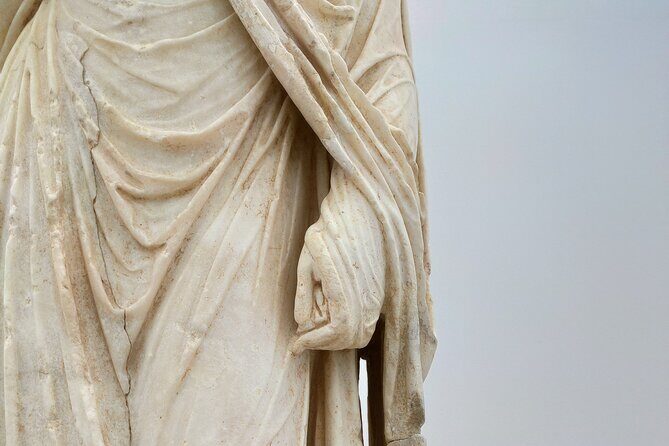
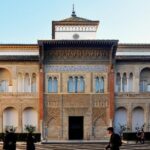
Next up is Alcázar de la Puerta de Sevilla, the main military monument of Carmona. It’s one of the oldest in Spain, and the site is framed as a stack of eras: Carthaginian, Roman, Muslim, and Christian presence.
The tour time here is about 1 hour, with admission included. This stop works well if you like understanding power structures—how cities defended themselves, and why certain gate/fort areas mattered long before modern borders existed.
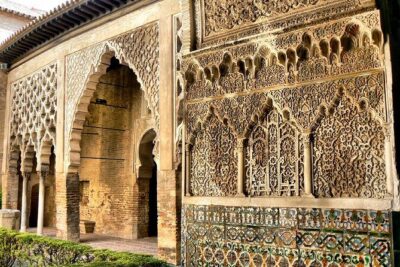
Even if you don’t consider yourself a history person, the visuals help. Look for how the architecture reads like a defensive system: strong shapes, controlling entrances, and a sense that the structure was designed to last. The guide’s job here is to connect the stones to the timeline so it doesn’t feel like random ruins.
Santa María de la Asunción: Seville cathedral vibes in miniature
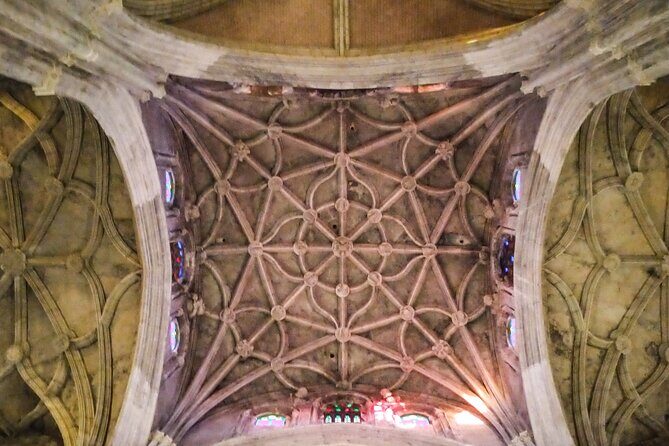
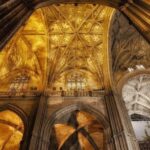
After walking through fortifications, you shift gears to religion and civic identity. The stop at Iglesia de Santa Maria de la Asuncion focuses on the Priory Church of Santa María de Carmona, described as a mini copy of the Cathedral of Seville.
You’ll have about 1 hour here, and tickets are included. The value of this stop is that it’s not just about going inside a church. It’s about seeing how styles travel. When a place is compared to a major landmark, you get a shortcut to understanding what to look for—especially if you’ve been to Seville Cathedral already.
If Santa María is closed on your visit day, you’ll swap to the Convent of Santa Clara. That backup is interesting because it’s described as a picturesque gothic and mudejar active convent. There’s also a practical bonus: you can buy their pastries, so the visit turns into a small, edible souvenir.
You can also read our reviews of more historical tours in Seville




Lunch in Plaza San Fernando: take your time in the historic center
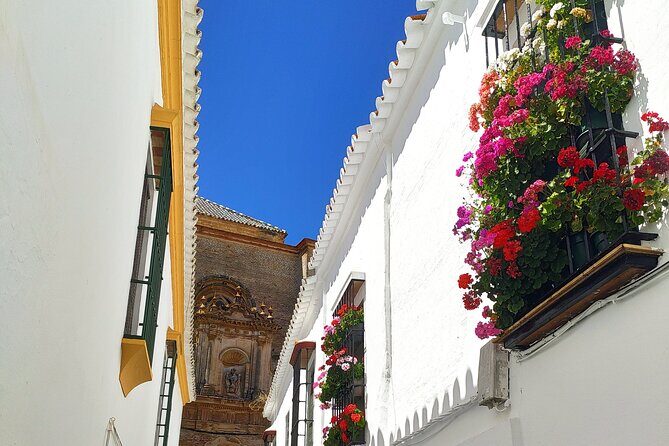
By the time you reach Plaza San Fernando, the schedule gives you breathing room—about 1 hour 30 minutes in the historic center for lunch. Admission here is free, and the stop is basically your reset point.
This is a good place to choose a simple plan. With limited time in town, I’d pick something close to where you’ll be walking next, so lunch doesn’t steal your afternoon.
What I like about having lunch in the historic center is that it keeps Carmona feeling like a living town, not just a checklist of monuments. You get a sense of scale and everyday rhythms, which helps the earlier ruins and churches click into place.
Alcázar de Arriba: the highest-altitude viewpoint and the Parador
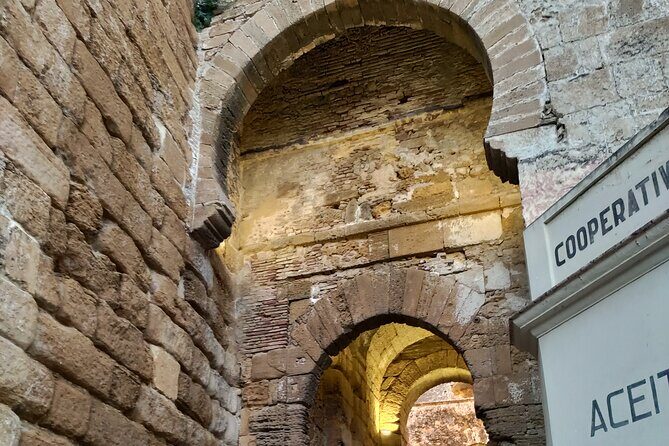
The final major viewpoint stop is Alcazar de Arriba, also called the Upper Fortress. You’ll spend about 20 minutes here, and admission is free.
This is the payoff view. The viewpoint is at the highest altitude of Carmona, and it lets you see how the town sits in relation to itself. When you look down from here, the earlier stops make more sense—where the defensive areas dominate, where the civic center pulls people in, and how the streets likely flow.
One more reason this stop feels special: the Alcázar of King Peter I is now a Parador de Turismo, a state-run hotel. Even if you’re not staying there, seeing the fortress repurposed into hospitality helps you understand how these historic structures stay relevant. They’re not museum props; they’re still useful.
Price and value: what you’re really paying for
The price listed is $300.40 per person, and it’s easy to wonder if it’s worth it. Here’s the honest way to judge it.
You’re paying for a private licensed guide, private transportation in an air-conditioned vehicle, and tickets included for the paid-access stops. That combination is usually what makes a private day trip feel smooth: you avoid ticket chaos, you don’t waste time at entrances, and the guide can keep you moving with context.
The tour length—about 6 to 7 hours—also matters. You’re not paying for a full day stuck in transit or waiting. You’re getting a tightly organized route with built-in free-admission moments too, like the plazas and viewpoints.
If you’re traveling with family, a partner, or a small group, private guiding often becomes better value than you’d expect, because the cost is spread across people while the experience stays custom. If you’re solo, it can still be worth it when you care about interpretation and you want someone to connect the sites into one story.
Best fit: who will enjoy this most
This is a strong match for you if you want:
- History that feels tied to the streets, not just facts on a label
- A structured day that still moves at a comfortable walking pace
- A guide who explains through conversation, not a monotone schedule
It also suits couples who want a destination day outside Seville without losing time to logistics. And it’s fine for most travelers, with service animals allowed.
If you’re visiting on a Monday, the main limitation is that the Roman Necropolis is closed. You’ll still see the other highlights, but the day’s “ancient anchor” stop won’t happen.
What to expect from the guide (and why it matters here)
One of the most praised parts of this experience is the guiding style. The guide, Enrique, is described as friendly and very knowledgeable, and the pacing stays comfortable. The key detail is that the information comes through as a conversation.
That difference changes the whole feel. Instead of trudging through buildings while you try to remember dates, you get an explanation that helps you interpret what you’re seeing right then. It’s the kind of guide work that makes the 5,000-year story feel coherent instead of overwhelming.
So if you like asking questions—about why a gate is placed where it is, or how one architectural style got reused—this tour is built for that.
Quick practical tips before you go
- Bring water and sun protection. Even with air-conditioned transport, you’ll spend time walking in the historic center.
- Wear shoes with solid grip for uneven old-town surfaces.
- If you can, plan for weather. The experience notes it requires good weather, so have flexibility if conditions aren’t great.
And for the day itself, don’t treat it like a sprint. The best moment will usually be the one you pause for—the terrace view over the amphitheatre, or the hilltop look from Alcázar de Arriba.
Should you book this Carmona private trip?
I think it’s a good booking choice if you want a guided, story-driven day trip that goes beyond “see this, then that.” The combination of private transportation, ticket handling, and conversational guiding makes it feel worth the price, especially if you care about understanding how eras overlap in one town.
Skip or reconsider if Monday is the only day you can travel, since the Roman Necropolis is closed then. If your dates are flexible, pick a day when you can include that stop and you’ll get the strongest version of the Carmona timeline.
If you want an easy win from Seville that still feels authentic, Carmona is the move.
FAQ
How long is the Carmona private trip from Seville?
It runs about 6 to 7 hours.
What time does the tour start?
It operates in a morning window from 8:30 AM to 10:00 AM.
Is pickup from my accommodation included?
Pickup is arranged at your accommodation whenever possible. If not, it’s set at a nearby, accessible meeting point.
What’s included in the price?
A private licensed guide, private transportation (air-conditioned vehicle), and tickets for the included admission stops.
Is the tour private?
Yes. It’s a private tour for only your group.
What language is the tour guide?
The tour is offered in English.
Which sights include admission tickets?
Tickets are included for the Roman Necropolis, Alcázar de la Puerta de Sevilla, and Iglesia de Santa Maria de la Asuncion. Other stops like Plaza San Fernando and Alcazar de Arriba are free admission.
Is lunch included?
No, lunch is not included. You’ll have time to eat in Plaza San Fernando.
Is the Roman Necropolis open every day?
No. It is closed on Mondays.
What happens if the weather is poor?
The experience requires good weather. If it’s canceled due to poor weather, you’ll be offered a different date or a full refund.