REVIEW · SEVILLE
Off the Beaten Path: Seville Urban Walking Tour
Book on Viator →Operated by Not Just a Tourist · Bookable on Viator
Seville feels bigger when you walk it sideways. This off-the-beaten-path urban walking tour threads Seville’s Macarena and Alameda neighborhoods together with major landmarks, so you get both street scenes and UNESCO wow-factor without a bus ride.
I especially like two things. First, the route hits famous places like the Cathedral and the Alcázar but also makes room for everyday stops—art on walls, small shops, and local atmosphere you would likely miss on your own. Second, I love that you get a drink included and an information sheet packed with insider pointers for what to notice after the walk, not just during it.
One thing to consider: the itinerary is built around short guided moments at each stop (often about 5 minutes). If you want deep time inside any one building, you’ll need to plan follow-up on your own—also, some optional sections can be limited if openings or access change that day.
In This Review
- Key takeaways before you go
- Why this Seville walking tour feels more local than typical sightseeing
- Price and what you’re really paying for (2 hours, small group, included drink)
- Getting oriented at Alameda de Hércules (the start point that can feel confusing)
- A stop-by-stop walk through Seville’s most memorable zones
- Stop 1: Plaza Nueva (5 minutes)
- Stop 2: Catedral de Sevilla (5 minutes)
- Stop 3 (optional): Ayuntamiento de Sevilla (5 minutes)
- Stop 4 (optional): La Giralda (5 minutes)
- Stop 5: Santa Cruz, Seville (20 minutes)
- Stop 6: Archivo de Indias (5 minutes)
- Stop 7 and Stop 11: Royal Tobacco Factory / Antigua Fábrica de Tabacos (5 minutes each)
- Stop 8: Royal Alcázar of Seville (5 minutes)
- Stop 9 (optional): Palacio de San Telmo (5 minutes)
- Stop 10 (optional): Plaza de Toros de la Real Maestranza de Caballería de Sevilla (5 minutes)
- Stop 12: Plaza de España (5 minutes)
- Stop 13 (optional): Parque de María Luisa (5 minutes)
- Stop 14: Triana Bridge (Puente de Triana) (5 minutes)
- Stop 15: Torre del Oro (5 minutes)
- Stop 16 (optional): Plaza de la Alianza (5 minutes)
- Stop 17: Calle Agua (5 minutes)
- The included drink, plus the real value: how guides make Seville feel readable
- Small-group pacing: what it feels like in the real world
- When you should book this tour
- Should you book Off the Beaten Path: Seville Urban Walking Tour?
- FAQ
- How long is the Seville urban walking tour?
- What time does the tour start?
- Where does the tour meet?
- What time does the tour end and where does it finish?
- What language is the tour offered in?
- How big is the group?
- What’s included in the price besides the guide?
- Is hotel pickup or drop-off included?
- Are the sites along the route ticket-free?
- What should I wear or bring since it’s a walking tour?
- Can I cancel for a full refund?
Key takeaways before you go
- Small group (max 8 travelers): easier questions, better pacing, and less time lost waiting.
- English-speaking guide + mobile ticket: straightforward to join, with clear on-the-go info.
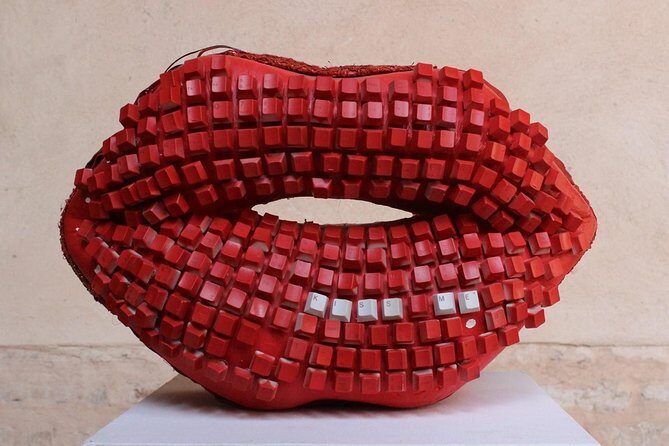
- Macarena and Alameda focus: street art, galleries, and neighborhood life, not just monuments.
- Short hits of major sights: fast context at the Cathedral, Alcázar, Archivo de Indias, and more.
- One included drink + insider sheet: value beyond sightseeing, useful after the tour.
- Moderate walking: comfortable shoes matter more than you think.
Why this Seville walking tour feels more local than typical sightseeing
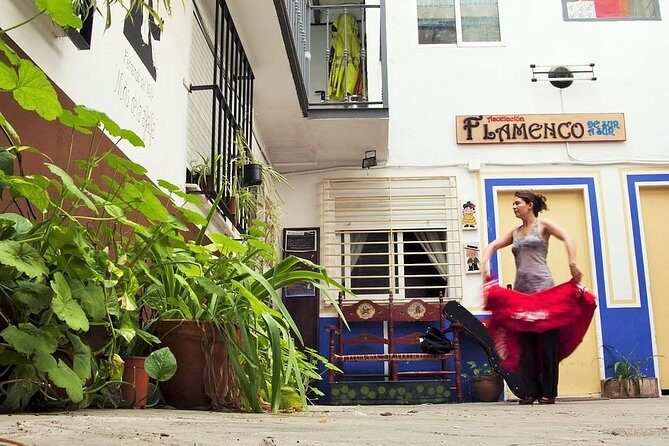
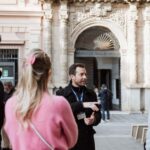
Most Seville tours follow a predictable loop: headline monument, photo, move on. This one tries to keep you in the real city. Starting from Alameda de Hércules and weaving through Macarena and nearby streets, you get a sense of how people actually live here—where they shop, snack, and hang out—while still seeing the big ticket sights.
I like that the tour doesn’t treat Seville as a theme park. You get context for what you’re looking at: why buildings matter, how neighborhoods changed, and what you can spot quickly as you pass by. And because it’s a small group (up to 8), your guide can steer your attention to details without rushing the whole line.
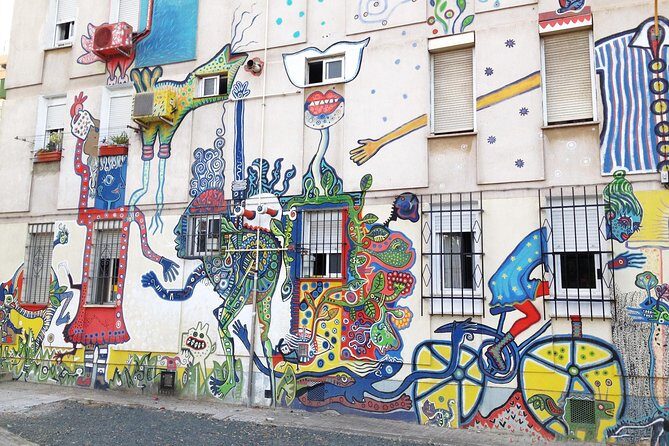
You’ll also notice the “art in everyday places” angle. The highlights specifically call out everything from street art to galleries, and in real life that usually means you’re not just staring at walls—you’re learning what the art is responding to, and how the neighborhood frames it.
You can also read our reviews of more walking tours in Seville


Price and what you’re really paying for (2 hours, small group, included drink)
At $118.95 per person for about 2 hours, this isn’t a bargain-basement walk. But it’s not just paying for walking shoes either. You’re paying for a local guide, a structured route, and built-in extras: a drink and an information sheet with insider tips.
The value gets stronger because many stops are listed as ticket-free during the guided visits, so you’re not stacking surprise entry fees on top of the price. Even so, treat this as a guided “context + orientation” tour. If you want long interior time inside major monuments, the 5-minute rhythm means you’ll need separate tickets afterward.
This timing also matters. You’ll return to the meeting point at the end, so you can still plan lunch, a flamenco show, or a slower afternoon in one of the areas you liked most.
Getting oriented at Alameda de Hércules (the start point that can feel confusing)
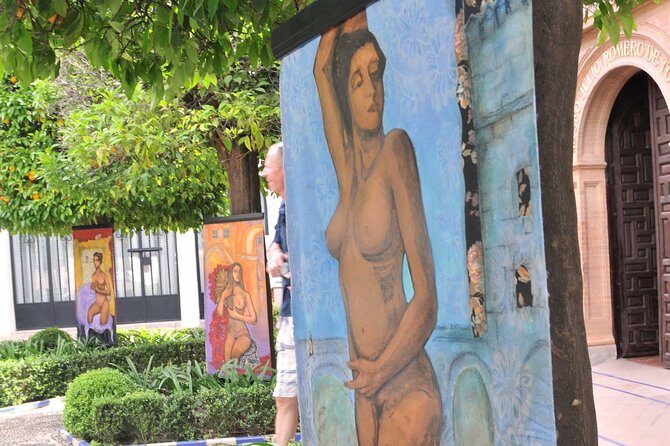
The tour starts at Alameda de Hércules, 21 in the Casco Antiguo. That’s a smart launching spot because it’s central and easy to reach with public transportation.
But here’s the practical catch: the meeting location is described as a specific address, and it can feel a bit off in practice. My advice is simple: once you arrive, look for the nearby plaza area with statues across the street from the listed address, and stand where the group will naturally gather. That saves time and keeps you from doing that awkward last-minute scan.
If you’re arriving early, use the extra minutes to get your bearings. Alameda de Hércules is a good place to start because it immediately gives you a sense of the city’s street energy before you head into older lanes.
A stop-by-stop walk through Seville’s most memorable zones
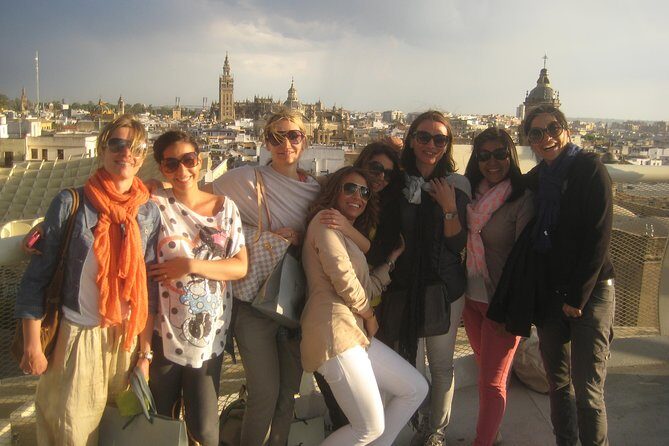
Stop 1: Plaza Nueva (5 minutes)
You begin at Plaza Nueva, which works like a starting “reset.” In a short tour, the first minutes matter. This is where your guide can set expectations, explain the neighborhood logic, and point out what you’ll be looking for as you move.
The downside is also real: you only get about 5 minutes, so don’t expect lingering here. Think of it as orientation, not a destination.




Stop 2: Catedral de Sevilla (5 minutes)
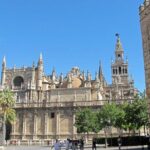
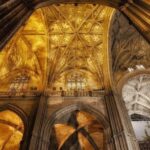
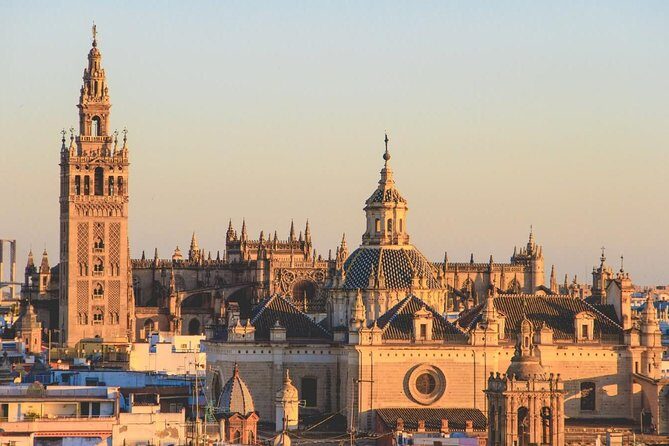
Next is Catedral de Sevilla, a UNESCO World Heritage site and the largest Gothic cathedral in the world. You’ll get a guided look at the architecture and major landmarks, including the magnificent altarpiece, the tomb of Christopher Columbus, and the cathedral’s overall scale.
In just a few minutes, you won’t cover every corner. Instead, this stop is best for learning the “big picture” so that later, if you go back, you’ll understand what you’re seeing.
Stop 3 (optional): Ayuntamiento de Sevilla (5 minutes)
If this city hall stop is included on your day, you’ll see Renaissance design with a Plateresque façade. This is the kind of building that looks detailed even from outside—so it’s worth it if your route and access allow.
If it’s not possible, it won’t derail the tour. It’s optional, so the guide’s main job is keeping you on the best workable path that day.
Stop 4 (optional): La Giralda (5 minutes)
La Giralda is the bell tower associated with the cathedral complex, with Moorish and Gothic influences. The tour highlights the gentle-ramp feel of the ascent for panoramic views, which is exactly the right way to experience viewpoints without feeling like you’re racing stairs.
One consideration: since it’s optional and access can vary, don’t plan your whole day on getting to every view. Use the tour to get close, then consider a separate time if you want longer skyline time.
Stop 5: Santa Cruz, Seville (20 minutes)
This is where the tour slows down. Santa Cruz, the former Jewish quarter, is known for narrow lanes, hidden courtyards, and small plazas, and you’ll get about 20 minutes here—long enough to feel the neighborhood shift.
This is the stop I’d prioritize if you’re choosing how to spend your energy. Take your time with alley turns and little courtyards you can spot from the street. Even if you’re not going inside anywhere, the way the streets funnel light and foot traffic tells you a lot about how Seville works.
If you’re short on time later, Santa Cruz is also the easiest area to return to independently.
Stop 6: Archivo de Indias (5 minutes)
Archivo de Indias is a UNESCO World Heritage site that houses documents connected to Spain’s colonial era. Even with limited time, a guided visit here can add meaning to the rest of the city.
It’s a quick stop, so don’t expect full document-by-document detail. Think of it as a “why this building exists” moment that gives you historical context for the Spanish empire stories that shape Seville.
Stop 7 and Stop 11: Royal Tobacco Factory / Antigua Fábrica de Tabacos (5 minutes each)
The route calls out the Royal Tobacco Factory of Seville and also the Antigua Fábrica de Tabacos. Practically, this is the same landmark zone, but the tour treats it as a history-rich stop.
You’ll learn that it was once Europe’s first tobacco factory and that the building is now part of the University of Seville. The tour also connects it to pop culture—specifically that it appears in the opera Carmen—which helps the building feel less like an abstract monument and more like something people remember.
Because these are short moments, you’ll mostly get guided context and outside-and-nearby viewing. If you want deeper access, you’ll know where to return.
Stop 8: Royal Alcázar of Seville (5 minutes)
The Royal Alcázar is one of those places that can swallow whole afternoons. In this tour, you get a guided snapshot: the mix of Moorish, Gothic, Renaissance, and Baroque styles, plus the lush garden feel, tilework, and ornate halls.
Five minutes won’t let you truly roam. But it can do something valuable: it helps you see what’s happening stylistically so you can pick a return visit later with a plan.
If you’re choosing where to spend extra time after the tour, the Alcázar is usually the best pick from this list.
Stop 9 (optional): Palacio de San Telmo (5 minutes)
Palacio de San Telmo is a Baroque palace and it’s tied to royal residence history and a naval academy past. This optional stop is worth it if you like façades with sculptural detail, because the tour calls out the intricate exterior with statues and carvings.
As an optional detour, your exact experience depends on timing and access.
Stop 10 (optional): Plaza de Toros de la Real Maestranza de Caballería de Sevilla (5 minutes)
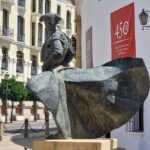
Seville’s bullfighting tradition is deeply rooted, and this stop points you to Plaza de Toros de la Real Maestranza, one of the city’s most famous arenas. Even if you don’t go inside, getting the context makes the presence of the arena feel less out of place in a city of architecture and courtyards.
There’s a museum angle mentioned, but because this is optional and brief, treat it as an intro—then decide on your own whether you want to follow up.
Stop 12: Plaza de España (5 minutes)
Plaza de España is the big architectural postcard: built for the 1929 Ibero-American Exposition, with a semi-circular building, ornate bridges, and colorful tilework. You’ll also walk along the canal edge, which is a nice change from lane-and-lot patterns.
This is another short stop, but it’s also a strong “reset” visually. It gives you a clear, open-space memory to anchor the rest of the walk.
Stop 13 (optional): Parque de María Luisa (5 minutes)
If your route includes it, Parque de María Luisa provides a break with landscaped gardens, ponds, and pavilions. Even with about 5 minutes, it can be a helpful palate cleanser if you’ve been looking at stone and façades for the last hour.
Don’t expect a full park picnic window here. It’s more like a quick taste, especially because the tour runs tight on time.
Stop 14: Triana Bridge (Puente de Triana) (5 minutes)
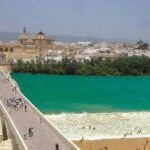
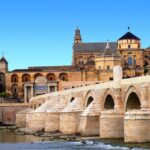
Crossing the Puente de Triana, also known as the Isabel II Bridge, connects you to Triana and the Guadalquivir River views. The bridge is described as a historic iron structure dating to the 19th century, which gives it more meaning than just being a good photo point.
Five minutes can be enough to feel the directional shift: you go from the old central streets toward river energy.
Stop 15: Torre del Oro (5 minutes)
The Torre del Oro, or Golden Tower, is a 13th-century watchtower. The tour frames it as a former defense post and gateway, and you’ll also get mention of its maritime museum and the chance for panoramic views from the top.
Again, time is short. If you love river views, you may want to come back on your own later for a slower visit.
Stop 16 (optional): Plaza de la Alianza (5 minutes)
This is a quieter square option, framed as a peaceful retreat surrounded by traditional Andalusian buildings. In a tour packed with well-known landmarks, a calmer moment like this can help your brain stop collecting photos and start noticing small details.
If it’s not included that day, it’s still a useful signal: the guide is looking for breathing room, not only famous stops.
Stop 17: Calle Agua (5 minutes)
The walk ends with Calle Agua, a picturesque lane in the historic district. It’s described as traditional Andalusian architecture lined with quaint shops and local eateries—exactly the sort of street where you can keep exploring after the tour ends.
Because this is close to the finish, it’s a good time to note where you might return for snacks, a coffee, or a longer browse.
The included drink, plus the real value: how guides make Seville feel readable
You’ll receive an included drink—listed options include water, soft drink, beer, or coffee. This is a smart touch in a 2-hour walking tour. It helps you pause before the next stretch, and it keeps the group comfortable when walking under the sun.
More important than the drink is what the guide brings through the information sheet with insider tips. With short stops, you need a way to keep learning without feeling like you missed something. This kind of sheet helps you keep the momentum after you head off on your own.
And the best part of the “off the beaten path” promise is that the guide can steer you toward small, everyday discoveries. In past experiences, guides have taken people into places like an olive store and a flower market, and even guided the group toward a moment of convent life where a cloistered bell could be rung and a visitor detail could be witnessed. Those are the kinds of detours that make the city feel human, not just architectural.
Small-group pacing: what it feels like in the real world
With a maximum of 8 travelers, you’re not just part of a crowd. You can ask a question and actually get an answer that fits what you’re looking at right then.
The tradeoff is attention gets spread thin across many stops. If you’re the type who wants to slow down for a single monument, you might find the route a bit fast. The best strategy is to treat the tour as a map in motion: you’ll decide what deserves your deeper time later.
When you should book this tour
Book it if you:
- Want a short, guided way to connect Seville’s neighborhoods, not just its headline buildings.
- Like street scenes, small shops, and art along the way.
- Prefer a small group and a readable pacing structure.
- Are planning to return to Seville attractions afterward and want to know what to look for.
Skip it if you:
- Want long interior visits or detailed museum time inside any one site.
- Dislike moderate walking and prefer a slower, seated tour.
Should you book Off the Beaten Path: Seville Urban Walking Tour?
If your goal is to get your bearings and see Seville in a more street-level, neighborhood-informed way, I think this is a strong pick. You get smart context at major landmarks, plus the neighborhood flavor of Macarena and Alameda, and you leave with an information sheet and a drink already handled.
Just go in with the right expectations: it’s a 2-hour introduction more than a deep dive. If you’re okay using it as your starting point—then following up later on the spots that hook you—this tour fits the way most people actually travel.
FAQ
How long is the Seville urban walking tour?
It lasts about 2 hours.
What time does the tour start?
The start time is 10:00 am.
Where does the tour meet?
It starts at Alameda de Hércules, 21, Casco Antiguo, 41002 Sevilla, Spain.
What time does the tour end and where does it finish?
The activity ends back at the meeting point.
What language is the tour offered in?
It is offered in English.
How big is the group?
This tour/activity has a maximum of 8 travelers.
What’s included in the price besides the guide?
You get a local guide, a visit of the oldest market in Seville, a drink (water, soft drink, beer, or coffee), and an information sheet with insider’s tips.
Is hotel pickup or drop-off included?
No, hotel pickup and drop-off are not included.
Are the sites along the route ticket-free?
The tour information lists admission ticket free for the listed stops.
What should I wear or bring since it’s a walking tour?
Wear comfortable walking shoes because there’s a moderate amount of walking.
Can I cancel for a full refund?
Yes. Free cancellation is available up to 24 hours before the experience start time for a full refund.