REVIEW · SEVILLE
History of Women of Seville Private Tour
Book on Viator →Operated by ALTAI - Alba Tourism and Interpretation · Bookable on Viator
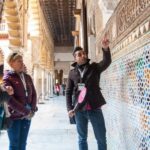
Women’s names get buried fast in Seville. This private tour keeps you on track while walking through the lives of real people who shaped the city. I love the personal, private pace and the way your guide, Alba, ties each story to historical facts instead of vague legends.
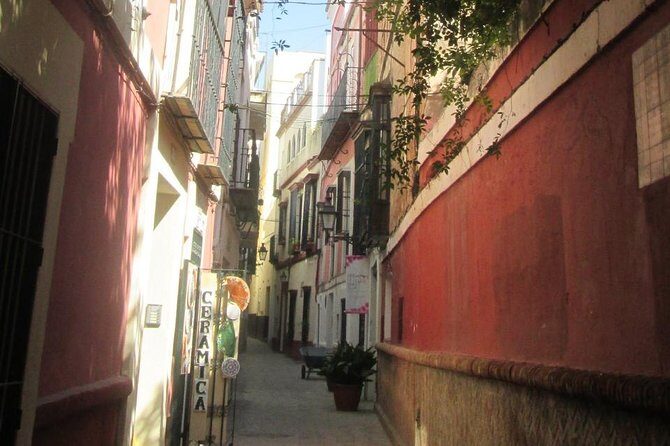
You’ll also like the practical benefits for a first visit: you get your bearings fast without needing to fight the narrow streets alone. One thing to consider is that Seville’s old center can feel tight on your feet, so plan for close sidewalks and bring comfortable shoes, even though the tour is wheelchair and stroller accessible.
In This Review
- Key Highlights You’ll Feel Right Away
- A Women-Centered Route That Helps You See Seville Differently
- Price and Duration: Why $134.17 Feels Fair for a Private Guide
- Your Walk Starts at Plaza de la Pescadería (and Ends at Catalina de Ribera)
- Stop 1: Clara Campoamor and the Achievement Marker
- Stop 2: María Dolores López and How Stories Take Root
- Stop 3: The Legend of the Two Sisters
- Stop 4: Maria Luisa Fernanda de Borbón and Queen Isabel II
- Stop 5: The Life of the Cigarreras (Working Women, Not Footnotes)
- Stop 6: Catalina de Ribera and Queen Isabel I—Monuments With Meaning
- What’s Included (and What You’ll Need to Plan Yourself)
- Accessibility and Real-World Comfort Tips
- Who This Tour Is Best For
- Should You Book the Women of Seville Private Tour?
- FAQ
- FAQ
- How long is the Women of Seville Private Tour?
- What is the price per person?
- Is this tour private?
- What language is the tour offered in?
- Where does the tour start and end?
- Is the tour wheelchair and stroller accessible?
- Are food and drink included?
- What is the cancellation policy?
Key Highlights You’ll Feel Right Away
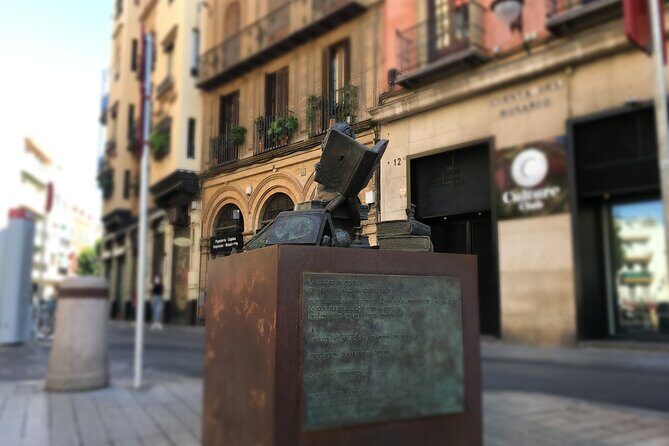
- Private means only your group: better questions, better focus, fewer stop-and-start moments
- Alba’s storytelling style: stories come with origin facts, not just atmosphere
- City orientation built in: you learn where key areas sit as you walk
- Wheelchair and stroller friendly: accessible route planning matters here
- A route with momentum: about two hours, from plaza meeting point to a monument area
A Women-Centered Route That Helps You See Seville Differently
Seville is often sold through cathedrals, towers, and famous male rulers. This tour gives you a different lens. The best part is that you’re not just hearing about women in general terms—you’re hearing about specific women tied to specific places, and you start noticing patterns in how power, work, and legends show up in the streets.
The stories cover a mix that actually balances out. You’ll hear about modern recognition through a landmark tied to Clara Campoamor, then shift toward older stories and royal influence connected to the women of the Borbón line and Queen Isabel II. Then the tour lands on the lives of working women, including the Cigarreras, which adds a grounded, human scale to what could otherwise feel like just royalty and monuments.
And because it’s a private guided walk, you can slow down when something catches your eye. You’ll also get better at reading the city as you go—where you are, why that spot matters, and how the next stop connects.
You can also read our reviews of more private tours in Seville



Price and Duration: Why $134.17 Feels Fair for a Private Guide
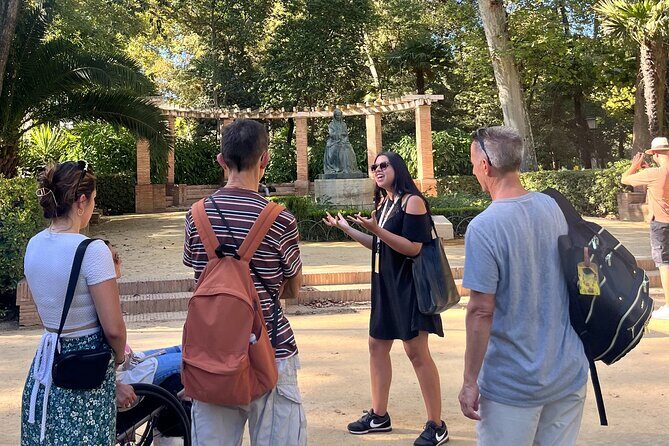
At $134.17 per person for about two hours, this is priced like a real guided experience, not a quick meet-and-greet. The “value” here is the private format plus a tight, story-driven route. Instead of bouncing around with strangers, you get time for questions and for your guide to adapt the pace to your group.
Also, all fees and taxes are included, which helps avoid surprise add-ons later. What’s not included is food and drink and any private transportation. For most people, that’s exactly right for a walking tour—you can keep it simple and just plan to grab a snack after.
Two hours is a sweet spot for this kind of topic. It’s long enough to get connected to the people and the places, but not so long that you’re constantly checking your watch in the heat or wind.
Finally, note the timing rhythm. This tour is commonly booked about 49 days in advance on average. If your dates are fixed, I’d treat that as a hint to book earlier rather than later.
Your Walk Starts at Plaza de la Pescadería (and Ends at Catalina de Ribera)
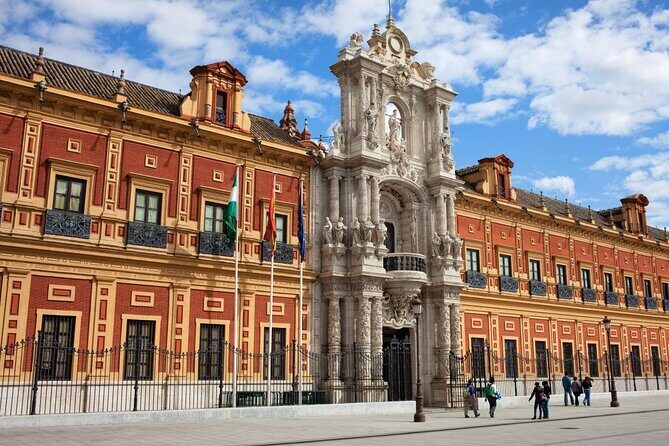
Your tour begins at Plaza de la Pescadería, address Pl. Pescadería, 15, Casco Antiguo, 41004 Sevilla. You’ll end at Paseo de Catalina de Ribera, P.º de Catalina de Ribera, Casco Antiguo, Sevilla.
That start-to-finish structure matters because it reduces the “Where am I now?” feeling that hits first-time visitors. You get a continuous route through the center, and you finish in a monument-focused area instead of looping back to the exact same street corner.
The tour is also listed as near public transportation, so if you’re coming from outside the old town, it should be manageable to reach the start point without an ordeal.
Stop 1: Clara Campoamor and the Achievement Marker
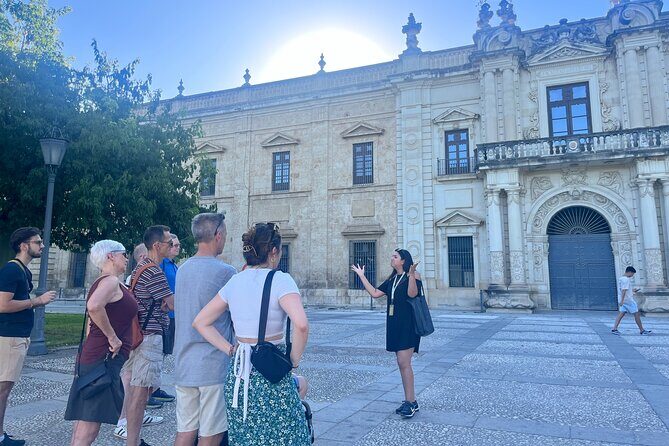
The first stop anchors the whole tour in a key idea: women’s history isn’t only far back in time. You begin at the achievement of Clara Campoamor, a point that signals recognition and civic meaning, not just folklore.
What I like about starting here is the mental shift it creates. Instead of treating women as background characters, the tour begins by showing that women’s lives and contributions can be tied to real public memory and social change. It sets a tone for the rest of the walk: every subsequent story has a place, and that place has a reason you’re seeing it.
If you’re the type who likes context, this opening helps. You’ll understand what kind of tour you’re on before you even move a block.
Stop 2: María Dolores López and How Stories Take Root
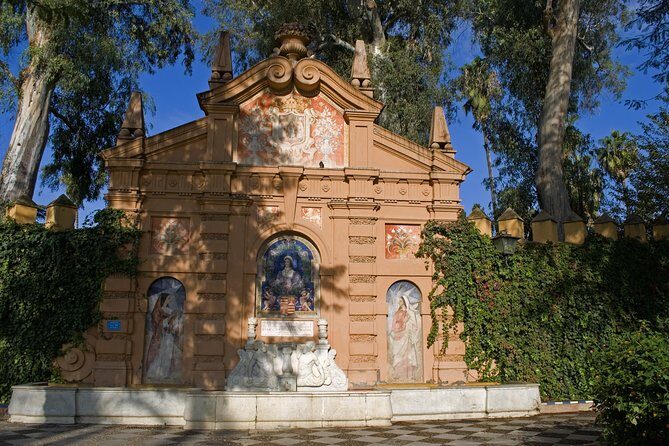
Next up is the story of María Dolores López. This stop is where the tour starts to feel like local Seville, not just textbook history. You’ll get a narrative that helps you picture how personal lives connect to the broader culture around them.
A practical benefit here: it improves your ability to read Seville street-level details. As the stories build, you’ll start noticing how legends, names, and famous women appear again and again, often shaped by where they lived or how later generations remembered them.
One thing to remember: Seville is full of layers. Even when the details are hard to pin down, the tour’s job is to help you make sense of what you’re seeing now while understanding the story’s original framing.
You can also read our reviews of more historical tours in Seville



Stop 3: The Legend of the Two Sisters
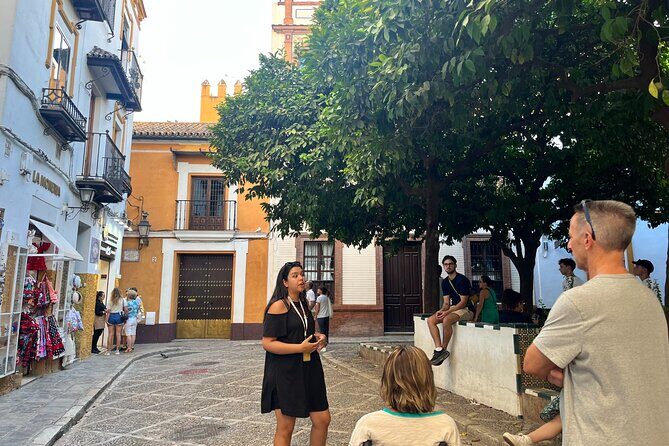
Then comes the legend of the two sisters. Legends in cities work a little like shared memory. They may not always read like modern fact, but they still tell you what a community valued, feared, or wanted to explain.
This stop is important for another reason: it teaches you how to listen while walking. You’re not just memorizing names. You’re picking up how Seville tells stories—through symbolism, through repeated motifs, and through the way certain places become linked to family tales.
If you’re worried a legend-heavy stop might feel fluffy, don’t. The tour’s overall approach keeps historical grounding in the mix, which helps legends feel purposeful instead of random.
Stop 4: Maria Luisa Fernanda de Borbón and Queen Isabel II
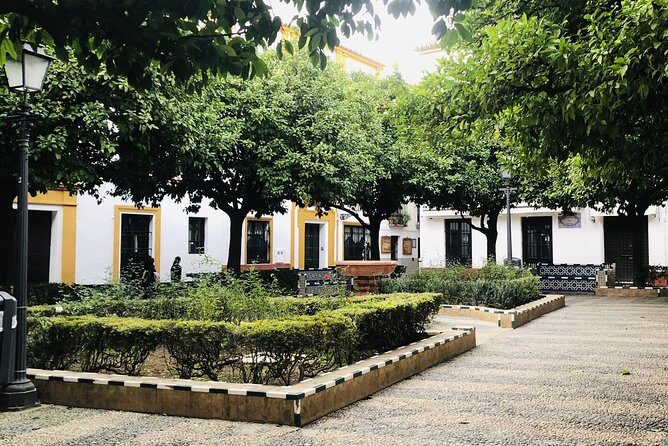
After the legends, the tour moves into the political weight of Maria Luisa Fernanda de Borbón and Queen Isabel II. This is where you’ll feel the contrast between lived experience and power structures.
Royal history can get dry fast if it’s only dates and titles. Here, the value is in how the stories connect to the city’s places. You’re not just learning that these queens existed—you’re learning why their presence matters to Seville’s story and how their era shapes how the city is remembered.
This stop also helps you understand a pattern you’ll keep seeing as you walk: women in positions of influence shaped politics and symbolism, and those impacts still show up in monuments and street-level references.
Stop 5: The Life of the Cigarreras (Working Women, Not Footnotes)
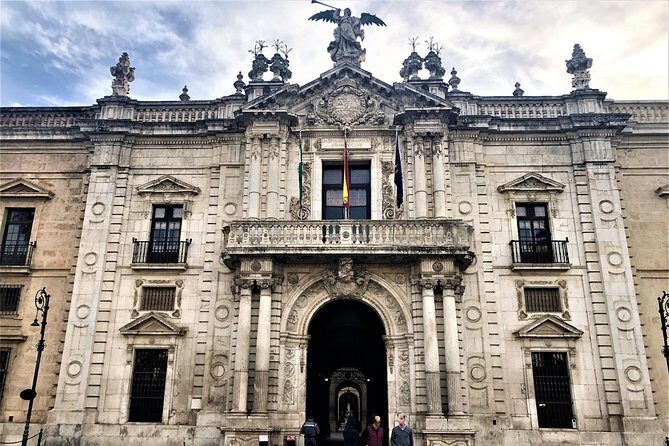
One of the most compelling parts is the life of the Cigarreras. This is a big deal because it shifts the spotlight away from court and toward work—toward the daily grind and the social reality behind famous products and city industries.
When tours focus only on rulers, you can leave feeling like you know a city’s headline chapters but not its human backbone. The Cigarreras stop adds that missing layer. It helps you picture what women did, why it mattered, and how work became part of Seville’s identity.
It’s also a useful emotional brake. After royal stories, a working-women focus brings things back to real life. You’ll finish thinking about women as actors in the city, not just names on plaques.
Stop 6: Catalina de Ribera and Queen Isabel I—Monuments With Meaning
The final stretch highlights monuments of Catalina de Ribera and Queen Isabel I. This is where the tour turns visual. Instead of only telling you what happened, your guide helps you see why these monuments exist and what they represent.
Monuments can be confusing if you don’t know what you’re looking for. This stop teaches you the basics quickly: what these names signal, how they connect to influence in Seville, and how the city’s commemorations reflect long-term memory.
Ending here also makes sense because it gives you a place to pause and take in the scene after walking. It’s a natural finish: you’ve done the story work, and now you can look around and connect the dots.
What’s Included (and What You’ll Need to Plan Yourself)
This tour includes all fees and taxes, so the booked price covers the guiding service and the scheduled experience.
You’ll need to plan on food and drink being separate. The same goes for any private transportation—the tour is a walking route, and you’ll reach it on your own using public options.
A small practical bonus: you’ll receive a mobile ticket. That’s one less thing to manage, especially if you’re bouncing between plans in the old town.
Accessibility and Real-World Comfort Tips
The tour is listed as wheelchair and stroller accessible, which is a meaningful detail in Seville’s narrow lanes. It’s also noted that service animals are allowed and that the tour is near public transportation.
Most travelers can participate, but here’s my honest comfort advice: even with accessibility planning, you’ll still be on foot and moving through the historic center. Bring shoes that can handle uneven ground and a phone with enough battery for maps after the tour.
If you’re traveling with mobility needs or strollers, this is the kind of tour where private format helps. You’re more likely to keep the route smooth for your group since it’s not packed with constant turnover.
Who This Tour Is Best For
This works especially well if:
- You’re visiting Seville for the first time and want a fast, guided orientation
- You like history stories that include real people, not only major monuments
- You want a private guide who can adapt pace and answer questions
- You’re curious about how women’s roles show up across legends, politics, and work
It may feel less ideal if you only want big-ticket sightseeing stops and long time inside major buildings. This is a walk-and-story experience, anchored in the streets and the meaning behind named places.
Should You Book the Women of Seville Private Tour?
If you enjoy being guided through stories that make the city feel personal, I’d book this. The combination of private format and a focused women-centered route helps you leave with more than photos—you’ll leave with names, connections, and a better sense of where things sit in the center.
At $134.17 for about two hours, it’s not a budget add-on, but it’s fair for a dedicated guide and a route that keeps you moving with purpose. If you want Seville to feel less like a maze and more like a set of connected stories, this is a strong pick.
FAQ
FAQ
How long is the Women of Seville Private Tour?
The tour lasts about 2 hours.
What is the price per person?
The price is $134.17 per person.
Is this tour private?
Yes. It’s a private tour/activity, and only your group will participate.
What language is the tour offered in?
The tour is offered in English.
Where does the tour start and end?
It starts at Plaza de la Pescadería (Pl. Pescadería, 15, Casco Antiguo, 41004 Sevilla) and ends at Paseo de Catalina de Ribera (P.º de Catalina de Ribera, Casco Antiguo, Sevilla).
Is the tour wheelchair and stroller accessible?
Yes. The tour is listed as wheelchair and stroller accessible.
Are food and drink included?
No. Food and drink are not included.
What is the cancellation policy?
Free cancellation is available up to 24 hours in advance for a full refund. Canceling less than 24 hours before the start time is not refundable.