REVIEW · SEVILLE
From Seville: Pueblos Blancos and Ronda Full-Day Trip
Book on GetYourGuide →Operated by Naturanda Turismo Ambiental · Bookable on GetYourGuide
White villages and cliff views in one full day. This Seville-to-Ronda trip threads together the Pueblos Blancos by mountain roads, then lands you in Ronda for the New Bridge and a good chunk of free time. I like the way the day mixes guided storytelling with moments to just look, breathe, and take photos.
Two standouts for me: the whitewashed hill towns (especially Zahara de la Sierra and Grazalema) and the cliffside sense of place you get in Ronda. One thing to consider: it’s a long coach day, and food and drinks are not included, so you’ll want to plan for lunch spending.
In This Review
- Key highlights worth your time
- Why This Ronda Day Trip Works for First-Time Andalusia
- Zahara de la Sierra and the Aguzaderas Castle Route
- Molino El Vínculo: Olive Oil Pressing Done in Plain View
- Grazalema in the Sierra de Grazalema Natural Park
- Lunch Time Trade-Offs: Grazalema vs. Ronda
- The Drive Toward Ronda: Honey, Cork, Spices, and Working Hills
- Ronda: Two Cliffs, One Famous Bridge, and Enough Time to Enjoy It
- Coach Comfort, Timing, and Small Things That Matter
- The $52 Value Check for a 10-Hour Day Trip
- Who This Tour Suits Best (And Who Might Want Another Plan)
- Should You Book This Pueblos Blancos and Ronda Full-Day Trip?
- FAQ
- How long is the Seville to Pueblos Blancos and Ronda day trip?
- Where do I meet the tour in Seville?
- Is lunch included?
- What languages are available for the live guide?
- Is the tour wheelchair accessible?
- What stops are included during the day?
- What should I bring?
- Can I cancel and get a refund?
Key highlights worth your time
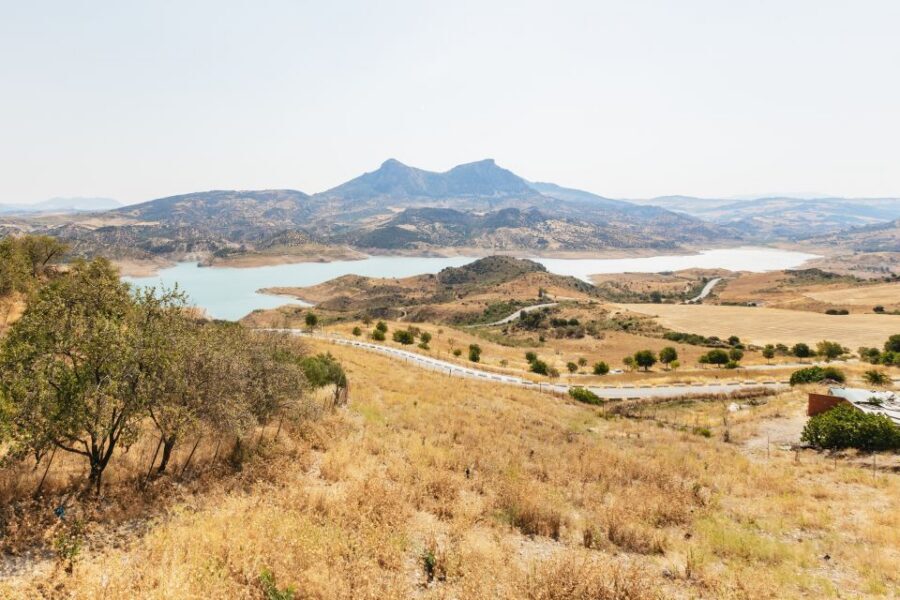
- Zahara de la Sierra mountain views with real time to wander
- Aguzaderas Castle pass-by on the way into the hills
- Molino El Vínculo olive oil press stop, plus tasting time
- Sierra de Grazalema Natural Park with griffon vultures overhead
- Ronda on two cliffs, including time for the New Bridge area
- A balanced mix of guided stops and free exploration
Why This Ronda Day Trip Works for First-Time Andalusia

If you want Andalusia’s “white villages” look without renting a car, this is the most efficient way to do it from Seville. The route is designed like a slow story: you drive into the mountains, learn how the land is used, then finish with Ronda’s dramatic geometry—two cliffs and one famous bridge.
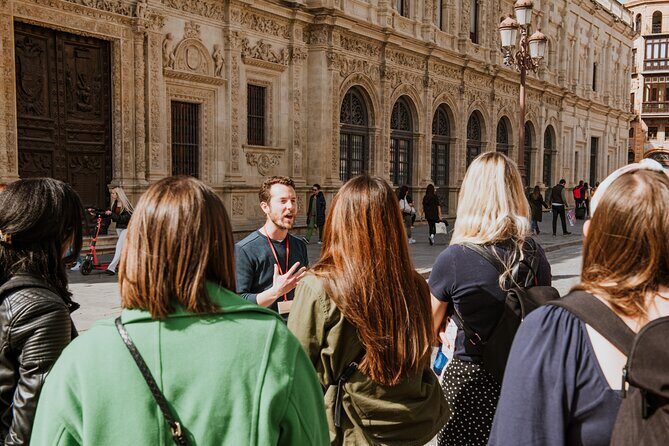
I also like the pacing. You’re not just being marched from photo spot to photo spot. There’s guided narration on the bus, plus actual walking time in each stop—enough to get your bearings fast in the old streets, but not so much that the day turns into a leg workout.
The other reason it works: it gives you more than one “type” of Andalusia. You get the village vibe (Zahara and Grazalema), the working countryside (livestock and forest products along the way), and then a real historic town (Ronda) that feels like a destination, not just a stop.
You can also read our reviews of more tours and experiences in Seville
Zahara de la Sierra and the Aguzaderas Castle Route
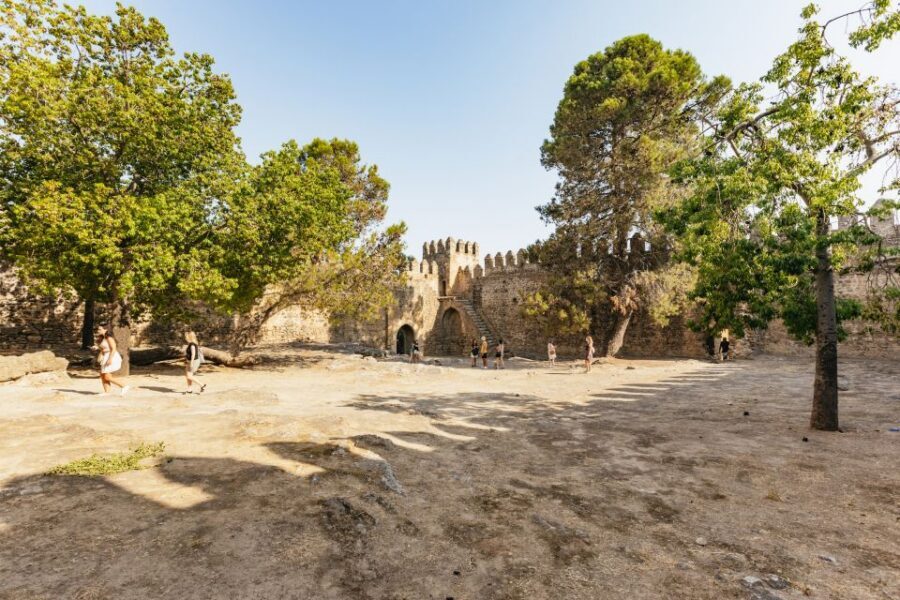
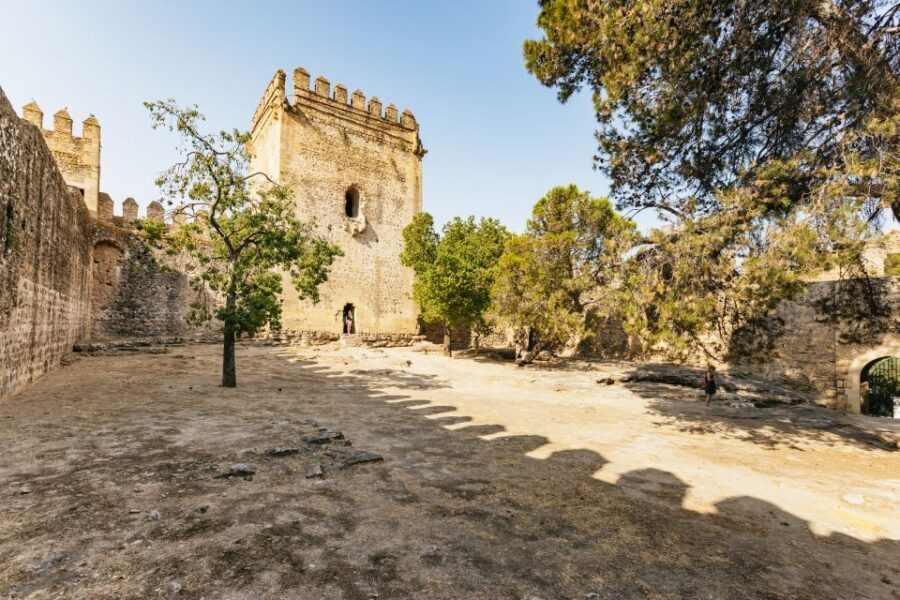
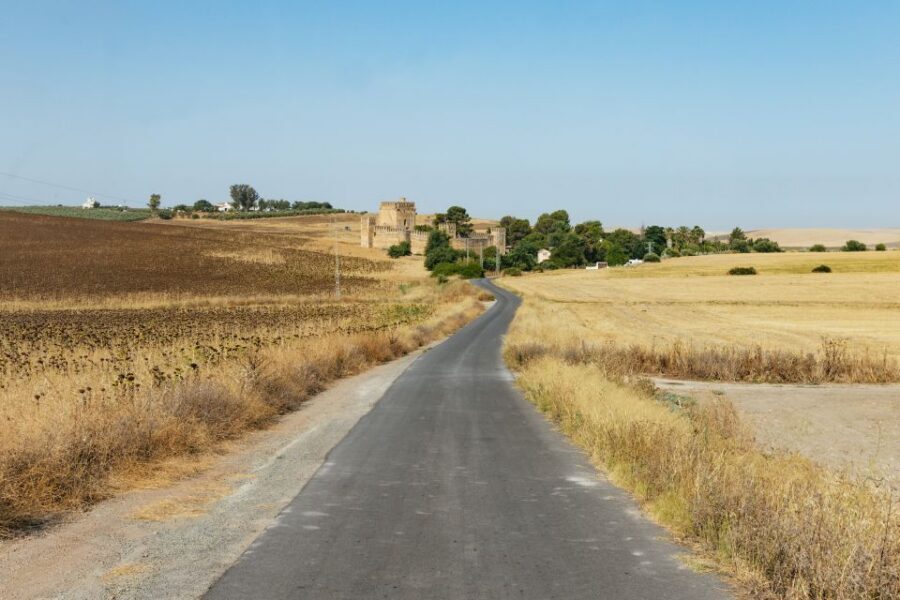
After pickup in Seville (your meeting point depends on which option you book), you head out into the Andalusian countryside for about 105 minutes before the first main visit. On the drive you’ll pass Aguzaderas Castle, which helps set the tone: these hills have always been strategic, not just scenic.
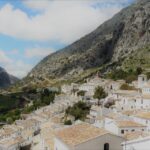
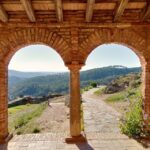
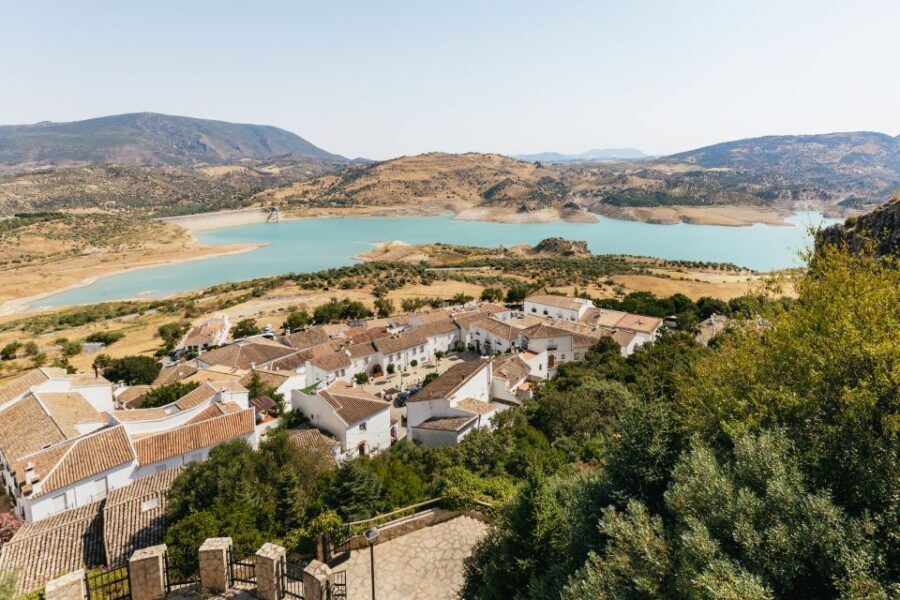
Your first town stop is Zahara de la Sierra for about 1 hour. It’s the kind of place where everything feels built for shade—white walls catching the light, streets that slope and twist, and viewpoints that keep pulling you up a little higher. You’ll be in the right frame of mind for wandering because the guide’s context sets you up: why these villages sit where they do, and how history shaped the patterns you see today.
A practical tip: keep water and a small snack in your day bag if you’re sensitive to hunger. Zahara is a sweet place, but in a structured day trip you may not have long stretches for convenience stops.
Molino El Vínculo: Olive Oil Pressing Done in Plain View
Next comes a short but memorable detour: Molino El Vínculo for about 30 minutes. This is where the tour turns from scenery to how people live off the landscape. Olive trees are a big deal in southern Spain, and this stop explains the mechanical process behind extracting oil—how olives go from fruit to pressed oil.
Even better, the day doesn’t just talk. You get the chance to taste olive oil (in one example, two types), so you can connect the lesson to something you can actually detect: bitterness, peppery notes, and how different oils feel in the glass.
What I like about this stop is that it gives you a break from “walking-town mode.” It’s still part of the story, but it’s indoors and structured, so you reset before the next mountain stretch.
Grazalema in the Sierra de Grazalema Natural Park
From the olive oil stop, you drive onward for about 30 minutes and reach Grazalema. The day shifts again here: less fortress vibes, more highland village energy.
You’ll also be passing through Sierra de Grazalema Natural Park. One of the most talked-about moments is the chance to see griffon vultures circling the mountains, including the largest colony of griffon vultures in Spain. Even if you don’t catch a close look, the guide’s bird and landscape explanations help you scan the slopes instead of staring at the road the whole time.
Then comes the core Grazalema block: about 75 minutes total, including lunch time. This is where you get that classic white houses with colorful flowers look, plus the satisfaction of eating in a real town setting—not a tourist-trap pit stop.
One practical note: lunch options vary by what’s open and what the group chooses. Since food and drinks aren’t included, budget for lunch in Grazalema or plan to spend where the guide recommends.
Lunch Time Trade-Offs: Grazalema vs. Ronda
The tour gives you a lunch window in Grazalema, but some people prefer saving their appetite for Ronda’s restaurant scene. The good news: you’re not stuck. You’ll still have about 2.5 hours in Ronda for photos, guided time, and free wandering—enough to grab a late lunch, a snack, or coffee after your main sights.
If you’re the type who likes to linger—think patios, slow pours, and long views—Ronda can be worth prioritizing. If you want the full “village day” rhythm, Grazalema lunch is part of the experience because it locks you into the mountain tempo.
Either way, my advice is simple: bring loose plans, not rigid ones. Choose a place near where you’ll be walking next, so you don’t burn time hunting once the group reconvenes.
You can also read our reviews of more tours and experiences in Seville
The Drive Toward Ronda: Honey, Cork, Spices, and Working Hills
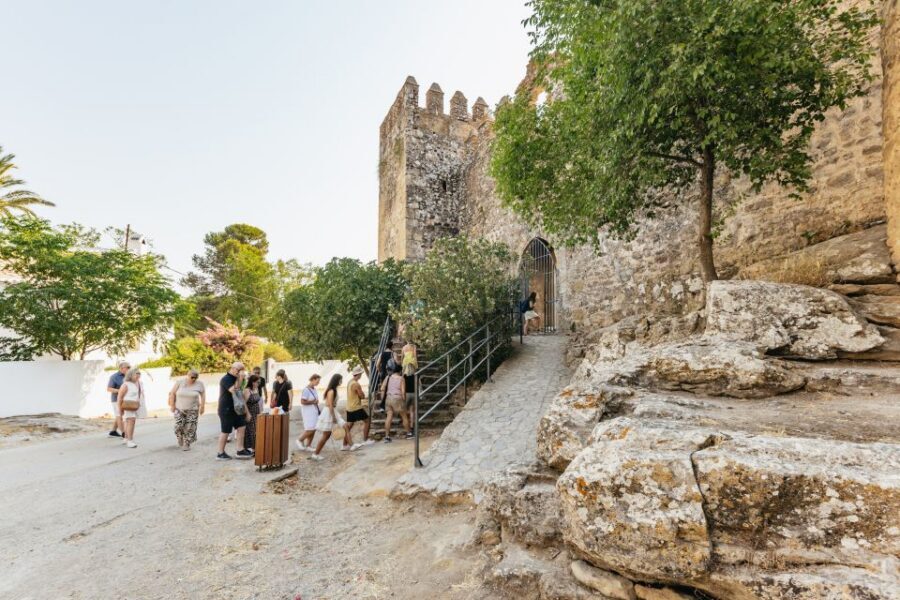
On the way to Ronda, you get a fascinating countryside lesson from the bus route itself. You’ll pass through a Mediterranean forest that supports several real products: honey, cork, aromatic spices, and wood.
And it’s not just “pretty plants.” You may also spot signs of daily rural work—people working with cattle, Iberian pigs, and goats. That matters because it explains why Andalusia looks the way it does. The landscape isn’t frozen in time; it’s actively managed.
The drive is also where you’ll feel the skill of the driver. The roads in this area can be narrow and curving, and the day runs on the assumption that the coach handles mountain turns smoothly. In practical terms: if you’re prone to motion sickness, pack your preferred remedy in advance.
Ronda: Two Cliffs, One Famous Bridge, and Enough Time to Enjoy It
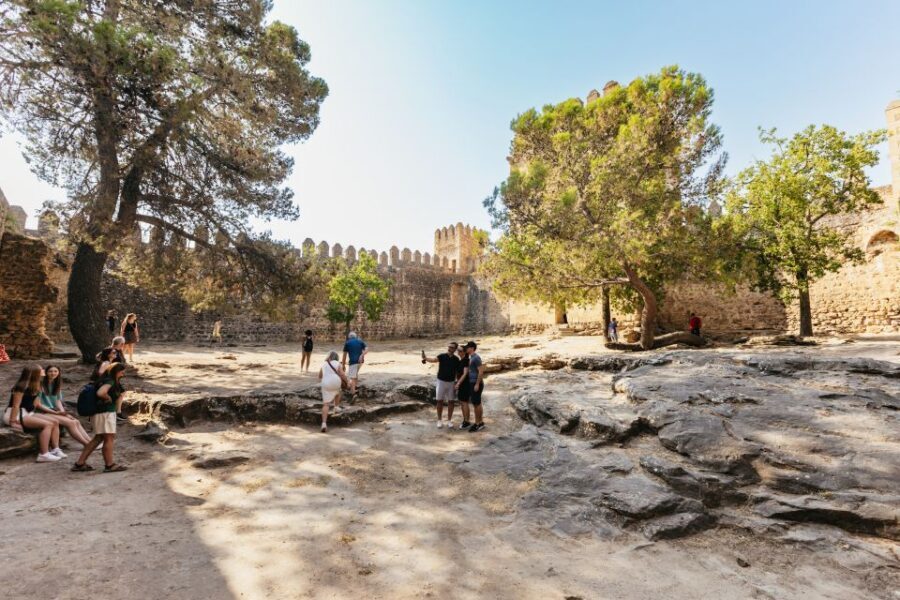
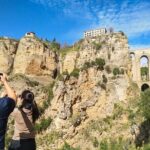
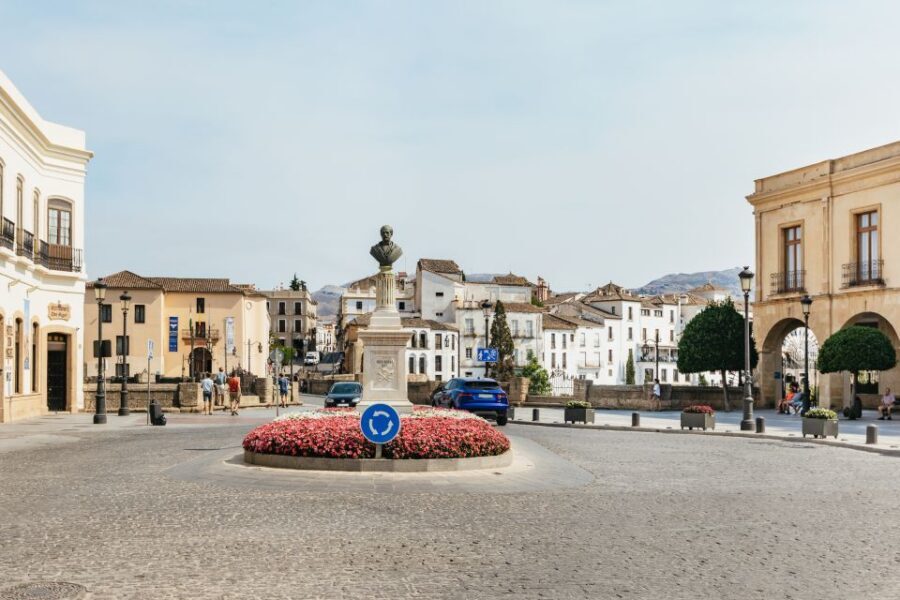
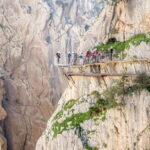
Ronda is the reason many people book, and it earns it fast. It’s one of the oldest towns in Spain, built on two separate cliffs connected by Spain’s most famous bridge, the New Bridge, built in the 18th century.
You’ll first get a photo stop, then a guided visit, and then a big chunk of free time (about 2.5 hours) to roam on your own. That free time is key. Ronda has angles—upper streets, lower viewpoints, tight lanes that suddenly open to a canyon view. If you only had a short stop, you’d miss the town’s pacing. With time, you can do it your way.
What to do with your free time:
- Start near the bridge area to get your bearings and take the big photos early
- Walk slowly through side streets once the main crowd thins
- Save one viewpoint for later, when light shifts (clouds can make cliffs look dramatic too)
Also, the guide time helps here. One day trip can’t cover every corner, but the narration can point you toward what you’d otherwise overlook: why Ronda feels different from typical Andalusian towns, and how the cliffs shaped its development.
Coach Comfort, Timing, and Small Things That Matter
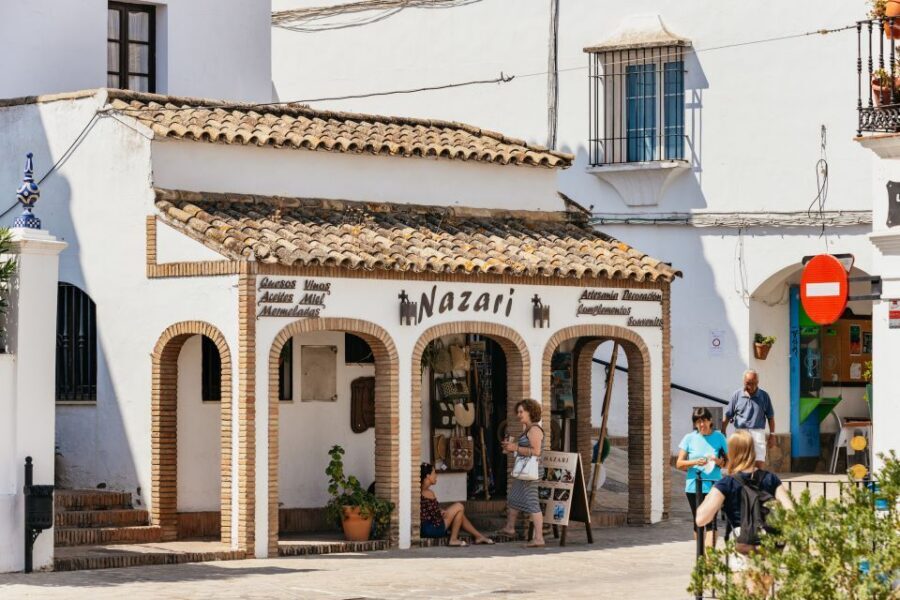
This is a shared transfer tour, so you should expect a full-day rhythm and a bit of structure. The coach ride segments are part of the experience, and the tour includes a guide to keep the story moving while you’re on the road.
Comfort-wise, many passengers note the bus is clean and comfortable, often with air-conditioning in hot weather. Still, it’s a large vehicle, and one person specifically pointed out there may not be an onboard bathroom. Plan around that: use bathroom breaks at stops, and don’t chug water at every turn.
Timing can feel tight at some stops. When the schedule is packed, it’s usually because the day is designed to hit both mountain villages and Ronda in one go. If you prefer a slower pace, you can still succeed—just be strategic. Wear shoes that handle stone streets, and keep your phone ready because the viewpoints come in fast.
One more real-world detail: in bad weather, the route can change. There’s at least one example of white villages being closed due to floods, with an alternate stop like Osuna added instead. If that happens, the lesson is the same: stay flexible, trust the guide, and enjoy the version of the day you’re given.
The $52 Value Check for a 10-Hour Day Trip
At about $52 per person for a 10-hour day, the value comes from what’s included, not from whether it feels “cheap.” You get round-trip shared transfer, transportation, and a guide—and the guide’s job isn’t just narration. They also manage timing, regrouping, and practical recommendations so you spend more time seeing and less time figuring.
Food isn’t included, but the tour’s design still supports a fair day:
- you’re given time to eat in Grazalema
- you also have free time in Ronda for your own choice of lunch or snacks
- you get an olive oil press visit where tasting and processing info can be part of the experience
If you’re traveling from Seville and want Ronda plus two major white-village stops, doing it independently usually means either a rental car (cost, parking, driving stress) or multiple bus connections. For many people, paying for the guided route is the cheaper stress option.
Who This Tour Suits Best (And Who Might Want Another Plan)
This tour fits you if you want:
- one-day efficiency to see Pueblos Blancos and Ronda from Seville
- guided context while you look at villages, birds, and working countryside
- a mix of structured stops and real free time in Ronda
It may feel less ideal if you:
- want a super slow day with lots of downtime
- hate group schedules or prefer a quiet, private pace
- need frequent breaks beyond what the tour stops allow
If you’re traveling with mobility needs, note the tour is described as wheelchair accessible. Still, the towns you visit have uneven old-street textures, so it’s smart to plan for that reality when choosing where you’ll spend time.
Should You Book This Pueblos Blancos and Ronda Full-Day Trip?
My take: book it if Ronda is on your must-see list and you want to connect it to the white villages and mountain countryside instead of treating it as a standalone spot. The combination of Zahara, Grazalema, an olive oil press visit, and then Ronda’s bridge-and-cliff drama is exactly the kind of day trip that makes travel feel organized and satisfying.
Before you click confirm, ask yourself one question: do you enjoy a guided day with fixed stop times? If yes, this is strong value. If you want total freedom, consider a self-guided approach—but from Seville, that freedom comes with more planning and more driving stress than most people expect.
FAQ
How long is the Seville to Pueblos Blancos and Ronda day trip?
The duration is listed as 10 hours.
Where do I meet the tour in Seville?
The meeting point may vary depending on the option booked. Pickup options include Calle Rastro, 12a (Hotel Don Paco) and Calle Trajano, 6, with a third starting location also listed.
Is lunch included?
Lunch time is included in the schedule at Grazalema, but food and drinks are not included, so you’ll pay for meals.
What languages are available for the live guide?
The guide is offered in English, French, Italian, and Spanish.
Is the tour wheelchair accessible?
Yes, the activity is listed as wheelchair accessible.
What stops are included during the day?
You’ll visit Zahara de la Sierra, Molino El Vínculo, Grazalema (with lunch time), and Ronda, with a photo stop and guided time plus free time in Ronda.
What should I bring?
Bring comfortable shoes, sunglasses, and a sun hat.
Can I cancel and get a refund?
Yes. The tour offers free cancellation up to 24 hours in advance for a full refund.