REVIEW · SEVILLE
From Seville: Full-Day Aracena & Rio Tinto Mines Tour
Book on GetYourGuide →Operated by Naturanda Turismo Ambiental · Bookable on GetYourGuide
Rio Tinto looks like Mars in Spain. On this day trip, you trade Seville heat for red mining scenery, then end in the limestone wonder of Gruta de las Maravillas.
I like two things a lot. First, the pacing is easy: air-conditioned transport, regular photo stops, and enough time to actually enjoy each place instead of sprinting. Second, the day often gets super personal thanks to guides like Driss, Miguel, Carmen, Catherine, Luismi, Sergio, and Carlos, who are praised for clear storytelling and keeping the group moving at a comfortable tempo.
One consideration: it’s a long day. You’ll be on your feet around Aracena and inside the cave, and the cave can involve tight spaces and narrow stairways, which is worth thinking about if you’re claustrophobic.
In This Review
- Key highlights you’ll remember
- A 10-hour Seville day trip with two very different worlds
- Getting out of Seville: timing, transport, and photo chances
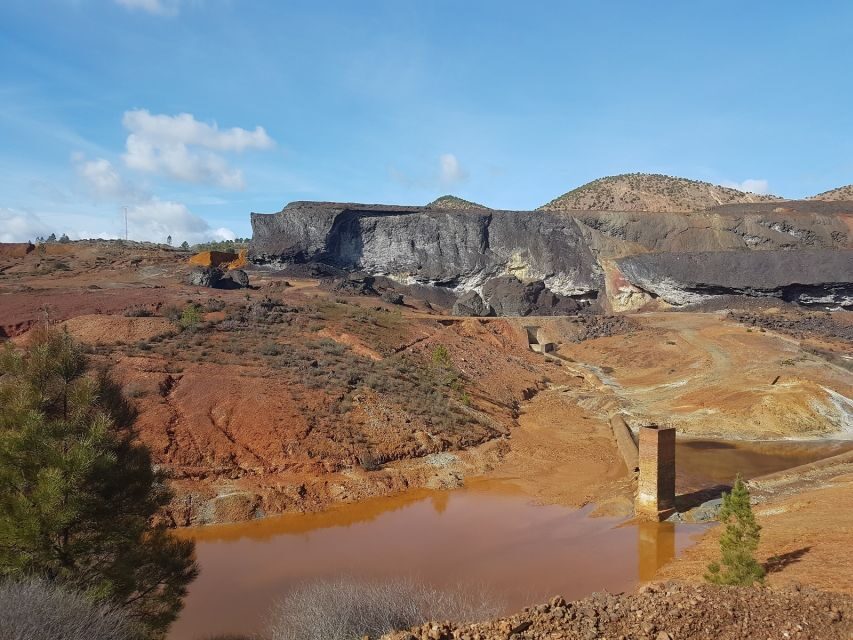
- Rio Tinto Mines: why the area looks like another planet
- Dehesas de Sierra Morena reserve: cork trees, oaks, and wildlife
- Aracena: lunch time, town viewpoints, and a guided taste of Sierra Morena
- Inside Gruta de las Maravillas: stalactites, stalagmites, and blue water
- Almonaster la Real viewpoint: the quiet break on a hill
- Price and value: is $112 worth a full day from Seville?
- Who should book this day trip
- Should you book the Aracena and Rio Tinto Mines tour?
- FAQ
- How long is the Aracena and Rio Tinto Mines day trip?
- What’s included in the price?
- Are meals included?
- What language is the tour guide available in?
- Can I book a private tour?
- Where do pickup and drop-off happen?
- How much walking should I expect?
- What should I bring?
- Do they offer a student price?
- What is the cancellation policy?
Key highlights you’ll remember
- Mars-like Rio Tinto: the red river chemistry is part science, part wow-factor
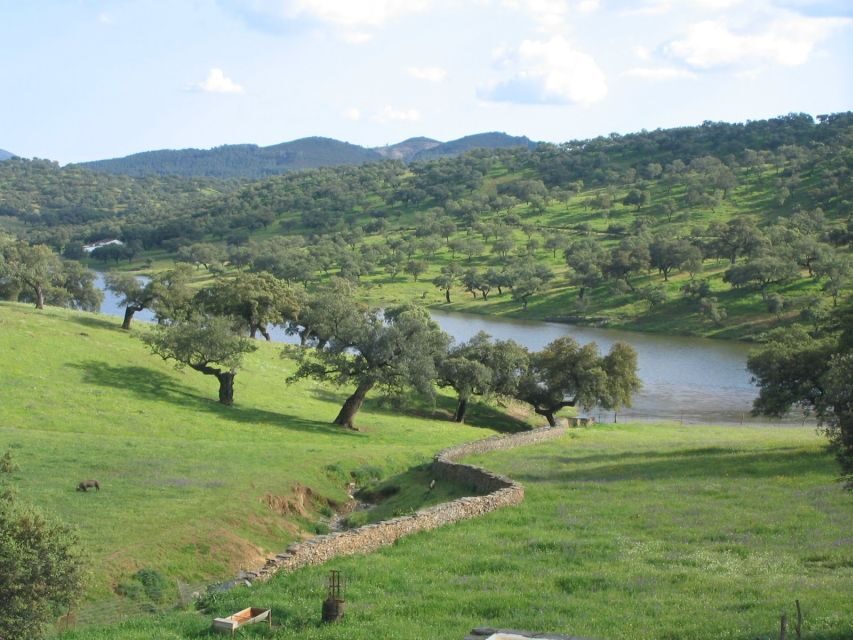
- Dehesas de Sierra Morena: cork trees, oaks, and a biosphere reserve feel
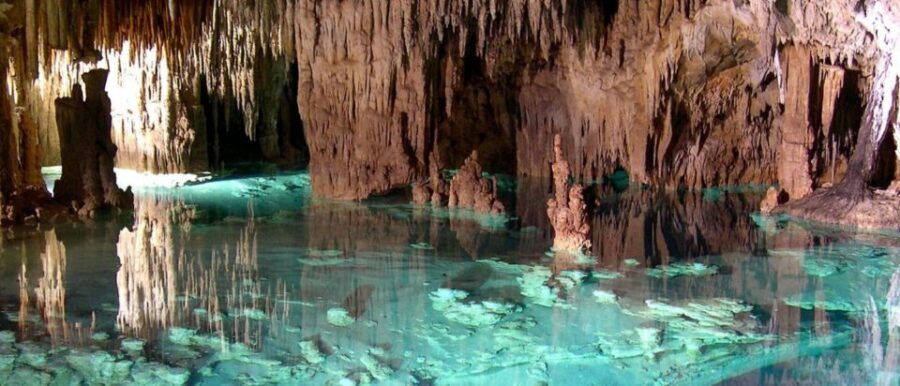
- Gruta de las Maravillas: stalactites, stalagmites, and a long cave walk
- Aracena time to linger: lunch plus viewpoints, not just quick photo stops
- Small-group or private options: more attention if you’re not into big tours
- Guides who set the tone: names that come up often include Driss, Miguel, Carmen, and Catherine
A 10-hour Seville day trip with two very different worlds
This is one of those trips where the distance buys you something. You leave Seville for the Sierra Morena region and spend your day bouncing between geology, nature, and small-town Spain. The total time is about 10 hours, with transport built in and entrance fees included for the big sights.
For me, the win is that it’s not just a checklist. Rio Tinto gives you the science-and-survival story of how mining changed the land. Aracena gives you slower, human-scale beauty—walks under cork trees and oaks, plus a real village rhythm.
The trade-off is time and comfort. It’s a full day. If you’re the type who needs long, quiet breaks, plan to treat the “free time” part (especially in Aracena) as your recovery window.
You can also read our reviews of more tours and experiences in Seville

Getting out of Seville: timing, transport, and photo chances
You start with an established pickup point that can vary by the option you book, and you’ll return to multiple drop-off locations in Seville. Once you’re moving, you’re in a bus/coach for the out-and-back stretches.
The drive matters here because the day is built around viewing. You get around 1 hour to reach the Rio Tinto area, plus a couple of staged moments to get your eyes set: one stop for photos and visiting (around 30 minutes), and then another block of time to break up the route (around 30 minutes).
A practical tip: bring a light layer and keep your phone/batteries ready. Even when you’re just outside for photos, the color and light at Rio Tinto can be dramatic, especially with weather changes.
Rio Tinto Mines: why the area looks like another planet
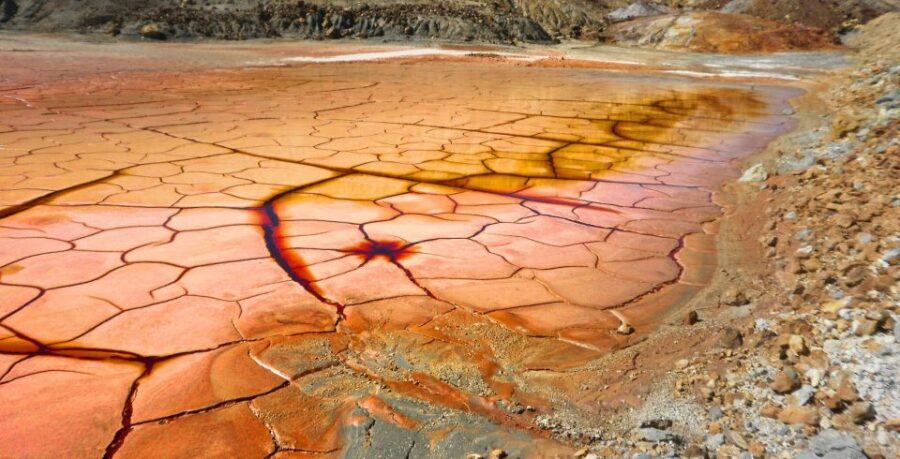
Rio Tinto is the star for anyone who likes geology, history, and “how is that even possible?” The area has been exploited for copper, silver, and gold for over 2,000 years. That long mining history is the whole point: human activity reshaped the ground, and the result is visually strange.
The signature feature is the river turning reddish. You’ll learn the chemistry angle: the river runs through old mining fields, metallic minerals combine with mildly acidic waters, and the result is a color that’s almost unreal—and tough conditions where life struggles.
And yes, there’s a modern science connection too. This is an environment used for study, including the kind of research that helps people understand alien-like landscapes. You’ll see why: the way red tones cling to rock, the mineral effects, and the overall “Mars-like” look.
Is the mining itself pretty? It’s not a postcard. But it’s fascinating in a different way. You’re watching a real place where chemistry and extraction have produced a landscape that looks like a science-fiction set—only this one is real.
Dehesas de Sierra Morena reserve: cork trees, oaks, and wildlife
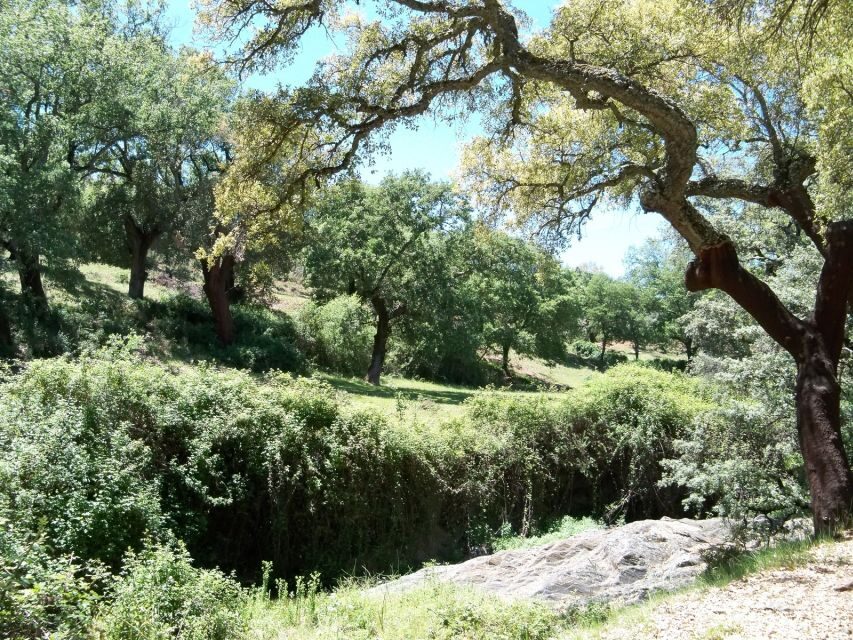
After Rio Tinto, the mood shifts. You head into the biosphere reserve of Dehesas de Sierra Morena, a more life-friendly environment where the land is managed and protected.
This is where the tour starts to feel like “Spain you can walk through.” You’re on trails in the Dehesas with cork trees and oaks overhead for shade. If you’ve been stuck in cities and museums all week, this part gives you a breather.
And it’s not just greenery. The reserve is known for wildlife that fits the ecosystem: you may spot Iberian pigs and possibly bulls. Even if you don’t see animals on every outing, the point is the habitat feel—open, rural, and calmer than the mining zones.
If you want photos, this is the better time for scenic shots that don’t look like you accidentally photographed a Martian parking lot.
Aracena: lunch time, town viewpoints, and a guided taste of Sierra Morena
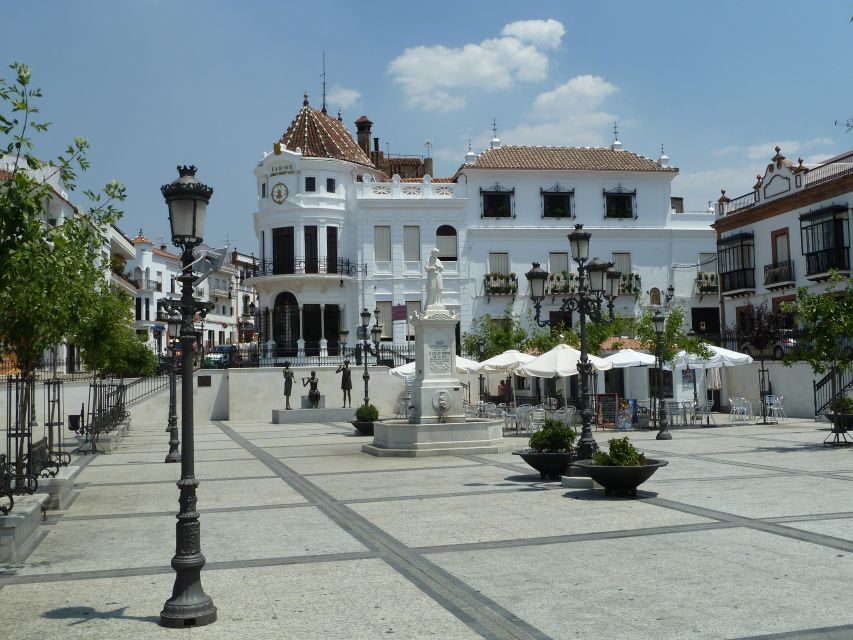
Aracena is the “human scale” stop. It’s the capital of the Natural Park Sierra de Aracena and Picos de Aroche, and the area works well for a day trip because the town sits in the middle of this mountainous countryside.
You get a guided tour segment here (about 45 minutes), then time to breathe with lunch plus free time for around 2 hours. That lunch window is valuable because it’s your chance to slow down and eat without turning the day into a constant rush.
After lunch, you can also fit in a sightseeing stop near the Castillo de Aracena (around 30 minutes). Think of this as your viewpoint payoff. One of the nice details is that you often get a choice in how to handle that hill area—either viewing from the top or spending more time exploring Aracena if you don’t want the climb.
Two things to do with your free time:
- Find the viewpoints first, while you still have energy for stairs and walking.
- Use Aracena’s calm streets as a reset before the cave, which is the most physically involved part of the day.




Inside Gruta de las Maravillas: stalactites, stalagmites, and blue water
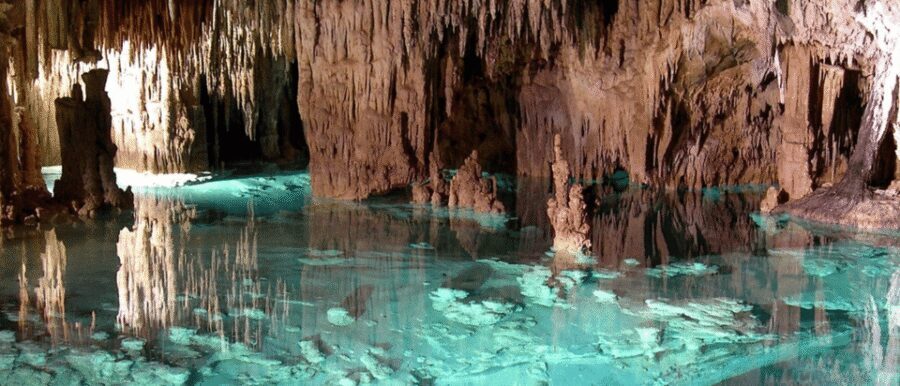
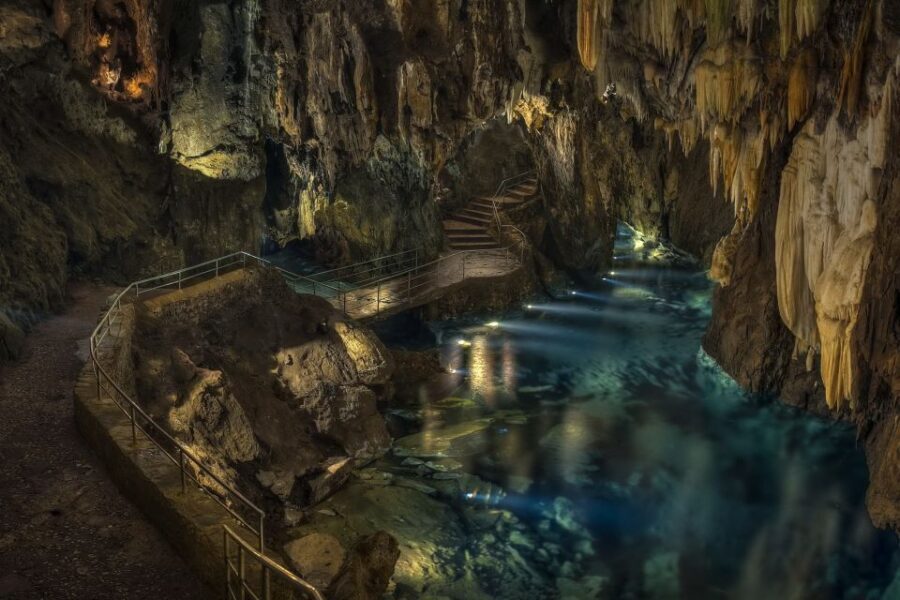
Then comes the main event for many people: Gruta de las Maravillas. This cave system is almost 2,000 meters long, and you’ll visit on a guided tour of about 1 hour.
What to expect underground:
- Limestone formations like stalactites and stalagmites created by water action over time
- A walk through chambers with rock textures that feel almost sculpted
- Deep blue water that adds a strange contrast to all the mineral tones
This is the part where your day trip becomes more than a bus ride. The cave has a slow, built-in rhythm: you look, you pause, you listen, you walk.
One word of advice: the cave can involve tight spaces and narrow staircases, based on real on-tour experiences. If you’re even slightly worried about claustrophobia, take that seriously and consider whether you want to spend time in confined passages.
Language can also matter inside the cave. In some situations, the cave’s own English audio or guidance may not match your expectations. If language clarity is important to you, rely on the main guide for context and don’t count on every spoken detail being perfectly translated at every moment.
Almonaster la Real viewpoint: the quiet break on a hill
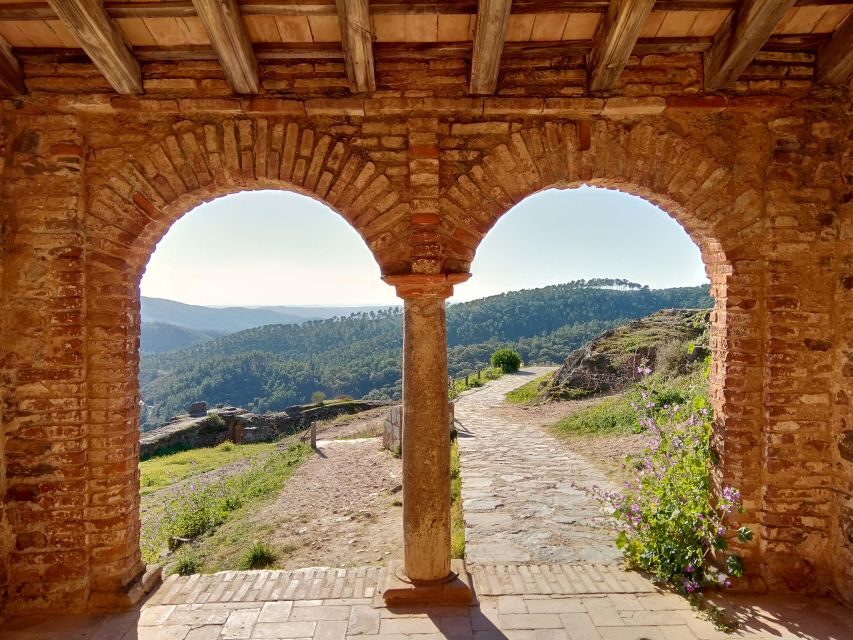
You’ll also take in views of the rural Mosque of Almonaster la Real. It’s not the type of stop that steals the whole day, but it gives you contrast: after mining and caves, you get a quieter, more peaceful look at rural architecture sitting above the countryside.
This is a nice moment for slower sightseeing and photos—especially if the morning felt “science intensity level: high.”
Price and value: is $112 worth a full day from Seville?
At $112 per person for a 10-hour day, the real question is what’s covered.
This tour includes:
- A local guide
- A walking tour
- Entrance fees
- Established pickup and drop-off points
- Transport via air-conditioned vehicle/bus/coach
Meals and drinks are not included, so you’ll budget lunch on your own once you’re in Aracena.
For value, the key is this: you’re paying for the whole structure—transport, guided time, and admission for the biggest attractions. If you tried to do Rio Tinto plus Aracena plus the cave by yourself, you’d spend time coordinating rides and tickets. Here, the day is stitched together for you, with enough time to enjoy the sights instead of only seeing them through a window.
If you care about comfort and want a guide to connect the dots between mining history, ecology, and caves, this price starts to look fair fast.
Who should book this day trip
You’ll probably love it if:
- You’re curious about geology and how humans shaped a place
- You want nature that isn’t just a park bench view—there’s a real walking component
- You don’t want the hassle of driving out from Seville
- You enjoy guided storytelling (and you’ll likely get it from guides like Driss, Miguel, Carmen, Catherine, Luismi, Sergio, and Carlos)
You might skip it if:
- You hate caves or you get uncomfortable in tight spaces and narrow stairs
- You’re not interested in mines at all. The mining area isn’t trying to be scenic; it’s trying to be informative and eye-opening.
Should you book the Aracena and Rio Tinto Mines tour?
If you want a day that feels like two worlds collided—Mars-like red rock science plus real Sierra Morena countryside plus a proper cave visit—this is a strong choice.
Book it if you can handle a long day and you’re comfortable with some walking. If you’re sensitive to confined spaces, decide carefully before choosing the cave portion.
One final practical thought: wear comfortable shoes with grip. Between village walking, trail time under trees, and cave stairs, your feet will do the work.
If that sounds like your kind of day, you’ll leave with stories that don’t fit neatly into a normal Seville trip.
FAQ
How long is the Aracena and Rio Tinto Mines day trip?
The duration is about 10 hours.
What’s included in the price?
A local guide, walking tour, entrance fees, and established pickup and drop-off points are included.
Are meals included?
No. Meals and drinks are not included, so you’ll plan for lunch in Aracena.
What language is the tour guide available in?
The live tour guide is available in English, French, Italian, and Spanish.
Can I book a private tour?
Yes. Private or small group options are available.
Where do pickup and drop-off happen?
Pickup depends on the selected option. Drop-off includes several Seville locations, such as C. Rastro 12, Hotel Don Paco, and Calle Trajano 6.
How much walking should I expect?
There’s a walking tour and time on trails around Aracena and the Dehesas. Inside the cave, you’ll also walk through passages and stairways.
What should I bring?
Comfortable shoes are recommended.
Do they offer a student price?
Yes, but you must have a valid student card to purchase the student price category.
What is the cancellation policy?
You can cancel up to 24 hours in advance for a full refund.