REVIEW · SEVILLE
Seville: Historic Center Bike Tour
Book on GetYourGuide →Operated by Centerbici · Bookable on GetYourGuide
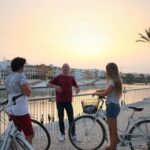
Seville’s walls tell stories you can ride. This 2.5-hour historic bike tour is built around Seville’s defenses and major city gates, with a guide who strings together Roman roots, Carthaginian and Carthage-era influences, and later political upheavals up through the 1868 riots and the Glorious Revolution. I like that you’re not just looking at monuments from afar; you’re cycling the former defensive route, so the layout makes sense fast. I also like the focus on architecture and named landmarks like Puerta Carmona, Puerta Osario, and Puerta Triana. One possible drawback: it’s not suitable for people with mobility impairments, so if you need step-free access or special cycling accommodations, this may not work for you.
This tour is designed to help you read Seville in layers: what the city looked like, why it was built that way, and what each era tried to protect. You’ll also get a real-city cadence from biking through the historic center, which makes the history feel practical rather than like a lecture. Guides you may encounter include Luca, Daniel, and Sébastien, who are noted for clear explanations and for paying attention to how well guests are following along (including language support when needed).
Key moments at a glance
- Former defensive walls route: You ride the kind of path that explains Seville’s city planning.
- Named gates stops: Puerta Carmona, Puerta Osario, and Puerta Triana are the big “where history happened” markers.
- Era-to-era connections: From Roman beginnings through Almoravid fortifications to the 1868 unrest.
- Architecture variety, on purpose: You see different styles without needing to hop between distant neighborhoods.
- Bilingual guide support: Spanish, English, and French, with help when translation is needed.
In This Review
- A 2.5-Hour Bike Tour Built for Seville’s Defensive Layout
- Why Riding the Old Walls Is the Fastest Way to Understand Seville
- Gates You’ll Pass and Why Puerta Carmona, Osario, and Triana Matter
- Macarena, Puerta de Córdoba, and the Alcázar After 1868
- The Roman-to-Almoravid Thread Your Guide Puts on Two Wheels
- What to Expect on the Ride: Pace, Streets, and Comfort
- Guide Quality and Language Support That Actually Helps
- Value for $35: What You Get for 2.5 Hours
- Who This Bike Tour Fits Best
- Should You Book This Seville Historic Center Bike Tour?
- FAQ
- How long is the Seville Historic Center Bike Tour?
- How much does the tour cost?
- Where is the meeting point?
- What is included in the price?
- What languages are available for the guide?
- Are there stops at specific gates and landmarks?
- Is this tour suitable for people with mobility impairments?
- Is there free cancellation?
- Is pay later available?
A 2.5-Hour Bike Tour Built for Seville’s Defensive Layout
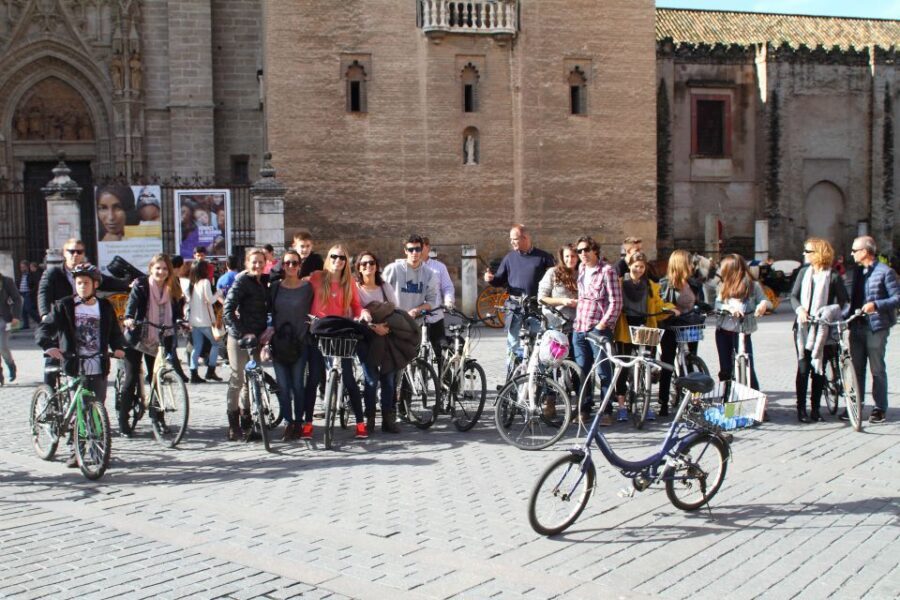
The big idea here is simple: Seville’s historic center becomes much easier to understand when you move along the lines the city once used to defend itself. In just 2.5 hours, you cover enough ground to connect street-level landmarks to the bigger story of power, control, and city growth.
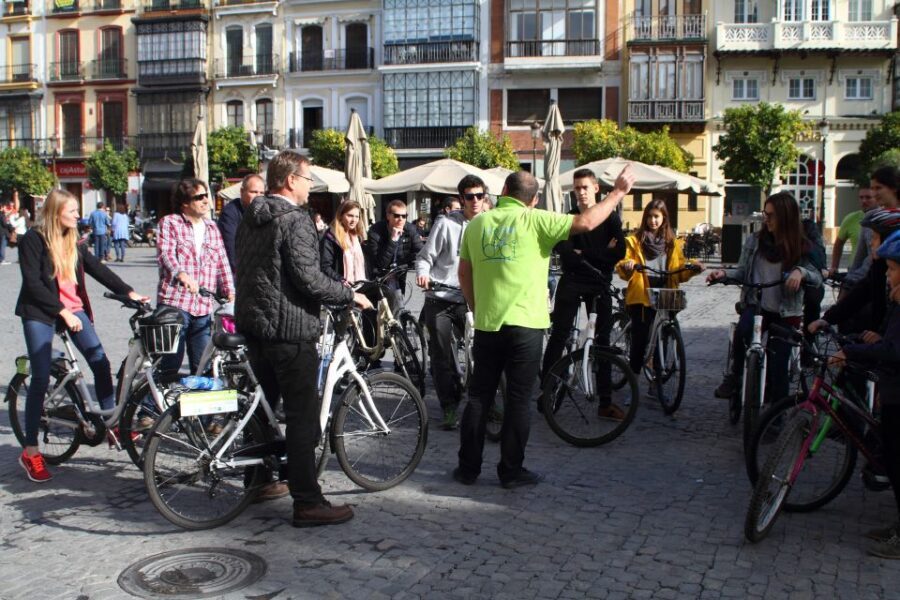
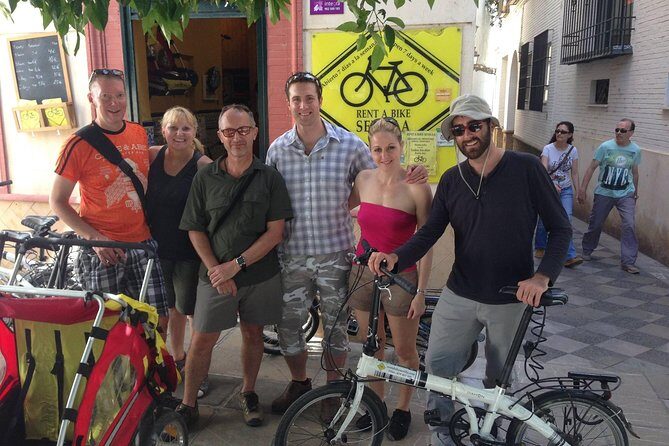
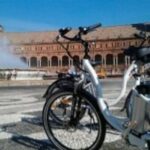
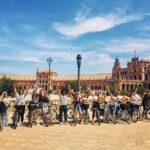
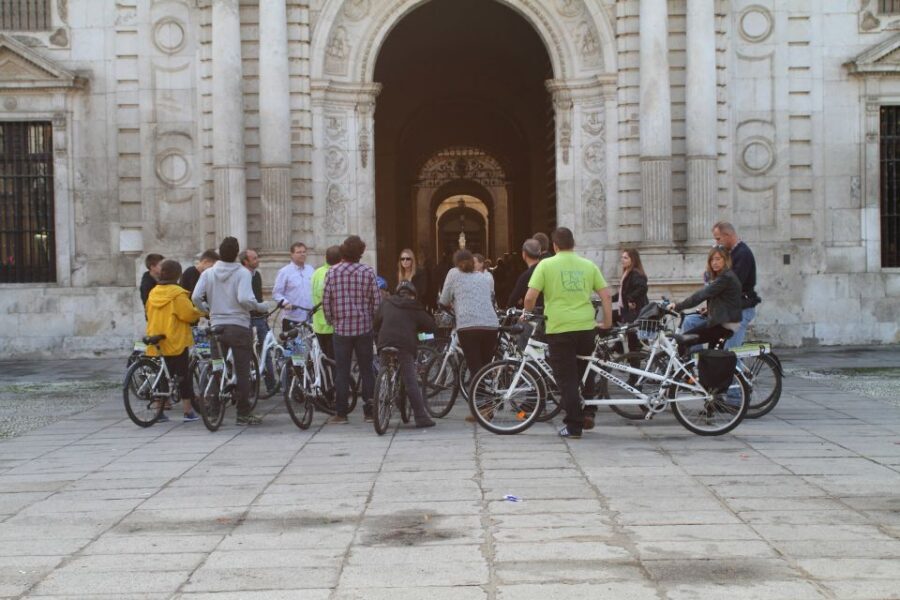
You’ll meet your guide at Centerbici Store, C/ Espronceda, 5 (41004 Sevilla) and then head out with rented bikes (and a helmet rental option for children). You also get a water bottle and a map, which is genuinely useful because Seville’s streets can feel like a maze once you’re on your own later.
If you’re the type who likes to get oriented early in a trip, this is a smart way to do it. You learn how the city fits together while you’re still fresh, not three days into your stay when all your routes have turned into guesswork.
Why Riding the Old Walls Is the Fastest Way to Understand Seville
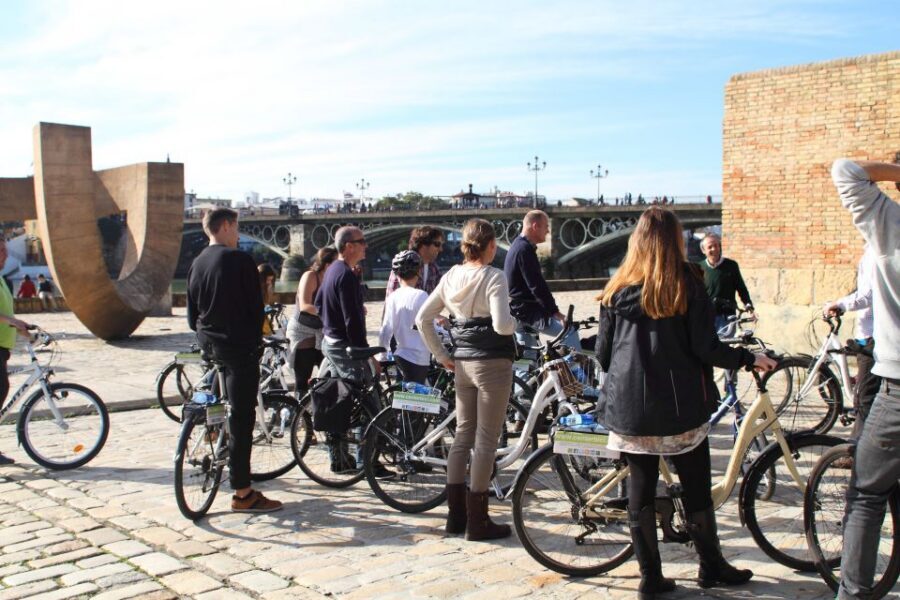
Many Seville walks feel like a highlights reel: see this plaza, then that cathedral-adjacent scene, then maybe a garden. This ride does something different. It follows the former defensive route, which gives you a sense of why the city developed where it did.
The story your guide lays out matters because it’s not one random timeline. You hear about Seville’s early settlers and influences—Tartessians and Carthaginians, then Romans—before the city becomes known as one of the most important places in Spain. Then you get the defensive angle: under the Almoravids, Seville became the best-walled city in Europe, and parts of that defensive logic still shape what you see today.
As you bike, pay attention to how the city’s structure guides you. Even without stopping constantly, the act of moving along a defensive line helps you understand what the walls were for: controlling movement through gates, protecting key areas, and projecting power.
You can also read our reviews of more cycling tours in Seville
Gates You’ll Pass and Why Puerta Carmona, Osario, and Triana Matter
This tour treats gates like history chapters. You’ll stop at major ones—Puerta Carmona, Puerta Osario, and Puerta Triana—so you’re not just rolling past old stonework and hoping it clicks later.
Gates were never decorative. They were control points where people and goods moved in and out. Your guide connects each gate stop to the stories attached to it, including how carriages were stopped and how certain mysteries unfolded over time. That kind of detail is exactly what makes a gate stop more than a photo moment.
Puerta Triana, in particular, is a great place to slow your brain down for a second. It’s a named landmark that anchors the route, so your tour feels organized rather than like a winding loop of random streets.
And because you’re cycling between gates, you get a sense of distance and geography. That matters in Seville, where streets can look similar but lead to very different corners of the city’s past.
Macarena, Puerta de Córdoba, and the Alcázar After 1868
One of the most compelling parts of this tour is how it reaches beyond ancient times into the political and social shocks that changed the city in the modern era. You’ll hear about the riots of 1868 and the Glorious Revolution, and then you connect that moment to what remained—sections of defensive walls and key structures linked to areas like Macarena and Puerta de Córdoba, plus the Alcázar area that’s tied to what endured after the unrest.
This is where you’ll see history as something that survives, not just something that happened. The physical reminders of 1868-era change are what give the storytelling weight. You’re not only hearing dates; you’re standing near landmarks that still carry consequences.
If you like “then and now” thinking, you’ll appreciate this section. You can look at a gate or wall stretch and imagine how the city responded to turmoil—who needed protection, what access points mattered, and which parts of the defenses held their identity.
The Roman-to-Almoravid Thread Your Guide Puts on Two Wheels
Seville’s past is layered, and the challenge is making it stick. The route helps because it’s chronological in theme: early settlement influences lead into Roman-era importance, then the city develops into a powerhouse that’s known for its defenses.
Your guide walks you through:
- Roman origins as a starting point for Seville’s long-term growth
- Earlier influences from groups that settled in the area, including Tartessians and Carthaginians
- The period where Seville becomes heavily fortified, including the point that it became the best-walled city in Europe under the Almoravids
Then the tour pivots to the later defensive remnants and the post-1868 landscape you can still recognize in stone. It’s a smart storytelling arc because it gives you something to compare: ancient power builds defenses; later unrest changes what’s left; and the city you’re biking through is the result.
This is also one of the reasons biking works so well here. You can’t do that kind of full-city comparison at museum speed. On a bike, you get enough movement to feel the city as a system.
What to Expect on the Ride: Pace, Streets, and Comfort
Because this is a historic center bike tour, the riding experience matters. You’re in an urban setting, so you’ll want to be comfortable cycling through city streets and navigating turns and stops.
Most guests should find the pacing manageable since it’s built around guided stops at gates and wall sections. You’re typically not looking at long stretches with no explanation. The structure is designed so the ride stays meaningful.
Still, one practical point from real-world experience: bike condition can vary. There’s at least one mention of bikes being at the end of their life. That doesn’t mean the tour is unsafe or unusable, but it does mean you should arrive ready to check your bike quickly at the start—tires, brakes, and how the seat feels for you.
If you prefer a very smooth, quiet ride, you might notice the trade-off that comes with seeing Seville this way. It’s not a country-lane cycle. The payoff is that you’re seeing defense lines and gates in context.
You can also read our reviews of more historical tours in Seville




Guide Quality and Language Support That Actually Helps
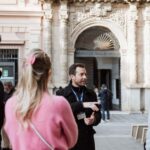
The tour’s value depends heavily on the guide, and the strongest praise points to explanation style and attentiveness. Guides like Luca have shown up with a reputation for being highly cultured and for speaking French extremely well, and also for being able to support communication even when guests asked for a language adjustment. Other named guides include Daniel and Sébastien, who are described as excellent and attentive.
You’ll hear the tour in Spanish, English, or French, and the guide is a live guide (not pre-recorded audio). There’s also mention of a guide working hard to make sure guests understood in English when a guest would have preferred French, with support offered via phone translation.
For your experience, that means you’re more likely to actually understand the why behind the walls and gates, not just collect place names. In a city where many landmarks can overlap visually, clear explanation is what turns the tour into real learning.
Value for $35: What You Get for 2.5 Hours
At $35 per person for about 2.5 hours, the value comes from three things bundled together:
- Bike rental, so you’re not solving transportation mid-trip
- A bilingual (or multilingual) live guide, which is where the history becomes coherent
- Water bottle and map, small items that keep you comfortable and oriented
You’re also getting helmet rental for children, which is part of why this works as a family-friendly option from an equipment standpoint.
You’ll see multiple named gates and defensive wall areas rather than a single attraction. That’s important because Seville can be expensive when you start adding paid entries back-to-back. Here, your main cost is the tour itself, and you’re using the guide’s explanation to make the stops worth it.
There’s also a line-skip note included. The details of what that specifically applies to aren’t spelled out here, but as a general value concept, it can help you spend more time moving and less time waiting.
Who This Bike Tour Fits Best
This tour is a good match if you:
- Want an orientation walk-through of the historic center that you can feel spatially
- Like defense and city-planning stories, not just monuments
- Prefer guided narration with named stops like Puerta Carmona, Puerta Osario, and Puerta Triana
- Are comfortable cycling in a busy city area
It’s not suitable for people with mobility impairments, so if that’s your situation, you’ll want an alternative Seville walking or accessible transport option.
It’s also not the best choice if you hate riding at all. The whole point is to understand Seville from the movement of its defensive route.
Should You Book This Seville Historic Center Bike Tour?
I’d book this tour if you want a fast, structured way to understand Seville as a fortified city. The route logic—gates, wall sections, and named landmarks—helps you connect the dots from Roman beginnings through Almoravid fortification and into the dramatic changes tied to 1868.
Choose it particularly if you like guides who can explain clearly in your language. With options in English, Spanish, and French, and with evidence of guides working hard when language needs come up, this is one of those tours where the communication quality can make or break the experience.
Pass or look elsewhere if you can’t ride a bike comfortably, or if your main goal is a single monument-focused stop like a long cathedral visit. This tour is about the city’s defensive skeleton, not a slow deep architectural immersion of one building.
If you’re short on time and want Seville to start making sense quickly, this is the kind of $35 experience that can pay off for the rest of your trip.
FAQ
How long is the Seville Historic Center Bike Tour?
The tour lasts 2.5 hours.
How much does the tour cost?
It costs $35 per person.
Where is the meeting point?
You meet at Centerbici Store, C/ Espronceda, 5, 41004 Sevilla.
What is included in the price?
Included are a tour of Seville, bike rental, a bilingual live guide, a water bottle and map, and helmet rental for children.
What languages are available for the guide?
The live guide operates in Spanish, English, and French.
Are there stops at specific gates and landmarks?
Yes. The route includes stops at Puerta Carmona, Puerta Osario, and Puerta Triana, plus wall and architecture highlights such as Macarena, Puerta de Córdoba, and the Alcázar.
Is this tour suitable for people with mobility impairments?
No, it is not suitable for people with mobility impairments.
Is there free cancellation?
Yes. You can cancel up to 24 hours in advance for a full refund.
Is pay later available?
Yes. You can reserve now and pay later to keep plans flexible.