REVIEW · SEVILLE
Seville: Ceramic painting workshop
Book on GetYourGuide →Operated by Arte y Pureza · Bookable on GetYourGuide
A brush and a blank piece—then magic. This Seville ceramic painting workshop is a calm, hands-on way to practice a craft you’ll keep seeing around the city. You sit down, pick a form (mug, jewelry box, and even a pet feeder), and decorate it your way with help from the studio team.
I especially like that you can bring your own idea or use the workshop templates. Second, the small-group setup (limited to 10) means you actually get feedback as you paint, not just instructions and a shrug. The main thing to watch: your piece needs time to finish—glaze and bake later—so you’ll want a plan for pickup or shipping if you’re leaving soon.
In This Review
- Key things you’ll notice right away
- Why Sevillian ceramic painting is a great fit for Seville
- Meeting at Local Arte y Pureza near Esperanza de Triana
- The 2-hour session: picking your ceramic and painting it your way
- The teachers’ guidance makes or breaks the experience
- From paint to glaze: what happens after you leave
- Price and value: €13 to reserve, then you pay for the ceramic piece
- What you can paint: bring an idea or use the templates
- When this workshop fits your trip (and when it doesn’t)
- Small rules and practical tips that keep your session smooth
- Final verdict: should you book ceramic painting in Seville?
- FAQ
- How long is the ceramic painting workshop in Seville?
- What’s included in the booking price?
- Do I pay for the ceramic piece separately?
- Can I paint more than one item during the session?
- How long will my finished ceramic take?
- Where are they located and how long do they store pieces?
Key things you’ll notice right away
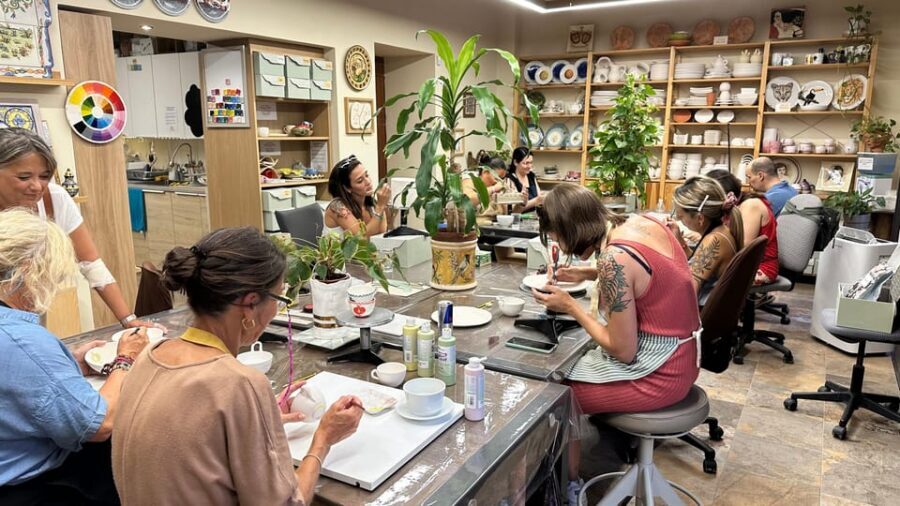
- You paint during the 2-hour session and choose from multiple ceramic shapes
- Two teachers help you the whole time (Spanish and English)
- Firing is included, but the ceramic piece costs extra (between €13 and €29)
- You can take your time at the end if the next session has space
- Your results aren’t instant; expect 10–15 days for completion
- Triana-area location makes it easy to pair with a local stroll
Why Sevillian ceramic painting is a great fit for Seville
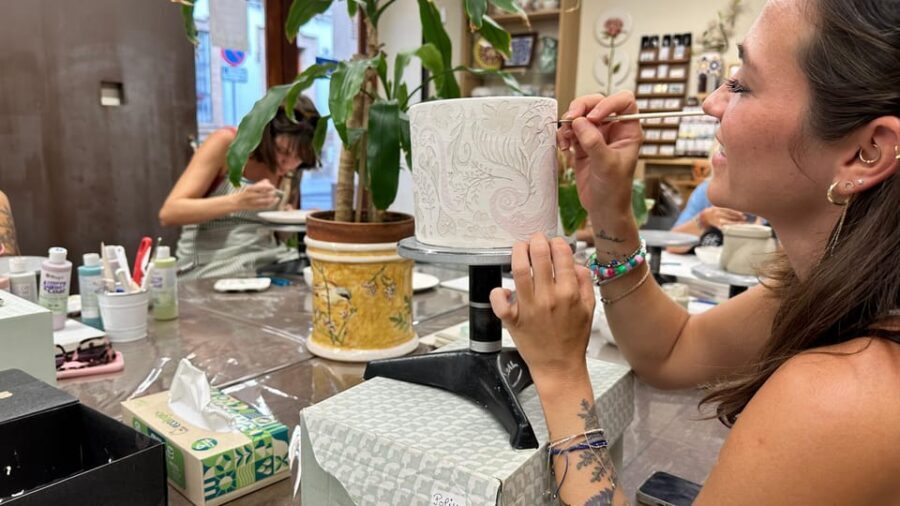
Seville is full of tiled streets, ceramic accents, and everyday objects that look like art. This workshop gives you the same feeling, but with your own hands doing the work. It’s not about rushing. It’s about slowing down long enough to get good at one small, satisfying skill.
I like that it’s relaxed without being random. You’ll get guidance at the start, then you’ll paint while teachers stay close to help you with practical stuff—color choices, getting coverage, and keeping your design readable. It makes a rainy-day plan feel worth your time, and it also works if you’re just tired from walking.
One more plus: you leave with a personal object you made, not a short-lived souvenir photo. A painted mug or jewelry box is the kind of thing you’ll actually use or gift.
You can also read our reviews of more tours and experiences in Seville


Meeting at Local Arte y Pureza near Esperanza de Triana
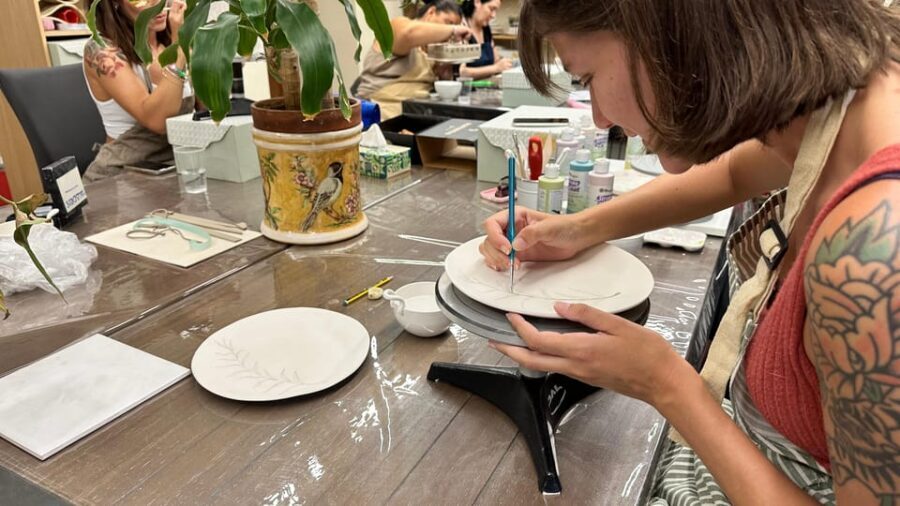
You meet at Local Arte y Pureza, near the chapel of Esperanza de Triana. This matters more than it sounds. Triana is one of those Seville neighborhoods where ceramics and traditional crafts feel natural, not staged for tourists.
Because it’s a studio setting, you don’t need to worry about hunting down a landmark at the wrong time. You’ll be going in with other people, checking in, and then the session starts at a comfortable pace.
Practical note: plan to arrive a few minutes early so you can get settled before choosing your piece and colors. With only a 2-hour painting window, starting on time helps.
The 2-hour session: picking your ceramic and painting it your way
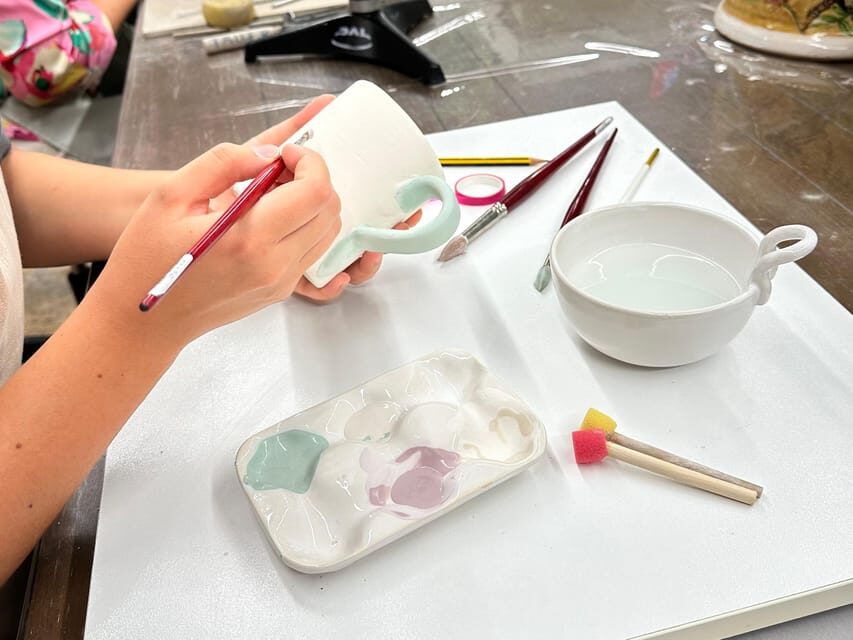
Your reservation is 2 hours, and during that time you can paint one or more pieces depending on what you choose and how fast you work. If you’re choosing a bigger item or multiple items, it’s smart to start thinking about your design right away so you don’t lose time doing mock-ups.
Here’s how the session usually feels:
- You choose the ceramic item from the workshop’s catalog (you might see things like mugs, jewelry boxes, or a pet feeder).
- Teachers help you get set up with paints, brushes, and basic technique.
- You paint using your own idea or the studio templates.
- You work at your pace while support stays within reach.
The whole point is that it’s doable even if you’re not an artist. You’re practicing a few repeatable moves—coverage, outlines, and filling spaces—so your final piece looks like what you intended, not like a rushed experiment.
If you get close to running out of time, there’s a helpful option: if the studio has a free spot in the next session, they don’t mind if you stay a little longer to finish at your own pace. That flexibility is the kind of thing that saves your design from becoming a half-finished story.
The teachers’ guidance makes or breaks the experience
You’re not painting alone. You’ll meet two teachers in the pottery workshop, and they’re there to help you the whole time. The experience runs in Spanish and English, so you can ask questions without guessing.
I love that the guidance is practical. The teachers can explain what to do when:
- You want to copy a template but adjust it to your taste
- You’re unsure how much paint to apply for good coverage
- You’re trying to make lines look clean
- You want your design to look balanced (especially on curved pieces like mugs)
One review highlighted the instructor named Irene as helpful and friendly, and that matches what you want from a workshop like this: calm coaching, not loud pressure.
You’ll also notice the tone is more workshop than class. You’re learning, but you’re also just creating something fun. There’s room to relax while still feeling productive.
From paint to glaze: what happens after you leave
This is where you should plan carefully. What you do in the studio is only step one.
Once you finish painting, the studio will glaze and bake the pieces in their ovens. The timeline isn’t instant:
- Expect at least 10 to 15 days to be completely finished.
- If you’re short on time in the city, you can ask about shipping options.
Shipping is handled as a buyer choice—shipping costs are paid by you. So if you’re traveling fast, decide early whether you’ll pick up later or ship.
Also ask yourself: how soon are you leaving Seville? If you’re the type who doesn’t want any loose ends, shipping may be the safer bet. If you can stay long enough to handle pickup, you’ll save money and stress.
Storage detail to keep in mind: the studio keeps pieces for a maximum of 90 days. If you don’t claim them within that window, they’ll be treated as abandoned pieces. It’s not meant to scare you, but it’s good to know this is a real workshop process with real logistics.





Price and value: €13 to reserve, then you pay for the ceramic piece
The reservation price is listed as €13 (often shown as about $15 per person). That booking fee covers the session and the setup—paints, brushes, and the necessary materials—plus the firing of the pieces you paint.
Then there’s the part people forget: you pay separately for the ceramic item after the session. Piece prices range from €13 to €29, depending on what you choose.
So what’s the real value?
- If you pick a piece you’ll genuinely use (a mug, a jewelry box), you’re paying for guided creativity plus the firing process. You’re not just buying materials.
- You’re also paying for the teachers’ time and the oven work you can’t do at home in an afternoon.
- Because the group is small (max 10), you get hands-on attention that you usually don’t get in bigger craft events.
If you’re budget-conscious, choose the piece size that fits your plan. Painting a single item is often a better fit than trying to do two complicated designs in one sitting.
What you can paint: bring an idea or use the templates
You’re encouraged to bring your own idea—something simple works well. A favorite flower, a pattern that feels like home, a name for a gift, or a color scheme inspired by Seville can all work.
If you don’t have a plan, the studio has templates you can use for inspiration. This takes away the blank-page stress. You can follow a template closely or tweak it so it still feels like yours.
Design tip that actually helps: pick a design with clear shapes. On ceramics, big shapes and simple motifs read better than lots of tiny details, especially if you’re working within a 2-hour window.
Also, consider gifting. This is one of those activities where the end product feels thoughtful. A painted ceramic box or mug can be a real “I made this” present, not just a generic souvenir.
When this workshop fits your trip (and when it doesn’t)
This workshop is ideal if you:
- Want a slow, creative activity that breaks up sightseeing
- Like learning by doing, not just watching
- Need a plan for a calmer indoor afternoon
- Want a handmade memory tied to Seville’s craft culture
- Travel with someone and want a shared activity
It’s also a good match for different ages since it includes professional support, and one review specifically described it as enjoyable for all ages.
But it’s not the best choice if you:
- Need instant results the same day (your piece finishes later)
- Hate waiting periods for pickup or shipping
- Have very little flexibility with time, since ceramics take 10–15 days and may need coordination
Kids note: children under 12 must be accompanied by an adult, and it’s not suitable for children under 5.
Small rules and practical tips that keep your session smooth
The studio has simple boundaries:
- No smoking indoors
- No alcohol or drugs
You don’t need to dress up for this, but you should show up ready to paint. Wear clothes you don’t mind getting paint on, even if the studio supplies everything needed for the activity. Ceramic painting can be gentle, but accidents still happen. I treat it like a craft class: casual and practical.
Two time-saving moves:
- Have a quick color plan before you start painting
- Decide what you’re aiming for—one strong piece usually looks better than two rushed ones
And if you’re traveling right after your session, remember that your piece won’t be ready on the same timeline as your photos. Plan your schedule around that reality.
Final verdict: should you book ceramic painting in Seville?
If you want a meaningful souvenir that feels personal, I’d book this. For the price, you’re not just paying for a seat—you’re paying for materials, teacher help, and the firing process. The small group size keeps quality up, and the ability to paint your own design or use templates makes it approachable.
Skip it only if you truly need same-day results or you can’t handle the later pickup/shipping step. Otherwise, this is a relaxing, hands-on way to create a Seville memory that doesn’t end when you walk out the door.
FAQ
How long is the ceramic painting workshop in Seville?
The reservation lasts 2 hours.
What’s included in the booking price?
The booking price includes the reservation and all necessary materials like paints and brushes, plus professional advice and the firing of the pieces made.
Do I pay for the ceramic piece separately?
Yes. The booking fee is €13, but the ceramic piece is paid separately after the activity. Piece prices range between €13 and €29.
Can I paint more than one item during the session?
You can paint one or more pieces depending on which ones you choose and the time needed. If you run out of time, they may allow you to stay a bit longer if there is space in the next session.
How long will my finished ceramic take?
Ceramics need time to be glazed and baked. It takes at least 10 to 15 days to be completely finished.
Where are they located and how long do they store pieces?
You meet near the chapel of Esperanza de Triana at Local Arte y Pureza. They keep finished pieces for a maximum of 90 days, and pieces not collected within that time are considered abandoned.