REVIEW · SEVILLE
Seville: 3–Hour Sightseeing Tour
Book on GetYourGuide →Operated by Centerbici · Bookable on GetYourGuide
Seville can feel big at first, but this bike tour makes it click. You’ll move quickly through the historic core, with your guide connecting major landmarks to the stories behind them, from the patios of old Seville to the Cathedral area and the famous Encarnaçao Mushrooms. Two things I really like: the Tobacco Factory stop (with lots of context) and the way the route threads together plazas, riverside landmarks, and viewpoints without wasting time.
Here’s the key value for you: you’re not just seeing names on a map. You’re getting origins, trivia, and history at each monument, including time spent in major squares like Plaza del Salvador and Plaza Nueva, plus the Cathedral/Giralda corridor along Avenida de la Constitución. It’s also a live, multilingual experience, so you’re not stuck trying to figure it out solo.
One drawback to consider: this is a bike-based tour, and bike quality can be inconsistent. Some groups report older bikes that work fine; others raise safety concerns or problems with bike availability, so I’d treat the bike part as important—not an afterthought—before you roll.
In This Review
- Key things I’d plan around on this Seville bike tour
- From Centerbici to Seville’s Highlights Without Getting Lost
- The Start: A Nineteenth-Century Patio House Feeling
- Plaza del Salvador, Plaza San Francisco, and Plaza Nueva
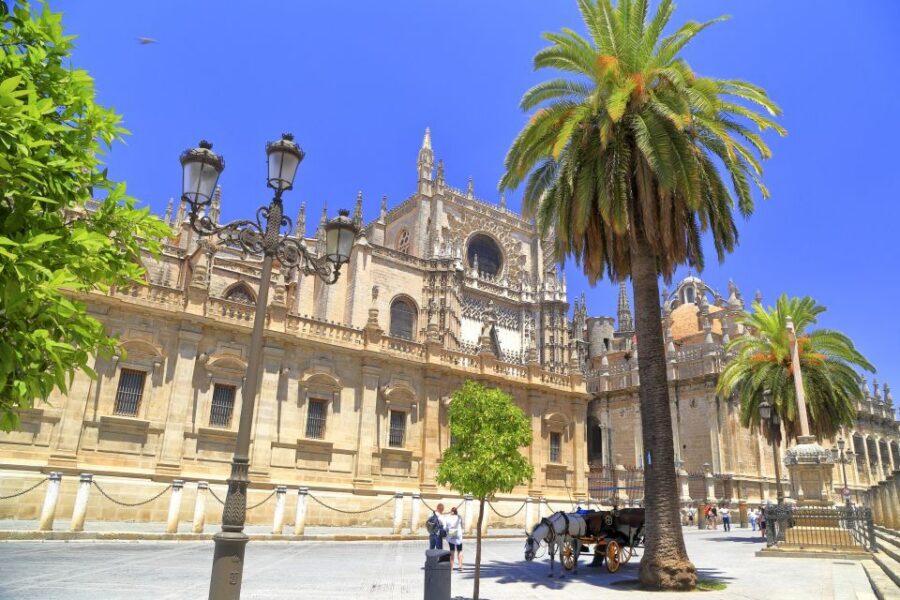
- Avenida de la Constitución to the Cathedral and the Giralda
- The Old Tobacco Factory: Work, Power, and Local Memory
- Prado de San Sebastián, Plaza de España, and Maria Luisa Park
- The New York Dock, Real Maestranza, and Torre del Oro
- Plaza de la Encarnación Mushrooms: Historic Meets Avant-Garde
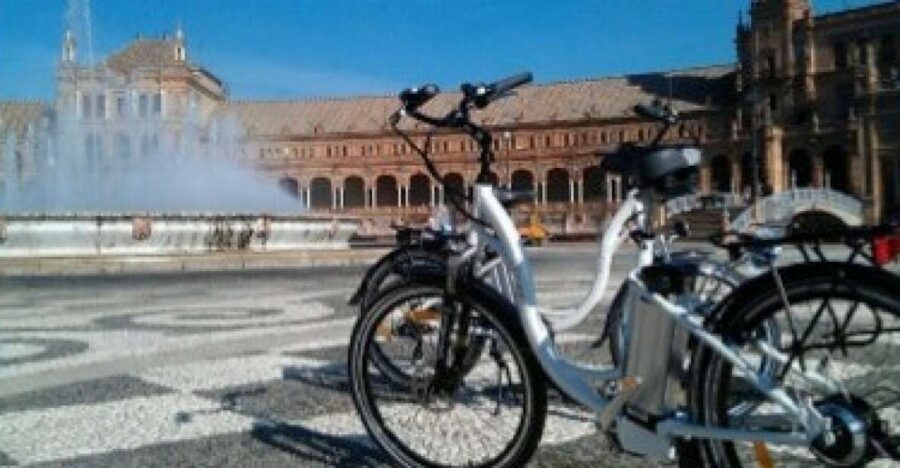
- Bike Rental Reality: Pace, Comfort, and Safety Checks
- Who This Tour Best Fits (and Who Might Prefer a Different Plan)
- Price: Why $35 Can Be a Solid Deal
- Should You Book This Seville Bike Tour?
- FAQ
- What is the meeting point for the Seville sightseeing tour?
- How long is the tour?
- What’s included in the price?
- Which languages are available for the guide?
- Can I skip the ticket line?
- Do I need to bring anything with me?
- Is the tour suitable for people with mobility impairments?
- Is there a payment option that keeps plans flexible?
- What is the cancellation policy?
Key things I’d plan around on this Seville bike tour
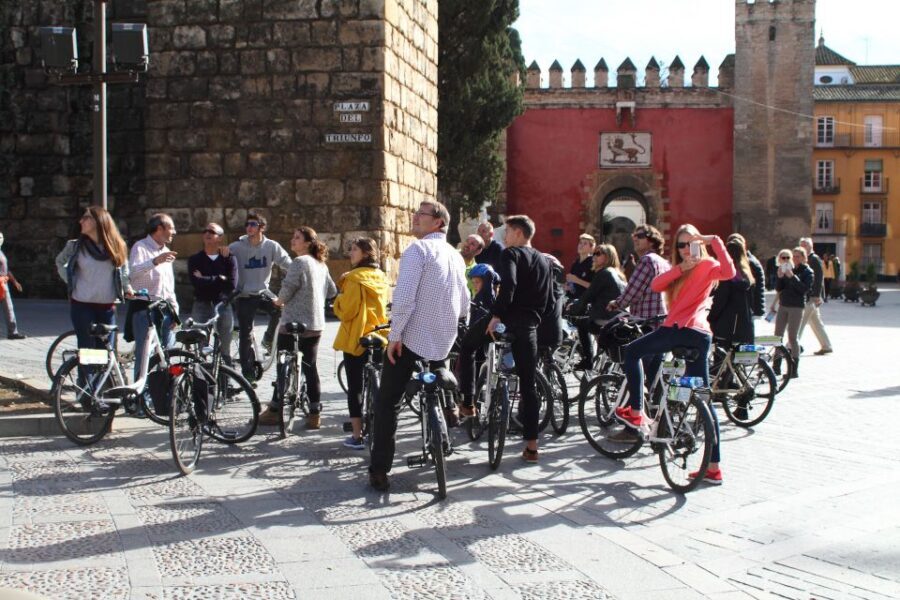
- A real monuments route: Plaza del Salvador, Plaza San Francisco, Plaza Nueva, and the Cathedral/Giralda area
- Tobacco Factory time: not just a photo stop, but stories tied to the site’s past
- Big moments in 2.5 hours: Plaza de España, Maria Luisa Park, and the riverside landmarks
- Historic to avant-garde: you finish at the Plaza de la Encarnación Mushrooms
- Built for walking-light travel: bike rental is included, plus water, a map, and helmets for children
From Centerbici to Seville’s Highlights Without Getting Lost
I like tours that help you understand a city faster than you can on your own. This one starts at Centerbici (C/ Espronceda, 5 – 41004 – Sevilla), where you’ll grab the bike and get set for a smooth loop through the most historic parts of Seville. It’s timed for momentum: you cover a lot of ground in about 2.5 hours (it’s also marketed as a 3-hour tour), which is a great length if Seville is on your list for only a day or two.
The route focus matters. You’re not trying to do “everything” across the entire city; you’re hitting the core sights people remember: plazas, the Cathedral/Giralda area, the old Tobacco Factory, the riverside edge, and the Mushrooms. That means less wandering, fewer wrong turns, and more time hearing the connections between sites.
You’ll also have practical extras that make the tour easier to enjoy: a water bottle, a map, and skip-the-ticket-line support where applicable. And if you’re traveling with kids, children’s helmets are available via the tour.
You can also read our reviews of more tours and experiences in Seville.


The Start: A Nineteenth-Century Patio House Feeling
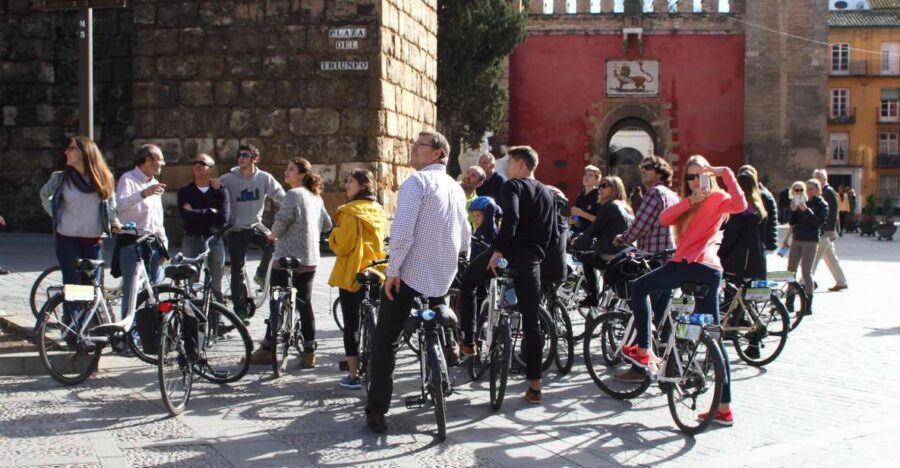
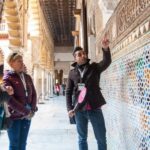
Before the big monuments, you begin at a nineteenth-century house that you can view as operating from a typical Sevillian patio. Even if you don’t know Seville’s architectural language yet, this is a smart warm-up. Patios are part of how local homes breathe—light, air, and the rhythm of daily life—and the guide’s storytelling helps you notice details you’d otherwise miss.
This first part sets the tone: the tour keeps returning to how people lived, worked, and gathered, not only to what’s carved in stone. It’s also a helpful pace reset after you arrive at the meeting point and get your bearings.
For you, the takeaway is simple: if you’re the type who likes a city to make sense quickly, this start helps. If you hate waiting for group logistics at the beginning, show up a bit early so you’re not rushing your own setup.
Plaza del Salvador, Plaza San Francisco, and Plaza Nueva
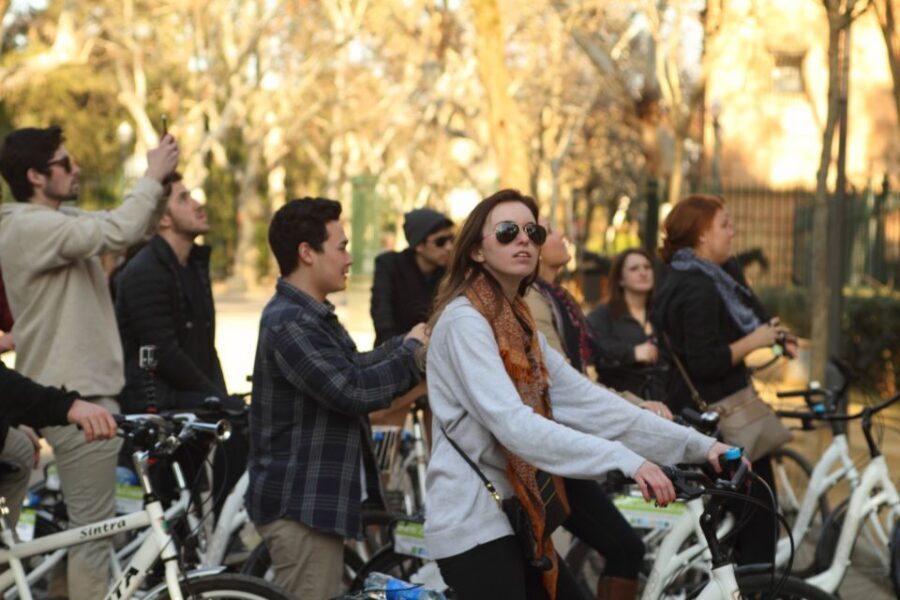
Once you’re out on the route, the tour zooms into Seville’s classic public spaces: Plaza del Salvador, Plaza de San Francisco, and Plaza Nueva, near City Hall. These squares aren’t just open space. They’re where the city’s daily life spills out—markets, meetings, viewpoints, and the slow human theater of Southern Spain.
What I like about this part of the day is that your guide isn’t treating plazas like speed bumps. The stories you get tie monuments to how Seville moved over time. You’ll learn what’s behind the monuments’ names and what’s going on with the surrounding streets so your photos feel less random later.
Practical tip for you: pause often, even if the group rolls forward. In Seville, the “best” view is usually the second one you notice—after you’ve stood in the square long enough to see how people use it.
Avenida de la Constitución to the Cathedral and the Giralda
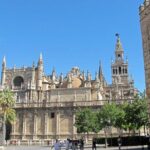
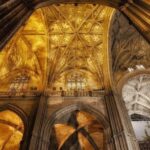
Then you head toward Avenida de la Constitución, leading into the area of the Cathedral and the Giralda. This corridor is one of Seville’s strongest “arrival lines,” where streets, crowds, and monumental architecture pull your eyes forward.
The Giralda is a moment you can’t really fake with a picture from far away. It’s tall, sculptural, and it changes how you understand the skyline. Having a guide here helps because you’re not only looking at the structure—you’re hearing what it represents and why it matters in the story of Seville.
Also, because the tour includes skip-the-ticket-line, you’re less likely to waste time if you encounter any waiting at major sights. (Just remember: a bike tour means you’ll still want to keep your own timing tight—use the guide’s signals, not your own pace.)
If you’re sensitive to crowds, aim to stay near your group and don’t try to “escape ahead” for calmer shots. The Cathedral area is popular for a reason.
The Old Tobacco Factory: Work, Power, and Local Memory
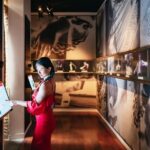
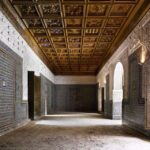
One of the strongest stops on the route is the old tobacco factory. This is where the tour feels most grounded in real life. Instead of only talking about royal palaces or purely ceremonial monuments, you get a site tied to labor, industry, and the kind of economic force that shaped daily life for many people.
I like that the tour treats this as more than a landmark. Your guide’s explanations—origins, trivia, and history—turn a building you might otherwise walk past into a chapter of Seville’s past. Even if you’re not a museum person, a workplace story can be more memorable than yet another façade.
If you’re the kind of visitor who loves details, this stop is likely to reward you. You’ll come out with more than a photo; you’ll understand why the building has a personality and why locals still reference it.


Prado de San Sebastián, Plaza de España, and Maria Luisa Park
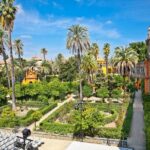
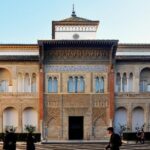
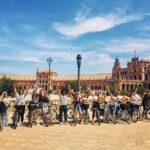
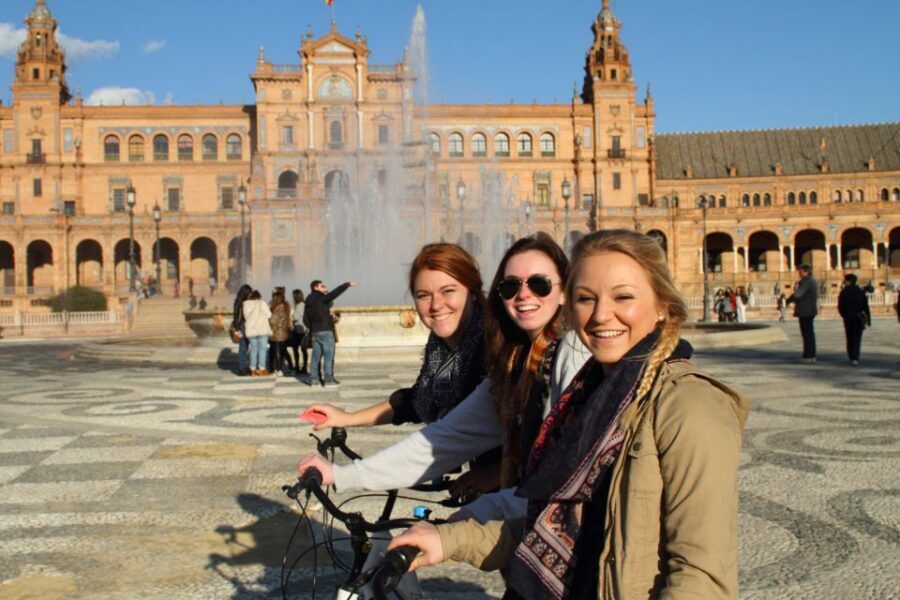
After the Tobacco Factory area, you move toward Prado de San Sebastián, then continue into Plaza de España and Maria Luisa Park. These are some of the most cinematic sights in the city, but what makes them valuable on a guided bike tour is the sequencing. You get context before you reach the big open visuals.
Plaza de España tends to wow people immediately. The sheer scale and the structured beauty can make you want to wander every direction at once. Your guide helps you stay oriented—what to look for, what you’re seeing, and how the pieces connect—so the experience feels guided rather than chaotic.
Maria Luisa Park is the place where the tour slows down just enough for you to take a breath. It gives you that break between “wow” moments and helps you transition from formal architecture to a softer, greener side of Seville.
Practical note for you: this stretch is where you’ll want sunscreen or a hat, because the open sight lines can be unforgiving in sunny weather. Bring your focus back to shade breaks when the guide pauses.
The New York Dock, Real Maestranza, and Torre del Oro
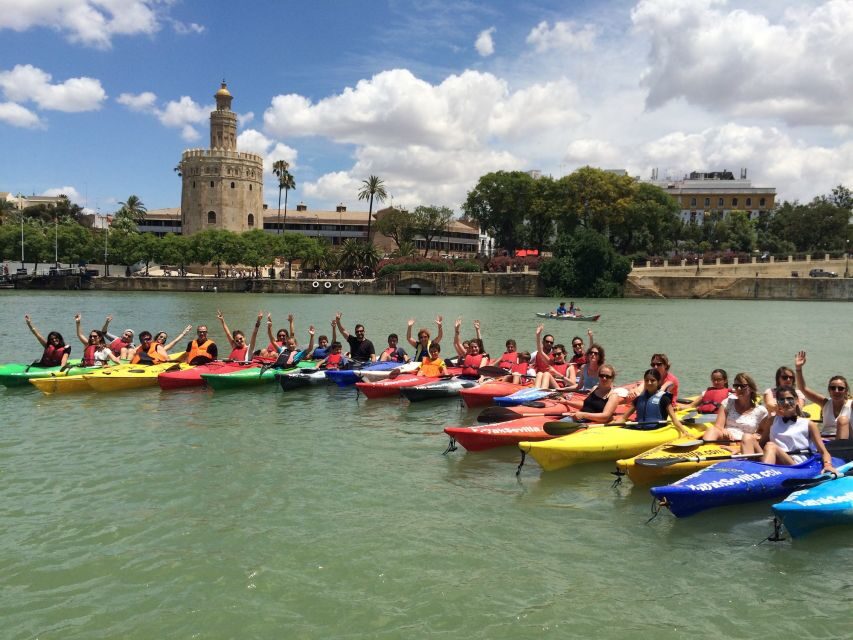
Next comes a riverside-feeling section that includes the New York dock, plus Real Maestranza and the Torre del Oro. Even if you don’t know every term, you’ll recognize what the guide is doing: connecting Seville’s monuments to movement—trade, travel, and the city’s relationship with the river.
I like that Torre del Oro shows up here because it’s the kind of landmark that changes how you read the city. From certain angles, the tower feels like an anchor in the river’s story, not just another “old building.” And Real Maestranza brings another layer to your understanding of Seville’s traditions and civic identity.
The New York dock stop is a fun twist in the middle of history. It’s one of those place-names that makes you curious, and having a guide there means you’re not left guessing why it’s called that or what it signals about time and naming.
If you’re a photo nut, this is a good zone for it. If you’re not, just keep your eyes open and trust the guide to point out the details that matter.
Plaza de la Encarnación Mushrooms: Historic Meets Avant-Garde
You finish at the Plaza de la Encarnación with the famous Mushrooms (the Metropol Parasol area). This ending is smart because it flips the emotional switch. You go from centuries of stone storytelling to something more modern—yet still placed in the middle of the old city.
For me, this is the part that makes the whole tour feel complete. You’re not just chasing “old Seville.” You’re also seeing how the city adds new layers on top of the old ones, and you end with a landmark that people talk about for a reason: it’s instantly recognizable, and it invites you to look again from different angles.
If you like contrasts—ancient architecture next to modern design—this finish will hit right.
Bike Rental Reality: Pace, Comfort, and Safety Checks
A bike sightseeing tour can be wonderful. It can also be fragile if the bikes aren’t right for the job. Here’s what I’d advise you to keep in mind based on what people have reported:
- Some guides and groups note bikes are not brand-new, but they function well.
- Others have raised alarms about older bikes and maintenance.
- One case flagged trouble when the station didn’t have enough suitable bikes for everyone, leading to cancellation.
So for you, the practical move is to treat your bike pickup as part of the experience, not a formality. Before you roll, do a quick check: brakes feel solid, seat height fits you, and the bike doesn’t wobble more than you’re comfortable with. If anything feels off, say something right away to your guide or the staff at Centerbici.
Also note: the tour is not suitable for people with mobility impairments. That’s not a gentle warning—this is a bike-focused format, and you’ll want to be steady and comfortable on two wheels for the full route.
Who This Tour Best Fits (and Who Might Prefer a Different Plan)
This tour is best for you if you want a tight Seville overview without hours of planning. It’s ideal when:
- You have limited time and want the key landmarks in about 2.5 hours
- You like guided explanations more than wandering on your own
- You’re comfortable riding a bike through an urban center
It might be less ideal if:
- You’re worried about bike condition and prefer walking-only routes
- You have mobility limitations that make bike riding difficult
- You want a slow, museum-style pace with long sit-down breaks
Language-wise, it’s easy to match your needs: guides are offered in Spanish, English, French, Italian, and Dutch. And in the day-to-day experience, names like Sébastien and Alexandro come up in connection with clear explanations and an ability to adapt to what a group wants to see.
Price: Why $35 Can Be a Solid Deal
At $35 per person, you’re paying for more than “a ride.” You’re getting:
- A 3-hour/2.5-hour guided sightseeing route through major historic sites
- Bike rental included
- A live guide (multilingual)
- Water bottle and map
- Helmet rental for children
- Skip-the-ticket-line support where applicable
Value isn’t just about cost—it’s about what you’d otherwise pay to get the same quality of experience. If you had to hire a guide separately and also rent bikes, it usually adds up fast. Here, the pricing bundles the logistics so you can focus on the sights and the stories.
One more value point: the route is designed for sequencing. When a guide connects plazas, industry landmarks, riverside towers, and a modern finishing stop, you end up with a mental “map” of Seville that lasts longer than a list of places.
Should You Book This Seville Bike Tour?
My take: book it if you want a smart, fast way to see Seville’s big hitters and hear the background behind them. The route covers exactly the kinds of stops that make Seville memorable—Tobacco Factory, major plazas like Plaza del Salvador and Plaza Nueva, the Cathedral/Giralda corridor, Plaza de España and Maria Luisa Park, the riverside landmarks including Torre del Oro, and the Mushrooms to close with a modern twist.
I’d think twice if you have concerns about bike safety or comfort. For peace of mind, show up on time, do a bike check before you leave Centerbici, and don’t ignore your instincts if a bike doesn’t feel right.
If your goal is the best use of a half-day—without sacrificing context—this tour is a strong fit.
FAQ
What is the meeting point for the Seville sightseeing tour?
You meet at Centerbici store, C/ Espronceda, 5 – 41004 – Sevilla.
How long is the tour?
The duration is listed as 2.5 hours (it’s also referred to as a 3-hour sightseeing tour).
What’s included in the price?
The tour includes a 3-hour tour of Seville, bike rental, a bilingual/live guide, a water bottle and map, plus helmet rental for children.
Which languages are available for the guide?
The live tour guide is available in Spanish, English, French, Italian, and Dutch.
Can I skip the ticket line?
Yes. The activity includes skip the ticket line.
Do I need to bring anything with me?
Yes—bring your ID.
Is the tour suitable for people with mobility impairments?
No. It is not suitable for people with mobility impairments.
Is there a payment option that keeps plans flexible?
Yes. You can reserve now & pay later.
What is the cancellation policy?
There is free cancellation up to 24 hours in advance for a full refund.