REVIEW · SEVILLE
Italica Roman City Tour from Seville
Book on Viator →Operated by Andalsur Viajes, Congresos y excursiones S.L · Bookable on Viator
Roman emperors’ birthplace, just outside Seville.
This 4-hour guided trip takes you to Itálica, the first authentically Roman city in Spain, founded in 206 BC, where Trajan and Hadrian were born. You’ll appreciate the skip-the-long-lines entry and the easy A/C ride that gets you there fast from Seville.
What I like most is how the best guides translate stonework into story. When you hear about emperors like Trajan and Hadrian while you stand near mosaics, baths, and statues, the site clicks into place instead of staying a pile of ruins.
One potential drawback: this tour is mostly walking over uneven, rough ground in strong sun, so pack for heat and wear sturdy shoes (and if you get motion sickness, the bus ride can be a trigger).
In This Review
- Key highlights to know before you go
- Why Itálica is the best Roman stop near Seville
- The 10:00 am plan: what happens at Itálica (and what you should expect)
- Old streets, houses, and public buildings
- The amphitheater: 25,000 seats worth of drama
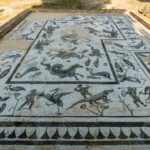
- Mosaics that still show how they lived
- Traianeum and the statues: where religion and power blur
- Public baths: daily routine in stone
- Partially reconstructed Roman theater at Santiponce
- How long is this really at the ruins?
- That extra monastery stop: worth it or a surprise?
- Price and value: does $46.85 make sense?
- Guide quality: English helps, but accents and pacing vary
- Getting around in real life: walking, heat, and bus sway
- Group size up to 55: how that affects your experience
- Who this tour fits best (and who should skip it)
- Should you book the Itálica Roman City Tour from Seville?
- FAQ
- How long is the Itálica Roman City Tour from Seville?
- What time does the tour start?
- Is admission to Itálica included?
- Is the tour offered in English?
- Does the tour include any stops besides Itálica?
- What should I know about walking and fitness?
Key highlights to know before you go
- Skip-the-line entry so you lose less time waiting at the ticket spot
- Art-historian style guiding that connects emperors, daily life, and architecture
- Amphitheater scale: seating capacity reported as 25,000, one of the largest in the Roman Empire
- Traianeum + key statues including Diana, Venus, and Trajan, plus mosaics and public baths
- A “maybe” monastery stop: some departures include San Isidoro del Campo for around 30 minutes
- Group size up to 55, with English offered and possible language adjustments if needed
Why Itálica is the best Roman stop near Seville
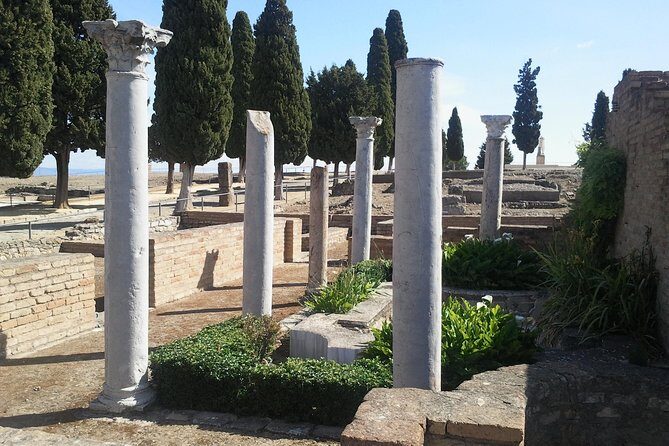
If you’re doing Seville for its Moorish-era magic and then you want something totally different, Itálica is a smart pivot. It feels older and rawer than many Roman sites in Spain because it’s not just a few standout ruins. It’s a whole city’s worth of remnants—streets, homes, civic buildings, and major monuments that help you picture how Roman life actually worked.
This tour keeps the focus tight. You’re not bouncing between five random photo spots. You’re built around the Archaeological Ensemble of Itálica, located about 15–20 minutes from Seville, with an expert guide who talks you through what you’re seeing.
And the timing works for a day trip. It lasts about four hours overall, starting at 10:00 am, which means you’re not giving up an entire day of sightseeing. You’ll still be back in Seville afterward, but do note the experience ends in a different location than you start—so check the exact drop-off point on your confirmation.
You can also read our reviews of more city tours in Seville



The 10:00 am plan: what happens at Itálica (and what you should expect)
The core of the tour happens at Itálica itself. You’re not rushed through the big stuff—you’re guided along it in a logical route, designed to make the ruins easier to understand.
Here’s what you can expect to see during the main guided visit:
Old streets, houses, and public buildings
You’ll walk the ancient streets of Itálica and look at the remains of residences and civic areas. This is where the “Roman city” feeling starts to form. You’ll get context for what the spaces were used for, not just what they look like now.
This section also helps you read the site like a map. Once you understand the layout—public vs private, movement vs gathering—you’ll notice details that would otherwise disappear.
The amphitheater: 25,000 seats worth of drama
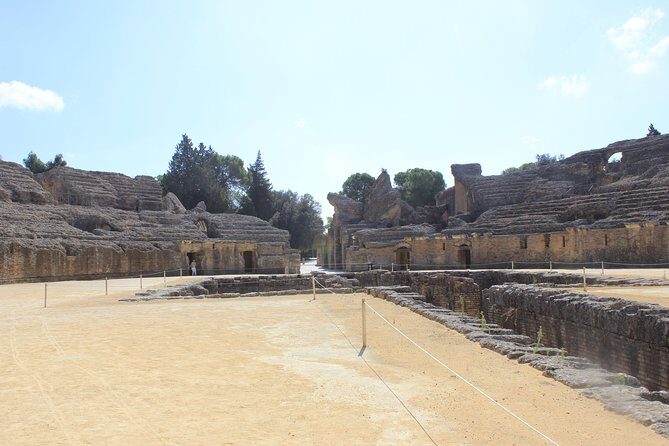
Then comes the amphitheater, built to handle crowds on a massive scale. The tour info cites a seating capacity of 25,000 and notes it as the third-largest amphitheater in the Roman Empire.
Standing near it, you can feel why Roman entertainment became political and social theater. Even if you’re not a “sports fan,” it’s still the best way to grasp Roman crowd-building. It’s also a popular photo stop, because the structure reads well from multiple angles.
Mosaics that still show how they lived
Next are mosaic floors—one of the most rewarding kinds of Roman remains to see in person. Mosaics don’t just decorate; they were statements. You’ll hear how this style relates to taste, wealth, and everyday life, which makes the fragments more meaningful than they’d be on a quick visit.




Traianeum and the statues: where religion and power blur
The tour highlights the Traianeum and includes statues such as Diana, Venus, and Trajan. This is a key moment because it links the city’s identity to the emperors associated with it.
It’s also a good reminder that Roman cities were not just about buildings. They were about belief systems and authority. You’ll likely finish this part thinking about how public art helped people “feel” Rome everywhere.
Public baths: daily routine in stone
You’ll also see the public baths. Even without the full scale being intact, baths tell you plenty about Roman habits: cleanliness, relaxation, and social time. The guide’s job here is crucial—when someone explains the layout and purpose, you start to picture the routines instead of only walking past walls.
Partially reconstructed Roman theater at Santiponce
The tour also includes the Roman theater in Santiponce, described as partially reconstructed. This can be a nice finish to the walk, because theaters connect directly to Roman performance culture—similar to the amphitheater idea, but with different uses and vibes.
If you want one “reason” to take a guided tour instead of going solo, this is it: reconstructions make more sense when a guide points out what’s original versus what’s been brought back.
How long is this really at the ruins?
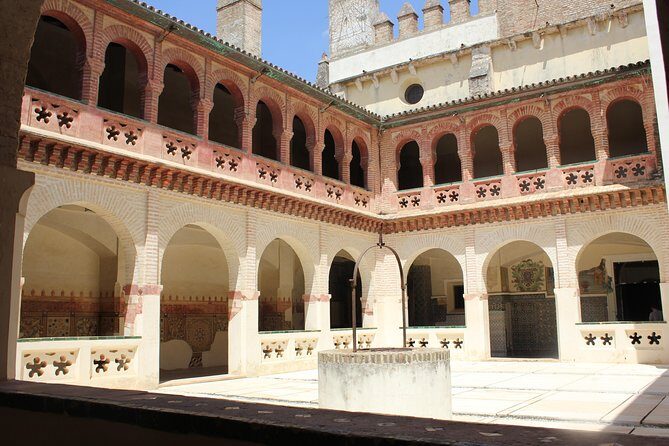
The itinerary says 4 hours total, and admission is included. Still, I’d plan your expectations around the reality of a half-day schedule.
What matters: you’re spending time traveling from Seville, getting oriented, and moving through the site. Some departures also add a monastery stop (more on that below). In other words, you shouldn’t assume you’ll have a full four hours of pure wandering inside Itálica with no guidance.
A practical way to handle it: think of this as a guided highlights circuit. If your goal is maximum time to roam slowly and take in every corner, you might want a longer stand-alone visit. If your goal is to understand what you’re seeing without doing the homework, this duration hits a good sweet spot.
That extra monastery stop: worth it or a surprise?
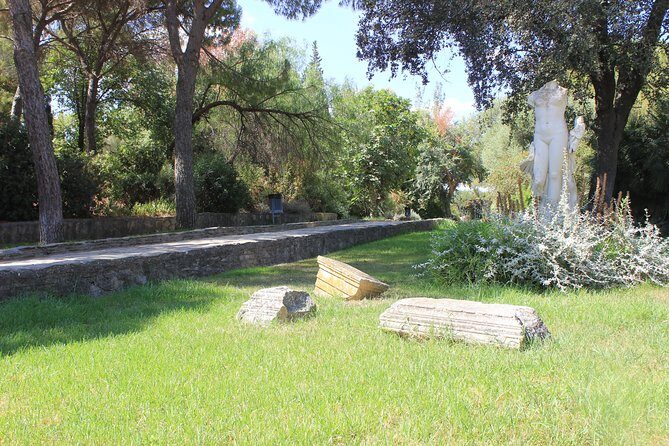
Here’s the deal: the main write-up focuses on Itálica, but some departures include a visit to a nearby monastery—San Isidoro del Campo was specifically mentioned, and the stop is described as around 30 minutes.
Some people loved the contrast: Roman ruins followed by later architecture and restoration work. Others felt it was unexpected and cut into time at Itálica.
So how do you make this work for you? Decide in advance what matters more:
- If you enjoy historical layers and art-restoration stories, the monastery can be a nice bonus.
- If you want the entire day trip focused only on Roman remains, it’s smart to confirm whether your departure includes the monastery before you show up.
Price and value: does $46.85 make sense?
At $46.85 per person for a roughly four-hour experience, the value depends on what you’d otherwise pay for.
This tour bundles in several things that are hard to piece together cheaply:
- Admission ticket included
- Professional art historian guide
- Guaranteed to skip the long lines
- Air-conditioned vehicle round-trip from Seville
If you’ve tried visiting major sites in peak hours, you already know time is the sneaky cost. Paying for a guide plus skip-the-line entry can be worth it even if you’re not saving much money compared to going independently.
It’s also a good price point if you’re traveling with a mix of interests. Roman history fans get the emperors and monuments; casual visitors still walk away with standout visuals like the amphitheater and mosaics.
Where the price can feel less fair is when logistics go sideways. A late start, language issues, or confusion about meeting points can drain the value fast. You’re not just buying access—you’re buying a smooth day. This is why it’s worth going into it with realistic expectations about being in a group.
Guide quality: English helps, but accents and pacing vary
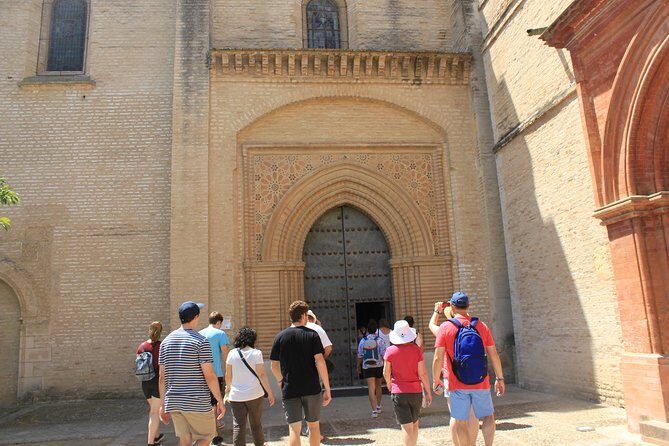
English is offered, and many guides get strong marks for humor and clarity. Names that came up include Jesus, Luca, Catherine, Alberto, Jose, Mario, and Carmen, and they were praised for explaining Roman life in a way that helps you visualize how things worked.
That said, not every guide’s English will land equally well. Some reports mention heavy accents and occasional difficulty translating certain words. Others complained about coverage shifting toward Spain in general rather than focusing tightly on Itálica.
Pacing also varies. In a group format, the guide has to move everyone safely, keep people together, and still cover the highlights. If your guide happens to split attention among multiple language groups or walk ahead without clear regrouping, you can feel the tour lose cohesion.
My practical advice: if your English comfort level is strong but your tolerance for miscommunication is low, arrive early, take a clear position near the front, and don’t be shy about asking where to stand before the next segment.
Getting around in real life: walking, heat, and bus sway
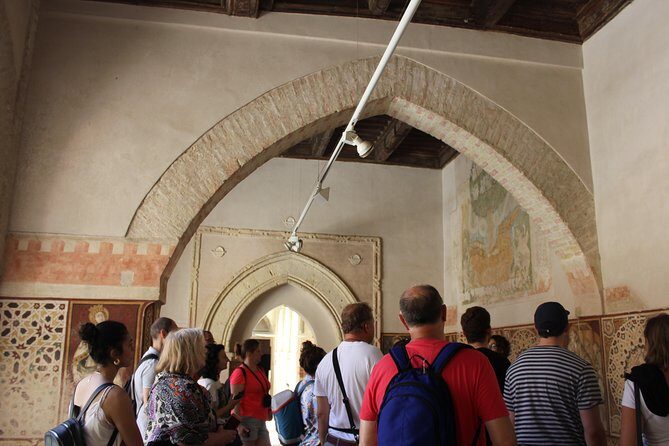
Even when a tour is well run, the physical experience matters here.
Expect:
- lots of walking across rough, uneven surfaces
- level changes around the ruins
- sun exposure, especially in hotter months
Sturdy shoes aren’t a suggestion—they’re how you enjoy the time instead of rushing and watching your footing.
Also, motion sickness can be an issue. The roads can feel windy and the bus can sway. If you’re prone to nausea on winding roads, consider bringing your usual remedy (and pick a seat where you can see forward, when the driver allows it).
Finally, no breakfast is included. If you’re starting at 10:00 am, eat something before you go so you’re not trying to tour historic sites on an empty stomach.
Group size up to 55: how that affects your experience
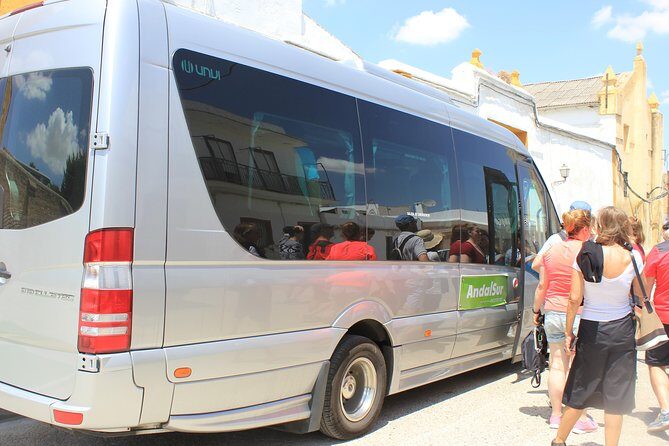
This isn’t a tiny, private walk. The group cap is 55, which means the experience is designed to move efficiently rather than to respond to every question with long detours.
That’s fine for most people, because Itálica is huge enough that you still get value from a structured route. But it does affect:
- how quickly the group moves
- how often you can ask follow-up questions
- how easy it is to find your guide if you get separated
One more tip: if you’re the type who likes to linger for photos, plan to do that during the moments when the group is already pausing. Waiting until the end can be stressful if the tour is keeping to time.
Who this tour fits best (and who should skip it)
I’d say this tour is best if you want:
- a guided highlights route through a major Roman city site
- context about emperors and civic life, not just pretty ruins
- an easy half-day structure from Seville
It’s also a solid option if you prefer a group pace because someone else handles the logistics, including skip-the-line entry and transport.
I’d steer you toward a different plan if:
- you want maximum time inside Itálica with minimal schedule pressure
- you strongly dislike bus rides on winding roads
- you need perfect, uninterrupted language delivery to enjoy history
Should you book the Itálica Roman City Tour from Seville?
If you like Roman history and you want someone to make the stones understandable, this is an easy yes. The main value is the combination of skip-the-line entry, an expert-style guide, and a focused route through the amphitheater, Traianeum, mosaics, baths, and key statues.
Before you book, do two quick checks:
1) Confirm whether your specific departure includes the San Isidoro del Campo monastery stop, so there are no surprises about how time is split.
2) If you’re sensitive to motion sickness or uneven ground, plan accordingly (meds if needed, shoes that grip, and water for the heat).
Do it with those expectations in place, and you’ll come away with more than photos—you’ll understand why Itálica mattered.
FAQ
How long is the Itálica Roman City Tour from Seville?
It runs for about 4 hours.
What time does the tour start?
The start time is 10:00 am.
Is admission to Itálica included?
Yes. The admission ticket is included.
Is the tour offered in English?
Yes, it’s offered in English.
Does the tour include any stops besides Itálica?
The main focus is Itálica, but some departures can include a nearby monastery stop (San Isidoro del Campo was mentioned). The order of visits may change.
What should I know about walking and fitness?
You should have a moderate physical fitness level. Expect a lot of walking on rough, uneven surfaces with level changes.