REVIEW · SEVILLE
From Seville: Italica Roman City & Medieval Monastery Tour
Book on GetYourGuide →Operated by Naturanda Turismo Ambiental · Bookable on GetYourGuide
Roman ruins and a medieval monastery in four hours.
I like how Italica’s amphitheater and mosaics get brought into focus by the guide, not just shown like artifacts. I also like the easy Seville transport, since you’re not dealing with buses, parking, or timetable puzzles.
The other reason I’d pick this tour is the pairing: one stop feels like ancient Rome, the next feels like southern Spain centuries later. When the guide is someone like Petra, Miguel, Carlos Leone, or Jesus, the explanations tend to be funny, story-driven, and paced so you don’t get lost in facts.
One possible drawback: the ruins have limited on-site facilities (a small exhibition area and toilets that can be less than ideal), and the real-world timing can run a bit long depending on conditions like traffic.
In This Review
- Key things to know before you go
- Why Italica + San Isidoro del Campo is a great half-day pairing
- Getting to Italica from Seville without the hassle
- Italica’s amphitheater: the Dragonpit moment and the scale lesson
- Mosaics, streets, and the emperor-birthplace angle
- Underground gladiator passages and the lion den detail
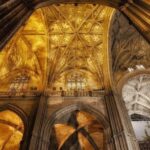
- San Isidoro del Campo: Mudéjar, Gothic, and Baroque in a fortress-like visit
- Timing, pacing, and the reality of half-day schedules
- Price and value: why about $46 can make sense
- Shared vs private: which style fits your day
- Practical tips to make your visit smoother
- Should you book the Italica Roman City and San Isidoro del Campo tour?
- FAQ
- How long is the tour from Seville?
- What’s included in the price?
- Does the tour include food or drinks?
- What languages are available?
- What if there aren’t enough people for my language on a shared tour?
- Is pickup available?
- Can I cancel for a refund?
Key things to know before you go
- Birthplace of Trajan and Hadrian: Italica isn’t just old, it’s tied to emperors.
- Dragonpit connection: the amphitheater is a Game of Thrones filming location for that Season 7 summit setting.
- Underground gladiator spaces: you’ll see the passages and the lion-holding den area conceptually tied to combat history.
- Roman + medieval in one run: Italica’s ruins plus the San Isidoro del Campo monastery’s Mudéjar, Gothic, and Baroque mix.
- Shared tours split by language: your group likely gets sorted into language subgroups once you arrive.
- Photo time matters: the amphitheater’s levels look great, but the schedule can feel tight for wandering.
Why Italica + San Isidoro del Campo is a great half-day pairing
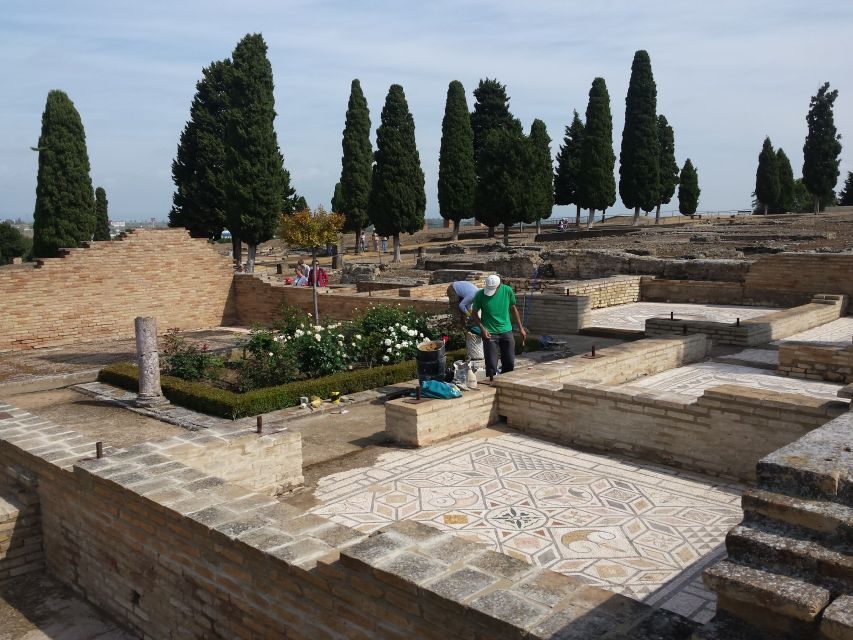
This tour works because it gives you two time periods with very different vibes, and they actually make sense together. Italica shows you how Roman power looked on the ground—streets, public buildings, mosaics, and crowd spaces. Then you shift into the medieval world at San Isidoro del Campo, where the architecture layers Mudéjar, Gothic, and Baroque details into a single fortified-feeling visit.
If you love history, you’ll enjoy the “cause and effect” feeling: Roman cities didn’t just vanish; their places and materials shaped what came next. If you’re more of a photo person, you’ll enjoy the variety. Italica gives you sweeping stone, geometric mosaics, and amphitheater scale. The monastery gives you detailed architecture you can really study up close.
And the guide experience is a big part of the value. Lots of tours at ruins can turn into a recitation. This one is set up to be lively, and the guide names that show up in the experience track (Petra, Miguel, Carlos Leone, Jesus, and others) suggest a strong emphasis on humor and storytelling, not just dates.
You can also read our reviews of more city tours in Seville

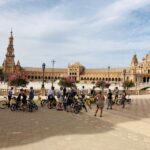
Getting to Italica from Seville without the hassle
You start with transportation out of Seville. The trip is short enough that this still feels like a day-plan, not a full excursion, but long enough that you’ll get a real change of scenery.
In the shared version, you’ll join a larger group on a comfortable coach/bus. Once you arrive, the group can split into language groups, which helps keep the explanations coherent instead of watered down.
In the private option, you may get pickup depending on where you’re staying in Seville. You provide your accommodation details after booking, and if you’re within the pick-up area you’ll get confirmation of the exact collection time. If you’re outside it, you’ll be directed to the nearest accessible pickup point.
You’ll also appreciate that you don’t just go and return. At the end, drop-offs happen at multiple points across Seville (including places like Hotel Don Paco and Calle Trajano). That reduces the “one drop-off far from my hotel” pain.
Italica’s amphitheater: the Dragonpit moment and the scale lesson
Italica’s Roman amphitheater is the headline you’ll feel even before you fully understand it. The seating capacity was once about 25,000, so when you look at the structure, you’re not just seeing ruins—you’re seeing a machine designed for mass attention.
This is also where the Game of Thrones tie-in clicks. The amphitheater is recognized as the Dragonpit location used for a major summit scene in Season 7. Even if you’re not a superfan, it helps your brain anchor the building in a modern reference point: imagine the crowd, imagine the drama, then shift back to Roman reality.
What I’d watch for here:
- How the amphitheater’s shape frames movement and sound. Even with partial ruins, you can get a sense of crowd control.
- The levels and viewpoints. You’ll likely get guided stops that point out where people would have been.
- The guide’s interpretation of what you’re seeing. When guides like Carlos Leone or Jesus are on the mic, the structure becomes understandable fast, including why certain spaces existed.
One practical note: the schedule can feel like it moves quickly through major stops, so if photos are a priority, decide early where you want your “top shot” from the first moment you’re allowed to spread out.
Mosaics, streets, and the emperor-birthplace angle
Italica isn’t just a scenic ruin. It has big historical weight. The site was founded around 206 BC by General Publius Cornelius Scipio, and it’s also remembered as the birthplace of emperors Trajan and Hadrian. That matters because you’re not walking through a random Roman town—you’re walking through a place tied to the people who shaped the empire.
During the guided time at Italica (about 105 minutes), the focus tends to land on the parts that make this place legible: ancient streets and the way the city functioned, plus impressive preservation in areas like mosaics.
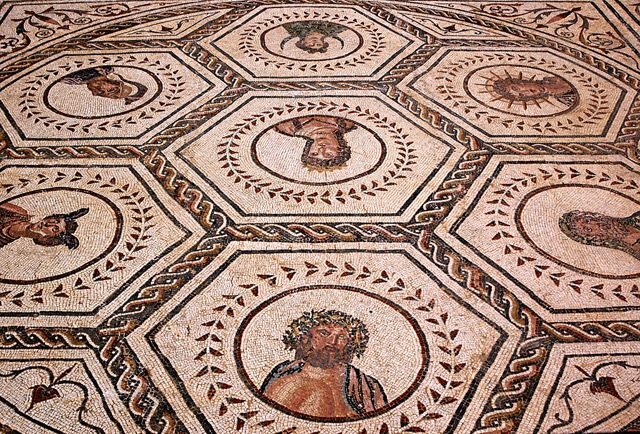
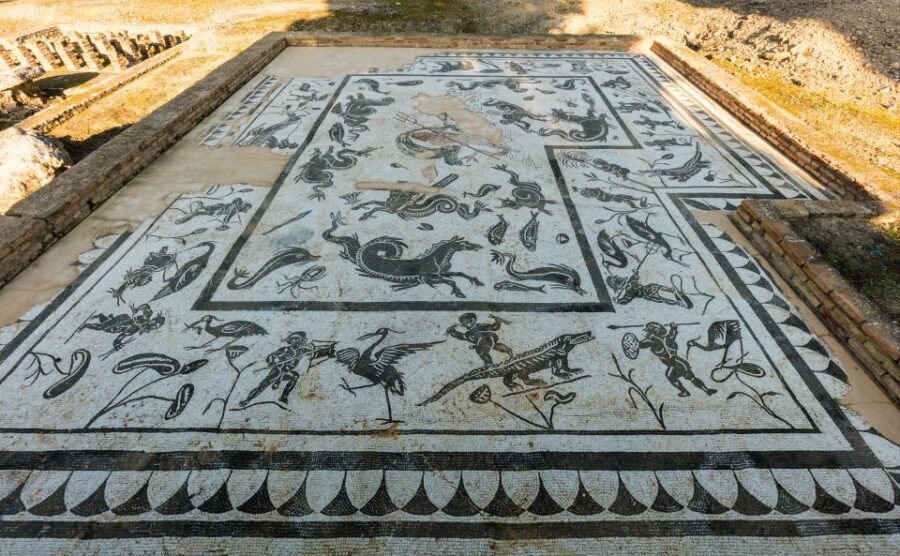
Mosaics are often the moment people stop listening and start looking. You can see the workmanship and the planning—patterns that weren’t accidental decorations but part of how homes and public spaces announced status. If you’ve been to Roman sites with mosaics in museums, you’ll likely appreciate how different it feels to see them where they were built.
Also keep an eye out for how the guide connects the “Roman city” to what’s still being uncovered. Some of the site still functions as an active archaeological project, which gives your visit a real-time feeling instead of just a static postcard moment.
Underground gladiator passages and the lion den detail
One of the most memorable elements is the idea of what happened below ground. You’ll hear about underground passages once used in the gladiator world, and you’ll also encounter the den concept—where lions were held before combat.
Even if you don’t see every detail with your own eyes at every stop, the guided framing is what turns it from spooky trivia into understanding. The “below” parts of Roman amphitheaters were designed so spectacle could happen efficiently. That’s the story the tour wants you to grasp.
If you’re the kind of visitor who likes to form a mental map, this is where you’ll score points:
- Listen for where the passages connect to the public spaces above.
- Ask questions if the guide offers openings for clarifying how the system worked.
It’s also where the tour feels especially cinematic, because you’re building scenes in your head—gladiators, cages, timing—then linking it back to a real structure made of stone.



San Isidoro del Campo: Mudéjar, Gothic, and Baroque in a fortress-like visit
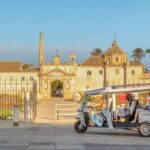
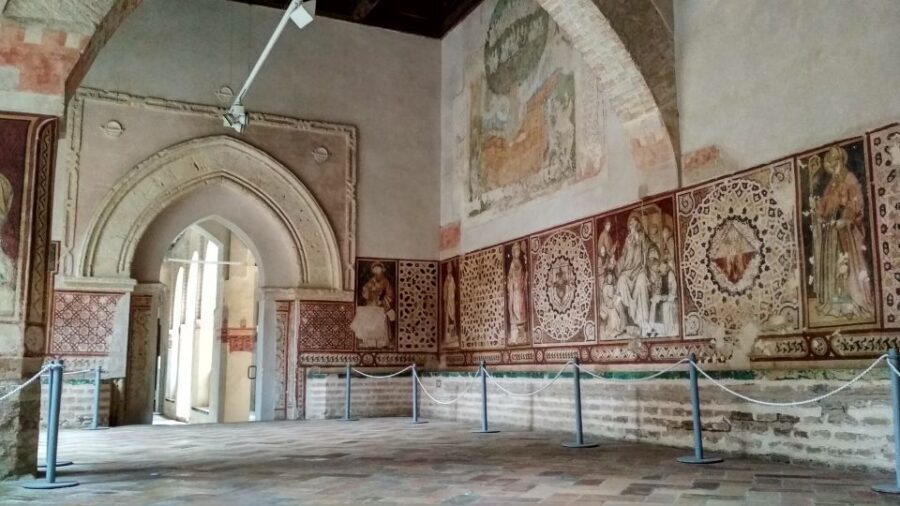
After Italica, the tour shifts from Roman scale to medieval detail. You’ll take a short bus ride (about 10 minutes) and then spend around 40 minutes with a guided visit at San Isidoro del Campo.
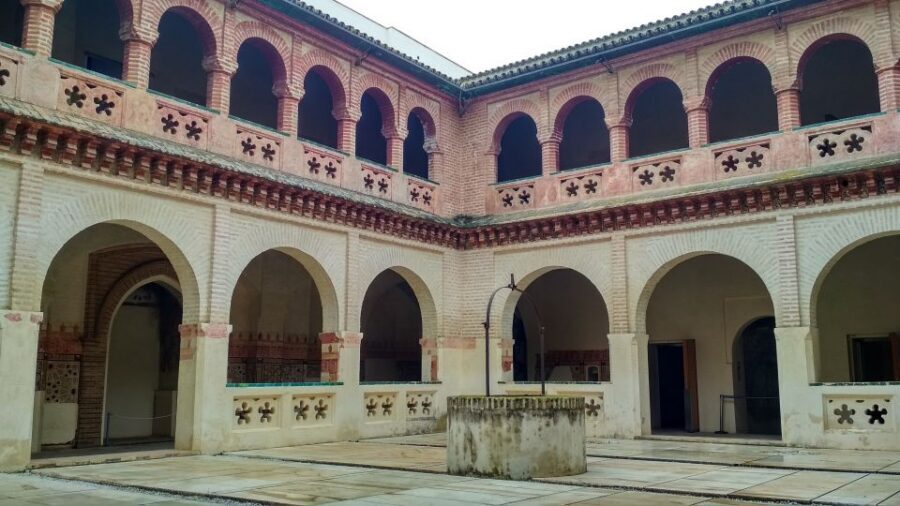
This stop is valuable because it’s not just “pretty old building.” It’s a structure showing cultural mixing and time layering. The monastery highlights Mudéjar, Gothic, and Baroque elements. That blend matters because southern Spain’s history often shows up as overlapping influences, not neat chapters.
What makes the monastery feel different from the Roman ruins is how close you can get to the surfaces. Instead of standing in awe at scale, you study form—arches, ornament, and the way the building communicates power and devotion.
One reason I’d recommend this monastery add-on: it gives your brain a landing place after the Roman amphitheater intensity. The ruins can feel like an overload of big outdoor spaces. The monastery shifts the focus to craftsmanship and architectural texture.
Timing, pacing, and the reality of half-day schedules
The tour is sold as about 4 hours, and on paper it’s tight: you’re out of Seville, on-site for guided time at Italica, then a monastery stop, then back.
In real life, timing can shift. Traffic has caused late starts, and there are reports where the tour ran a bit long and was extended instead of cutting corners. That’s not unusual for a half-day from Seville, and it’s usually manageable—just don’t plan a super strict dinner reservation that needs you back at an exact minute.
If you want a simple rule: schedule a little breathing room after the tour. Think of it as a half-day block, not an exact-to-the-minute appointment.
Also consider bathroom planning. The ruins have limited facilities and toilets have been described as less clean than you’d want. It’s a small thing, but when it’s hot or you’re on a schedule, it becomes a bigger deal. If you’re sensitive to that, prioritize bathroom time at the stops where facilities are available.
Price and value: why about $46 can make sense
At $46 per person (with transport from Seville, entry tickets, and a local guide included), this is priced like a compact guided day. The key is what you’re buying:
- Transport saves you time and reduces planning friction.
- Entry tickets cover both Italica and the monastery.
- A guide turns archaeology into something you can actually understand during the hours you have.
Is it pricey compared to wandering on your own? Yes, because you’re paying for time and interpretation. But if your priority is seeing two major sites without building a route, the math often works out.
I also like that the ratio is strong: you’re not spending hours in transit. The site visits are the core of the day, especially at Italica where the amphitheater and mosaics are the main event.
You do need to bring your own snacks or plan around the fact that food and drinks aren’t included. Some people get hungry near the end, so if you’re the type who needs fuel, pack something small.
Shared vs private: which style fits your day
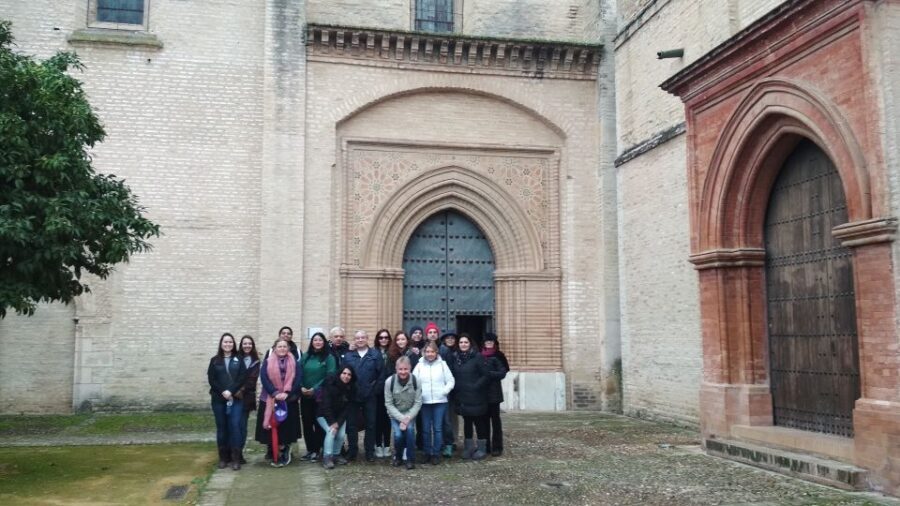
Shared tours are ideal if you’re happy meeting people, staying flexible, and letting the logistics handle themselves. On shared tours, groups can split by language when you arrive, which helps keep your guide’s explanations clear.
Private tours fit better if you:
- want a slower pace for photos or questions,
- prefer not to be grouped,
- have mobility needs or timing concerns,
- or just like the comfort of a smaller setting.
Private also may include hotel pickup if you’re within the pick-up area. If you choose private, make sure you confirm the pickup point details so you don’t waste time tracking a coach on your own.
Practical tips to make your visit smoother
A few things I’d do to protect your time and comfort:
- Bring a small snack. Food isn’t included, and hunger tends to sneak up on half-day plans.
- Charge your phone or bring a power bank. Some buses include USB charging ports, which is handy if you’re taking a lot of photos.
- Plan for basic facilities at Italica. If toilets are a deal-breaker for you, go early rather than waiting for the final minutes.
- Arrive ready to walk. Ruins and monastery floors are uneven in spots; comfortable shoes matter.
- If you’re relying on navigation for the meeting spot, double-check the meeting point details. Some travelers have found the directions a little off, so look for the meeting signage or the group reference point given by the operator.
Should you book the Italica Roman City and San Isidoro del Campo tour?
Book it if you want a guided, no-planning half-day that combines two major sites from different eras. Italica is a strong Roman stop because you get the emperor connection, big amphitheater scale, and guided context for things like gladiator passages and the lion-holding den idea. The monastery add-on is worth it because it gives you Mudéjar, Gothic, and Baroque architecture in a single focused visit.
Skip or choose a different option if you’re the kind of traveler who needs lots of unstructured time to wander and linger. The schedule is designed to cover highlights, and there’s limited wiggle room for long photo marathons at every level.
If you’re visiting Seville for just a few days, this tour is a smart way to hit a top archaeological site without sacrificing your whole day to transit and logistics.
FAQ
How long is the tour from Seville?
The duration is about 4 hours.
What’s included in the price?
Your ticket includes entry tickets, transport from Seville, and a local guide.
Does the tour include food or drinks?
No. Food and drinks aren’t included.
What languages are available?
The live tour guide is available in English, French, Italian, and Spanish.
What if there aren’t enough people for my language on a shared tour?
A minimum of 4 participants speaking the same language is required to guarantee that language on the shared tour. If it doesn’t meet the minimum, you’ll be offered an alternative language, a different date, or a full refund.
Is pickup available?
For the private tour option, pickup is optional and depends on your location in Seville. For shared tours, you’ll use a selected meeting point in Seville.
Can I cancel for a refund?
Yes. Free cancellation is available up to 24 hours in advance for a full refund.