REVIEW · SEVILLE
Italica, city of emperors
Book on GetYourGuide →Operated by María de la Paz González Vázquez · Bookable on GetYourGuide
Italica turns Roman ruins into real life scenes. I like the way this short, 1.5-hour visit keeps moving while still giving you clear context, and I also love the amphitheater connection to the filming buzz around Game of Thrones. One thing to plan for: the tour is in Spanish, and the monument entrance is not included for people who are not citizens of the EU.
If you want Roman Andalusia without spending a whole day, this hits the sweet spot. Led by María de la Paz González Vázquez (and I’ve seen other guides’ names praised too, like Alejandro), the explanations are a big part of the value, especially when you’re looking at foundations that could otherwise feel like “just stone.” The main consideration is straightforward: if you don’t speak Spanish well, you may miss a lot of the storytelling.
In This Review
- Key Highlights You Should Care About
- Italica: the Roman roots under your feet
- Meeting at the Conjunto Arqueológico de Itálica: start without stress
- The guided walk: understanding customs in the buildings
- What you’ll likely notice during the walk
- A tip for getting more out of the guidance
- Emperors’ city energy: Trajan and Adriano in the background
- Hot springs and big public buildings you can picture
- Why this section is good value
- The amphitheater: the second-largest in the Roman world
- What to do while you’re there
- Why the amphitheater earns top marks
- Price and logistics: why $15 can still feel like a win
- Who should book this Italica tour?
- Should you book it?
- FAQ
- What is the duration of the tour?
- Where does the tour start?
- What language is the tour in?
- Is the monument entrance included?
- Is the tour wheelchair accessible?
- Is the cancellation policy flexible?
Key Highlights You Should Care About
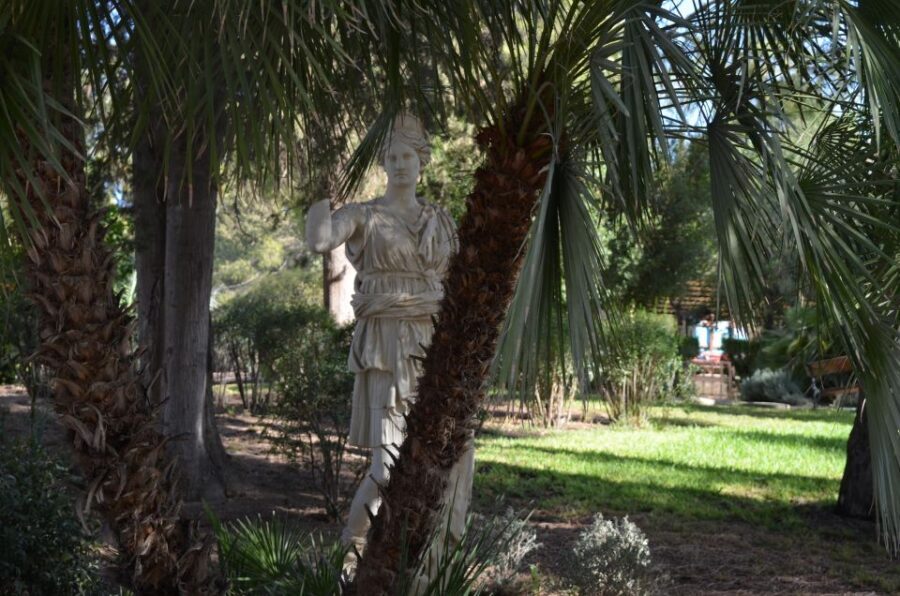
- Cradle of the emperors: founded in 206 B.C. by Roman veterans after the Second Punic War
- The amphitheater scale: described as the second-largest in the Roman Empire after the Colosseum
- A guided route inside the archaeological enclosure: designed for people with limited time
- Spanish-language storytelling: the guide does the heavy lifting for understanding the ruins
- Easy meeting point: a guide with a red flag at the entrance keeps you from wandering
- Comfort with the walk: recommended for all audiences and wheelchair accessible
Italica: the Roman roots under your feet
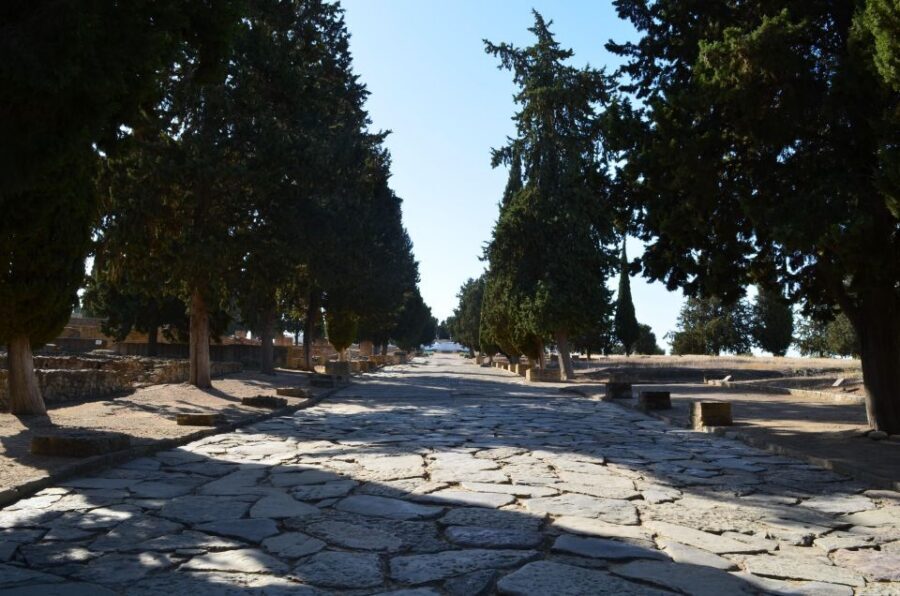
Italica is where Roman Spain stops being an abstract idea and starts feeling personal. The story begins in 206 B.C., when Romans founded the city on the Iberian Peninsula and settled veterans after the Second Punic War against Carthage. Over time, what starts as a practical settlement turns into something grand—especially after the city becomes tied to the birth and rise of the emperors from the Baetica region, Trajan and Hadrian (Adriano).
So when you’re standing among walls and arches that look quiet and broken, you’re actually looking at a place that once had routines: bath breaks, public meetings, performances, and the everyday status of powerful families. The tour’s great strength is that it doesn’t treat the site like a pile of landmarks. It frames Italica as a living city, then points you to the structures that made it tick.
You can also read our reviews of more city tours in Seville



Meeting at the Conjunto Arqueológico de Itálica: start without stress
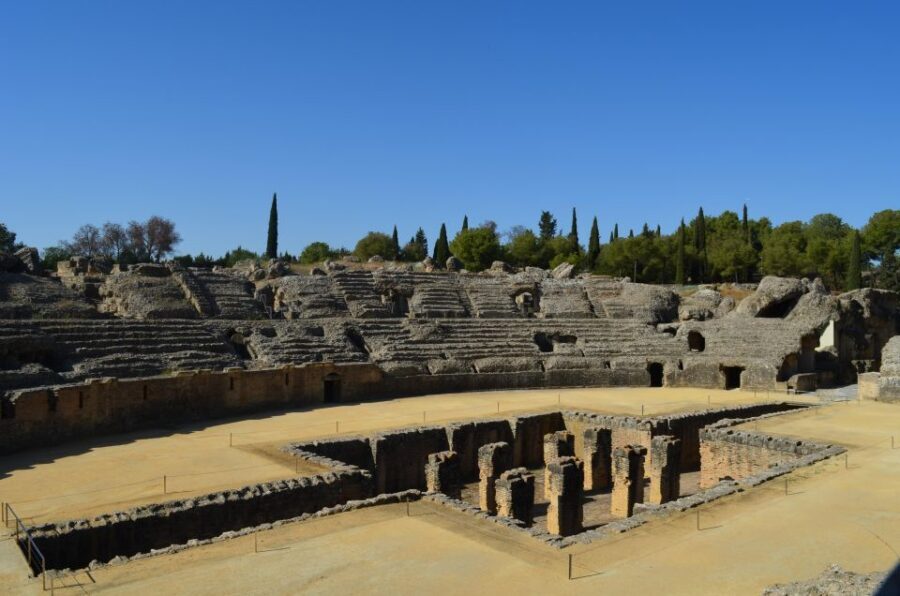
Your meeting point is set at the Conjunto Arqueológico de Itálica. You’ll find the guide at the entrance holding a red flag, which matters more than it sounds. Archaeological sites can be confusing, and this format reduces the chance you’ll arrive early, worry, and then start the tour frazzled.
The visit is designed to be efficient. With an approximate 120-minute duration, you’re not supposed to wander for hours on your own. Instead, you’re led inside the enclosure and guided through what the city’s layout and major buildings meant.
One more practical note: the experience is wheelchair accessible. Since this is an outdoor archaeological complex, you’ll still want to use common sense for uneven ground and long distances. But it’s good that the tour is set up to be usable for more than just fully mobile visitors.
The guided walk: understanding customs in the buildings
The core of this tour is a guided visit inside the archaeological enclosure—so you get more than photos and facts. The guide helps you connect what you see to what Romans actually did there.
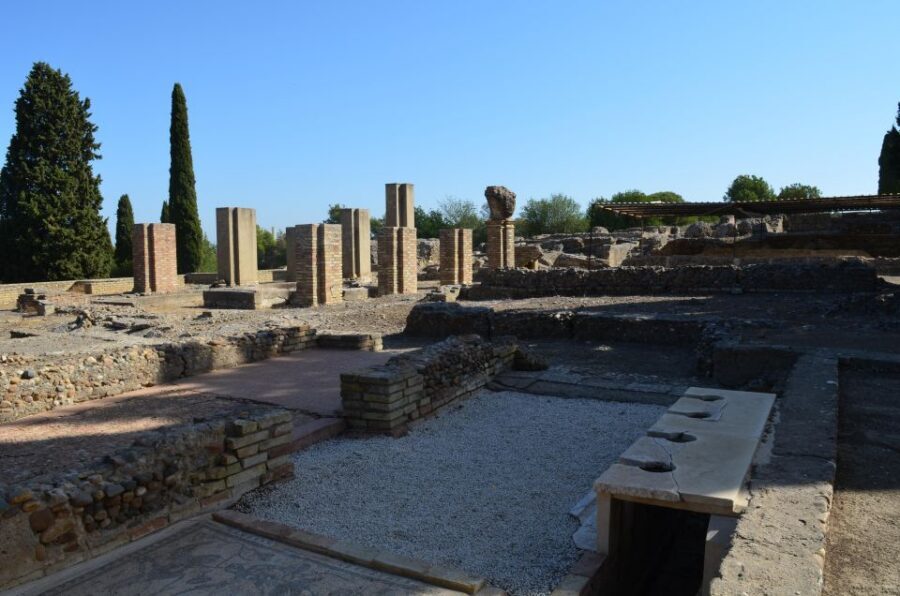
That connection matters at Italica because the site isn’t just about one monument. It’s a whole urban picture: private residences, civic spaces, and the structures that supported daily life. As you move through the ruins, you’ll learn the idea of how Roman customs played out in architecture. Think of it as reading a city plan with a human translator.
What you’ll likely notice during the walk
- Mansions (domus): not just big rooms, but evidence of social structure and wealth
- Public buildings: built for gatherings, status, and city life
- Layout and scale: the fact that Italica grew enough to support major infrastructure, not a small backwater
A tip for getting more out of the guidance
Even if your Spanish is only okay, do your best to follow the guide’s narrative. The best value here is understanding why the buildings matter, not memorizing dates. This tour is built around that “why,” and the guide’s explanations are repeatedly described as clear and entertaining.





Emperors’ city energy: Trajan and Adriano in the background
The emperor connection is not just a brag. It helps explain why Italica became so prominent.
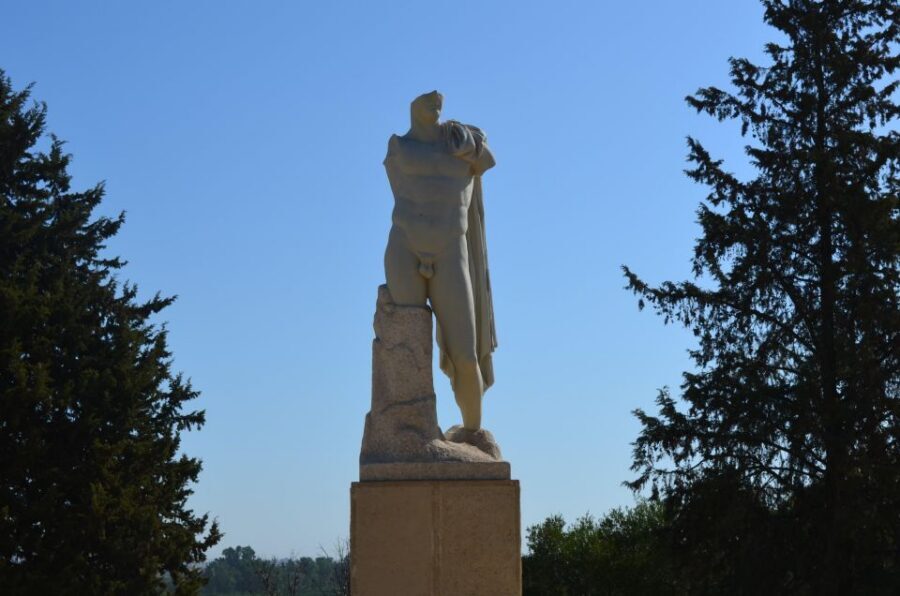
The city’s early phase is tied to Roman veterans settling after the Second Punic War. But the big transformation comes with the birth of Trajan and Hadrian (Adriano) in this region. According to the tour’s framing, this is when Italica gains major splendor: the city expands, important buildings rise, and the overall tone becomes more monumental.
That’s a subtle but important shift for you as a visitor. You’re not only looking at ancient stones left behind. You’re looking at evidence of ambition. When you understand that the emperors’ era fueled the development, your brain starts fitting pieces together: why certain structures exist, why resources were spent, and why the city’s public face became so impressive.
Hot springs and big public buildings you can picture
One of the most rewarding parts of Italica is that it isn’t only “spectator architecture.” The tour points you toward major public works, including larger hot springs.
If you’ve ever wondered what Roman leisure looked like, this is where it helps to have a guide. Hot springs and bath-related spaces weren’t just about cleanliness. They were social engines. They also show how infrastructure supported daily life across different classes, even if the details varied from place to place.
The guide also helps you interpret other big public structures as part of a connected city experience. These are not random ruins. They were designed to serve the public and project civic pride.
Why this section is good value
A lot of archaeological tours either stick to one highlight or list stones one by one. Here, the focus on major public life gives you a more complete mental image of Roman urban living. With a short time window, that breadth is exactly what you want.
The amphitheater: the second-largest in the Roman world
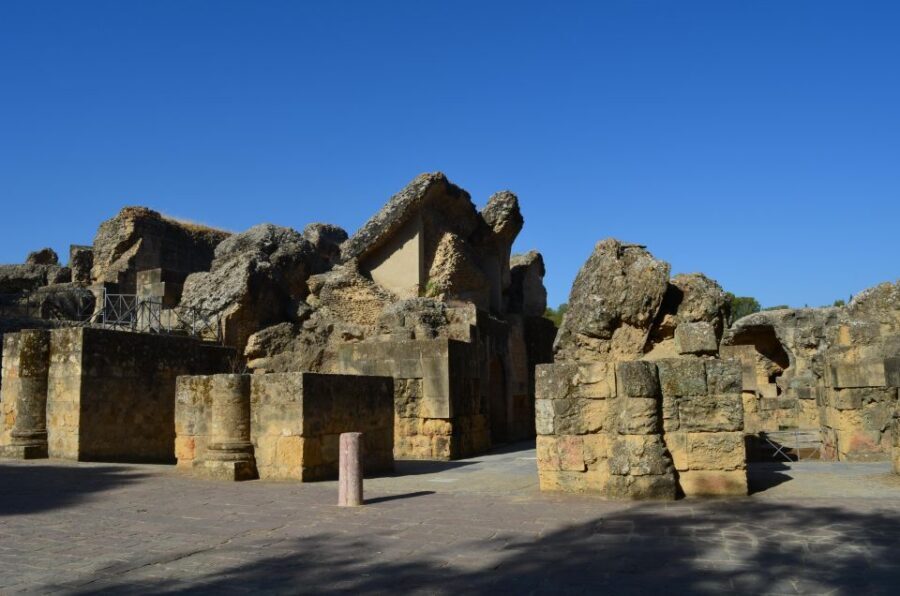
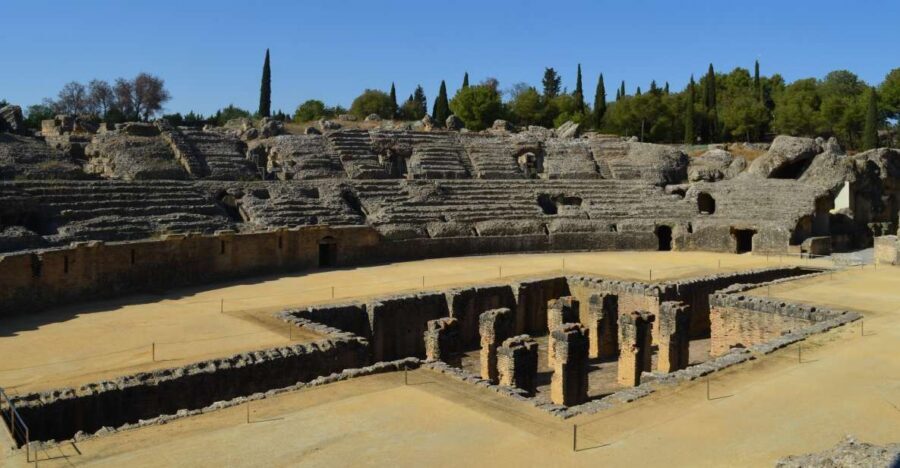
The amphitheater is the star, and the reason you’ll remember this visit. The tour highlights it as the second largest amphitheater in the Roman Empire, only behind the great Colosseum in Rome. When you hear scale described like that, you start noticing what the structure was designed to do: hold a lot of people for long events.
And yes, there’s a modern layer too. This is the setting where Game of Thrones chose locations for scenes like the characters’ resting moments after their visits. It’s not that the amphitheater becomes a TV set. It’s that the setting is so cinematic and monumental that the same kind of energy translates across centuries.
What to do while you’re there
Don’t just look outward at the ruins. Let the guide explain the amphitheater’s role, then stand where you can imagine spectators filling the space. Even if you don’t speak a word of Latin (or Roman architect slang), the amphitheater’s purpose is readable once someone points it out.
Why the amphitheater earns top marks
In the feedback you’ll hear reflected in the experience description, the amphitheater stands as a big “wow” factor. The other reason is practical: it’s one of the easiest places to connect history to feeling. You can stand in place and quickly grasp why Romans built something this huge.
Price and logistics: why $15 can still feel like a win
At $15 per person for about 1.5 hours, this tour sits in the affordable zone for a guided visit in a major archaeological complex. The value comes from three things working together:
- You get a guide: that’s the difference between reading ruins and understanding them
- You get a planned time window: the tour is short enough that you won’t burn your day
- You get the emperor context: you leave with a coherent story, not disconnected facts
One detail to check before you go: entrance to the site is handled differently depending on your status. The experience notes that entrance is free for EU citizens, while non-EU citizens have the entrance fee not included. So your true total may be a bit higher if you’re outside the EU.
Also, the tour is in Spanish. If you’re traveling with limited Spanish, decide whether you can enjoy the visual side plus guided narration anyway. Based on the guide praise, the explanations are a key part of the appeal—so missing language can reduce value fast.
Who should book this Italica tour?
This is a good fit if you:
- want a time-friendly way to see Italica without a long self-guided slog
- enjoy Roman history but prefer a guide to help connect the dots
- want the amphitheater highlight with enough context to understand why it matters
It’s also a smart pick for families and mixed groups because the format is recommended for all audiences and wheelchair accessible.
You might pass if:
- you need an English-language tour and Spanish narration would feel like a barrier
- you’re looking for an all-day, ultra-detailed excavation-style experience (this is 120 minutes, not a full dig)
Should you book it?
I think this is worth booking if you want the emperor-era story, domus-and-public-life context, and the amphitheater as the main payoff, all without spending half a day. The guide-driven approach seems to be the biggest reason people rate it highly—clear explanations, good pacing, and an overall sense that the time felt right.
If you’re okay with Spanish and you can handle possibly paying the entrance fee depending on your EU status, you’ll likely leave with a stronger mental picture of Roman life at Italica, not just a quick glance at ruins.
FAQ
What is the duration of the tour?
The guided tour runs for approximately 120 minutes.
Where does the tour start?
The meeting point is at the entrance to the Conjunto Arqueológico de Itálica, where the guide will be holding a red flag.
What language is the tour in?
The tour is conducted in Spanish.
Is the monument entrance included?
Entrance is not included for citizens of outside the EU. The experience indicates entrance is free for EU citizens.
Is the tour wheelchair accessible?
Yes, the experience is wheelchair accessible.
Is the cancellation policy flexible?
There is free cancellation up to 24 hours in advance for a full refund.