REVIEW · SEVILLE
From Seville: Doñana National Park Day Trip
Book on GetYourGuide →Operated by Naturanda Turismo Ambiental · Bookable on GetYourGuide
Doñana turns a day trip into a wildlife mission. I love that this tour is built for birdwatching and that you move through multiple habitats—marsh, forest, dunes—so the scenery keeps changing. You’re also in good hands with guides who work hard to place you for sightings, including Spanish imperial eagle country. The one drawback: it’s a long day with plenty of driving, so don’t expect lots of time to wander on your own.
You’ll start from Seville, ride out past riverside farmland, and end back with a sunset-style sendoff through pine areas. I like the practical structure: guided time where it counts, photo stops for quick repositioning, and a lunch break that keeps the day from feeling like nonstop bus time. Still, lynx are famously hard to confirm, and even when you’re close, you may leave with pawprints or stories instead of a sighting.
In This Review
- Key Things to Know Before You Go
- Why Doñana From Seville Feels Like More Than One Trip
- First Leg: Seville Pickup and the Run Toward Coria del Río
- Dehesa de Abajo: Visitor Center Setup and Marsh-Edge Scanning
- Stork Rice Fields and the Big-Bird Sky Show
- El Rocío in One Hour: Chapel Vibes and an Observatory Stop
- Matalascanas and the Atlantic Stop: Beach Time Plus Dunes
- La Rocina Trail Walk and the Lynx Reality Check
- Asperillo Sunset: The Calm Ending After a Big Day
- Price and Logistics: Is $105 Good Value?
- What to Pack (and What to Do With Your Eyes)
- Who This Tour Is Best For
- Should You Book This Doñana Day Trip?
- FAQ
- How long is the Doñana day trip from Seville?
- What’s included in the price?
- Do I get to see both marsh and coastal areas?
- Can I swim at the Atlantic stop?
- What languages are available for the live guide?
- Are pets allowed on this tour?
Key Things to Know Before You Go
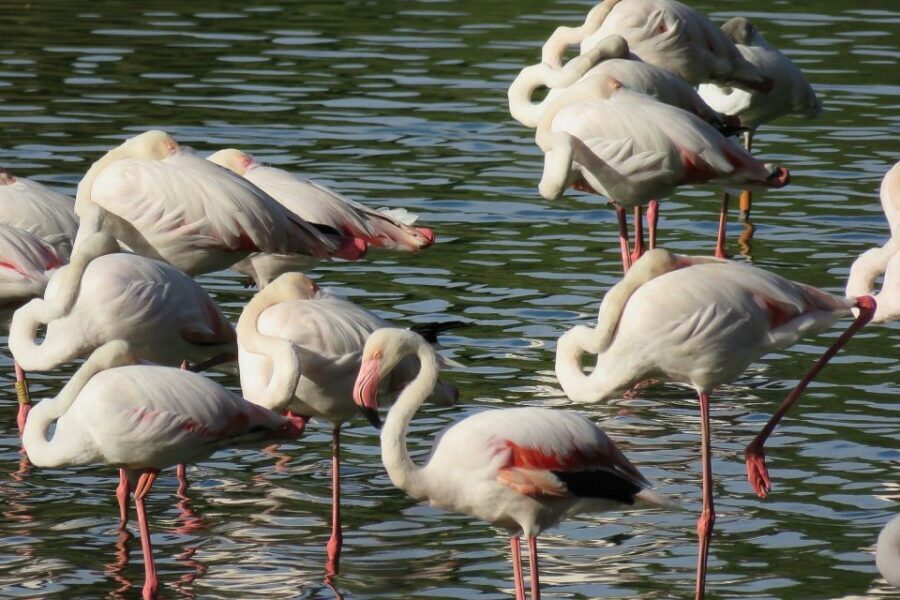
- North-to-south habitat coverage: marshes to dunes, not just one corner of the park
- Wildlife scouting is the point: guides actively reposition for birds (flamingos, storks, eagles)
- El Rocío is short but memorable: chapel-and-village atmosphere with an observatory stop
- Matalascanas + Atlantic time: beach/dune scenery, with a summer dip option when conditions fit
- Prismatics included: bring your own binoculars if you want the biggest edge for close birds
- Lynx are a bonus, not a guarantee: you might get pawprints, tracks, or a close miss
Why Doñana From Seville Feels Like More Than One Trip
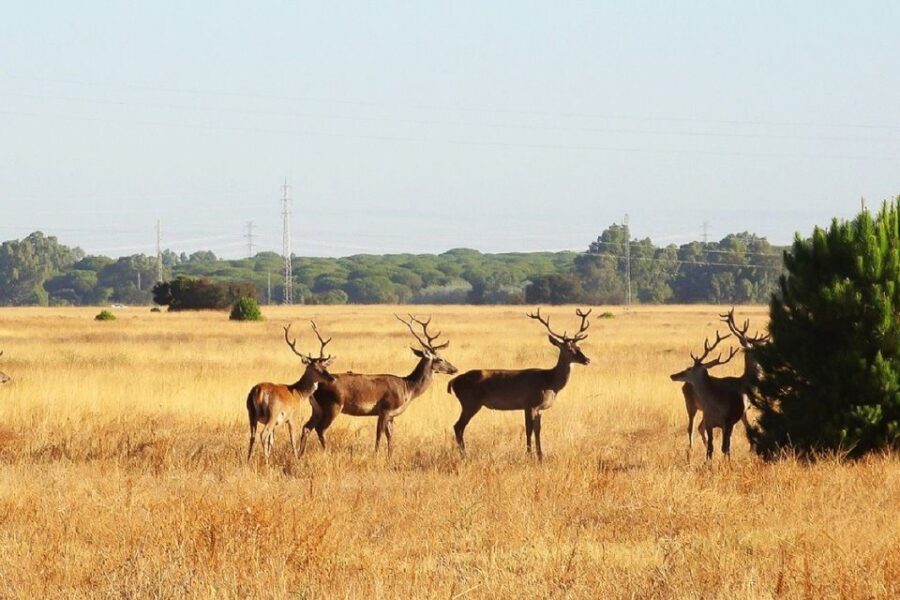
Doñana National Park is one of those places where a single day can feel like a mini road movie: marshlands early, then forests, then sand and sea. This tour is designed around that idea. You go north-to-south, so you’re not just repeating the same view over and over from the same spot. The payoff is variety—different bird species, different landscapes, and different chances to see big mammals.
The second big win is the emphasis on wildlife. You’re not left to figure it out alone. Guides work the timing and the pull-offs so you can scan and spot without wasting your energy. In the reviews, names like José, Sergio, and Diego show up again and again for doing exactly that—finding birds quickly and adjusting the plan to keep the group watching.
The planning reality is simple: you’ll spend a lot of the day in transit. That doesn’t mean it’s boring—Doñana is the destination—but it does mean you should come with the right expectations. If you want hours and hours of solo hiking, this isn’t that style of outing.
You can also read our reviews of more tours and experiences in Seville

First Leg: Seville Pickup and the Run Toward Coria del Río
You’ll leave Seville on a morning schedule with hotel pickup and drop-off included. The travel time is about 50 minutes to the Doñana area, and the route passes through Coria del Río along the River Guadalquivir. It’s not just “getting there.” This stretch helps you shift out of city mode fast, especially if you’re craving birds and open sky right away.
The van ride is part of the experience. Many sightings happen from roadside viewpoints or controlled stops, so being in a vehicle that can position you safely and quickly matters. A few reviews mention modern, comfortable vans, with one note that seating location can affect comfort and conversation if there are noise issues. If you’re the type who hates a noisy back row, ask for the best seats you can when you board.
Why it matters for your day: this early momentum helps you start spotting sooner, rather than waiting until the “main” part of the park. You’re basically borrowing time for wildlife.
Dehesa de Abajo: Visitor Center Setup and Marsh-Edge Scanning
Your first real park phase centers on the visitor center at Dehesa de Abajo, in the northern marshes area. Expect a guided tour segment here (around 2 hours), plus photo stops that help you orient to what’s going on in Doñana.
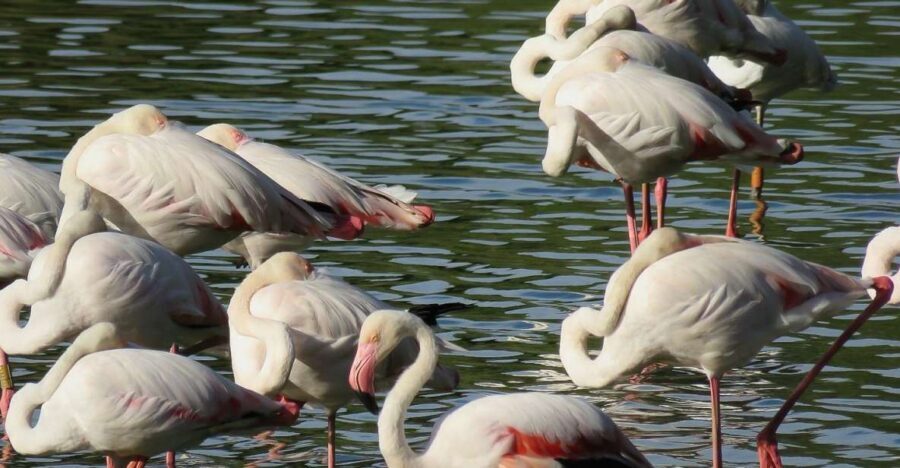
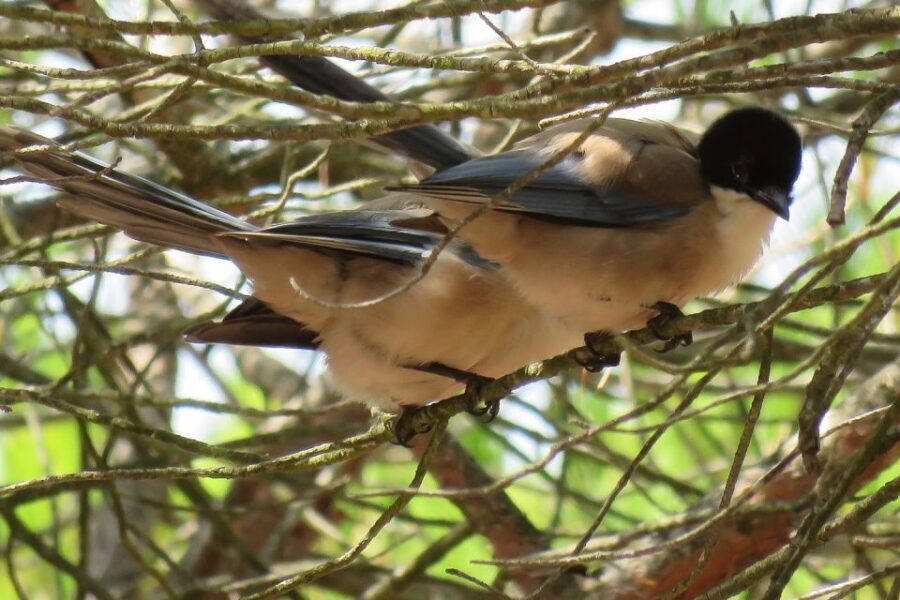
This is where the park “explains itself.” You’ll see pine forests and pastures, and learn how the region supports a huge number of animals—especially birds. The tour description points to roughly 300 bird species, plus famous residents like flamingos and Spanish imperial eagles. Even if you’re not counting species like a scientist, this context makes you a better watcher. You start scanning with purpose.
One detail I appreciate is the way the stops are structured around habitat. You don’t just pass by marsh; you get enough time to understand what kind of wildlife tends to show up where. And guides tend to be proactive about sightings. In reviews, people describe guides spotting wildlife right away and getting everyone into position, sometimes even adjusting plans to improve the odds.
Stork Rice Fields and the Big-Bird Sky Show
After the visitor center area, you pass a rice field, noted for Europe’s largest colony of storks. This kind of stop is why Doñana works as a day trip: the wildlife you want is often concentrated enough that a short pause can pay off.
You can also pick up the rhythm of birdwatching here: scan, pause, and re-scan. Birds move in waves, and the guide’s job is to get you watching at the moment something happens—whether that’s a bird lifting off, landing, or simply feeding in view.
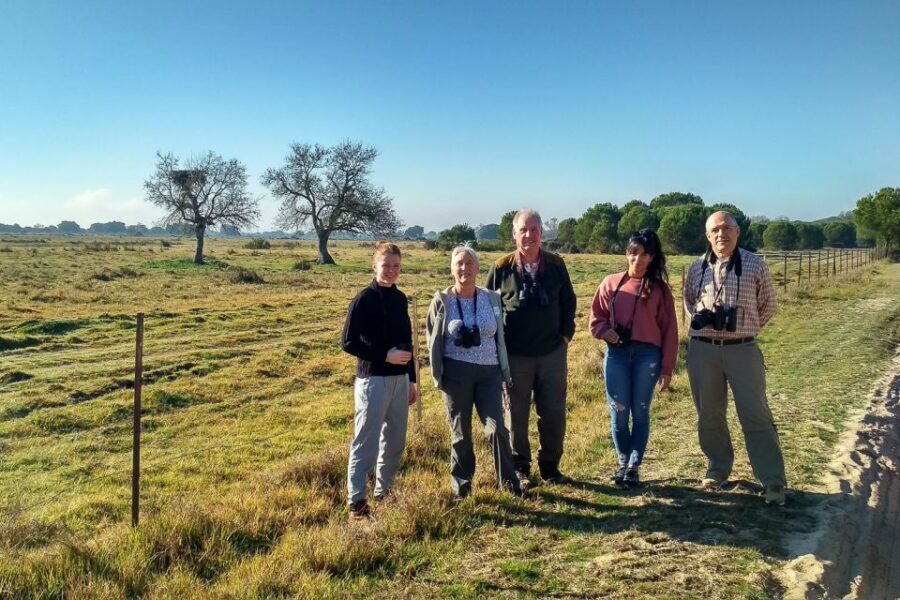
A practical tip if you’re serious about birds: bring your own binoculars if you have them. The tour includes prismatics, and reviews mention telescopes/binoculars as a nice extra touch, but personal binoculars are usually faster to adjust and more familiar in your hands. If you’re trying to photograph birds too, extra magnification is the difference between “nice” and “usable.”
El Rocío in One Hour: Chapel Vibes and an Observatory Stop
Then comes El Rocío, a village strongly linked with Doñana. You’ll get about an hour here with a guided component and photo stops.
What makes this stop worth it isn’t just the village itself. It’s the transition. After marsh-and-forest birdwatching, El Rocío gives you a human-scale break: streets, the sense of place, and references to local traditions. The tour includes time for the chapel and an observatory, so you’re not only sightseeing—you’re also getting back into wildlife observation mode.
The main consideration: one hour goes quickly. A review comment suggested wanting more time to look around after learning about the area’s background. Another noted that some time could feel uneven depending on what you care about most. If your top priority is wildlife sightings inside the park (not village atmosphere), you might feel El Rocío is “short.” Still, it’s a classic part of the Doñana story, and the observatory angle keeps it tied to nature rather than turning into pure culture time.




Matalascanas and the Atlantic Stop: Beach Time Plus Dunes
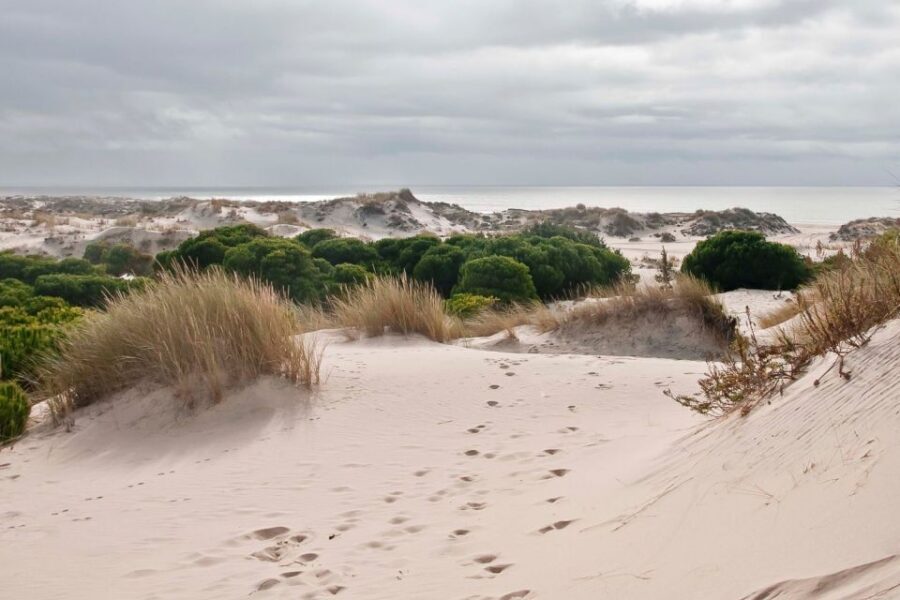
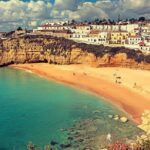
After El Rocío, you head toward Matalascanas, where the tour includes guided time (about 2.5 hours) plus photo stops. This is your break from the park’s inner marsh world and a chance to see the coastline side of Doñana.
Here’s what to expect:
- a pristine beach experience
- time for photos and a slower pace
- a move toward Spain’s largest dune system after lunch
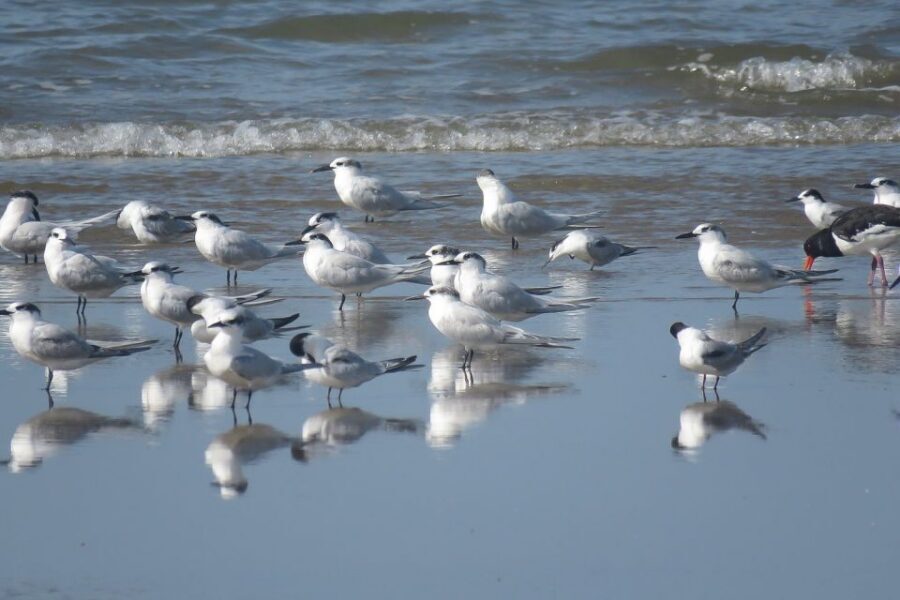
In summer, the tour description mentions you can hop into the Atlantic for a dip. In other seasons, it’s still a real coastal stop, but the water may be a “look only” situation. Either way, this part matters because it gives your eyes variety. You’ve spent hours scanning wetlands; now you’re scanning shorelines and dune horizons.
One review also complained that the beach and dunes stop felt short (around 35 minutes). That’s a useful heads-up for expectation-setting: if you want long beach time or deep dune walking, this tour isn’t set up for that kind of slow exploration. Think of it as a highlight stop, not a full day at the sea.
La Rocina Trail Walk and the Lynx Reality Check
After lunch, you’ll spend time with the park’s trails and habitats. The tour description calls out walking near the stream of La Rocina, plus exploring dune country after lunch.
This is the part where you might expect more “moving on foot,” even if it’s not an all-day trek. A few reviews mention that the day is a mix of driving and some walking, so don’t assume you’ll be hiking for hours. But short walks in the right habitat are often where you spot insects, birds in brush, and animal sign you’d miss from a car.
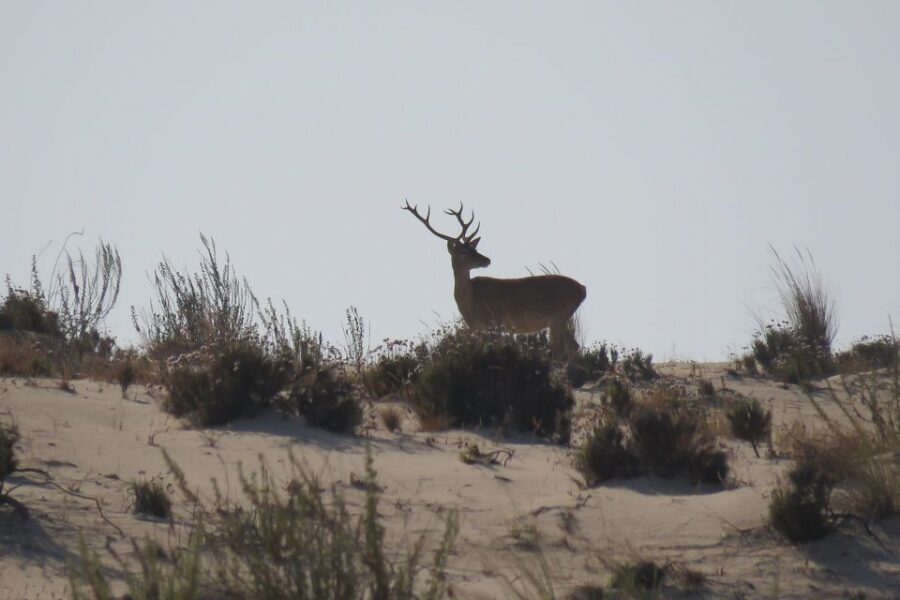
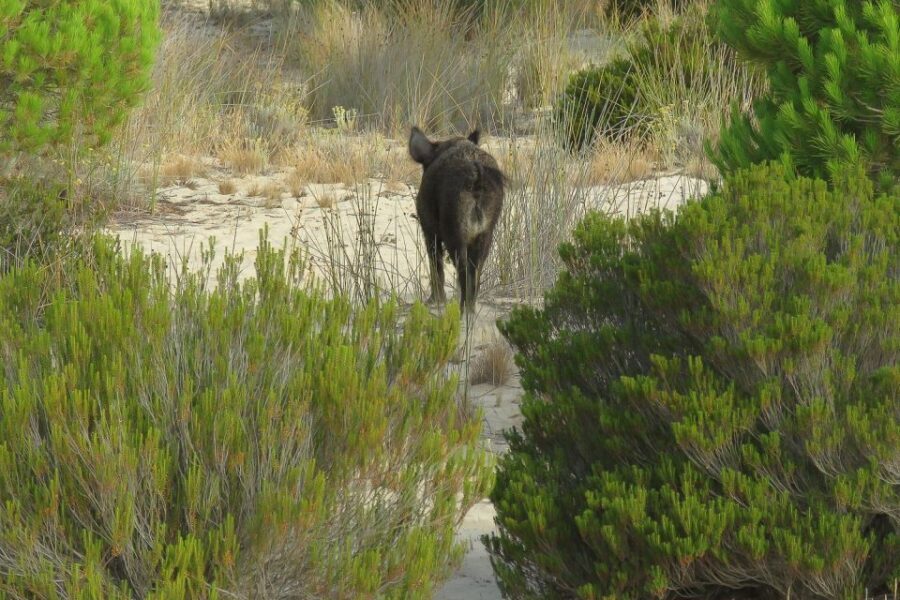
And yes—lynx are part of the pitch. Some reviews say they didn’t see a lynx, but did see tracks or pawprints. That’s a big theme: lynx are elusive. If the lynx is your must-see animal, come with the mindset that the tour can maximize your odds, not guarantee a sighting. You’ll still likely see deer, wild boar, and lots of birds even if the lynx stays a myth for the day.
Asperillo Sunset: The Calm Ending After a Big Day
To close the loop, the tour includes a return drive toward Seville with a final highlight: sunset in the pine forest area around Asperillo.
This last segment is smart. It gives you an emotional landing after a long day of scanning. After hours of marshes, birds, and beach-and-dunes transitions, sunset light makes everything feel gentler. It’s also a good time to review what you’ve seen and spot activity that happens when the sun angle changes.
Some of the day’s value is emotional too: you leave feeling like you saw real ecosystems, not just parked attractions. That’s the difference between “I went to a park” and “I learned how the park works.”
Price and Logistics: Is $105 Good Value?
At $105 per person for a 10-hour tour with hotel pickup/drop-off, transportation, and a guide included, this sits in the “good value if you want a guided wildlife day” category.
Here’s why it’s reasonable:
- You’re paying for a guided interpretation of habitats, not just transport.
- The guide’s wildlife-scanning skills matter, especially when animals keep their distance.
- You get multiple major zones in one outing: northern marsh/visitor center, El Rocío, Matalascanas/coast, dunes, and a walk near La Rocina.
Here’s what can affect perceived value:
- Meals and drinks aren’t included, so plan on buying or budgeting for lunch and snacks (the day typically includes a lunch break—reviews often describe around 1.5 hours to relax, but it’s still not “all inclusive”).
- Some people may feel the beach/dune stop or El Rocío time is shorter than they hoped, depending on their interests.
If you’re a birder, this usually feels like money well spent. If your goal is quiet solo nature time, you might wish the walking sections were longer. The tour is built to see and learn, with time designed for spotting rather than for long hikes.
What to Pack (and What to Do With Your Eyes)
This is one of the easiest trips to prepare for because the needs are basic:
- comfortable shoes
- sunglasses and a sun hat
- sunscreen
Bring your own binoculars if you have them. The tour includes prismatics, but personal binoculars help you move faster and get comfort right away. Also, keep your phone camera charged; birds and birds-in-flight moments can happen quickly when the guide repositions.
Finally: if the idea of a long day tires you, plan your evening in Seville accordingly. This trip is not “wander the city right after.” You’ll likely be ready for an early dinner and a calm night.
Who This Tour Is Best For
This day trip shines for:
- birdwatchers who want a guided shot at flamingos, storks, and raptors like Spanish imperial eagles
- people who enjoy wildlife viewing without the stress of planning drives and timing
- travelers who want variety in one long day: marsh, forest, dunes, and coast
It’s less ideal if:
- you want lots of independent hiking time
- you’re only interested in one habitat type
- you’re expecting a guaranteed lynx sighting (bring curiosity, not certainty)
Language options are available in English, French, Italian, and Spanish. One practical detail to know: a specific language may need a minimum group size to operate, so you might face an alternative language, date, or a full refund. If language comfort is important, double-check what’s offered on your exact date.
Should You Book This Doñana Day Trip?
Yes, you should book it if you want a guided, habitat-hopping wildlife day from Seville and you’re happiest when someone helps you find animals rather than hoping you’ll spot them on your own.
I’d skip it only if you’re chasing one specific thing—like a sure lynx sighting—or if you hate long driving days with shorter stops. In that case, you’d likely prefer a slower, more hiking-heavy option.
If you do book, do it with the right mindset: lynx are a bonus, birds are the main event, and the value comes from moving through Doñana efficiently while learning what you’re seeing. With guides praised for spotting and repositioning—people name José, Sergio, Diego, and others—your odds of a memorable day are strong.
FAQ
How long is the Doñana day trip from Seville?
The tour duration is 10 hours.
What’s included in the price?
It includes hotel pickup and drop-off, transportation, a guide, and prismatics. Meals and drinks are not included.
Do I get to see both marsh and coastal areas?
Yes. The day includes time in the northern marshes of Doñana, a stop in El Rocío, and time at Matalascanas with beach and dune scenery.
Can I swim at the Atlantic stop?
The tour notes that in summer you can hop into the Atlantic and take a dip.
What languages are available for the live guide?
English, French, Italian, and Spanish.
Are pets allowed on this tour?
No, pets are not allowed.