REVIEW · SEVILLE
From Seville: Doñana, El Rocio, and Matalascañas Beach Tour
Book on GetYourGuide →Operated by GRANAVISION Incoming & DMC · Bookable on GetYourGuide
One day, three very different Andalusian worlds. I like how Doñana National Park is the main event, with an off-road 4WD wildlife ride at sunrise, plus a guided walk through marshes, dunes, lagoons, and Mediterranean forest. I also like that the tour doesn’t end on a “tour high”; it gives you Matalascañas Beach time to breathe, stroll, and eat at your own pace.
The one consideration is that wildlife sightings are hit-or-miss in protected reserves. If your goal is the Iberian lynx, you’ll be looking for it, but some people end up seeing mostly birds and small animals, which can make the day feel uneven depending on conditions.
In This Review
- Key things to know before you go
- Why a one-day Doñana trip from Seville makes sense
- Riding Doñana at sunrise: 4WD, habitats, and Iberian lynx odds
- El Rocío’s pilgrimage village: why the walking tour is the cultural hinge
- Matalascañas Beach: the payoff for people who want time to exhale
- Guide-led learning: what you gain, and what to pack for comfort
- Price and value: what you’re really paying for
- Should you book this Doñana, El Rocío, and Matalascañas tour?
- FAQ
- How long is the tour?
- What is the starting price?
- Where are pickup locations in Seville?
- What time does pickup happen?
- What languages is the guide available in?
- What happens during the Doñana National Park portion?
- Is there free time on the beach?
- Is lunch included?
- Does the tour include ticket-line skipping?
- Can I cancel and get a refund?
- Is there a pay-later option?
Key things to know before you go
- Sunrise 4WD in Doñana: Off-road wildlife viewing focused on the park’s changing habitats.
- Ecosystems you can actually spot: lagoons, marshland, dunes, and Mediterranean forest all get attention.
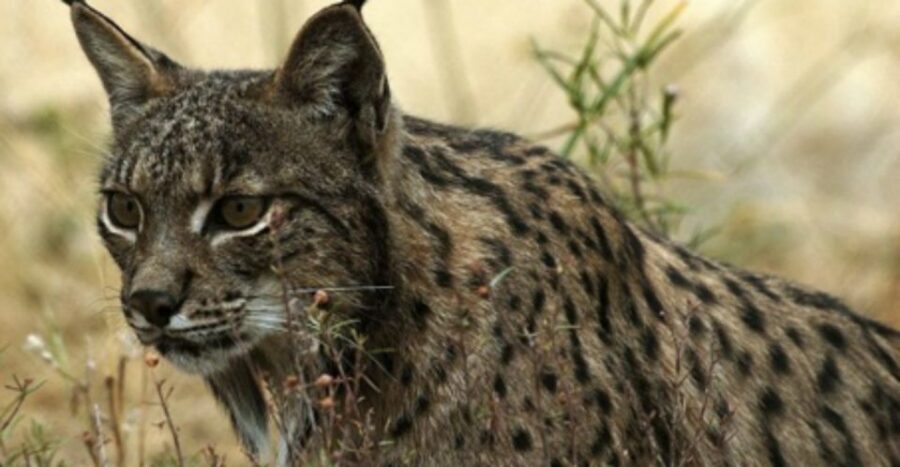
- Bigger-game search, smaller-creature payoff: You might not find lynx, but the park supports lots of species.
- El Rocío is more than a photo stop: A guided visit to the pilgrimage village and the hermitage area.
- Matalascañas gives you a guaranteed reset: Two hours of free time on the beach.
- Small time boxes: The whole day runs about 8 hours, so you’ll move steadily between sites.
Why a one-day Doñana trip from Seville makes sense
Seville to Doñana is short enough to feel like a real day trip rather than a travel slog. The schedule is built around travel segments by coach, with enough time in each place to get the vibe without turning it into a long endurance test. Expect pickup in Seville between 9:00 and 9:30 from one of three locations, then a coach ride to Doñana.
The trade-off with a full day like this is obvious: you won’t have hours and hours alone in the park. You’re doing a guided sweep through the key environments plus wildlife viewing. If you’re the type who wants a slow, independent nature walk, this style might feel “fast.” If you want the best odds and a guided explanation, it’s a strong fit.
Also, keep your expectations practical. Doñana is a protected reserve, so wildlife spotting depends on season, light, weather, and where animals are active. The tour is designed to put you in motion when animals are most likely to be out—hence the sunrise focus.
You can also read our reviews of more tours and experiences in Seville.


Riding Doñana at sunrise: 4WD, habitats, and Iberian lynx odds
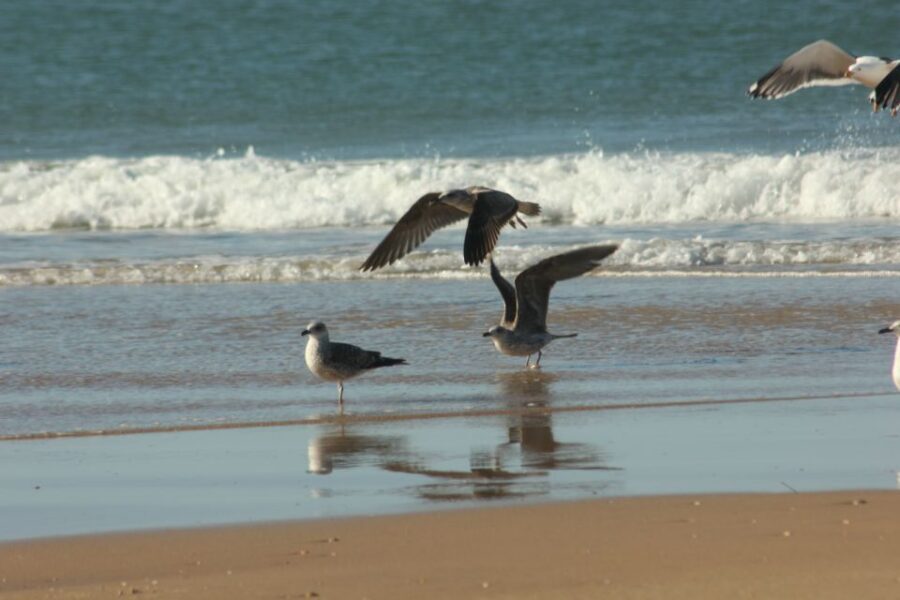
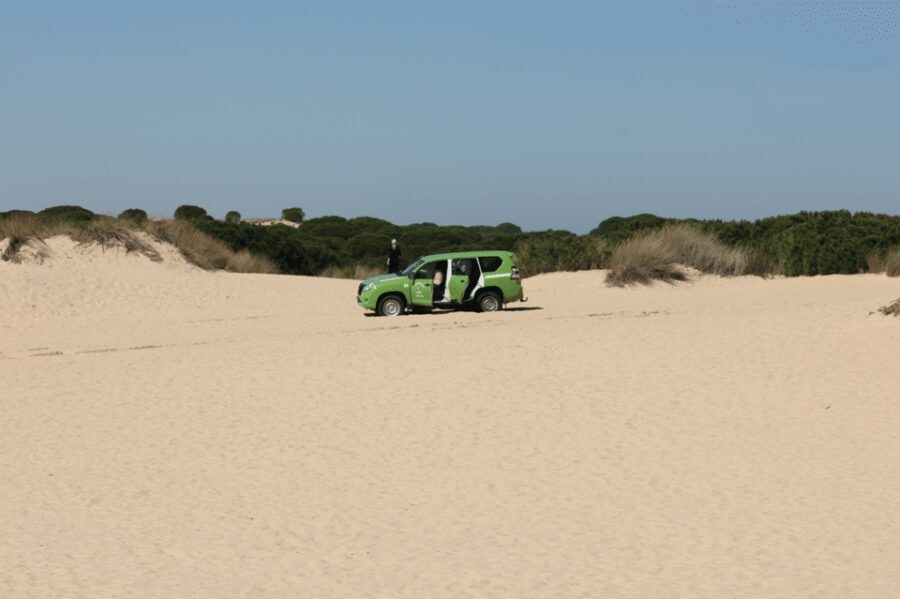
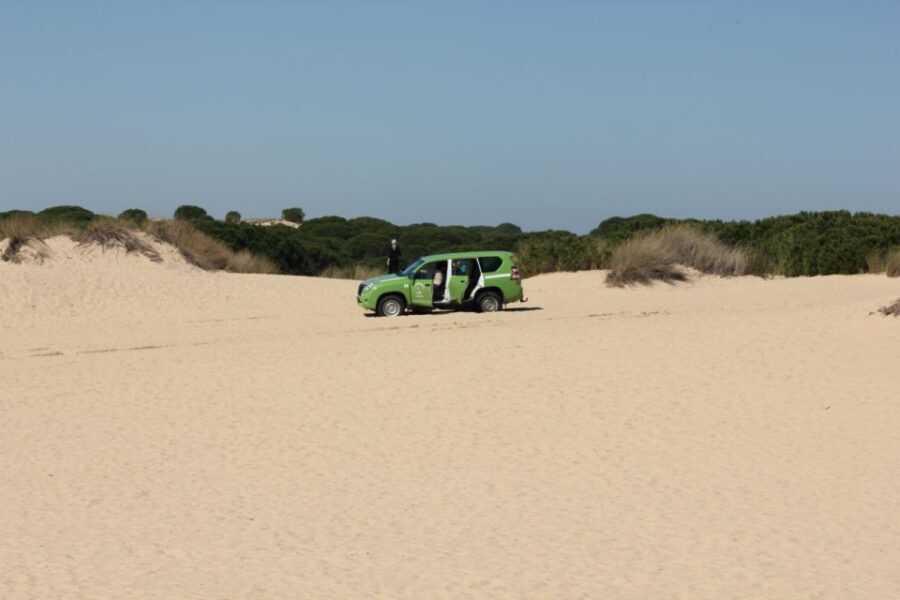
This is the core of the day. In Doñana, you get a guided, off-road experience by 4WD during the morning wildlife window. The time in the park is described as a 4-hour guided tour by 4WD, with wildlife viewing called out as part of that experience and a guided component tied to sunrise timing. In other words: it’s not a quick drive past the scenery. You’re there to look, listen, and learn while the guide guides the route.
What makes Doñana special is the mix of habitats you can see in one day:
- Lagoons and marshland, where water and reeds shape animal activity.
- Dunes, which bring a different plant life and open sightlines.
- Mediterranean forest, where shade and varied ground cover change what you might spot.
The park is also packed with life. It’s home to 37 mammal species, 21 reptiles, 11 amphibians, 20 freshwater fish, and thousands of invertebrates. That matters because a reserve that supports this many species creates layers of chances: even if you don’t get a big, headline animal, you can still see plenty of signs of life—tracks, birds, and smaller animals doing their thing.
The big targets you may be asked to watch for include Iberian lynx, imperial eagle, and the endangered Egyptian mongoose. Here’s the honest practical takeaway: your best chance is when the guide is moving you through productive habitats early in the day, and when you’re open to the fact that wildlife sightings can skew toward birds and smaller mammals.
If you’ve got “big cat” on your wish list, this tour matches your goal direction. Just don’t build the whole trip around one animal. Your payoff will be strongest when you appreciate the habitats and the wildlife search process itself.
El Rocío’s pilgrimage village: why the walking tour is the cultural hinge
After Doñana, you switch gears and head to El Rocío, the pilgrimage village that draws worldwide attention, especially in May. This stop is guided and includes a walk of about 2 hours. It’s timed as a cultural break from the park’s nature focus—an intentional change in pace.
El Rocío’s main significance here is tied to the pilgrimage tradition and the hermitage connected with the Blessed Virgin. Even if you’re not traveling in pilgrimage season, you can still get the sense that this village has a spiritual identity that shapes its layout and atmosphere.
Why this stop is valuable for a one-day itinerary: it prevents the day from being only about animals and outdoor time. It also gives you context for Andalusia beyond the postcard scenery. If you like travel that connects nature with local life, this is the hinge point.
A small reality check: two hours is enough for a guided walk and to understand what matters, but it’s not enough to wander slowly on your own all day. If you want extra time to browse or soak up atmosphere, plan to use your beach time for unstructured wandering instead.
Matalascañas Beach: the payoff for people who want time to exhale
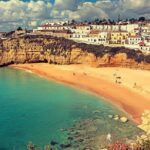
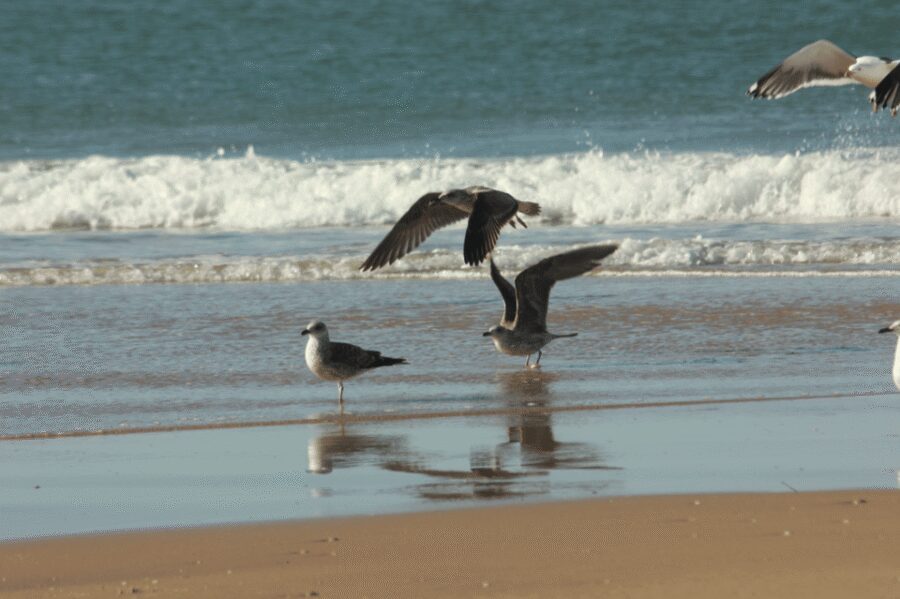
Then comes the part that often feels like the “real vacation” segment. You reach Matalascañas Beach and get about 2 hours of free time. The tour description frames it as relaxation or a stroll—so you’re not under constant guide direction here.
That free time is more valuable than it sounds, especially after a morning of wildlife watching. Wildlife spotting can be tense in a good way—scanning, waiting, listening. Beach time lets your brain stop working so hard. It also gives you a clear buffer if wildlife sightings were light earlier. If your morning felt quiet, the beach can still deliver a satisfying end.
One detail to keep in mind: the beach can be busy. That’s not a problem if you’re going for energy and activity, but if you want solitude, you’ll likely need to choose your moment and where you walk along the shore.
Practical move: bring swimwear and something light to cover up when the sun changes. And if you plan to eat, this is where you’d do it—lunch is not included, so this is your window for an optional meal.
Guide-led learning: what you gain, and what to pack for comfort
A live guide runs the day in Spanish or English, and the natural history component is part of why the tour works. The point isn’t only to see wildlife; it’s to understand how the ecosystems connect and why the park holds so many species. In the best moments, the guide helps you read the environment faster—what to look for and where you might find it.
You’ll also benefit from thinking about comfort. One set of feedback specifically called out the need to warn about clothing choices and mosquito prevention. Even if you don’t hear that exact warning, you should assume insects can be an issue in wetland areas. Pack:
- long sleeves or a light layer you can pull on,
- insect repellent,
- closed-toe shoes for walking.
Also, bring sunglasses and a hat. Sunrise and beach sun hit fast. Water matters too, especially if the morning in the park involves waiting and scanning outdoors.
Group energy can matter on a nature tour. If your group is chatty and distracted, scanning gets harder. If your group listens and moves with the guide, you’ll feel more “in it.” This tour format is built for watching, so you’ll get more out of it when you stay tuned.





Price and value: what you’re really paying for
At $132 per person for an 8-hour day, this isn’t a “budget bus and back” excursion. You’re paying for hotel pickup and drop-off in central Seville, transport between three distinct destinations, and a guided, off-road 4WD experience in a top protected wetland.
The value equation looks like this:
- Pickup and drop-off save you planning time and local transit hassle.
- 4WD with a guided wildlife focus is typically harder to DIY, because you’re not just driving—you’re learning and searching.
- El Rocío walking tour adds cultural context without requiring you to arrange transportation.
- Beach free time gives you a real decompression slot.
Where value can feel less strong is when wildlife sightings don’t match your personal hopes. One commentary noted only rabbits and birds in the park, with the beach becoming the strongest part. That’s a realistic possibility in any wildlife area, but it affects perceived value. If you’re traveling mainly for a guaranteed “big cat sighting,” no day trip can promise that.
If you’re okay with the idea that Doñana is about habitats and the search process as much as a single animal, the structure is worth it. You’re basically buying a guided morning with enough time to learn, plus a cultural stop and a beach reset.
Should you book this Doñana, El Rocío, and Matalascañas tour?
Book it if you want a one-day plan that covers wetland wildlife country + a pilgrimage village + real beach free time, and you like learning from a guide rather than doing everything on your own. It’s also a good choice if you’re staying in Seville and don’t want to spend your vacation time on logistics.
Skip it if your priority is slow, independent wildlife time in the park, or if you’ll be disappointed by the fact that spotting rare animals like Iberian lynx is not something any single day can guarantee.
My practical advice: go for the habitats. If you also get a big sighting, great. If not, you’ll still come away with a clearer sense of why Doñana is one of Europe’s key protected wetland areas—and you’ll have an actual beach break to end the day.
FAQ
How long is the tour?
The total duration is 8 hours.
What is the starting price?
It’s listed at $132 per person.
Where are pickup locations in Seville?
Pickup is available from different options: Calle Trajano, 6, Hotel Don Paco (Plaza Padre Jerónimo de Córdoba, 4), and C. Rastro, 12a.
What time does pickup happen?
Pickup is scheduled between 9:00 and 9:30.
What languages is the guide available in?
The live tour guide works in Spanish and English.
What happens during the Doñana National Park portion?
You’ll join a guided 4WD off-road tour with sunrise wildlife viewing, focused on different ecosystems in the park.
Is there free time on the beach?
Yes. You get about 2 hours of free time at Matalascañas Beach.
Is lunch included?
Optional lunch is not included in the tour price.
Does the tour include ticket-line skipping?
Yes, it includes skip the ticket line.
Can I cancel and get a refund?
You can cancel up to 24 hours in advance for a full refund.
Is there a pay-later option?
Yes, you can reserve now & pay later.
If you want, tell me your travel dates and what your top priority is (lynx, birds, hiking the dunes, or beach time), and I’ll help you judge whether this format matches your expectations.