REVIEW · SEVILLE
Donana National Park and El Rocío: Private Tour from Seville
Book on Viator →Operated by Naturanda Turismo Ambiental · Bookable on Viator
Doñana is about patience. This private day trip from Seville strings together El Rocío culture and some serious habitat-hopping in Doñana, using a 4×4 to get you into the right areas. I especially liked the ornithology stops around El Rocío and La Puebla del Río, plus the way the itinerary teaches you to spot changing ecosystems instead of just riding past scenery.
One thing to keep your expectations realistic: animal and bird viewing can be limited in dry months (one guest noted fewer sightings during July–August). You’ll still get the dunes, forests, and park experience, but nature is nature.
In This Review
- Key highlights to look for
- A 10-Hour Mix of El Rocío Pilgrimage and Doñana Wild Places
- Price and what you’re really paying for ($324.40 per person)
- Seville to La Puebla del Río: where bird colonies start to matter
- El Rocío village in one hour: pilgrimage without the marathon
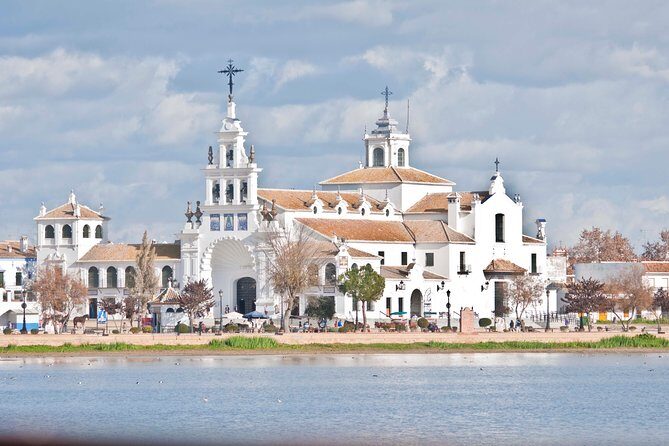
- Sanctuario de Nuestra Señora del Rocío: a short stop with big scale
- Palacio del Acebrón: learning the park by comparing ecosystems
- Playa de Matalascanas: beach, then the mobile dunes lesson
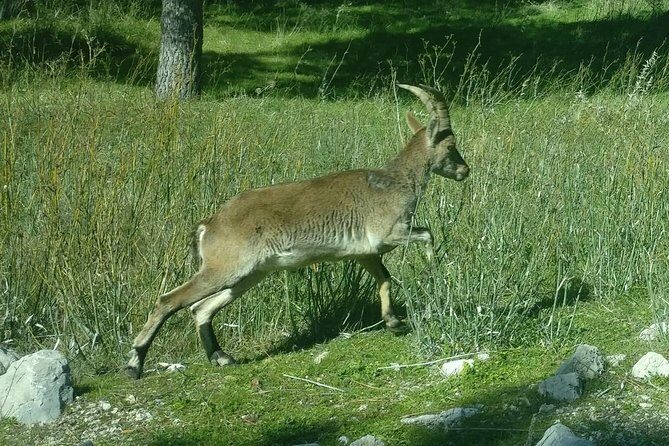
- Doñana National Park by 4×4: animals, including the Iberian lynx (with realism)
- What a strong guide adds (Sergio’s impact)
- Who this tour suits best (and who might want something else)
- Food, comfort, and the details that matter on a long day
- When animal sightings are best (and how drought changes the day)
- Should you book this Doñana and El Rocío private tour?
- FAQ
- What’s included in the tour price?
- Is this tour private or shared?
- How long is the tour?
- What are the main stops during the day?
- Do I need to bring lunch or snacks?
- What happens if weather isn’t good?
Key highlights to look for
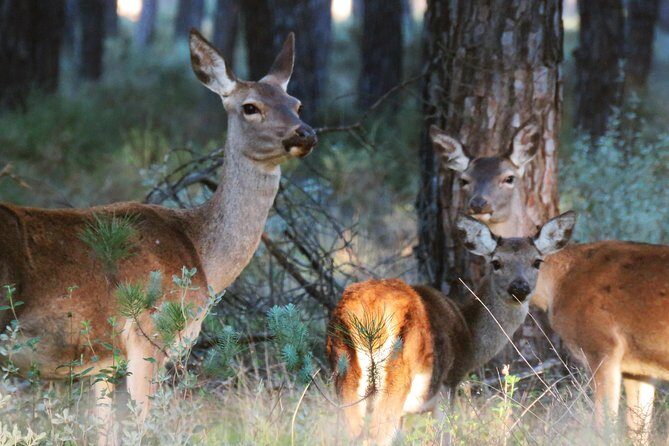
- Ornithology-focused stops around El Rocío and La Puebla del Río for bird-colony watching
- Private 4×4 transport from Seville area to the park so you spend less time on long transfers
- Mobile sand dunes at Playa de Matalascanas, the kind of geography that looks different minute to minute
- Quick, high-impact culture stops in El Rocío village and at the Sanctuario de Nuestra Señora del Rocío
- Forest-in-gallery ecosystem at Palacio del Acebrón, a smart contrast to beach and dune habitats
- Iberian lynx and other wildlife mentions inside Doñana National Park, with the reality that sightings vary by conditions
A 10-Hour Mix of El Rocío Pilgrimage and Doñana Wild Places
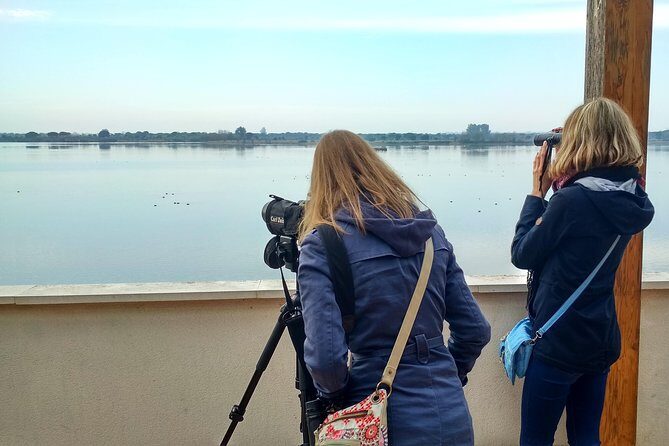
This is a long day (about 10 hours), but it stays interesting because it mixes two very different sides of Andalusia: a major religious pilgrimage and Spain’s big wildlife country. You start with hotel pickup in Seville, then you work your way outward to wetland bird zones, beach-and-dune country, and finally Doñana National Park.
What makes it feel worth your time is the flow. Instead of doing one place thoroughly and calling it a day, you get small, focused windows: a village walk, a sanctuary stop, a palace visit, time on the beach and dunes, and a park block where you can actually look for animals.
You can also read our reviews of more private tours in Seville

Price and what you’re really paying for ($324.40 per person)
At $324.40 per person, this isn’t a cheap excursion. The good news is you’re paying for a bundle, not just a ticket.
You get:
- Hotel pickup and drop-off in Seville
- A professional driver/guide
- Round-trip transfer
- Transport by 4×4 vehicle into the Doñana area
What that means for you: if you’d otherwise need buses, taxis, and multiple stops to even reach the right areas, the private transport value becomes clearer. The tradeoff is that food isn’t included, so plan to buy or bring something for lunch/snacks.
My take: it’s best value if you want a guided, time-efficient day and you care about spotting animals and birds without doing all the driving yourself.
Seville to La Puebla del Río: where bird colonies start to matter
Your day begins with a quick pickup at your accommodation in Seville (the schedule gives it a short start window). Then you head toward La Puebla del Río, with about an hour set aside there.
This is one of the itinerary’s smartest parts because it isn’t just sightseeing. La Puebla del Río is where you can look for different bird colonies, and you’ll have time to slow down and watch rather than just snap photos while passing by.
Practical tip: for bird stops, bring a phone with enough battery and turn on whatever bird-photo settings you like. Also, don’t worry if you can’t identify every species on the spot. The point is to learn to read the habitat and notice activity.
El Rocío village in one hour: pilgrimage without the marathon
Next comes El Rocío, the famous village tied to an annual pilgrimage. You’ll have about an hour here, enough time to get a feel for the place without rushing yourself into a full-day commitment.
This stop works best if you like cultural travel that includes context. You’ll be there for the pilgrimage reputation, but the experience is also about atmosphere: how the town is shaped by seasonal devotion and why people return year after year.
How to get more out of this hour:
- Walk a bit, then pause and watch how locals and visitors move through the streets.
- Look for details in the built environment that reflect the yearly event, not just the event itself.
Sanctuario de Nuestra Señora del Rocío: a short stop with big scale
After El Rocío village, the tour takes you to the Santuario de Nuestra Señora del Rocío. The visit is scheduled for about 30 minutes, and the admission ticket is included.
Here’s what to expect: this is the religious heart of the pilgrimage, and it’s known for the huge gatherings—more than a million people each year. Even if you’re not there during peak season, the sanctuary stop is still valuable because it explains the event’s importance, not just the location.
Time-awareness note: 30 minutes isn’t enough for a slow, deep visit. It’s enough for a guided overview and to understand why this site matters so much.



Palacio del Acebrón: learning the park by comparing ecosystems
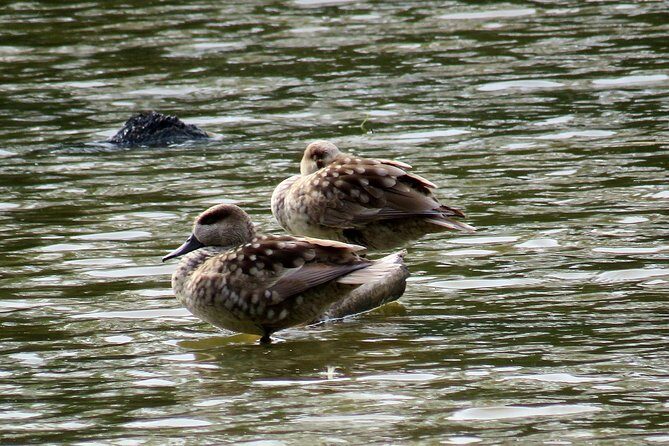
One of my favorite scheduled stops is Palacio del Acebrón, with about 30 minutes on the clock and admission included. This isn’t framed as a palace-for-palace’s-sake. The idea is ecosystem learning.
The tour highlights the forest in gallery ecosystem—basically a narrow strip of forest shaped along watercourses. That matters because it gives you a different “lens” than beach dunes or open park terrain. You start thinking in habitats, not just places.
Even if you’re not a plant person, this stop can still click. You’ll be better prepared for the next phase in the day—because once you learn what each habitat looks like, animals make more sense when you find them later.
Playa de Matalascanas: beach, then the mobile dunes lesson
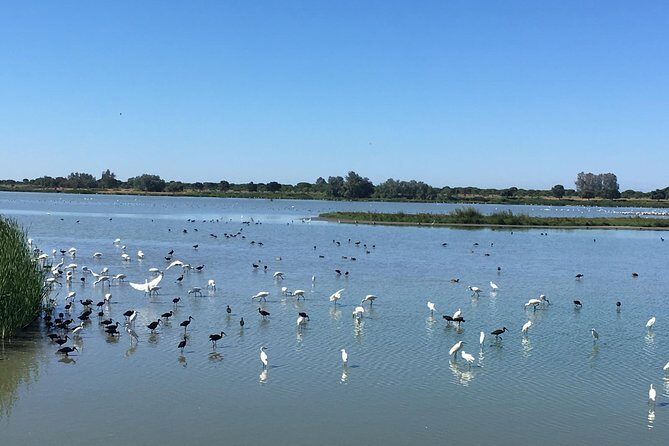
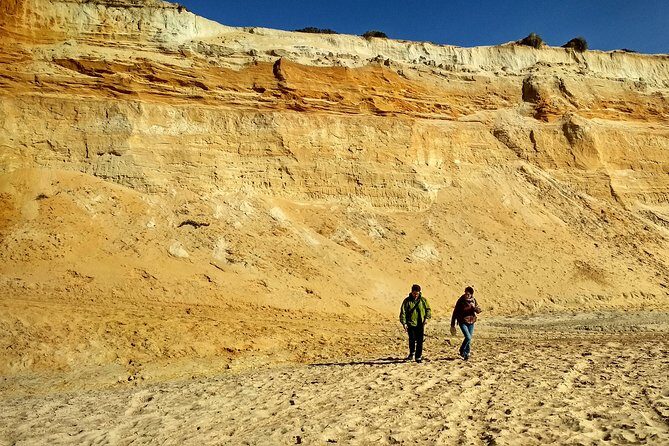
Then you head to Playa de Matalascanas, where you get about an hour. This stop is built around two things: the long beach (described as the longest virgin beach in Spain) and the mobile sand dunes.
This is your geography break and also your visual training. Mobile dunes aren’t a static photo backdrop. They change, and that movement affects which species can thrive and how the area behaves.
If you’re taking photos:
- Don’t just aim at the horizon. Try a foreground detail shot of dune texture.
- Watch how wind-carved shapes look different depending on angle and light.
Also, remember there’s no food included on the tour. If you want lunch later, use this beach hour to fuel up with a snack you bring from Seville.
Doñana National Park by 4×4: animals, including the Iberian lynx (with realism)
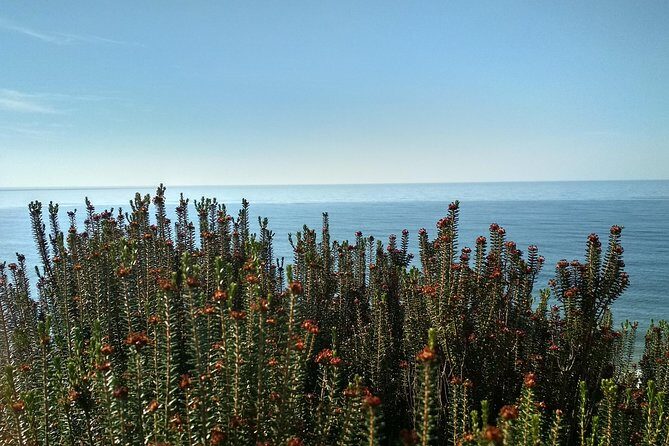
Finally, you reach Doñana National Park, with about 3 hours allocated for the park experience. Transport into the park is by 4×4, and the tour notes the chance to see wildlife such as the Iberian lynx.
Here’s the honest value: you’re getting time in the park with a guide who can point you toward where animals tend to be and what to look for. That beats waiting around randomly on your own.
That said, do not treat Doñana like a guaranteed animal-watching machine. One guest specifically flagged that in dry weather, animals and birds can be harder to approach or spot. Another guest said they didn’t see many animals or birds and felt the day leaned more toward driving through pine forest than close viewing.
So how should you think about this block?
- Come ready to search, not expecting certainty.
- Value the habitat explanation even if the big wildlife moment doesn’t land.
If you’re traveling specifically for rare animals, manage your mindset accordingly. The park experience is the learning plus the chance—not a vending machine.
What a strong guide adds (Sergio’s impact)
The experience lives or dies on interpretation. When it works well, the guide makes the day feel like a guided field class, not a checklist.
One highlight from a prior guide experience: Sergio was noted for explaining the different environments in the park and answering questions well. That’s exactly what you want during a long day where sightings can vary. A good guide turns “nothing happened yet” into “here’s why we’re seeing what we’re seeing.”
My practical advice for you: ask questions at the right moments—when you stop for a view, when you notice tracks, or whenever birds go quiet. Those are usually the moments when the guide can connect your observation to habitat logic.
Who this tour suits best (and who might want something else)
This tour fits you best if you want:
- A private experience with only your group
- A mix of El Rocío + Doñana, rather than choosing only one
- Birdwatching time built into the schedule
- A long, guided day where you learn as you go
It may be less ideal if:
- You’re ultra-focused on one specific animal and need it at all costs
- You hate long drives and would rather do shorter, more walk-heavy hikes
- You want fully included meals (food and drinks aren’t included)
Also, the tour says moderate physical fitness is needed. That’s a good sign for most people, but you should still expect some walking and standing during village/sanctuary/beach time.
Food, comfort, and the details that matter on a long day
Because food and drinks are not included, plan for your energy. Even if the tour is exciting, a 10-hour day needs a snack strategy.
Bring:
- Water (especially if you’re going in warmer months)
- A light snack or lunch if you tend to get hungry
- Sun protection, since you’ll be at the beach and on open terrain
Comfort-wise, the big portion of the day is transport plus short stops. That’s great if you like seeing a lot without long hikes, but you’ll spend plenty of time in a vehicle—so dress for both sun and cooler moments.
For photography, this day gives you three different “looks”: village/cultural scenes, dune/beach textures, and wildlife-habitat views.
When animal sightings are best (and how drought changes the day)
Doñana is affected by the real-world stuff: weather and season. The tour experience notes that it requires good weather, and reviews specifically point out that drought periods can reduce how visible animals and birds are.
So if you’re going during a dry window, adjust your expectations:
- You might see more plants, trees, and birds that are present nearby rather than dramatic wildlife encounters.
- You’ll still get the dunes, habitats, and park context, which is often the most valuable part of a guided wildlife day.
This is also why the birdwatching stops on the way matter. Even when the park is slow, you can still have rewarding viewing in the places planned for bird activity.
Should you book this Doñana and El Rocío private tour?
I’d book it if you want one day that blends culture + ecosystems and you value a guided route that saves you time and hassle. The biggest selling points are the habitat-based stops (ornithology viewing areas, forest-in-gallery at Palacio del Acebrón, mobile dunes at Matalascanas) and the 4×4 access into Doñana.
I’d think twice if your trip hinges on guaranteed sightings of animals like the Iberian lynx. Sightings can be limited when conditions are dry, and the day includes plenty of driving between environments.
If you decide to go, go with a flexible, curious mindset. You’re not just chasing animals—you’re learning how Doñana works.
FAQ
What’s included in the tour price?
The tour includes a driver/professional guide, hotel pickup and drop-off in Seville, round-trip transfer, and transport by 4×4 vehicle. Food and drinks are not included.
Is this tour private or shared?
It’s described as private, with only your group participating. It also includes transport options that include round-trip transfer.
How long is the tour?
It’s about 10 hours.
What are the main stops during the day?
You’ll visit La Puebla del Río for bird colonies, El Rocío village, the Sanctuario de Nuestra Señora del Rocío, Palacio del Acebrón, Playa de Matalascanas (mobile dunes), and Doñana National Park.
Do I need to bring lunch or snacks?
Food and drinks are not included, so you should plan on bringing snacks or purchasing food during the day.
What happens if weather isn’t good?
The experience requires good weather. If it’s canceled due to poor weather, you’ll be offered a different date or a full refund.