REVIEW · SEVILLE
Tour Sevilla de las 3 Culturas
Book on GetYourGuide →Operated by Sevilla&ME · Bookable on GetYourGuide
Seville’s three-cultures story is easy to follow. This guided route turns landmarks like the Giralda, the Cathedral, Santa Cruz, and the Archivo de Indias into a clear timeline of how Seville changed under Roman, Almohad, Jewish, and Christian rule. I like that you get a plan with an official guide and you won’t miss the important connections. I also like the focus on specific neighborhoods—especially the Judería / Santa Cruz area—so the city feels like a living lesson, not a checklist. One possible drawback: the tour is Spanish-only, so if you don’t read and listen well in Spanish, your experience may feel more limited.
Key Points You’ll Like
- A guided timeline that ties Roman, Almohad, Jewish, and Christian Seville to real streets and buildings
- Major landmarks on one walk: Giralda, Seville Cathedral, Alcázar gate area, Archivo de Indias, Torre del Oro
- Neighborhood detail in the Judería and Santa Cruz, including smaller lanes and plazas (not just the big monuments)
- Flat route with comfort in mind: mostly walking with no slopes, plus shade in summer and sun in winter
- Official guides with strong communication, with guides like José specifically noted for answering questions clearly
- Great value at $7 for a 2-hour guided tour covering multiple high-impact stops
In This Review
- A 2-Hour “Three Cultures” Walk That Feels Like a Timeline
- Price and Value: Why $7 Can Work (If You Want a Guided Route)
- Meeting Point, Walking Pace, and What to Pack
- Plaza de San Francisco to the Cathedral Area: Getting Your Bearings
- Judería and Santa Cruz: Jewish Seville in the Streets, Not Only the Symbols
- The Palace and Church Power Zone: From Almohad Peak to Christian Rule
- Real Alcázar Area and the Big Archives Stop
- El Giraldillo, Monument Stops, and the River-Linked City
- Mercado Artesanía El Postigo and Local Color
- Puente de Isabel II and Torre del Oro: Where the Story Lands
- Who This Tour Fits Best (and Who Might Want Another Option)
- Should You Book Seville de las 3 Culturas?
- FAQ
- How long is the Tour Sevilla de las 3 Culturas?
- What language is the live guide?
- Where does the tour start and end?
- Is the tour wheelchair accessible?
- Are there any ticket lines to deal with?
- What is the cancellation policy?
A 2-Hour “Three Cultures” Walk That Feels Like a Timeline
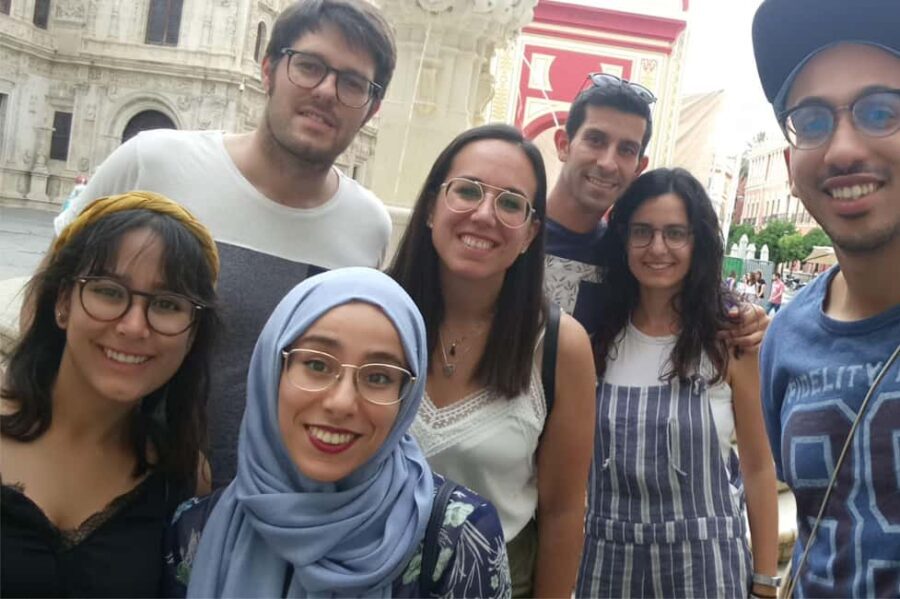
If you want Seville to make sense fast, this format helps. Instead of bouncing randomly from photo spot to photo spot, the tour organizes the city into eras—so you start seeing patterns in arches, street layouts, walls, and power.
You’ll hear how Seville went from an important Roman administrative and commercial center to a major hub of Al-Andalus, reaching its peak under Almohad rule. Then the story shifts again with the Reconquest under Ferdinand III, when Seville became a key Christian center. The Jewish community’s footprint—especially in the Barrio de Santa Cruz / Judería area—remains one of the most visible layers in the old town.
Price and Value: Why $7 Can Work (If You Want a Guided Route)
At about $7 per person for a 2-hour guided tour, the value is hard to ignore—especially because you’re not just getting a walk. You’re getting an official guide, multiple major sights, and a “story route” that helps you interpret what you’re seeing.
What you’re really paying for is time and clarity. Seville can be confusing if you only see it through guidebook captions. This tour gives you the why behind the where: why certain areas feel enclosed, why particular architectural choices show up, and why political and religious changes left physical traces.
You should also note one practical value detail: the tour includes skip-the-ticket-line for the sights involved on the route. That means less time waiting and more time listening and walking.
You can also read our reviews of more tours and experiences in Seville.


Meeting Point, Walking Pace, and What to Pack
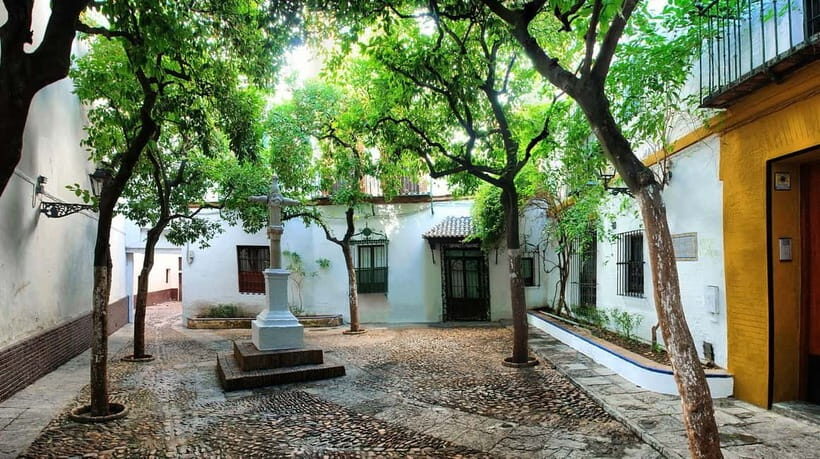
The tour starts at Plaza de San Francisco, 17 (the meeting point is also linked to Fuente de Mercurio). It finishes at the Torre del Oro area.
Plan for a comfortable walking experience. The route is described as flat with no slopes. That matters because Seville’s old streets can feel like a treadmill if you’re not expecting it. Here, the pace is built for comfort.
Bring water and comfortable shoes. The tour also notes that stops are arranged to be in the shade during summer and in sun during winter. So, dress for the season: summer hat and sunscreen in the sun stretches; warmer layers when the winter light turns sharp.
One more tip: you’re asked to include a phone number with WhatsApp, so the team can share the meeting point details. If you have trouble with WhatsApp notifications on travel day, fix that beforehand.
Plaza de San Francisco to the Cathedral Area: Getting Your Bearings
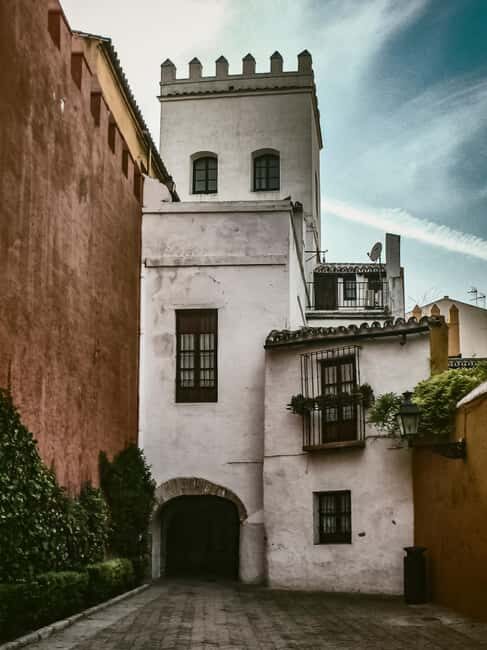
The opening stretch from Plaza de San Francisco is all about orientation. You start in the city center where Seville’s layers feel close together. Plaza de San Francisco sets the tone: it’s close enough to major sights that the tour can connect the story immediately.
From there you move through the area around the Banco de España (sightseeing stop). Even if you’re not there for banking history, it helps you understand how the modern city sits next to older patterns of movement and importance.
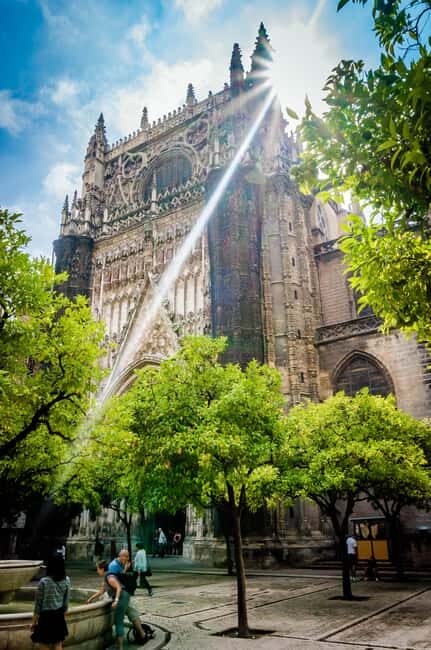
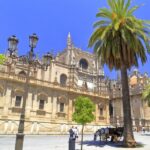
Then you reach the heart of monumental Seville: the Giralda, the Seville Cathedral, and nearby viewpoints that help you “read” the skyline. This is where the tour’s three-cultures theme becomes visible. The Giralda and Cathedral area is the kind of place where you can stand still for a minute and understand how power shifted over time, not just who controlled Seville, but how they expressed that control through built form.
The practical payoff here: you’ll learn what to look for, so your photos come with context, not just angles.
Judería and Santa Cruz: Jewish Seville in the Streets, Not Only the Symbols
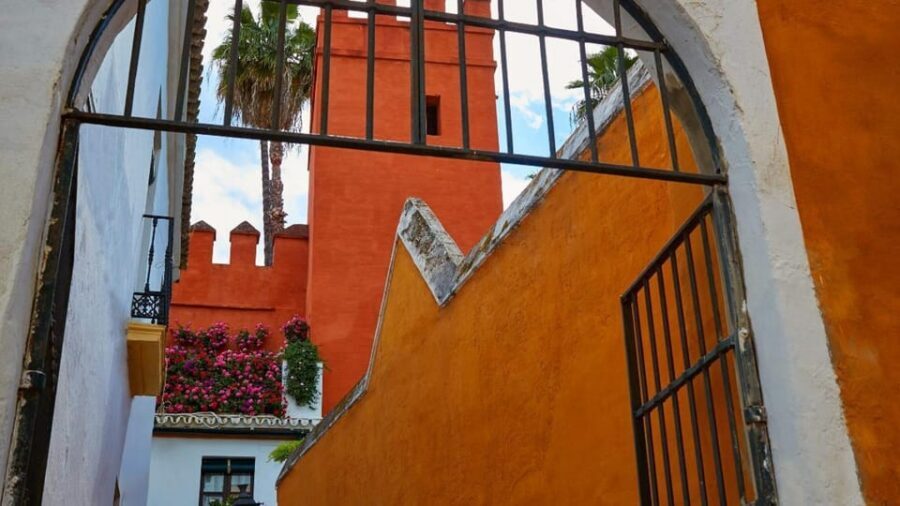
If you like neighborhoods, this is the part that usually feels most memorable. The tour takes you into the Judería and Santa Cruz area, where small streets and changing angles do the storytelling for you.
You’ll stop for sightseeing around Plaza de la Alianza, Plaza Doña Elvira, and lanes like Calle Susona and Calle Vida. Those names might not mean much at first glance, but that’s the point: the tour uses these lanes as anchors for legends, characters, and the day-to-day reality of community life.
Then you hit the bigger landmark area: Santa Cruz itself. This is where the tour connects the Jewish footprint to the overall Seville layout. It highlights that Seville had one of the oldest and largest Jewish quarters in Spain, and you’re shown why Barrio Santa Cruz became the obvious place to remember that presence.
A quick reality check: this part of Seville is dense. If you hate crowds, go into this segment with a calm mindset. The tour format helps, but narrow streets still do narrow-street things.
The Palace and Church Power Zone: From Almohad Peak to Christian Rule
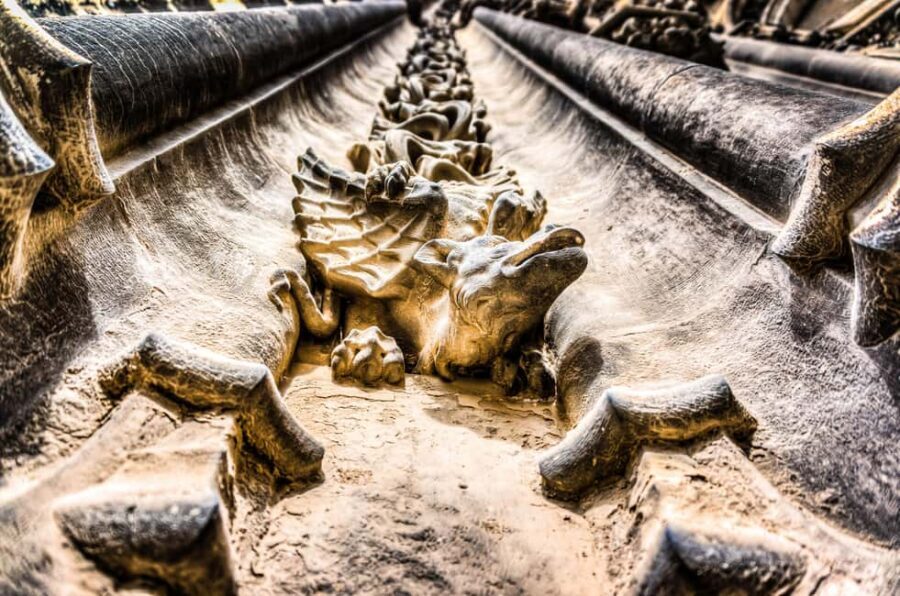
After the Judería stops, you’ll shift into the zone of Christian institutional power. You’ll see the Palacio Arzobispal (sightseeing) and continue through other key monumental points like Patio de Banderas.
This section matters because it shows how Seville’s “meaning” changed. The tour frames Almohad rule as a time when the city reached maximum splendor, then it moves into the Reconquest era under Ferdinand III. After that, Seville becomes a reference point for Catholicism.
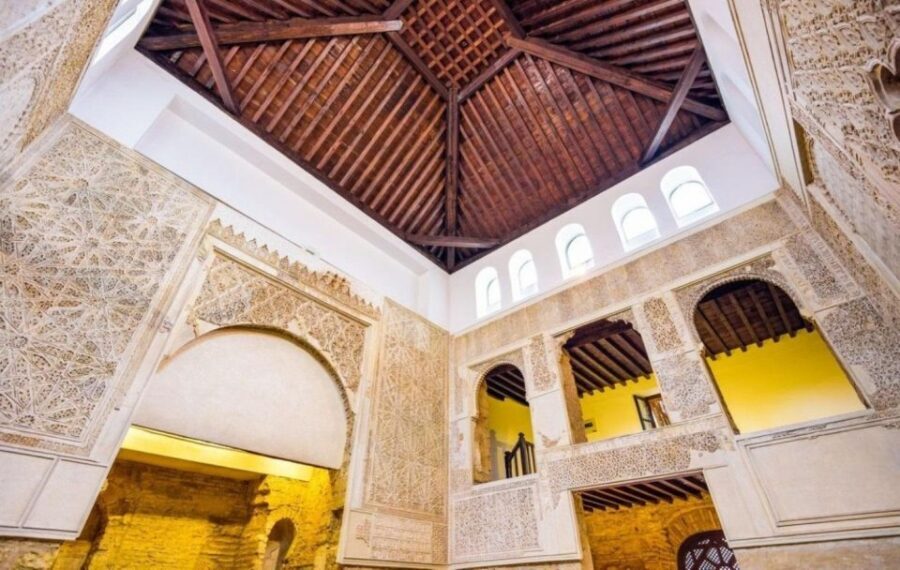
Even when you’re not inside every building, you’re learning how different eras leave different kinds of marks. That’s the real value here. Instead of collecting separate facts, you start connecting them: Islamic-era urban decisions, then Christian-era institutional choices, then later Seville’s commercial identity.



Real Alcázar Area and the Big Archives Stop
One of the tour’s smartest choices is mixing visual impact with practical historical context.
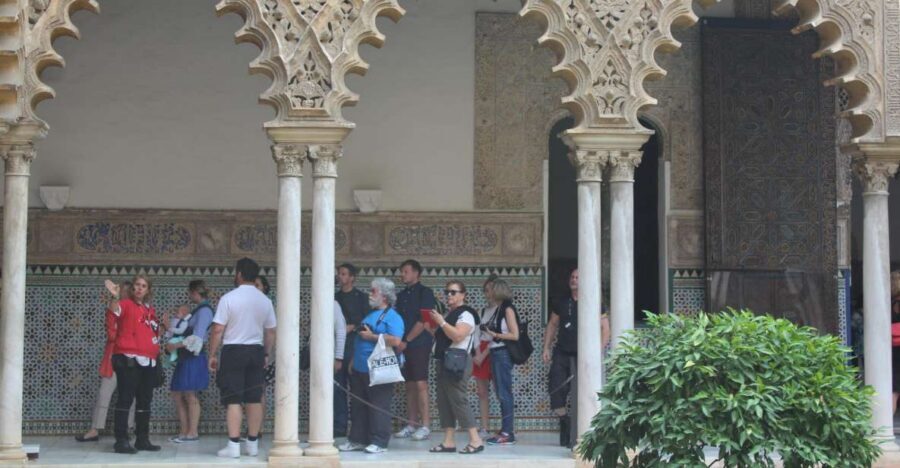
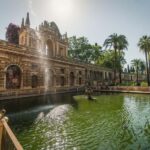
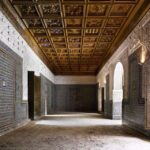
You’ll visit the area around Puerta del León (Real Alcázar de Sevilla). Gates and entrances are a great teaching tool because they force you to notice transition: where a city opens, where it funnels, and how authority announces itself.
Then comes a standout stop: the General Archive of the Indies with a guided tour. This is tied directly to the section the tour calls Seville of the Indies—Seville as a “port of Europe for America,” with the lights and shadows that came with that role. Even if you’re not a history person, an archive stop can hit differently when you’re told why the documents matter and how trade and empire shaped daily life and architecture back home.
El Giraldillo, Monument Stops, and the River-Linked City
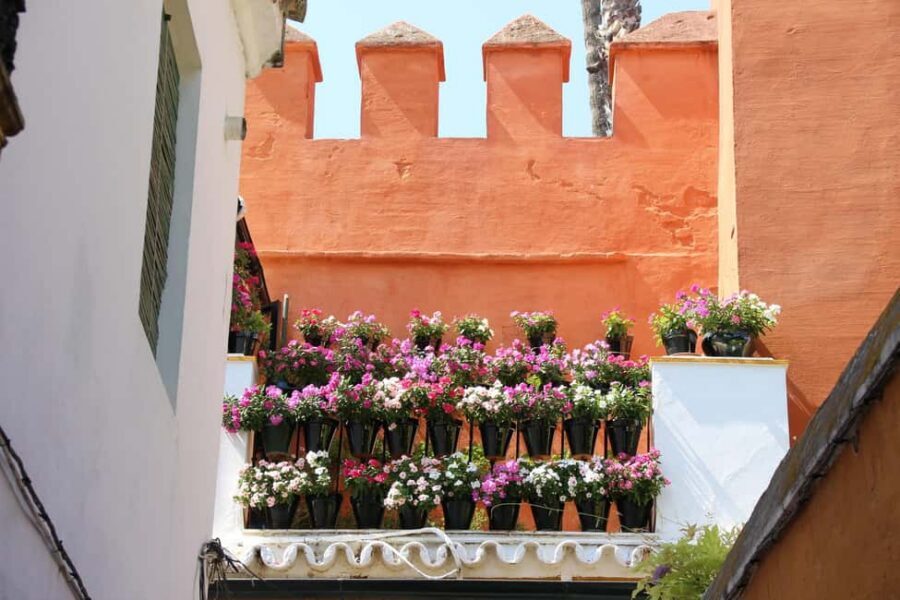
As the walk continues, you pass through points that help you connect the city’s monuments to its wider geography.
You’ll visit El Giraldillo and see Immaculate Conception Monument (sightseeing). These aren’t just decorative stops. They help show how Seville expresses faith and identity in public space, especially after Christian consolidation.
Then you move toward the river area with El Arenal and Plaza del Cabildo (sightseeing). This is where Seville shifts from mostly “old city” atmosphere to a more civic-commercial feeling. The tour uses this shift well to underline why Seville mattered beyond religion: it was a turning point for administration and global movement.
Mercado Artesanía El Postigo and Local Color
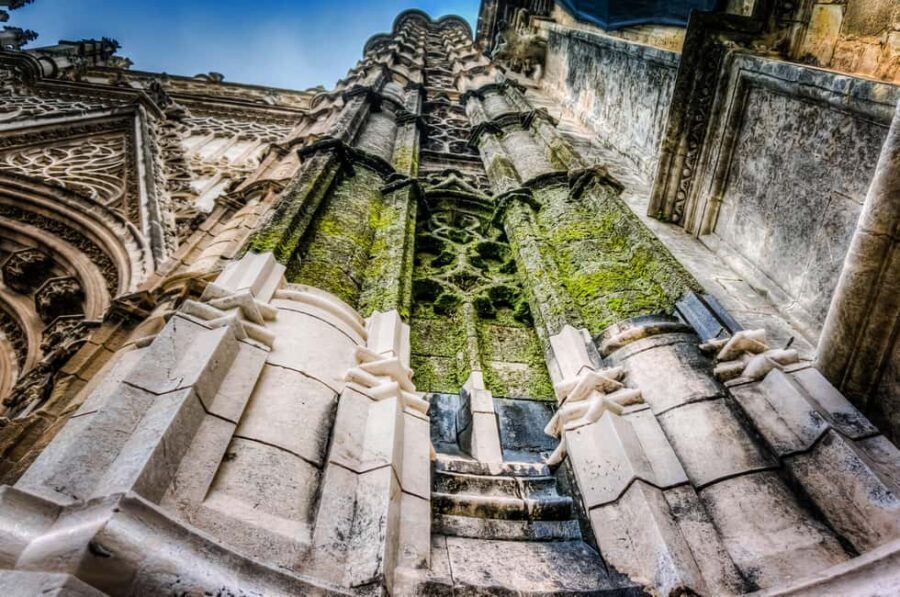
At Mercado Artesania El Postigo, you get a break from pure monument focus. This is a practical stop if you like looking at local crafts and want something more tactile than stone and arches.
Even if you don’t buy anything, this stop helps you see how old Seville still functions as a living city. It’s also a good moment to reset if you’ve been listening hard for a while.
Puente de Isabel II and Torre del Oro: Where the Story Lands
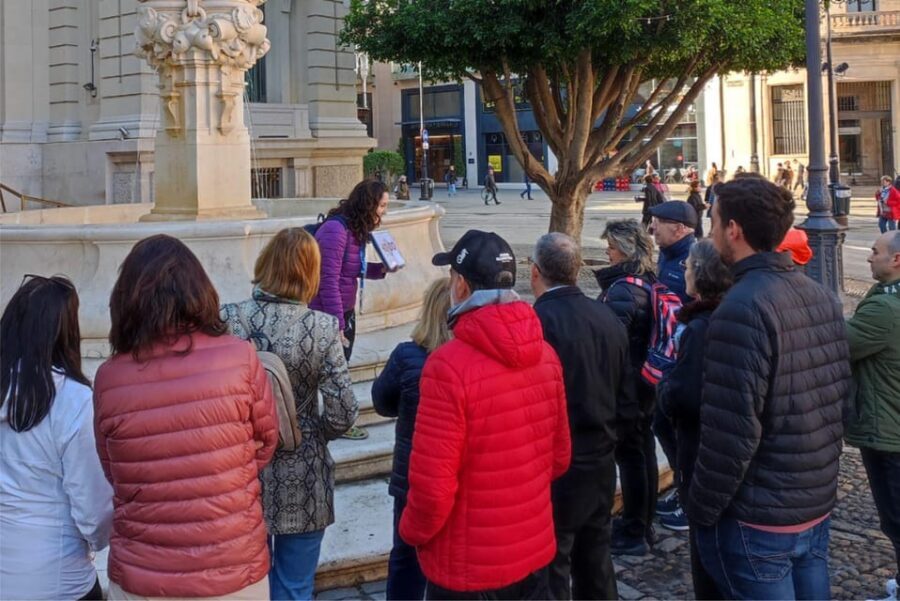
The final stretch connects Seville’s past to the river reality that made the city so important.
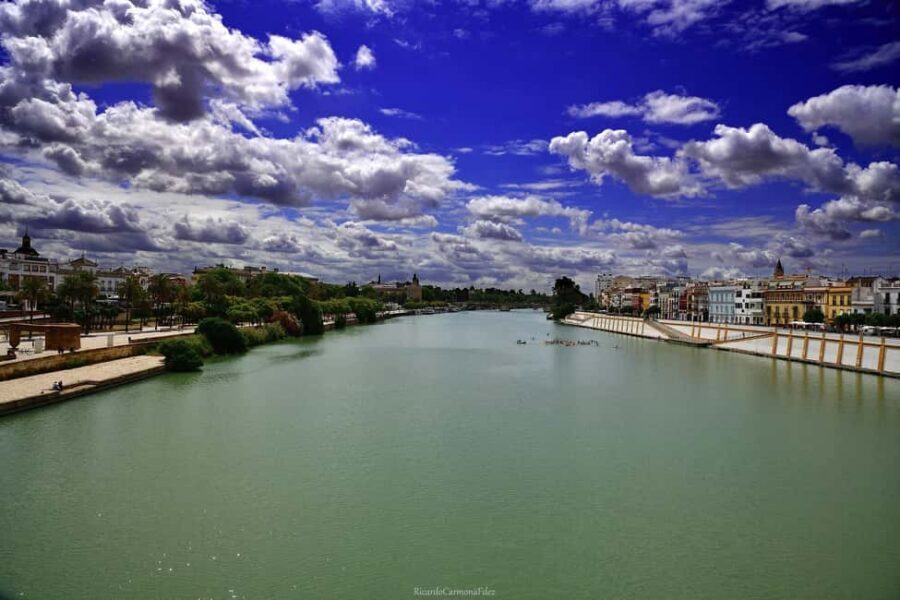
You’ll see Puente de Isabel II (sightseeing) and then Torre del Oro (sightseeing), which is also where the tour finishes. The tower is a classic final image because it ties together Seville’s commercial role and its defensive imagination. It’s the kind of end point that makes the earlier archive stop feel more grounded.
If you’re the type who likes to end on a landmark that’s easy to remember later, Torre del Oro delivers.
Who This Tour Fits Best (and Who Might Want Another Option)
This tour is a strong match if:
- you want Seville explained through neighborhoods and eras
- you prefer a guided route so you don’t spend your trip decoding everything
- you’re excited to connect the dots between Al-Andalus, the Jewish quarter, and Christian Seville
- you want a mostly flat, comfortable walking experience with shade planning
It might be less ideal if:
- you need an English tour and Spanish will limit your understanding (the live guide is Spanish)
- you dislike archive-style stops or prefer only open-air exterior viewing (you do have a guided stop at the General Archive of the Indies)
Also, because it’s 2 hours, it’s not the longest tour. It’s designed to be efficient. If you want hours of slow wandering, you might pair this with extra time on your own afterward.
Should You Book Seville de las 3 Culturas?
I’d book it if you’re visiting Seville for the first time or if you want to reset your understanding of what you’re seeing. For $7, you’re getting an official-guided route that hits major landmarks while keeping the story coherent. The best part is that the tour doesn’t treat culture like a list; it treats it like a map of change you can walk.
If you’re comfortable with Spanish and you like street-level history, this is one of the most practical ways to learn Seville quickly and accurately—ending with a strong visual finish at Torre del Oro.
FAQ
How long is the Tour Sevilla de las 3 Culturas?
The tour lasts 2 hours. Starting times can vary, so you’ll want to check availability for the schedule that fits your day.
What language is the live guide?
The live tour guide speaks Spanish.
Where does the tour start and end?
It starts at Plaza de San Francisco, 17 (near Fuente de Mercurio). It finishes at Torre del Oro.
Is the tour wheelchair accessible?
Yes, the activity is listed as wheelchair accessible.
Are there any ticket lines to deal with?
The tour includes skip the ticket line, so you should spend less time waiting for entry during the key stops.
What is the cancellation policy?
You can cancel up to 24 hours in advance for a full refund.