REVIEW · SEVILLE
Tour of the Alcazar of Seville
Book on GetYourGuide →Operated by White Umbrella Tours Seville · Bookable on GetYourGuide
Walk into Seville’s history in 90 minutes. The Real Alcázar is where you can read Spain’s twists and turns through the walls themselves, and a guided visit keeps you from missing the plot. I like how the tour brings together Muslim and Christian influences in one flowing route, so the architecture doesn’t feel random.
My other favorite part is how the tour hits the big-name rooms and courtyards in the right order, from the Gothic Palace of Alfonso X to the Mudéjar Palace of Pedro I, plus the Casa de la Contratación. The only real drawback to plan for is time: in a 1.5-hour tour, you’ll see a lot, but you won’t have forever to sit and wander off script.
In This Review
- Key points to know before you go
- Real Alcázar Seville: the palace complex that explains Spain
- Why a guided tour is the smart play for a 1.5-hour visit
- Start at Calle Hernando Colón 6 and get your day organized
- Entering through the León gate: where the route starts making sense
- Patio de la Montería: the three buildings that tell the plot
- Gothic Palace of Alfonso X
- Mudéjar Palace of Pedro I
- Casa de la Contratación
- Inside the palaces: what your guide helps you actually see
- Mercury Pond and the gardens: where the film memories live
- The history anchors that make the visit stick
- Price and value: what $45 buys you in real-world terms
- Practical tips so your visit goes smoothly
- Who should book this Alcázar tour—and who might not need it
- Should you book the Real Alcázar guided tour with White Umbrella Tours?
- FAQ
- How long is the Alcázar of Seville tour?
- Where is the meeting point?
- What does the guided tour include?
- Which languages are available for the live guide?
- What key places will I see during the tour?
- Is the Real Alcázar tour wheelchair accessible?
- Is the Alcázar ticket personal or tied to each person?
- What documents do I need to bring?
- What happens if I need to cancel?
Key points to know before you go
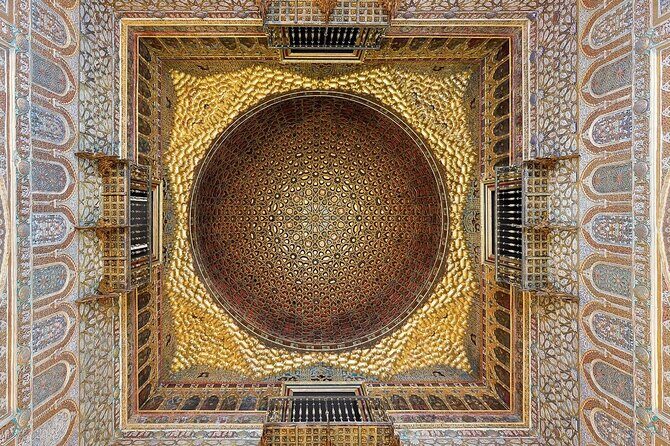
- Muslim-Christian story in one walk: the complex is a living mix of styles, not separate eras in different buildings
- The major palaces, not “highlights only”: you move through the Gothic Palace of Alfonso X and the Mudéjar Palace of Pedro I
- Casa de la Contratación stop: you get a direct look at how Spain organized its overseas world
- Mercury Pond and film-site gardens: the gardens include spots tied to Game of Thrones filming
- Oldest royal palace still in use in Europe: it’s not a museum that stopped being important
Real Alcázar Seville: the palace complex that explains Spain
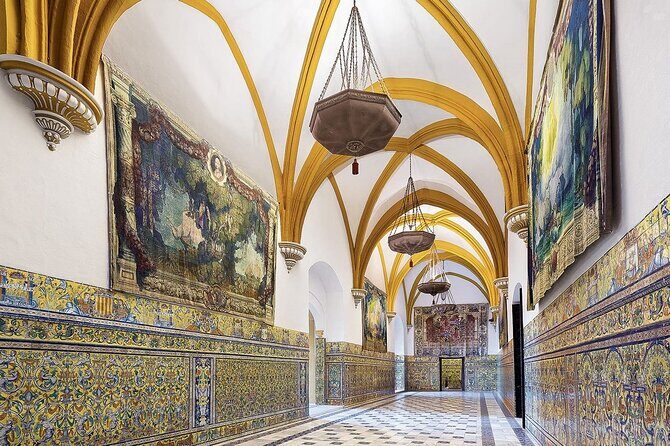
If Seville is a city of monuments, the Real Alcázar is the one you point people toward first. It’s the most visited monument in Seville, and it’s a UNESCO World Heritage Site since 1987. That status isn’t just bragging rights. It signals that this place matters—architecturally and historically.
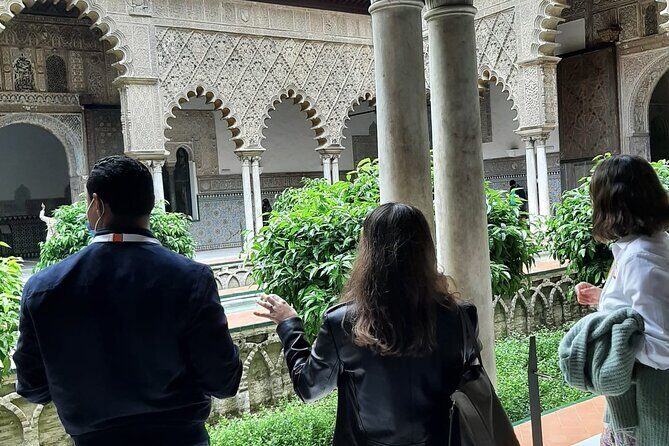
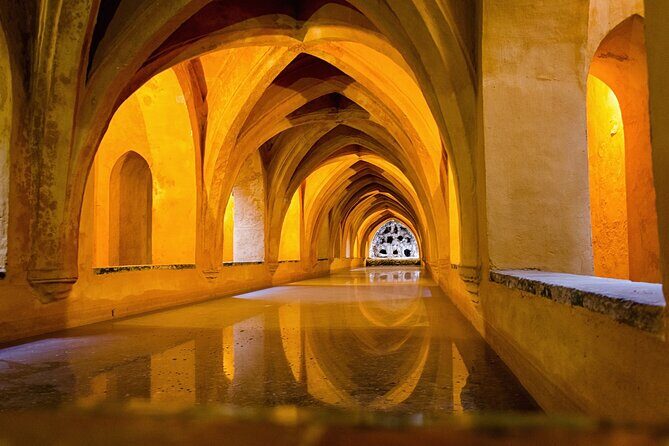
What makes the Alcázar special is that it doesn’t belong to just one chapter of history. You see layers—Muslim design traditions and later Christian royal styles—made visible through courtyards, arches, tilework, and palace layouts. When you’re walking through, the building becomes your timeline. Without a guide, you can still enjoy it. With a guide, you understand what you’re looking at, and why it was built that way.
Also, this isn’t just about old stones. The Alcázar is still an active royal site, and it’s often described as the oldest royal palace in use in Europe. That feeling—of a place that never truly stopped functioning—comes through if you know where to look.
You can also read our reviews of more tours and experiences in Seville.


Why a guided tour is the smart play for a 1.5-hour visit
At $45 per person for about 90 minutes, you’re paying for structure. And here, structure is worth money.
The Alcázar is large, and it’s easy to get distracted by pretty details and then realize you missed the rooms that actually tie the story together. A guided tour keeps you moving through the palaces and gardens in a logical sequence, so every stop builds on the last one: entrance gate, key courtyards, major buildings, then the garden spaces.
The guides offered are Spanish-speaking, English-speaking, Italian, and French. Reviews also point to guides like Julio and Sara doing more than reciting facts—helping you connect art and history so it lands in your brain instead of floating past.
You’ll also benefit from the human pace. A good guide points out what to notice: design shifts, symbolic choices, and the way space is used for ceremony. An audio guide can help. A live guide can answer your brain’s questions in real time.
Start at Calle Hernando Colón 6 and get your day organized
The meeting point is Calle Hernando Colón 6, at the tour office. From there, you’re set up to reach the Alcázar in a way that matches the flow of the visit.
This isn’t a “wander and meet back here” situation. The tour is built around entry into the monument and then a guided walkthrough through the palaces and gardens. That’s great if you want a clear plan for what to see, and not-so-great if you hate fixed itineraries.
So I suggest treating this like a focused museum visit, not a casual stroll. Wear shoes you trust. You’ll do walking inside the complex, plus the time spent moving between courtyards and rooms.
Entering through the León gate: where the route starts making sense
The tour typically begins by leading you past the famous entrance gate of the León. Even if you don’t know the architectural terms, you’ll feel the transition from city noise to palace calm. That first step matters. It’s the moment you stop thinking of Seville as streets and start thinking of Seville as designed space.
From there, the guide takes you through the gardens and forward to major courtyards—especially Patio de la Montería. This courtyard isn’t just pretty background. It’s where the layout starts acting like a guidebook: you can see how the complex is organized around key buildings, and how movement between spaces is planned.
Then you get to the three headline structures that basically tell the whole story of the Alcázar’s evolution.
Patio de la Montería: the three buildings that tell the plot
In this area, the tour becomes most useful. You’re not just ticking off names. You’re getting the meaning behind them.





Gothic Palace of Alfonso X
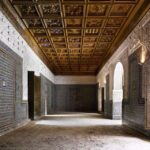
One of the big stops is the Gothic Palace of Alfonso X. The name alone is your hint: this section reflects a later Christian royal phase layered onto older influences. You’ll see the contrast in style, and it becomes easier to understand how royal power reshaped the palace while still working inside an existing complex.
Think of this as the “royal authority” section—where design signals status and ceremony.
Mudéjar Palace of Pedro I
Next is the Mudéjar Palace of Pedro I. Mudéjar style is a crucial part of how the Alcázar feels like one long conversation between cultures. The design language here helps you understand that “mixing” wasn’t accidental. It was how power, taste, and tradition came together.
If you’re the type who likes architecture, you’ll probably slow down for details: patterns, arches, and the way spaces are decorated to create mood, not just decoration for decoration’s sake.
Casa de la Contratación
Then comes the Casa de la Contratación, a stop tied to Spain’s overseas ambitions. The Alcázar is connected to major events, and you even learn about the creation of the first Casa de la Contratación here. This is where the palace shifts from art appreciation into real-world history: how Spain organized trade and controlled routes.
I like this stop because it gives you a sense that the Alcázar wasn’t floating in a bubble. Royal rooms were connected to the systems that shaped empires.
Inside the palaces: what your guide helps you actually see
The tour includes guided access inside these places. That matters because palace interiors are not just rooms. They’re designed stages.
With a live guide, you get context for things like:
- why certain spaces feel formal or intimate
- how decoration supports the purpose of the room
- how changes over time show up in layout and style
One review noted the amount of inside knowledge that you simply can’t get from an audio guide. That matches what I’d expect in this kind of site. An audio track can point out what’s there. A guide helps you understand what it means.
And if you end up with a smaller group, the experience often improves. One booking reported a private tour, which allowed more time and flexibility rather than being pushed through a large crowd.
Mercury Pond and the gardens: where the film memories live
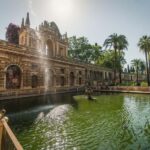
After the palaces, the tour turns to the Mercury Pond and surrounding gardens. This is a smart shift. The interiors are where you learn the storyline and architectural layers. The outdoor spaces are where you feel the place.
These gardens are also famous for being a filming location for Game of Thrones. Even if you’re not hunting for set details, it helps to have that extra layer of recognition in your head. It makes you look closer at the paths, courtyards, and viewpoints rather than just passing through on instinct.
You’ll likely spend time in the garden sequence that follows the major building stops. The pacing is designed so you get to breathe, reset your brain after interior rooms, and still end with the kind of “wow” that makes the Alcázar memorable.
The history anchors that make the visit stick
The Alcázar tour does more than name-drop. It anchors the experience in specific events you can carry around afterward.
Two examples you’ll hear about during a visit:
- the wedding of Charles V with Isabel of Portugal
- the creation of the first Casa de la Contratación
Those aren’t just trivia. They give you a reason to care about what you’re standing in. When you learn that major royal moments happened here, the palace stops feeling like a pretty building and starts feeling like a machine for power—where decisions, ceremonies, and status were displayed.
That’s how you end up remembering details later: you’re not just recalling colors and tiles. You’re recalling the why.
Price and value: what $45 buys you in real-world terms
Let’s talk value in plain terms. At $45 per person for a 1.5-hour guided tour, you’re paying for:
- a structured walkthrough through all the palaces and gardens covered by this program
- a live guide in your chosen language
- time saved from figuring out the complex yourself
The Alcázar can be tempting to “self-tour,” especially if you like moving at your own pace. But if you want the story—how the different construction and artistic stages connect—then the guide becomes the main value.
Also, 1.5 hours is a good length for many people. It’s long enough to feel you saw the heart of the site. It’s short enough that it won’t swallow an entire afternoon. You can still enjoy Seville beyond the Alcázar without burning your whole day on one monument.
If you’re someone who hates missing context, this is the kind of place where a guided route pays off quickly.
Practical tips so your visit goes smoothly
A few things matter a lot at the Alcázar, and the tour is clear about them.
- Your tickets are nominative, meaning they’re tied to the person. You need each guest’s first name, last name, and ID/passport number to buy them.
- Bring the right document details on the day of entry. The tour information says to bring passport or ID, and a copy is accepted in some cases.
- Plan for a guided, moving visit. Comfortable shoes help, because you’ll walk between entrances, courtyards, rooms, and gardens.
Language options are broad: Spanish, English, Italian, and French. If you’re choosing based on comfort, pick the language you think you’ll understand best when you’re listening for details.
Finally, the tour is wheelchair accessible, which is a big positive for anyone managing mobility needs.
Who should book this Alcázar tour—and who might not need it
This tour is a great fit if:
- you want to see the main palaces and gardens without building your own route
- you like history connected to architecture, not just dates
- you’d rather ask questions and get explanations in the moment
- you’re short on time but still want the big hits
You might skip (or at least consider a different format) if:
- you prefer long, slow time in gardens and don’t want a timed walkthrough
- you’re extremely detail-driven and like spending extended periods in one interior room
But for most first-timers, the guided structure hits the sweet spot.
Should you book the Real Alcázar guided tour with White Umbrella Tours?
Yes, I’d book it if your goal is to understand what you’re seeing at the Real Alcázar of Seville. The price makes sense for the coverage—palaces and gardens—plus the live guide adds meaning fast. The stop list is strong: Gothic Palace of Alfonso X, Mudéjar Palace of Pedro I, Casa de la Contratación, and outdoor highlights like Mercury Pond and garden areas tied to Game of Thrones.
Just come prepared with the correct ID/passport details, wear good shoes, and treat it like a guided “story walk.” If you do that, you’ll leave with more than photos—you’ll leave with a clear sense of how Seville’s layers of power and art fit together.
FAQ
How long is the Alcázar of Seville tour?
The tour lasts 1.5 hours.
Where is the meeting point?
The meeting point is Calle Hernando Colón 6, in the tour office.
What does the guided tour include?
It includes a guided visit inside the Alcázar where you visit the palaces and gardens together with a Spanish-speaking or English-speaking guide (and other languages are also offered).
Which languages are available for the live guide?
Live guide languages include Spanish, English, Italian, and French.
What key places will I see during the tour?
You’ll visit areas such as the entrance gate of the León, Patio de la Montería, the Gothic Palace of Alfonso X, the Mudéjar Palace of Pedro I, the Casa de la Contratación, and the Mercury Pond and gardens.
Is the Real Alcázar tour wheelchair accessible?
Yes, the activity is wheelchair accessible.
Is the Alcázar ticket personal or tied to each person?
Yes. Tickets are nominative, so you must provide the first name, last name, and ID or passport number for each person.
What documents do I need to bring?
Bring a passport or ID card for each person, plus any required copies that are accepted (a passport-sized photo is also mentioned in the information).
What happens if I need to cancel?
The tour offers free cancellation up to 24 hours in advance for a full refund. The information also notes that monument tickets are nominative and can be non-refundable, so the exact refund treatment may depend on timing.