REVIEW · SEVILLE
Tablao Flamenco Orillas de Triana Ticket
Book on Viator →Operated by Orillas de Triana · Bookable on Viator
Flamenco hits different when it stays close. A ticket to Orillas de Triana is a focused, traditional tablao show in Seville’s Triana neighborhood, with artists who work at a serious professional level. You’re not buying a long entertainment package. You’re buying one strong hour of music and dance designed to be felt up close.
What I like most is the show’s structure and how clearly it lets you follow the parts: guitar, cante, solo moments, then the full group rhythm into the finale. I also like the intimate setup, where you can really spot the physical detail of duende—especially when the bailaor and bailaora perform their own sections.
One consideration: because this is a smaller venue in Triana (not the biggest, most “tour-show” style rooms), it can feel less theatrical in atmosphere, and it’s a bit out of the main action—so you’ll want to plan your arrival time.
In This Review
- Key Things to Know Before You Go
- A One-Hour Tablao in Triana: What the Show Really Is
- Where Orillas de Triana Lands: The Guadalquivir River Setting
- How the Program Flows: Guitar Solo to Cante to Duende
- Seeing the Difference: Male and Female Dance Moments
- The Sevilla Touch: Sevillanas Theater and the Build to Bulerías
- Dancers and Musicians: Why the Artistic Level Shows
- Price and Value in Seville: Is $26.62 Worth It?
- Venue Size and Seating Tips (So You Don’t Miss the Good Angles)
- Who This Is Best For (And Who Should Consider Alternatives)
- A Balanced Take: What Can Go Right, and What to Watch
- Should You Book Orillas de Triana Flamenco?
- FAQ
- How long is the flamenco show?
- What’s included in the ticket?
- Are drinks included?
- Is the experience suitable for children?
- How big is the group?
- What if the show can’t run due to weather or scheduling?
Key Things to Know Before You Go
- A full 1-hour traditional program, not a rushed “highlights” show
- Guitar solo + cante solo built into the evening’s rhythm
- Bailaor and bailaora feature separately, so you can compare style and energy
- A stage built for closeness, with seats arranged around the raised performance area
- Final party through bulerías, after sevillanas with a more theatrical touch
- Small-group feel (maximum 100 travelers), which helps the performance land
A One-Hour Tablao in Triana: What the Show Really Is
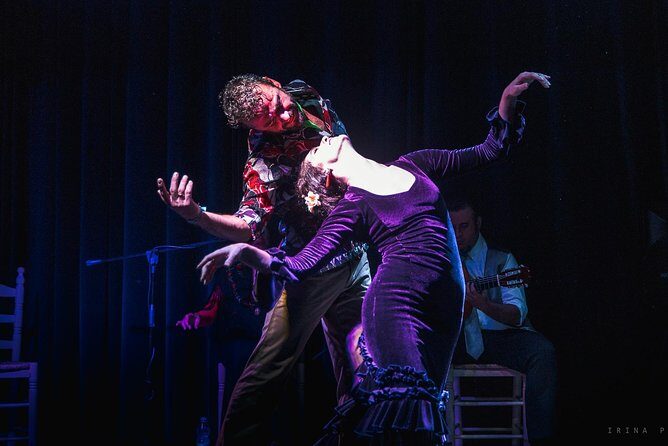
This is a classic tablao flamenco format: one hour, one troupe, and a traditional flow that moves from solos into a more communal payoff. The show centers on three core voices of flamenco—guitar, singer (cante), and dancers—and the way they respond to each other in real time.
If you’re hoping for big-budget staging, this isn’t that. If you want a tight, watch-the-feet-and-feel-the-emotion kind of night, it fits perfectly. The program is designed to make the dance readable, not just loud.
You can also read our reviews of more tours and experiences in Seville

Where Orillas de Triana Lands: The Guadalquivir River Setting
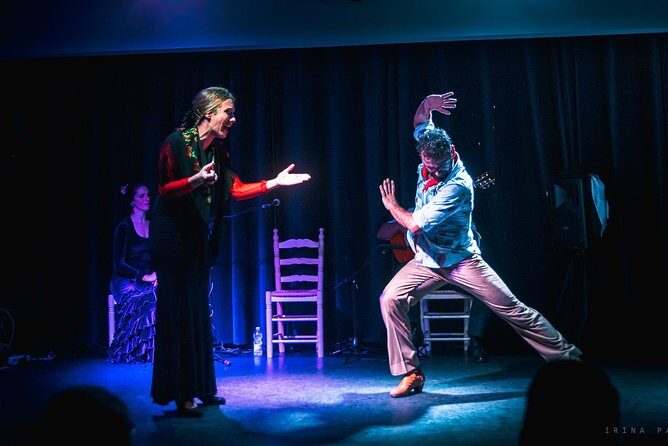
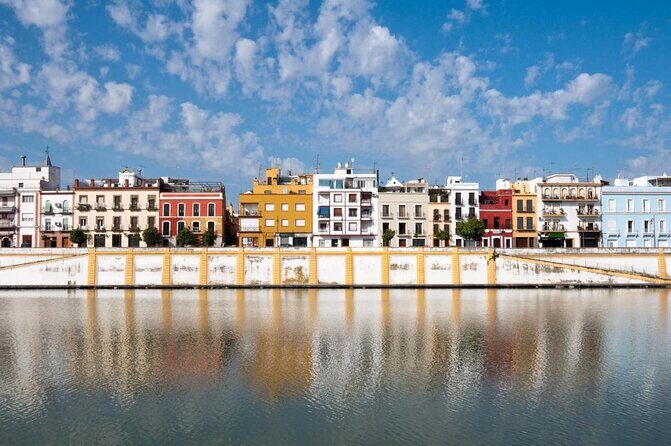
Orillas de Triana takes place in Triana, and the setting is described as being by the Guadalquivir River area. That matters more than you’d think. In a smaller space, your attention isn’t pulled away by crowds wandering for snacks or phone photos every few minutes.
Also, the venue is near public transportation, which helps. Triana isn’t hard to reach, but it is removed enough that last-minute “Where is it?” energy can happen if you show up late.
How the Program Flows: Guitar Solo to Cante to Duende
The show’s pacing is one of its best qualities. It starts with a guitar solo, which is basically the flamenco mood-setter: tone first, then rhythm, then that unmistakable tension that builds the dance sections.
Next comes the dancers and their duende-focused moments. The point here isn’t generic “look at us dance.” It’s about flamenco as communication—guitar supports the singer, the dancer answers the sound, and the atmosphere changes as each element takes the lead.
After that, you get a cante solo. This is your emotional anchor. Many people love flamenco music more than dance, and this portion gives the singer time to land the story and phrasing without being rushed by movement or crowd noise.
Seeing the Difference: Male and Female Dance Moments
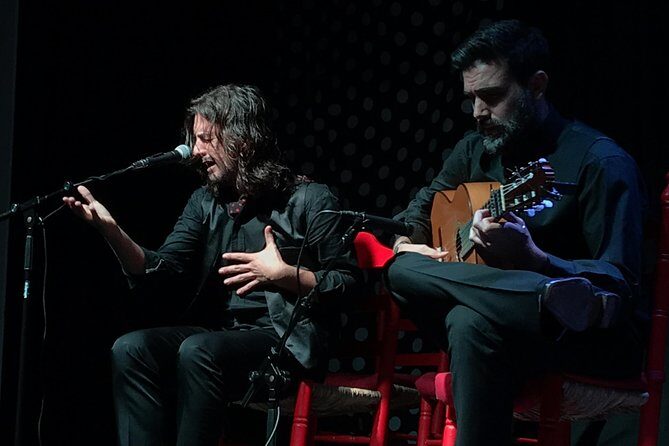
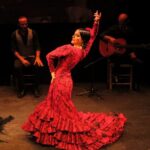
One detail I really appreciate is how the program highlights bailaor vs. bailaora sections separately. You’ll see a man and a woman perform in their own pieces, which makes it easier to compare style rather than watching a jumble of movement while trying to “figure it out.”
That separation also helps you read the body language. Flamenco isn’t just footwork; it’s arms, torso angle, stare, stillness, and the timing of when the dancer chooses to explode into rhythm.
If you’re new to flamenco, this is a smart setup. It gives you clear reference points. If you’re not new, it’s still satisfying because it respects the differences instead of blending everything into one “group dance” wall.
The Sevilla Touch: Sevillanas Theater and the Build to Bulerías
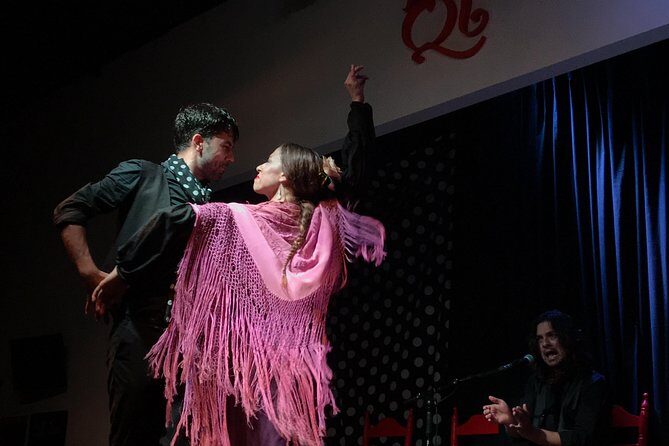
After the solos and duende-focused dancing, the program moves into sevillanas presented with a theatrical feel. Sevillanas is often associated with social dancing and a recognizable rhythm, but here it functions like a “chapter transition”—a change in mood that keeps the show from feeling repetitive.
Then comes the big release: a final party through bulerías. Bulerías is fast, punchy, and built on micro-timing. In a small tablao, it lands hard because you’re close enough to feel how the rhythm tightens.
This is the part where most people stop thinking about whether they’re “getting it” and just start clapping with the groove.




Dancers and Musicians: Why the Artistic Level Shows
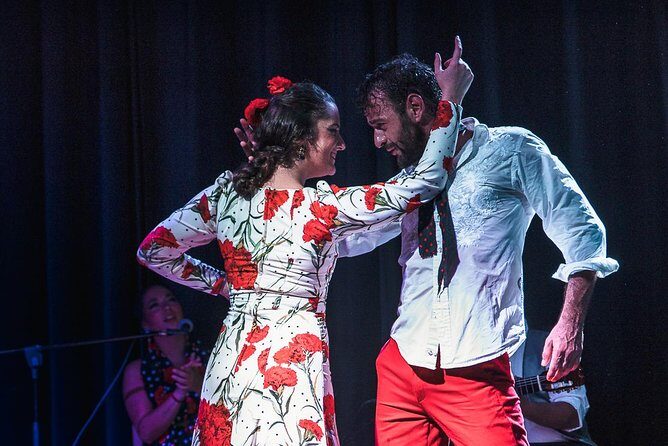
The troupe at Orillas de Triana is described as having major careers and ties to well-known Spanish companies. That kind of background matters because it shows up in control: cleaner timing, stronger musical listening, and less guesswork in the way the dance connects to guitar and voice.
In a small venue, you’ll also notice the difference between performers who look polished on stage and performers who can handle close quarters. The best flamenco doesn’t rely on distance to work. It works because the energy and precision stay intact right in front of you.
Price and Value in Seville: Is $26.62 Worth It?
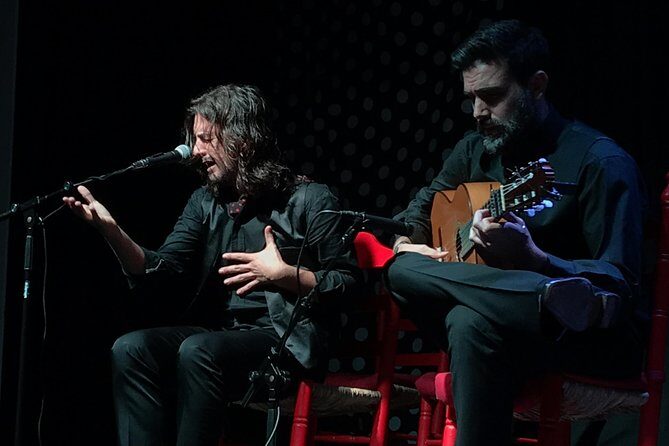
At about $26.62 per person for roughly 1 hour, this ticket price tends to feel fair if what you want is a real flamenco performance rather than a long dinner-and-show package. You’re paying for the show, not for a complicated add-on experience.
The “value” is strongest if you care about watching carefully: guitar details, the cante phrasing, and the dancer’s footwork and timing. If you want drinks included or a full-service night out with staff milling around, you may feel the gap because alcoholic beverages aren’t included.
That said, there are also seats positioned around the stage in a way that keeps most views good. So your money goes toward the performance, not toward having to crane your neck or hunt for a viewpoint.
Venue Size and Seating Tips (So You Don’t Miss the Good Angles)
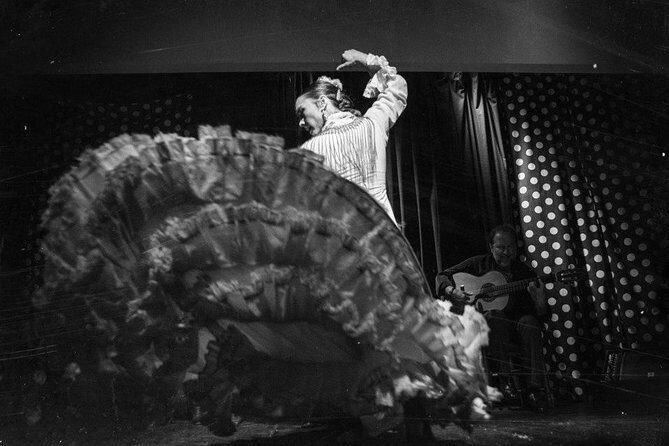
This is a smaller room—around 60 seats—with seating arranged around three sides of the raised stage. That layout is part of why so many people rate the experience highly: you’re surrounded enough to stay connected, but not so far away that the show becomes “a performance in the distance.”
Two practical tips help a lot:
- Arrive a bit early so you can pick a seat with the best sightline. Even if visibility is good from many places, early gives you options.
- If you’re sensitive to close-proximity sweat (yes, dancers are human, and footwork is intense), you may prefer seats farther back rather than right on the front line.
Who This Is Best For (And Who Should Consider Alternatives)
This show is a strong fit for:
- First-timers who want a clean introduction to flamenco structure (guitar → cante → dancer sections → bulerías)
- People who like watching technique and timing instead of only “big flashy moments”
- Travelers who want to spend one focused hour instead of committing to a long evening
It may be less ideal if you need a big, high-gloss stage presentation and constant “tourist show” vibe. In a smaller studio-style setup, the atmosphere can feel simpler, and that’s not a flaw of the flamenco—it’s a style choice.
One more note: the overall experience can depend on how you like the balance of dance and singing. Most elements are well represented in the program, but if your personal preference is mostly vocal performance, it’s worth keeping that in mind.
A Balanced Take: What Can Go Right, and What to Watch
The most praised parts tend to be the passion, the closeness, and the sense that the artists treat the night seriously. When the guitar, cante, and dancers lock in, it can feel almost like a live opera—emotion driven and rhythm led.
The possible sticking points are mainly practical and stylistic. The venue can be a little out of the main bridge area, so arrive with buffer time. And if you expect a more “showy” production style, you might find the intimacy changes the vibe.
Should You Book Orillas de Triana Flamenco?
Yes—if your goal is to watch flamenco as it’s meant to be seen: close, musical, and structured around guitar, cante, and dancer duende. The price is reasonable for a full hour, and the Triana location gives you an added bonus: you’re experiencing flamenco in a neighborhood tied to the tradition rather than just a central tourist strip.
Book it especially if you:
- want a first flamenco show that teaches you what to listen for and what to watch
- prefer a smaller room where the performance feels connected to the audience
- enjoy the idea of separate bailaor and bailaora sections so you can compare styles
Skip it or compare alternatives if you strongly want a more dramatic, big-room production atmosphere or if you’re very particular about the vocal element being the star.
FAQ
How long is the flamenco show?
The performance runs for about 1 hour.
What’s included in the ticket?
Admission to the flamenco show is included.
Are drinks included?
Alcoholic beverages are not included.
Is the experience suitable for children?
Children must be accompanied by an adult.
How big is the group?
The show has a maximum size of 100 travelers.
What if the show can’t run due to weather or scheduling?
The experience requires good weather, and if it’s canceled for poor weather you’ll be offered a different date or a full refund. Also, free cancellation is available up to 24 hours in advance for a full refund, based on local time.