REVIEW · SEVILLE
Seville: Guided Tour of a Bullring with a Famous Bullfighter
Book on GetYourGuide →Operated by Sevilla Única · Bookable on GetYourGuide
Staying in the center of the action changes everything. This Seville bullring visit is built around a skip-the-line ticket, a guided museum stop, and a real meeting with a famous torero who shares his life and his perspective on tauromaquia. You’ll also get that rare viewpoint from the middle of the arena, where you can picture how the fight flows. One catch: the whole experience is only 75 minutes, so if you love lingering and taking photos, you’ll need to keep moving once the tour begins.
I like the way it strings together the story of bullfighting instead of just showing a pretty building. With included headsets, you should follow the commentary clearly, even when the torero’s speech isn’t in English and the official guide translates for you. Do note that the tour is meant to start right on time, and once it starts, you can’t jump back in if you’re running late.
In This Review
- Key highlights you’ll feel right away
- What You’re Really Buying at the Plaza de Toros de la Real Maestranza
- Skip-the-Line Entry and Why the 75 Minutes Matter
- Bullfight Museum Stops: Four Sections That Explain the Whole System
- Horses’ Courtyard and the Chapel Where Toreros Pray
- Entering the Arena: That Moment When the Layout Becomes Real
- Meeting a Famous Torero: Personal Story, Fear, and Perspective
- Price and Value: Is $59 Worth It?
- Best-Fit Travelers (And Who Should Skip It)
- Things to Watch Out For: Photos, Timing, and Re-Entry Rules
- Should You Book This Tour?
- FAQ
- How long is the tour?
- What does the price include?
- Where is the meeting point?
- Is the tour available in English?
- Can I go back inside if I step out after it begins?
- Is it wheelchair accessible?
Key highlights you’ll feel right away
- Skip-the-line access to Plaza de Toros de la Real Maestranza de Caballería de Sevilla
- Meeting with a famous torero, including his fears and how he learned the craft
- A museum visit organized into four parts, covering history, roles, and original artifacts
- Horses’ courtyard and chapel where bullfighters pray before a corrida
- Arena viewpoint from the middle, looking toward tendidos and the bull pens (toriles)
- Focus on the Prince’s Gate, the key passage matadors cross to reception
What You’re Really Buying at the Plaza de Toros de la Real Maestranza
This tour is not just sightseeing. You’re buying a fast, guided path through the Real Maestranza bullring’s main “inside world,” from the museum story to the spaces where the performance begins. The payoff is that you get to understand bullfighting as a system—people, roles, spaces, and ritual—rather than as one dramatic moment.
I particularly like that the tour includes a live meeting with a famous torero. That changes the tone from textbook to personal. The torero covers his journey from childhood up to becoming a famous fighter, and he shares how he thinks and feels—especially the nerves and fear before starting a corrida. Even if you don’t agree with the spectacle, hearing how someone trained for this world can help you make sense of why it matters to supporters.
Also, the arena walk isn’t just a photo line. You’re taken to a point where you can actually visualize the layout: front rows (tendidos), the bull pens (toriles), and the gate that matters most. This is how you start connecting museum facts to the real geometry of the place.
You can also read our reviews of more guided tours in Seville
Skip-the-Line Entry and Why the 75 Minutes Matter
You start at the entrance of the bullring museum, and you get a skip-the-ticket-line approach so you’re not stuck waiting. That matters here because your time is capped: the total guided experience runs about 75 minutes. In other words, you’re paying for momentum.
What I’d call out is how the schedule affects your choices. Once the visit begins, you can’t re-enter later. So if you’re the type who enjoys chatting, double-checking your photos, or popping back for a souvenir, build in a little extra time before your start.
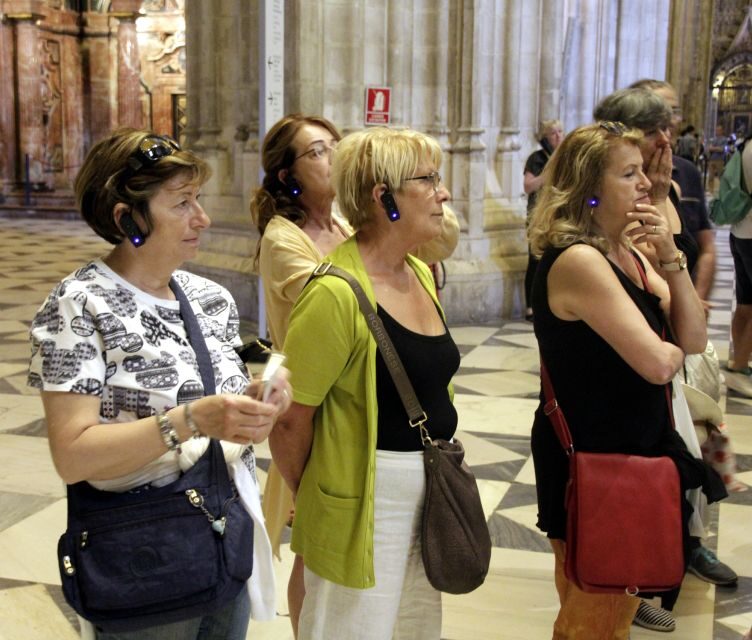
The tour is guided in English and includes headsets, which is a big deal in a place like this. You’ll want to hear every part of the explanation as you move from museum rooms to courtyards and then into the arena.
Bullfight Museum Stops: Four Sections That Explain the Whole System
Your museum time is structured around four different parts, and the goal is to give you the framework behind tauromaquia—what it is, where it comes from, and who does what.
Here’s what you can expect to learn and see:
- The aim of bullfighting and its history
You’ll be shown the basic purpose and how the tradition evolved. This gives you context for everything else you’ll see later in the ring.
- The different parts of a bullfight and the people involved
This is where the tour starts feeling practical. You’ll learn that bullfighting isn’t one actor doing one thing. It’s a coordinated event with multiple roles, and the guide helps you connect those roles to what you’ll later spot around the arena.
- Original costumes, capes, and related artifacts
There’s real visual weight to seeing period items. Seeing costumes and capes up close helps the story feel less abstract. It also gives you a different kind of appreciation for the cultural significance of presentation and craft.
The only downside is time pressure. The tour is designed to move you along quickly, so if you want a long look at every artifact, you might feel that the museum is more of a guided overview than an exhibition you can wander for hours.
Horses’ Courtyard and the Chapel Where Toreros Pray
After the museum, you move into the horses’ courtyard area. This transition is important because it shifts you from explanation to atmosphere.
You’ll also visit a chapel where bullfighters pray before the fight. Even if you’re just curious about Spanish customs, this stop gives you a meaningful contrast to the main arena. It frames the corrida as something fighters treat with seriousness and routine, not just as a show.
The guide also helps you build anticipation before entering the arena. You’ll spend a few minutes in front of the main gate, listening for the sound of the wood door opening. Then you enter the arena in a way that helps you imagine stepping into role and ritual, not just walking around.
Entering the Arena: That Moment When the Layout Becomes Real
Once you’re in the arena, you’re no longer reading about bullfighting—you’re seeing its physical logic.
You’ll move to the arena floor area from where you can take in the main elements:
- the tendidos (front rows)
- the bull pens (toriles)
- the key entrance route called the Prince’s Gate
That Prince’s Gate detail is more than trivia. The idea is that when the matador crosses it, he receives a reception. That helps you understand how movement through specific openings shapes the audience’s perception of the performance.
One small practical note: depending on timing, your viewpoint can be affected. The tour data says that during the corridas de toros season, the arena may be seen from the seats. Translation: you might not be standing in exactly the same place you’d expect on a quiet day, but you’ll still be able to connect the tour’s story to what you see.





Meeting a Famous Torero: Personal Story, Fear, and Perspective
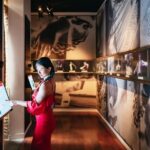
The meeting with a famous torero is the core event. This isn’t just a quick hello. The torero explains his experience from childhood through his rise, and he shares:
- his feelings and thoughts about the world he entered
- his knowledge about tauromaquia
- his fears before he starts the corrida
This personal framing is what makes the tour feel different from most architecture or museum experiences. It’s also the reason the “culture” angle doesn’t stay superficial. You’re hearing how someone learned, trained, and mentally prepared for the event.
Language is the practical detail to understand here. The torero doesn’t speak English, but the official guide translates his speech perfectly. In real life, translation quality is often the difference between an average tour and a memorable one. You should be in good hands here based on the tour’s setup—but be aware that some schedules and group dynamics can still affect how much time you get to ask questions or linger.
Price and Value: Is $59 Worth It?
At $59 per person for roughly 75 minutes, the value depends on what you want out of your time in Seville.
Here’s how I’d judge it:
You’re getting value if you want:
- skip-the-line convenience (fewer wasted minutes)
- a guided museum overview with artifacts
- an arena viewpoint that helps you understand the layout
- a real torero meeting with personal storytelling
- included headsets to keep the narration clear
You may feel the price is less worth it if you mainly want:
- a long, slow museum wander
- lots of unstructured time for photos in every corner
- a fully independent self-guided experience (this tour is designed to move)
Group tours can feel rushed by nature, and there’s no way around that given the short duration. Still, the combination of museum + arena + torero talk is a good package if you like context, not just photos.
One more reality check: the overall rating for the experience is mixed, and there have been cases where a departure was canceled even after tickets and confirmation emails. That doesn’t mean it will happen to you, but it’s a reminder to plan with flexibility when you book anything tied to live operations.
Best-Fit Travelers (And Who Should Skip It)
This tour fits you best if you:
- want a guided history and culture focus, not just a quick bullring pass
- enjoy learning how spaces work (museum to courtyard to arena)
- are curious about Spanish traditions through a first-person narrative
- like practical logistics like headsets and skip-the-line entry
You might want to choose something else if:
- you hate time limits and want to browse at your own pace
- you’re hoping for extensive time in every museum room
- you need the torero himself to speak English directly (the setup relies on the guide translating)
It’s also a smart option if you’re short on time in Seville and want one structured activity that gives you context fast.
Things to Watch Out For: Photos, Timing, and Re-Entry Rules
A few practical points can make or break your experience:
- No re-entry once the tour starts
If you arrive late, you may miss the start, and once it begins you can’t just hop back in.
- Time pressure for museum photos
The museum is part of the 75 minutes. If you want detailed photo time across the costumes and artifacts, plan to take fewer shots but make each one count.
- Corridas season may change where you stand
During bullfight season, you might view areas from the seats rather than from the floor.
- Translation is central
The torero’s speech is translated by the official guide. If you’re very sensitive to pacing, you might notice whether the tour moves quickly or lets the torero’s story breathe.
Should You Book This Tour?
I’d book it if you want a structured, story-driven visit to the Plaza de Toros de la Real Maestranza that includes museum context, arena orientation, and a personal torero meeting. The included headsets, skip-the-line access, and the chance to stand where the layout becomes clear make it more than a casual pass-by.
Skip it if your main goal is a long, slow museum experience or if you’re uncomfortable with the idea that everything happens on a tight clock. Also consider booking only if you can be flexible on the day; the experience has seen operational hiccups in at least some cases.
If you do book, do the simple things that help: arrive with extra time, bring water, and treat the 75 minutes like a guided story rather than an open-ended museum visit.
FAQ
How long is the tour?
The guided visit lasts about 75 minutes.
What does the price include?
It includes skip-the-line entry, the museum visit, a local guide, a meeting with a famous torero, and included headset use.
Where is the meeting point?
You meet at the entrance of the museum.
Is the tour available in English?
Yes, the tour is in English.
Can I go back inside if I step out after it begins?
No. Once the visit has started, it isn’t possible to go back in.
Is it wheelchair accessible?
Yes, the tour is wheelchair accessible.