REVIEW · SEVILLE
Seville: Game of Thrones and Roman Empire Italica Tour
Book on GetYourGuide →Operated by Naturanda Turismo Ambiental · Bookable on GetYourGuide
Dragons cross 2,000-year-old Roman lines. This guided tour at Itálica in Seville mixes a dragon-pit walk with the kind of on-the-ground Roman mosaics and amphitheater storytelling that makes the stones feel alive.
One thing to keep in mind: the name sells Game of Thrones, but the experience is mostly about Roman culture, with only a short framing of the show’s filming moments.
In This Review
- Quick Hits
- Itálica Meets Dragon-Pit Energy in Seville
- Price and Value: Why $21 Feels Fair Here
- Meeting Point in Santiponce: Find the Entrance and Get Oriented Fast
- The Amphitheatre of Itálica: Where the Dragon-Pit Walk Makes Sense
- Domus Exedra: Reading the Shape of Roman Home Life
- Domus de Neptuno: A House Stop That Feels Themed, Not Random
- Casa de los Pájaros: The Bird-Named Stop That Adds Variety
- Casa del Mosaico Planetario: Mosaics You Can Actually Connect to a Room
- How Much Game of Thrones Will You Actually Get?
- Timing: 1.5 Hours on Paper, More Time in Real Life
- Comfort and Photo Tips That Actually Matter
- Guide Style: Why the Storytelling Changes the Whole Visit
- Should You Book This Itálica Game of Thrones Tour?
- FAQ
- How long is the tour?
- What is included in the price?
- What is not included?
- Where do I meet the tour?
- Are there multiple languages?
- Will I be able to skip the ticket line?
- What should I bring with me?
- Can I cancel if my plans change?
Quick Hits
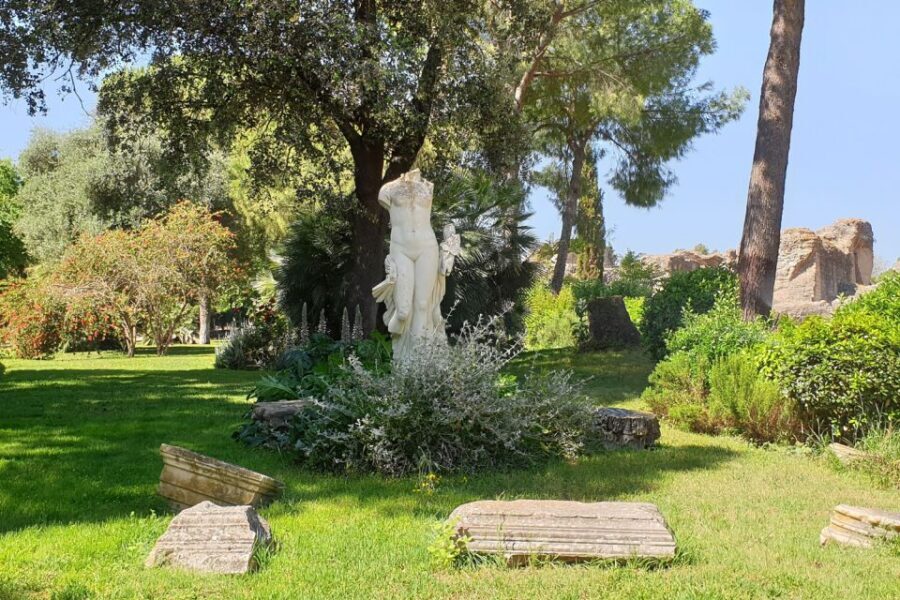
- Dragon-pit vibe inside the amphitheater ruins: you walk through the filming-area staging within the larger arena complex.
- Itálica’s best-known structure takes center stage: the amphitheater is the star, and the tour gives you context for what you’re seeing.
- Stop-and-stare houses (domus) with standout floor art: Exedra, Neptune, birds, and a planet mosaic room-shaped route.
- Guides can make ancient daily life feel close: humor and clear explanations are a repeating theme, with guides like Jesús and Carlos mentioned often.
- Short tour, but plan for extra time: 1.5 hours is the listed length, yet it can run longer, so don’t stack back-to-back plans.
Itálica Meets Dragon-Pit Energy in Seville
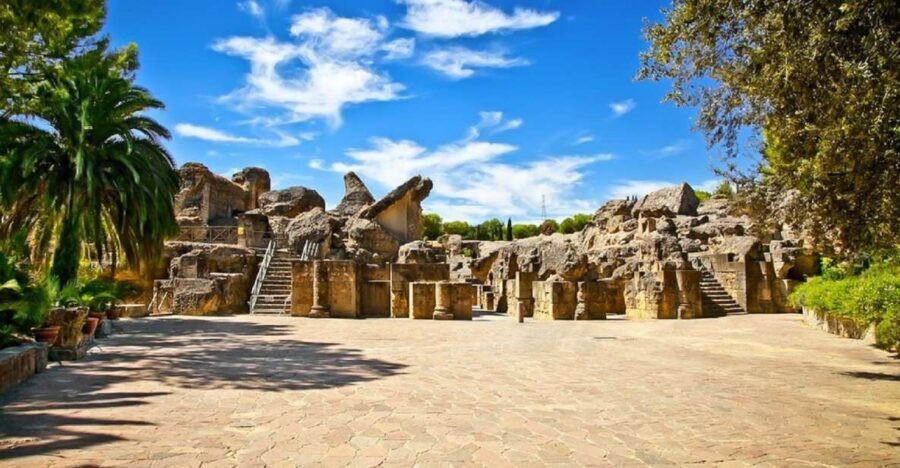
This is the kind of tour that works on two levels at once. You get the pop-culture hook—Game of Thrones filming spots from the later seasons—and then you’re walking through the actual Roman setting that made those scenes look so dramatic.
What I like most is the balance. You’re not just told where a scene was shot; you’re guided around a working archaeological site where the amphitheater and homes show how people actually lived, entertained themselves, and organized public space. And because it’s a guided format (not just a self-walk with signs), you’ll get a tighter story than you’d get wandering on your own.
The best part is the amphitheater feel. Even if you only know it from the show, you quickly notice how the arena design shapes sightlines and atmosphere. And once your guide puts it in Roman terms—scale, function, and everyday use—it stops being “TV trivia” and becomes a real place.
You can also read our reviews of more tours and experiences in Seville.


Price and Value: Why $21 Feels Fair Here
At about $21 per person for a 1.5-hour guided experience, this is good value in Seville—especially because monument tickets are included. You’re also not paying extra for a local guide on top of entrance fees. For many people, that alone changes the math: you’re buying time with someone who can point out what matters, not just access to ruins.
A practical note: transport and food aren’t included. This tour is for people who can get themselves to Santiponce (a short taxi/bus ride from Seville) and want a walk-and-learn session on site.
Also, the tickets being included matters for time. One of the tour notes is skip the ticket line, which is exactly what you want on a day when you’re bouncing between sights.
Meeting Point in Santiponce: Find the Entrance and Get Oriented Fast
You meet at Av. Extremadura, 2, 41970 Santiponce, Sevilla, Spain, at the main entrance of the ancient city complex. Arriving a few minutes early pays off. Archaeological sites can be a little confusing the first time you’re there, and you don’t want to waste your tour time hunting for your group.
Once you’re in, the structure starts immediately. You’ll get a short intro to Itálica’s story and then move into the main stops, with photo breaks folded into the schedule.
Language options are also a plus: your guide can work in Spanish, English, French, or Italian. If you’re choosing among your language options, it’s worth going with the one you’ll understand most comfortably in fast-paced explanations.
The Amphitheatre of Itálica: Where the Dragon-Pit Walk Makes Sense
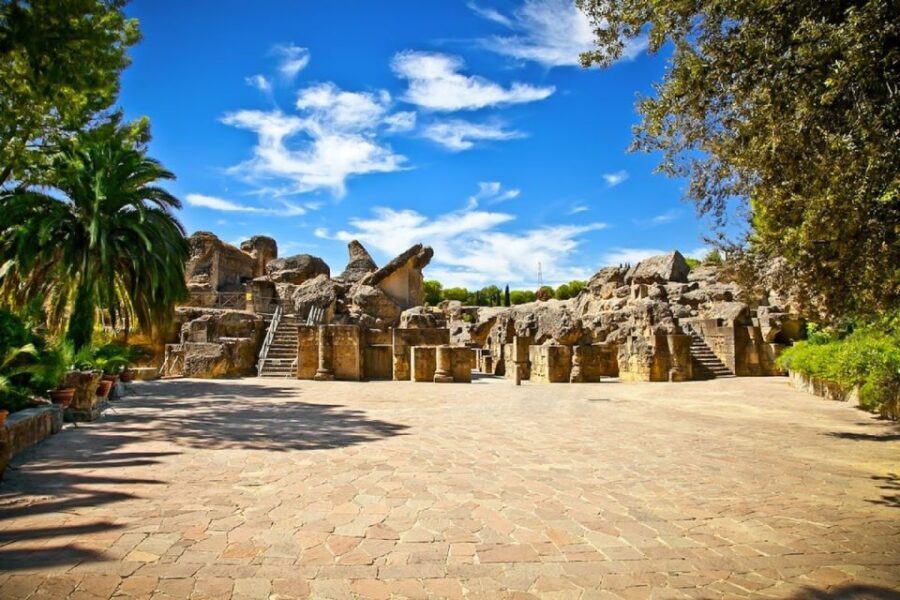
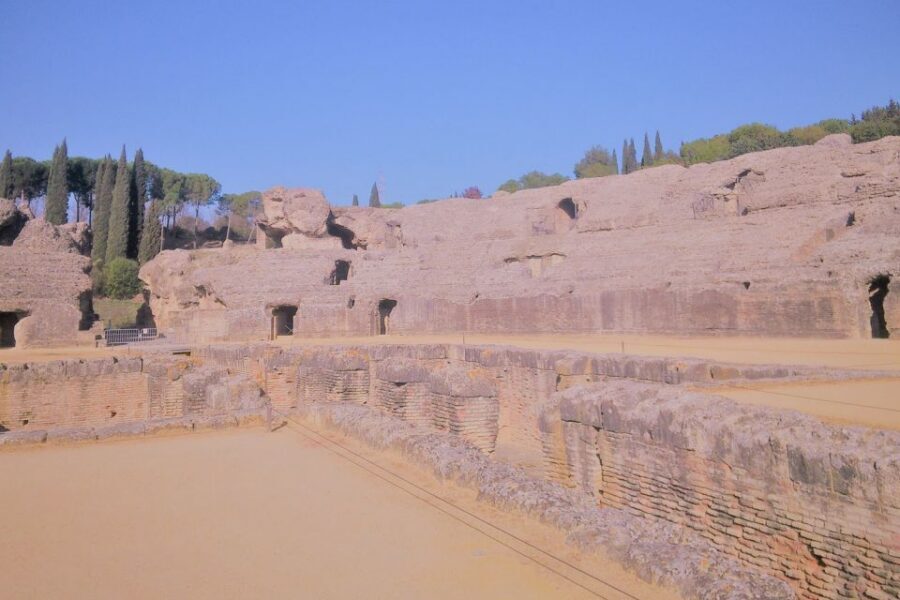
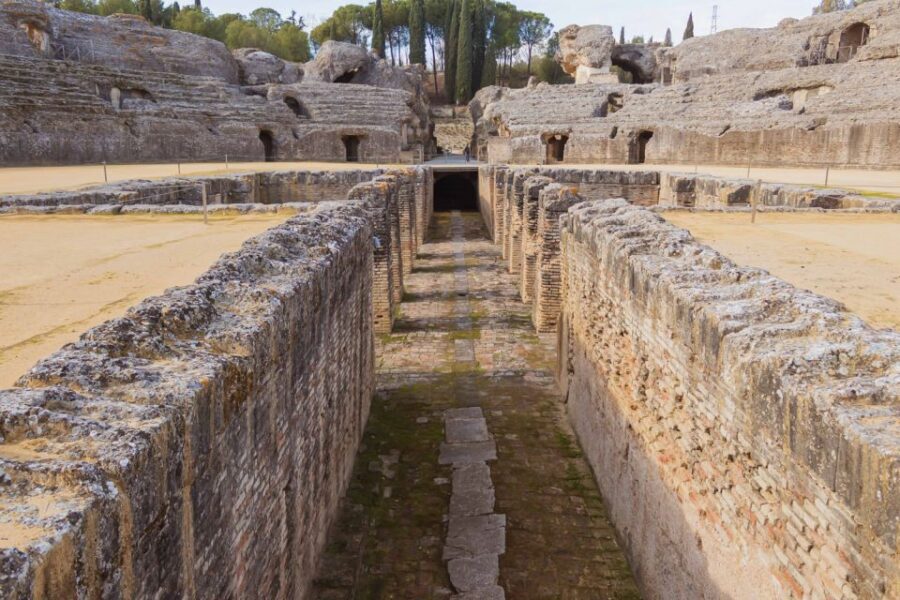
The Roman Amphitheater is the anchor of the complex, and it’s where the show connection comes alive. This is the biggest building in the site, and it’s also the most famous filming location visited on the tour.
You spend about 30 minutes here, with a guided walkthrough plus a photo stop. What you should expect is a sense of scale that’s hard to grasp from photos. The amphitheater once held around 25,000 people, and you can feel that crowd logic when you stand in the right areas—where people would have sat, watched, and moved through entrances.
Now, about the Game of Thrones angle: you will experience the “dragon pit” framing by walking through the filming-area staging within this arena setting. It’s not a themed museum exhibit. It’s more like a guided walk where your guide connects the filming moments to the Roman architecture so the scene lands in context.
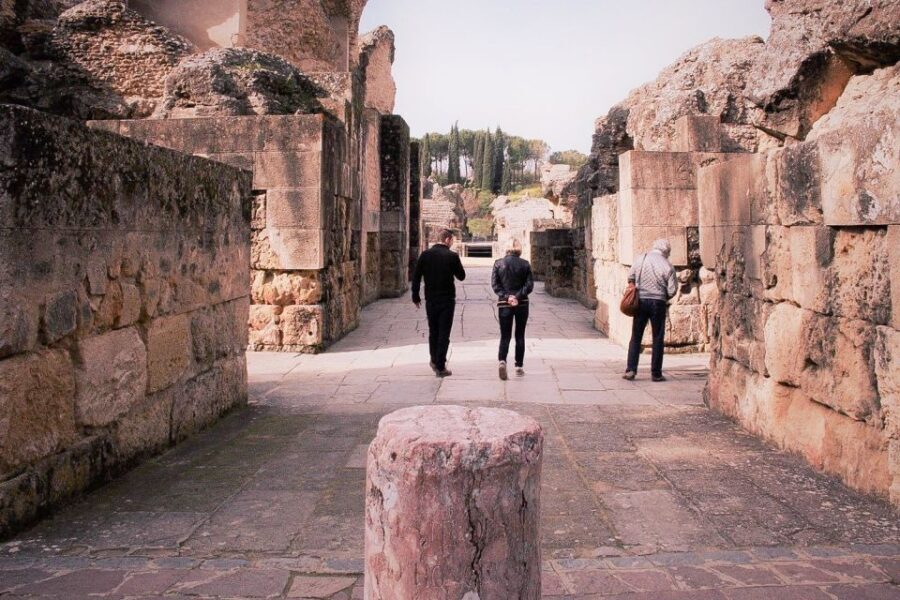
One review detail that’s useful for your expectations: the last amphitheater portion can include access to hidden tunnels circling the arena. That’s the kind of thing you don’t get from a casual self-guided visit, and it’s a reason people end the tour feeling more satisfied than they expected.
Domus Exedra: Reading the Shape of Roman Home Life
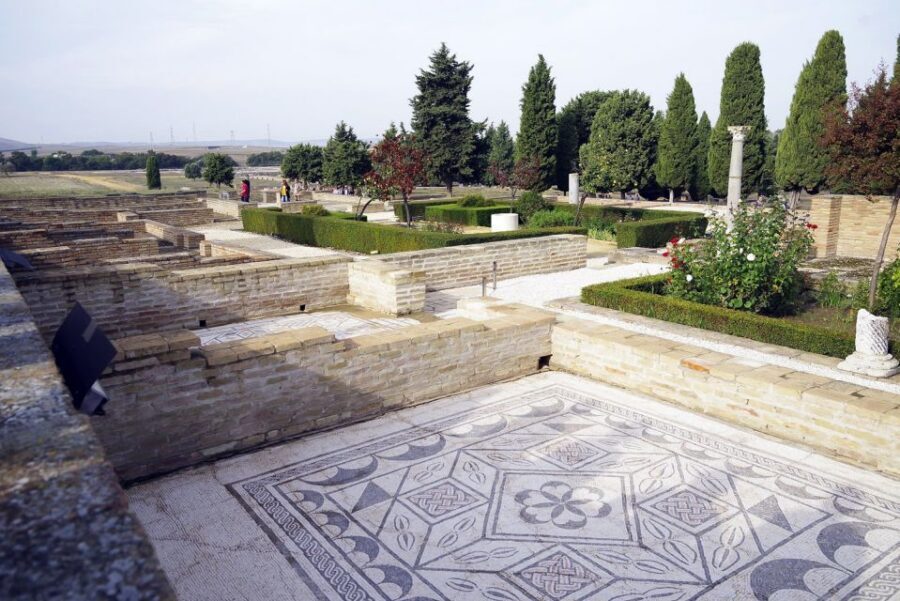
After the amphitheater, the tour shifts gears from public spectacle to private life. Your next stop is Domus Exedra for about 15 minutes, with a photo stop and a guided walk.
A domus is basically a Roman house, but that can sound generic until you’re standing among the walls and realizing how space worked. Your guide typically helps you connect the layout to daily routines—where you would move, where light and movement mattered, and how rooms functioned as parts of a larger home system.
This is one of the best parts of the itinerary because it stops you from treating Itálica like just “ruins.” With these homes, you start seeing how Roman city life created comfort, status display, and decoration—often through floor art and room themes.





Domus de Neptuno: A House Stop That Feels Themed, Not Random
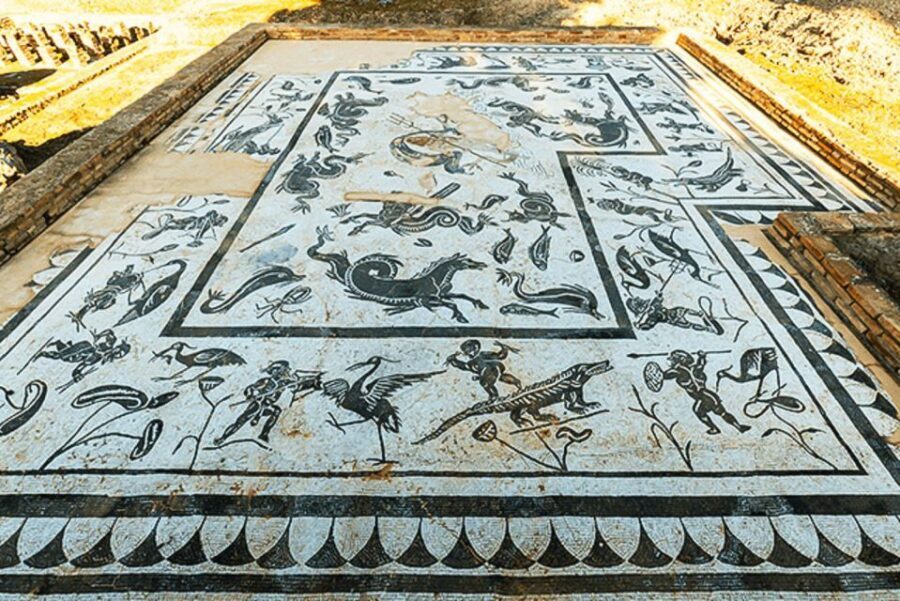
Next up is Domus de Neptuno, again with a photo stop and about 15 minutes of guided time.
The name hints at the house’s theme, and your guide’s job is to explain how Roman decoration and symbolism worked as a form of identity. Even when you’re not an art expert, it becomes clear that these spaces were designed to communicate something—status, education, taste, and cultural reference points—using the visual language Romans loved.
This stop is also a good reset after the amphitheater intensity. You go from massive stone structures to a more human scale. It’s easier to imagine a family moving through rooms than imagining an arena crowd.
Casa de los Pájaros: The Bird-Named Stop That Adds Variety
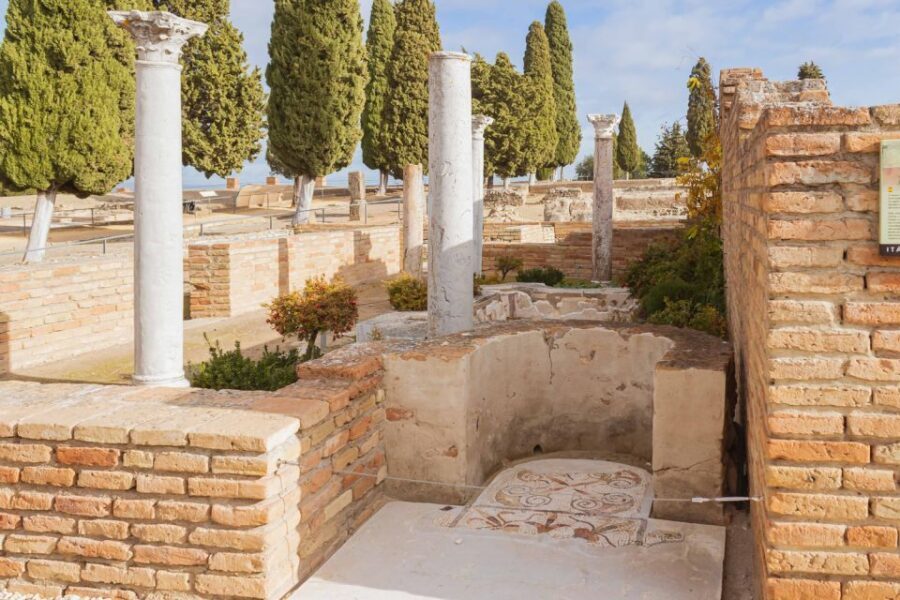
Then you move to Casa de los Pájaros for another 15 minutes of guided exploration plus photos.
This stop is valuable because the tour keeps variety without turning into a frantic checklist. The route is designed so you see multiple named house areas instead of just one highlight. That matters at Itálica, where mosaics and room remains are spread across the complex.
If you care about how Roman interior design differed from modern ideas, this is where the tour starts to click. You’re not just looking at floors—you’re looking at the Roman approach to making daily spaces meaningful.
Casa del Mosaico Planetario: Mosaics You Can Actually Connect to a Room
One of the most memorable stops is Casa del mosaico planetario (about 15 minutes with guided focus and a photo stop).
Even if you only remember the “planet” idea from the name, the point here is interpretation. A mosaic isn’t just decoration. It’s also the kind of storytelling Romans built into everyday spaces, turning a floor into something people gathered around and looked at repeatedly.
If mosaics are your thing, this house stop is the one you’ll probably linger over after the guided part ends, since it gives you a mental map for what you’re seeing and why it mattered.
Also, since Itálica is known for strong mosaic work in Spain, these room stops help you notice details instead of treating the art like background texture.
How Much Game of Thrones Will You Actually Get?
Let’s be honest and help you plan your expectations.
The tour uses Game of Thrones as the hook, and you will see the filming-area dragon pit connection at the amphitheater. But the time is short, and the rest of the tour is centered on Roman archaeology, the domus houses, and the amphitheater’s historical context.
So if you’re coming only for a long, show-heavy tour—scenes, characters, and plot references—this isn’t the best fit. If you want Game of Thrones as a fun way to enter Itálica, then pivot into the real history once you’re there, it works very well.
This is also why your guide matters. People repeatedly highlight the way guides like Jesús and Carlos tell the story with humor and clear connections. You may not spend your whole time quoting scenes, but you’re more likely to leave feeling like you understood the setting that made the scenes look so believable.
Timing: 1.5 Hours on Paper, More Time in Real Life
The tour is listed as 1.5 hours, but you should plan with a little flex. Some schedules can run longer, so if you’ve got another timed entry after this one, give yourself breathing room.
The itinerary itself is designed to keep you moving without rushing. You rotate between amphitheater and house stops, usually giving you a guided walkthrough plus a photo moment at each site.
This rhythm is helpful. If you try Itálica alone, you might bounce between points and miss the “why.” With a guide, you learn what you’re looking for, and then you can slow down for your own photos afterward if there’s time.
Comfort and Photo Tips That Actually Matter
This is outdoor walking on uneven, archaeological ground. Bring the basics the tour asks for: comfortable shoes, sunglasses, sun hat, and sunscreen.
For photos:
- Shoot the amphitheater areas early in the tour if you want fewer crowds in your frame.
- In the domus stops, watch your step and move slowly. Those floor areas can be tempting to photograph from close up.
Also, if you’re heat-sensitive, plan your visit with Seville’s sun in mind. Even on a “short” tour, the sun can feel like it lasts forever when you’re standing still to look at mosaics.
Guide Style: Why the Storytelling Changes the Whole Visit
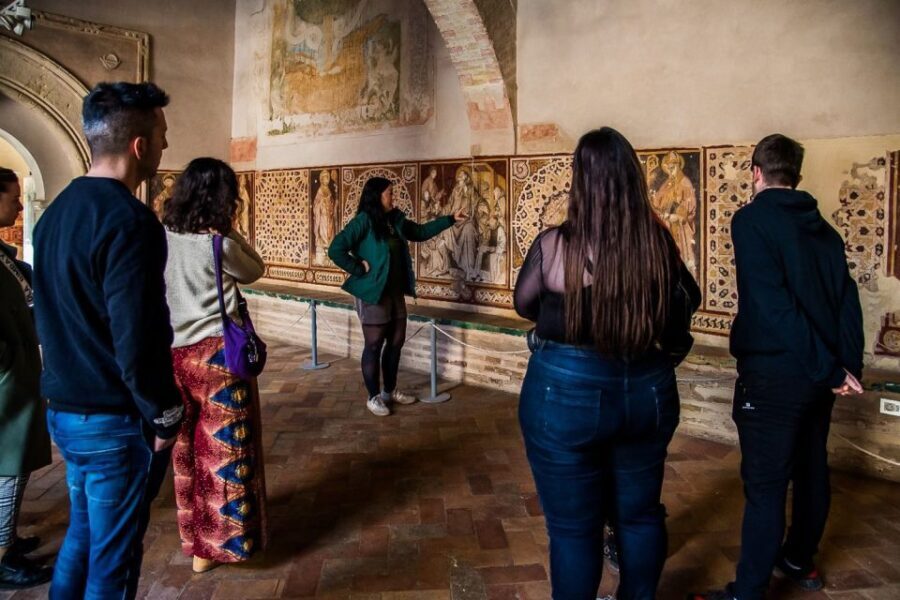
A big part of the value here is the way guides connect the dots. Several guides are specifically praised for being fun and story-driven, with names like Jesús and Carlos popping up often.
That matters because Itálica can look “obvious” if you only glance. You see walls and floors, sure. But what you want is context: how the site worked, why mosaics were placed where they were, and what it means that these structures survived when everyday life moved on.
In other words, the guide turns a set of ruins into a place with rhythm. And that’s the difference between a quick look and a real memory.
One small social consideration: some guides may work with a close speaking distance. It’s part of a lively, animated style. If you prefer more personal space, keep that in mind and politely adjust your position as needed.
Should You Book This Itálica Game of Thrones Tour?
Book it if:
- You want Roman archaeology and will enjoy guided interpretation.
- You like Game of Thrones enough to want the dragon-pit connection, but not enough to require a show-focused deep dive.
- You’d rather pay for a guide than spend your limited time wandering ruins without context.
Skip it if:
- You want a long, show-heavy itinerary with lots of scene breakdowns. The framing is brief, and the center of gravity stays Roman.
- Your schedule is ultra-tight. Plan for the possibility of running longer than the listed time.
If you’re visiting Seville and want one experience that’s both visual and meaningful, this is a strong choice. You’ll get a Roman site you can’t fully appreciate on your own, plus a fun pop-culture hook that makes the amphitheater feel extra dramatic.
FAQ
How long is the tour?
The tour is listed at 1.5 hours.
What is included in the price?
The price includes tickets to the monuments and a local guide.
What is not included?
Transport, plus food and drinks, are not included.
Where do I meet the tour?
You meet at Av. Extremadura, 2, 41970 Santiponce, Sevilla, Spain.
Are there multiple languages?
Yes. The live tour guide is offered in Spanish, English, French, and Italian.
Will I be able to skip the ticket line?
Yes, the tour notes include skip the ticket line.
What should I bring with me?
Bring comfortable shoes, sunglasses, a sun hat, and sunscreen.
Can I cancel if my plans change?
You can cancel up to 24 hours in advance for a full refund.