REVIEW · SEVILLE
Seville: City of Queens, Nuns, Sex Work & Witches
Book on GetYourGuide →Operated by Not Just a Tourist · Bookable on GetYourGuide
Seville has a second voice. This themed walking tour of Seville history looks at the city through women’s lives, not the usual one-note script, mixing big sights with off-the-beaten corners. I love how the stories connect well-known landmarks to the daily power struggles, ambitions, and rumors that shaped the city.
Two hours moves fast, but I really like the way the route spotlights unforgettable moments like the cigar girls at the Old Tobacco Factory and the ending at Plaza Nueva tied to the Don Juan and Doña Inés story. The one possible drawback: it’s a short walk, so you won’t have time for long stops or deep museum-style reading at each site.
In This Review
- Key highlights you’ll care about
- A 2-hour Seville walk with a female lens
- Price and value: $105 for a small-group story-heavy route
- Meeting at the Costurero de la Reina monument, then heading into the good stuff
- Exposition 1929 pavilions: why these buildings matter in the story
- Parque de María Luisa and Doña Sol: Seville’s softer corners
- Plaza de España: big architecture, pointed storytelling
- Antigua Fábrica de Tabacos: the cigar girls story you’ll remember
- Calle Susona, Callejón del Agua, and the tight streets of Santa Cruz
- A refreshing bar stop that actually helps the pacing
- Ending in Plaza Nueva: Doña Inés and the Don Juan connection
- Guides who can carry the tone (Abby and Nico stand out)
- Who should book this Seville tour?
- Should you book? My straightforward call
- FAQ
- How long is the tour?
- What’s the price per person?
- Where does the tour meet?
- Where does the tour end?
- How big is the group?
- What languages are offered?
- What’s included in the tour?
- Is there a food or drink break?
- Can I customize the tour or combine it with other activities?
Key highlights you’ll care about
- Female point of view, real roles: queens, nuns, sex work, and witches aren’t just mentioned—they’re used to frame how Seville worked.
- Top sights plus the small streets: you’ll cover major monuments and then turn into tighter old-town lanes.
- Old Tobacco Factory focus: the story of the cigar girls gives the Seville schoolbooks a very human edge.
- Exposition 1929 architecture time: you get quick context and photo-worthy perspective at landmark pavilions.
- A practical break at a local bar: built into the pacing so you can cool down and regroup.
A 2-hour Seville walk with a female lens
Most Seville tours sell you landmarks first and people second. This one flips that. You start thinking about who had power, who didn’t, and what women did anyway—through work, reputation, faith, and survival.
The theme is bold and oddly satisfying: queens, nuns, sex work, and witches. That doesn’t mean it turns into sensational gossip. Instead, it’s a way to ask sharper questions about the city—questions you usually miss when you only learn dates and kings.
It’s also built for a quick hit. At 2 hours you’ll see plenty, but you’ll also leave with a new way to look at the city rather than a stack of facts you’ll forget next week.
You can also read our reviews of more city tours in Seville
Price and value: $105 for a small-group story-heavy route
At $105 per person, this isn’t the cheapest walk you can book. But you’re paying for two things that matter in a city like Seville: a guide who can hold a story thread for 2 hours, and a route that hits the “must-see” sights without feeling like a checklist.
The small-group setup helps. With a maximum of 8 participants, it’s easier to hear the guide in narrow streets and to ask the occasional question without turning the tour into a noisy conga line. If you like walking tours where you actually understand what you’re looking at, that smaller group is a real value.
One practical point: because it’s story-heavy, the guide moves at a human pace. You’ll spend short stretches at each stop—just enough to connect the place to the theme, not so long that you feel trapped watching the same wall twice.
Meeting at the Costurero de la Reina monument, then heading into the good stuff
You meet at the Costurero de la Reina monument on P.º de las Delicias. That’s a fitting start, because it immediately signals the tour’s promise: women aren’t an add-on here. They’re the framework.
From the beginning, you’re set up to notice details you’d normally ignore. Instead of thinking, Oh, that’s a pretty building, you start thinking, Who used this? Who benefited? Who had to fight for space in a system built to limit them?
Even if you only remember one thing from the opening, remember this: the tour doesn’t treat the city like a backdrop. It treats Seville like a set of living power relationships—some official, some secret, some passed along as folklore.
Exposition 1929 pavilions: why these buildings matter in the story
You’ll visit the Pabellón de Estados Unidos from the Exposition 1929, then later the Pabellón de Portugal. These aren’t just quick photo stops. They help you see Seville shifting across time—modern-facing moments layered onto older social realities.
The architectural style gets you in the mood for the next phase of the tour. You learn how public spaces and grand events can reflect who gets visibility, and who stays off the program even when their labor (literal or cultural) makes the city function.
Practical note: pavilion stops are short by design. You’ll see them, you’ll get context, then you’re back on foot. If you’re the type who wants to linger for 30 minutes per building, this tour may feel too efficient. If you want the connection between place and story, the timing works.
Parque de María Luisa and Doña Sol: Seville’s softer corners
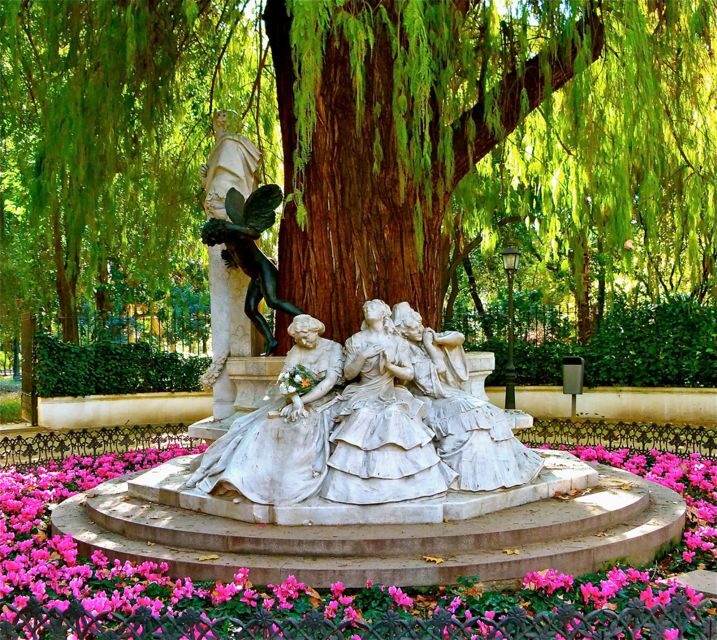
Then you’re in Parque de María Luisa, one of Seville’s most famous green spaces. In a tour like this, the park isn’t a break from history—it’s part of it. The guide uses the setting to talk about women tied to the city’s identity, not just its stonework.
You also stop around the Glorieta de Doña Sol. That name matters, because it keeps bringing you back to the tour’s central idea: Seville’s streets and squares are full of personal stories, and many of them are women’s stories—even when history books summarize them as footnotes.
The park is a good reset for the walking rhythm. It’s also a spot where you can look around before the tour moves you back into the tight old-town feel.




Plaza de España: big architecture, pointed storytelling
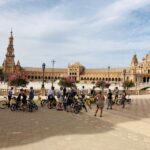
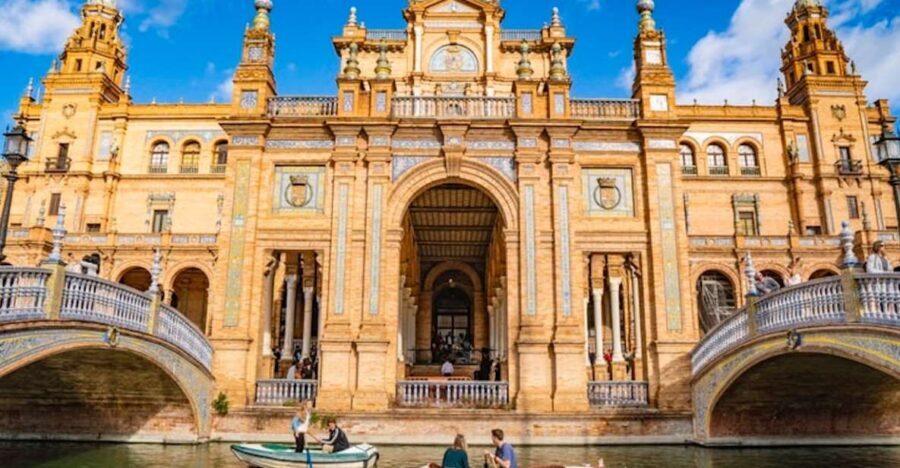
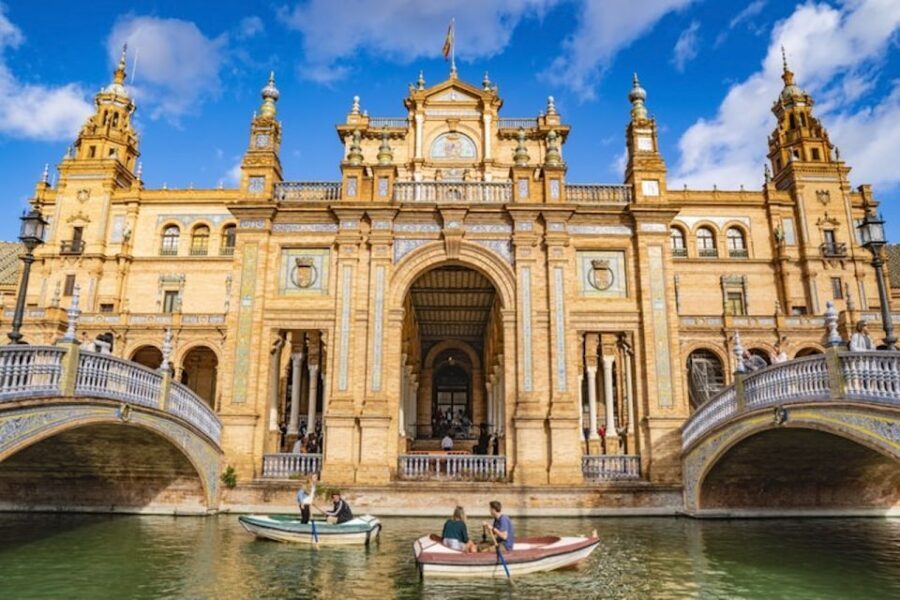
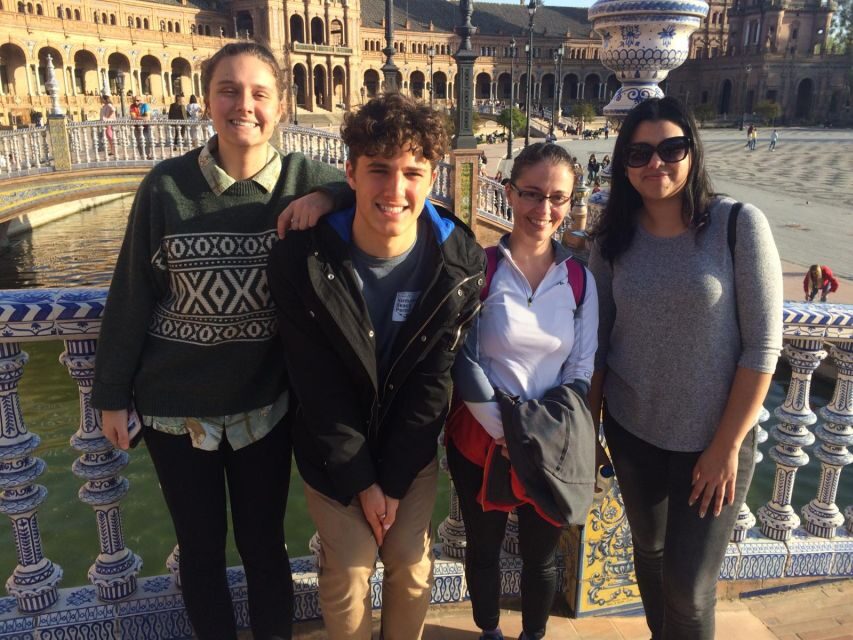
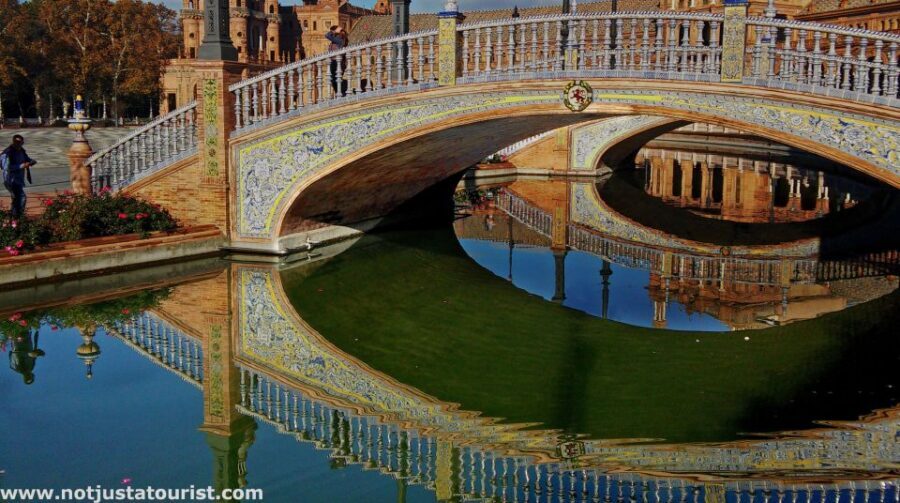
At Plaza de España, you get one of the most photogenic backdrops in the city. But the point here isn’t just the view. It’s what a major public monument communicates about social order, identity, and who gets to be seen.
You’ll get a guided moment at the plaza. Think of it as learning the “language” of the place—so you don’t just stare at the tiles. You start to connect the monument to the tour theme: how public image and private reality can clash.
A good feature for many people: you also get guided pacing. You don’t wander around lost. The guide keeps you aimed at the right details so you leave with the sense that you understood what you saw.
Antigua Fábrica de Tabacos: the cigar girls story you’ll remember
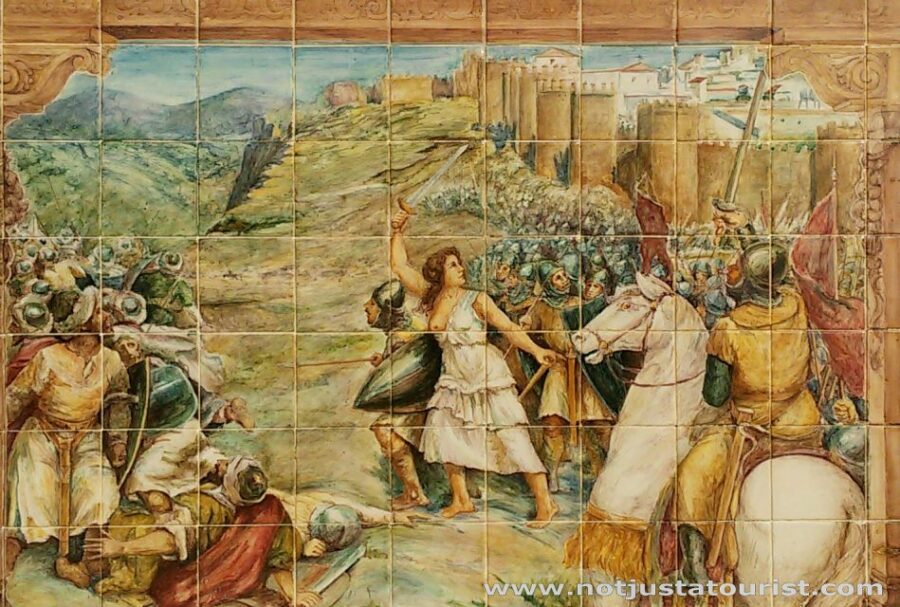
This is the emotional spine of the route. The Antigua Fábrica de Tabacos—Seville’s old tobacco factory—lets the tour zoom in on working women, not royalty.
You’ll learn about the cigar girls, which turns the industrial past into something personal. It’s the kind of story that shifts how you interpret a building. Instead of seeing walls and windows, you think about labor, pressure, and how work shaped lives.
This stop also works well for different interests. If you like labor history, you’ll appreciate the framing. If you prefer cultural stories, you’ll recognize how a job can become identity. If you’re more into social dynamics, this is where the theme gets human.
Practical drawback: since the tour is only 2 hours, this is a focused visit, not a long sit-down. You’ll get the key story, but you won’t have time for multiple returns to read every plaque. Still, it’s enough to spark curiosity if you want to keep researching later.
Calle Susona, Callejón del Agua, and the tight streets of Santa Cruz
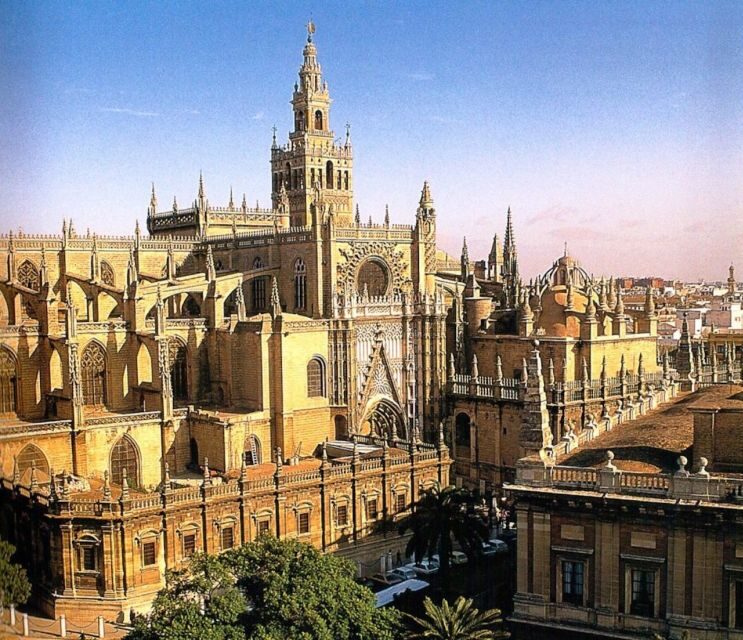
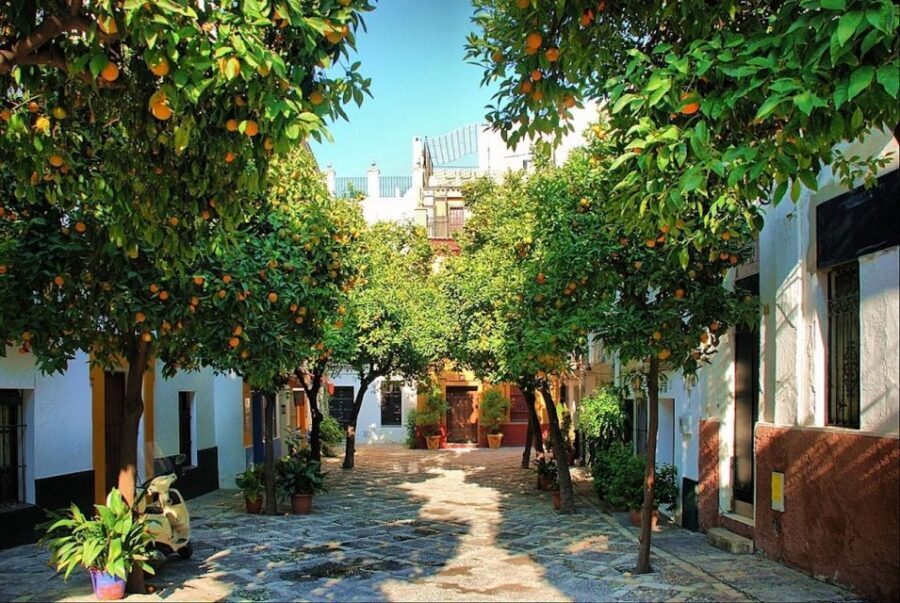
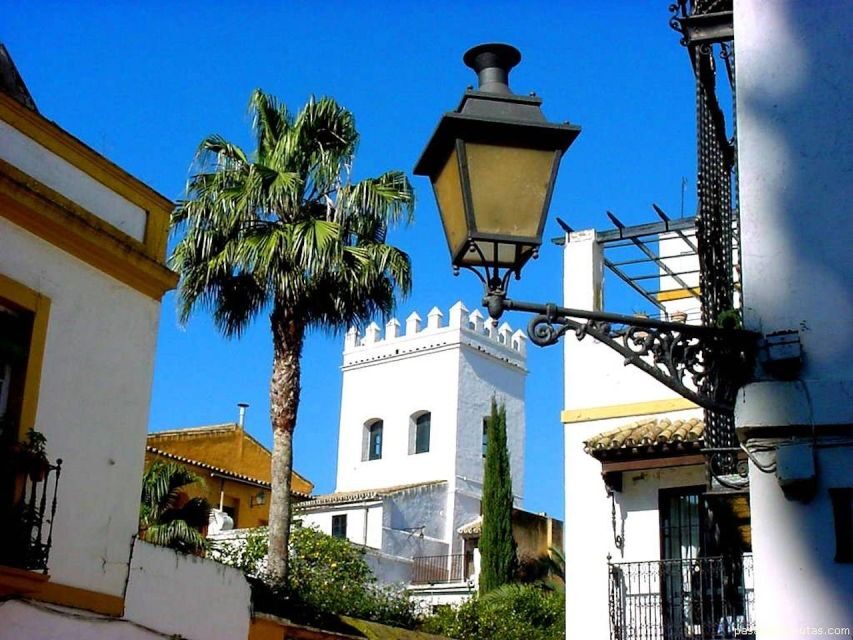
Next comes the city’s texture: the narrow lanes and old corners where Seville feels like it’s keeping secrets. You’ll walk past Calle Susona and visit Callejón del Agua, then move into Santa Cruz.
The Jewish quarter of Santa Cruz is part of why this route feels more alive than typical sightseeing. The streets don’t just look medieval; they force you to slow down and pay attention. With a small group, it’s easier to fit the story into the street instead of rushing past it.
Callejón del Agua, in particular, gives you a different vibe than the big plazas. It’s the kind of space where details matter—doorways, turns, the way sound carries. In a tour framed by women’s lives, those small spatial cues help you imagine daily movement: where people went, where they hid, and where they met.
If you don’t love tight streets (or you’re in shoes you’d rather not wear all day), keep in mind the route leans into the old-town feel. It’s not rough, but it’s definitely not wide-open strolling.
A refreshing bar stop that actually helps the pacing
Midway through, you’ll stop at an atmospheric local bar for a refreshing break. This matters more than it sounds. Seville heat and walking can sneak up on you, and a planned pause lets you keep your energy for the later stretch.
The tour doesn’t turn the bar visit into a long detour. It’s a breathing space—enough time to cool off and regroup with your group, then continue the story.
Also, this is a smart moment to ask the guide questions. You can get quick practical advice about what to do next in Seville—without derailing the tour flow.
Ending in Plaza Nueva: Doña Inés and the Don Juan connection
You finish at Plaza Nueva. That final stop ties the tour to a famous literary thread: a Don Juan and Doña Inés.
It’s a fun closing beat because it keeps the tour theme gender-forward even when you’re dealing with a well-known legend. You end thinking about women’s roles in stories that spread through Seville’s culture—stories that people retell because they reveal how the city thinks.
Plus, Plaza Nueva is a practical finish area. It’s a natural place to continue on your own—grab a meal nearby, walk to other sights, or just do what Seville rewards most: wander with better questions than you started with.
Guides who can carry the tone (Abby and Nico stand out)
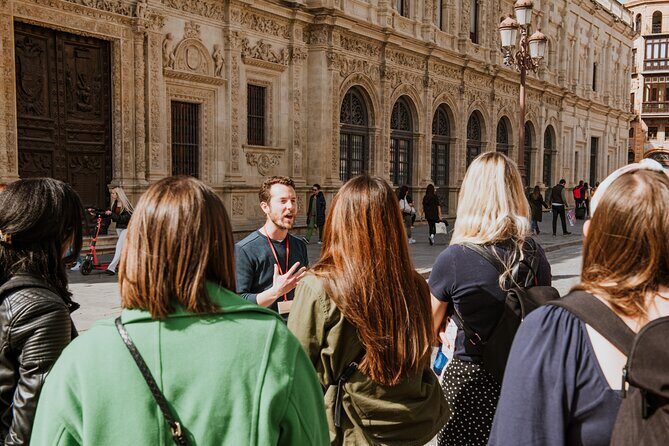
The biggest quality lever here is the guide. The tour relies on story flow, humor, and pacing. The best guides do all three without turning it into a lecture.
Names that have shown up with strong results include Abby and Nico. Abby is praised for telling stories about Seville women that most people wouldn’t find on their own. Nico is noted for being funny and responsive, with strong English, and for working hard to keep even a teen’s attention during a hot day.
If you’re traveling with mixed ages, that responsiveness is worth its weight. You want a guide who can adjust the tone when the group changes its mood.
Who should book this Seville tour?
Book this if you:
- Want a Seville walking tour that focuses on women’s stories, not just architecture.
- Like guided routes with a clear narrative thread and short, well-chosen stops.
- Enjoy old-town atmosphere—Santa Cruz streets, narrow alleys, and the feeling of walking through layers of time.
Consider skipping or pairing it with something else if you:
- Need lots of museum time at each stop. This tour is designed to stay moving.
- Prefer purely art-focused commentary without social themes. The “who had power” angle is the whole point.
It’s also a good fit for first-time Seville visitors. You cover major landmarks like Plaza de España and the Exposition 1929 pavilions, but you also leave with a more personal understanding of the city.
Should you book? My straightforward call
Yes, if you want Seville to feel less like a sightseeing list and more like a place with people inside it. The best part is how the female perspective changes the meaning of what you’re looking at—especially at the Old Tobacco Factory and in the Santa Cruz streets.
At $105 for 2 hours, it’s not a budget impulse buy. But for the small-group size, the guided story structure, and the fact that you hit both major sights and lesser-known corners, it offers solid value—especially if you’re the type who remembers stories more than plaques.
If you like the theme and you don’t mind walking, book it. You’ll come away with Seville in a different key.
FAQ
How long is the tour?
It lasts 2 hours.
What’s the price per person?
The price is $105 per person.
Where does the tour meet?
You meet at the Costurero de la Reina monument, P.º de las Delicias, 3, 41001 Sevilla.
Where does the tour end?
The tour ends at Plaza Nueva, 41001 Sevilla.
How big is the group?
The group is small, with a maximum of 8 participants and a minimum of 2.
What languages are offered?
The guide offers the tour in English and Spanish.
What’s included in the tour?
It includes a walking tour, a professional guide, a map of the city, and insiders’ tips.
Is there a food or drink break?
Yes. There is a refreshing stop at a local bar.
Can I customize the tour or combine it with other activities?
The provider says you can request a more customized tour or a combination with other activities, tours, or workshops.