REVIEW · SEVILLE
Sevilla: Ramón Sánchez Pizjuán Stadium Entry Ticket
Book on GetYourGuide →Operated by Tixalia · Bookable on GetYourGuide
Step into a football legend. One ticket, your own pace, and a route that makes you feel matchday.
I love how this visit mixes museum stops with real stadium access, so it’s not just standing in a bowl looking at seats. Two standout moments for me: standing in the locker room area and getting the sense of how players step into the tunnel, then working your way through the trophy and jersey displays with an audio guide that keeps the story moving.
The main thing to consider is practical: it’s self-guided with an audio app, so you’ll want headphones and a charged smartphone. If you’re looking for a live person leading every step, you won’t get that here.
In This Review
- Key Things to Know Before You Go
- Ramón Sánchez-Pizjuán Stadium: A Matchday Feel Without Needing a Ticket to a Game
- Price and Timing: What a $16 Ticket Really Buys You
- The Smooth Start: Entrance Turnstiles and an Audio Guide You Control
- Museum to Matchday: Sevilla FC From 1890 Origins to Trophy Rooms
- VIP Boxes and the Media Room: Feeling the Club Power (Without the Title)
- Locker Room to Pitch Tunnel: The Walk-Out Feeling You’re Here For
- What the Stadium Scale Feels Like When You’re Not in the Crowd
- Practical Tips: Make It Comfortable, Not Rushed
- Who This Is For (And Who Might Want a Different Option)
- Should You Book This Sevilla Stadium Entry Ticket?
- FAQ
- How long does the Ramón Sánchez-Pizjuán Stadium entry experience take?
- What’s included with the ticket?
- Is there a tour guide included?
- What languages are available for the audio guide?
- Where do I meet for the experience?
- Is this experience suitable for wheelchair users?
Key Things to Know Before You Go
- Audio guide in multiple languages (Spanish, English, Arabic, Chinese, Japanese, German, Italian, Portuguese, French)
- Stadium entry plus museum route, starting from the club’s roots in 1890
- VIP-style areas like the box and a press/media room roleplay vibe
- Locker room to pitch tunnel access feeling, the closest you’ll get to the walk-out
- Self-paced visit for about 1.5 hours, with the ticket handled at the entrance turnstiles
Ramón Sánchez-Pizjuán Stadium: A Matchday Feel Without Needing a Ticket to a Game
Ramón Sánchez-Pizjuán Stadium is one of those places where scale does half the work. Even when nothing is happening on the pitch, the building still has that “this is where things matter” energy. The best part of this entry ticket is the way it turns the stadium into a story you can follow, rather than a simple walk around.
You’ll start with the Sevilla FC museum side and then move into the stadium areas that feel closer to the club’s day-to-day world: VIP views, media spaces, and the player areas. If you like football culture beyond the 90-minute match, this format makes a lot of sense. You get context first, then you see the setting where it all plays out.
For non-football fans, this can still work. The museum portion explains the club and its milestones in a way that doesn’t demand you already know the team. And once you’re in the seating bowl and corridors, you’ll feel the stadium’s size and layout even if you’re not chasing match history.
You can also read our reviews of more tours and experiences in Seville



Price and Timing: What a $16 Ticket Really Buys You
At about $16 per person (check current pricing and availability for exact start times), you’re paying for stadium access plus the audio app. For Seville, that’s solid value because you’re getting a structured visit that usually takes around 1.5 hours.
Also, you’re not locked into waiting around for a group schedule. The experience is designed to be self-paced, so you can slow down for photos, linger in trophy rooms, or speed through the parts you’re less interested in. That’s a big deal if your travel day is already packed with walking and you don’t want to add another timed bus adventure.
Do note: the visit is built around a set timeframe. If you arrive late, you may feel rushed—especially if you want to read everything in the museum areas. Plan to arrive a little early so you can enjoy it instead of racing the clock.
The Smooth Start: Entrance Turnstiles and an Audio Guide You Control
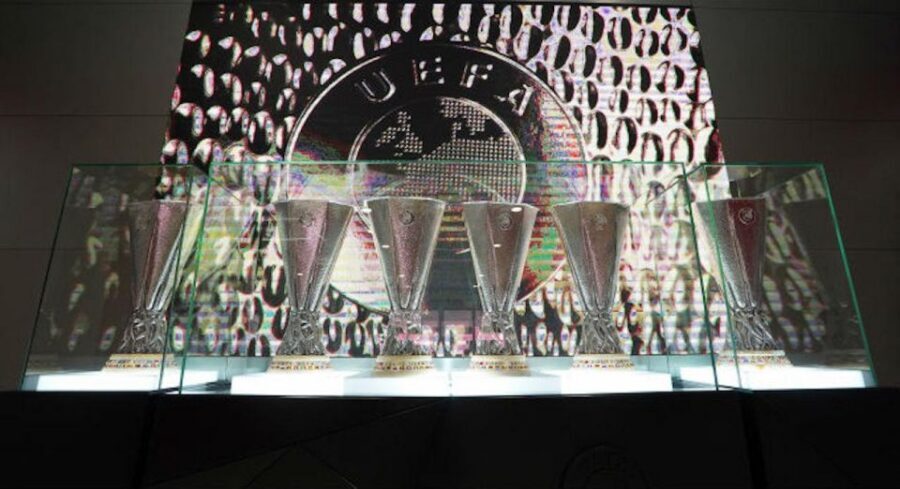
This is one of those experiences that starts simple. You’ll go to the entrance turnstiles at the stadium and show the ticket sent to you by email. The goal is to skip the ticket line, so you can get moving quickly.
Once you’re in, the audio guide app does the heavy lifting. You’ll hear commentary that points out what you’re looking at and explains key areas of the stadium. It’s available in a bunch of languages, including English and Spanish, plus Arabic, Chinese, Japanese, German, Italian, Portuguese, and French.
Two practical tips from how these self-guided stadium visits usually feel in real life:
- Bring headphones you know work well with your phone.
- Keep your smartphone charged. You’ll want the audio app running without battery anxiety.
If your phone is slow or your audio struggles with signal, start early so you have time to troubleshoot before you’re deep in the museum rooms.
Museum to Matchday: Sevilla FC From 1890 Origins to Trophy Rooms
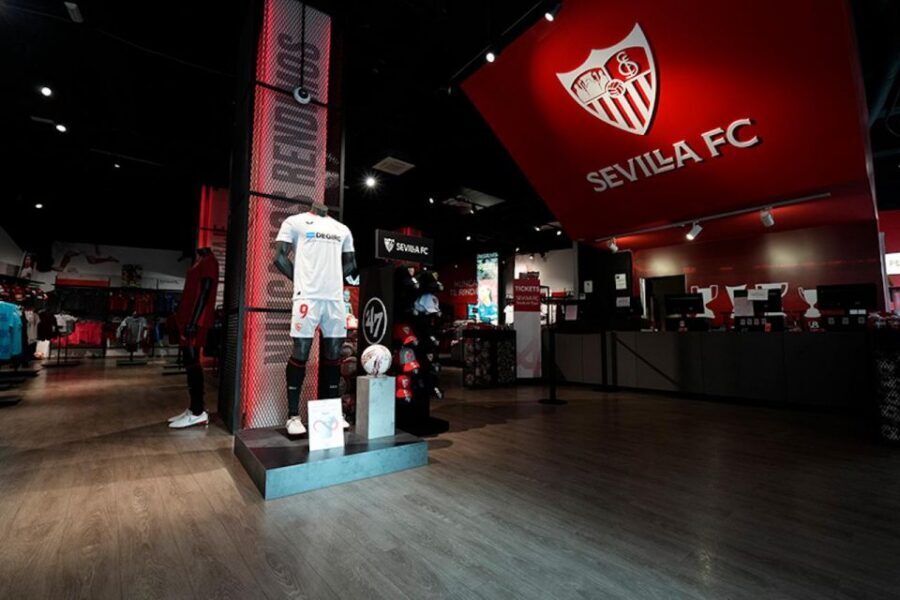
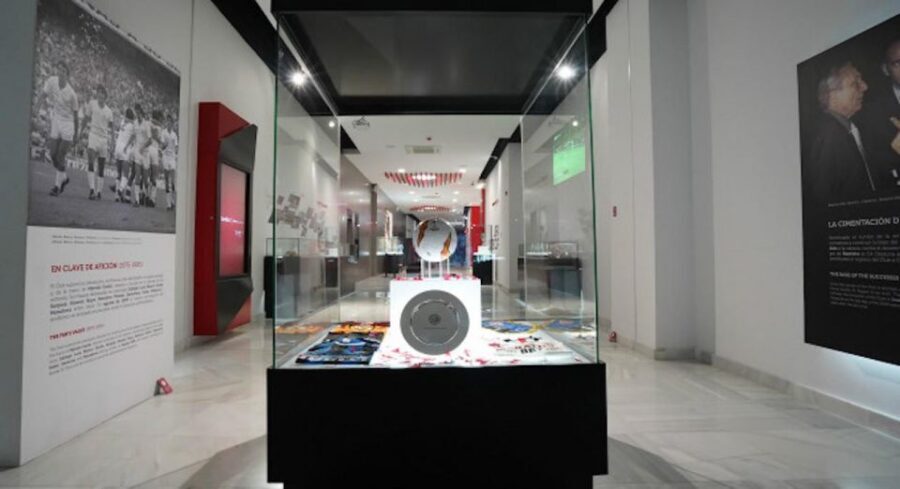
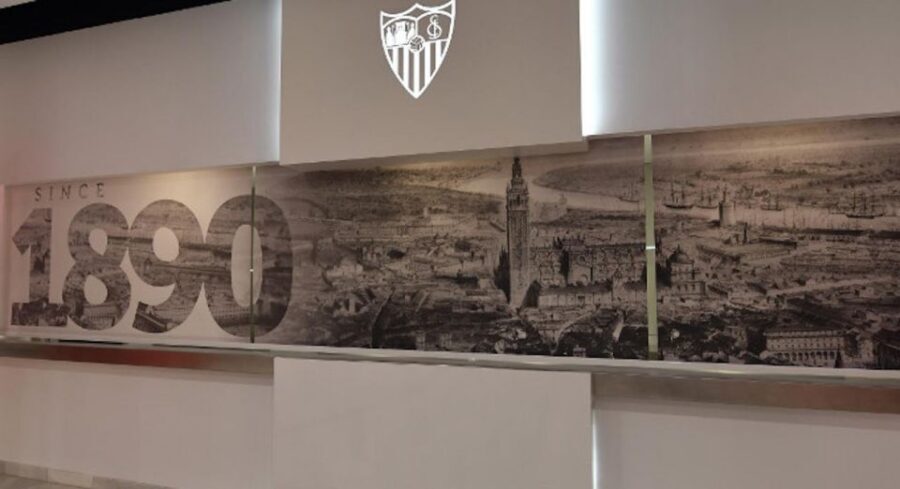
The experience begins in the museum area, and that’s the smartest place to start. You get a foundation for what you’re seeing later in the stadium. The museum traces Sevilla FC since its beginnings in 1890, and it also covers early milestones like the first documented football match in Spain.
Then the displays shift into the “why this club is different” category. You’ll see the jerseys used by players through different eras, and you’ll get trophy-focused context for major achievements. Expect to spend time around the club’s significant wins such as:
- La Liga
- five Copa del Rey titles
- the Supercopa de España
- the Supercopa de Europa
This is where the audio guide pays off. Instead of just reading plaques, you’ll get a narrative that helps the rooms make sense as a timeline. Even if you mostly care about the stadium itself, the museum adds meaning to what you’re about to walk through.
One thing I appreciate here: the museum feels like a build-up rather than a random collection of items. The story moves in a way that makes you look at jerseys and trophies as part of a bigger club identity—then you step into the stadium space where that identity lives.
VIP Boxes and the Media Room: Feeling the Club Power (Without the Title)
After the museum, you’ll move into exclusive-feeling areas of the stadium. These are some of the most fun parts of the visit because they encourage your imagination.
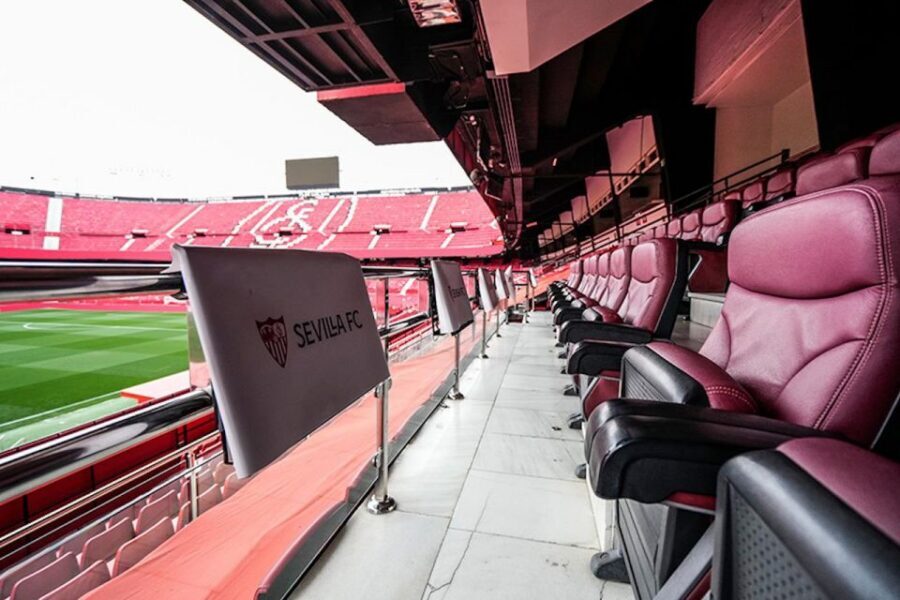
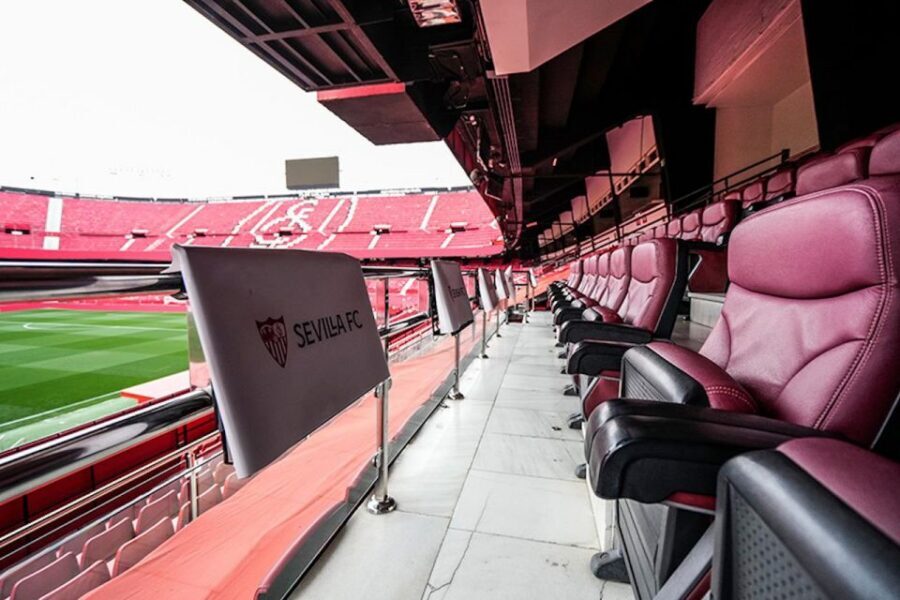
First up, you’ll experience the VIP box area. Stand where officials watch, and you can picture how a club president might view things: the pitch geometry, the atmosphere, the way sightlines work. It’s not the same as being in an actual match, but it’s a good mental simulation.
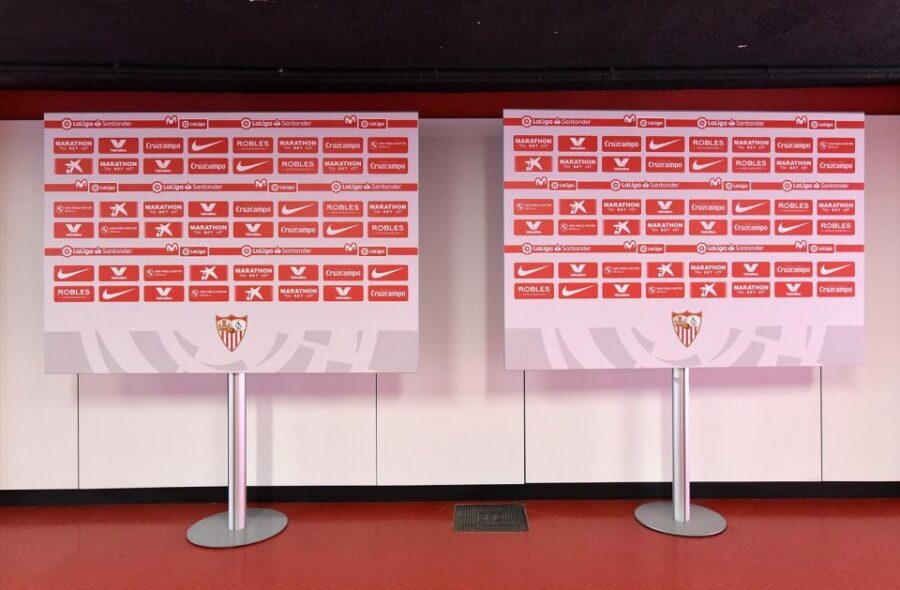
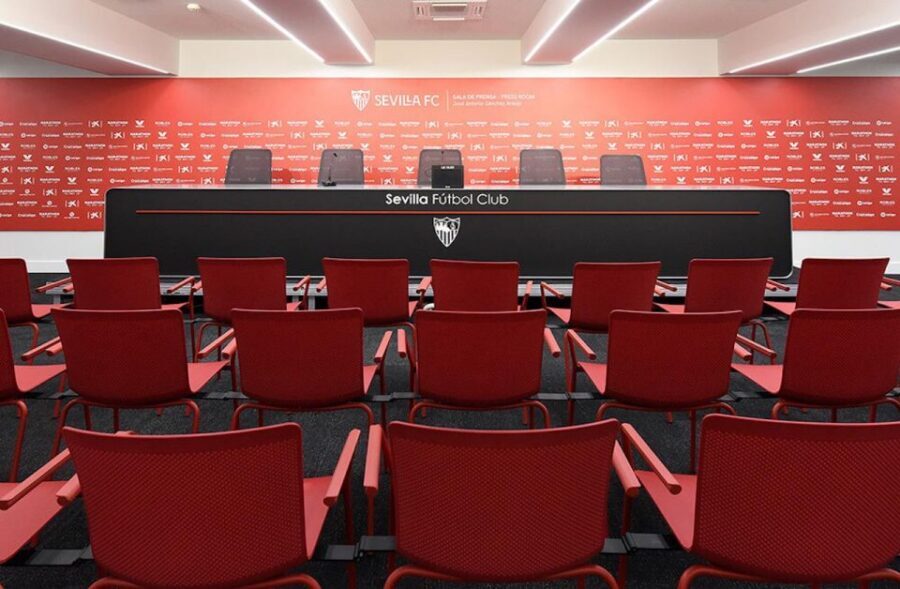
Next, you’ll visit a media room space that’s set up like a press experience. You can sit where interviews happen and answer questions in your head. It’s a small touch, but it makes the whole tour feel less like sightseeing and more like you’re stepping into club roles for a short time.
If you’re the type who likes “where do I stand and what would I do from here?” this section will land well. If you prefer purely historical exhibits, you might zip through these areas faster—but they add variety.





Locker Room to Pitch Tunnel: The Walk-Out Feeling You’re Here For
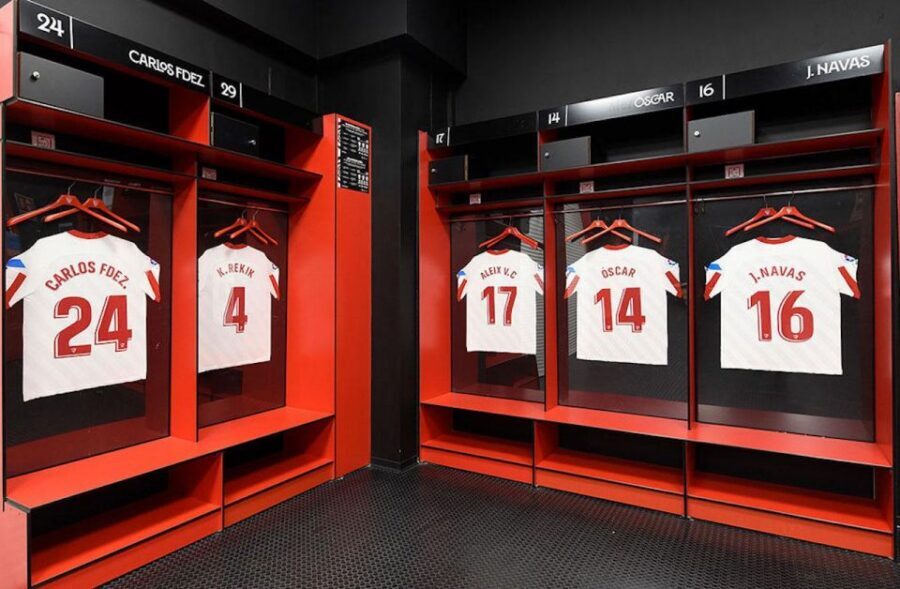
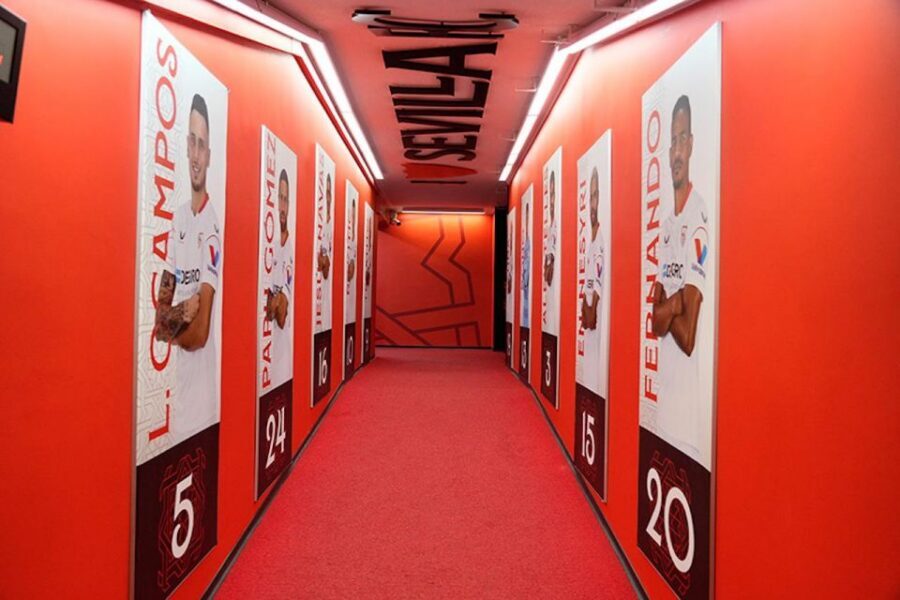
This part is the emotional core of the stadium entry ticket. You’ll step into the locker room where players hang their jerseys and then experience the setup that leads to the pitch tunnel.
The idea is simple: you’re shown the path players use when they’re ready to enter the match environment. Standing in that area changes how you see the stadium. It stops being a building and starts being a route—the route from preparation to performance.
And yes, the stadium has a “you’re not alone here” feeling. You’ll be exposed to the energy of the fans in the experience flow, plus you’ll hear the anthem sung by devoted supporters. Even if you’re visiting on a quiet day, this audio/atmosphere touch helps the stadium feel alive.
This is also where being self-paced matters. If you want a few extra minutes to take photos, compare tunnel angles, or just soak in the scale, you can. You’re not trapped in a line, and you’re not fighting a loud guide talking over you.
A small add-on that some people like (if it’s available during your visit): there may be a paid photo shoot option around 10 euros. If you’re a camera person, it can be a fun souvenir.
What the Stadium Scale Feels Like When You’re Not in the Crowd
One honest thing I’ll say: you won’t get the full roar of a live match if you’re touring on a non-match day. That said, the stadium still feels impressive.
You’ll see the seating bowl from key viewpoints and get a real sense of how the stadium holds noise and movement. The experience’s fan/anthem elements help bridge the gap, so you still get a taste of the atmosphere without needing to plan around a game date.
If you’re visiting during a busy Seville stretch and want a football-focused activity that doesn’t require ticket luck, this works. It’s also a great way to break up museum time with something physical and spacious.
Practical Tips: Make It Comfortable, Not Rushed
Here’s how to make the most of your 1.5 hours.
Bring:
- Headphones (the audio guide app matters)
- A charged smartphone (and ideally enough battery to handle the whole route)
Plan:
- Wear comfortable shoes. Stadium floors and corridors add up, and you’ll be walking more than you might expect.
- Use the audio guide at a sensible pace. If you sprint through and skip half the commentary, you lose the main value of the ticket.
Photography:
- You’ll have chances for photos in the stadium areas and around the exhibits. If you’re hoping for the best angles, give yourself a little buffer at the locker room/tunnel points.
Pacing:
- The experience is designed for independent exploring, so you can spend extra time where you care most—history and trophies in the museum, or the player areas and tunnel.
Who This Is For (And Who Might Want a Different Option)
This stadium entry ticket is a strong fit if you:
- want Sevilla FC history tied to actual stadium spaces
- like touring at your own pace without a guide talking the whole time
- enjoy football culture beyond live matches
It’s also a good choice if you’re traveling with someone who isn’t a superfan. The museum gives context, and the stadium areas give visual payoff.
It may be less ideal if you:
- expect a person-led tour (there isn’t a tour guide included)
- have mobility needs that require wheelchair access, since it’s not suitable for wheelchair users
Should You Book This Sevilla Stadium Entry Ticket?
If you’re in Seville and you even mildly care about football, I’d book it. $16 for stadium entry plus a multilingual audio guide that takes you from club origins in 1890 to the locker room and pitch-tunnel feeling is a fair deal. The best value is that you’re not just looking—you’re learning the story and then seeing the places where that story gets enacted.
If you hate self-guided experiences, or you need a live guide to keep you engaged, then this might feel too quiet. But if you’re okay with headphones and a phone in your hand, you’ll get a smooth, low-stress visit with real stadium atmosphere.
FAQ
How long does the Ramón Sánchez-Pizjuán Stadium entry experience take?
It lasts about 1.5 hours. Start times depend on availability, so check what’s offered when you book.
What’s included with the ticket?
Your ticket includes entry to Ramón Sánchez-Pizjuán Stadium plus an audioguide app.
Is there a tour guide included?
No. This experience is self-guided with the audio app, not led by a tour guide.
What languages are available for the audio guide?
The audio guide app is available in Spanish, English, Arabic, Chinese, Japanese, German, Italian, Portuguese, and French.
Where do I meet for the experience?
Go to the entrance turnstiles at the stadium and show the ticket email you received.
Is this experience suitable for wheelchair users?
No, it’s not suitable for wheelchair users.