REVIEW · SEVILLE
Secrets of Maria Luisa Park and Plaza de Espana
Book on GetYourGuide →Operated by Naturanda Turismo Ambiental · Bookable on GetYourGuide
A walk through Seville’s most poetic corners beats a museum day. Maria Luisa Park was Seville’s first urban park, and it stays cool and calm while you move between viewpoints, statues, and water features. I also love how the tour reads the city in layers, ending with Plaza de España, built for the Ibero-American Exposition of 1929, where architecture feels like a story you can actually follow.
The main trade-off is timing. One itinerary felt a bit rushed at the end, with Plaza de España getting less breathing room than you might hope, so plan to focus more on the guide’s explanations than on lingering for perfect photos.
In This Review
- Key moments worth your time
- Why Maria Luisa Park feels different the moment you enter
- Plaza de España and Plaza de América: the 1929 Exposition, explained like a map
- A realistic stop-by-stop walkthrough of the 2-hour route
- 1) Start options: where you’ll meet and how to spot your group
- 2) Gustavo Adolfo Bécquer Monument (about 15 minutes)
- 3) Monumento a la Infanta Maria Luisa (about 10 minutes)
- 4) Estanque de los Lotos (about 5 minutes)
- 5) Glorieta de Juanita Reina (about 5 minutes)
- 6) Monte Gurugú (about 10 minutes)
- 7) Plaza de América (about 20 minutes)
- 8) Glorietas for the Machado brothers and the Álvarez Quintero brothers (10 minutes each)
- 9) Plaza de España (about 25 minutes)
- What the guides do (and why their personality shows up fast)
- Price and time: is $14 per person good value?
- Who this tour is for (and who should consider something else)
- Practical tips so you enjoy every stop
- Should you book Secrets of Maria Luisa Park and Plaza de España?
- FAQ
- How long is the tour?
- How much does it cost?
- Where does the tour start?
- What language is the guide?
- Is the tour wheelchair accessible, and is there a private option?
- What should I bring for a comfortable walking tour?
Key moments worth your time
- Maria Luisa Park’s origin story (donated in 1914) and why it became Seville’s green lungs
- Plaza de España for the 1929 Exposition, designed by Aníbal González, and what the layout is trying to tell you
- Plaza de América, tied to the same event, but with a different mood and design logic
- Fountains and water symbolism, explained with the kind of details you’d miss walking solo
- Photo stops that actually help you understand the park, not just snap pics
Why Maria Luisa Park feels different the moment you enter
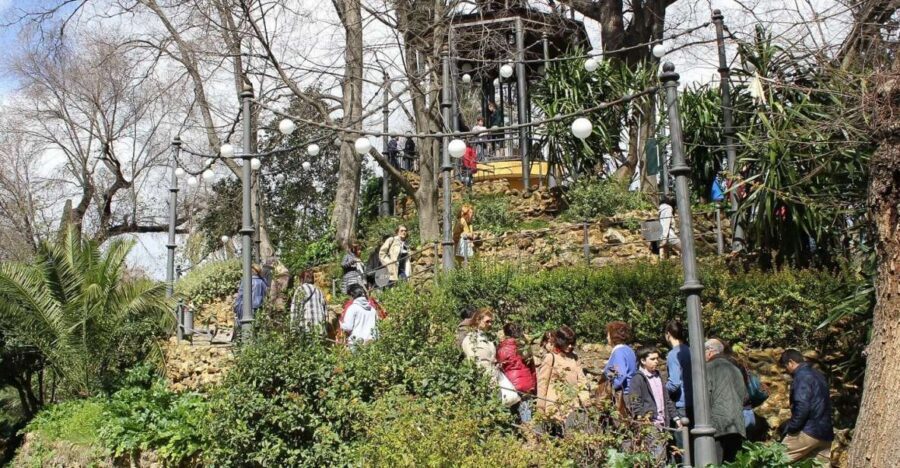
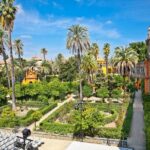
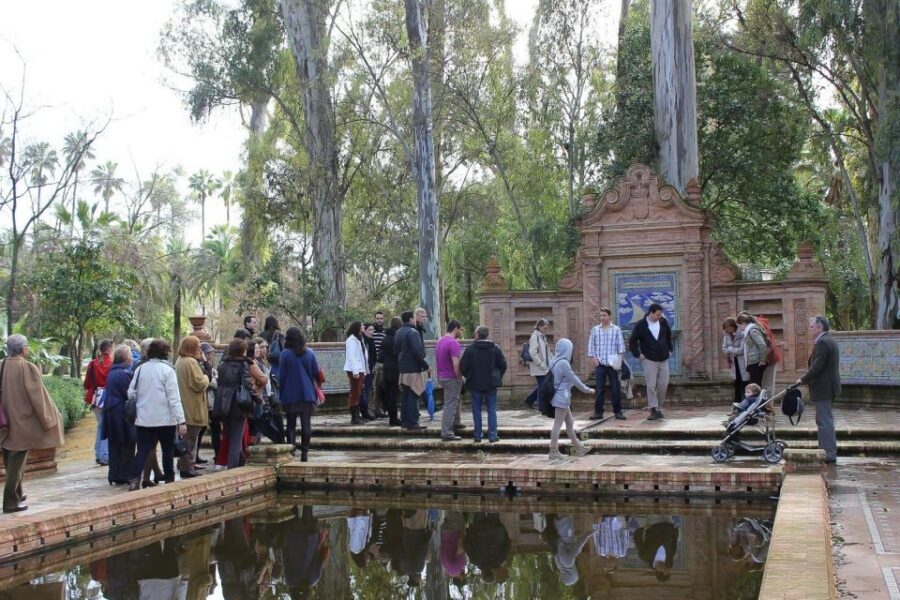
Maria Luisa Park is one of those places where you stop talking without meaning to. The streets around Seville can be loud and hot; the park is greener, softer, and built for slow movement. This is not just a pretty park. It has a job: it’s been Seville’s urban green lung since it was given to the city by Infanta Maria Luisa Fernanda in 1914.
Once you know that it started as private gardens, the whole place makes more sense. The park isn’t random. It was shaped to guide you—through open spaces, paths, and water—so your attention moves from grand scenes to small curiosities. That is exactly where a good guide matters, because many of the details are easy to walk past while you’re busy watching the big postcard views.
You can also read our reviews of more tours and experiences in Seville.


Plaza de España and Plaza de América: the 1929 Exposition, explained like a map
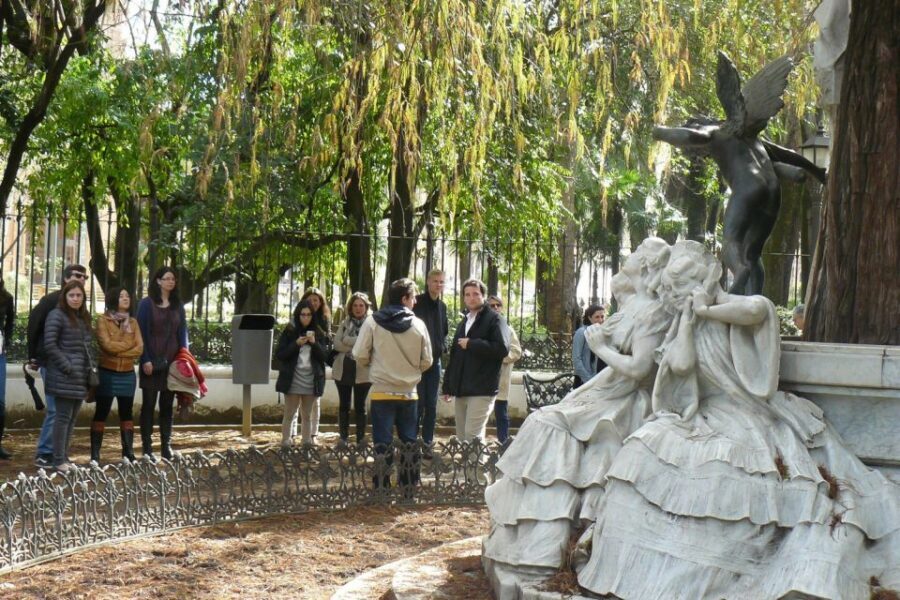
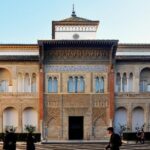
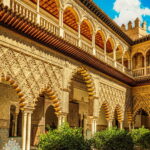
If there’s one reason people plan a Seville day around this area, it’s Plaza de España. It was built for the Ibero-American Exposition of 1929, and it’s considered the largest architectural element created for the event. Designed by Aníbal González, the plaza still feels like an event even when the crowds thin out.
What I like about having both Plaza de España and Plaza de América in the same experience is contrast. They come from the same “big 1929 moment,” but they don’t feel identical. Plaza de América sits closer to the park’s garden flow, while Plaza de España is the showpiece—designed to impress from multiple angles.
This tour approach helps you read the plazas as more than scenery. Your guide is there to connect what you’re seeing to the natural and architectural logic behind it—so you’re not just standing in front of pretty tiles and arches. You’re learning how the spaces were intended to work together, from landscape planning to symbolic design.
A realistic stop-by-stop walkthrough of the 2-hour route
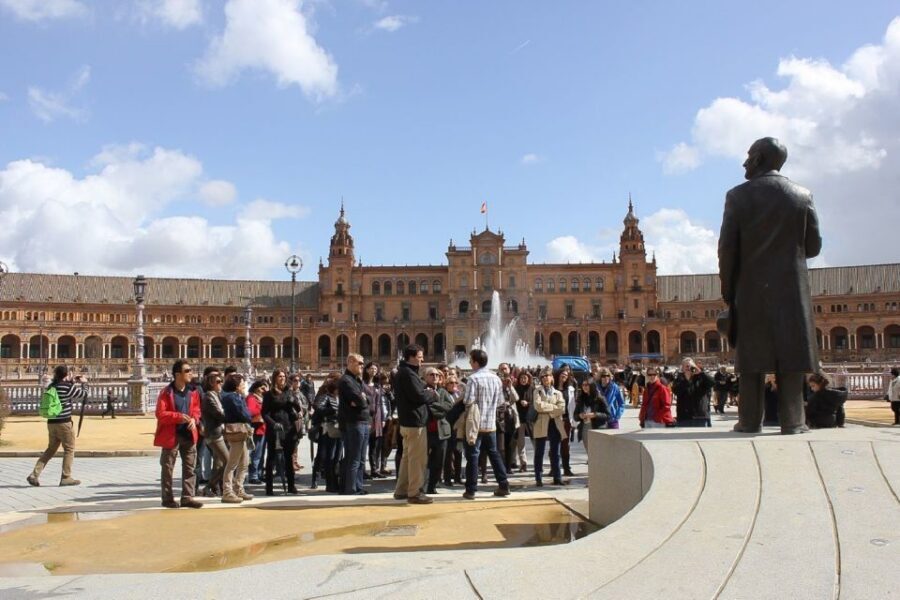
You’ll move through Maria Luisa Park with scheduled stops that balance quick looks and short guided explanations. Think of it like a guided “greatest hits” walk, with enough structure to keep you oriented, even when the paths curve.
1) Start options: where you’ll meet and how to spot your group
You’ll meet either at Avenida María Luisa (La Raza) or at Fuente de la Glorieta de San Diego. Which one is best depends on where you’re staying and what other sights you plan earlier or later. Either way, you’re starting at the park edge with the walking loop already set.
Tip: wear shoes you trust. This is a walking tour through a historical park, and you’ll want your feet to feel good more than your photos to look perfect.
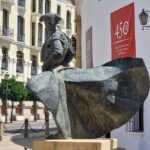
2) Gustavo Adolfo Bécquer Monument (about 15 minutes)
Early on, you get a photo stop and a guided visit around the Gustavo Adolfo Bécquer Monument. This is a smart opener because it places you in Seville’s cultural rhythm before the route turns fully into garden scenes.
If you like connecting literature and place—this is your kind of moment. Even the short guided stop helps you understand why monuments here aren’t just decoration.

3) Monumento a la Infanta Maria Luisa (about 10 minutes)
Next comes the Infanta Maria Luisa monument. This matters because it anchors the park’s origin story: the private gardens become city property in 1914. When you see her acknowledged here, it’s easier to remember that Maria Luisa Park isn’t old for old’s sake. It has a specific transfer of power—private to public.
4) Estanque de los Lotos (about 5 minutes)
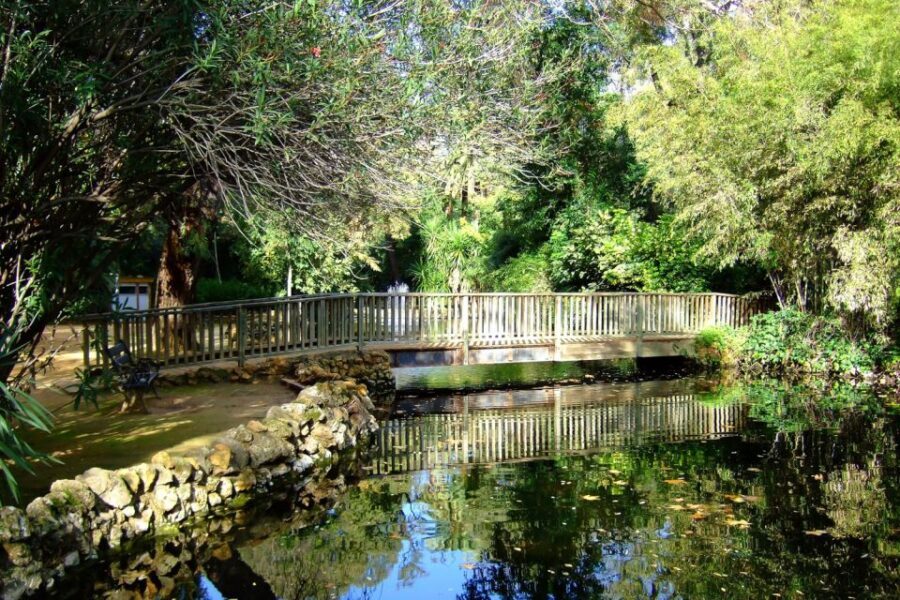
Then the route briefly dips into water at Estanque de los Lotos. Short stop, big payoff. Water features in these grounds can be easy to skim past, but the guide’s focus on fountains and small hidden features is a theme you’ll hear repeatedly—people love when the explanation makes the details click.
5) Glorieta de Juanita Reina (about 5 minutes)
A quick stop at Glorieta de Juanita Reina gives you another cultural bookmark. It keeps the park from feeling like a theme park of landscapes only. Names along the route help you feel the city’s personality layered onto the garden design.
6) Monte Gurugú (about 10 minutes)
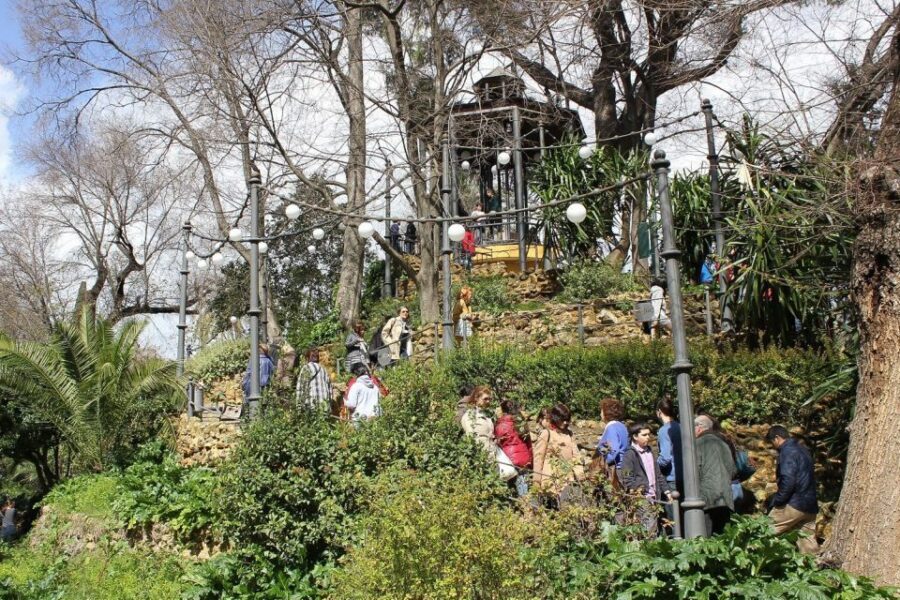
Next is Monte Gurugú. This part can be a turning point in how you experience the park, because it adds a sense of elevation and drama. In many parks, you only notice the flat beauty; here you also notice the designed rhythm of viewpoints.
7) Plaza de América (about 20 minutes)
Now you settle into a longer stop at Plaza de América. This is one of the best times to slow down mentally. You’ll get time for photos and a guided tour that helps connect the plaza to the broader event context.
If you’ve ever looked at a major world-exhibition site and thought it was all architectural bravado, this stop gives you the “why.” The guide’s job is to explain natural and architectural meaning, and that’s especially helpful at a place like this where symmetry and layout do a lot of the storytelling.
8) Glorietas for the Machado brothers and the Álvarez Quintero brothers (10 minutes each)
You’ll then stop at:
- Glorieta de los Hermanos Machado (about 10 minutes)
- Glorieta de los Hermanos Álvarez Quintero (about 10 minutes)
These are quick, but meaningful. They keep the walk human. The route isn’t only about design elements; it’s also about the 20th-century life of well-known Sevillians that shaped how the city remembered itself.
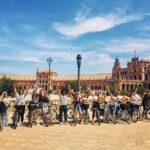
9) Plaza de España (about 25 minutes)
The grand finale is Plaza de España, with about 25 minutes scheduled for photo stop, visit, and guided explanation.
This is where you should decide what matters most to you:
- If you love the architecture and symbolism, lean into the guide and listen closely.
- If you’re chasing lingering views and photos without interruption, give yourself mental permission for a tighter pace.
One common concern from a past experience was that Plaza de España felt too fast for the sheer spectacle, with some groups seeing it in about 5 minutes for the plaza highlight. Your best strategy is to treat this stop as a guided reading. If you want extra time after the tour, you can always return on your own.
What the guides do (and why their personality shows up fast)
The quality of this experience often comes down to the guide. The tour is led by an official guide, and multiple guides have been praised for being friendly and for bringing the park’s details into focus.
I love that the tour isn’t just facts dumped at you. The guide explains:
- how water features fit the park’s design,
- what different spaces are doing architecturally,
- and what you can miss when you only walk quickly from one obvious landmark to another.
In past runs, Julián was noted for warmth and for sharing lots of details and secrets about fountains. MariPaz also got strong praise for being lively and making the tour enjoyable from start to finish. And Grecia was called out for friendliness, with an overall pleasant experience.
Even if the guide isn’t the one you hope for, the format stays consistent: guided stops, photo breaks, and explanations tied to the park’s layout and to the 1929 exposition story.
Price and time: is $14 per person good value?
For about $14 per person and roughly 2 hours, you’re paying for something simple but valuable: an official guide who can connect design, history, and symbolism into a route you can follow without getting lost in the details.
What makes it good value here is that you’re not just going to one sight. You’re covering an entire mini-world of Seville:
- Maria Luisa Park as a living green space,
- Plaza de América as a related exhibition-era scene,
- and Plaza de España as the big architectural centerpiece.
Also, the tour includes taxes and the guide. Food and drinks aren’t included, which is normal for a tour like this—so you’re basically buying time and interpretation, not a meal.
If you’re the type who likes to understand what you’re seeing instead of just taking pictures, this is the kind of deal that feels fair.
Who this tour is for (and who should consider something else)
You’ll probably enjoy this tour if you:
- want a structured walk through Seville’s top park and plazas without planning every turn,
- like design and symbolism more than random trivia,
- and prefer “short guided stops” over a long lecture.
It may feel less ideal if you’re hoping for long free time at Plaza de España. This tour includes a meaningful guided visit, but the pacing can be tight at the end for some people. If that’s your priority, you might plan a separate self-guided return after the tour.
This also suits you if you want a gentle day: the route is in a beautiful park, and you’re outside more than inside. Just keep the sun in mind.
Practical tips so you enjoy every stop
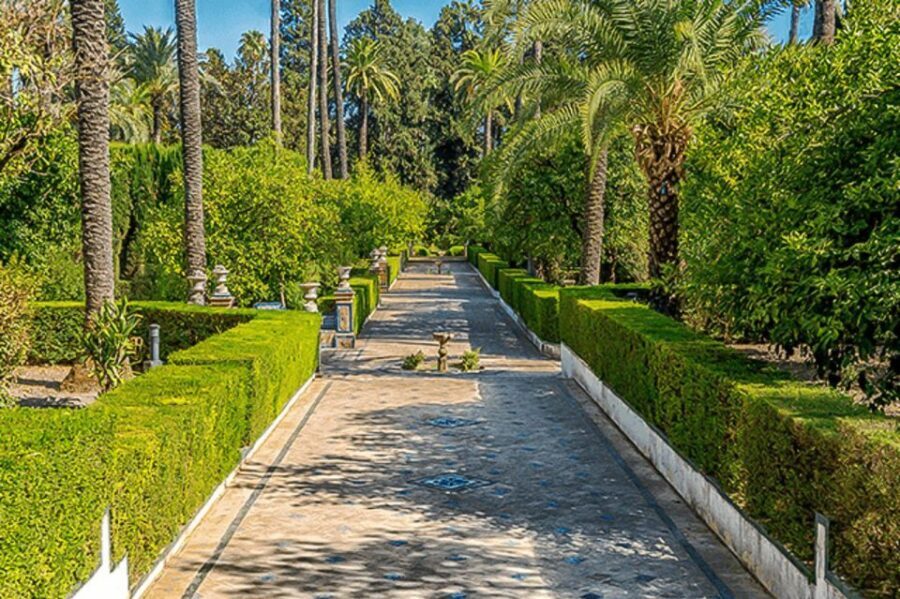
This walk happens in open park spaces, and the weather can change fast. The basics help a lot:
- Comfortable shoes (seriously)
- Sunglasses, sun hat, and sunscreen
- Comfortable clothes
- Bring water if you know you get thirsty (it’s not listed as included)
If the sun is strong, use the short guide explanations as your rest intervals. The quiet parks beats the sidewalk heat. You’ll also want to pace your photo-taking. If you shoot first and listen later, you can miss the exact point the guide is making.
Should you book Secrets of Maria Luisa Park and Plaza de España?
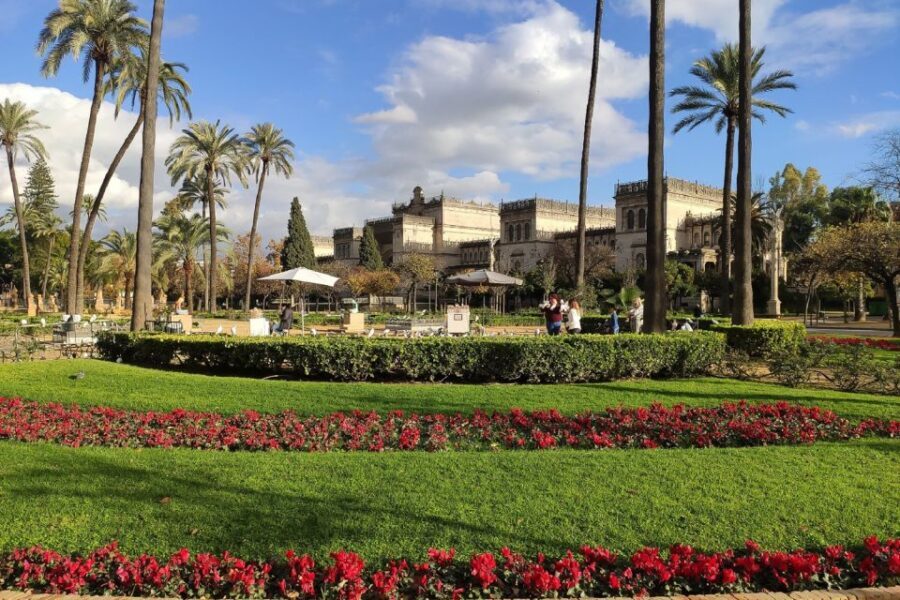
I’d book it if you want a guided, efficient way to understand Maria Luisa Park, connect Plaza de América and Plaza de España to the 1929 Ibero-American Exposition, and learn what you’d otherwise overlook while wandering.
I’d think twice if you’re the kind of person who needs long, uninterrupted time inside the most famous plaza. In that case, either pair the tour with extra self-time afterward or look for an option that offers more open viewing at Plaza de España.
Overall, this is strong value for a short walk with an official guide—and the best part is how quickly you start seeing the park as a designed story, not just pretty scenery.
FAQ
How long is the tour?
The duration is about 2 hours.
How much does it cost?
It’s priced at $14 per person.
Where does the tour start?
You can choose between meeting at Avenida María Luisa (La Raza) or Fuente de la Glorieta de San Diego.
What language is the guide?
The tour includes a live Spanish guide.
Is the tour wheelchair accessible, and is there a private option?
Yes, it is wheelchair accessible, and private group options are available.
What should I bring for a comfortable walking tour?
Bring comfortable shoes, sunglasses, a sun hat, sunscreen, and comfortable clothes.