REVIEW · SEVILLE
Guided Electric Bike Tour in Seville
Book on Viator →Operated by ATD Bike Holiday S.L. · Bookable on Viator
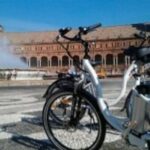
Seville unfolds fastest on an electric bike. This 3-hour guided loop lets you see the big sights without spending the whole day on foot or fighting your way around new streets. With a guide steering you past major landmarks, you also get access to spots that aren’t easy to reach by car or public transport.
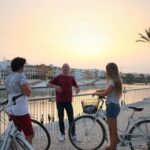
I love how the ride stays beginner-friendly in a city that’s famously flat, and the e-bike does most of the work. I also like the human touch from guides like Malik and Silvio, who keep the group together and explain what you’re looking at in a clear, step-by-step way.
One consideration: you still need basic bicycle skills and a mild fitness level, since the route is described as longer but manageable and you’ll be in the saddle for a good chunk of time.
In This Review
- Key highlights you’ll feel right away
- Why an electric bike makes sense in Seville
- Start here: C/ Alcalde Isacio Contreras 1B (and what to expect)
- Cathedral of Seville and the Moorish Palace: big-city context on wheels
- Parque de María Luisa: a garden pause that sets the pace
- Plaza de España (Exposition of 29): Seville’s photo-friendly showpiece
- Palacio de San Telmo and Real Fábrica de Tabacos: short stops, strong signals
- Puente de Isabel II (Puente de Triana) and Triana: the city shifts gears
- Monasterio de la Cartuja: ending with calm architecture
- Price and value: is $51.06 a fair deal?
- Group size, ride comfort, and the guide factor
- Who should book this e-bike tour (and who might want a different option)
- Booking advice: when to schedule it for best results
- Should you book this guided electric bike tour in Seville?
- FAQ
- How long is the guided electric bike tour in Seville?
- Where does the tour start?
- How much does the tour cost?
- Is the tour offered in English?
- Are helmets included?
- What’s included in the tour price?
- Is food or drinks included?
- What stops will we make during the ride?
- How large is the group?
- Can children join?
- What if the weather is bad?
Key highlights you’ll feel right away
- Electric assist makes the route easy to enjoy even if you’re not a cyclist
- Small group size (max 15) helps the guide keep track of everyone
- Stops built around Seville’s top landmarks, from the Cathedral area to Triana and Cartuja
- Quick, focused time at each site keeps the tour moving without feeling rushed
- Professional guide narration turns short pauses into real context
- Helmets provided so you start prepared
Why an electric bike makes sense in Seville
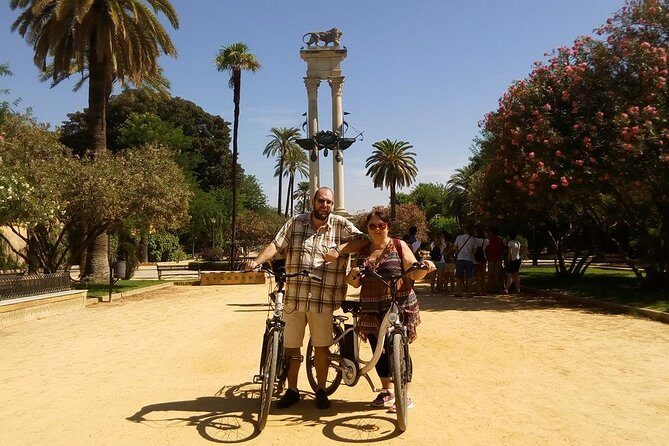
Seville is a great walking city, but it can also be a heat-and-hills trap if you’re trying to see everything in one trip. An electric bike is a smart middle ground: you get that outdoor feel, but you don’t burn your legs before you even reach the Cathedral area.
The “guided” part matters here. Without help, you can end up doing a lot of backtracking, missing turns, or just getting stuck figuring out where the best viewpoints are. With a guide leading you, you get a plan, and you spend your energy on seeing, not navigating.
And Seville is ideal for this style of touring. More than one guide-led group experience points out that the riding is mostly flat and easy to control, which makes the electric assist feel like a comfort, not a gimmick.
You can also read our reviews of more cycling tours in Seville
Start here: C/ Alcalde Isacio Contreras 1B (and what to expect)
Your tour meets at C/ Alcalde Isacio Contreras, 1B, 41003 Sevilla and ends back at the same spot. You’ll ride with a professional guide, get an electric bicycle, and you’ll be provided a helmet, which is the kind of practical detail that makes check-in feel smooth.
The tour runs about 3 hours, so it’s long enough to get a real sweep of the city, but short enough that it doesn’t crowd your whole day. It also caps at 15 travelers, which is a big deal for a bike tour. Smaller groups are easier to manage, and they usually mean more attention if someone needs a hand.
You’ll also have flexibility in how you plan around it. The tour is offered in English, and in some cases it may run with a multi-lingual guide, depending on the group.
Cathedral of Seville and the Moorish Palace: big-city context on wheels
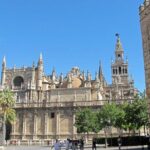
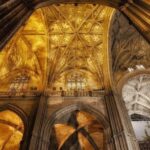
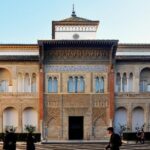
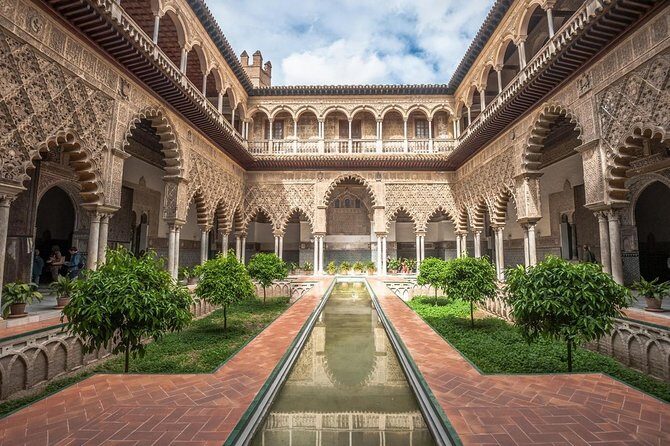
The tour begins with two of Seville’s heavyweight sights: the Cathedral of Seville and the Moorish Palace area of the city. Even if your time at each stop is short, seeing these landmarks in the first phase of the ride helps you “lock in” the city’s layout fast.
The Cathedral is the kind of place where first impressions are everything. From the bike route, you get that immediate sense of scale without needing to commit a full day on your first outing. The guide’s job here is to point out what matters so you know what to look for when you revisit later.
The Moorish Palace stop adds another layer: you’re not just looking at architecture, you’re learning how Seville’s history shows up in street-level details. This is where the guide storytelling can really pay off, especially if you like your sightseeing with clear talking points and not just random facts.
Practical thought: early tour stops tend to be where you’ll feel the most “fresh.” If you’re trying to decide between this tour and a later one, doing it earlier can help you understand what you’ll want to explore again.
Parque de María Luisa: a garden pause that sets the pace
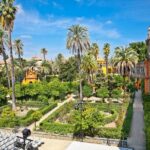
Next up is Parque de María Luisa and the Botanical garden of Seville. This is listed as about 10 minutes, with the note that admission is free for this stop.
This part of the route is useful because it balances the heavier monuments with open air and greenery. On a bike tour, you don’t always get true “rest time,” so a park segment gives you a breathing moment and a visual reset before the next big square.
The time window is short, so don’t expect a slow stroll that turns into a long day. Instead, think of it as orientation-by-feelings: you’ll see the vibe of the area and get your bearings for future walks.
If you’re touring with kids, a park stop is also a natural win. The change of scenery helps keep attention up, and it’s easier for everyone to take in without long museum-style time.
Plaza de España (Exposition of 29): Seville’s photo-friendly showpiece
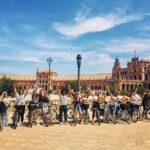
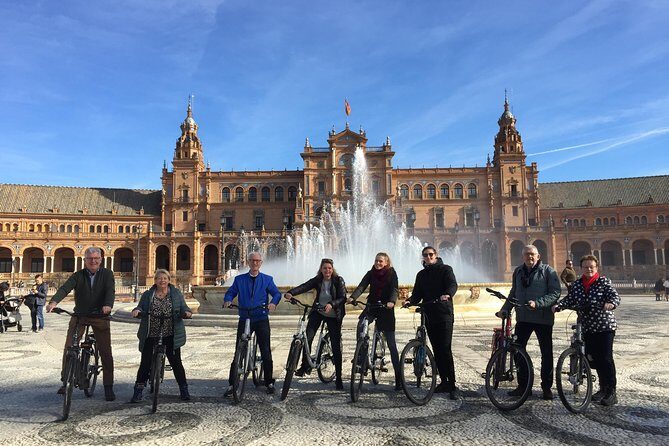
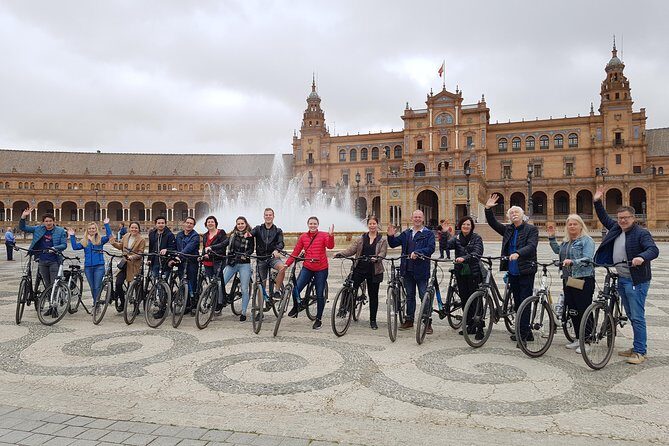
Then you’ll hit Plaza de España, built for the exposition of 1929. You get about 10 minutes, and it’s listed as free-entry for the stop.
Plaza de España is one of those places that looks good from every angle. From a bike tour you’ll get fast context: you’ll understand how the plaza opens up, where the sightlines run, and why people keep coming back for photos.
Because the guide controls the pace, you’re less likely to get stuck at one corner and miss the bigger composition. The short stop format works here, since the plaza is visual and you can absorb a lot in a few minutes.
One minor consideration: the plaza is a popular spot, so a crowd can affect how much you’re able to walk around. If you want more time inside the plaza area, plan to return later when you’re not on a schedule.
You can also read our reviews of more guided tours in Seville
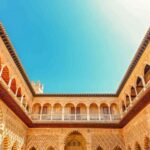
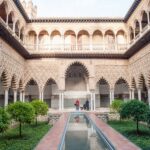
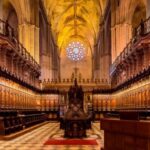
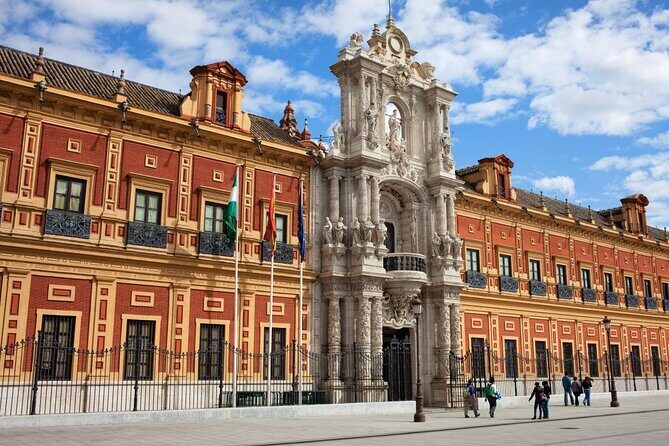
Palacio de San Telmo and Real Fábrica de Tabacos: short stops, strong signals
Two quick cultural stops follow: Palacio de San Telmo (listed as about 5 minutes) and Real Fábrica de Tabacos (also about 5 minutes). Both are marked as free entry for the stop, based on the tour schedule.
These segments are easy to skip over on your own because they can be seen as “just buildings.” With a guide, the stops become short signals. You learn what to notice on the facade, how the area connects to the city’s economic and political story, and how Seville’s power shows up in architecture.
This is also a good time to check your own comfort level on the bike. Since these are shorter pauses, the ride-and-stop rhythm stays smooth, which matters on a 3-hour route.
If you prefer tours that explain why a place matters, these micro-stops are a good match. If you want long time inside buildings, you might find these too brief and should plan follow-up visits.
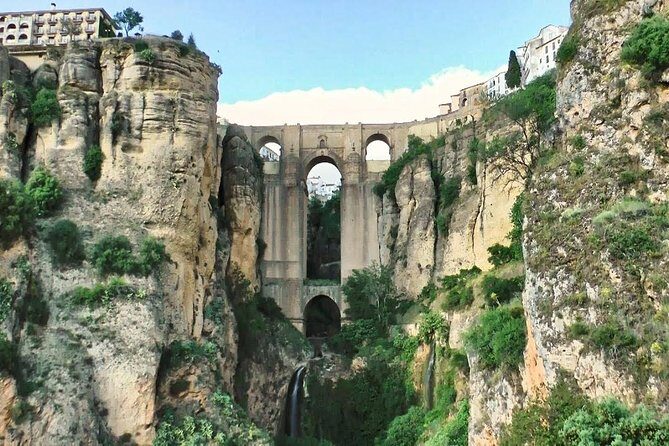
Puente de Isabel II (Puente de Triana) and Triana: the city shifts gears
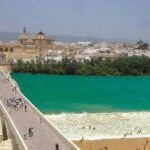
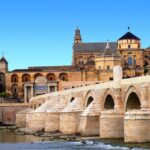
Crossing via Puente de Isabel II (Puente de Triana) brings you into the Triana neighborhood. The schedule lists this as about 5 minutes, with another quick stop.
Triana is where Seville’s energy starts to feel different from the grand monuments. Even a short stop can give you that sense of change—more everyday streets, more local character, and a feel for the city’s “other side.”
The value of this stop on an electric bike tour is simple: you don’t have to plan the crossing yourself. You get the transition as part of the route, which makes the day feel coordinated rather than fragmented.
Also, bridge stops are a great time to look back. A guide often points out sightlines you’d miss while rolling forward, and that helps you remember what you just saw.
Monasterio de la Cartuja: ending with calm architecture
The last named major stop is Monasterio de la Cartuja, listed as about 10 minutes and free entry on the schedule. This closing phase gives you a quieter final impression compared with the big open squares.
A monastery stop works well at the end because it’s a different kind of visual experience. Less “stage set,” more reflective space. Even if you’re not going inside for a long visit, you’ll get the architecture and atmosphere that make Cartuja memorable.
Finishing back at the meeting point is also helpful. It means you can plan the rest of your evening without needing transport just to get back to where you started.
Price and value: is $51.06 a fair deal?
At $51.06 per person, this tour isn’t a bargain tour, but it also isn’t priced like a luxury private experience. For the money, you get a real combination: a professional guide, use of an electric bicycle, and a helmet, all bundled into a 3-hour format.
The best value angle is that you’re not just “riding.” You’re getting guided stops at major landmarks that are part of Seville’s core story: Cathedral area, Moorish Palace, Parque de María Luisa, Plaza de España, San Telmo, Real Fábrica de Tabacos, Triana via Puente de Isabel II, and Cartuja.
Also, the overview emphasizes access to areas that can be hard to reach by car or public transport. That’s the kind of practical benefit that justifies a guided bike format more than a normal walking tour, especially if you want efficiency without losing the outdoor feel.
If you don’t need food and drinks provided (this tour does not include them), the price can feel even more reasonable. You can keep your lunch plan flexible instead of paying for a package you might not use.
Group size, ride comfort, and the guide factor
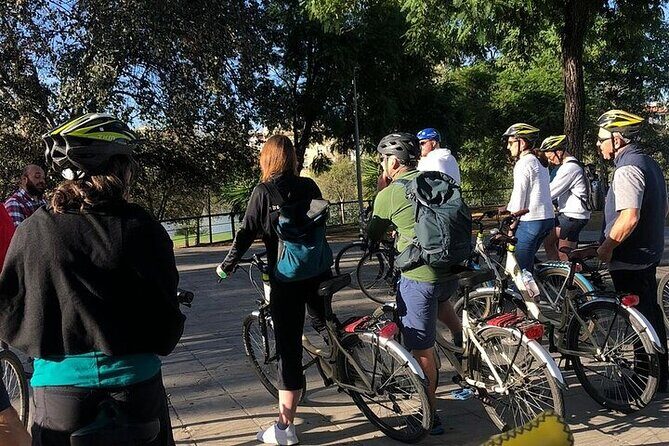
With a max group size of 15, the ride tends to feel controlled. This matters because bike tours have one job above all else: keep everyone safe and moving at a pace that doesn’t splinter the group.
The ride is described as longer but easy, with flat conditions often mentioned. That’s consistent with what you’d want from an electric bike tour: the assist should reduce stress, and the schedule should avoid constant steep climbs that turn a “quick highlight tour” into a workout.
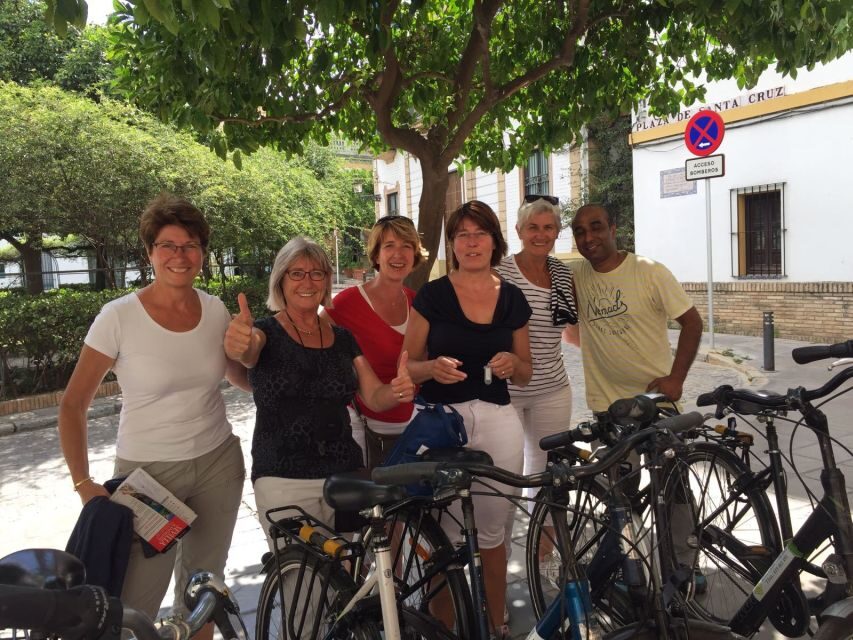
The guide quality seems to be a core reason people rate this so highly. Names like Malik and Silvio come up for being clear, friendly, and good at keeping the group aligned. People also note that guides check if riders are following along, which is a detail that turns a chaotic ride into a confident one.
One practical takeaway: if you show up ready to ride and you can handle basic bike control, you’ll get more out of the explanations at stops because you won’t be worrying about balance.
Who should book this e-bike tour (and who might want a different option)
This tour is a strong fit if you want a fast introduction to Seville’s top sights with minimal navigation effort. It’s also a good match for families, since children must be accompanied by an adult and the pacing is built around short, manageable stops.
It also works for many visitors because the tour states that most travelers can participate. You’ll want to be comfortable with a mild fitness level and basic bicycle skills, though. Think of it as “easy cycling with stops,” not “sit on a scooter and coast the entire time.”
If you’re traveling with someone who hates bikes or can’t handle time in the saddle, this may not be the best choice. Likewise, if you’re hoping for long interior visits at each stop, the short stop durations may feel limiting.
One more reality check: the experience requires good weather. If rain or strong wind shows up, you may need to adjust plans. In Seville, weather shifts can happen, so having a flexible day nearby helps.
Booking advice: when to schedule it for best results
Because the average booking is about 25 days in advance, this is the kind of tour that sells out in popular periods. If your dates are set, it’s worth locking it in early so you can pick a time that matches your energy level and sun exposure.
If you want the tour to act like a “first day orientation,” try scheduling it earlier rather than later. Seeing the main landmarks early makes it easier to decide what you’ll spend more time on afterward, especially if you like returning to places you already understand.
Also, since the tour does not include food or drinks, plan to handle snacks and hydration outside the tour window. That simple prep can make the 3 hours feel smooth rather than rushed.
Should you book this guided electric bike tour in Seville?
I’d book it if your goal is a guided highlights sweep that’s active but not punishing. It gives you major Seville landmarks, a guide to explain what you’re seeing, and electric bikes to keep the experience enjoyable.
I’d think twice if you’re not confident on a bike or if you need long museum-style time at each location. In that case, you might get more value from a walking tour with extended stop times—or plan separate days for inside-the-site visits.
If your schedule allows, this is one of the best ways to get your bearings fast and see the city’s range—from grand monuments to Triana and Cartuja—without spending the entire day on foot.
FAQ
How long is the guided electric bike tour in Seville?
It’s about 3 hours long.
Where does the tour start?
The meeting point is C/ Alcalde Isacio Contreras, 1B, 41003 Sevilla, Spain.
How much does the tour cost?
The price is $51.06 per person.
Is the tour offered in English?
Yes, it’s offered in English.
Are helmets included?
Yes, helmet use is included.
What’s included in the tour price?
Included are a professional guide, use of an electric bicycle, and use of a helmet.
Is food or drinks included?
No. Food and drinks are not included.
What stops will we make during the ride?
The route includes stops such as the Cathedral of Seville, the Moorish Palace of the city, Parque de María Luisa (Botanical garden), General Archive of the Indies, Plaza de España, Palacio de San Telmo, Real Fábrica de Tabacos, Puente de Isabel II (Puente de Triana), and Monasterio de la Cartuja.
How large is the group?
The tour has a maximum of 15 travelers.
Can children join?
Children must be accompanied by an adult.
What if the weather is bad?
The experience requires good weather, and if it’s canceled due to poor weather, you’ll be offered a different date or a full refund.