REVIEW · SEVILLE
From Seville: Tangier Day Trip with Local Guide and Lunch
Book on GetYourGuide →Operated by Naturanda Turismo Ambiental · Bookable on GetYourGuide
A ferry ride turns a day into another world. This Tangier trip from Seville is built around an express crossing from Tarifa, so you spend your time in Tangier instead of stuck on border logistics, and you get real Strait of Gibraltar sea views along the way.
What I like most is the smooth, human side of it: a top local guide in Tangier (often Rashid) who can keep the group together in the Medina, plus lunch in a traditional restaurant with Moroccan music. The one drawback to plan for is the day is long and there’s plenty of walking and waiting, especially around ferry passport checks.
In This Review
- Key Things That Make This Day Trip Worth Your Time
- Seville to Tarifa: Starting Easy, Then Committing to a Long Day
- Ferry to Tangier: Gibraltar Views and Passport-Stamp Lines
- Cap Spartel: The Sea View Stop That Frames Tangier Well
- Hercules Caves: A Myth Stop That’s Fast but Memorable
- Tangier’s Ancient Medina: Where the Magic Comes With Stairs and Sales
- Lunch in a Traditional Restaurant: Good Food, Music, and a Pace Reset
- Shopping, Camel Rides, and Optional Extras: Fun, but Time Is Tight
- Back to Seville: Late-Night Timing and How to Stay Comfortable
- Price and Value at $258: What You’re Paying For
- Should You Book This Tangier Day Trip From Seville?
- FAQ
- What’s the total duration of the trip?
- How do I get to Tangier from Seville?
- How long is the ferry crossing?
- What’s included in the price?
- What’s not included?
- Do I need a passport?
- Are ferry tickets tied to my details?
- What language is the live guide in?
Key Things That Make This Day Trip Worth Your Time
- Fast ferry routing via Tarifa saves hours compared with slower options
- Cap Spartel + Hercules Caves pack myth and ocean views into short, efficient stops
- Medina walking with a local guide helps you navigate tight lanes and handle the pace
- Traditional lunch with music feels like a real slice of Tangier, not a tourist meal
- High-touch guidance from guides like Rashid helps reduce stress in crowded areas
- A lot of travel in one day means you should plan comfort, shoes, and late-night timing
Seville to Tarifa: Starting Easy, Then Committing to a Long Day
Your day starts with a pickup in Seville (the exact stop depends on what you select). From there, you ride a climate-controlled vehicle toward Tarifa. Expect about 2.5 hours of coach time. This first stretch matters because it sets the rhythm: you’ll be crossing borders later, so it’s smart to use the morning to get settled, hydrate, and take a restroom break when the opportunity shows up.
Once you reach Tarifa, you get a one-hour hop-on hop-off stop. Use it well. I treat this as your “reset button”: grab water, pick up small-denomination euros if you still need cash, and check that your phone has enough battery for ferry and photo moments. A few people find that Tangier is cash-handy in ways you don’t expect, so doing that early helps.
Practical note: the trip is built around an express ferry plan. If you’re sensitive to delays, this is the part you can’t fully control, but a good start in the morning makes everything afterward feel more manageable.
You can also read our reviews of more guided tours in Seville

Ferry to Tangier: Gibraltar Views and Passport-Stamp Lines
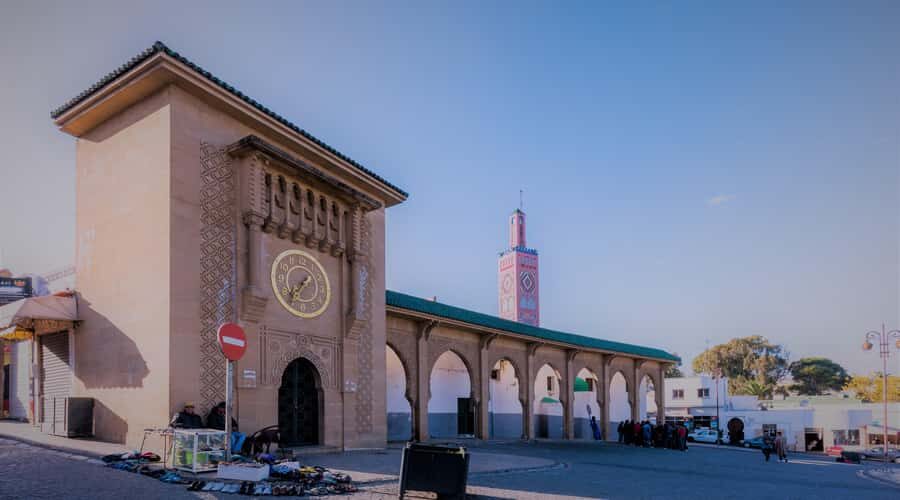
The heart of the experience is the ferry crossing. The route goes from Tarifa to Tangier in about 75 minutes, with panoramic views across the Strait of Gibraltar. On clear days, you get standout ocean scenery, and the ferry route is timed so you pass by Gibraltar’s famous area.
Here’s the reality check: ferry crossings involve passport stamping and lines. Even with an organized group, you may spend time waiting on and off the boat. One smart move is to head early toward the passport line, since you can’t rely on last-minute scramble. If you’re prone to seasickness, plan ahead. Several people recommend motion-sickness meds, and if the waters are rough, choosing a steadier spot on deck can help. I also suggest bringing a light layer, since the air on the ferry can feel cooler than you expect.
Before you go, make sure your paperwork is correct. Your booking needs the full name and passport number for each traveler because ferry tickets depend on it. That means double-checking spellings and digits. Getting that wrong can turn a simple crossing into a headache you don’t need.
Cap Spartel: The Sea View Stop That Frames Tangier Well
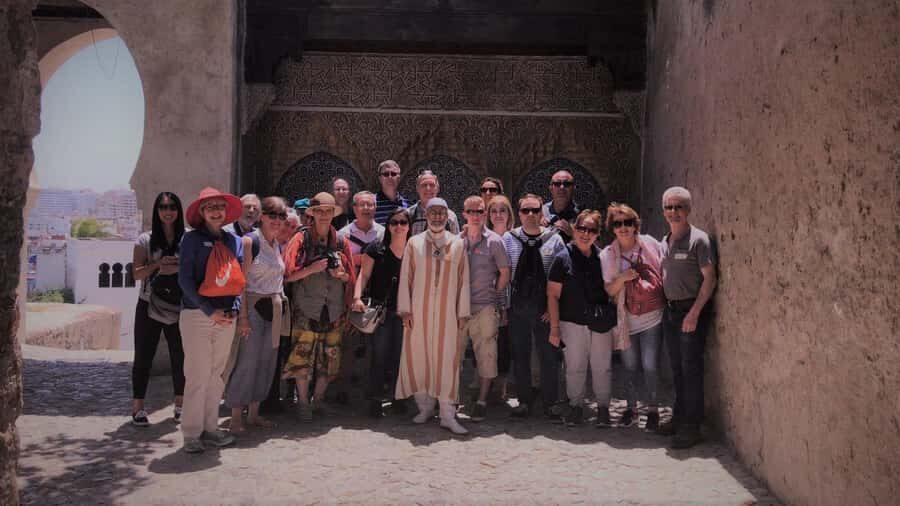
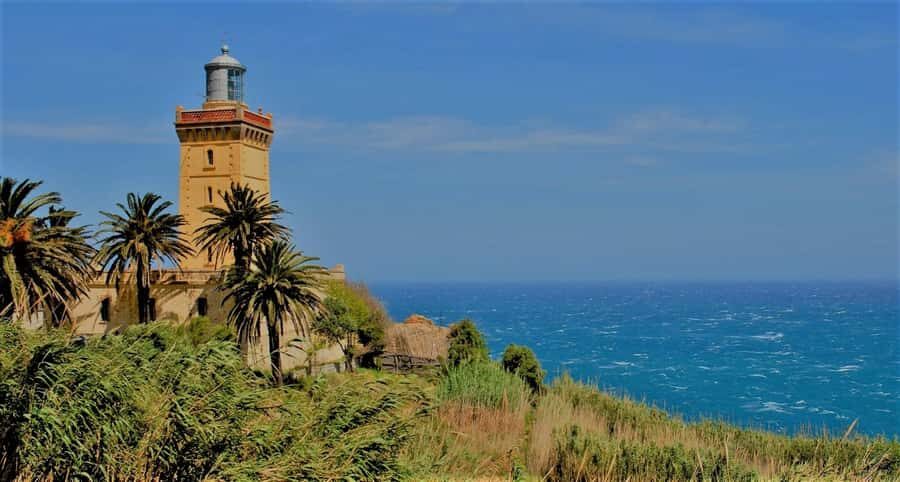
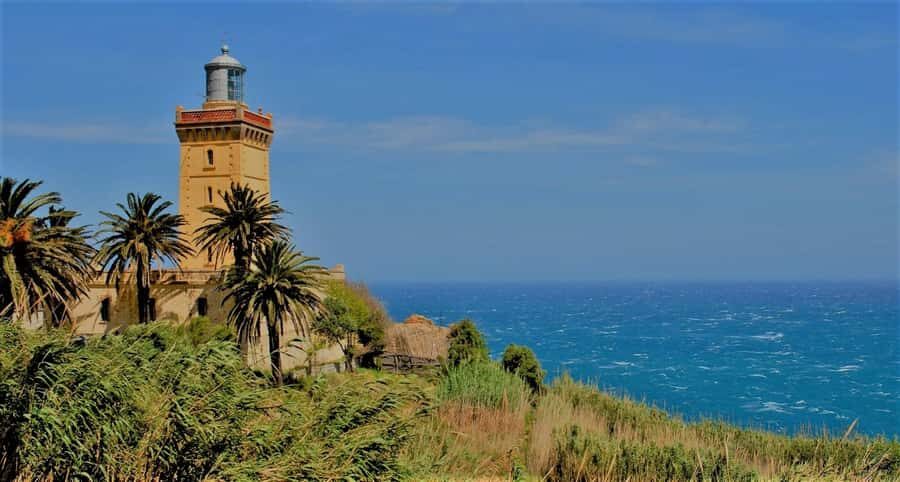
After you land in Tangier, you’ll do a short bus portion (about 30 minutes) to orient the group. Then you hit Cap Spartel for a quick photo stop and guided visit of about 10 minutes. This stop is short on purpose. It gives you a wide-angle moment: the coastline, the ocean open space, and the feeling of standing at the edge of two worlds.
What makes Cap Spartel useful is that it gives context before the walking starts. You see the geography first, then you go into the Medina and it all makes more sense. If you’re the type who likes to understand where you are, this brief break is worth your attention. Wear sunglasses if it’s bright, and take a few minutes to look before you start snapping photos. The views are the payoff.
Hercules Caves: A Myth Stop That’s Fast but Memorable
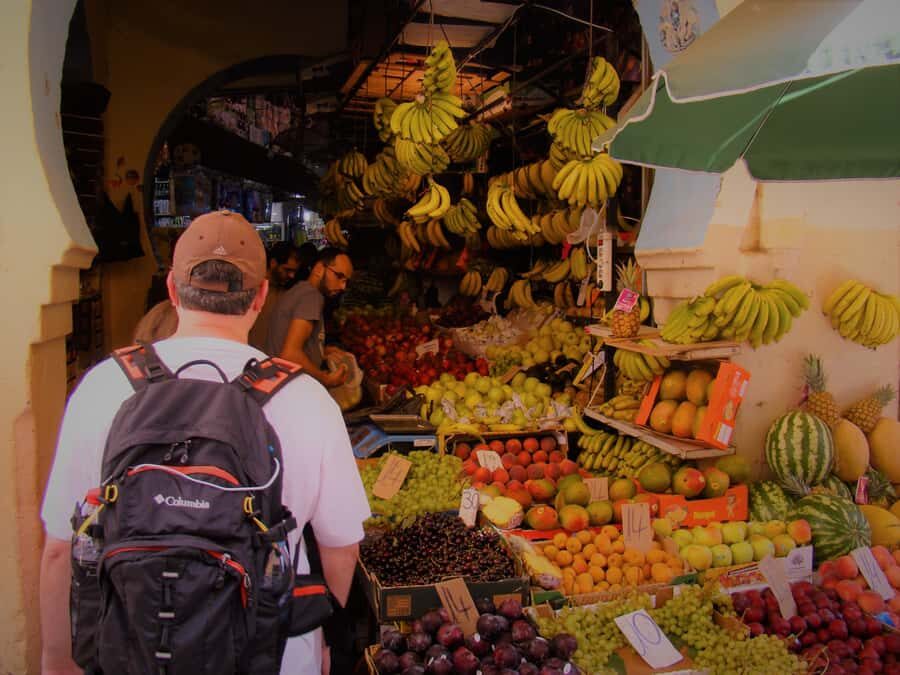
Next comes the Caves of Hercules, with a photo stop and guided time of about 20 minutes. The story you’ll hear is classic Mediterranean mythology: Greek and later Roman versions tied the place to legends of a demi-god resting before one of his labors.
This stop is not a long, slow museum experience. It’s a guided visit with a fixed time box. That’s good for a day trip, because it keeps momentum. But it also means you’ll want to pay attention during the guided portion, since you won’t have hours to explore on your own.
I treat it like this: if you enjoy myth, symbolism, and quick scene-setting, it lands well. If you prefer only in-depth sites, you may feel it’s over quickly. Still, paired with the ocean viewpoints earlier, it helps the day feel varied rather than just “walk, shop, walk.”
Tangier’s Ancient Medina: Where the Magic Comes With Stairs and Sales
This is the main event. You spend the afternoon inside Tangier’s Ancient Medina, starting with a guided walk (about 30 minutes), then more guided visiting later (about an hour). Expect narrow lanes, stairs, and a dense street layout that feels lively and a bit overwhelming if you try to do it solo.
The best part of going with a guide is staying oriented. In real-world Medina conditions, people can get pulled into shops, detoured by street traffic, or distracted by vendors. A skilled guide—often someone like Rashid in many group experiences—keeps the pace, redirects the group, and makes sure everyone returns on time.
The trade-off is that Medina means dealing with people selling things. You can experience that as part of the atmosphere, but it can also feel pushy when you’re tired. A simple strategy helps: decide ahead of time what you’ll and won’t buy, and if you’re not interested, say no clearly and then keep walking with the group. Don’t stop for long negotiations unless that’s your plan.
Shoes matter. This isn’t a stroll on flat pavement. Bring comfortable footwear with good grip and be ready for uneven steps.
One extra consideration: if you’re traveling solo, you may find it helps to stay close to your guide and group. The Medina can be friendly, but it can also be intense, especially as the afternoon wears on.
You can also read our reviews of more tours and experiences in Seville


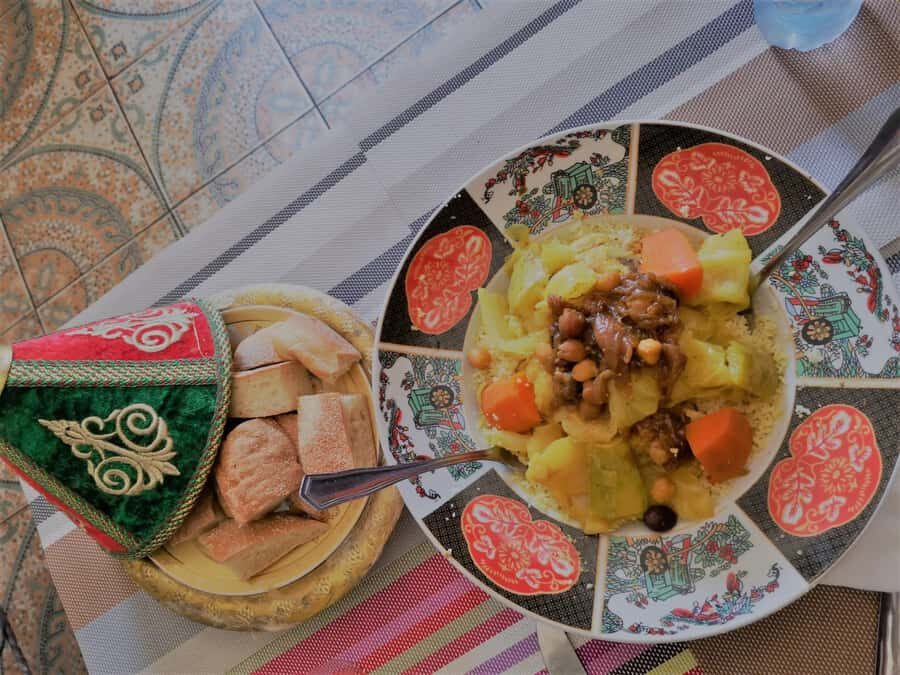
Lunch in a Traditional Restaurant: Good Food, Music, and a Pace Reset
Lunch is built into the schedule at around 75 minutes. You’ll eat in a traditional Moroccan restaurant in the old area, and the meal often comes with Moroccan music. This is one of the best moments of the trip because it interrupts the walking with a real sit-down break.
Most people come away happy with the food. The menu can vary by restaurant, but you’re getting that local-style experience rather than a generic tourist plate. Drinks typically aren’t included, so decide if you want water or something else and plan your spending.
If you have dietary needs, plan carefully. One practical tip: if you’re gluten-free, bring your own food just in case. That recommendation shows up because meal situations can be inconsistent when you’re on a tight schedule.
Also, use lunch to recharge. Step out for a breath of air when you can. Then when you head back into the Medina lanes, you’ll handle the pace with less stress.
Shopping, Camel Rides, and Optional Extras: Fun, but Time Is Tight
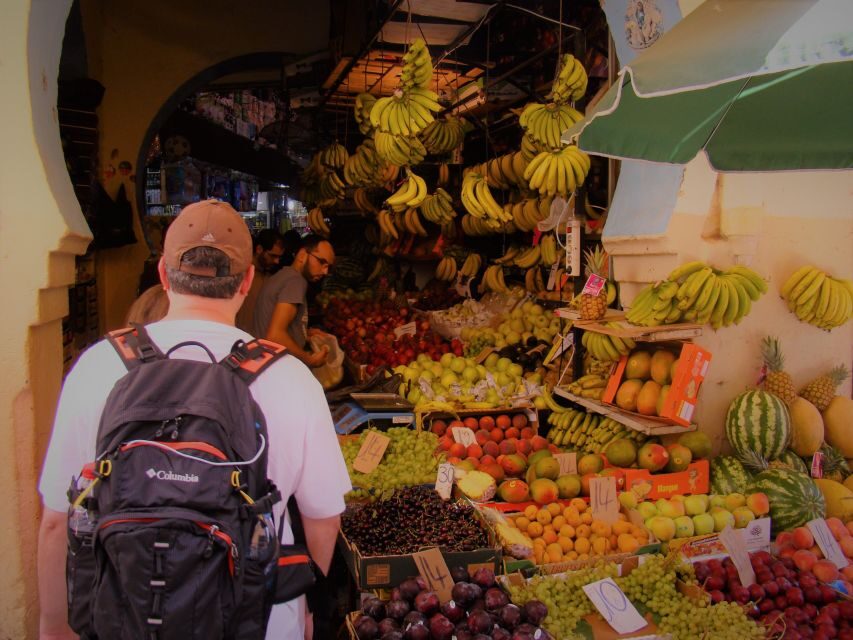
Shopping is part of the Medina experience, and you’ll likely spend time around market streets and small shops. Some people love it. Others find the sales energy can feel like it never stops. If shopping is your goal, ask your guide where to look for items you actually want and where to avoid getting spun in circles. If you’re not shopping, treat storefront stops like visual browsing only—don’t linger when the group is moving.
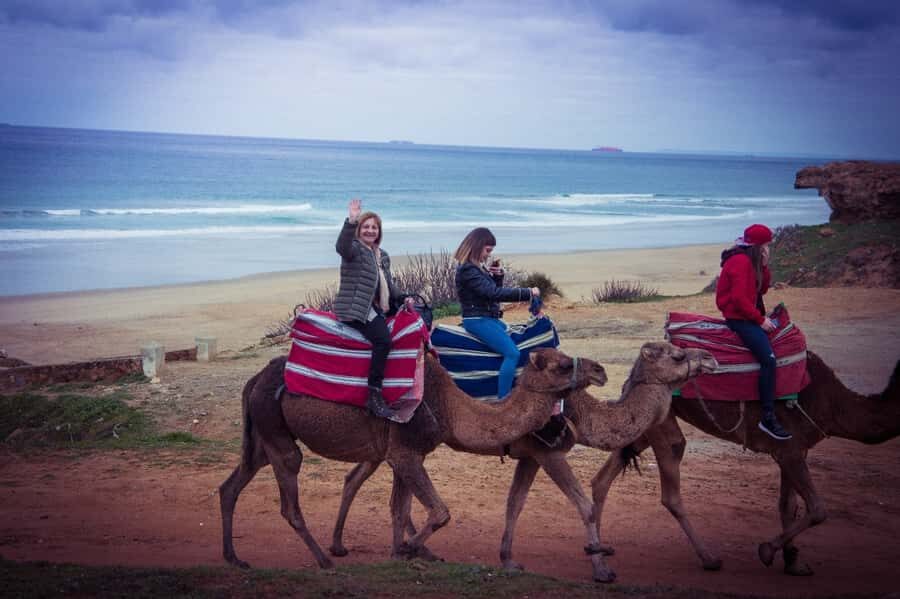
There’s also a camel ride option available for an extra fee on site. If you want it, you’ll need to decide quickly when the moment comes, since your schedule is fixed. Camel rides can be a fun add-on, but they cost time and they cost extra money. My advice: do it only if you’re physically comfortable and you’re ready to commit to that part of the day.
Overall, the day doesn’t leave endless room for unscheduled detours. That’s why the guide’s role matters so much. You’re getting help managing the priorities, not just collecting stamps in a checklist.
Back to Seville: Late-Night Timing and How to Stay Comfortable
On the return, you take the ferry back to Tarifa in about 75 minutes. Then there’s another Tarifa stop for about 30 minutes and a final coach ride of about 2.5 hours back to Seville. The length can land you very late. Some people report returning around 2 a.m., so plan your next day with recovery in mind.
This return section is where you’ll feel the “long day” the most. Bring a phone charger if you can. One of the most practical things I learned from real-day experiences is that your battery will drain faster than you think—photos, maps, and message checking add up.
If you can, pack snacks and water for the day. Drinks are not included, and gaps between food and boarding can happen. Even a small snack helps you stay patient when ferry timing or boarding lines stretch longer than planned.
Also, listen when your guide gives instructions near the port areas. Getting separated there is much more stressful than getting lost in the Medina lanes.
Price and Value at $258: What You’re Paying For
At $258 per person, this isn’t a cheap “pop across the water” outing. But you are paying for the hard parts to be managed: transportation from Seville, ferry tickets, and guided time plus a traditional lunch in Tangier.
Here’s how I judge value for a day trip like this:
- If you try to DIY it, you’d spend extra time planning and coordinating ferries, entry timing, and what to actually do once you land.
- The guides help with pacing and interpretation, especially where language and crowd flow are real challenges.
- The express routing via Tarifa is a time-saver, which is the main currency on a 15-hour trip.
What’s not included is also worth noting. Drinks are not included, and the camel ride is extra. If you’re buying souvenirs, that’s another variable. If you go in with a clear budget and use the guided time well, you’ll feel like you got a full, efficient day rather than a rush job.
This trip is best for:
- First-timers who want a strong introduction to Tangier without complex planning
- People who like guided wandering and historical story stops like Cap Spartel and Hercules Caves
- Travelers who can handle long days and still enjoy it
If you hate crowds, dislike stairs, or want slow travel with long breaks, this may feel too packed.
Should You Book This Tangier Day Trip From Seville?
I’d book it if you want a structured one-day taste of Tangier: ocean scenery, myth stops, and a guided Medina walk that would be harder to manage solo. The local guidance—often people like Rashid or other equally capable hosts depending on the group—seems to be the glue that turns a stressful city layout into a day you can actually enjoy.
I wouldn’t book it if you’re hoping for a relaxed pace or you’re very sensitive to long travel days. This trip rewards energy and patience. It’s also smart to go in with practical prep: comfortable shoes, correct passport details, and a plan for ferry lines and possible rough water.
If your priority is maximizing your one day in Morocco, this does that. If your priority is comfort and quiet, you may want a slower option instead.
FAQ
What’s the total duration of the trip?
The trip lasts about 15 hours from start to finish.
How do I get to Tangier from Seville?
You travel by coach from Seville to Tarifa, then take a fast ferry to Tangier, and use local bus transfers during the Tangier portion of the day.
How long is the ferry crossing?
The ferry ride takes about 75 minutes each way (to Tangier and back to Tarifa).
What’s included in the price?
Transportation, ferry tickets, and a meal plus guided tour time in Tangier are included.
What’s not included?
Drinks are not included, and optional activities like a camel ride cost extra if you choose to do them on site.
Do I need a passport?
Yes. You need a passport or ID card, and a visa if required. The tour provider notes visa responsibility is yours.
Are ferry tickets tied to my details?
Yes. You need to provide each traveler’s full name and passport number for the ferry ticket booking.
What language is the live guide in?
The live tour guide is available in English, French, Italian, and Spanish (depending on the booked option).