REVIEW · SEVILLE
Carmona and Necropolis Tour from Seville
Book on GetYourGuide →Operated by Naturanda Turismo Ambiental · Bookable on GetYourGuide
Stone cities have a way of talking. On the Carmona and Necropolis Tour from Seville, you’ll spend a half-day moving through Roman, medieval, and Islamic-era traces in one compact route, with a stop at the Roman Necropolis that’s over 2,000 years old. I really love how the guide turns ruins into stories, and I’m also a fan of the small-group feel that keeps questions coming (names I’ve seen praised include Iwan, Ignacio, and José Luis).
One possible catch: the time on site is short, so if you want big, showy ruins for long stretches, this may feel calmer than larger archaeological stops.
In This Review
- Key things to know before you go
- Why Carmona Works as a Half-Day Trip
- Getting There From Seville: Pickup and the 40-Minute Ride
- The Roman Necropolis: What You Actually Need to Look For
- Roman Amphitheater Photo Stop: A Quick Taste of Carmona’s Scale
- Carmona’s Historic Center: Puerta de Sevilla, San Fernando, and the Churches
- Door to Power: Gate to Cordoba and the Walk Toward King Don Pedro
- Parador de Carmona: The Pleasant Pause Between Stones
- Guide Power: Why the Human Part Makes This Tour
- Price and Value: Is $58 a Smart Use of a Half-Day?
- Who Should Book This Tour (and Who Might Skip It)
- Should You Book the Carmona and Necropolis Tour From Seville?
- FAQ
- How long is the Carmona and Necropolis tour from Seville?
- What’s included in the price?
- Is the Roman Necropolis entrance ticket included?
- Does this tour include meals or drinks?
- Are private tours available, or is it shared?
- Where can I get picked up and dropped off?
Key things to know before you go
- Roman Necropolis ticket included: you get entrance to the necropolis, plus a guided visit.
- 4 hours from Seville: transport is built in, so it’s a true half-day, not an all-day slog.
- Guided walking through Carmona’s center: you’ll see classic doors, plazas, and churches as you move around.
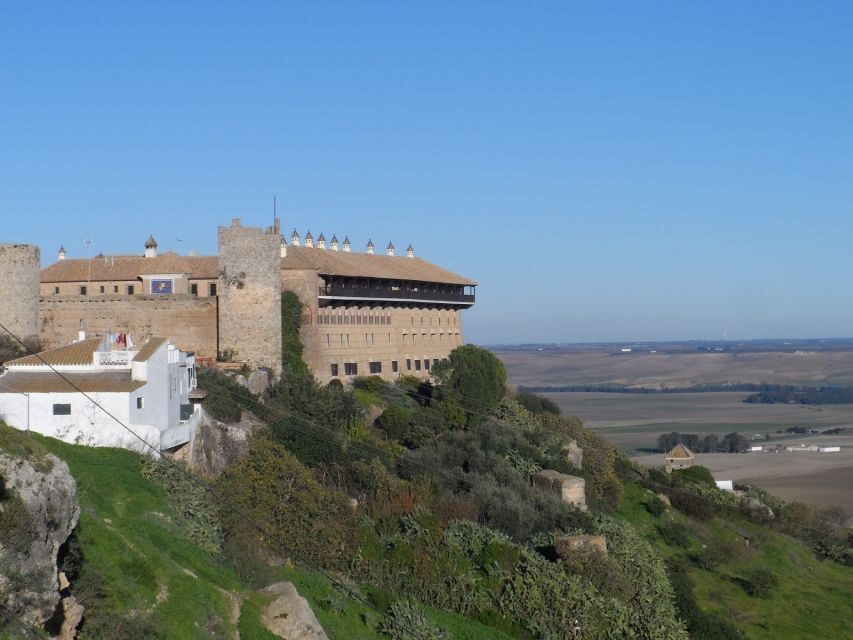
- Fortress of King Don Pedro: you’ll reach Alcázar del Rey Don Pedro as part of the route.
- Spanish, English, French, Italian: your guide matches the language you book.
- Shared or private group: you can pick the group style that fits your pace.
Why Carmona Works as a Half-Day Trip
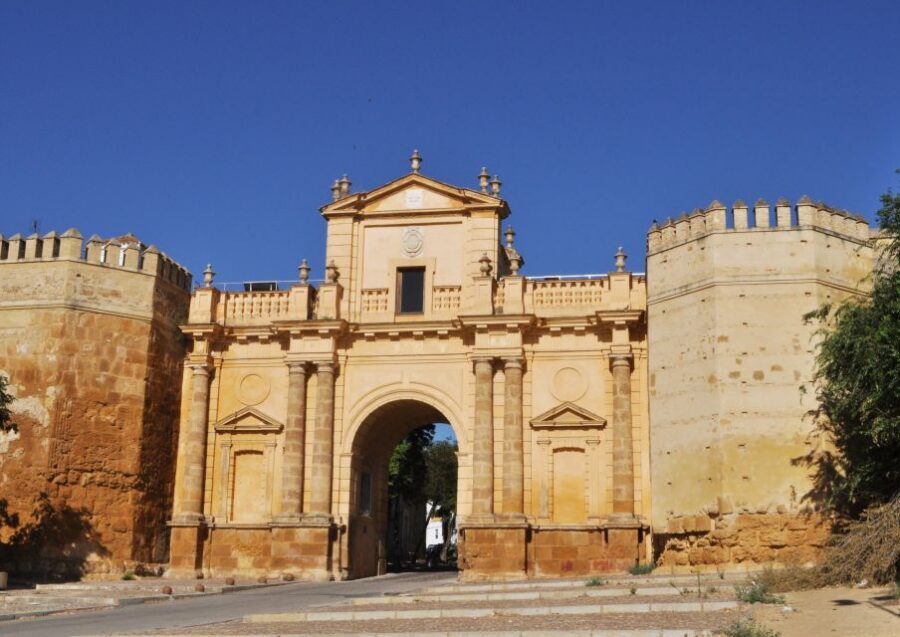
Carmona has a way of stacking eras on top of each other. You’re in Andalusia’s big-city region, yet the feel here is smaller and more walkable, with history showing up in the shape of streets and the way the town is laid out.
What I like most is the “layers” approach. You’ll hear how Carthaginians, Romans, Muslims, and Christians have each left their mark, and you’ll see Roman influence not just in monuments, but in practical things like roads and bridges. The town’s nickname, El lucero de Europa (the morning star of Europe), also hints at the local pride you’ll notice once you’re there.
For a day trip from Seville, that’s ideal. You don’t need to plan multiple stops across multiple days to get a sense of what Carmona is about.
You can also read our reviews of more tours and experiences in Seville.


Getting There From Seville: Pickup and the 40-Minute Ride
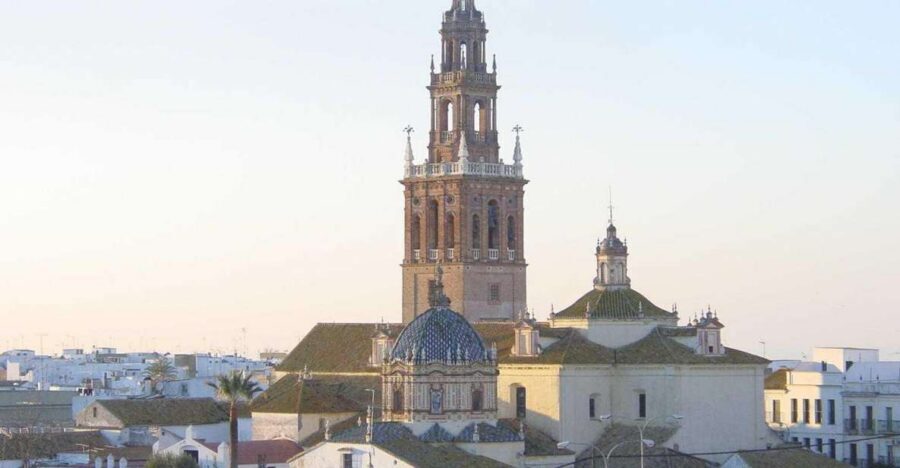
The trip is designed around a bus ride of about 40 minutes to Carmona. If you choose optional pickup, you’re given several pickup-point options around the Seville area, and you’re expected to wait in the hotel lobby about 10 minutes before your scheduled pickup.
One timing detail to keep in your brain: drivers wait no longer than 5 minutes after the scheduled pickup time. So if you’re stepping out of breakfast mode, don’t drift. Be there early, and you’ll avoid the scramble that ruins the start of a tour.
When you return, you’ll have another short transfer (also about 40 minutes), which is why the whole experience stays around 4 hours.
The Roman Necropolis: What You Actually Need to Look For
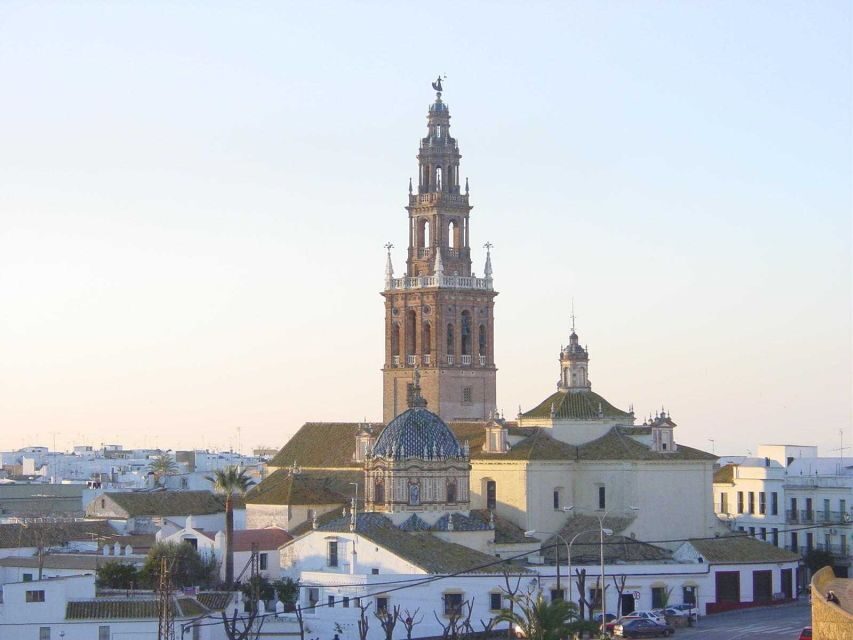
The heart of this tour is the Roman Necropolis of Carmona—the part that makes the day trip worth it even if you’ve seen other Andalusian towns.
You start with a photo stop, then a guided visit (about 30 minutes). That mix matters. The guided portion helps you understand what you’re seeing, and the photo break gives you time to step back and frame the setting without rushing.
Here’s how to get the most value from that 30-minute guide window:
- Pay attention to the layout and placement, not just individual features.
- Listen for explanations of how a necropolis was used and what it tells you about Roman life and beliefs.
- Take a quick mental inventory before you start clicking photos, so you’re capturing meaning, not just scenery.
Because the focus is on an “alternative necropolis” with roots more than 2,000 years old, you’re not touring something brand-new or polished for selfies. You’re visiting a site where the history is the main character.
A fair consideration: one person pointed out that this necropolis may feel less intense than a larger, better-known archaeological site like Italica. If you’re the type who expects big-scale ruins for maximum wow-per-minute, go in with realistic expectations. It’s meaningful, but it’s not trying to be the biggest stage.
Roman Amphitheater Photo Stop: A Quick Taste of Carmona’s Scale
After the necropolis, the route includes a short photo stop and a pass-by moment for the Roman Amphitheater of Carmona.
This isn’t long enough to turn into a full amphitheater tour, so treat it like a “visual handshake.” You’ll get the idea of the Roman footprint in Carmona, and it helps connect what you just saw at the necropolis to the wider Roman presence.
If you’re very detail-driven, you might wish you had more time here. If you prefer a tight, guided day without extra stops, this quick break keeps the tour moving.
Carmona’s Historic Center: Puerta de Sevilla, San Fernando, and the Churches
Once you’re walking through Carmona, the tour shifts from big Roman anchors to the medieval and early-modern face of the town. This is where El lucero de Europa starts to feel less like a slogan and more like a way to describe the mood of the place.
You’ll visit several key spots with photo stops and guided segments, including:
- Puerta de Sevilla (guided time is built in)
- Plaza de San Fernando (guided time is built in)
- Church of Santa Maria (photo stop plus guided time, plus a pass-by element)
- Iglesia de Santiago (photo stop plus guided time, plus a pass-by element)
- Gate to Cordoba (guided time is built in)
A practical way to enjoy this section: look for the “why” behind the names and locations. City gates and major plazas aren’t random landmarks. They hint at trade routes, defense, and how people moved through the city.
You’ll also pick up the sense that Carmona’s story isn’t a single straight line. It’s multiple cultures layered into one street system, which is exactly what makes walking through the center so much more interesting than driving past viewpoints.



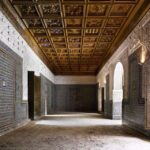
Door to Power: Gate to Cordoba and the Walk Toward King Don Pedro

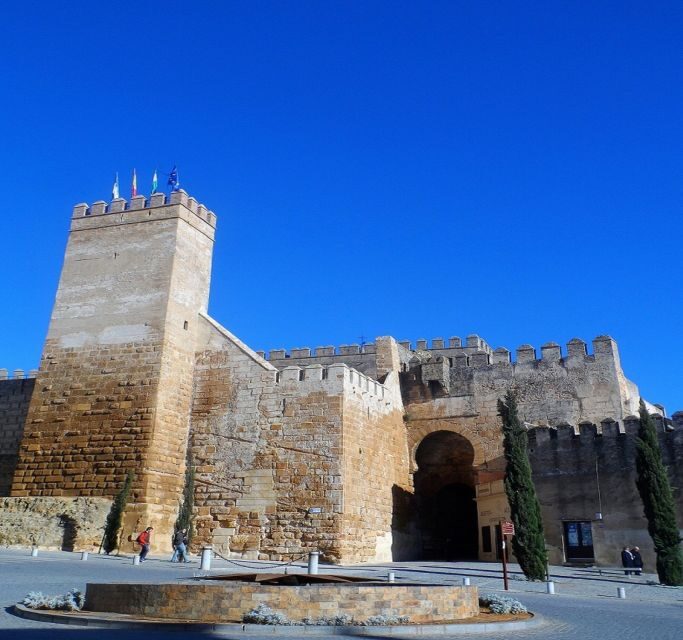
At some point, the route takes you to the Gate to Cordoba, then brings you on foot for about 15 minutes. This on-foot stretch is a good reset. It breaks the bus time rhythm and lets the town’s scale sink in while you’re still with the guide.
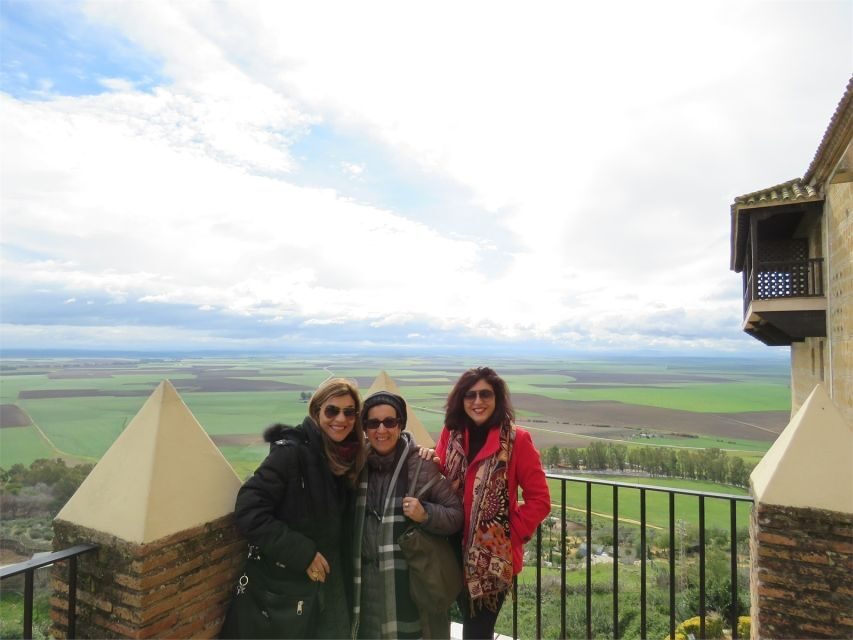
From there, you reach the centerpiece fortress area: the Alcázar del Rey Don Pedro (Fortress and Castle associated with King Don Pedro). The tour includes a photo stop and a guided segment, plus a short pass-by element.
This is one of those stops where you’ll get the most out of the guide’s storytelling. Fortresses aren’t just walls. They’re statements—about who had power, what needed protecting, and how authority showed itself in stone.
If you like medieval architecture and the idea of “defense as drama,” this portion is a real payoff.
Parador de Carmona: The Pleasant Pause Between Stones
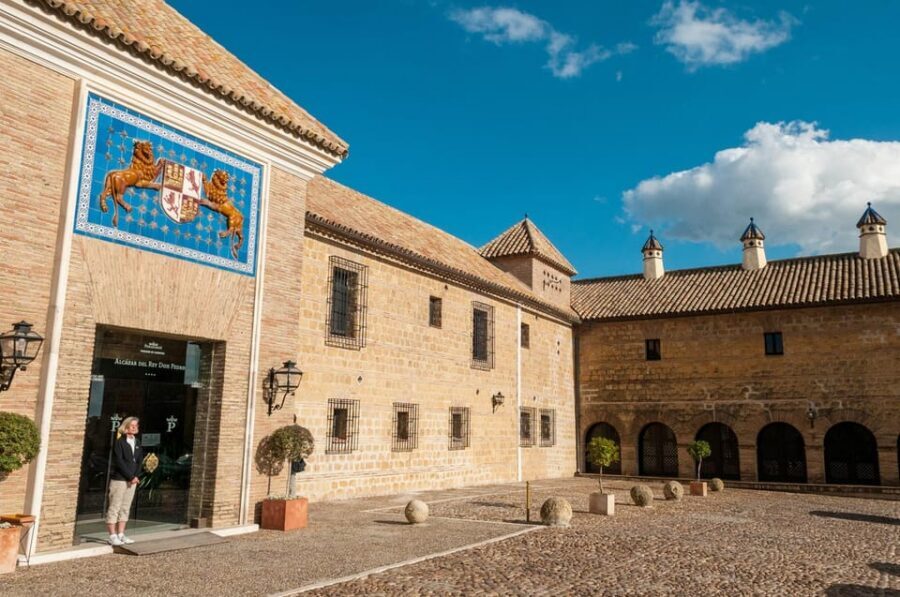
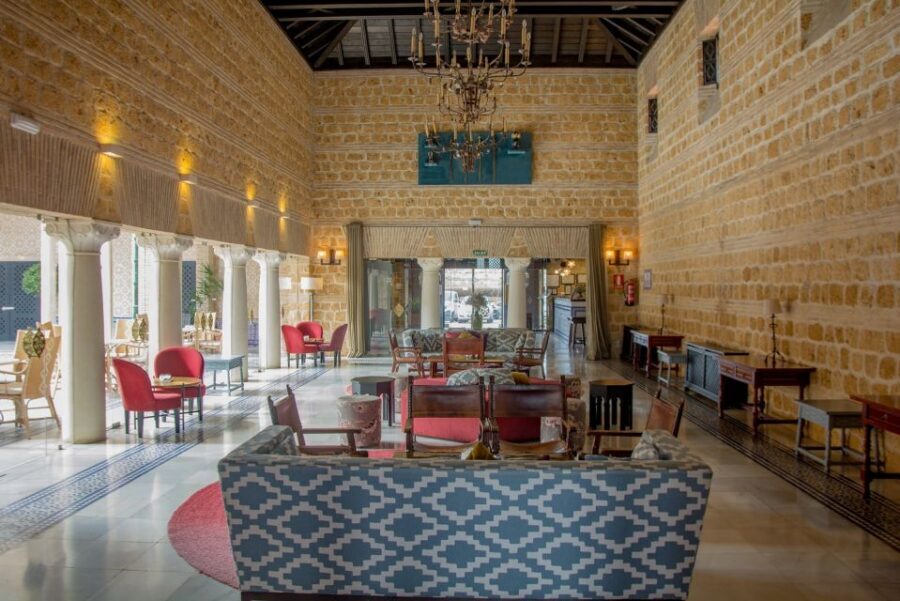
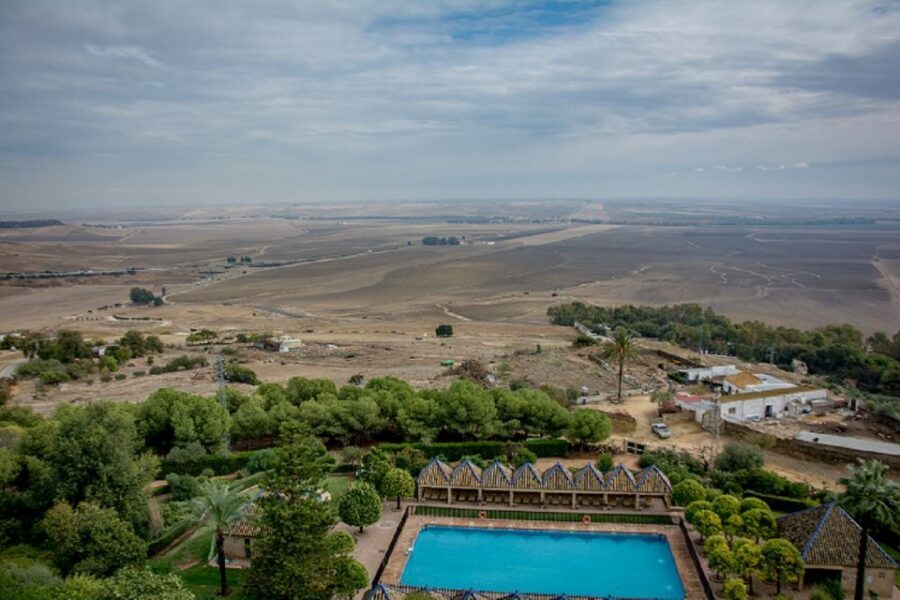
The tour also includes a stop near Parador de Carmona with photo and guided time (about 20 minutes).
This works as a psychological breather. After walking through gates and fortress zones, having a calmer spot to regroup keeps the day from feeling nonstop. You won’t get a long meal break here (meals aren’t included), but it’s a natural moment to grab water, check your legs, and reset your camera batteries.
It’s also a reminder that Carmona isn’t frozen in ancient time. The town still functions, and that makes the history feel closer, not museum-remote.
Guide Power: Why the Human Part Makes This Tour
This is a guided experience first, not just a transport-and-ticket bundle. The guide handles pacing, connects eras, and gives you just enough context to make each stop click.
From the guide names praised in bookings—Iwan, Ignacio, and José Luis—one theme shows up: they don’t just list facts. They manage attention, keep the story moving, and make the walking section feel like it has purpose.
If you’re the type who loves asking questions, this kind of guiding really matters. Even when the stops are time-limited, the explanations give you a framework, so you don’t leave with a bunch of photos but no sense of what they mean.
Language options are also a big deal here. You can choose a live guide in Spanish, English, French, or Italian, so you aren’t stuck “getting the gist” through translation.
Price and Value: Is $58 a Smart Use of a Half-Day?
At about $58 per person for roughly 4 hours, this tour prices itself as a value-focused cultural day trip. What you get for that:
- Transportation from Seville
- A professional, live walking tour guide
- Entrance ticket to the Roman Necropolis
- A small group
Meals and drinks are not included, so you’ll want to plan a snack strategy before you go or buy something modest after.
Here’s how I think about value for this kind of tour. You’re paying for the combination of time saved (bus included), the admission ticket (which you’d likely have to buy separately), and the guiding that turns short stops into something you can understand.
If you’re trying to cover Carmona plus Roman Necropolis plus Don Pedro fortress in one shot, this pricing is easier to justify. If you only care about one site and you’re comfortable navigating alone, you might compare costs. But as a “one-guided-day” solution, $58 is a reasonable ask.
Who Should Book This Tour (and Who Might Skip It)
You’ll likely love it if you:
- Want a compact day trip from Seville that still covers major eras
- Enjoy medieval cities with gates, plazas, and fortress structures
- Appreciate archaeology, but you’re okay with a short guided necropolis visit instead of an all-day ruin marathon
- Prefer small-group attention over a big coach crowd
You might skip it if you:
- Want maximum time at a single site with long independent wandering
- Are chasing the biggest-scale archaeological drama you can find in Andalusia
- Don’t enjoy walking segments, since comfortable shoes are strongly recommended
It’s a good match for people who like history that you can walk through, not just history you pass while rushing between “must-sees.”
Should You Book the Carmona and Necropolis Tour From Seville?
If you’re on the fence, I’d book it when your goal is clarity: a guided overview of Carmona’s key layers—Roman necropolis, city center landmarks, and the fortress of King Don Pedro—without overplanning.
Two decision points to help you choose:
- If you like well-paced storytelling and guided walking, this tour is built for you.
- If you only care about necropolis archaeology at maximum intensity, know that the necropolis visit is about 30 minutes and the full day is still only 4 hours.
Overall, this is a solid use of time when you want Carmona’s history to make sense fast.
FAQ
How long is the Carmona and Necropolis tour from Seville?
The tour lasts about 4 hours.
What’s included in the price?
It includes transportation, a walking tour with a professional guide, entrance ticket to the Roman Necropolis, and a small-group format.
Is the Roman Necropolis entrance ticket included?
Yes. Entrance to the Roman Necropolis is included.
Does this tour include meals or drinks?
No. Meals and drinks are not included.
Are private tours available, or is it shared?
Private group options are available, in addition to shared tours.
Where can I get picked up and dropped off?
Pickup and drop-off are offered at multiple Seville-area locations, including Calle Rastro 12a, Calle Trajano 6, and two address codes (41001, 41002, 41003).