REVIEW · SEVILLE
Birding & Photography Day Trip to Doñana from Seville
Book on Viator →Operated by Doñana Wings - Birding and Nature experiences near Seville and throughout Andalucía · Bookable on Viator
Marsh birds turn a morning into a full story. This birding and photography day trip to Doñana from Seville pairs wildlife-first exploring with the practical help of guides from Doñana Wings. Expect a smooth day built around changing conditions in the park.
I love the small group setup (max 6) and the included optics—binoculars and a scope—so you can actually enjoy what you’re seeing instead of hunting for gear. I also love how the guiding style works for both casual and new birders, with experts such as Maria, Vincent, and Sergio helping you track birds and watch their behavior for real.
One consideration: food and drinks are not included, so you’ll want to plan ahead for a long day starting at 8:30 am and spending about 8 hours in the park.
In This Review
- Key things to know before you go
- Why Doñana works so well for birding and photos
- 9 hours from Seville: the day shape and what it means
- The habitat tour: marshlands, umbrella pines, and rice paddies
- Parque Nacional de Doñana: your main 8-hour birding session
- Getting the most from guides: Maria, Vincent, and Sergio’s approach
- Optics included: binoculars and scope, and how to use them
- Photography reality check: what you can and can’t control
- Price and value: what $150.85 covers (and why it’s not just a number)
- What to bring for a 8-hour park day (since food isn’t included)
- Who this Doñana birding and photography trip fits best
- Should you book this birding day trip to Doñana from Seville?
- FAQ
- How long is the Doñana birding and photography day trip from Seville?
- What time does the tour start?
- Do I get picked up from my hotel?
- What language is the tour offered in?
- How many people are in the group?
- What is included with the ticket?
- Are food and drinks included?
- Where does the tour take place?
- Is a mobile ticket used?
- What is the cancellation policy?
Key things to know before you go
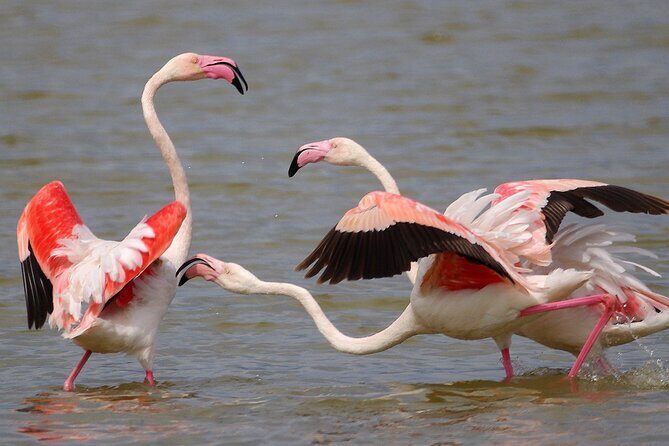
- Max 6 people means more time for questions and less waiting around at viewpoints.
- Binoculars and a scope are included, which helps a lot if you don’t travel with your own optics.
- Your route adapts to water levels, since where birds gather can shift with flooding and season.
- Multiple habitats in one day (marshlands, pine forest, and rice paddies areas) keep your bird list moving.
- Short drives plus short walks let you get photos without turning it into a hike.
- English-guided experience focused on spotting and photographing birds.
Why Doñana works so well for birding and photos
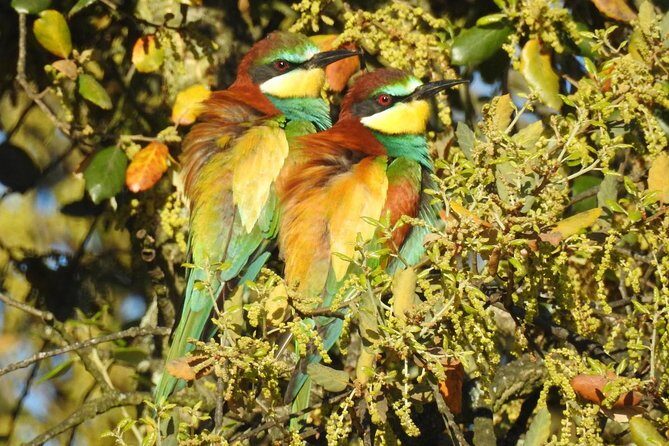
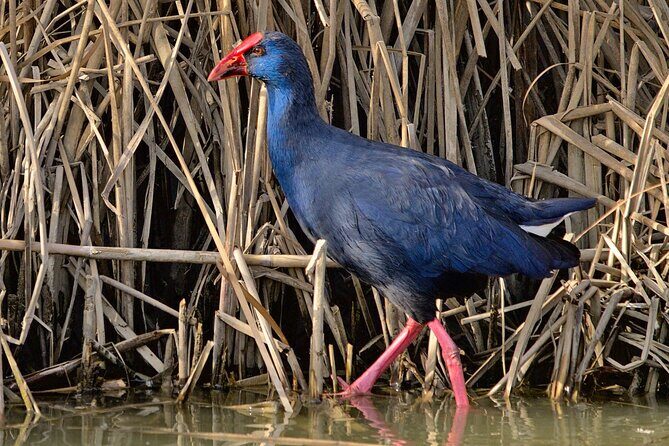
Doñana has the kind of birding that feels like it has plot twists. Marsh areas and wetlands can hold species for hours, then the action changes as water levels shift and birds move between feeding and resting spots. On this day trip, you’re not stuck in one view. You move through key environments as you search.
I like that the plan is flexible. The best areas for bird watching and photography can vary depending on the time of year and how flooded the park is. That matters because birds don’t sit politely for your itinerary. If the water is higher or lower than usual, you need a guide who adjusts. Here, the day is built for that reality.
The second big reason Doñana is so photo-friendly is that wildlife viewing happens both at distance and up close with optics. You can scan wide marshland scenes, then switch to tighter observation when a bird shows behavior worth photographing—feeding, calling, or moving through reeds.
You can also read our reviews of more photography tours in Seville
9 hours from Seville: the day shape and what it means
This tour is scheduled for about 9 hours total, with a start time of 8:30 am. Pickup is from your hotel in Seville (or as close as possible), and the trip includes hotel drop-off at the end. That’s a big deal for a park day, because Doñana is not the kind of place you typically want to navigate on your own if you’re focused on birds.
Also, you’re not joining a huge bus crowd. The maximum group size is 6 travelers. That smaller number affects your experience more than you might think:
- You can hear instructions clearly.
- You can ask practical questions without feeling rushed.
- If someone spots something good, the group can reposition quickly without turning into chaos.
It’s also offered in English, so you’re not left translating bird behavior guesses into another language mid-day. That helps both first-timers and experienced photographers.
The habitat tour: marshlands, umbrella pines, and rice paddies
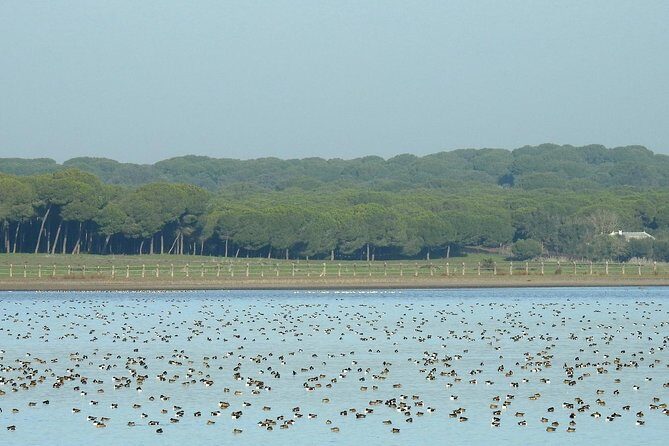
Doñana isn’t one “look.” It’s a patchwork, and this tour treats it like that. As you travel through minor roads and take short walks, you’re aimed at bird-rich environments.
You’ll move through areas tied to:
- Marshlands, where birds feed and rest near water
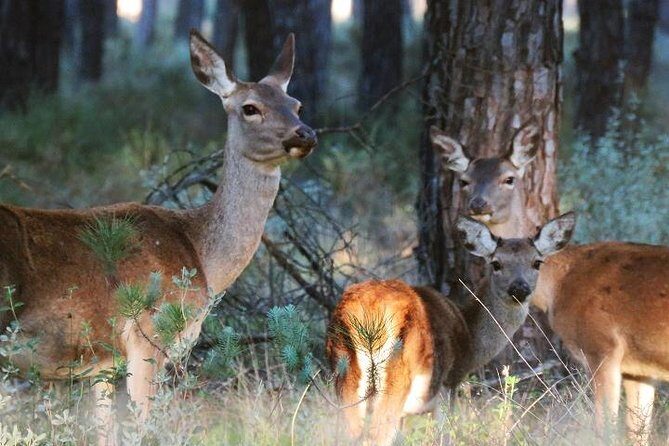
- Umbrella pine forest areas, which can be good for perching birds
- Rice paddies areas, where farmland-edge wildlife can show up
Why those habitats matter for you: birds react fast to food and cover. Marshland birds often need shallow water and reed edges. Forest birds want shade and perches. Rice paddies can bring species drawn to open fields and the edges between agriculture and nature. A single-day route that touches multiple habitat types gives you more chances to see something new—especially important when bird activity can be unpredictable.
You should expect some stops to feel calmer than others. That’s normal. Wildlife viewing is often about patience and timing, not constant action. The advantage here is that you’re moving between habitats while the day is still “young,” not waiting all day in one place.
Parque Nacional de Doñana: your main 8-hour birding session
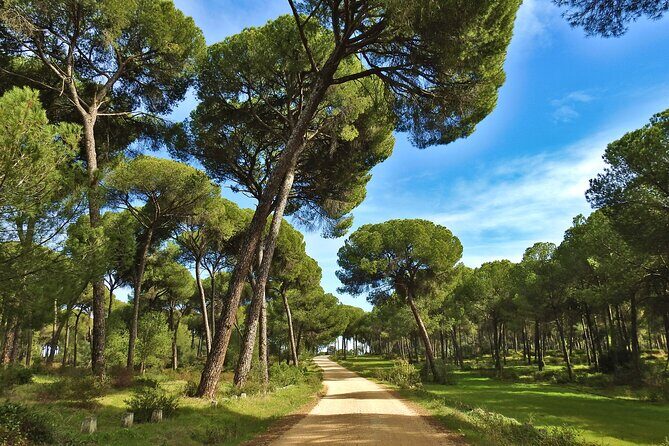
Your centerpiece stop is Parque Nacional de Doñana and the Doñana Natural Area. The scheduled time there is 8 hours, and an admission ticket is included. That’s helpful because it removes one logistical stress point, and it also signals that your time in the park is the core value—not a quick look from a roadside.
One practical detail: the “best areas” you visit can vary by season and flooding level. That means two things for your day:
- You might see different species than someone else who visited at a different time of year.
- Your guide’s local approach matters, because birds respond to water conditions more than to fixed signs.
The tour style is built around short drives and short walks. So even if you’re not planning to do a long trek, you’ll still get steps in—enough to reach viewing points where birds are actually visible. If you’re hoping for photo variety, this is good. Long uninterrupted walks can get tiring, but short moves keep you ready to stop suddenly when a bird shows itself.
Getting the most from guides: Maria, Vincent, and Sergio’s approach
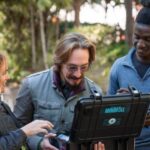
Guides make or break a bird day. This one leans heavily on spotting skills and patient observation, and the guides named in feedback include Maria, Vincent, and Sergio. The common thread in their work is simple: they don’t just point at birds. They help you watch behavior.
A few standout guiding behaviors show up repeatedly:
- They spot birds effectively, even when they’re not obvious at first glance.
- They set up the scope so you can observe at leisure, not in a rushed crowd.
- They speak excellent English, which keeps the conversation natural—about birds and also life in Spain.
That last part matters more than it sounds. When you can talk comfortably, you learn what to look for. You can ask about what you’re seeing and why it’s there. And when you’re photographing, having clear explanations helps you make quick decisions: where to stand, when to wait, and when to move.
Also, there’s an environmental passion behind the guiding. You can feel it in the way the focus stays on protection and respectful wildlife viewing, not just ticking boxes.
You can also read our reviews of more tours and experiences in Seville
Optics included: binoculars and scope, and how to use them
Binoculars and a scope are included. For many people, that’s the difference between a “good day” and a frustrating one. You get to focus on observation and photos instead of managing rentals or packing your own gear.
Here’s how you can make the most of that included equipment:
- Start with binoculars to locate the general area (reeds, tree lines, open water edges).
- When you see a bird with clear shape or behavior, switch to the scope for detail.
- Don’t rush the moment. A lot of the best bird behavior happens in the pauses—when a bird settles, preens, calls, or changes position.
Even if you’re new to birding, the tour structure is friendly. Most people can participate, and the small group setup means you’re not left behind if you’re still learning how to identify what you’re seeing.
Photography reality check: what you can and can’t control
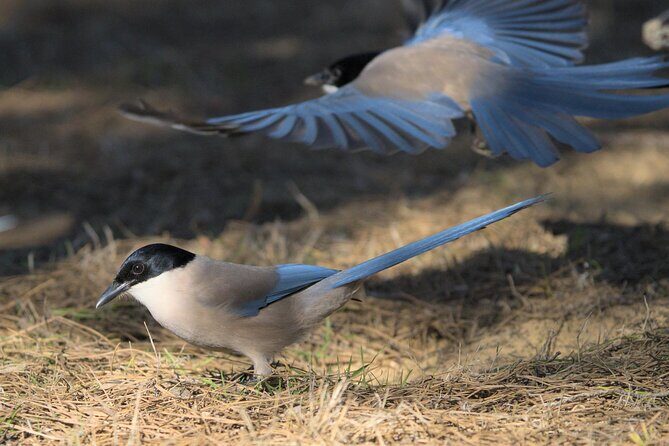
Bird photography has limits. Light changes fast. Birds don’t hold poses. And in a wetland environment, you may deal with haze near water or busy reeds that hide parts of the bird.
But the tour gives you two big advantages for photos:
- You’re in the right habitats. Marsh, pine forest edge, and rice paddies areas increase the chance of real subjects, not just background scenery.
- You’re there with optics and guidance, so you can find birds worth photographing rather than wasting time chasing distant shapes.
If you’re serious about photography, you’ll still want to be flexible with framing. Plan for waiting time. Watch for behavior changes, not just appearances. Often a “better photo” comes a minute after you first spot the bird, when it moves into a clearer position or changes how it interacts with the environment.
Price and value: what $150.85 covers (and why it’s not just a number)
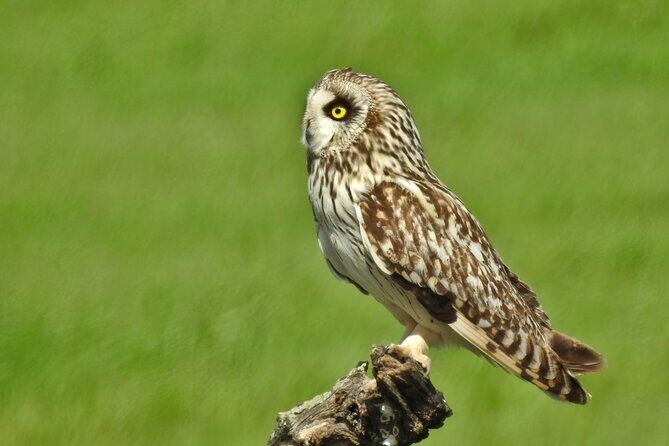
At $150.85 per person, you’re paying for more than transportation. The value comes from a bundle:
- Hotel pickup and drop-off
- Use of binoculars and scope
- Admission ticket included for your main park time
- A guided experience in English with a small group cap (max 6)
- A full day built around finding bird hotspots and moving between habitats
The only notable omission is food and drinks. That means your personal cost planning should include a packed lunch or snacks you’re comfortable eating in an outdoor setting.
When I think about value for birding trips, I look at the “hidden frictions.” This tour reduces several:
- No need to rent optics.
- No need to pay park admission separately.
- No need to coordinate transport on your own for a full day.
- No need to join a huge group where you lose the bird-finding advantage.
What to bring for a 8-hour park day (since food isn’t included)
Food and drinks aren’t included, so you’ll want to plan for your energy. A long day starting at 8:30 am means hunger can sneak up quickly, especially if you’re walking short distances and watching quietly.
For comfort and photography readiness, I’d also suggest planning for basic outdoor conditions:
- Sun protection, since you may spend time in open wetland zones and field-edge areas
- Layers, because weather can shift while you’re moving between habitats
- A camera setup you’re comfortable switching to quickly once a bird appears
If you’re traveling with your own binoculars or camera gear, great. But you won’t be forced into that dependency because the tour supplies optics.
Who this Doñana birding and photography trip fits best
This is a strong match if you want wildlife and photos without turning the day into a logistics project. It’s also a good fit if you’re not an experienced birder. The guides named in feedback are described as helpful for casual birders, and the scope-and-binocular setup makes it easier to keep up.
It’s also a good choice if you care about variety. You’re not stuck with one habitat view. Marshlands, umbrella pine forest areas, and rice paddies areas give you multiple chances to see different birds.
If you’re the type who gets impatient with waiting, this might take a small mindset shift. Wildlife watching includes pauses. The good news is the route keeps moving when the park conditions call for it.
Should you book this birding day trip to Doñana from Seville?
Yes, if you want a guided, small-group Doñana day where you can focus on birds and photography instead of planning the hunt yourself. I’d book it if:
- You like the idea of binoculars and a scope included
- You want a guide-led approach through marshlands and forest/paddy areas
- You’d rather join a group capped at 6, with English guidance, than figure out transport and routes on your own
Hold off if you’re trying to travel light and you don’t want to bring your own food. Also, if you only want constant action photos, wildlife viewing will test your patience a bit.
Overall, it’s a practical way to experience Doñana through birding—serious enough for great sightings, flexible enough for photographers, and structured enough that first-timers feel comfortable.
FAQ
How long is the Doñana birding and photography day trip from Seville?
The tour runs about 9 hours total, with 8 hours spent at Parque Nacional de Doñana.
What time does the tour start?
Pickup begins for an 8:30 am start time.
Do I get picked up from my hotel?
Yes. Hotel pick-up and drop-off are included, and the pickup is from your hotel in Seville (or as close as possible).
What language is the tour offered in?
The tour is offered in English.
How many people are in the group?
The maximum group size is 6 travelers.
What is included with the ticket?
Hotel pick-up and drop-off are included, along with the use of binoculars and a scope. Admission ticket for the main park visit is also included.
Are food and drinks included?
No. Food and drinks are not included.
Where does the tour take place?
The main stop is Parque Nacional de Doñana and the Doñana Natural Area.
Is a mobile ticket used?
Yes, you’ll receive a mobile ticket.
What is the cancellation policy?
You can cancel for a full refund up to 24 hours in advance of the experience start time. Free cancellation is available up to that point.