REVIEW · SEVILLE
Seville: Salvador Church, Casa Pilatos, and Metropol Tour
Book on GetYourGuide →Operated by SEVILLA OFFICIAL TOURS · Bookable on GetYourGuide
Seville art hides in everyday walls. I love the El Salvador church, because it used to be a mosque and now houses striking Holy Week sculptures, and I love Casa Pilatos for its standout tile work and style mix. One thing to keep in mind: it’s a walking tour and you only get into the ground floor of Pilatos, plus Metropol is viewed outside.
This tour is built like a visual timeline. You start with how Seville evolved from Mudejar roots into later Renaissance and Baroque influences, then you end with more modern architecture at the Metropol Building area, where Las Setas (the mushrooms) show up like a sci-fi punchline to all the old stone you saw earlier.
You also get real human guiding. Reviews specifically call out guides such as Miriam, Sergio, and Jesus for making the art and neighborhood stories click fast. Meeting is simple too: look for your guide in a pink t-shirt, bring comfortable shoes, and plan for about 2.5 hours on foot.
In This Review
- Key points before you go
- El Salvador Church: the former mosque with Holy Week sculptures
- Strolling through old Arabic Seville: where you see daily tradition
- Casa Pilatos: a Mudejar palace with an Italian Renaissance side
- How the guide turns art styles into something you can spot
- Metropol Building and Las Setas: modern Seville ends the story
- Price and logistics: is $46 actually good value?
- What I recommend bringing and how to pace yourself
- Who this tour is best for (and who should choose something else)
- Should you book Seville: Salvador Church, Casa Pilatos, and Metropol?
- FAQ
- What’s the duration of the Seville Salvador Church, Casa Pilatos, and Metropol tour?
- Where do I meet the guide?
- What’s included in the ticket price?
- Is entry to Casa Pilatos upper floors included?
- Is Metropol Building entry included?
- What languages are available for the live guide?
- Is this tour suitable for people with mobility impairments?
- What should I bring?
Key points before you go
- El Salvador’s Holy Week sculptures in a former mosque setting
- Casa Pilatos tiles and the Mudejar palace vibe with Italian Renaissance influence
- A practical art-style storyline from Mudejar to Renaissance, Baroque, and contemporary
- Arabic Seville in motion: local life around the area’s old heart
- Las Setas at the end: Metropol Building viewed from the outside (ticket not included)
- Good value for $46 when you factor in two monument entries plus a guided experience
El Salvador Church: the former mosque with Holy Week sculptures
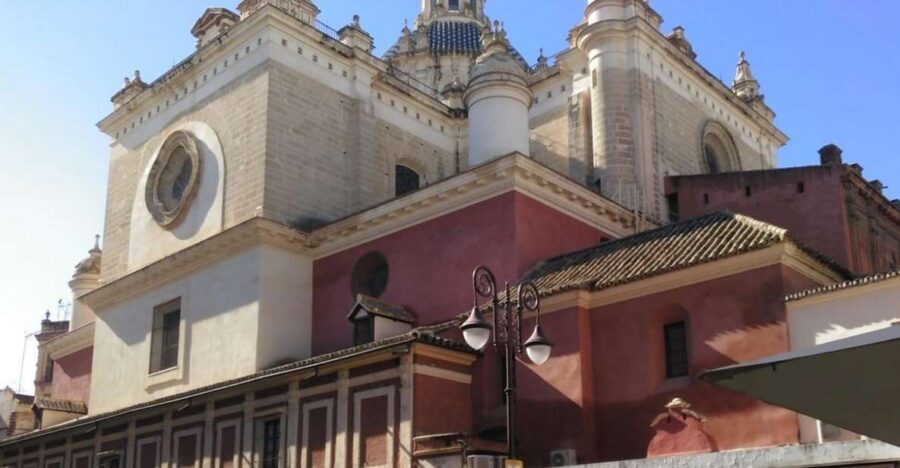
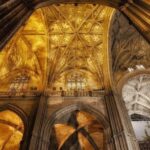
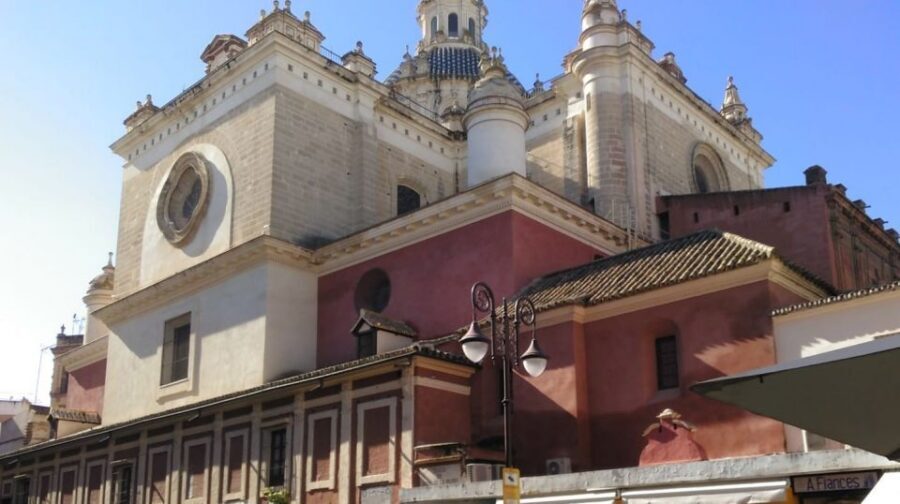
This is the first stop, and it’s a clever one. You enter Church El Salvador (included), and the guide helps you read it like a layered document. The key idea: this wasn’t built from scratch as a church. It’s a former mosque, and you can feel that past in the way the space is organized and how the decoration communicates older design logic.
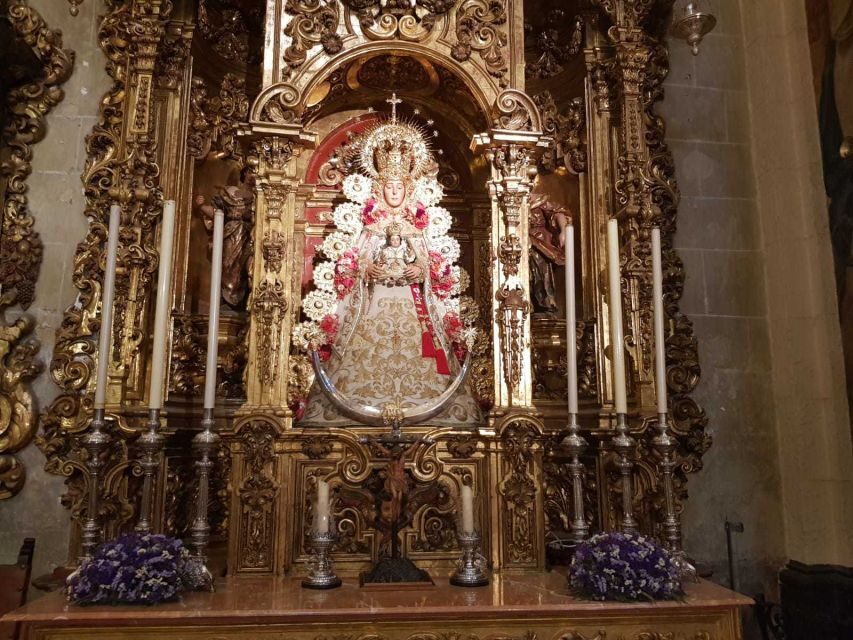
Then comes the part I think you’ll remember most: inside, you see sculptures tied to Holy Week processions. Even if you don’t know every detail about Seville’s Semana Santa traditions, the guide frames what you’re looking at so it’s not just pretty religious art. You start to understand why certain images matter to the city, and how art becomes a kind of public language during processions.
A practical note: church interiors can mean dimmer light and a slightly slower pace for looking around. Wear shoes you trust. You’ll want good footing for stops inside where the group pauses and the guide points things out.
You can also read our reviews of more tours and experiences in Seville.


Strolling through old Arabic Seville: where you see daily tradition
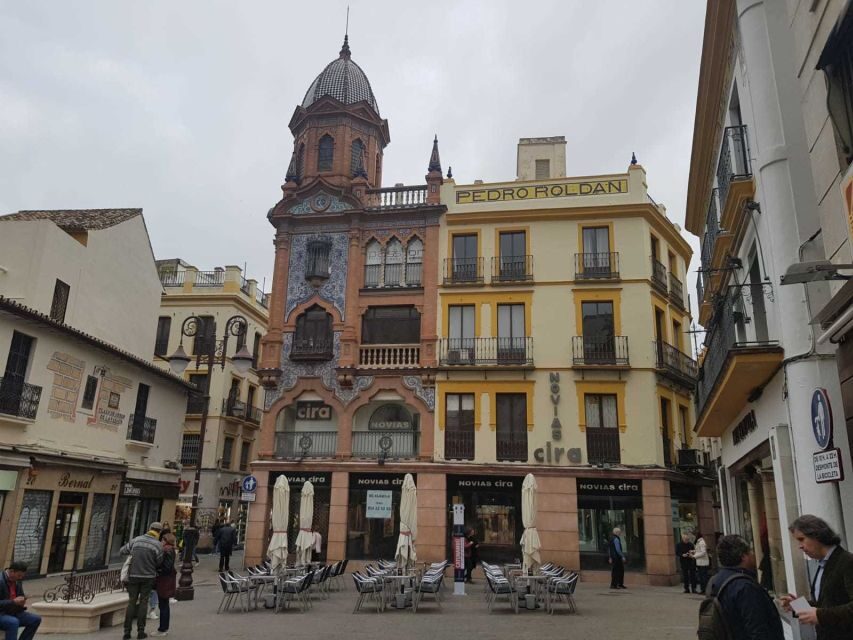
After the church, the tour shifts from art objects to living streets. The route takes you through an area that was once the heart of an Arabic city, and that matters because it changes the feel of what you’re seeing. Instead of treating history like a museum display, you’re moving through a neighborhood where shops and everyday business still connect to big annual events.
The guide points out the kind of places where locals shop for outfits for the April Fair and the Rocio Pilgrimage, plus clothing for all sorts of social moments. I like this part because it keeps the tour grounded. You’re not just learning what the city has; you’re seeing what the city still does.
This section can also be a good reset after indoor looking. The group walks, you get street context, and the guide connects the artistic styles to what was going on in different eras. The downside is simple: it’s still time on your feet. If you’re the type who hates walking between sights, this is where you’ll feel it.
Casa Pilatos: a Mudejar palace with an Italian Renaissance side
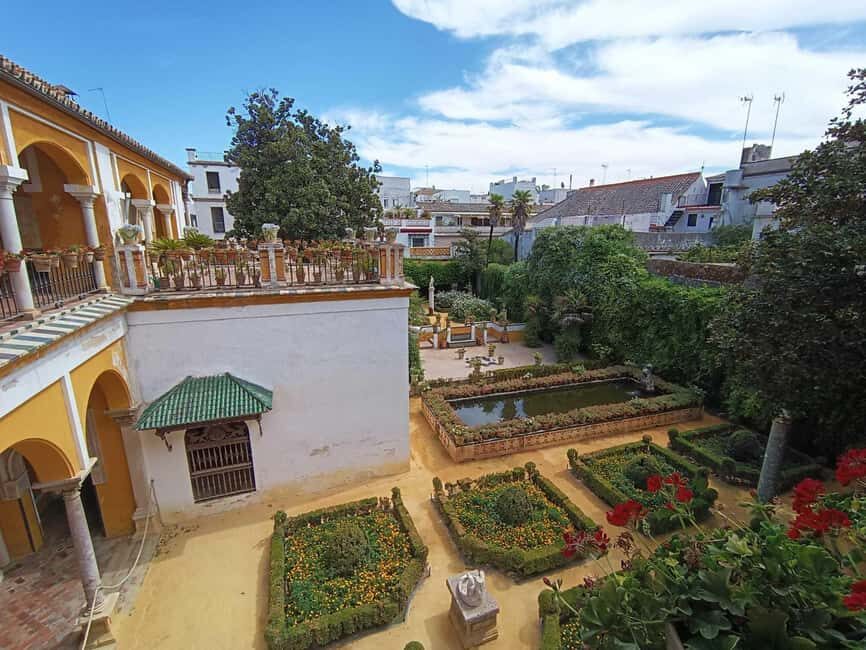
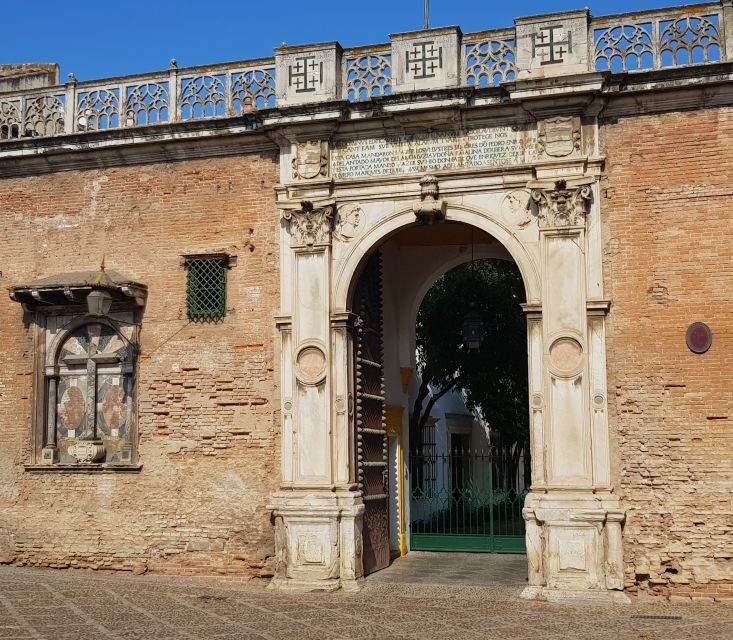
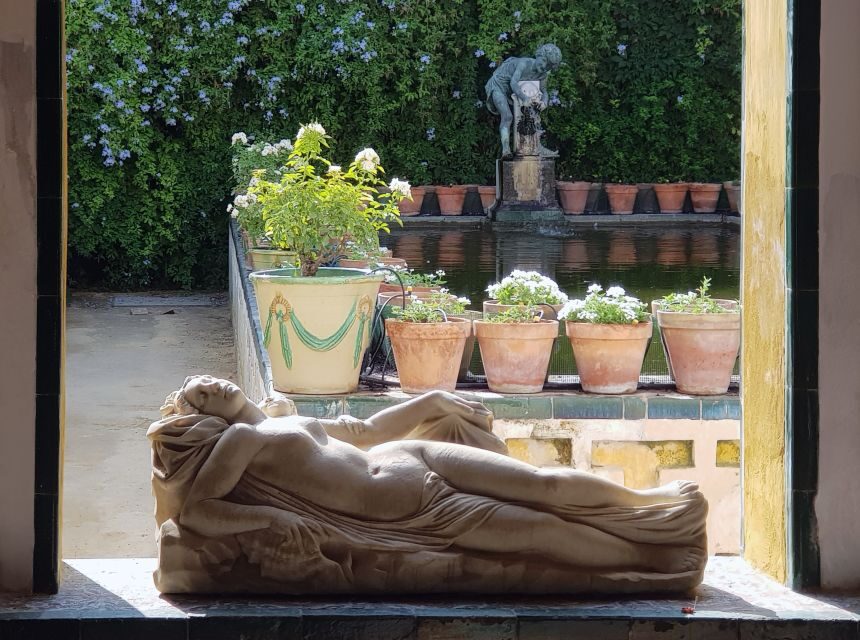
Next up is Casa Pilatos. This is the second monument the tour centers on, and it’s one of the most satisfying stops in Seville for people who love visual detail. You get entry to Pilatos House on the ground floor (included), so you can explore the main public areas where the design elements do a lot of the talking.
The headline for Casa Pilatos is the style mix. It’s Mudejar in character, but influenced by the Italian Renaissance period. That blend shows up in how the palace feels: part of it reads as carefully shaped domestic grandeur, and part of it reflects an Italian-influenced taste for symmetry and refinement.
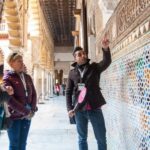
Now, about the tiles. The tour specifically calls Casa Pilatos home to the city’s best tile collection. I love this because tiles are one of those things that can look like decoration until someone explains how styles shift across time. With a guide, you start noticing patterns, motifs, and the way different eras used surface detail to communicate taste and status.
One consideration: since only the ground floor is included, you may not see everything a separate ticket or deeper visit could cover. If you’re the kind of traveler who wants every room and every upper level, you might feel a little cutoff. But for many people, the ground-floor access hits the sweet spot between time, price, and what the palace does best.
How the guide turns art styles into something you can spot
A strong walking tour isn’t just a list of stops. It’s a learning path that helps you recognize what you’re seeing. This one is designed around the evolution of artistic styles in Seville, starting from Mudejar roots and moving forward through Renaissance and Baroque, then into Regionalist and contemporary directions.
Here’s what you can expect in real terms. Your guide doesn’t treat “style names” like trivia. They use them to explain why surfaces, shapes, and decorative choices changed over time. So when you walk from the former mosque church into the Mudejar-Renaissance palace, you’re not just going from building A to building B. You’re watching a city grow up in public, with art acting like a timeline you can actually point at.
That approach is especially valuable if Seville can feel overwhelming. There’s a lot here, and it’s easy to lose the thread. On this tour, you get one thread, and it’s art history you can see with your own eyes.
I also like that the guide anchors key moments around the two focused monuments: Salvador Church and Pilatos House. That keeps the story tight instead of broad. Broad tours can be fun, but you often forget them. A focused approach tends to stick.
Metropol Building and Las Setas: modern Seville ends the story
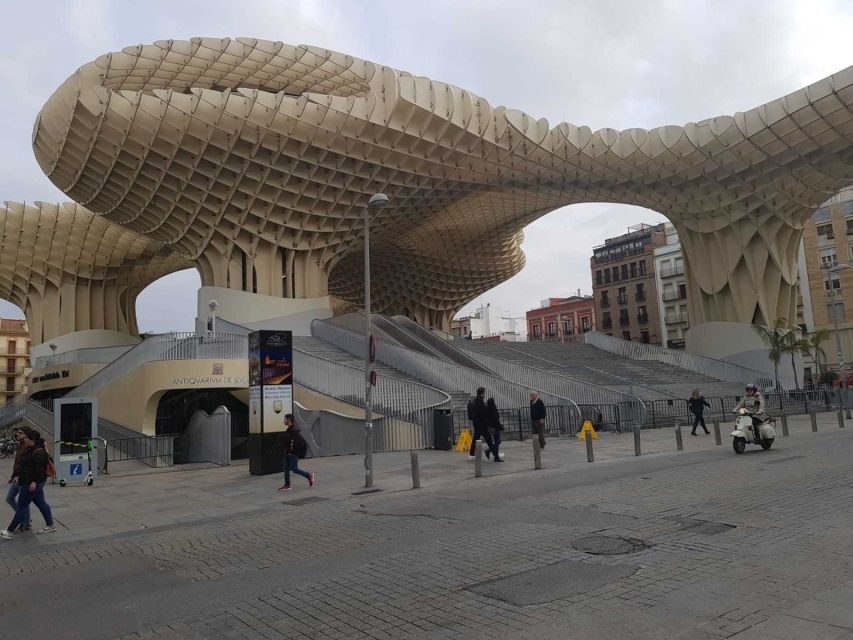
The tour finishes at the entrance area of the Metropol Building, but entry to Metropol itself isn’t included, and you’re mainly seeing things from the outside. This matters because the tour ends with the city’s modern side, not just older architecture.
And yes, Las Setas are part of the payoff. Las Setas are the famous “mushrooms,” and seeing them at the end is a satisfying tonal shift. You’ve spent time inside with historical materials and religious art. Then suddenly you’re looking at contemporary structure that feels like a deliberate break from the past.
If you’re worried this will be a rushed stop, don’t be. It’s timed as a finish line. You get the visual contrast, and the guide can connect it back to the bigger theme: Seville keeps evolving, and architecture is one of the places you can see that evolution fast.




Price and logistics: is $46 actually good value?
$46 per person for about 2.5 hours is the kind of price that can either feel fair or feel stingy, depending on what’s included. In this case, it leans toward fair value because you’re paying for a live guide and official access to two major sites.
Included entry:
- Salvador Church
- Casa Pilatos (ground floor)
Also included:
- Skip the ticket line
- An audioguide system depending on how many people join
Not included (so you plan around it):
- Other floors of Casa Pilatos
- Entry to Metropol Building
- Food and transportation
When I judge value, I think about whether the money buys you time and understanding, not just doors opening. Here, it does. Two monument visits plus a guide that explains style changes is what you’d normally pay more for in a city where museum-style guided tours can get pricey. If you only cared about one building, then the cost might feel higher. Since this tour strings together the church + Pilatos + a modern finish, the structure is what makes the price work.
What I recommend bringing and how to pace yourself
This is a walking tour, so the biggest preparation is simple: plan for comfortable shoes. The schedule is about 2.5 hours, and you’ll spend time walking between locations and then pausing for look-and-learn moments inside.
If you’re sensitive to crowd noise or long pauses, you’ll want to keep your energy steady. The pacing is typical of a guided walking tour: you won’t sprint, but you also won’t be lingering for long personal detours.
One more practical tip: wear clothes you can move in. You’re visiting a church, a palace, and an outdoor modern area, and the tour is built around that mix of indoor and outside time.
Who this tour is best for (and who should choose something else)
This tour is ideal if you want Seville’s art and traditions explained in a way that actually helps you look differently. It’s a great fit for:
- First-time visitors who want a clear storyline from Mudejar roots onward
- Travelers who love architecture and decorative details like tile work
- People who want Holy Week art context without treating it like a separate religion-history class
It’s less ideal if:
- You have mobility limitations, since it’s not suitable for people with mobility impairments
- You strongly prefer to see every floor and every room inside Pilatos, since the tour includes only the ground floor
- You expect Metropol to be an actual interior visit, since you’ll be seeing it from the outside and entry isn’t included
Also, if you’re traveling with friends and want more personal attention, a shared vs private choice can matter. Some groups end up small, and when the group is small, the guide can adapt more easily and answer more of your questions.
Should you book Seville: Salvador Church, Casa Pilatos, and Metropol?
I’d book it if you want a short, high-impact art walk that connects buildings to the bigger story of Seville’s artistic evolution. For $46, you’re getting guided interpretation plus real access to Salvador Church and Casa Pilatos (ground floor), and you’re ending with modern architecture at Las Setas. That combo keeps the tour from feeling like two unrelated stops.
I wouldn’t book it if you need full access to every Pilatos level or you can’t handle a walking format for 2.5 hours. In that case, look for an itinerary that matches your pace and access needs better.
If you do book, show up ready to look closely. This tour rewards attention to surfaces—especially tiles—and to how the guide helps you connect style names to what you can actually see in front of you.
FAQ
What’s the duration of the Seville Salvador Church, Casa Pilatos, and Metropol tour?
The tour lasts about 2.5 hours.
Where do I meet the guide?
Meet your guide by looking for someone wearing a pink t-shirt.
What’s included in the ticket price?
You get a guided tour with an official guide, entry to Salvador Church, entry to Casa Pilatos on the ground floor, and an audioguide system depending on participant numbers.
Is entry to Casa Pilatos upper floors included?
No. Only entry to the ground floor of Casa Pilatos is included.
Is Metropol Building entry included?
No. You visit the entrance area and see Metropol and Las Setas from outside. Metropol entry is not included.
What languages are available for the live guide?
The live tour guide is available in Italian, French, English, and Spanish.
Is this tour suitable for people with mobility impairments?
No. It is not suitable for people with mobility impairments.
What should I bring?
Wear comfortable shoes.