REVIEW · SEVILLE
Seville: Rhythm, Beat and the Flamenco Box Drum
Book on GetYourGuide →Operated by Not Just a Tourist · Bookable on GetYourGuide
Box-drum rhythm is hard to fake. In this Seville workshop, you learn flamenco percussion you can actually do, from clapping patterns to the box drum, in a small group setting that feels friendly instead of intimidating.
I especially like how the instructor mixes technique with real context. You start with history and theory of the cajón/box drum, then you’re clapping, beating, and stamping right away, plus you get insider tips for what to listen for when you go to flamenco later.
One consideration: it’s only 1 hour, so it’s best if you want hands-on practice, not just a long, slow sightseeing or performance experience.
In This Review
- Key things to know before you go
- Why Flamenco Percussion Is the Real Engine in Seville
- Meeting Point Energy: Small Group, Big Difference
- The 1-Hour Workshop Flow: From History to Hands-On Rhythm
- What You Actually Learn: Palms, Stamps, and the Box Drum
- The Scenic Route and Photo-Friendly Moments
- Instructor Impact: Passion and Patience Beat Talent
- Price and Value: $81 for an Hour That Actually Teaches
- Language Options: You Can Do This Even If Your Spanish Is Sketchy
- How You’ll Use This in Real Flamenco Shows
- Who Should Book This Workshop?
- Should You Book Seville Rhythm, Beat and the Flamenco Box Drum?
- FAQ
- How long is the flamenco percussion workshop?
- What is the price per person?
- How big is the group?
- What will I learn during the class?
- Are there professional photos included?
- What languages are available for the live guide?
- Where do we meet?
- Is anything included besides the class?
Key things to know before you go
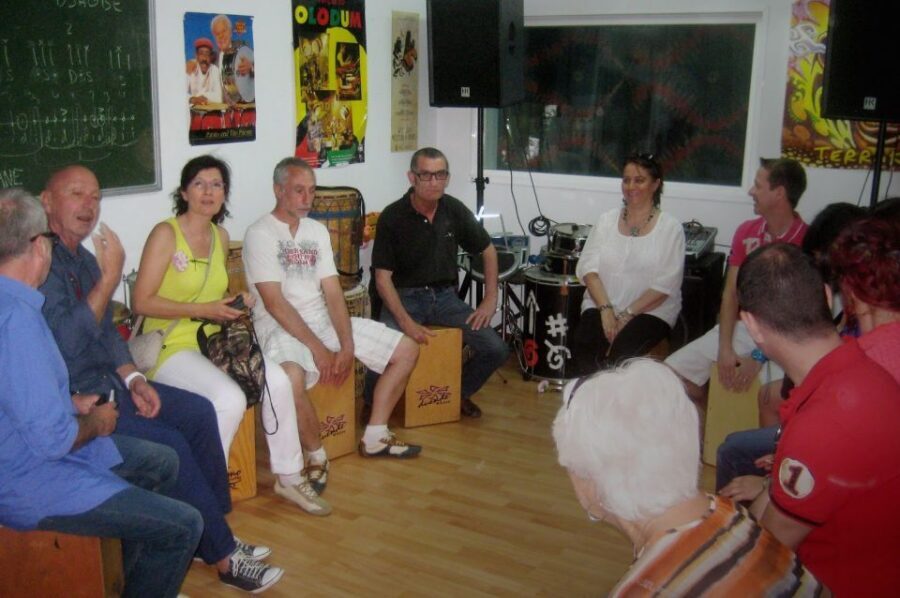
- Small group (max 8) means you actually get time to try the rhythms, not just watch.
- You learn palmas-style clapping plus how to stamp and coordinate your body with the beat.
- Box drum technique comes first: the instructor explains history and theory before hands-on practice.
- Local energy matters, with instructors like Kati and Fidel described as passionate, professional, and patient.
- You’ll get 25 edited professional photos after the workshop, with an option to order more later.
- End with a refreshing drink, so you finish the session feeling celebrated, not rushed.
Why Flamenco Percussion Is the Real Engine in Seville
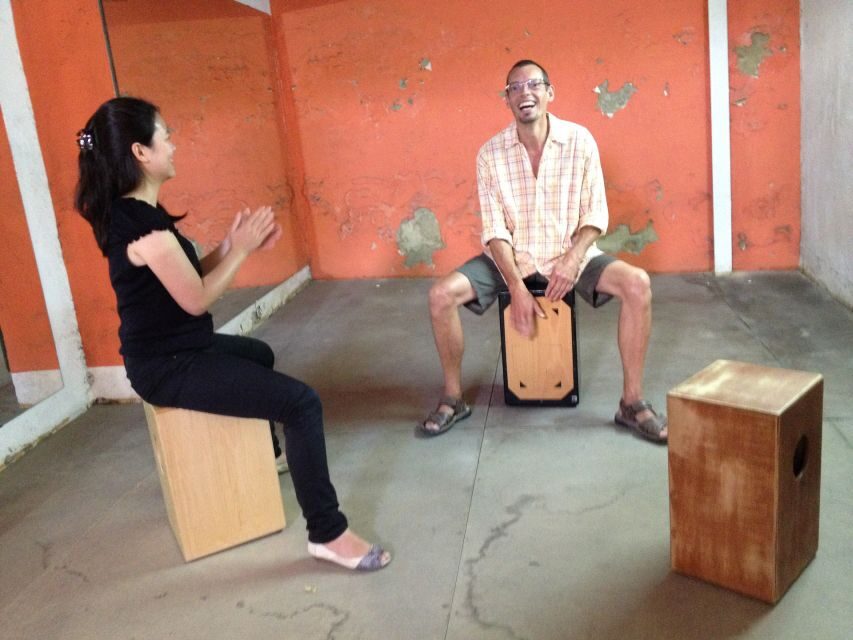
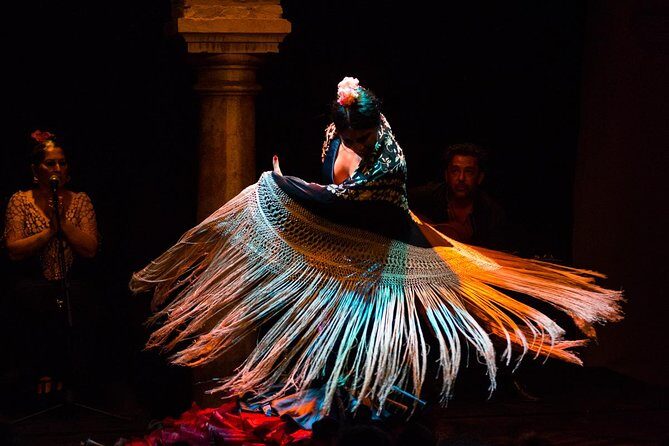
Most people fall in love with flamenco through the singing or the guitar. Then percussion sneaks up on you and steals the scene. That’s the point of this workshop: it helps you hear the music as rhythm first, not as background noise.
Seville is a city where flamenco is everywhere, but knowing what to listen for changes everything. When you learn the beat patterns—hand claps, body accents, and box-drum hits—you start noticing how singers cue dancers, how dancers land on strong beats, and how the whole performance locks into place. You don’t need “musical talent.” You need practice time, and that’s what this class gives you.
And because the group is capped at 8, it doesn’t turn into a classroom where one person gets it and everyone else looks lost. You get coached while you’re actually doing it.
You can also read our reviews of more tours and experiences in Seville.

Meeting Point Energy: Small Group, Big Difference
This experience runs with a small group of 2 to 8 people. That size is why the setup works: you’re close enough to see hands, feel timing, and get corrections without waiting your turn forever.
Your exact meeting point depends on the group size and is confirmed with your guide after booking. So don’t plan your day like it’s a fixed landmark tour. Instead, treat it like a guided local session with a flexible start point—your guide will give the correct address once you’re on the schedule.
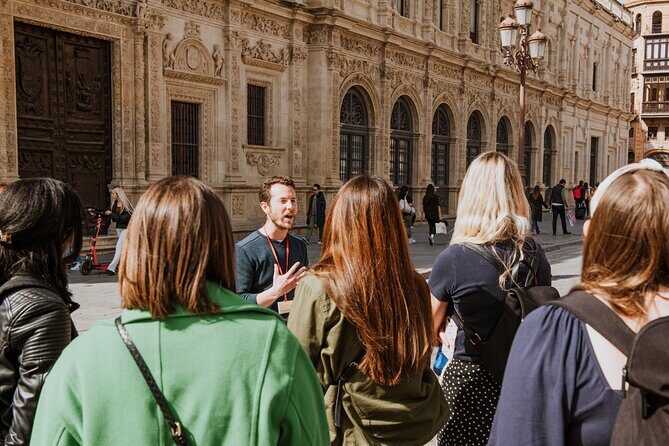
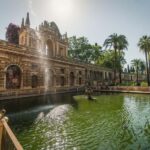
If you’re the type who likes to arrive early and get your bearings, do it. Not because you’ll be stuck, but because you’ll likely be walking a bit along a scenic route with picturesque stops. That’s part of the experience, not filler.
The 1-Hour Workshop Flow: From History to Hands-On Rhythm
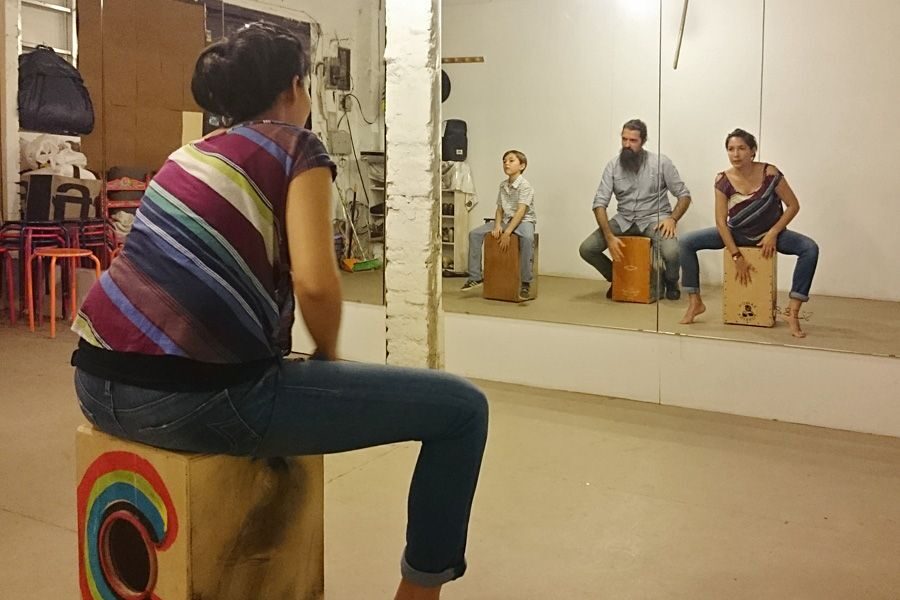
The workshop is structured to do two things fast: give you a mental picture of the tradition, then put your body inside the rhythm.
It starts with your instructor explaining the box drum, including some history and theory. This isn’t meant to turn you into an academic. It’s there to help you understand what your hands and feet are actually trying to do. When the instruction makes sense, your clapping and hitting stops feeling random.
Then the fun starts: you move into the practical part—clapping, beating the box drum, and stamping to lock in the pulse. You’ll learn techniques step-by-step, with the teacher guiding the timing so you’re not just copying noise.
The hour ends with everyone celebrating together with a refreshing drink. That last touch matters. Flamenco can be intense. Ending with a drink turns the whole thing into a shared win.
What You Actually Learn: Palms, Stamps, and the Box Drum
Flamenco percussion is more than “making a beat.” It’s coordination. If you’ve ever clapped along to music and felt your hands rush ahead or drag behind, you already get the challenge. This workshop trains timing and control without turning it into a drill.
You’ll practice three main rhythm tools:
- Clapping (palmas-style): you’ll learn patterns that fit the flamenco feel. Your job is to hear the beat structure and reproduce it cleanly, not just keep time.
- Stamps with your body: stamping adds grounded accents. It helps the rhythm feel physical, and it’s also how dancers often “speak” to the music through footwork.
- Box drum technique: the box drum becomes your percussive voice. You learn how to strike and how to coordinate hits with the claps and stamps so it sounds like one rhythm, not three separate ones.
Because it’s only one hour, you won’t become a percussionist by dinner. But you will walk away with something that’s more valuable: a rhythm vocabulary. That means when you watch flamenco later, you’re not just thinking pretty songs. You can hear the pulse, the accents, and where the energy lands.
Also, you’ll probably laugh at yourself at least once. That’s good. Rhythms are humbling, and the workshop vibe is built for that. Even if you’re a little off at first, it stays fun and guided rather than judgmental.
The Scenic Route and Photo-Friendly Moments
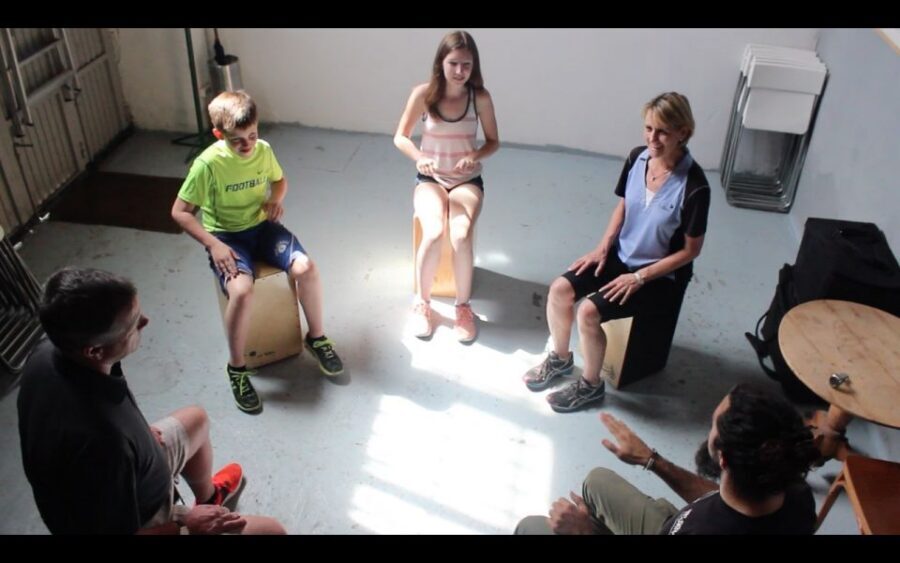
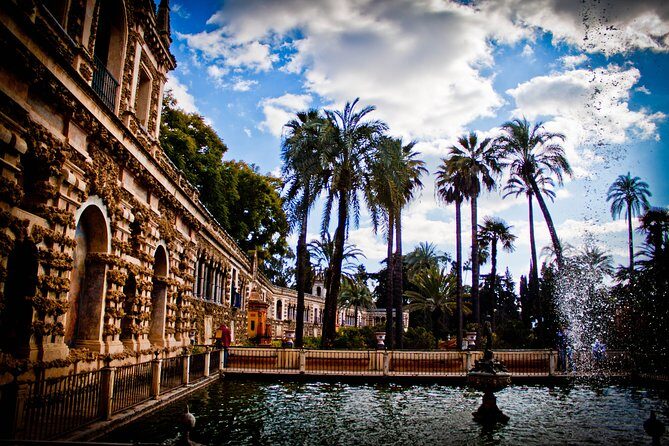
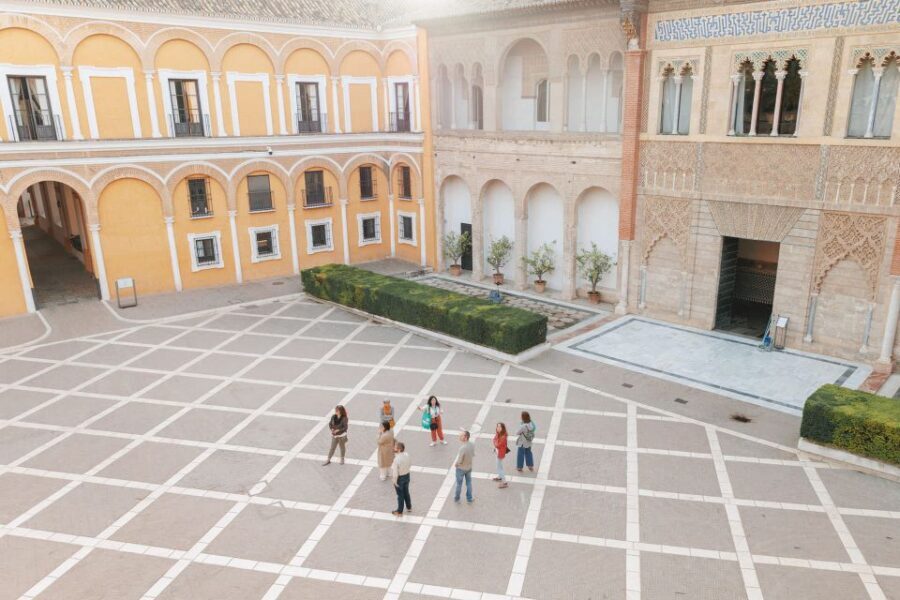
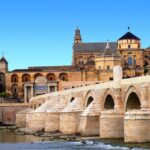
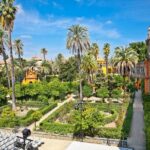
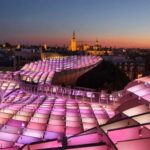
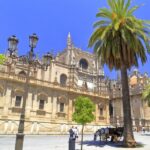
The class isn’t just a sit-and-learn setup. There’s time taken along a scenic route with picturesque spots en route. Even without exact stop names, you should expect a bit of walking and opportunistic viewpoints.
This matters for two reasons. First, it gives you a calmer start before you get into rhythm training. Second, it makes the experience feel like part of your Seville day, not a quick transaction.
On top of that, you get 25 edited professional photos included. That’s a strong perk for a workshop, because it protects you from the usual travel problem: you’re busy learning, so you never get the photos. Here, someone else handles the photo work, then you get edited images afterward.
If you want even more photos, there’s an option to receive additional images for a supplement. If you’re the type who likes a lot of memories from short activities, that upgrade can be worth considering.


Instructor Impact: Passion and Patience Beat Talent
In workshops like this, the teacher decides whether it feels like homework or like a good time. This one gets consistently praised for strong instruction and upbeat energy.
You might meet instructors such as Kati or Fidel, both described as highly engaged, professional, and clear. The common thread in their approach is patience. When you’re learning coordination—clap, hit, stamp—someone has to keep the process understandable. They also bring enthusiasm, which makes it easier to keep trying even when it doesn’t click immediately.
A good sign: the class includes both explanation and practice. That combination is what helps you improve during the hour instead of just performing a beginner version of a rhythm and hoping for the best.
Also, the workshop provides insider tips. That’s not vague sightseeing advice. It’s the kind of guidance that can help you find flamenco performances where you can actually hear the percussion you just learned.
Price and Value: $81 for an Hour That Actually Teaches
$81 per person might sound steep until you break down what’s included. Here’s what you’re paying for, and why it adds up:
- A full 1-hour coached session in a small group (max 8).
- Hands-on learning of clapping, stamping, and box-drum technique, not just an observation.
- Insider tips tied to flamenco listening and appreciation.
- A refreshing drink at the end.
- 25 edited professional photos included.
In other words, you’re buying instruction plus a bit of documentation, all delivered by a local expert. If you enjoy interactive experiences and want your flamenco next level, it’s not just a ticket—it’s time that changes how you experience the city.
If you’re the type who prefers to watch rather than participate, you might feel the time is short. But if you want to understand the rhythm behind the performance, you’ll likely feel satisfied leaving with actual skills.
Language Options: You Can Do This Even If Your Spanish Is Sketchy
You don’t have to manage flamenco terms in your head. The guide offers live instruction in Spanish, English, French, and Italian.
That matters because timing instruction is easier when you fully understand cues. Flamenco percussion isn’t complicated on paper. It’s complicated when you’re trying to copy while listening to rhythm patterns. Having instruction in your language keeps you learning instead of translating.
How You’ll Use This in Real Flamenco Shows
The real payoff is what happens after class. Once you’ve practiced claps, stamps, and box-drum hits, you start noticing structure in flamenco.
Here’s what you’ll likely be able to pick out faster:
- where the beat accents land
- how the singer’s phrasing lines up with percussion energy
- how dancers react to the rhythmic foundation
- how guitar and vocals fit into a rhythm machine, not separate tracks
That’s why people often say it makes their next flamenco performance more meaningful. You’re not just watching performers anymore. You’re recognizing the rhythm work that supports them.
So plan at least one flamenco show soon after. If you spread it out by days, you still remember the feel, but closer timing helps the learning stick.
Who Should Book This Workshop?
This is a great fit if:
- you want an active flamenco experience, not a passive one
- you enjoy learning by doing, even if you’re not “musical”
- you’ll attend at least one flamenco performance later and want to listen differently
- you like small-group tours and clear, friendly coaching
It’s less of a fit if:
- you only want sightseeing with minimal participation
- you hate being on your feet and coordinating claps and stamps
- you’re expecting a long cultural deep dive instead of a practical workshop
Should You Book Seville Rhythm, Beat and the Flamenco Box Drum?
I’d book it if your goal is to understand flamenco through percussion and you’re happy to spend one hour learning rhythms with a local teacher. The combination of small group, hands-on coaching, and included edited professional photos makes it good value for what you get.
But don’t book it if you mainly want to sit back and watch. This one works best when you’re ready to try, fail a little, then get it closer by the end of the hour.
If you’re uncertain, think about this simple question: do you want your flamenco experience to be something you can hear with new ears? If yes, this workshop is a smart add-on to your Seville trip.
FAQ
How long is the flamenco percussion workshop?
The workshop lasts 1 hour.
What is the price per person?
The price is listed as $81 per person.
How big is the group?
It’s a small group limited to a maximum of 8 participants. The minimum is 2 participants.
What will I learn during the class?
You’ll learn flamenco percussion skills, including clapping, how to play the box drum, and rhythmic techniques like stamping with guidance from your instructor.
Are there professional photos included?
Yes. You receive 25 edited professional photos, and there’s an option to get additional photos for a supplement.
What languages are available for the live guide?
The live guide offers Spanish, English, French, and Italian.
Where do we meet?
The meeting point depends on group size and is confirmed with your guide after booking.
Is anything included besides the class?
Yes. The experience includes a 1-hour class, insider tips, and a refreshing drink at the end. Other materials are not included.