REVIEW · SEVILLE
Seville Jewish Quarter Small Group Tour with Tapas and Drinks
Book on Viator →Operated by Seville Unique Experiences · Bookable on Viator
Seville hides a whole history in plain alleys. This 3-hour Jewish Quarter tour is built for people who want more than pretty streets: you’ll follow a clear route, learn how this area shaped (and was shaped by) the city, and end with tapas and drinks.
What I like most is the way the stories connect specific places to the Seville you see today, from the Alcázar area to the small squares you’d probably miss on your own. I also like that the food is not a token snack: you get a full tapas meal with three courses of traditional Andalusian dishes plus two drinks, and the restaurant works with common dietary needs.
One thing to consider: a lot of the Jewish past here survives more in structure, location, and legend than in obvious ruins, so the impact is often interpretive rather than dramatic. Also, this is a walking tour, so bring shoes you trust on older cobblestones, especially if weather turns.
In This Review
- Key things to know before you go
- Why this Seville Jewish Quarter tour feels different from a normal walk
- Plaza del Triunfo start: setting the map and the Alcázar connection
- Urban changes stop: seeing the 21st-century city in the old streets
- Susona and the Street of Death: legend as a real sense-maker
- Fortified area around the Jewish Quarter and the Alcázar
- The medieval Jewish cemetery: what you’re actually trying to spot
- Worship across three cultures of the Mediterranean
- Hidden medieval secret inside houses now tied to a hotel
- The neighborhood’s square and the first church origins
- Tapas dinner with two drinks: what you’ll actually eat
- Pacing, group size, and real photography opportunities
- Which guides make this tour shine
- Who this tour fits best (and who might want a different style)
- Should you book this Jewish Quarter and tapas tour?
- FAQ
- How long is the Seville Jewish Quarter small group tour?
- What language is the tour offered in?
- How many people are in the group?
- Where does the tour start and end?
- Is tapas and drink included?
- What kind of food will I be served?
- Can the restaurant accommodate allergies or intolerances?
- What if I need help with translation or have a larger family group?
- Are service animals allowed?
- What is the cancellation policy?
- Is the tour guaranteed to run?
Key things to know before you go
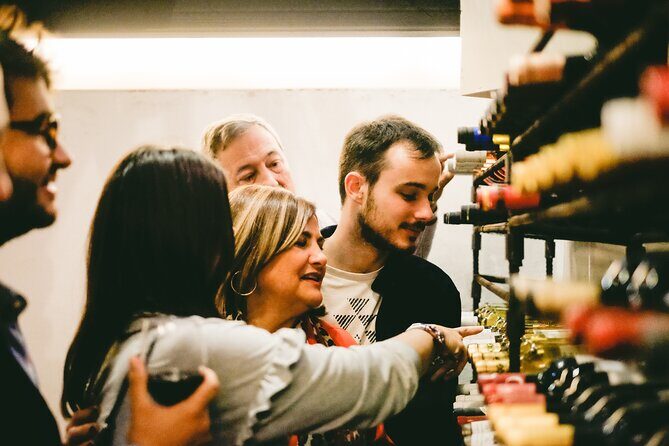
- Small group size (max 10): easier questions and a more human pace.
- A story map tied to the Alcázar: you’re not just wandering; you’re learning.
- Legend stop: Susona and the Street of Death: part history, part medieval folklore.
- Multiple worship layers: the area shows how cultures overlapped over time.
- Tapas dinner with two drinks: three-course Andalusian meal, not just bites.
- Guides are consistently praised: names like Miguel, Marta, Valentín, Barbara, and Carlos show up often for a reason.
Why this Seville Jewish Quarter tour feels different from a normal walk
Seville’s old streets can look like set dressing if you don’t have a framework. This tour gives you one. You start with context, then you keep adding layers: medieval Jewish life, the neighborhood’s fortifications, how worship spaces changed, and how later centuries transformed the same ground.
I like that the pace is designed for understanding. You’re not asked to memorize dates while you’re rushing to the next postcard. Instead, you stop often enough to take photos and still listen closely. One review even called it a rainy, satisfying traipse through the quarter, which tells you the format is meant to work even when the sky is not cooperating.
And the ending matters. The three tapas with drinks turn the whole night into something you can remember, not just a history lesson. Food in Seville isn’t an add-on; it’s part of how you experience the city.
You can also read our reviews of more tours and experiences in Seville.



Plaza del Triunfo start: setting the map and the Alcázar connection
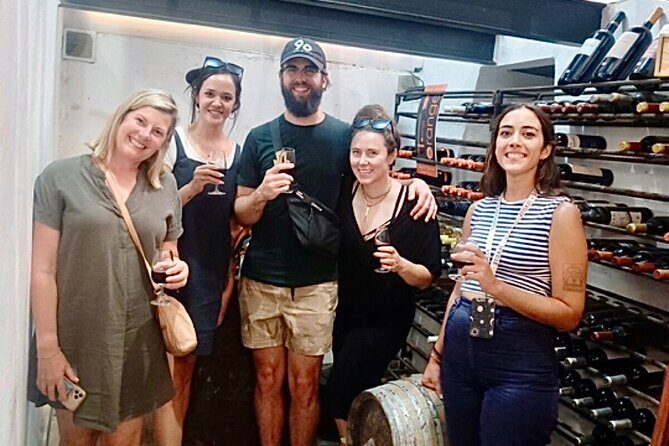
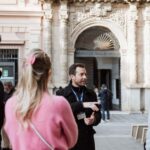
You meet at Plaza del Triunfo and begin in the area where Seville’s “big sights” start to explain the smaller ones. The first part is a welcoming historical introduction to the Jewish Quarter, and you’re also guided through the origin of the Alcázar as you move toward the quarter.
Why this helps: the Alcázar is such a major landmark that it can feel separate from the neighborhood around it. This route links them. You start to see the Jewish Quarter not as an isolated pocket, but as part of the wider fortified and power-driven geography of medieval Seville.
Practical tip: arrive a few minutes early. This start is your orientation. Once you understand what you’re walking through, the little alleys and tight plazas start making sense fast.
Urban changes stop: seeing the 21st-century city in the old streets
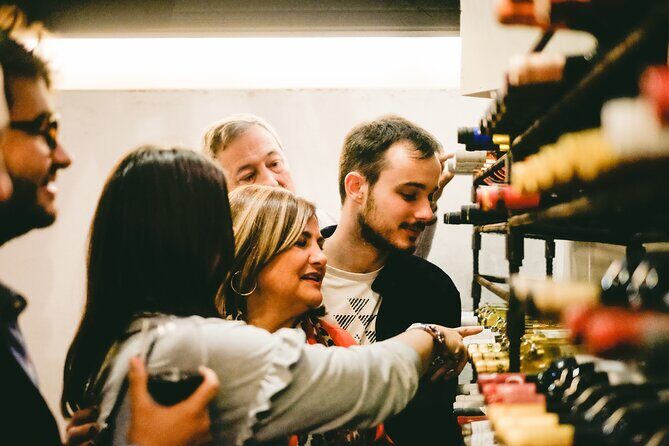
One stop focuses on urbanistic changes—how the area got reshaped through time—and how those changes help you understand the 21st-century city you’re standing in. This is the kind of explanation that makes your phone’s camera feel smarter.
In a lot of neighborhoods, guides either point at buildings or tell big historical stories. Here, the emphasis is on the “in-between” part: how streets, density, and boundaries evolved. That’s why people who think they’ve already “seen the Jewish Quarter” often come away with a different view. Even when physical remains are limited, the layout can still teach you where life used to cluster and how space was defended.
This is also where good guide energy matters. Multiple guides are praised in the feedback—Miguel, Barbara, Valentín, and Marta come up repeatedly—and that energy shows in how they keep the urban story clear without turning it into a lecture.
Susona and the Street of Death: legend as a real sense-maker

Next you hit one of the most intriguing medieval stories tied to the neighborhood: Susona and the Street of Death. Even if you don’t remember every detail, you’ll remember the atmosphere—because legends like this do something factual history can’t always do. They explain how communities processed fear, injustice, and memory.
Why it works on the ground: the story is not told in a vacuum. You’re moving through the area as the legend connects to how people might have navigated the neighborhood, which streets felt significant, and why certain places gained emotional weight.
If you’re the kind of traveler who likes history but hates dry speeches, this is often the stop that brings everything to life. It’s story-driven, but it still anchors in place.
Fortified area around the Jewish Quarter and the Alcázar
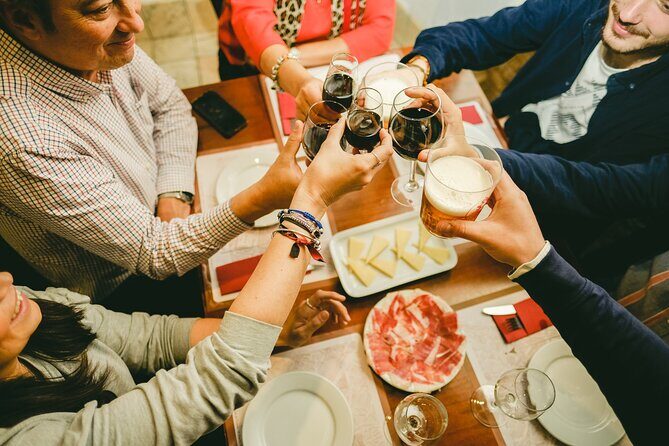
After the legend, you shift to the fortified area around the Jewish Quarter and the Alcázar. This matters because it changes the way you interpret what you see. You stop treating walls and boundaries as decorative background and start understanding them as survival infrastructure.
This section gives you a better sense of why the neighborhood’s position and protection mattered. In medieval cities, “who controls space” often controls daily life: trade, movement, safety, and access to power. When you understand the security context, narrow lanes and clustered corners feel less random.
Photo tip: this is a good time to slow down and shoot upward. The surrounding structure, rooflines, and angles often help you “read” the fortified feel of the area.




The medieval Jewish cemetery: what you’re actually trying to spot
You’ll visit the area that hosts the old medieval Jewish cemetery, preserved at a curious structure. This stop is especially meaningful for anyone who wants Jewish history without getting stuck in museum-only explanations.
Here’s the thing: Seville doesn’t offer a full, easily visible set of remains. What you’re doing instead is learning how a modern visitor can recognize what has been kept, what has changed, and how memory survived.
That’s why this part of the tour often lands well even for first-time visitors. You’re not just learning names; you’re learning how preservation can look different than you expect. And because it’s a small walking tour, you can ask questions when something doesn’t feel intuitive on the spot.
Worship across three cultures of the Mediterranean
Another stop highlights how this location served as a worship place for the three cultures of the Mediterranean. That phrase is basically your invitation to think in layers, not in one straight line of time.
What I like about this moment: it encourages you to watch architecture and place names with a sharper eye. You start thinking, Who used this space? When did the function shift? What stayed, even if the community changed?
For many travelers, this is the emotional center of the route. It’s not just about what happened—it’s about how places keep absorbing different meanings across centuries.
Hidden medieval secret inside houses now tied to a hotel
Next you’ll learn about the hidden secret of the medieval Jewish Quarter found in the houses of the area—now preserved at a structure associated with a hotel. This is the “wait, what?” stop, the one that makes you realize how much history can live behind ordinary-looking doors.
The value here is subtle but real: you’ll learn that the neighborhood’s most important details can be tucked away. That changes how you walk afterward, because you start seeing signs of history in everyday building shapes and transitions.
If you’re traveling with someone who only wants major landmarks, this part can convert them. It’s not a huge spectacle; it’s a “how is this still here?” moment.
The neighborhood’s square and the first church origins
Your route ends up at the square that gives the whole neighborhood its name. This stop connects to the origin of the first church of the area, which then transformed throughout the centuries.
This is where the tour’s theme clicks into place. You see how the same ground can shift religious identity and community life over time. You also understand why local history often feels like a stack of eras rather than a single chapter.
If you love street-level storytelling, you’ll enjoy how this stop ties the emotional side (why places matter) to the practical side (why you’ll keep bumping into those layers as you keep walking Seville).
Tapas dinner with two drinks: what you’ll actually eat
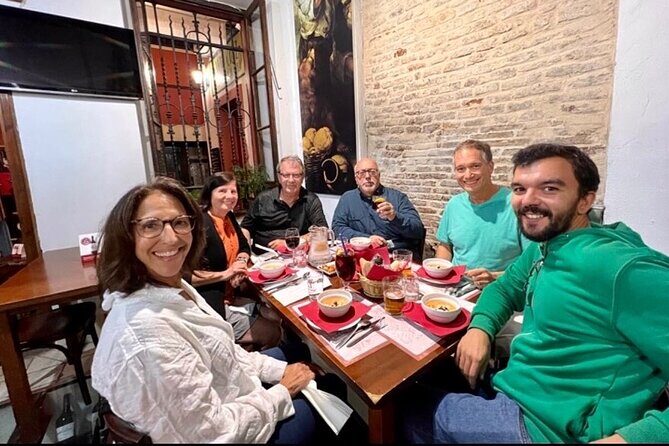
Then comes dinner time. You head to a local tapas bar where each guest gets a meal consisting of three tapas with two drinks included.
The meal is described as three courses of traditional Andalusian food, often blending vegetables with meat and/or fish. Dishes can include things like salmorejo, croquetas, oxtail, spinach with chickpeas, pisto, pork cheeks, aubergines, anchovies, calamari, gazpacho, and mushrooms. The exact menu varies by session, so you’re not stuck with a one-size-fits-all lineup.
Why this ending is strong value: you’re paying for a tour plus a guided food experience, and you’re not left to find dinner afterward. One review specifically praised how vegetarian options worked and how dietary needs were handled, including gluten intolerance and pork or shellfish restrictions. The tour also notes that if you have allergies or intolerance, you should advise at booking so the restaurant can plan accordingly.
Pairing thoughts: since Spanish wines are included, this is a good night to loosen up and let the meal guide you. You’ll likely leave with a better sense of what Andalusian cooking tastes like when it’s done at a local pace.
Pacing, group size, and real photography opportunities
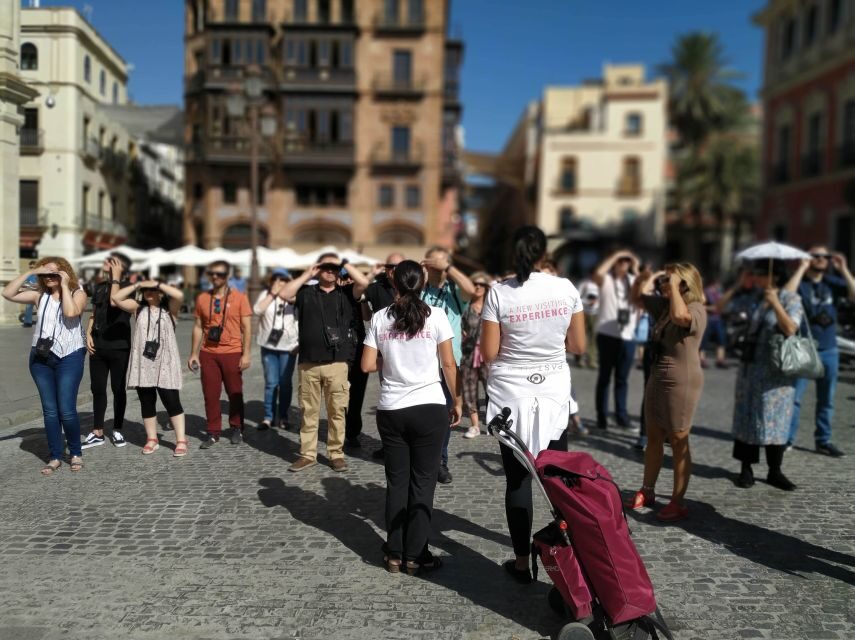
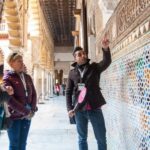
This is a small-group format with a maximum of 10 travelers. That size keeps things from feeling like a conveyor belt. You can ask about legends, building clues, or why certain areas changed the way they did.
Timing is also part of the appeal. The walking is described as not difficult and about an hour and a half, with the full experience running around 3 hours once you add the tapas.
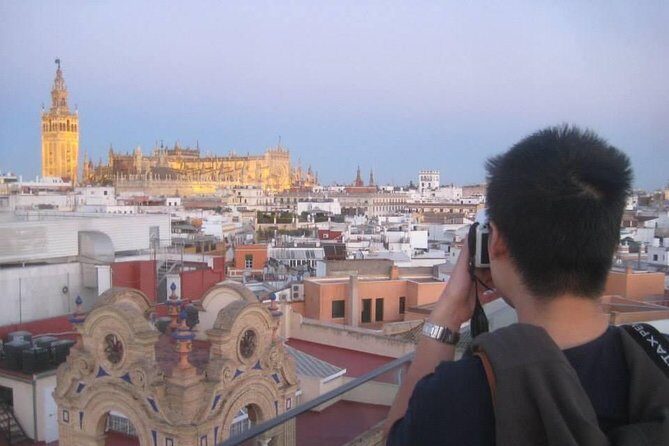
For photography, you get multiple built-in chances: narrow lanes, small plazas, and the “story stops” where the guide points out what to look for. I’d treat this like a “shoot with purpose” tour. Instead of snapping everything, you’ll learn what details matter.
Which guides make this tour shine
One of the best things about this experience is that the storytelling isn’t just consistent—it’s personal. Names that show up in praise include Miguel, Barbara, Valentín, Marta, Clara, Carlos, Carmen, Jose, and others. The common thread in the feedback is how they explain the Jewish community’s life, worship spaces, and the broader Spanish history in a way that feels friendly rather than stiff.
If you’re picky about guides, you’ll appreciate that pattern. People weren’t just impressed by facts; they were impressed by pacing, clarity, and how willing the guide was to answer questions.
Who this tour fits best (and who might want a different style)
This tour is a great fit if you want:
- A guided walk through Seville’s Jewish Quarter with clear story stops
- A food ending that feels like a real Andalusian meal
- A small group where you can actually ask questions
- Photo moments tied to meaningful context
It may feel less perfect if you’re mainly chasing dramatic ruins or big visual remains. One review notes that there’s very little physical leftover from the Jewish community. In this tour, that’s handled by interpretation: where people lived, where worship happened, and how structures were preserved or transformed.
Should you book this Jewish Quarter and tapas tour?
Yes—if you’re in Seville for the first time, or if you’ve already visited the main sights and want a quieter, deeper slice of the city, this is one of the most efficient ways to do it. The combination of story-led walking and a three-tapas dinner with two drinks makes it feel like an entire evening, not just a half-hour detour.
Book it especially if you like history with a human voice. The route is compact, the pacing is built to keep up even on rainy evenings, and the tapas stop turns learning into something you can taste.
Skip it only if you strongly prefer self-guided wandering and you don’t care about legends, worship-space layers, and how the neighborhood evolved. In that case, you might do better with a casual stroll and a separate tapas plan.
If you want, tell me your travel dates and whether you have any dietary needs, and I’ll suggest a smart plan for what to do before and after this tour in Seville.
FAQ
How long is the Seville Jewish Quarter small group tour?
It lasts about 3 hours.
What language is the tour offered in?
The tour is offered in English.
How many people are in the group?
The tour has a maximum of 10 travelers.
Where does the tour start and end?
It starts at Plaza del Triunfo (Pl. del Triunfo, Casco Antiguo, 41004 Sevilla, Spain) and ends at Calle Lope de Rueda (C. Lope de Rueda, Casco Antiguo, 41004 Sevilla, Spain).
Is tapas and drink included?
Yes. Dinner time includes a meal of three tapas with two drinks included.
What kind of food will I be served?
The dinner includes three courses of traditional Andalusian food, usually combining vegetables with meats and/or fish. The exact menu can vary by session.
Can the restaurant accommodate allergies or intolerances?
Yes. If you have any allergy or intolerance, you should advise at booking so the restaurant can be informed.
What if I need help with translation or have a larger family group?
The tour is a small-group experience, and it is designed for most travelers to participate. The data provided confirms a small max group size, which usually makes it easier for questions during the walk.
Are service animals allowed?
Yes, service animals are allowed.
What is the cancellation policy?
Free cancellation is available. You can cancel up to 24 hours in advance for a full refund, and cut-off times are based on the experience’s local time.
Is the tour guaranteed to run?
This experience requires a minimum number of travelers. If it’s canceled because the minimum isn’t met, you’ll be offered a different date/experience or a full refund.